
Reviewed · MOMO MAKING CLASSES
Pokhara: Nepali Cooking Class and Momo Making Workshop
If you want a Pokhara activity that feels local, this Nepali cooking class and momo making workshop is a smart choice. You get hands-on training in a real Nepali home kitchen, plus you learn what makes dishes like momo and dal bhat taste the way they do. It is not just watching someone cook, you actually cook.
I especially like two parts. First, the class is taught by a local Aama chef instructor and her family team, so the food comes with practical tips and everyday context. Second, you get hotel pickup and a small group size (up to 8), so you can ask questions and move at a real cooking pace, not a rushed demo.
One thing to consider: it is not suitable for people with food allergies, and the experience includes meat as well as vegetarian options depending on what you choose, so you will want to plan carefully if you have any sensitivity.
Key highlights you will care about
- Small group of up to 8 means more hands-on help and faster question time
- Hotel pickup and drop-off in Pokhara cuts down your hassle
- Market shopping for vegetables, spices, and meat before you cook
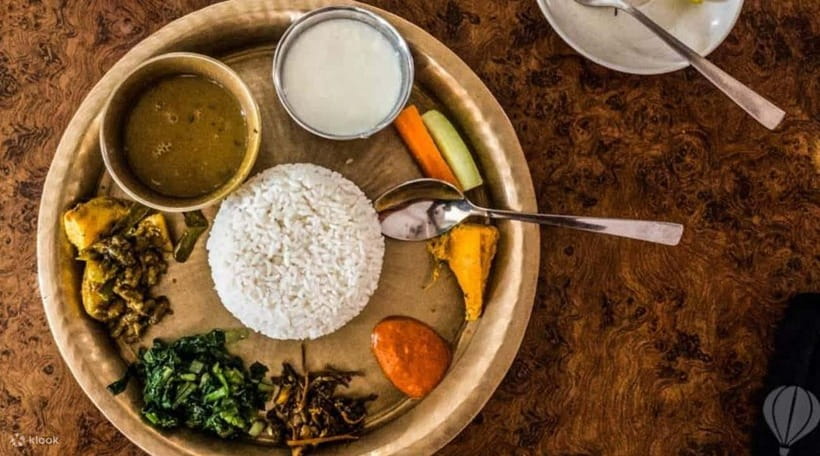
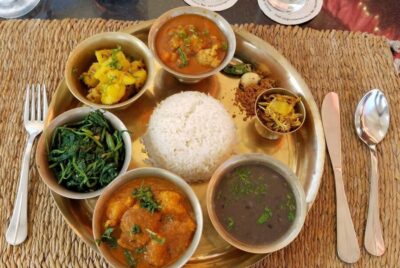
- Choose your main dish between dal bhat or momo (chicken or vegetarian filling for momo)
- Step-by-step instruction in English for beginners and experienced cooks
- You eat what you make, with Nepali masala tea during the lesson
A 3-hour Pokhara cooking lesson that feels like a real home kitchen
This is the kind of activity that works even if you are not a big foodie. Why? Because cooking gives you a clear, satisfying goal in a short time. In about 3 hours, you are not just tasting Nepali food, you are learning the moves, the seasoning logic, and the rhythm of the meal.
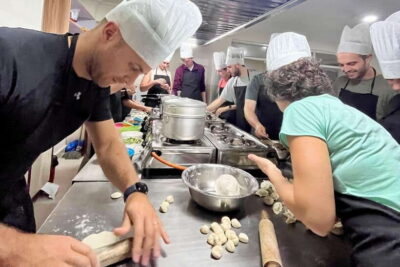
The workshop is run by My Dream Adventure, and it is guided by the home chef instructor, called the Aama, with English instruction. The group stays small (8 participants max), which matters because Nepal’s cooking does not rely on fancy equipment, it relies on correct heat control and knowing when spices bloom, when sauces thicken, and how dumpling dough should feel.
And you get real context, not just recipes. The class covers the cultural significance of what you are making, so dal bhat does not feel like a random plate of rice and curry. It feels like the core rhythm of daily Nepali dining. That is where the experience turns from a fun lesson into something memorable.
More Cooking Classes in Pokhara
- Nepalese Momos or Dal Bhat Cooking Class (Cook with Delight)
★ 5.0 · 99 reviews - Nepalese Kitchen in Pokhara: Momos or Dal Bhat Cooking Class
★ 5.0 · 67 reviews - MoMo or Dal Bhat Cooking Class at Aama Kitchen in Pokhara
★ 4.9 · 28 reviews
Pickup, then straight into the food workflow
Your day starts with hotel pickup and drop-off in Pokhara. That is a big quality-of-life upgrade. Instead of figuring out local transport and timing, you just show up, and the team handles getting you to the kitchen.
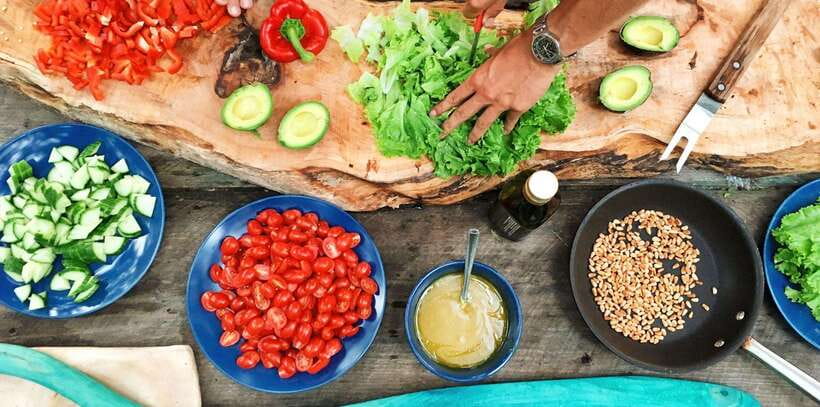
Once you are collected, you head to the cooking space where the smell of spices is already part of the welcome. The kitchen is treated like a home kitchen, not a stage. You will notice how much of Nepali cooking starts with simple, fresh ingredients plus spice technique.
A practical note: wear comfortable clothes and shoes you can move in. You will be standing and working with dough, chopping, mixing, and tasting. Bring a camera if you want food photos and step-by-step shots. Just keep in mind that filming or photos should not get in the way of the cooking flow.
The best warm-up, shopping for spices and vegetables
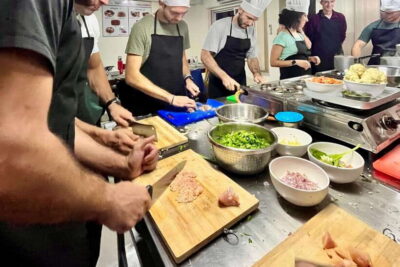
One of my favorite parts of this kind of class is when ingredient selection is part of the lesson. Here, you can explore local areas to buy what you need for the meal, including vegetables, spices, and meat.
That matters more than it sounds. In Nepali cooking, spices are not a generic flavor paste you sprinkle at the end. They play different roles depending on freshness and how they get used. Seeing the ingredients before cooking helps you understand what to prioritize next time you try this at home.
You also learn to choose ingredients for your selected meal. If you pick dal bhat, you are focusing on components that build a balanced rice and lentil plate. If you pick momo, you are focusing on dough and filling ingredients, plus the flavors that wrap everything together.
Your choice: dal bhat or momo, plus masala tea
You choose between two core Nepali dishes, and I like that clarity. It makes the 3 hours feel structured.
More Momo Making Classes in Pokhara:
- Pokhara: 3 Hour MoMo cooking class
★ 4.5 · 10 reviews - Kathmandu: Local Women-Led Nepali Cooking & Momo Class
★ 4.9 · 360 reviews - Kathmandu: Traditional Momo Making Class & Pickup
★ 4.8 · 60 reviews - Kathmandu: Local Women-Lead Nepali Cooking & Momo Class
★ 4.9 · 45 reviews
Dal bhat option
Dal bhat is a quintessential Nepali meal: rice with lentil curry, served with sides and flavoring elements that make it complete. In a cooking class like this, you are not just learning one sauce. You are learning how the parts work together so the meal tastes balanced, not like separate leftovers on a plate.
Momo option
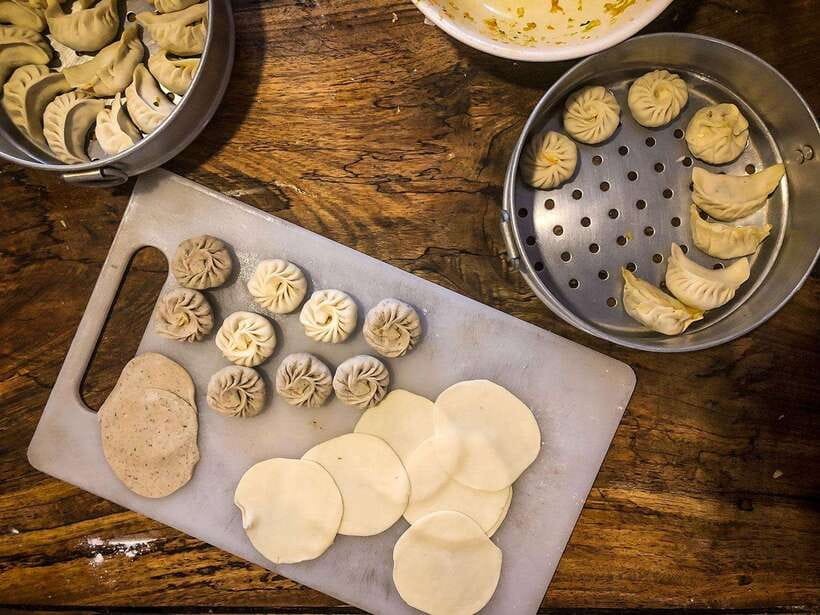
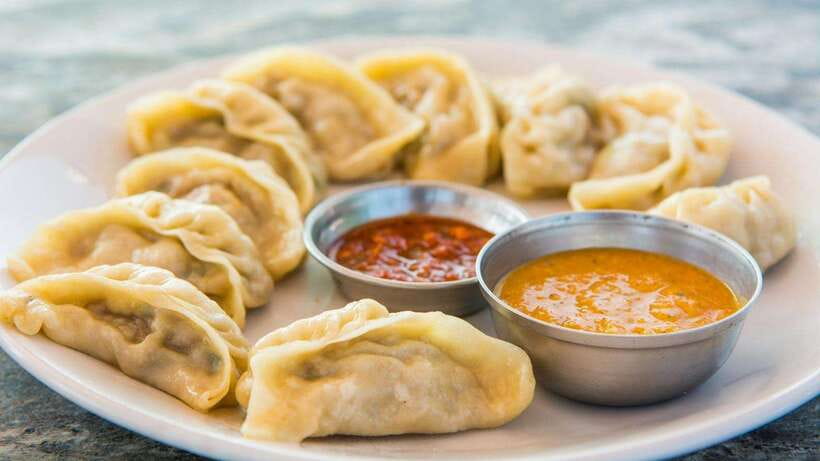
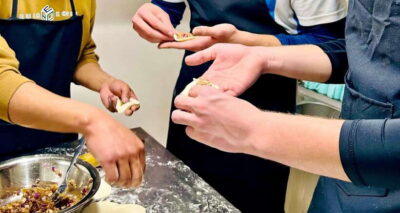
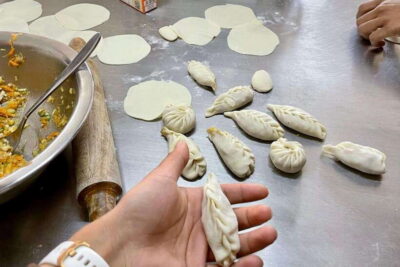
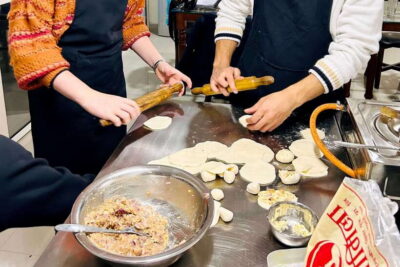
If you pick momo, you will make dumplings. There is a choice for filling: chicken or vegetarian. This is the part where you can see why people love momo. The technique is hands-on, and once you get the dough and filling feel right, the rest comes together quickly.
During the lesson, you also get Nepali masala tea. It is not a random add-on. It fits the teaching rhythm. You can pause, taste, and reset before the next step, which is exactly what you want when you are learning by doing.
What you may cook beyond the main dish
The class includes iconic dishes and additional flavorful curries. Even if your main dish choice is clear, you can expect the meal to feel rounded. That is part of the value: you leave with more than one recipe idea.
Step-by-step cooking, with patient guidance
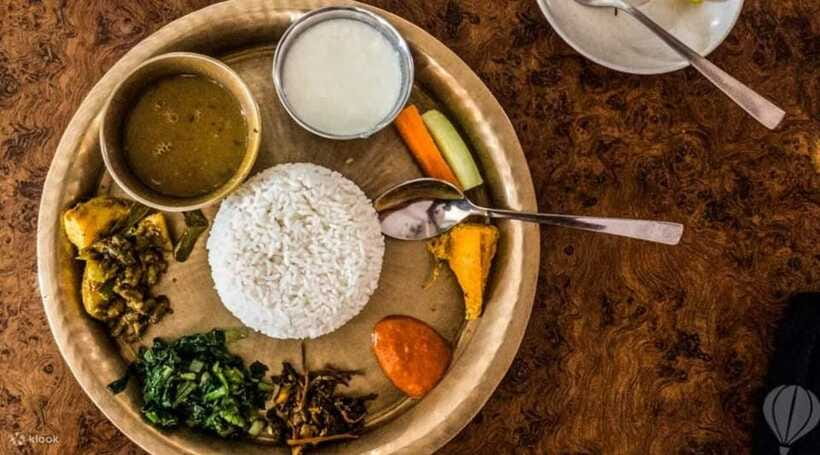
The instruction style is practical. You get step-by-step directions while working at the same pace as the people teaching you. That is especially helpful if you are new to Nepali cuisine, because it removes the guesswork.
The teaching team is described as welcoming and accommodating. In some sessions, the family setup is a real family affair, with multiple members helping and participating. You will likely feel like you are invited into their routine rather than being handled like a customer.
A key strength I look for in cooking classes is patience. The best ones let you get hands messy and mistakes happen without stress. This one is set up for that kind of learning, and because it is a small group, you should not feel lost.
What the lesson actually includes, and why it matters
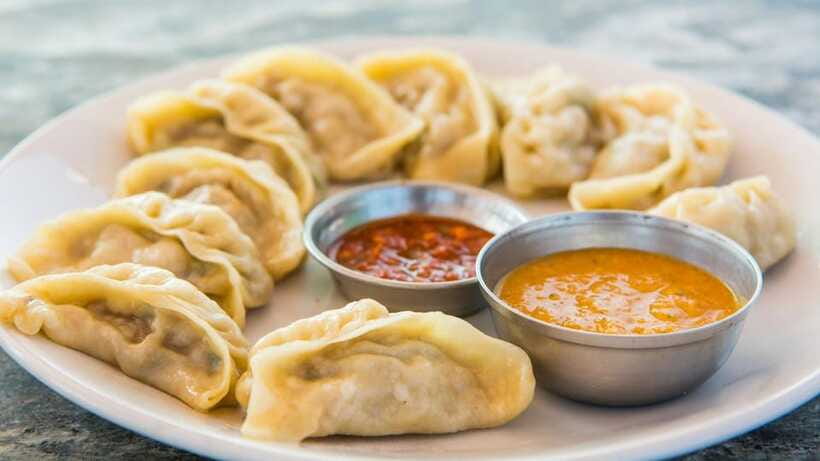
Here is what is included, and why it is a good deal at $42 per person.
Included:
- Hotel pickup and drop-off
- Local home kitchen instructor, the Aama chef instructor
- Cooking class with step-by-step instructions
- All cooking ingredients and equipment
- Hands-on cooking experience
- Tasting session of what you cooked
- Nepali masala tea during the lesson
- Meal of the prepared dishes
Value check: For a 3-hour activity, $42 is not only about the food. You are paying for the instruction time, the shopping component for ingredients, and the fact that you are using their kitchen and equipment. Add pickup and drop-off, and the total becomes easier to justify, especially if you are basing yourself in central Pokhara.
Also, the class uses fresh, locally sourced ingredients. When a cooking class claims fresh ingredients but you do not see or choose them, it often feels thin. Here, the shopping step helps you connect the dots between ingredient and flavor.
Tasting, eating, and taking the techniques home
At the end, you taste and eat the meal you prepared. This part is underrated. In cooking lessons, tasting is not only about hunger. It is how you calibrate. You learn what the curry should taste like after it sits for a minute. You learn how heat level changes the final flavor.
Some sessions also include small ceremonial extras like a completion certificate and tika blessing, and sometimes a scarf as a souvenir. Those extras are not something I would bet your plans on, but it is a nice sign that the family treats the experience as more than a transaction.
Even if you skip the souvenir elements, the technique is what stays with you. You leave with an understanding of spice timing, dumpling construction, and how dal bhat becomes a comfort meal through balance, not just spice strength.
Who this cooking class suits best
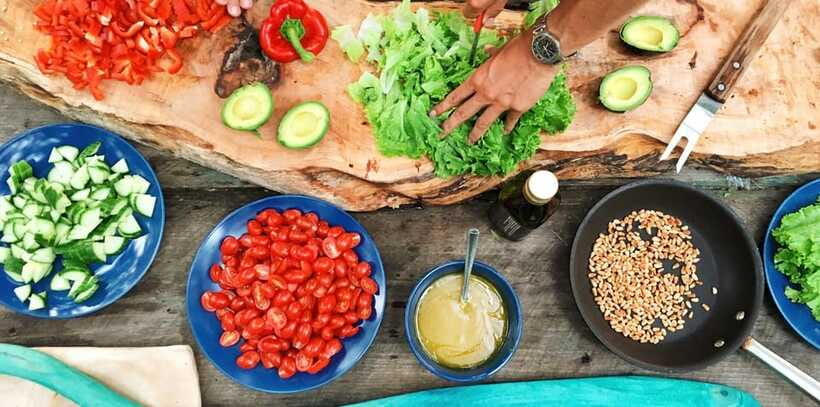
This is a great fit if you:
- Want a small-group Pokhara activity that teaches by doing
- Prefer an English-guided experience without needing to understand Nepali cooking terms
- Like food that is comforting, hearty, and spice-forward without being overly complicated
- Are a beginner who wants clear steps, or a food enthusiast who wants to learn local technique
It is not the best fit if you:
- Have food allergies, because the class is not suitable for allergy needs based on the information provided
- Want a totally vegetarian only meal every time, since the class includes meat ingredients for shopping and some options depend on your chosen dish
Price and logistics, the practical stuff
At $42 for 3 hours, this is priced like a serious hands-on lesson, not a casual tasting. You get hotel pickup and drop-off, which reduces the biggest hidden cost of many classes, your time and transport stress.
The group is limited to 8, and the instructor is English-speaking. Both reduce friction, especially if you are cooking for the first time.
One more practical point: there is no smoking indoors, so plan around that if you are a smoker.
If you are deciding between dal bhat and momo, pick based on your appetite for technique. Momo is dumpling dough and filling work. Dal bhat is rice and lentil curry plus the balance of a full Nepali meal.
Should you book this Pokhara cooking class?
Book it if you want an authentic Pokhara food experience that is practical, hands-on, and taught by a local home kitchen team. You get real ingredient selection, small-group instruction, and you eat a full meal you made yourself. For most visitors, that is the best kind of “return on time,” because you leave with both knowledge and a satisfying dinner.
Skip it only if food allergies are involved, or if you want a passive activity with minimal physical effort. Cooking classes are hands-on by nature.
If you do book, do this before you go: tell the team about any dietary restrictions you have, wear cooking-appropriate clothes, and bring your camera for the steps you will want to remember.
Latest Pokhara write-ups
- Mardi Himal Trek -5 Day Short Trek From Pokhara★ 5.0 · 8 reviews
- Tandem Paragliding in Pokhara★ 4.8 · 8 reviews
- Pokhara: Peace Pagoda Sunset, Annapurna Mountain Views Tour★ 2.9 · 5 reviews
- Short & Scenic: 2-Day Private POON HILL Trek from Pokhara★ 5.0 · 8 reviews
- Seti George and Thrilling Suspension Bridge Tour at Pokhara★ 4.5 · 3 reviews
- Sarangkot Sunrise over the Himalayas★ 4.8 · 83 reviews
- Pokhara: Sarangkot Sunrise and Private Full Day Tour★ 4.8 · 24 reviews
- From Kathmandu/Pokhara: Private 3-Day Chitwan Safari Tour★ 4.7 · 34 reviews
Momo Making Classes, compared.
MoMo or Dal Bhat Cooking Class at Aama Kitchen in Pokhara
Read our review →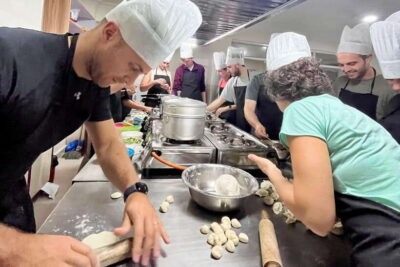
Browse the lists this tour appears in