
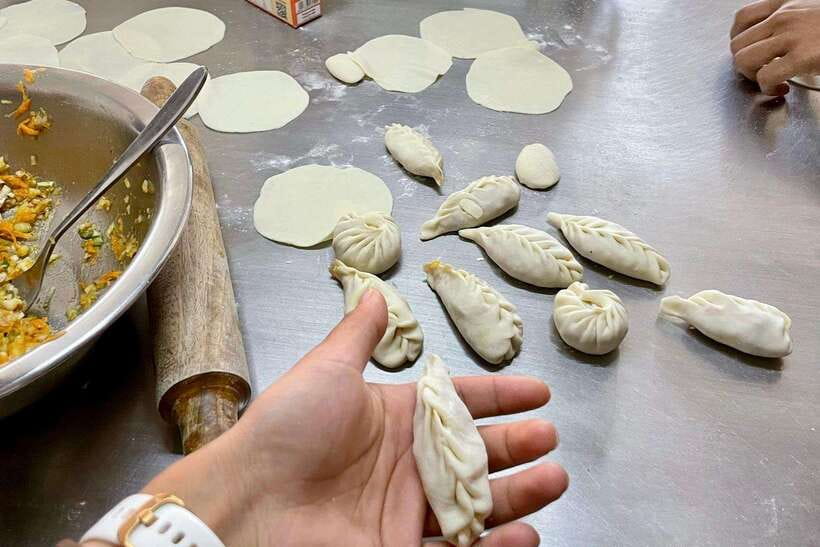
Reviewed · MOMO MAKING CLASSES
Kathmandu: Local Lead Traditional Momo-Making Class & Pickup
Making momo in Kathmandu is interesting because it is not just watching food happen, you get your hands on the process. I like that you can choose veggie, vegan, or chicken filling, and also decide between regular momos or soup momo. I also like that the teaching is paced and practical, with instructors such as Birfan and Bikram helping people get it right. One drawback to keep in mind: it is an active cooking class with dough and hot steam, so it is not a sit-and-snack kind of activity, and it is not suitable for children under 5.
Before you cook, you start with a guided market or shop tour to pick fresh ingredients, which makes the flavors feel grounded in local cooking instead of guesswork. If you are staying around Thamel, the Kathmandu Cooking Academy is an easy 10 to 15 minute walk, and if you do not want to hoof it, optional hotel pickup within Kathmandu Valley is available.
At the end, you eat what you made and you get a complimentary cup of Nepali masala tea. For about $5 and roughly 2 hours, this is strong value because you get the class, the equipment, the ingredient help, and a tasting, all in one go, in a small group limited to 10 people.
Key points to know before you go
- Market ingredients first: You shop for what goes into your momo filling.
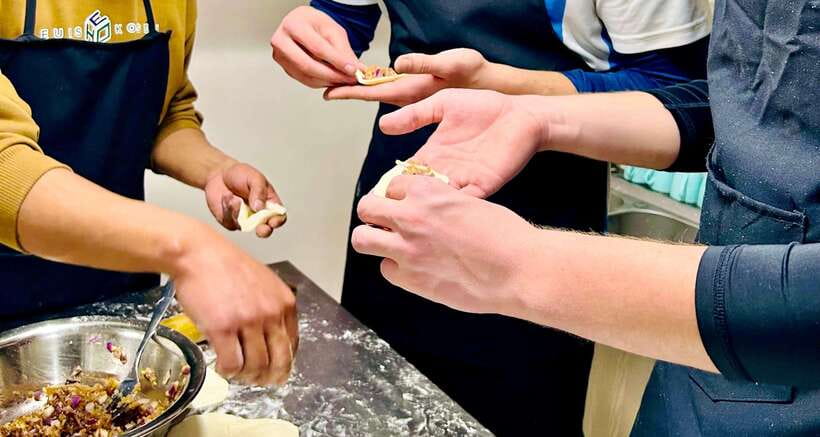
- Hands-on shaping: You learn dough, filling, pleating, and steaming steps in sequence.
- Two momo styles: Go for regular momos or switch to soup momo.
- Tasting plus tea: You finish with your own momos and Nepali masala tea.
- Real teaching energy: Instructors like Birfan and Bikram focus on making technique feel doable.
Why a momo class in Kathmandu is more than a meal
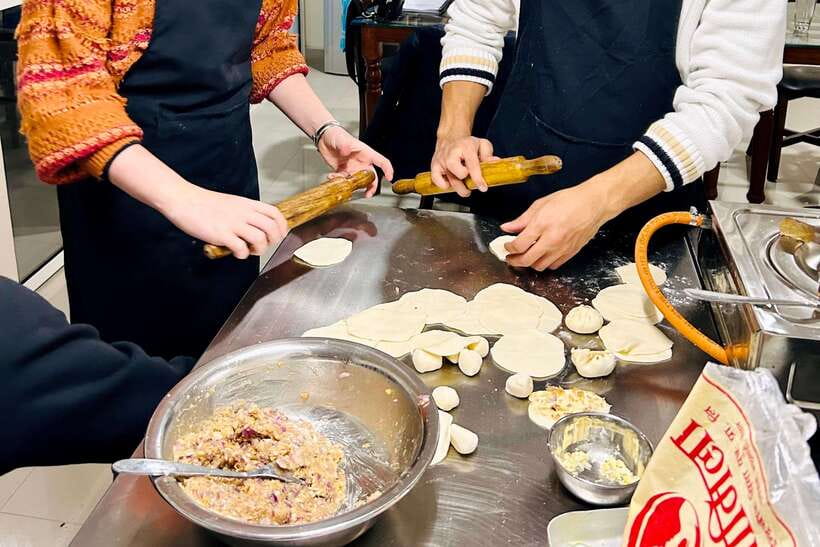
If Kathmandu has a comfort food with real street credibility, it is momo. You see them everywhere, but the best part is when you understand how they come together: dough texture, filling balance, and the steaming timing. That is what you get here. This is not a cooking demo. It is a short, guided workshop where you learn the steps you need to make dumplings that actually hold together.
I like that the class lets you steer the flavor direction from the start. You can go veggie, keep it vegan, or make chicken momos. That matters because momo dough and folding technique stay similar, but the filling logic changes. You get practice either way, and you end the class with food that matches what you actually wanted to eat.
More Momo Making Classes in Kathmandu:
- Kathmandu: Local Women-Led Nepali Cooking & Momo Class
★ 4.9 · 360 reviews - Kathmandu: Traditional Momo Making Class & Pickup
★ 4.8 · 60 reviews - Kathmandu: Local Women-Lead Nepali Cooking & Momo Class
★ 4.9 · 45 reviews
Meeting at Kathmandu Cooking Academy, and how to plan your arrival
The class meets at Kathmandu Cooking Academy in central Kathmandu. You look for a signboard outside the building, then staff guide you to registration when you arrive. The practical detail here is simple: give yourself a little time to find the entrance and settle in before the hands-on part starts.
From Thamel, you are looking at about a 10 to 15 minute walk, which is convenient if you are already basing yourself nearby. If you selected hotel pickup, transportation is arranged within Kathmandu Valley, so you can show up without navigating streets at midday.
Timing is another piece to lock in. The class starts at 1 PM and lasts about 1.5 to 2 hours. That means you can fit it between a morning activity and an evening plan without feeling like you lost half your day.
The market stop: choosing momo ingredients that taste local
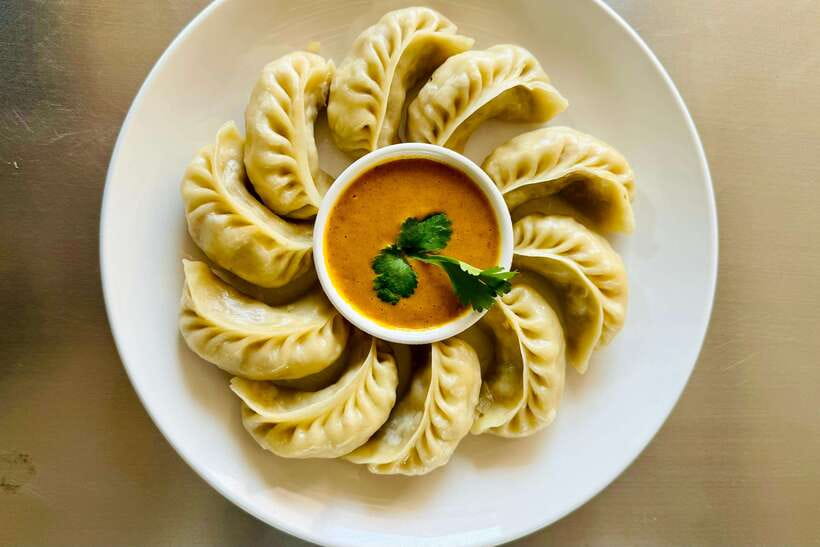
A good cooking class teaches you technique, but a great one also teaches you what ingredients matter. This one starts with a guided market or shop tour where you select fresh items for your momos. Even if you do not know Nepali food terms, you will get direction on what to pick and why.
What you learn during this part is practical:
- You see how the kitchen ingredients start out, not just the final cooked dumpling.
- You get guided choices for veggie, vegan, or chicken fillings.
- You learn what to aim for in freshness, since the class uses those same ingredients for your filling.
I also like that this section gives you a window into everyday food shopping. You are not just buying souvenirs. You are learning how a local cook thinks about basic components, then applying that thinking right away.
Hands-on momo making: dough, filling, shaping, steaming
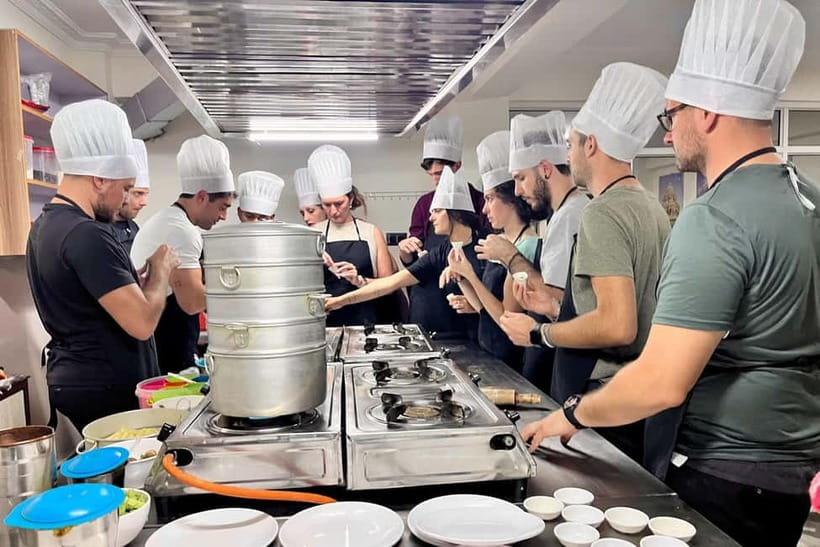
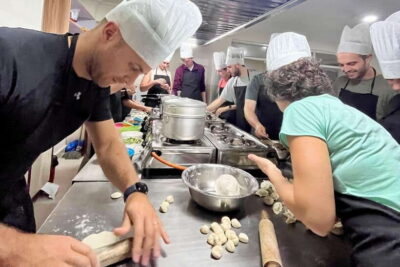
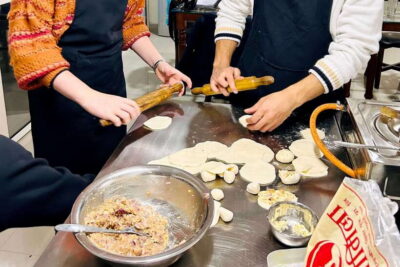
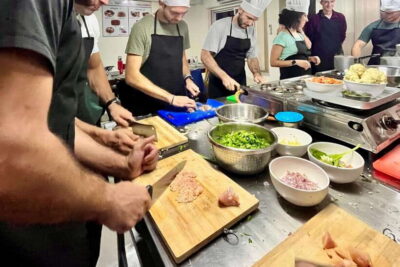
Once the ingredients are chosen, the session becomes fully hands-on. Instruction is in English, and the class is limited to 10 participants, so you are not stuck watching from the back. You work step-by-step as you make your momo dough, prepare your filling, shape the dumplings, and steam them.
Here is what that usually means in a momo class format, and what you should pay attention to:
- Dough stage: You learn how to get the right feel for dough so it rolls and folds without tearing. If your dough seems sticky or too stiff, ask. Small adjustments early save you later.
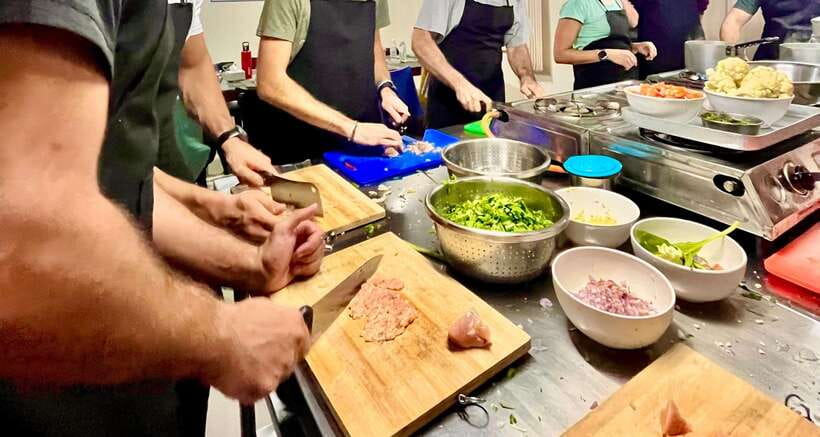
- Chopping and combining: You get help with prepping filling ingredients. In past sessions, teaching focused on easy ways to chop and combine, so you are not stuck with a pile of ingredients and guesswork.
- Folding and pleating: The goal is dumplings that seal well. Even if your shapes are not perfect, you learn what makes a good closure.
- Steaming: This is where dumplings can make or break. You will learn how steaming timing and handling affects texture.
Because the class is small, instructors can spot common issues fast. People often walk in thinking they will struggle with the folding. The way the teaching is described makes it clear you will get correction and encouragement during the steps, not after you already committed to a tray of questionable dumplings.
More to compare around Kathmandu
- Kathmandu: Local Lead Nepali Cooking & Momo Making Class
★ 4.9 · 40 reviews - Knife Khukuri Making Workshop
★ 4.9 · 38 reviews - Kathmandu: Wood Carving Workshop with Local Artisan (Thamel)
★ 4.9 · 17 reviews - Kathmandu: Women-Led Cooking Class & Momo Making-Local Taste
★ 4.8 · 15 reviews
Regular momos vs soup momo: how the style changes your choices
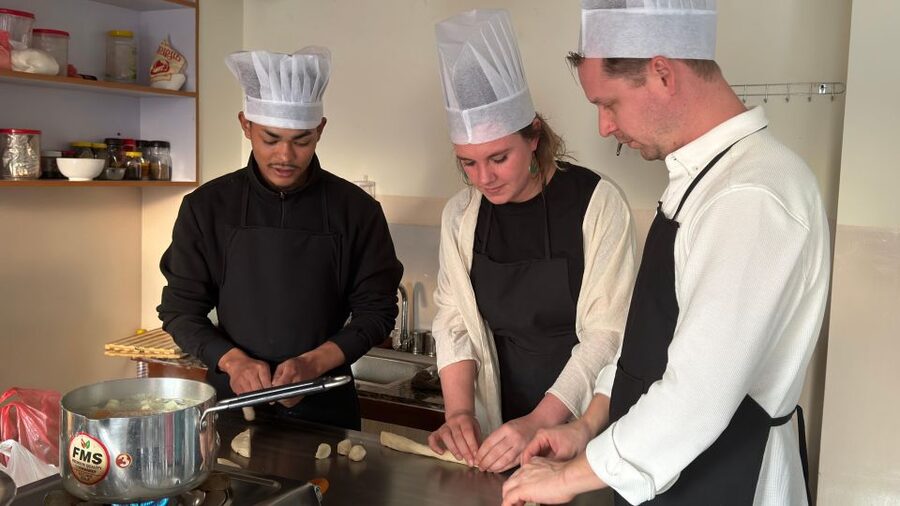
One of the smartest options here is the ability to make normal momos or try soup momo. Both start with dumpling technique, but they lead you in slightly different directions.
Normal momos are what most people picture: dumplings steamed and served as a main. Soup momo changes the experience because you are working toward a bowl outcome, where you want flavors that carry and a dumpling that fits comfortably in broth.
In practical terms, soup momo is a good choice if you want the class to feel like a full meal, not just dumplings on a plate. Regular momos are great if you want to focus purely on dumpling technique.
Either way, you get to make something you can repeat at home. The class is designed so beginners can follow the sequence, and it also gives experienced cooks a refresher on how Nepali-style momos are built.
What you eat at the end, plus Nepali masala tea
At the end of the class, you get a tasting session with the momos you prepared. This is not just a symbolic bite. You get to eat what you made while it is still at its best.
You also get complimentary Nepali masala tea. That matters because tea in South Asia is not an afterthought. It is part of the rhythm of finishing a meal and cooling down after cooking with hot steam and warm kitchen prep.
If you are wondering what to expect for flavor, use this as your guide: the class is focused on authentic momo style, with masala tea included as a local comfort finish.
Price and value: why this $5 class is hard to beat
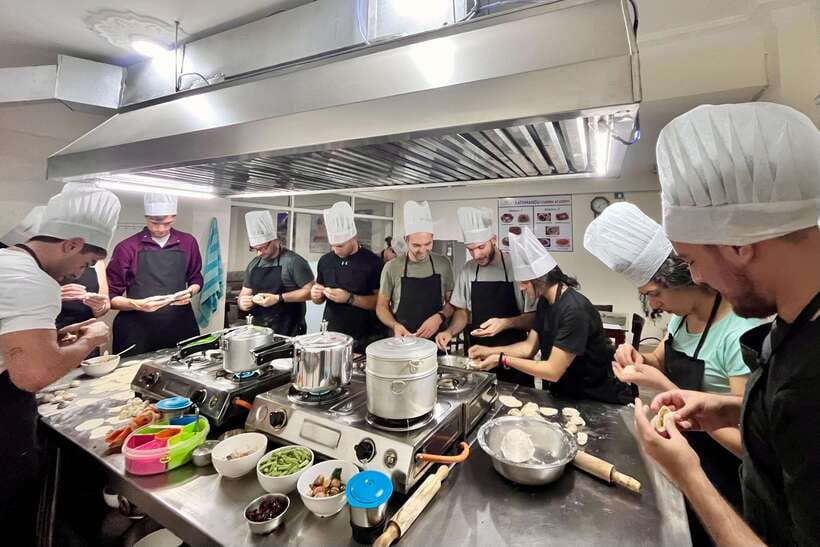
Let’s talk money plainly. The price is $5 per person, which is low for a hands-on cooking experience that includes:
- an expert local-led class
- a guided market or shop tour for fresh ingredients
- all necessary cooking equipment and accessories
- a tasting of what you made
- complimentary Nepali masala tea
- optional hotel pickup within Kathmandu Valley
What makes the value feel real is that you are not just paying for instruction. You are paying for ingredients selected with guidance and a finished dish at the end. Many cheap food tours still feel like you are paying for walking and snapping photos. Here, you get actual cooking time and a plate of your results.
The main caution is not cost. It is matching expectations. This class is short, so you will not become a professional dumpling maker in one afternoon. But you will learn the steps well enough that making momos at home afterward is a realistic goal.
Also note what is not included: specialty drinks and alcohol are not part of the package. If you want more than tea, you will need to plan separately.
Who this class suits best, and when it might not
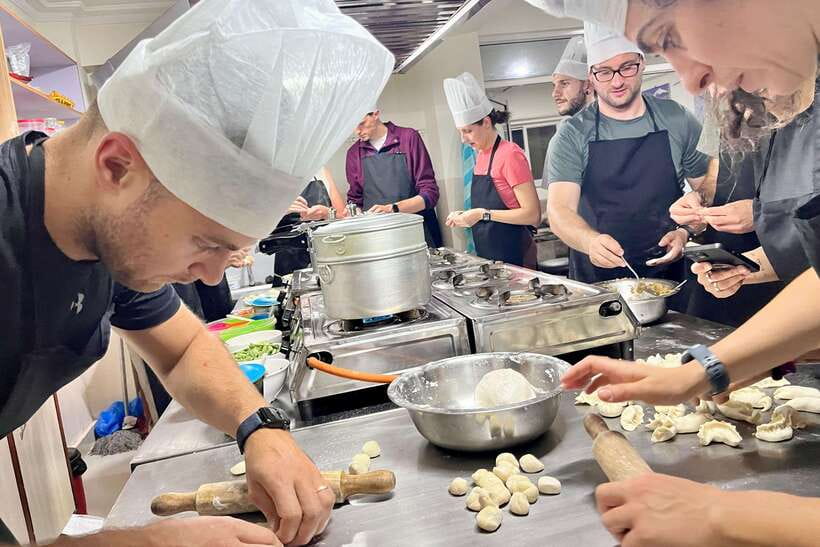
This is a good fit if you want:
- a practical Nepal food experience
- hands-on instruction you can follow as a beginner
- a small group setting where you can ask questions
- veggie, vegan, or chicken options that you can choose ahead
It also fits well for mixed skill levels, since the teaching is described as flexible. In past group experiences, instructors managed varied ages, which suggests the pacing is thoughtful. Still, the official age guidance matters: it is not suitable for children under 5, and there is also an upper age limit of 95 years.
If you hate any kind of cooking mess, you might find the hands-on nature stressful. But if you are okay with flour on your hands and learning through doing, you will likely enjoy it.
A few practical tips to get the most out of your momo class
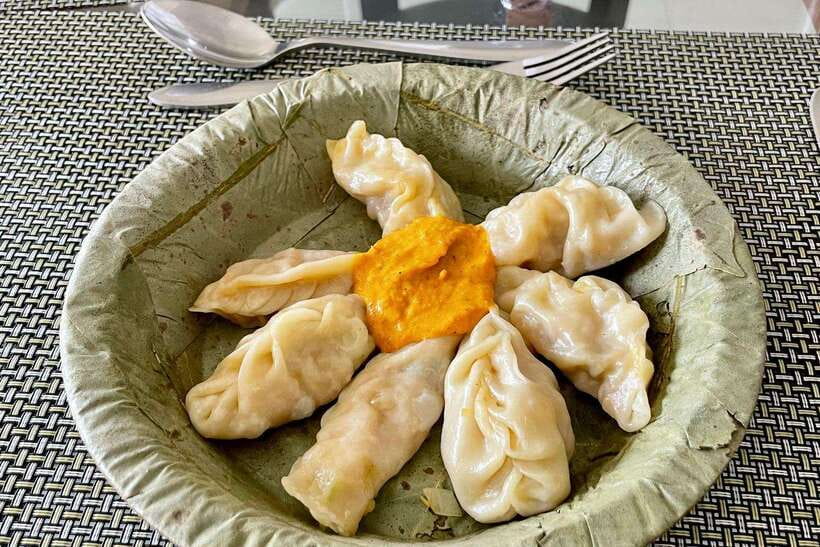
You do not need to be a kitchen hero. Just show up ready to participate.
- Bring a camera, since you will likely want photos of the ingredients, shaping steps, and your finished plate.
- Tell the team ahead of time about any allergies or dietary restrictions. If you need vegan accommodations or special requests, communication matters.
- Wear clothes you can get a little dough on. Even careful hands sometimes pick up a bit of flour.
- If you are choosing between regular and soup momo, pick based on how you want to eat. Soup momo tends to feel more like a meal-in-a-bowl, regular momos feel more plate-focused.
And if you are worried about folding technique, remember the point. The class is built around step-by-step guidance, so ask early when something feels off. Fixing small issues at the dough and filling stage is way easier than trying to salvage steaming later.
Should you book this Kathmandu momo making class?
I would book it if you want a short, affordable way to learn Nepali dumpling technique with real guidance. The combination of a market ingredient tour, hands-on shaping and steaming, and a tasting plus Nepali masala tea makes the value feel straightforward. The small group size up to 10 people also helps you get attention when you need it, especially if you are a first timer.
Skip it only if you want a passive food experience, or if you cannot handle an active class with steam and dough. For most people in Kathmandu who want something local and practical, this is one of the simplest bets you can make with your afternoon.
FAQ
What kinds of momo can I make in this class?
You can make veggie, vegan, or chicken momo. The class also offers options for regular momos and soup momo.
Is there a market tour included?
Yes. The experience includes a guided market or shop tour where you select fresh ingredients for your momos.
Is the class hands-on or just watching?
It is hands-on. You learn step-by-step preparation, including making the dough, shaping the momos, and steaming them.
Do I get to taste the momos I make?
Yes. You’ll have a tasting session of the momos you prepared.
Is Nepali masala tea included?
Yes. A complimentary cup of Nepali masala tea is included with the tasting.
Do you offer hotel pickup in Kathmandu?
Optional hotel pickup and drop-off within Kathmandu Valley is available if you choose that option.
What time does the class start, and how long is it?
The class starts at 1 PM and lasts about 1.5 to 2 hours.
How big is the group?
The group is limited to 10 participants.
What should I bring, and what should I tell them about my diet?
Bring a camera. If you have allergies or dietary restrictions, you should inform them ahead of time so special requests can be handled appropriately.
Latest Kathmandu write-ups
- 16 Days Island Peak Climbing With Everest Base Camp Private Trip★ 5.0 · 3 reviews
- 15 Days Round Annapurna Trek with Poon Hill from Pokhara★ 5.0 · 5 reviews
- Private Nepal round trip including Ghorepani Poonhill trek★ 5.0 · 3 reviews
- Everest Base Camp Trekking 16 Days★ 4.0 · 7 reviews
- 14 Days Luxury Annapurna Base Camp Trek★ 5.0 · 6 reviews
- Everest Base Camp Trek★ 5.0 · 32 reviews
- Everest Base Camp Trek★ 5.0 · 87 reviews
- Everest Base Camp Trek★ 5.0 · 97 reviews
Momo Making Classes, compared.
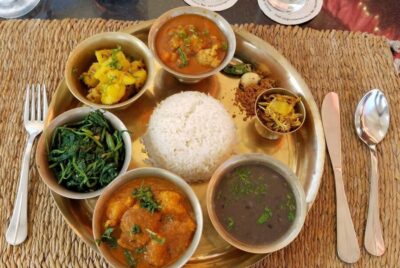
MoMo or Dal Bhat Cooking Class at Aama Kitchen in Pokhara
Read our review →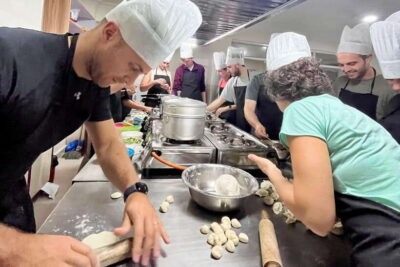
Browse the lists this tour appears in