
Reviewed · MOMO MAKING CLASSES
Traditional Nepali Momo Making Classes
Traditional Nepali momo making in Kathmandu is interesting because it is not a museum-style food talk. You get your hands on the dough, the filling, and the folding, then you sit down to eat what you make. This class also happens in Thamel, the easiest neighborhood for visitors who want food without complicated logistics.
What I like most is the hospitality, you start with a cup of masala chai and the instructors teach in a patient, friendly way. I also love the ingredients focus, the school is run by women and emphasizes Nepal’s indigenous flavors using ingredients sourced through local farmers, so the results feel grounded in real Nepali cooking.
One thing to consider is that the experience requires good weather, so if conditions are poor, you may be offered a different date or a refund. It is a short class, so the timing can matter if you have tight plans that day.
Key highlights you will care about
- Women-run instruction in Kathmandu, led by teachers such as Sushila and Sabita
- Masala chai welcome before you start cooking
- Local ingredient sourcing aimed at authentic Nepali flavor
- Hands-on momo shaping with guidance, not just watching
- Lunch included plus a recipe book to take home
Where Thamel makes this class easy (and actually fun)
If you are staying in Kathmandu for a few days, Thamel is the neighborhood that saves you time. This class meets at Bhagwati Marg, and it is near public transportation, so you do not need a car or a complicated route. The schedule also helps, it starts at 12:30 pm, which means you can turn your midday hunger into a planned meal instead of winging it.
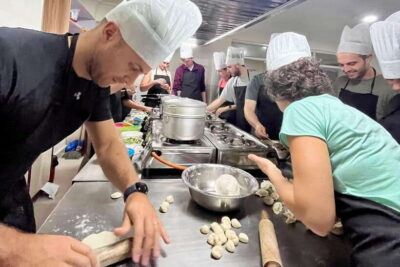
The class runs about 1 hour 30 minutes, with a maximum group size of 16 travelers. That matters more than you might think. Smaller groups tend to get more teaching time, and momo folding is the kind of skill where a quick nudge can make the difference between frustrating and satisfying.
Also, it is offered in English, and you get a mobile ticket. For most visitors, that means you can arrive, show your ticket, and focus on cooking rather than admin.
More Momo Making Classes in Kathmandu:
- Kathmandu: Local Women-Led Nepali Cooking & Momo Class
★ 4.9 · 360 reviews - Kathmandu: Traditional Momo Making Class & Pickup
★ 4.8 · 60 reviews - Kathmandu: Local Women-Lead Nepali Cooking & Momo Class
★ 4.9 · 45 reviews
Chai, choices, and spice talk before you touch dough
The flow is designed to get you comfortable fast. First, you arrive and you get a warm welcome, including a traditional cup of masala chai. It is not just a nice extra. The chai sets the tone for Nepali hospitality, and it helps you settle in before the cooking begins.
Next comes the practical part, you pick from the momo menu options and they also ask about dietary restrictions or allergies. That is an important step in a hands-on class, because dumplings can be sensitive for people with food allergies. If you have restrictions, bring them up clearly during the menu selection so the kitchen can plan safely.
Then you get an overview of the spices used in Nepali momo. This part is valuable because it explains the logic behind the flavors. Instead of memorizing a recipe line by line, you start to understand how spice choices create the taste you associate with Nepali momos. Even if you have cooked before, that flavor education makes the whole class feel more meaningful.
Hands-on momo making: the part you will remember
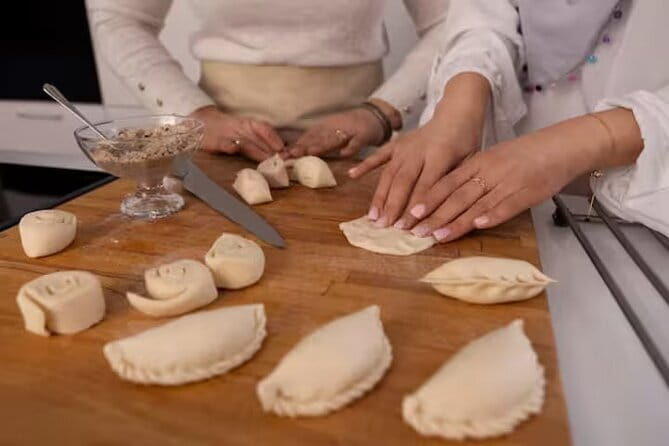
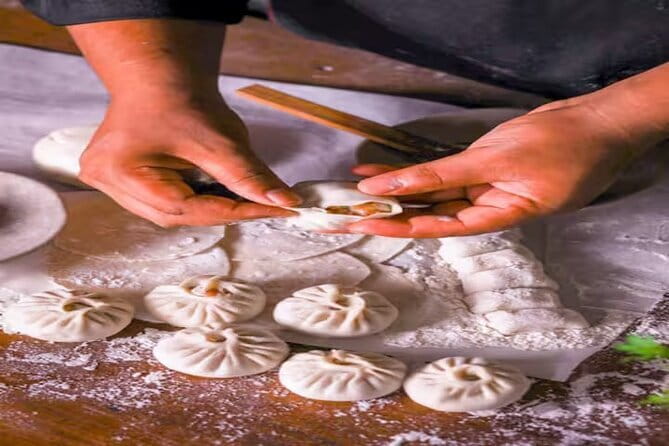
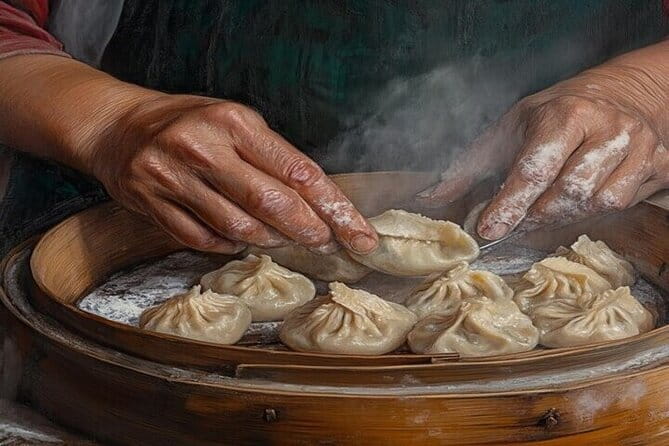
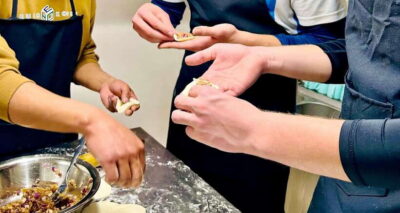
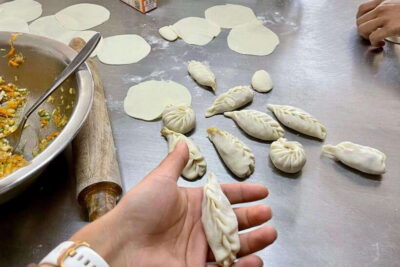
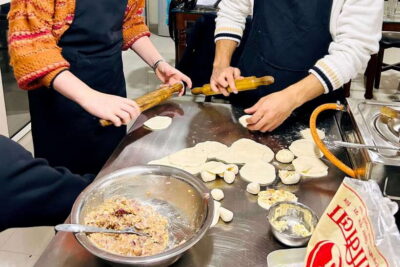
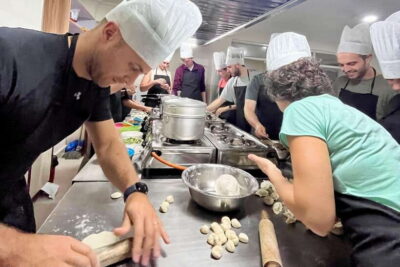
After the warm-up, it is time for the main event, you learn by doing. You are guided through preparing Nepali-style momos, from the dough stage through assembling and shaping. The goal is simple: you should leave feeling like you made something real from scratch, not like you helped someone else do the work.
The class also focuses on shaping, which is the skill most people struggle with at first. When the instructors slow down and show technique carefully, it becomes a repeatable motion you can practice. That is why this works as a short experience. You get enough instruction to improve, but it does not turn into a full-day cooking workshop.
The instructors are women, and the teaching style in this class is consistently described as patient and supportive. You will likely hear encouragement, and if you mess up a fold or two, you will not feel rushed. One of the teachers, Sushila, and Sabita are specifically mentioned as being talented and welcoming, and that kind of energy makes a skill class feel lighter.
In the kitchen, you can expect the session to end with momos you are actually able to eat. From the cooking perspective, that is the best way to learn. From the practical travel perspective, it means you leave with both skills and a full meal.
Your lunch result, and why eating matters here
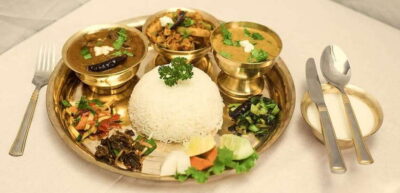
Lunch is included, and the momos you make are part of it. That is not just convenience. It helps you connect the flavor you created to the final texture and taste. You will notice things like how the filling seasoning affects the bite, and how the cooking method changes the dumpling’s texture.
If you are the type who loves cooking for friends later, this format is a win. You can taste what you made while the method is still fresh in your head. Then, after the class, you have a clearer idea of what to repeat and what to tweak when you cook at home.
You also get to eat in the school setting rather than a random restaurant stop. That means your meal feels like part of the experience instead of an unrelated checkbox.
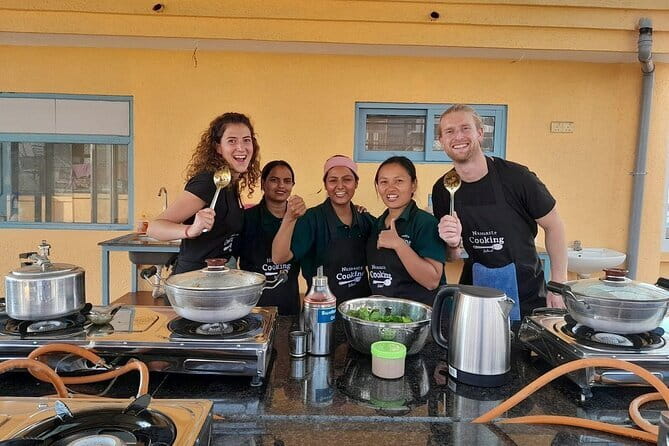
Some descriptions also mention a rooftop kitchen area with views over Kathmandu. Even if your session does not feel like a postcard moment, it is a nice change from eating in a cramped dining room.
More to compare around Kathmandu
- Half day cooking class in Thamel kathmandu
★ 5.0 · 607 reviews - Knife (Khukuri) Making Workshop- Forge of the Gurkhas
★ 5.0 · 143 reviews - Local Women Lead Nepali Cooking Class
★ 5.0 · 125 reviews - The best Private Nepali Cooking Class in Kathmandu
★ 5.0 · 83 reviews
The recipe book: the take-home tool you will use
After you finish the momo course, you receive a Namaste Cooking School recipe book as a keepsake. For cooking classes, the recipe book is the real value after the food is gone.
A good recipe book should do two things. First, it should help you recreate what you made while you still remember the key steps. Second, it should offer enough detail that you can make adjustments, like changing the filling or adapting the spices to what you can find at home.
This class’s recipe book is a big part of why it feels worth the price even if you do not expect to become a dumpling expert in 90 minutes.
Price and value: where the $18 fits
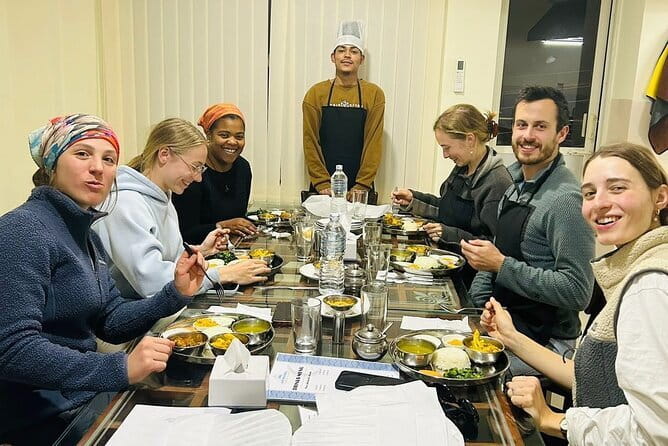
At $18 per person, this is priced like a quick cultural activity, not a premium fine-dining workshop. The value comes from the combination: hands-on cooking instruction, lunch included, and a recipe book. Many cheaper experiences give you watching time plus a small snack. Here, you are actively making your own dumplings and then eating them.
It is also worth noting that the class is capped at 16 people and taught in English, which tends to support better interaction per guest than larger, busier classes. For most visitors, that is the sweet spot between affordable and actually educational.
If you are trying to decide between this and a regular restaurant lunch, think of it this way: in a restaurant you pay for the meal. In this class, you pay for the meal plus a skill and an at-home reference.
Timing and group size: the small logistics that matter
The start time is 12:30 pm, and the total duration is about 1 hour 30 minutes. That is a good midday slot. It gives you time to eat without losing your whole afternoon. It also works if you want to explore Kathmandu after lunch, or if you are just tired of deciding what to eat every day.
Confirmation happens at booking time, and the class has a maximum of 16 travelers. That limit helps keep the lesson approachable. It also means you should not show up with the mindset that it will be slow and relaxed. You will get started promptly so everyone can cook and eat on time.
The experience is also described as near public transportation. So if you do not want to deal with traffic or finding parking, this is easier than activities tucked into hard-to-reach spots.
Weather notes: what can change your plans
This experience requires good weather. That matters because it can affect how and where the session runs. If weather does out, you will typically be offered a different date or a full refund.
If you are planning around flights or other fixed commitments, keep a little flexibility in your afternoon. You are booking a cooking class, and cooking outdoors or in weather-dependent setups means conditions count.
Who this momo class is best for
This works best if you want a real food skill in a short time. You will enjoy it if you like learning how flavors build, not just eating the final product.
It is also a good fit for:
- Couples who want one planned activity instead of another wandering meal
- Food lovers staying in Thamel who want something hands-on and not too time-consuming
- Families with kids, since the teaching style is described as welcoming and patient, including for children around eight years old
If you are already a professional cook, you might still enjoy it for the spice and shaping focus, but you may want to pair it with another cooking or market visit for deeper technique. In 90 minutes, you are learning the basics and building confidence, not mastering everything.
Should you book Namaste’s traditional momo class?
Yes, book it if you want an affordable, hands-on Kathmandu food experience with lunch and a take-home recipe book. The combination of a chai welcome, English instruction, women-led teaching by instructors such as Sushila and Sabita, and the chance to shape and eat your own momos makes this feel like a genuine cultural lunch with real payoff.
Maybe hold off only if your schedule is extremely tight on weather, because the experience requires good conditions. If you can keep your midday flexible, this is a strong choice.
FAQ
What time does the traditional Nepali momo making class start?
The class starts at 12:30 pm.
How long is the momo making experience?
It lasts about 1 hour 30 minutes.
Is lunch included?
Yes, lunch is included.
Do they teach in English?
Yes, the class offers instruction in English.
What is the group size limit?
The experience has a maximum of 16 travelers.
What happens if the weather is bad or I need to cancel?
The experience requires good weather. If it is canceled due to poor weather, you will be offered a different date or a full refund. For cancellations, you can cancel up to 24 hours in advance for a full refund.
Latest Kathmandu write-ups
- Langtang Valley Trek★ 5.0 · 3 reviews
- Khopra Danda Trek★ 5.0 · 3 reviews
- Langtang Valley Trek from Kathmandu★ 5.0 · 3 reviews
- 5 night / 6 days Kathmandu Nagarkot Chitwan Pokhara tour★ 5.0 · 3 reviews
- Nepal Highlights Tour: 5 Nights 6 Days Kathmandu & Pokhara Tour★ 5.0 · 3 reviews
- Kathmandu Valley Private Day Tour★ 5.0 · 3 reviews
- Conquer the Himalayas: The Ultimate 16-Day Annapurna Circuit Trek★ 3.5 · 3 reviews
- Kathmandu Heritage Day Tour★ 5.0 · 3 reviews
Momo Making Classes, compared.
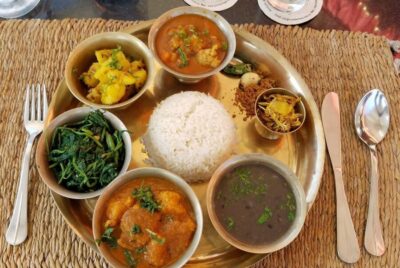
MoMo or Dal Bhat Cooking Class at Aama Kitchen in Pokhara
Read our review →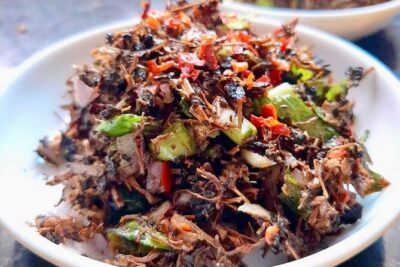
Browse the lists this tour appears in