
Reviewed · UNESCO WORLD HERITAGE SITES
UNESCO Five World Heritage Tour in Kathmandu
Kathmandu is one of those rare places where Buddhism and Hinduism share the same street corners and the same sacred spaces. This private full-day UNESCO World Heritage tour is built for people who want structure, context, and efficiency, without spending the day negotiating rides.
I like that it’s truly one-stop practical: private car transport, pickup and drop-off inside the Ring Road (including Bouddha area), and entrance fees handled. I also like the pace that still gives you time to look up at details, not just speed through stone monuments.
One consideration: it’s a packed day. You are visiting many sites back-to-back, so you’ll want comfortable shoes and patience when crowds and reconstruction slow things down.
Key things that make this UNESCO Kathmandu Valley day special
- A guide who explains what you are actually seeing at each major site, from Durbar Squares to the stupa neighborhoods
- Entry fees included across the heritage sites, so you do not lose time paying at each stop
- Private car with Ring Road hotel transfers, including Bouddha area pickup
- Real Kathmandu variety in one day, from Swayambhunath viewpoints to Patan palace streets and Pashupatinath shrines
- A stop-by-stop plan that mixes big UNESCO icons with specific temples like Taleju and Bhimsen
- Stress-reducing timing, with a set start at 9:00 am and a route designed to keep the day moving
A UNESCO day trip that actually fits into your schedule
This tour works if your Kathmandu plan is short and you still want the big hitters of the Kathmandu Valley UNESCO sites. You get a full day, about 7 to 8 hours, starting at 9:00 am, with a private guide and a private car.
What makes it interesting is the blend. You begin on the hill above Kathmandu with Swayambhunath, move through royal square architecture in both Kathmandu and Patan, then shift to the Hindu pilgrimage atmosphere at Pashupatinath, and finish in the Buddhist orbit around Boudhanath. That’s not just sightseeing. It’s a map of how spiritual life shapes the city.
The route is also smart for first-timers. It does not ask you to figure out how to hop between neighborhoods with taxis or guess where each complex begins. With pickup within the Ring Road area, you can focus on looking closely and asking questions instead of doing route math.
More UNESCO World Heritage Sites in Kathmandu:
- Kathmandu: 7 UNESCO Sites with Lunch
★ 4.8 · 744 reviews - Kathmandu: Full-Day 7 UNESCO Tour with Lunch – Private/Group
★ 4.9 · 247 reviews - Kathmandu: 7 UNESCO Sites Tour in 1 Day (Private Tour)
★ 4.9 · 204 reviews
Price and what you get for $130 per person
At $130 per person, you are paying for more than a checklist. The most valuable part is that the price includes transport by private car, a professional guide, and entry fees for all heritage sites on the route. For a day with multiple ticketed complexes, that bundle matters.
What is not included is simple: food and drinks. You’ll want to bring your own water or plan for breaks on your own schedule. Since the day is structured, you are not relying on the guide to find meals at set times, and that can be helpful if you prefer quick, local stops.
One more value detail: the tour is private for your group, not a shared bus experience. Even with a couple of extra minutes at a temple or museum, private pacing keeps the day from turning into a group tug-of-war.
Getting picked up and dropped off inside Kathmandu’s Ring Road
Logistics in Kathmandu can eat time. This tour cuts that problem down with hotel pick-up and drop-off within the Ring Road area, including Bouddha.
Practically, this means two things for your day:
- You do not spend your morning hunting for a meeting point that is far from where you’re staying.
- You avoid the chaos of coordinating multiple taxi rides between districts, especially when you are bouncing between Kathmandu and Lalitpur.
The tour operates with a private car, which also helps with timing. When you have stops spread across hills and squares, the difference between quick, direct driving and repeated taxi negotiations can feel huge.
Swayambhunath and Amideva Buddha Park: the hill start that sets the tone
Stop 1 is Swayambhunath Stupa, one of the UNESCO-listed holy sites that is important to both Buddhist and Hindu communities. The big advantage of starting here is that the site gives you a sense of how Kathmandu reads spiritually from above. You get that layered feeling right away, before you spend hours in the flatter royal square complexes.
You’ll have around one hour here, including time to walk the approach and take in the temple-stupa mix. Expect lots of symbolism: prayerful energy, ritual spaces, and religious meaning stacked on top of older layers.
Right near the hill, you then visit Amideva Buddha Park for about 15 minutes. This stop is shorter, but it adds a nice change of pace. It features three large Shakyamuni Buddha statues, and it’s described as a small hangout place that still feels beautiful.
Why I like this combo: Swayambhunath gives you the headline viewpoint and UNESCO status, while Amideva Buddha Park gives you something calmer and more focused. Together, they help you understand that the area is not only a monument. It’s a lived religious landscape.
More Historical Tours in Kathmandu:
- Kathmandu: Private UNESCO World Heritage Site Tour
★ 4.9 · 47 reviews - Private Kathmandu UNESCO World Heritage Sites Tour
★ 4.8 · 28 reviews - Pick 2-Wonders of Kathmandu: A 3-Hour Heritage Hop
★ 5.0 · 22 reviews - Kathmandu: Guided -Day Tour of World Heritage Sites
★ 5.0 · 10 reviews
Kathmandu Durbar Square stops: Basantapur Tower, Taleju sites, and Kumari Chowk
After the hill, the tour drops you into Kathmandu Durbar Square, where royal power and religious architecture overlap. You get about one hour here, and the square also includes areas where reconstruction is happening, so some sections may look like work in progress.
Inside the Durbar zone, the itinerary adds several pinpoint stops:
- Basantapur Tower (about 30 minutes): a strong viewpoint-and-structure stop. If you like architecture, this is where you start noticing how the buildings are shaped as much by craft as by function.
- Degu Taleju Temple (about 10 minutes): built in 1564, it’s tied to the religious authority embedded in royal spaces.
- Kumari Chowk (about 10 minutes): a sacred courtyard inside a red-brick three-level building. This is the place connected to the living goddess tradition, centered on the Kumari selected until puberty.
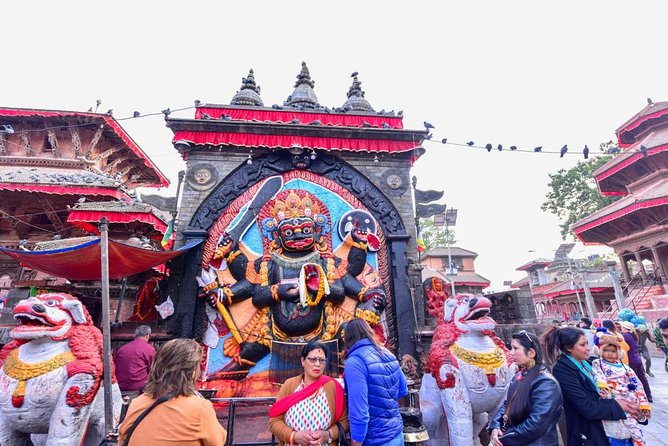
- Kaal Bhairab (about 5 minutes): a statue of Bhairav within Kathmandu Durbar Square, a quick hit that still matters because Bhairav is a major figure in Hindu devotional life.
What you should know going in: Durbar Square is an active cultural setting, not just an outdoor museum. Even if some parts are under restoration, the feel is still historic and ceremonial. Your guide’s role here is huge, because the buildings can look similar from street level until someone explains what you are looking at.
Patan Durbar Square and the royal palace district in Lalitpur
Next comes the shift across town to Patan in Lalitpur, where the architecture leans hard into Newari design and temple craft.
First stop is Patan Royal Palace for about one hour. You’ll see the palace complex area around the Durbar zone, and the description specifically highlights places like the Krishna Temple, Tulaja Devi Temples, and the Patan Museum as part of this royal district. This matters because Patan’s story is less about one big icon and more about a dense cluster of sacred and civic buildings.
Then you enter Patan Durbar Square for about 45 minutes. It’s described as the home of Newari architecture, with many temples and artistic creations attributed to the Newar community. If Kathmandu Durbar Square feels like royal power mixed with reconstruction, Patan Durbar Square often feels like a craft showcase that keeps working.
The tour adds more focused temple stops:
- Taleju Mandir Temple (about 15 minutes): rebuilt after a fire in 1676 by Srinivasa Malla.
- Patan Museum (about 15 minutes): small and manageable, but built around old statues and carved windows with wooden pillars. Even if you usually skip museums, this one can clarify what you saw outside.
- Golden Temple, Hiranya Varna Mahavihar (about 10 minutes): a 12th-century pagoda-style temple with bronze statues and bright silver and golden decoration. The description points to a golden image associated with Lord Buddha.
- Vishwanath Mandir Temple (about 5 minutes): built during Siddhi Narsingh Malla reign and dedicated to Shiva.
- Bhimsen Temple (about 15 minutes): built in 1680 by Srinivasa Malla, worshiped as a god of business and trade by the Newar community.
This is the part of the day where your brain starts connecting patterns. You see how temple function, trade, devotion, and royal authority overlap in the same block. And since everything is close, you get that “look again, but slower” feeling in a single afternoon.
Pashupatinath and Boudhanath: from Shiva shrines to prayer wheels
Late in the day, the tour switches from the Durbar-world into pilgrimage complexes.
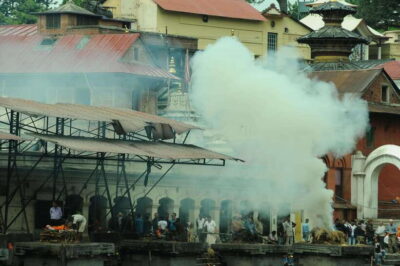
First is Pashupatinath Temple for about one hour. This Hindu temple complex is described as having over 500 shrines and temples. It is presented as a main place for Shiva devotees, and once you are inside the larger complex, you’ll find many pagoda structures and clustered devotional spaces. It’s a big stop, and the guide’s explanations help you not feel lost in the scale.
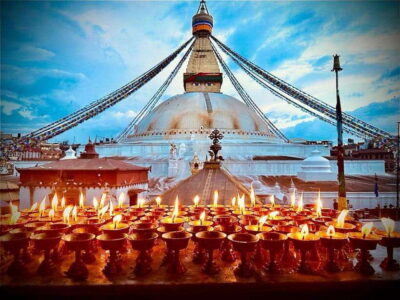
Then you end at Boudhanath Stupa for about one hour. This is the Buddhist counterpart in feeling and design. You’ll see the stupa’s large 36-meter-high dome-shaped structure, surrounded by prayer wheels and decorative carvings linked to Buddha. The atmosphere here is calmer and more circular, with ritual motion and visual repetition.
Why this finish works: you leave with two different “spiritual languages” in your head. Shiva devotion at Pashupatinath has one rhythm. Boudhanath’s prayer wheels and stupa geometry has another. Having both in the same day makes the Kathmandu Valley blend feel real, not like a brochure sentence.
The guides are the real engine of the day
The tour lives or dies on the guide, and this one seems to do well there. Names that come up in feedback include Shanti, Sarita, Tej, Shanthi, and Rabina, and the common thread is simple: they explain the sites clearly and answer questions without making you feel rushed.
I like that the day is described as stress-free and well-organised, because that is what good guiding looks like. It means you get the key context when you need it, and you still get time to look.
If you want to learn faster, here’s what to do during the day:
- Ask one question per stop that starts with what you are looking at and why it matters.
- If the guide points out symbols or architectural cues, follow them with your eyes. Don’t keep scanning for the next photo, because the meaning is in the details you almost miss.
That kind of guidance is especially valuable at Durbar Squares, where similar-looking temple facades can hide very different functions.
Practical tips for a smooth 9:00 am start
This tour has many fixed points and short visits layered together, so planning matters.
Wear:
- Comfortable shoes. You’ll move through temple compounds and courtyards with uneven stone surfaces.
- Clothes that work for religious spaces (you might find yourself needing to cover up at temples).
Plan for:
- A full day with minimal breaks. The stops are timed, and each one includes entry fees, so you are typically in and out on schedule.
- Heat and light. Start early at 9:00 am to reduce the worst of it, and bring sunglasses.
Bring:
- Water and a simple snack plan for yourself since food and drinks are not included.
Expect:
- You will learn a lot. People who enjoy religion, architecture, and how cultures mix will feel at home here.
- You will also feel the pace. If you prefer slow travel, this may feel like information overload. Consider pairing the tour with quieter afternoons in town.
Should you book the UNESCO Five World Heritage Tour in Kathmandu?
Book it if:
- You want the major UNESCO sites in Kathmandu Valley without doing the logistics yourself.
- You like guides who can explain religious and architectural meaning, not just point at monuments.
- You want your day to feel organised, with entry fees included and Ring Road pickup so you start strong and end strong.
Skip it or look for a slower alternative if:
- You dislike packed schedules and long walking blocks.
- You want plenty of free time for wandering and shopping between sites, because this route is designed to cover a lot.
For most first-time visitors, though, this is a smart value choice. At $130, you’re buying the time-saving parts you usually pay for twice: transport, multiple ticket lines, and the guide time that turns a collection of buildings into a coherent story. If that sounds like your style, you will likely feel it was money well spent.
FAQ
What time does the tour start?
The start time is 9:00 am.
How long is the UNESCO day tour?
It runs about 7 to 8 hours.
Is hotel pickup and drop-off included?
Yes. Pickup and drop-off inside the Ring Road area are included, including the Bouddha area.
Are entrance fees included?
Yes. The entry fee of all heritage sites is included.
Is food included in the price?
No. Food and drinks are not included.
Is this tour private?
Yes. It is a private tour/activity, and only your group participates.
What sites are included in the route?
The tour includes Swayambhunath, Kathmandu Durbar Square, Patan sites including Patan Royal Palace and Patan Durbar Square, Pashupatinath, and Boudhanath, plus additional temples at these locations.
Where does the tour take place?
It takes place in Kathmandu, Nepal, with visits across the Kathmandu Valley area including Patan and the Pashupatinath and Boudhanath areas.
How far in advance should I book?
On average, it is booked about 55 days in advance.
Can I cancel for a full refund?
Yes, free cancellation is available up to 24 hours in advance of the start time for a full refund.
Latest Kathmandu write-ups
- 16 Days Island Peak Climbing With Everest Base Camp Private Trip★ 5.0 · 3 reviews
- 15 Days Round Annapurna Trek with Poon Hill from Pokhara★ 5.0 · 5 reviews
- Private Nepal round trip including Ghorepani Poonhill trek★ 5.0 · 3 reviews
- Everest Base Camp Trekking 16 Days★ 4.0 · 7 reviews
- 14 Days Luxury Annapurna Base Camp Trek★ 5.0 · 6 reviews
- Everest Base Camp Trek★ 5.0 · 32 reviews
- Everest Base Camp Trek★ 5.0 · 87 reviews
- 14 Days Everest Base Camp Trek★ 5.0 · 5 reviews
UNESCO World Heritage Sites, compared.
Private Kathmandu UNESCO World Heritage Sites Tour
Read our review →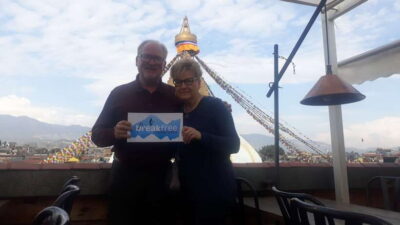
Browse the lists this tour appears in