Reviewed · TOURS
10 Days Nepal Adventure Tour from Kathmandu
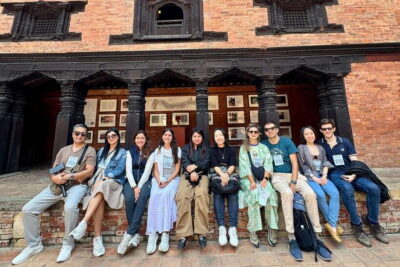
This is a fun Nepal route if you want variety without planning every day yourself. You get Kathmandu culture, then you switch gears to river rafting and wildlife time before ending with mountain village trekking in the Annapurna region.
Two things I like a lot here are the way the tour stays organized, and the level of care you get from the guides. People on this trip specifically named guides like Pramod Pangeni for being professional and attentive, and that matters when you are moving between big changes in altitude, weather, and pace.
One drawback to keep in mind is that English ability and site explanations can vary a bit by guide, and some groups have reported pushy moments around shopping. If you are sensitive to sales pressure, set your boundaries early and stick to what you want to do.
Key things I’d plan around
- Small group size (max 12), which keeps the experience more personal during drives and activities
- Kathmandu UNESCO mix covering major temples and squares in a single valley day
- Trishuli River rafting paired with a Tharu cultural evening in Chitwan
- Chitwan National Park activities including canoeing, birding, and elephant bathing
- Ghandruk and Annapurna Conservation Area trek focused on views and village life
- Hotels in Kathmandu and Pokhara that aim for good locations, plus guided logistics between regions
A Smart Nepal Mix: City Temples, River Action, and Annapurna Village Trails
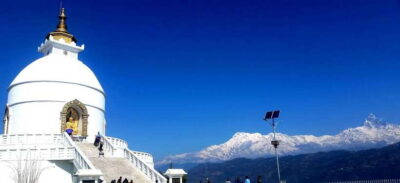
What makes this 10-day adventure worth your time is the balance of Nepal’s three main “moods.” You start in old-world Kathmandu with big religious landmarks. Then you head into the lowlands for animals and water action. Finally, you walk into the hills around Ghandruk for mountain views and everyday village culture.
I also like that you are not stuck doing one thing the whole time. You get a clear rhythm: cultural mornings, activity afternoons, and evenings that let you recover without feeling totally idle. For many people, that is the sweet spot in Nepal, because travel days can be long and you still want good energy for the next activity.
The tour is guided in English with a small group (up to 12). That helps a lot on a trip like this, where you want someone to explain what you are seeing and keep the logistics running.
More to compare around Kathmandu
- Kathmandu: 7 UNESCO Sites with Lunch
★ 4.8 · 744 reviews - Everest Base Camp Helicopter Tour landing at Everest View Hotel
★ 5.0 · 668 reviews - Kathmandu: Local Women-Led Nepali Cooking & Momo Class
★ 4.9 · 360 reviews
Kathmandu Valley Day: Bhaktapur Durbar Square, Pashupatinath, Boudhanath, and Swoyambhunath
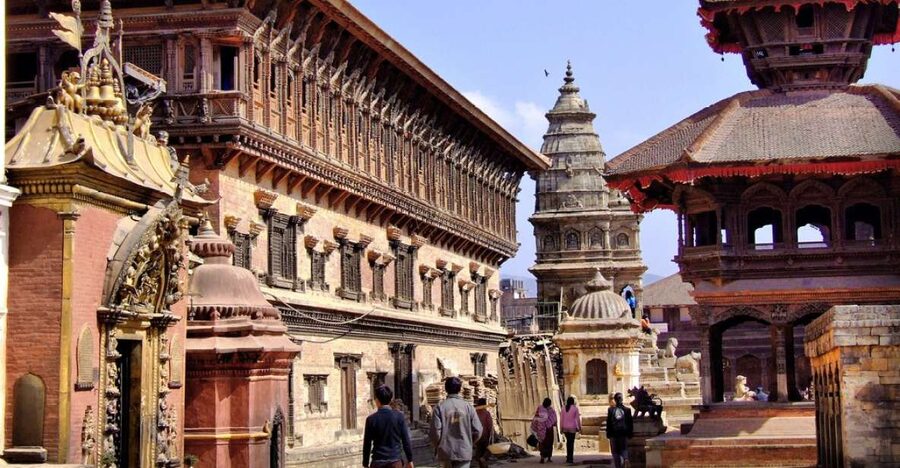
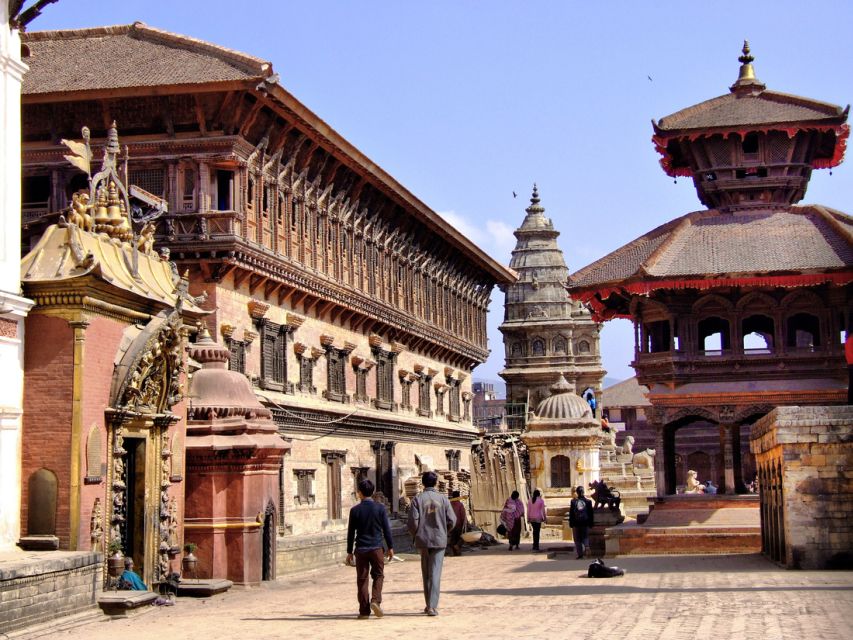
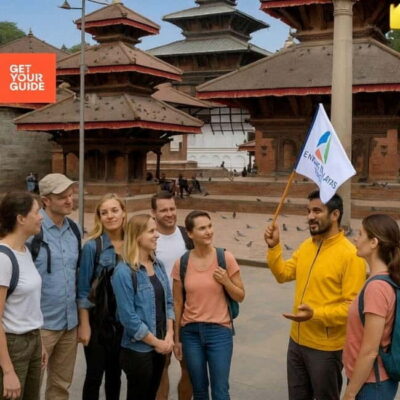
Your Kathmandu start is about orientation and context. Day 2 is a UNESCO World Heritage day that hits Bhaktapur Durbar Square, Pashupatinath Temple, Boudhanath Stupa, and Swoyambhunath. That is a strong mix because it covers Hindu pilgrimage culture, Buddhist stupa traditions, and the old-city square life of Bhaktapur.
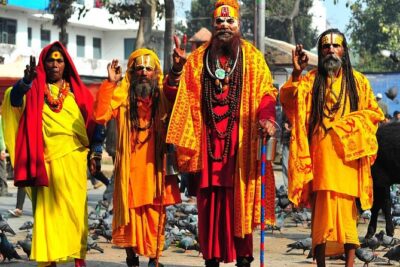
Bhaktapur Durbar Square is often the most visually satisfying stop for the “how old is this place” effect. Pashupatinath gives you a serious look at Hindu rituals, and you will see how the river and temple culture intertwine. Boudhanath is the stupa that helps you understand Buddhist devotion through daily movement and prayer rhythms.
Swoyambhunath adds the best “views plus symbolism” combination. Even if you are not a big history person, these sites make you slow down and pay attention to how people practice their faith in real time, not in a museum sense.
Practical tip: wear shoes you can walk in for a few hours and bring a light layer. Kathmandu mornings can be pleasant, but the sun can turn fast once you are out in open areas.
Trishuli River Rafting and Tharu Culture on the Way to Chitwan
Day 3 is your switch from culture mode to action mode. You drive from Kathmandu toward Chitwan, and along the way you stop for whitewater rafting on the Trishuli River. Rafting here gives you a taste of Nepal beyond temples, and it is one of the most memorable “hands-on” activities on the whole trip.
After rafting, you arrive in Chitwan and that evening includes a Tharu cultural display. That pairing is smart. You are still buzzing from the river, and then you transition into local performance and storytelling tied to the region.
One consideration is timing. The Kathmandu to Chitwan drive is typically about 5 to 7 hours, and roads can be bumpy around the Malekhu or Benighat construction areas. The good news is the rest of the route is described as smooth blacktop, and all routes are considered passable even if conditions vary.
If you are prone to motion sickness, I’d plan ahead with what works for you. A day that includes both driving and rafting can be rough for sensitive stomachs.
Chitwan National Park Day: Safari, Canoe, Birding, and Elephant Bathing
Chitwan is the big wildlife day, and the schedule is packed in a good way. Day 4 is built around jungle activities at Chitwan National Park, with a safari plus canoeing and birding. You also do elephant bathing, which is a classic Chitwan experience people remember for a long time.
This day is where you feel why the lowlands matter. The animals and birds are the point, but the bigger benefit is how the guide reads the area. In this sort of park, you are not just looking at scenery, you are trying to spot movement and sound. People who did this trip previously highlighted that their guide could spot animals well, and that directly changes the day.
You also stay at a jungle lodge that includes 3 meals for two nights. That takes one big decision off your plate, since you do not have to find food after a long activity day.
Practical tip: bring sunscreen and a hat that stays put. Canoes and safaris can still mean long sun exposure, even when you feel shady under tree cover.
A different sort of day out of Kathmandu:
- Manaslu Circuit Trek
★ 5.0 · 292 reviews - Kathmandu: Food and Drink Walking Tour
★ 4.9 · 292 reviews - Kathmandu: Full-Day 7 UNESCO Tour with Lunch – Private/Group
★ 4.9 · 247 reviews - Kathmandu: 7 UNESCO Sites Tour in 1 Day (Private Tour)
★ 4.9 · 204 reviews
Pokhara Pit Stops: Davis Falls, Gupteshwor Caves, and the Tibetan Refugee Camp
Day 5 is a drive day with memorable stops, then a gentle evening in Pokhara. You head from Chitwan to Pokhara, visiting Davis Falls, Gupteshwor Caves, and the Tibetan Refugee Camp. This is not just “a few random stops.” Each one gives you a different angle on what people live with in Nepal.
Davis Falls is a dramatic water feature that is easy to appreciate even if you have limited time. Gupteshwor Caves can be interesting if you like easy exploration, and it breaks up the travel monotony with a clear change of pace. The Tibetan Refugee Camp adds a human layer, reminding you that Nepal’s story includes communities far beyond one ethnic group.
When you reach Pokhara, you get lakeside downtime. That matters because the next days involve trekking. In other words, you do not want to fill the week with nonstop driving and activities that drain you too early.
Also note road conditions again. The route back toward Kathmandu later can include dusty and narrow stretches near Kathmandu where widening work is happening. In practice, you should expect longer travel days than you would at home.
Ghandruk Trek in the Annapurna Conservation Area: Gurung Village Views
Days 6 and 7 are your Annapurna segment, centered on Ghandruk and beyond. Day 6 starts with a drive to Nayapul, then you trek to Ghandruk through scenery and village paths. Ghandruk is a Gurung village, and that identity shows up in everyday life, not just in a cultural show.
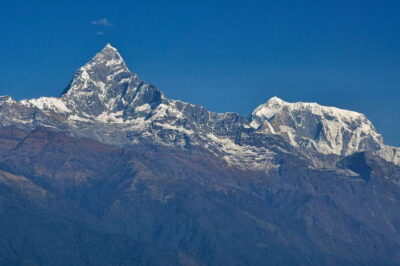
What you should expect here is views plus a slower rhythm. This is not a technical climbing experience. The goal is walking with chances to look up at the Himalayan range, watch village life, and understand how people in the hills manage daily chores and seasons.
Ghandruk also gives you the satisfaction of arriving somewhere real. You are not just walking through forest, you are reaching a community that has hosted trekkers for years and still feels like home for local residents.
Fitness reality check: the trip is not for mountaineers, but it does require you to be reasonably fit for trekking. You do not need past experience, yet you do need a comfort level with repeated walking hours. If you can handle regular hikes at home, you are in the right ballpark.
Important note on what costs can hit: while the trek nights are part of the plan, the details say mountain lodge and all meals while you are trekking are not included. So budget for trekking meals and your own spending at the lodges, even if sleeping arrangements are covered.
Pothana and Dhampus: Forest Walks, Local Villages, and the Way Down
Day 7 moves you from Ghandruk toward Pothana. The route is described as mountain views, forests, and local villages, with an overnight lodge. Day 8 then continues to Phedi via Dhampus, followed by a drive back to Pokhara.
This is the part of the trip where I think the trekking becomes more enjoyable for many people. Day 6 is often the emotional highlight, because it is your first big arrival into the Annapurna rhythm. Day 7 can be even better if you like long, steady walking and quieter trail moments where you notice small changes in altitude, forest shade, and village structures.
Dhampus is a named stop, which means you will likely get another viewpoint moment on the way down. And Phedi is the practical transition point that helps you turn the trek into a manageable finish rather than a last-day struggle.
Once back in Pokhara, you also get an evening walk around Phewa Lake. That is a nice reward after trekking. It gives you a chance to stretch, slow down, and just watch the lake activity without needing to “do” another hike.
Phedi to Phewa Lake, then Back to Kathmandu for Folk Farewell
Day 9 is the return to Kathmandu, with a couple of add-ons that keep it from feeling like a simple transfer. You drive back for last-minute shopping in Thamel, then finish with a cultural final farewell dinner.
This ending works if you like closure. After days of temples, rafting, wildlife, and trekking, you get a proper cultural sendoff with folk dances and music plus food. It is also a chance to reflect on the range of experiences, from monastery vibes to animal spotting to mountain trails.
For your comfort, remember you will be spending most of Day 9 on the road. The Pokhara to Kathmandu drive can take 6 to 8 hours, with some dusty and narrow sections plus road widening work as you near Kathmandu. You do not need to panic, but you should plan hydration and patience.
Day 10 is straightforward: transfer to the airport for departure. That is good, because it keeps the last day from turning into a surprise scramble.
Price and What You Actually Get for $1,080
At $1,080 per person for 10 days, you are paying for an organized combination of transport, two guided segments (city and trek), and multiple activity days. The biggest value is that the tour stitches together very different regions with less effort than doing it all independently.
Here is what is covered based on the package details:
- airport pickup and drop-off by private vehicle
- 3 nights in Kathmandu with breakfast
- 2 nights in Pokhara with breakfast
- 2 nights in Chitwan with 3 meals at the lodge
- 2 nights for the Annapurna trek segment
- local guide and trekking guide in English
- rafting at the Trishuli River
- sightseeing and trekking permits
- guided jungle activities in Chitwan
- several legs of transportation, including bus from Pokhara to Kathmandu
Meals are where the budget can surprise you. All meals are not included. The plan says lunch and dinner in Kathmandu and Pokhara are not included, and it also states that mountain lodge and all meals while trekking are not included. So think of the listed meals as partial coverage, not a full board ride.
Also consider that trekking porter is not included. If you want help carrying, you may need to arrange it yourself.
What this price likely means in real life: you are paying to reduce decision fatigue. The driving and timing get handled, guides provide interpretation, and you are not trying to coordinate rafting, a national park day, and a trek across multiple regions while also figuring out permits and transfers.
Who This Tour Fits Best, and Who Should Skip It
This is a strong fit if you want a guided “greatest hits” version of Nepal: Kathmandu temples, Chitwan wildlife, Pokhara views, and a moderate trek to Ghandruk inside the Annapurna Conservation Area.
It also works well if you prefer a small group. With a maximum of 12, you usually get a better sense of who you are traveling with, and it is easier for guides to keep track of pacing.
If you hate long drives, this might feel like a lot. Kathmandu to Chitwan is typically 5 to 7 hours, and Pokhara to Kathmandu is often 6 to 8. Add road bumps and widening work, and you should expect travel time to take more of your day than you might guess from the calendar.
If you are older or mobility limited, note that the tour is not suitable for wheelchair users, and it is listed as not suitable for people over 95 years.
Should You Book This 10-Day Nepal Adventure Tour?
I think you should book it if you want a single trip that covers culture, rafting, wildlife, and trekking with English guidance and steady organization. The best evidence for value in the provided experience data is how people praised the guides, drivers, and how well the team looked after them, including guide names like Pramod Pangeni and Dharma.
I would hesitate if you know you will be bothered by shopping pressure or if your top priority is deep, continuous explanations at every stop. Also, make sure you plan for extra trekking-related spending because the package notes say mountain lodge and trekking meals are not included, and there is no trekking porter included.
If you are reasonably fit for a multi-day walk and you like variety, this is the kind of Nepal trip that leaves you with a real mix of memories, not just photos from one type of place.
FAQ
Is this tour suitable for a small group?
Yes. The group is limited to 12 participants.
What language is the tour guide in?
The tour guide provides English live guidance, and an English audio guide is included.
What activities are included besides sightseeing?
You get whitewater rafting on the Trishuli River and jungle activities in Chitwan National Park, plus trekking during the Annapurna Conservation Area segment.
How many nights are spent in Kathmandu, Pokhara, and Chitwan?
You have 3 nights in Kathmandu, 2 nights in Pokhara, and 2 nights in Chitwan.
Are trekking permits included?
Yes. A trekking permit is included.
Do I need a trekking porter?
A trekking porter is not included.
What fitness level do I need for the trek?
The trip requires fitness for trekking. You do not need mountaineering experience, but if you like walking and are reasonably fit, it is described as suitable without previous trekking experience.
Is trekking gear provided?
No. Trekking gear is not included.
Latest Kathmandu write-ups
- 16 Days Island Peak Climbing With Everest Base Camp Private Trip★ 5.0 · 3 reviews
- 15 Days Round Annapurna Trek with Poon Hill from Pokhara★ 5.0 · 5 reviews
- Private Nepal round trip including Ghorepani Poonhill trek★ 5.0 · 3 reviews
- Everest Base Camp Trekking 16 Days★ 4.0 · 7 reviews
- 14 Days Luxury Annapurna Base Camp Trek★ 5.0 · 6 reviews
- Everest Base Camp Trek★ 5.0 · 32 reviews
- Everest Base Camp Trek★ 5.0 · 87 reviews
- Everest Base Camp Trek★ 5.0 · 97 reviews
Tours, compared.
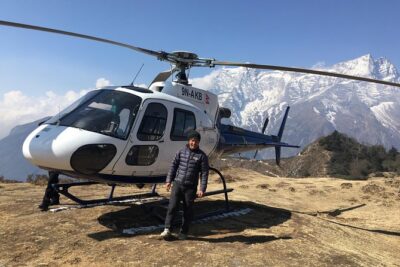
Everest Base Camp Helicopter Tour landing at Everest View Hotel
Read our review →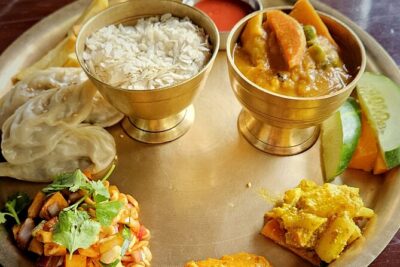
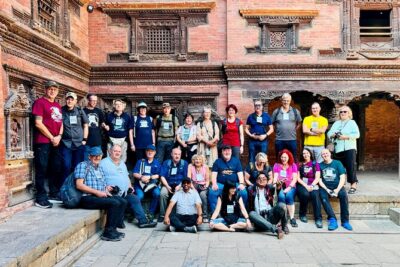
Kathmandu Spiritual Sites: Bodhnath & Pashupatinath Tour
Read our review →