
Reviewed · EVEREST BASE CAMP TREK
Everest Base Camp Trekking
Everest Base Camp has a gravity all its own, and this version is interesting because it takes away the stress. You hike with a guide, in a small group (max 10), and you’re not wrestling with route-finding when the air gets thin.
I like two things a lot. First, you get that safety and direction from a guide so you can focus on walking and looking up at the mountains. Second, teahouse accommodation and meals are included, plus local transportation, so you budget less and hike more.
One consideration: this trek is best for active, moderately fit travelers, and you’ll want strong physical fitness. Altitude days and cold mornings are part of the package, so go prepared, not tough for toughness’ sake.
Key things I’d zero in on
- Max 10 trekkers keeps the pace more human and the guidance more personal
- Guide-led route helps you avoid getting lost on a busy, high-altitude trail
- Teahouses included means you can plan around hot meals and rest stops, not logistics
- Lukla flights add big-mountain drama early, then again on the way back
- Kala Patthar sunrise gives you a clear target for that famous early-morning push
- Base camp and viewpoints are paced with acclimatization stops like Namche
From Kathmandu to Lukla: getting to the Khumbu without wasting energy
Your trip starts in Kathmandu, where an airport representative meets you at Tribhuvan International Airport and arranges a drop to your hotel by private tourist vehicle. That’s a small detail, but it matters after a travel day. You get your bearings fast, you’re not searching for transport, and you can rest before the mountains start making demands.
Day 2 turns the page with an early drive to the domestic airport terminal after breakfast. Then comes the flight to Lukla, one of the most scenic moments in the whole trek. The itinerary calls out outstanding views of sunrise over snowcapped mountains right as you’re taking off and landing at Tenzing-Hillary Airport. Even if you’re not a “plane person,” this is the kind of start that makes the effort feel real.
If you’re the type who likes a plan, you’ll appreciate the rhythm here: ground support on arrival, a scheduled flight, then a trekking day that begins early. It removes uncertainty so you can save your energy for altitude work.
More ways to walk to Everest Base Camp:
- Everest Base Camp Trek – 14 Days
★ 5.0 · 1,499 reviews - Everest Base Camp Trek
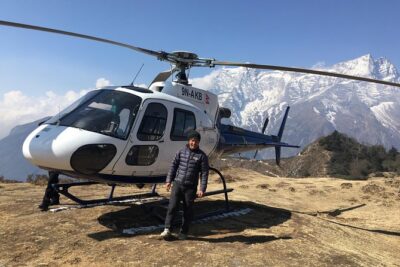
★ 5.0 · 842 reviews - Everest Base Camp Helicopter Tour landing at Everest View Hotel
★ 5.0 · 668 reviews
Sagarmatha National Park check-in and Namche acclimatization that actually helps
On Day 3, the route moves through pine forests and past the Dudh Koshi River, with views that include Mount Thamserku. You also pass settlements and reach a check post, the entrance of Sagarmatha National Park. That brief administrative stop is more than paperwork. It’s a reminder you’re entering a protected high mountain region where rules, routes, and local staff are part of daily life.
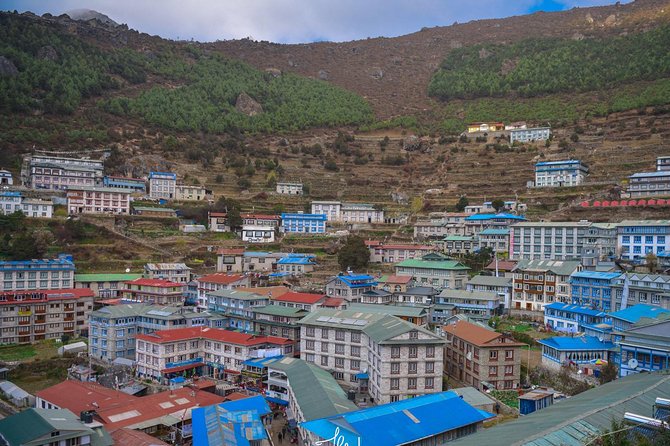
Day 4 is a rest and acclimatization day in Namche Bazaar, the biggest settlement in the Khumbu region. The trip notes that Namche has practical stuff like ATMs, internet cafes, restaurants, and bakeries. That means you can top up supplies and manage comfort without turning your trek into a scavenger hunt.
You’re not totally off your feet either. The itinerary includes a short hike to a nearby viewpoint to help you acclimatize. It’s a smart compromise: rest your main body load, but keep your lungs and legs working so the next hiking day feels more manageable.
Phorse to Dingboche: view breaks, glacier crossings, and the teahouse rhythm
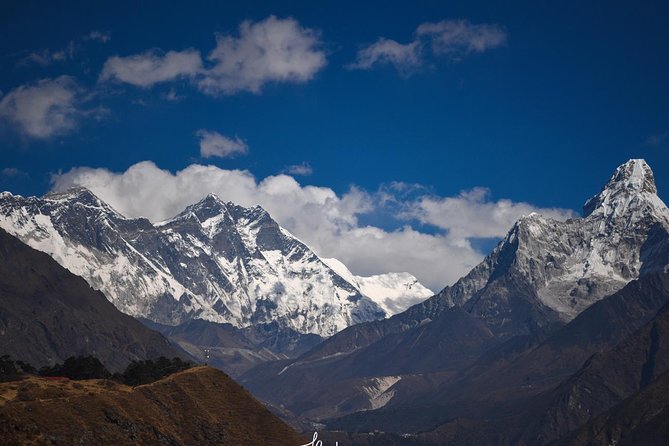
Day 5 starts after breakfast with a trek toward Phorse. This is the kind of day where “steady effort” wins. The notes call out reaching Mugla Pass for glimpses of Ama Dablam, Mount Khumbu, and Mount Thamserku. Then you descend toward the Dudh Koshi and cross it. You’ll feel that mix of altitude effort and trail rhythm. It’s not just about distance, it’s about how you pace the ups and downs.
Day 6 takes you from Phorse to Dingboche, starting with a visit to the biggest Buddhist monastery in the region. That stop adds culture to the trekking day, and it’s also a mental reset. Then you move through alpine forests to upper Pangboche and continue through villages along the way. By the time you reach Dingboche, the goal is acclimatization and staying consistent.
What I like about this portion is that the itinerary doesn’t act like every day is the same. You get climbs that build effort, plus rest and acclimatization choices that make the next steps feel less like a surprise.
Dughla, yak herders, and Chupki Lhara: where the trail starts to feel alpine
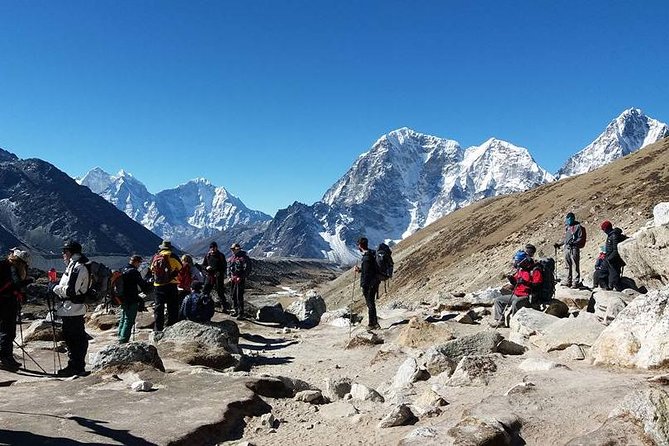
Day 7 includes a climb beginning from Duglha through the Khumbu Khola valley. The trek route passes yak herders areas like Dusa, plus places referenced as Phulong Karp, the camp of the first successful Everest expedition in 1953. Even if the details aren’t your main interest, these markers give the trail meaning. You’re hiking on a path with human stories built into it.
The itinerary also mentions Chola Lake and time for enjoying the surroundings. That matters because when you’re in the high country, you have to do both things at once: work your body and take in what you came for.
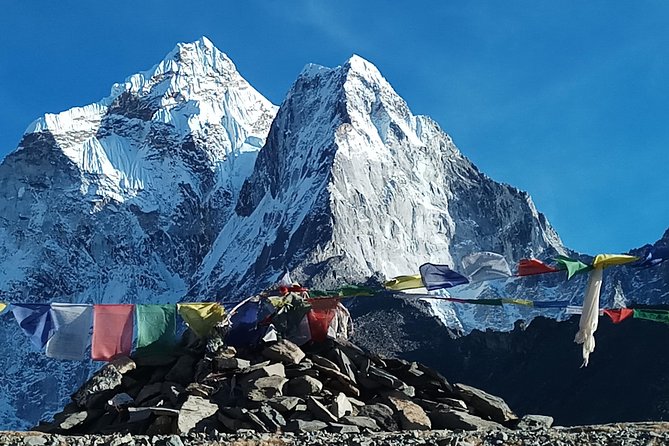
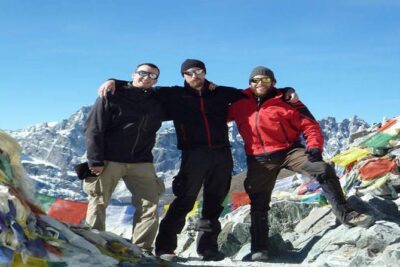
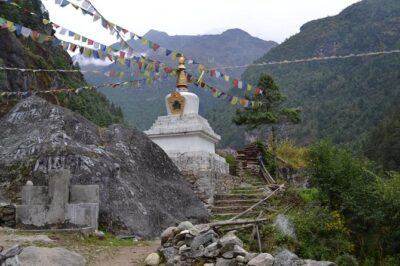
Day 8 moves toward Chupki Lhara after walking up the steep terminal moraine of the Khumbu glacier. The notes highlight boulder slopes and prayer flags, plus stone collections with prayer flags. It’s one of those days where the scenery is powerful, but the trail makes you pay attention to footing. Good hiking form matters more here than speed.
More to compare around Kathmandu
- Private Kathmandu Sightseeing Tour | UNESCO World Heritage sites
★ 5.0 · 756 reviews - Kathmandu: 7 UNESCO Sites with Lunch
★ 4.8 · 744 reviews - Half day cooking class in Thamel kathmandu
★ 5.0 · 607 reviews - Nagarkot Sunrise View and Day Hiking from Kathmandu
★ 5.0 · 471 reviews
Thangma Riju to Everest Base Camp: the moment you’ve been training for
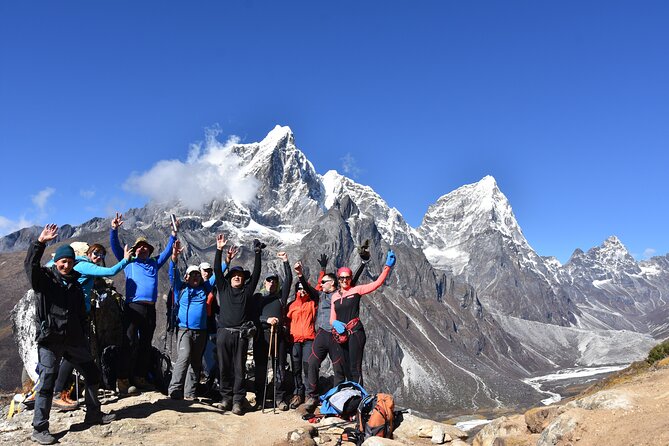
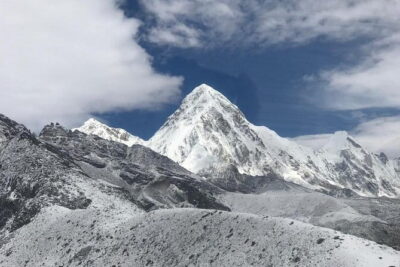
Day 9 is described as the most important day on the Everest Base Camp trek route. You’ll reach Thangma Riju and get a 360 degree panoramic view of snowcapped mountains. The notes also say Mount Everest itself is not seen from here, which is a helpful reality check. Everest Base Camp is famous, but the line of sight can depend on where you stand.
This is also the day connected to reaching Everest Base Camp itself. The itinerary frames it as reaching the world’s highest mountain, which captures why people push through cold mornings and sore knees to get to this point.
One thing I like about how this trek is paced: it doesn’t only chase one photo spot. It gives you a big viewpoint, then ties it to the base camp objective. That makes the day feel full, not rushed.
Kala Patthar sunrise: the early climb that turns effort into meaning
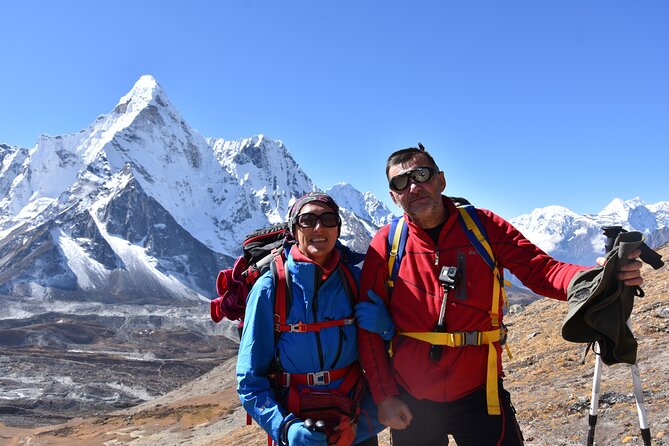
Day 10 is a classic Everest moment, done the practical way. The trek starts much early so you can witness the glimpse of Mount Everest when dusk turns to bright morning. On the way, the itinerary mentions Peaks like Lingtr and the sense of pushing your body while the sky changes.
Then there’s Kala Patthar, called out in the schedule with Sunrise View. This is the kind of day that demands planning on your side. You’ll want warm layers, because it’s easy to underestimate cold before sunrise at high altitude. The good news: the whole point of organizing the start time is so you can chase that view at the right moment.
When you arrive, the sense of accomplishment is real. You did the hard part, and the sky gives you the reward.
The return downhill: from Duglha past Pheriche and Pangboche to the Dudh Koshi bridge
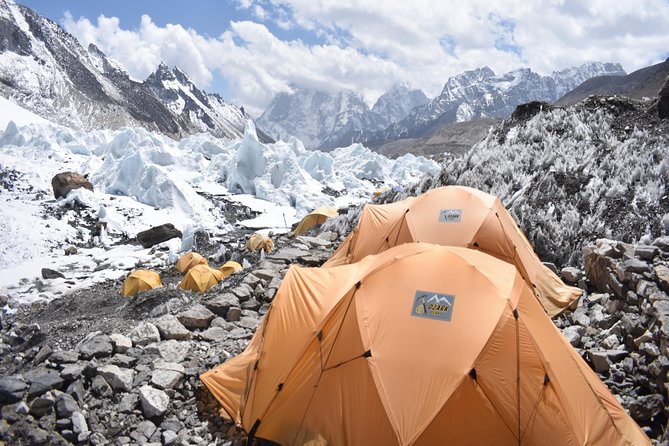
Day 11 continues the descent through the Jame route back to the terminal moraine at Duglha. The itinerary includes passing through villages like Pheriche and Orsho along with Shomare. Then you reach Pangboche village, where you can explore an old monastery. That exploration time is the kind of bonus that makes the return feel less like simply “going home.”
Day 12 is the steep downward trail, and the notes are honest about it. You’ll walk really slow and carefully on steep rocky terrain until reaching a suspension bridge over Dudh Koshi, with continued passage along the route. This is where trekking poles can be lifesavers, and where good footwork keeps your knees from complaining too loudly.
One real advantage of the guided format here: you’re not improvising a tricky descent. The route matters on rocky downhills. Going slow is not a weakness. It’s how you finish stronger.
Lukla back to Kathmandu, plus a final day to reset your mind
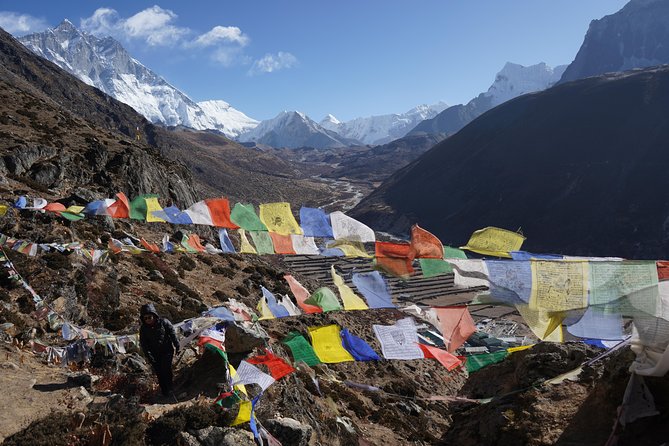
Day 13 includes a mountain flight from Lukla back to Kathmandu, then time for shopping and walking around the city. After days in the quieter rhythm of the mountains, Kathmandu feels loud in a good way. The itinerary frames the evening as a celebration for completing the trek, which is a nice way to mark the milestone without turning it into a long production.
Day 14 is your last day in Nepal, with shopping and sightseeing around the Kathmandu Valley before leaving for Tribhuwan International Airport on scheduled flight time.
This ending matters. Plenty of treks drop you back in Kathmandu and let you fend for yourself. Here you get a gentle landing, then a final day to decompress before travel.
Guides like Biru and Amabar: why the team can make or break your EBC trek
The most praised part of this experience is the human support. In the feedback you’ll see names come up again and again, especially guides like Biru and Amabar, and the way they help trekkers feel safe, guided, and cared for.
That shows up in a few useful ways for you:
- You get help not just with the route, but with decision-making on hard days.
- You’re more likely to keep a steady pace because someone is watching your rhythm and needs.
- The trail feels less scary because the communication is clear.
One review story highlights a trek during a blizzard in late September 2025 where the group pushed forward and safely made it to base camp. I’m not promising weather will be dramatic on your trip, but it’s a reminder that a guide matters when conditions change.
You’ll also see porters credited for being kind and helpful, like Kanchar, in addition to the guide. The practical takeaway for you is simple. This is not a solo “figure it out” style hike. It’s a supported trek, and you feel that difference when you’re tired.
Price and value: what $1,350 buys you in the mountains
At $1,350 per person for about 14 days, the price can feel either reasonable or steep depending on your trekking style. Here’s what you’re actually getting based on the included elements:
- Teahouse accommodation and meals are included, which is a big cost saver in the high country.
- Local transportation is included, which reduces the number of moving pieces you need to coordinate.
- A guided small-group trek (max 10) means you’re paying for expertise, route safety, and day-by-day pacing.
- The itinerary includes domestic flights to Lukla and back, which can be a major expense if you’re arranging everything independently.
- Pickup is offered in the Kathmandu start, and a mobile ticket is included as part of the experience features.
If you try to DIY Everest Base Camp, the savings often shrink once you factor in planning time, guide or porter costs, and the risk of getting stranded by logistics. Here, you’re paying for structure, and that’s the value. You still do the physical work, but you don’t carry the whole planning burden on your back.
Who should book this Everest Base Camp trek, and who should think twice
This trek is best suited to active, moderately fit travelers, and the additional note calls for strong physical fitness. If you’re used to regular hikes, can handle long walking days, and can stay patient in cold conditions, you’ll likely enjoy this.
I’d think twice if you’re looking for a gentle walk with minimal altitude stress. Even with acclimatization like Namche and rest pacing, you’re still going high and moving every day.
Also, you should be ready for a “real mountain” schedule. Early starts show up around the route, especially for the sunrise-focused parts like Kala Patthar.
Should you book Everest Base Camp with Green Valley Nepal Treks?
If you want Everest Base Camp, but you also want to feel supported, this is a strong fit. The small-group size, guide-led safety approach, and included teahouse meals and accommodation make it easier to focus on the one job you actually came for, walking and taking in those views.
I’d book if you:
- like having a plan and someone to guide decisions
- want fewer logistics headaches in Kathmandu and on the trek
- are comfortable with a demanding hiking schedule
I’d pause if:
- you’re not confident in your physical readiness for altitude and steep downhill days
- you prefer fully independent travel with zero group structure
FAQ
Where does the Everest Base Camp trek start?
The meeting point is Tribhuvan International Airport, Ring Rd, Kathmandu 44600, Nepal, and the trip begins with an airport representative meeting you on arrival.
How long is the trek?
It runs for 14 days approximately.
How much does it cost per person?
The price is $1,350.00 per person.
How big is the group?
The trek has a maximum of 10 travelers.
Are meals and accommodation included?
Yes. Teahouse accommodation, meals, and local transportation are included.
Do you fly to Lukla and back?
Yes. The itinerary includes a flight from Kathmandu to Lukla and a mountain flight from Lukla back to Kathmandu.
What fitness level do I need?
You should have a strong physical fitness level, and the trek is best for active and moderately fit travelers.
What passport details do I need to provide?
A current valid passport is required, and you must provide the passport name, number, expiry date, and country for all participants at the time of booking.
Does the trek run in bad weather?
It operates in all weather conditions, and you should dress appropriately.
Can I cancel and get a full refund?
Yes, you can cancel up to 24 hours in advance for a full refund. If you cancel less than 24 hours before the experience starts, the amount paid is not refunded.
Latest Kathmandu write-ups
- Visit Swayambhunath and Bauddhanath Stupa with Guide★ 5.0 · 5 reviews
- 10 days Annapurna Base Camp Trek★ 5.0 · 5 reviews
- Langtang Trek from Kathmandu 7 Days★ 5.0 · 5 reviews
- Island Peak Climbing with Everest Base Camp★ 5.0 · 5 reviews
- 7 Day Kathmandu Pokhara Tour★ 4.5 · 5 reviews
- Everest Mountain Flight★ 5.0 · 5 reviews
- Kathmandu city day tour (4 world heritage sites)★ 5.0 · 5 reviews
- Chandragiri Hill Cable Car Tour with Hotel Transfers from Kathmandu★ 4.5 · 5 reviews
Everest Base Camp Trek, compared.
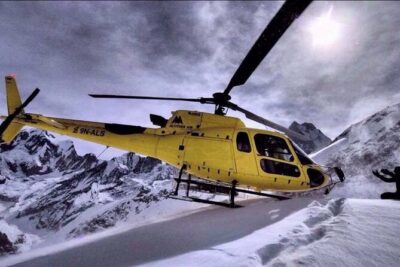
Everest Base Camp Helicopter Tour landing at Everest View Hotel
Read our review →
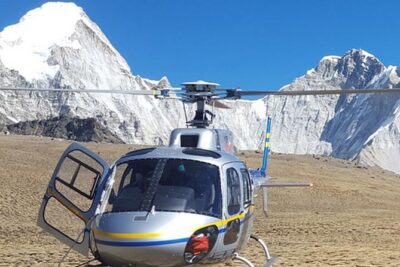
Everest Base Camp Helicopter Tour landing at Hotel Everest View
Read our review →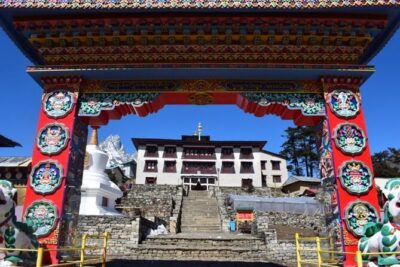
Browse the lists this tour appears in