Reviewed · TOURS
12 Days Trek Tour in Nepal
The Mohare Danda trek is interesting because it trades the usual Annapurna traffic for a newer route where the views do the talking. I love the community lodge and homestay setup that keeps you close to daily village life, and I love that ACAP and TIMS permits are included so you are not scrambling for paperwork. The one real consideration is the hardest hiking day, where you climb close to 1,000 meters, so you’ll want solid, steady fitness and good weather.
I also like the way the plan stitches together city culture and mountain time: you get Kathmandu’s big spiritual stops, then Pokhara lakeside recovery, then a final city tour before your airport transfer. If you are picky about long drives, note that the road days include winding mountain highways, which can feel like part of the adventure or part of the grind, depending on your stomach.
Key things you’ll like about Mohare Danda
- Less-crowded feel on a newer trail, with lots of calm time away from the big-name trek circuits
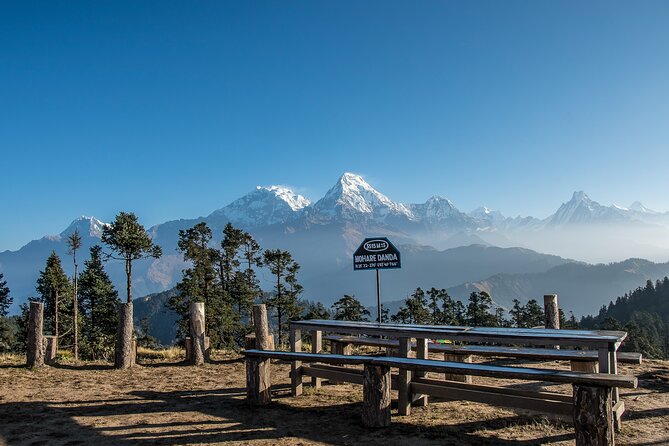
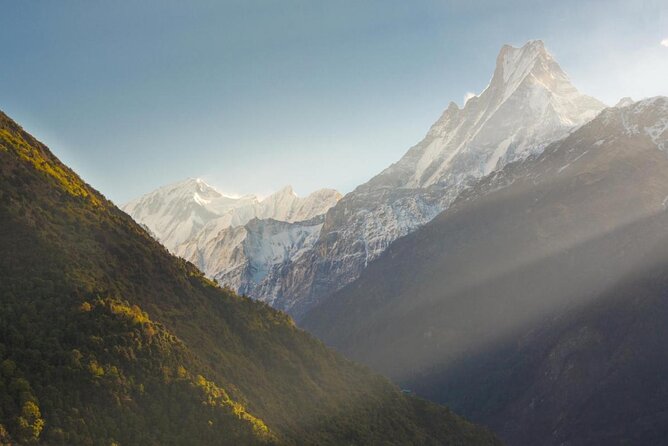
- Sunrise and sunset focus near Mohare Danda, with views of peaks like Machapuchre, Annapurna, and Dhaulagiri
- Community-based lodging plus moments like organic farm time and a school visit
- A real balance of walking and recovery, with trek days around 5 to 7 hours and a clear “hard day”
- Strong operator support, with a guide and porter team, and loan gear for comfort on the trail
Kathmandu, Thamel, and the Valley’s major spiritual stops
Your trip starts in Kathmandu, with a representative meeting you and transferring you to your pre-booked hotel. After you check in, you get time to settle and handle the basics, including a stroll through Thamel for dinner, money exchange, simple shopping, and anything you forgot for trekking. Then you head to the office for a briefing so you understand the rhythm of what comes next.
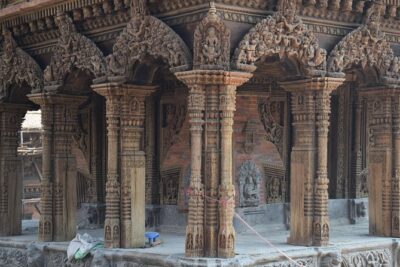
On day two, you go sightseeing in the Kathmandu Valley with two landmark stops: Pashupatinath Temple and Boudhanath Stupa. Pashupatinath is one of South Asia’s best-known Hindu temples dedicated to Lord Shiva, with the Bagmati River running alongside it. Cremation rituals take place on the river, so this is not a “photo spot and leave” kind of stop. Boudhanath Stupa is a major Buddhist site, and the area around it feels like a place where people come to practice, not perform.
Practical note: if you prefer quieter mornings, build in a little patience here. These are important religious sites, and the day can run with the flow of worship and visitor traffic.
More to compare around Kathmandu
- Everest Base Camp Trek – 14 Days
★ 5.0 · 1,499 reviews - Everest Base Camp Trek
★ 5.0 · 842 reviews - Private Kathmandu Sightseeing Tour | UNESCO World Heritage sites
★ 5.0 · 756 reviews
Drive to Pokhara: the winding road test
On day three, you drive to Pokhara early. The drive is long and on narrow, winding mountain roads, and it is described as adventurous and thrilling. If you are prone to motion sickness, this is the day to take it seriously. When you arrive, you have the rest of the day to relax by the lakeside and explore the surrounding area at your own pace.
Why this matters: Pokhara is your reset button. After days of walking, your body likes a day where your only job is to eat, stretch, and enjoy views without carrying gear all day. This schedule gives you that buffer.
Day 4 in Galeshwor to Bas Kharka: river views and a homestay night
Day four begins with breakfast, then a drive to Galeshwor through winding mountain highway. From there, you start walking toward Bas Kharka, about three hours. The hike starts with an ascent that includes crossing a suspension bridge over the Kali Gandaki River.
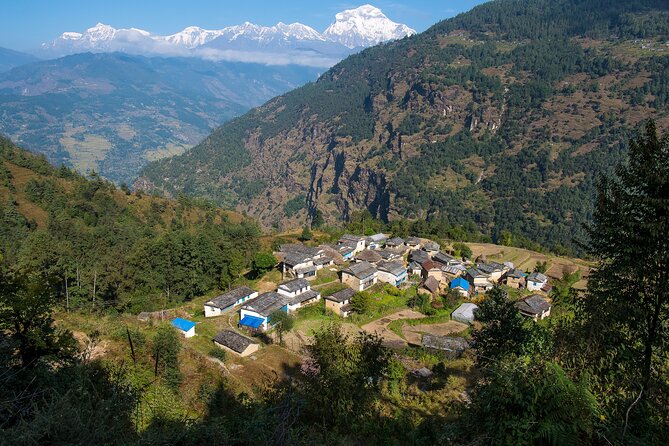
This is one of those trek days where the payoff is not only scenery, it is how the path introduces you to local life. You move past villages, small roadside shops, agricultural fields, and everyday rhythms. It ends with dinner at an eco community lodge, and you overnight at a homestay.
Why I think this works for most people: you get comfortable with the “Nepal walking pace” before the big elevation challenge. And you learn how the community-based lodging model feels in practice, not just as a marketing line.
Day 5: Nangi and the Magar communities, plus farm and school time
After breakfast at the community lodge, you trek toward Nangi. The route is described as passing through villages with stunning mountain views and varied landscapes. The village area here is inhabited by Magar people, with a distinct language and culture, and the day includes a mix of scenery and social time.
You get the chance to explore organic farms and, later in the afternoon, a school visit. This is a key reason Mohare Danda can feel different from standard “hike, sleep, repeat” treks. You are not only moving through the region, you are briefly participating in the local calendar.
Possible drawback: if you prefer a fully self-guided, quiet experience with no planned cultural interactions, school and farm time might feel like an interruption. For many people, though, it is the best kind of break from the physical grind.
A different sort of day out of Kathmandu:
- Kathmandu: 7 UNESCO Sites with Lunch
★ 4.8 · 744 reviews - Everest Base Camp Helicopter Tour landing at Everest View Hotel
★ 5.0 · 668 reviews - Half day cooking class in Thamel kathmandu
★ 5.0 · 607 reviews - Everest Base Camp Trekking
★ 5.0 · 485 reviews
Day 6: the hardest day to Mohare Danda, with big-peak views
Day six is the day most people will remember for effort. After breakfast, you walk toward Mohare Danda, the final destination of the trek. The trail is scenic through forest, with Himalayan views that include Machapuchre, Annapurna, and Dhaulagiri.
You are also gaining almost one thousand meters, and the trek time is about seven hours. The route is famous for sunrise and sunset views, which is exactly what makes the climb worth it. This is not a flat stroll. You will earn the morning light.
What to expect on a day like this: steady going beats sprinting. You’ll want to keep a pace that lets you breathe without turning every step into a fight. If you are the kind of walker who pushes too hard on day one of a trek, day six is where you will feel it.
Day 7: sunrise over the peaks, then to Deurali via Gorepani
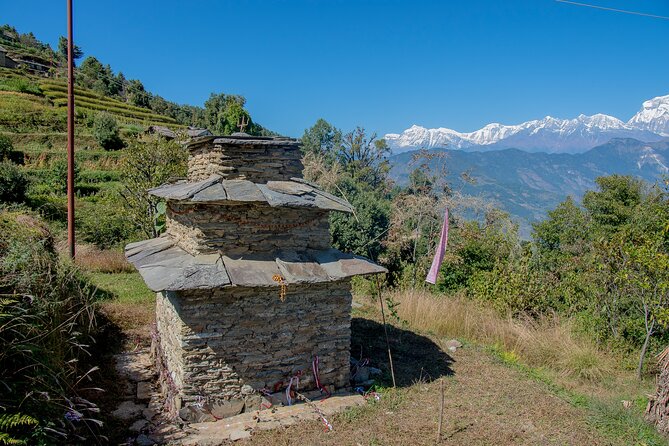
You wake up for sunrise with mesmerizing Himalayan views over the peaks. You are looking at Machapuchre, Dhaulagiri, Annapurna, and smaller surrounding peaks. After breakfast, you walk toward Deurali.
This is also the day where the trail passes Gorepani, a popular trekking town in the Annapurna region famous for sunrise from Poon-hill. The plan describes it as the most busy town in the region. That does not mean it will be chaotic all day, but it does mean you should expect more people and more trekking energy.
Why it still fits Mohare Danda’s promise: earlier days are framed as quieter and community-focused. Day seven is your gentle reality check, and then you move back toward calmer village routes.
Day 8: to Gandruk for Annapurna South and Himchuli views
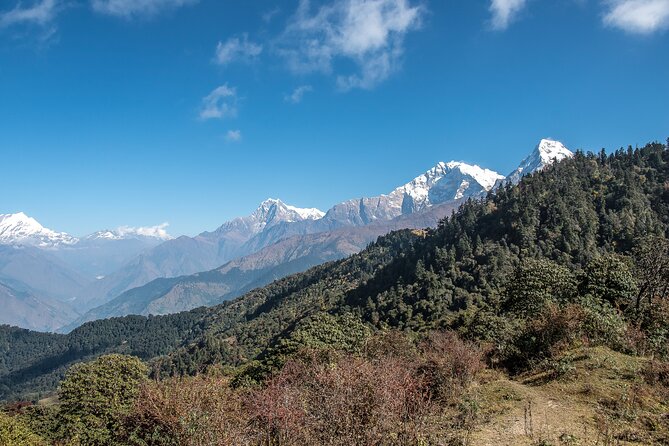
Day eight brings you to Gandruk village after breakfast. The trail continues through forest and takes around five hours. Gandruk is known for views of Annapurna South and Himchuli, and the day includes time to visit the Gurung museum and experience Gurung culture.
This is a good day for people who like culture paired with scenery. Your legs get their walk, and your brain gets a local context for what you are seeing. It can also be a nice contrast to the physical focus of the Mohare Danda climb.
Day 9: finishing the trek with Fishtail close up, then drive to Pokhara
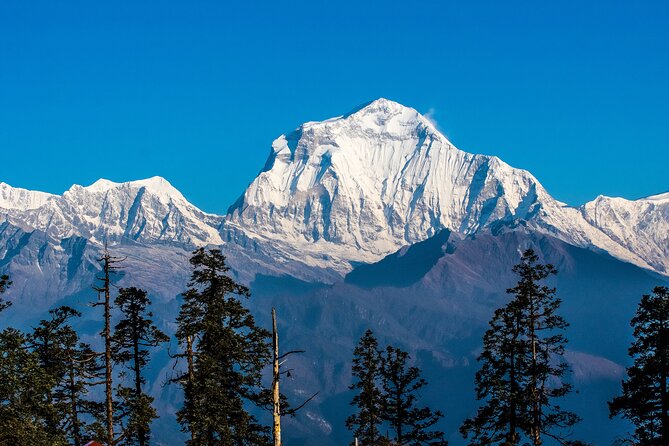
Your trek ends on day nine. After breakfast, you enjoy views of Annapurna South, Himchuli, and Fishtail close up. Then you descend to Ghandruk Bensi or Syaulibazar on the bank of the Madi River.
After reaching the end point, you finish trekking and drive to Pokhara, about two and a half hours. The trek day is short, around three hours, which is exactly what your body wants at the end of a multi-day climb.
Why the timing matters: ending with descent and a drive means fewer stress points on your final mountain day, and it sets you up for a sightseeing-and-rest day in Pokhara.
Pokhara on day 10: falls, cave, and the Mountain Museum
Back in Pokhara, you have time for classic sights: Devi’s Fall, Gupteshwar cave, and the International Mountain Museum. The museum is described as very informative about mountaineering expeditions and Himalayan peaks.
Then the plan is to return to your hotel for lunch, followed by transfer to Pokhara Airport for a flight back to Kathmandu. After you land, you get transferred to your hotel.
Balanced travel tip: this is your chance to “be a tourist” again. If you spent days thinking only about steps, enjoy the shift. You will likely sleep better the night before your final Kathmandu city tour.
Day 11 in Kathmandu: Ason markets, hidden stupas, and Durbar Square
Day eleven is Kathmandu city time in a more local lane-walking style. You explore ancient Kathmandu’s narrow routes and markets including Ason, the glass beads market at Indrachowk, and New Road’s older retail scene. The plan also includes areas like Kilagal and hidden stupas inside family courtyards.
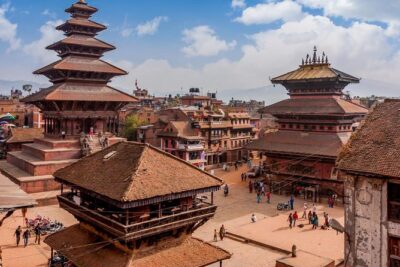
Then you visit Kathmandu Durbar Square, associated with Malla Kings and later Shah Kings. The square includes a visit to the temple of the living goddess, so this is another spiritual stop with a living, present-day feel.
I like this day because it connects the dots. After walking in the hills, you understand Kathmandu as the other half of Nepal: mountains shaped life here, and the city shows that history in religious and social space.
What’s included, what costs extra, and why the $1,500 feels reasonable
The price is listed at $1,500 per person for about 12 days, and what makes it more than a “basic trek” is what is packed into that number.
Included highlights:
- Trek gear: down jacket, sleeping bag, fleece liner, and a duffel bag
- Permits: Annapurna Conservation Area Permit (ACAP) and TIMS
- Lodging and breakfast in Kathmandu and Pokhara (3-star standard hotels)
- A trekking guide, porter (helper), and assistant guide
- Food, drinks, lodging, salary, insurance, medical equipment, and transportation for trekking staff
- Private transfers for key trek legs (Pokhara to Galeshwor, and Syaulibazar to Pokhara)
- Group size cap: maximum of 16 travelers
Not included:
- Tips for guide, porter, and driver (tips are not compulsory, but expected)
- Lunch and dinner in Kathmandu and Pokhara
So is it good value? For me, it makes sense if you want the operator to handle the permits, logistics, and gear so you can focus on walking and not paperwork. If you already own excellent cold-weather layers and sleeping gear, you might feel the “gear package” is less critical. Still, the permits plus staff support plus city transfers cover a lot of the hidden hassle most independent travelers end up paying for with time and stress.
One more comfort factor: the operator is described as providing a loan of trekking gear and smooth logistics on other major Nepal routes, and that pattern matters. When a company has a track record of organizing logistics without drama, it usually means fewer problems show up when you are tired and far from phone service.
Sustainability on the route: community lodges, farming, and local routines
Mohare Danda’s whole pitch is about a quieter experience tied to sustainability. You see that in how the itinerary uses community-based lodging and introduces village life in small, scheduled ways.
You overnight in a homestay after dinner at an eco community lodge early in the trek. Later, you explore organic farms and spend time with a school in the Nangi area. By the time you reach Gandruk, there is also a Gurung museum stop that gives your cultural understanding a physical place to anchor to.
Will this change your daily pace? It can. Community interactions may add a bit of structure to the day. But if you like the idea that your trek is supporting local systems and not just passing through, this route makes that feel real.
Who this trek is best for (and who should think twice)
This trip is for you if:
- You want sunrise views and dramatic peaks without trekking for weeks
- You are okay with 5 to 7 hour hiking days and one clearly harder climb
- You like community lodging, farm and school interaction time, and village culture
- You want an organized package with permits, a guide team, and provided cold-weather gear
You should think twice if:
- You get motion sickness easily. The Kathmandu to Pokhara and Pokhara to trailhead drives are long and winding.
- You want a fully “quiet wilderness” experience with no cultural stops. This route includes planned interactions.
- You are extremely sensitive to effort on steep climbs. Day six is the most demanding day.
Should you book Mohare Danda with this operator?
I would book if you want a Nepal trek that feels human, not just scenic. The combination of community lodges, included permits, provided gear, and a guided team makes it easier to travel with confidence. You also get enough Kathmandu and Pokhara to make the trip feel complete, not just a trail with transfers.
I would hold off if your top priority is minimizing driving days and avoiding any cultural programming. Also, sunrise is weather dependent. Since the experience requires good weather, build in flexibility and a calm attitude if mountain conditions shift.
If you are the kind of traveler who likes earning views, meeting people along the way, and having your logistics handled, Mohare Danda is a strong choice at this price point.
FAQ
Where does the trek start and end?
The start is in Thamel, Kathmandu 44600, Nepal. The activity ends back at the meeting point.
How long is the Mohare Danda trek?
The tour duration is listed as 12 days (approx.).
What is the group size limit?
This tour has a maximum of 16 travelers.
What fitness level do I need?
Travelers should have a moderate physical fitness level.
Are airport transfers included?
The plan includes transfers in Kathmandu at the start, and a transfer to the international airport on the last day, based on your flight schedule.
What trekking gear is included?
You are provided a down jacket, sleeping bag, fleece liner, and a duffel bag.
Are permits included?
Yes. Annapurna Conservation Area Permit (ACAP) and Trekking Permit (TIMS) are included.
What meals are included during the trek?
The included list covers food, drinks, and lodging for trekking staff during the trek. Lunch and dinner in Kathmandu and Pokhara are listed as not included.
Does the itinerary include sightseeing in Kathmandu and Pokhara?
Yes. Kathmandu includes visits like Pashupatinath Temple and Boudhanath Stupa, plus a city tour on the final city day. Pokhara includes Devi’s Fall, Gupteshwar cave, and the International Mountain Museum.
What happens if weather is poor?
The experience requires good weather. If it is canceled due to poor weather, you will be offered a different date or a full refund. Free cancellation is available up to 24 hours in advance for a full refund.
Latest Kathmandu write-ups
- Langtang Valley Trek★ 5.0 · 3 reviews
- Langtang Valley Trek from Kathmandu★ 5.0 · 3 reviews
- Khopra Danda Trek★ 5.0 · 3 reviews
- 5 night / 6 days Kathmandu Nagarkot Chitwan Pokhara tour★ 5.0 · 3 reviews
- Nepal Highlights Tour: 5 Nights 6 Days Kathmandu & Pokhara Tour★ 5.0 · 3 reviews
- Kathmandu Valley Private Day Tour★ 5.0 · 3 reviews
- Kathmandu Heritage Day Tour★ 5.0 · 3 reviews
- Conquer the Himalayas: The Ultimate 16-Day Annapurna Circuit Trek★ 3.5 · 3 reviews
Tours, compared.
Private Kathmandu Sightseeing Tour | UNESCO World Heritage sites
Read our review →
Everest Base Camp Helicopter Tour landing at Everest View Hotel
Read our review →