
Reviewed · ANNAPURNA BASE CAMP TREK
5-Day Annapurna Base Camp Trek with Natural Hot Springs
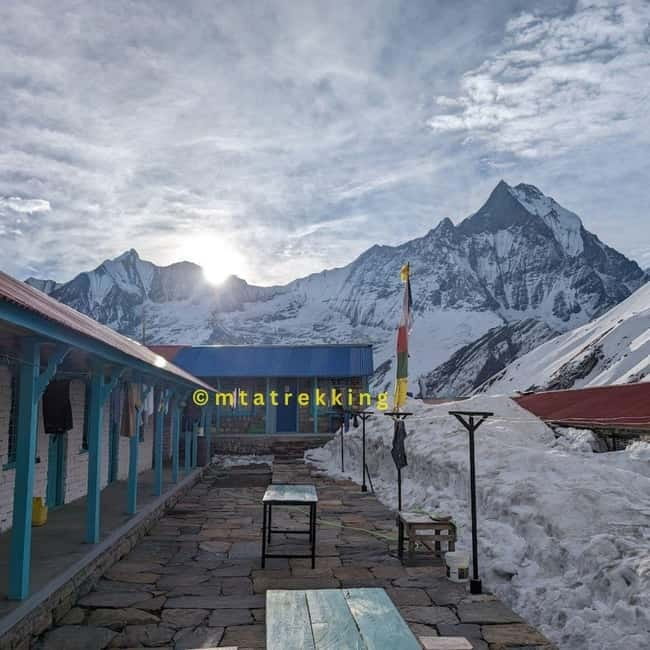
What makes this trek interesting is the mix of big-mountain payoff and real local life. You start in Pokhara, get up into the Annapurna region fast, and finish at 4,130 meters with views that feel like they were built for early-morning photographers.
I like two things a lot. First, you get natural hot springs at Jhinu (plus an optional soak on the way back), which is a smart way to recover. Second, this is run with a professional English-speaking trekking guide, and one review specifically praised guide Ramit for keeping the trip organized and caring.
One consideration: you are going to the altitude. Altitude sickness is described as rare, but it is still possible, and the trek is not suitable for people who already have altitude issues.
Key things that make this trek worth your time
- Jhinu hot springs help make the trek feel more like a journey and less like pure punishment
- Tea house lodging keeps things simple, with accommodation included along the way
- Annapurna Base Camp at 4,130m plus a detour toward Machhapuchhre Base Camp for Fishtail views
- Private group with a live English guide and guided stops for culture, timing, and photo moments
- Permits and ACAP paperwork included, so you are not hunting down documents at the last minute
- Luggage storage in Pokhara means you trek lighter instead of carrying extra baggage
Annapurna Base Camp, plus the best kind of recovery
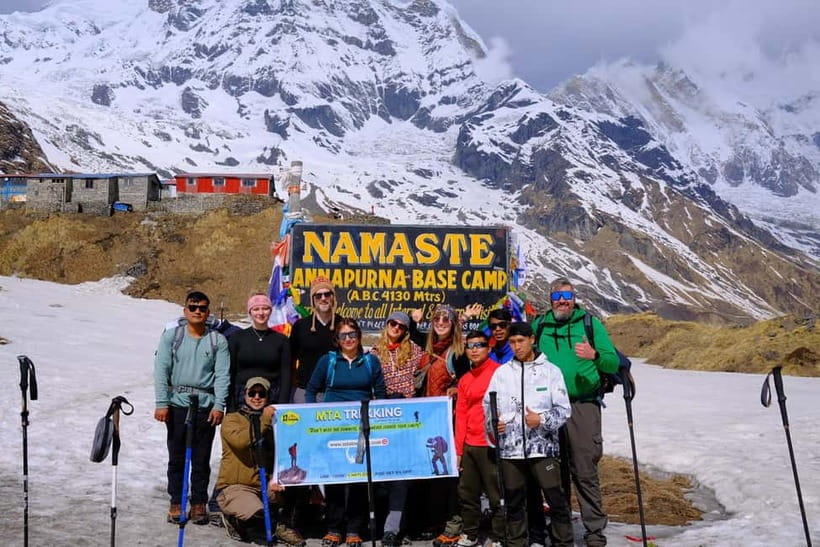
This trek is built around one main goal: reaching Annapurna Base Camp, the iconic “end point” at 4,130 meters. You do not just walk from viewpoint to viewpoint. You pass through the kinds of places that shape the whole Annapurna region, from lower farmland and settlements to alpine terrain where everything slows down and the air feels sharper.
The hot springs at Jhinu are more than a cute add-on. They give you a practical recovery tool after long walking days. If you have ever regretted hiking without a plan for sore calves and stiff knees, you will appreciate having a built-in option.
And because it is a private group, your pace can stay more comfortable. That matters on a 5-day plan where each day includes both walking and time for photos, guidance, and rest.
More routes into the Annapurna Sanctuary:
- Annapurna Base Camp Trek
★ 5.0 · 111 reviews - Annapurna Base Camp Trek – 10 Days
★ 5.0 · 29 reviews - 14 Days Annapurna Base Camp Trekking | Best trek for visit Nepal 2020
★ 5.0 · 19 reviews
The value question: what your $320 covers, and what costs extra
At $320 per person, the big value is that several essential items are included, not just “a guide and good luck.” You get tea house accommodation, meals (with a note that you should choose the full board option if it is an option at booking), ACAP conservation area permit, and government permits with TIMS and taxes covered.
You also get hotel pickup and drop-off in Lakeside Pokhara, plus private transport from Pokhara to Siwai (Last Road) and back. Add to that a luggage storage facility in Pokhara, and you avoid some common headaches for trekkers.
Where the budget can change: porters are not included. The listing states porter service costs $20 per day. If you want a lighter pack or you are not keen on carrying everything uphill, plan for that cost early. Also, hot showers, Wi-Fi, drinks, and mineral water are not included, and rescue and insurance are not covered.
My practical takeaway: this price looks fair for a short, guided trek with permits and transport handled. The main “extras” to think about are porter support, water and snacks, and your own insurance plan.
Day-by-day: what you feel at each stop
This is a 4-night, 5-day trek, with tea house nights and guided stops throughout. Here is how the days generally feel, and what to watch for.
Day 1: Pokhara to Lower Sinuwa (via Jhinu)
Your day starts with pickup from Lakeside Pokhara hotels (or the airport), then a scenic drive before you begin hiking. The trek portion is about 5 hours to Lower Sinuwa at roughly 2,300 meters. You pass through Jhinu, a village known for its natural hot springs.
This first day is a settling-in stretch. It is long enough to get your legs working, but not so extreme that you feel wrecked before your altitude climbs begin in earnest. If you are bringing cash, this is a good day to have small bills ready for any snacks or extras you might want on the way.
Possible drawback: Lower Sinuwa is your first real “settle for the night” moment. If you are sensitive to basic lodging or you do not love early fatigue, you will want to treat this day as training for the colder nights ahead.
More to compare around Kathmandu
- Kathmandu: Spa Package with Massage, Facial and Bath
★ 4.1 · 11 reviews - Pokhara: 5 Day Annapurna Base Camp Trek & Natural Hot Spring
★ 4.9 · 44 reviews - From Pokhara: 5-Day Annapurna Basecamp Trek with Hot Springs
★ 4.9 · 26 reviews - Pokhara: 7-Day Annapurna Base Camp Via PoonHill & Hot Spring
★ 5.0 · 6 reviews
Day 2: Lower Sinuwa to Deurali
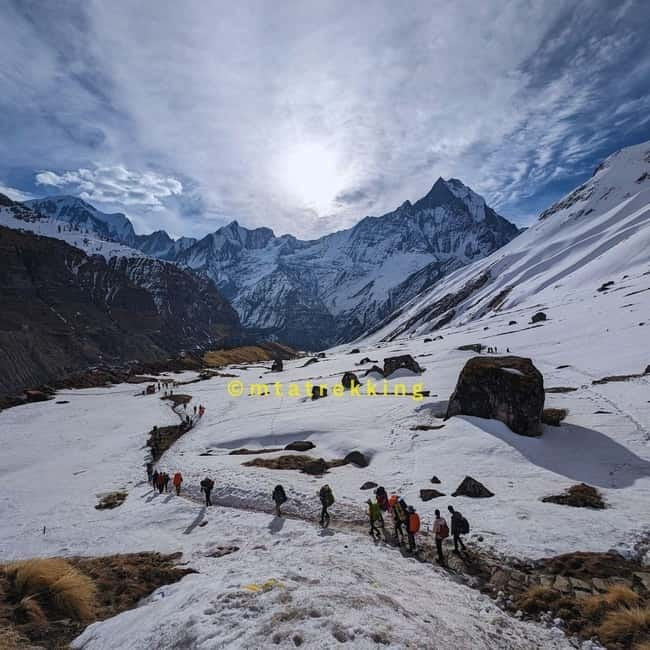
On day 2, you climb toward Deurali (around 3,200 meters) in about 6 hours. The air gets noticeably different as you gain elevation, and the terrain keeps changing as you go.
I like this day for a simple reason: it gives you an actual progression. You start lower, you build altitude gradually, and you reach a village area that sets you up for the final push. It also tends to be the day when you start paying attention to how your breathing feels, which is useful preparation for base camp.
What to consider: this is the kind of trek day where cold mornings can make you want to pull the layers on fast. Bring change of clothes and plan for drying or swapping layers as conditions shift.
Day 3: Deurali to Annapurna Base Camp (via Machhapuchhre Base Camp)
Day 3 is the big one. You hike for roughly 4 hours to Annapurna Base Camp at 4,130 meters, with a detour to Machhapuchhre Base Camp along the way. That detour is there for a reason: it sets you up for fishtail peak views of Machhapuchhre.
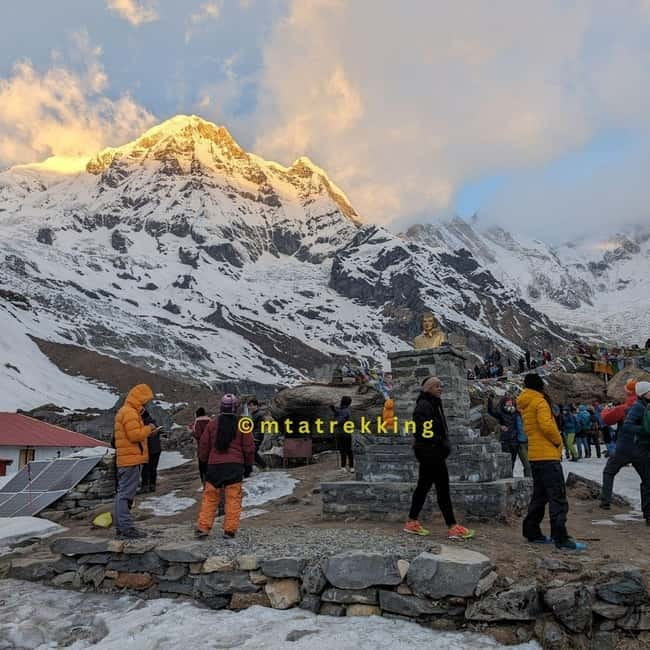
Then you arrive at base camp surrounded by the Annapurna massif. If you care about photos, you will want to take your time here. You are not just looking at a distant mountain. You are standing in the region where the entire climb makes sense.
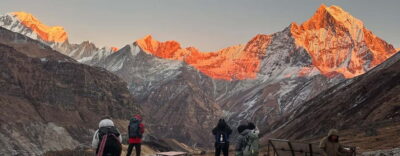
One note from the experience accounts you provided: sunrise at base camp, facing the south side of Annapurna, is described as a standout moment that people remember for a long time. Even if conditions change day to day, this is the part of the trip where early light can matter.
Possible drawback: this is the highest “arrival” day, so it can also be the day when altitude feels most intense. The listing says altitude sickness is rarely happening, but you still need to listen to your body and pace yourself.
Day 4: Explore Annapurna Base Camp, then descend to Bamboo
Day 4 gives you the chance to actually enjoy base camp instead of treating it like a quick stop. You spend time with panoramic Himalayan views and guided moments, then descend toward Bamboo (about 2,400 meters) for a night at Bamboo Lodge.
This day is smart because it combines payoff and recovery. After spending time at high altitude, you get a descent that usually makes breathing feel easier. It also sets up your last day so you are not going straight from base camp to a long drive.
Where you might feel it: Bamboo is still a trek environment, so you will keep walking, even though it is a descent. If you have knee issues, take downhill steps slowly and use whatever technique your guide recommends.
Day 5: Bamboo to Pokhara, with optional Jhinu hot springs
On the final day, you trek back toward Jhinu and then ride back to Pokhara. The listing says the Jhinu hot spring soak is optional on the way back.
Then you drive to Pokhara and end back at your meeting point in Lakeside. This is the day when your body starts to feel “normal” again and your brain remembers what you just did.
Practical advice: if you plan to soak, keep a small plan for changing clothes and drying off. It is simple, but it saves you from feeling cold or uncomfortable right after the soak.
Tea houses, meals, and why simple lodging works on this kind of trek
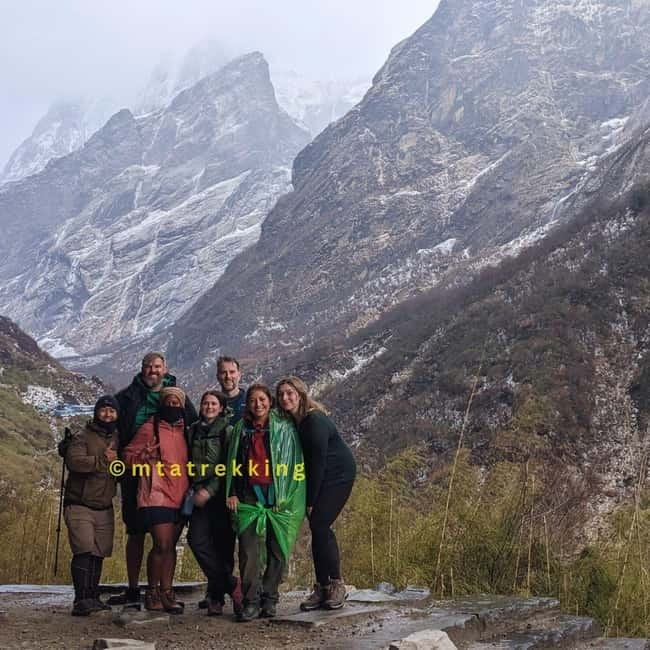
You stay in tea houses, which is a good match for a short trek like this. You do not have to coordinate complex camping gear. Instead, you focus on the walk and the views and let the route logistics handle the basics.
Meals are included, but the note about a full board option matters. If full board is offered when you book, pick it so you get the full rhythm of breakfast, lunch, and dinner without budgeting every single meal at altitude.
Also look at what is not included. Hot showers, Wi-Fi, drinks, mineral water, and laundry are listed as personal expenses. On a trek like this, that is pretty standard, but it means you should budget small daily costs and avoid expecting unlimited convenience services.
My rule: pack like you are walking into a place with fewer options. When you have that mindset, the tea house experience feels like part of the adventure instead of a disappointment.
The guide, the pacing, and why Ramit shows up in the best kind of way
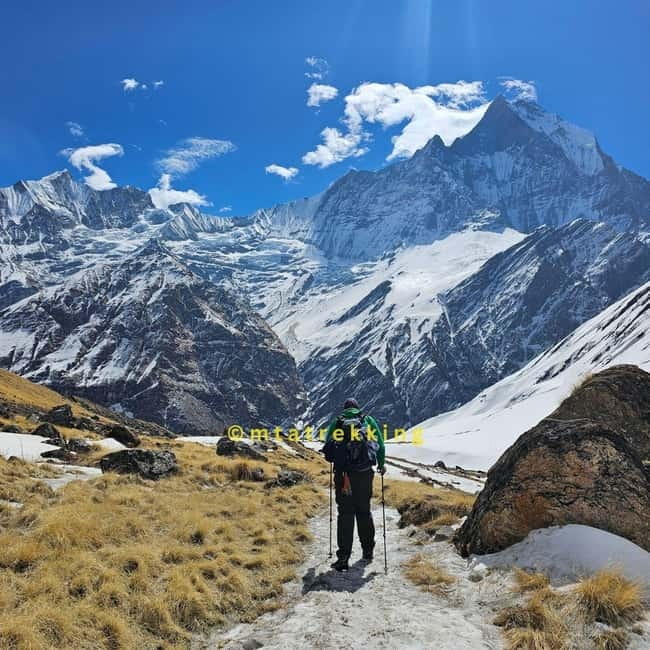
This trek includes a professional trekking guide with government registration and an English live tour guide. That matters more than people think, because Annapurna region trekking is not only about fitness. It is about decisions: timing photo stops, managing rest breaks, and keeping you aligned with weather and trail conditions.
One of the reviews you shared highlighted guide Ramit as especially helpful and caring. It also praised how he managed travel times and rest along the route, plus how he explained natural beauty and curiosities as you went. That kind of guidance is not fluff. It helps you walk with purpose instead of just counting steps.
For you, that means you are more likely to:
- move at a workable pace each day
- understand what you are seeing, including cultural context in villages
- get smarter about where to spend time, like viewpoints and base camp moments
Altitude, monsoon weather, and the leech reality check
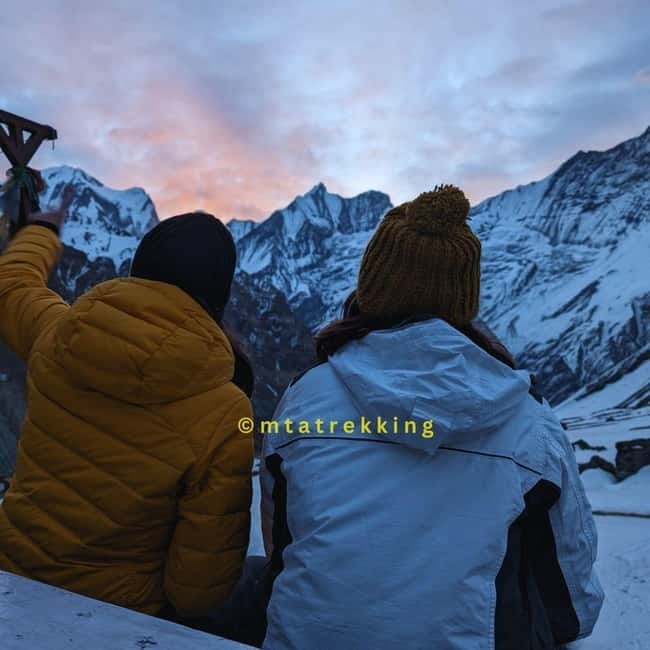
Annapurna Base Camp reaches 4,130 meters, and altitude sickness is described as a possibility, but stated as rarely happening. Still, you should treat altitude seriously. That means taking it slow, staying hydrated, and telling your guide if you feel worse than expected.
Weather is another practical issue. The listing says monsoon season (June to August) can bring erratic weather with heavy rainfall. If you trek in that window, you need appropriate gear and you should follow your guide’s advice closely.
Then there are leeches. The listing specifically calls out that leeches can be a nuisance on lower trails, especially during monsoon. The practical countermeasures provided are wearing long pants tucked into gaiters and using insect repellent. If you go in wet season, do not treat this as optional comfort. It can change how much you enjoy the trek.
Who this trek fits, and who should skip it
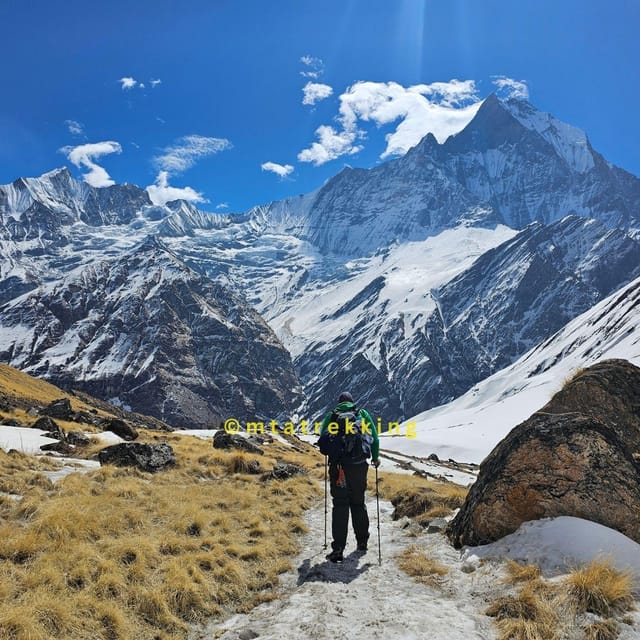
This is a good fit if you want a structured trek that still feels human. The route includes traditional villages and culture, with mention of Gurung people and their lifestyle in village settings. The trek also says it is designed to be achievable and rewarding for trekkers of all levels, with the caveat that you still need to be comfortable walking several hours a day.
You might be especially happy with this plan if you:
- like guided explanations, not just physical challenge
- want hot springs as part of your recovery
- want an organized short trek from Pokhara with permits handled
But it is not suitable for certain groups. The listing states it is not suitable for pregnant women, people with mobility impairments, wheelchair users, visually impaired people, people with altitude sickness, and people over 70 years. If any of those apply, you should look for a different style of trip that matches your needs.
Also, it is described as private group, which usually means you get more personal attention. If you are traveling solo or as a small group, that can be a real benefit.
Should you book this Annapurna Base Camp trek with hot springs?
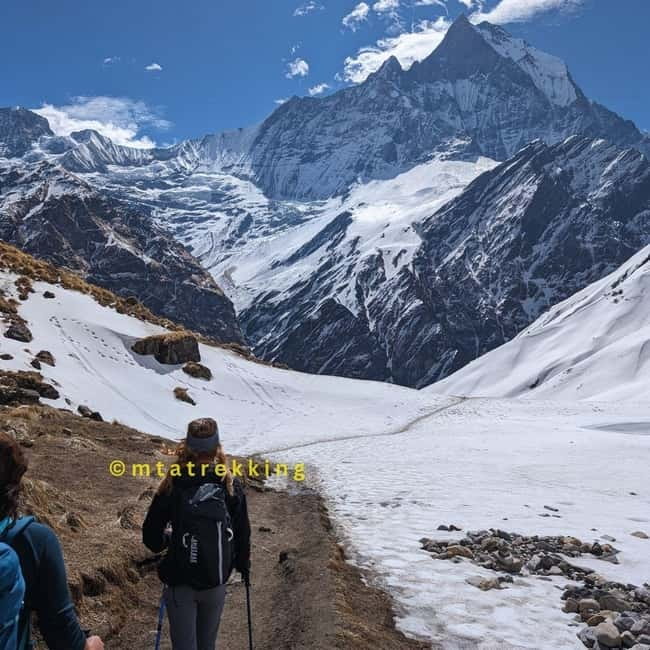
If you want a fast, focused trek to one of the Annapurna region’s most famous endpoints, this is a strong choice. The included items are genuinely useful, especially the ACAP permit, TIMS and taxes, professional guide, tea house accommodation, and transport from Pokhara.
Book it if:
- you are okay paying a bit extra for porters if you want lighter carrying
- you like guided pacing and cultural context in villages
- you want the extra value of Jhinu hot springs for recovery
Think twice if:
- you are worried about altitude, even though it is described as rarely happening
- you travel in monsoon months and you do not want to deal with rain and leeches
- you expect hot shower comfort and Wi-Fi at every turn, because those are not included
The simplest way to make the decision: if you are excited by the idea of reaching Annapurna Base Camp at 4,130m, and you like the idea of balancing hard hiking with optional hot springs, this trek makes a lot of sense.
FAQ
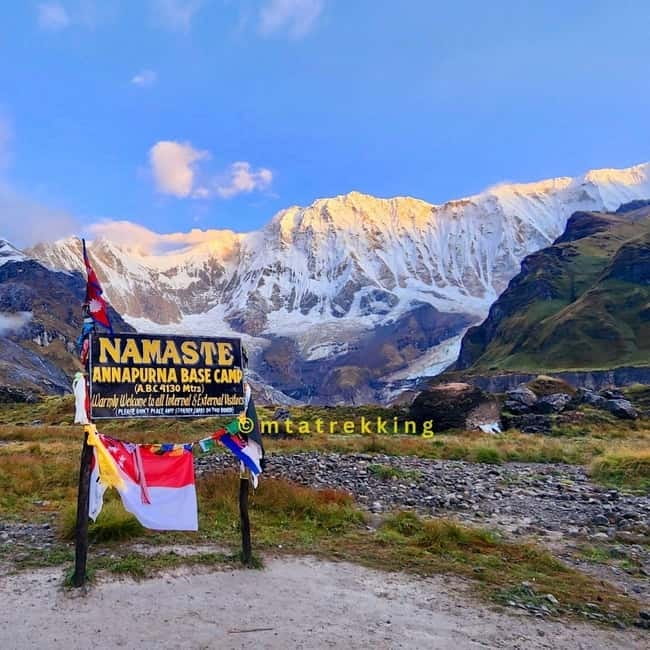
How high does the trek reach?
You reach Annapurna Base Camp at 4,130 meters (13,550 feet).
Where does the trek start and end?
It starts with pickup from any hotel or location within Lakeside Pokhara, and also from Pokhara International Airport. It ends back at the same meeting point area.
What kind of lodging is included?
Accommodation on tea house lodging is included during the trek.
Are meals included?
Meals are included, and you should choose the full board option if it is available for the included meals.
Do I need permits for the trek?
The Annapurna Conservation Area (ACAP) permit is included, along with government permits, TIMS, and taxes covered.
Is there a guide, and what language do they speak?
Yes, you get a live trekking guide in English, and the trek includes professional trekking guides with government registration.
Is this a private group?
Yes, it is listed as a private group.
Do I need to pay extra for a porter?
Porter service is not included. The porter cost is listed as $20 per day.
Are hot showers and Wi-Fi included?
No. Hot shower, Wi-Fi, drinks, mineral water, and water laundry on the mountains are listed as personal expenses not included.
Who is this trek not suitable for?
It is listed as not suitable for pregnant women, people with mobility impairments, wheelchair users, visually impaired people, people with altitude sickness, and people over 70 years.
Latest Kathmandu write-ups
- 16 Days Island Peak Climbing With Everest Base Camp Private Trip★ 5.0 · 3 reviews
- 15 Days Round Annapurna Trek with Poon Hill from Pokhara★ 5.0 · 5 reviews
- Private Nepal round trip including Ghorepani Poonhill trek★ 5.0 · 3 reviews
- Everest Base Camp Trekking 16 Days★ 4.0 · 7 reviews
- 14 Days Luxury Annapurna Base Camp Trek★ 5.0 · 6 reviews
- Everest Base Camp Trek★ 5.0 · 32 reviews
- Everest Base Camp Trek★ 5.0 · 87 reviews
- Everest Base Camp Trek★ 5.0 · 97 reviews
Annapurna Base Camp Trek, compared.
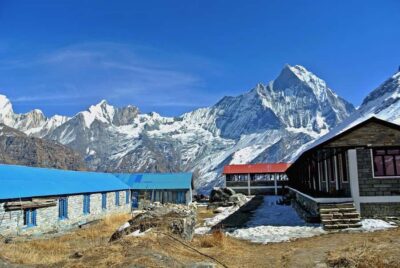
5 Day Annapurna Base Camp Trek & Natural Hot Spring
Read our review →
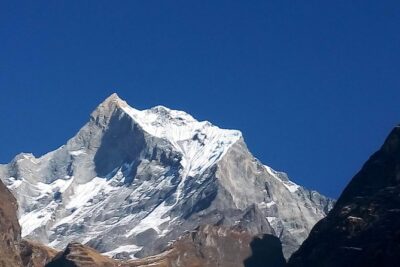
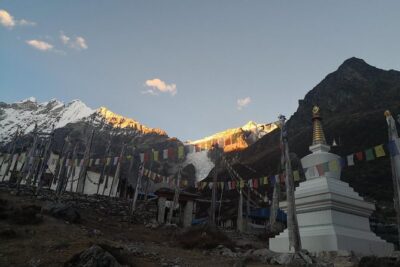
14 Days Annapurna Base Camp Trekking | Best trek for visit Nepal 2020
Read our review →
7-Day Annapurna Base Camp Trek & Natural Hot Spring
Read our review →Browse the lists this tour appears in