Reviewed · TOURS
8 Days Tour in Nepal (Accommodation at 5 Star Hotel)
This 8-day Nepal route is interesting because you get three very different moods in one trip, Kathmandu’s temple energy, Chitwan’s animal country, and Pokhara’s lakeside pace. The way it moves from stone shrines to jungle safaris to sunrise viewpoints is what makes it feel like a mini journey across Nepal, not just a checklist.
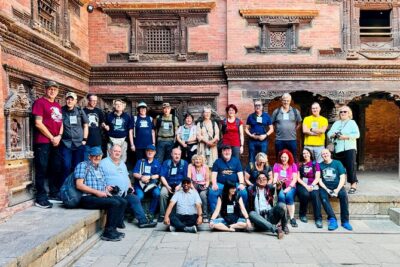
I really like two parts of this plan. First, the 5-star hotel base and the fact that the trip has a comfort-first feel. Second, the local guide support angle, with the owner Mani described as easy to communicate with, and guides like Sanjaya named in feedback.
One consideration: private transportation is not included, so you are relying on the package’s group transfers. Add in the reality that roads can feel rough at times, and you will want to treat transit time as part of the deal, not a surprise.
Key things I’d watch before you go
- Pickup and airport drop-off are part of the package, so you start and end with less stress.
- Smallish group size (max 30) means the pace feels organized, not chaotic.
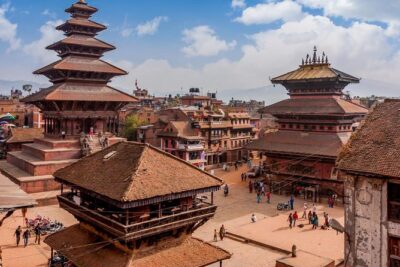
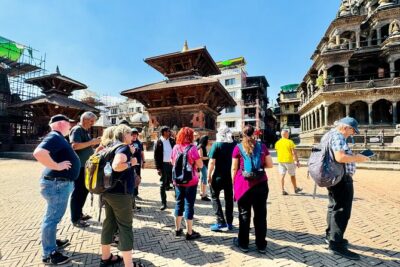
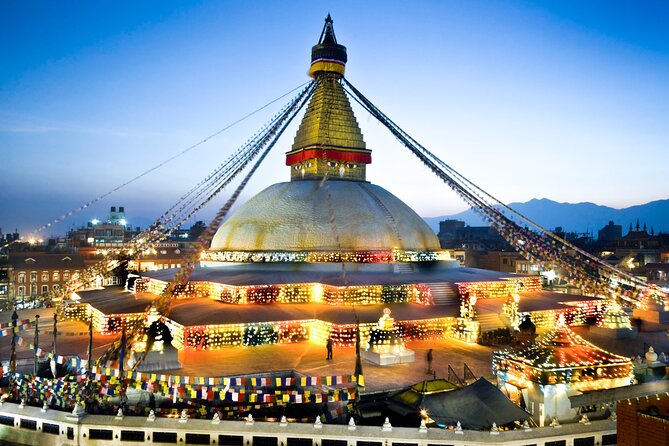
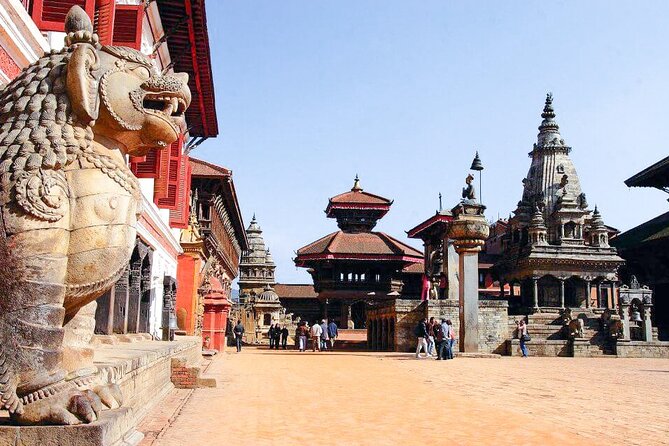
- Day 2 hits four big Kathmandu sights: Boudhanath Stupa, Patan Durbar Square, Pashupatinath, and Swayambhunath.
- Chitwan mixes experiences, including canoeing on the Rapti River, a jungle walk, a Tharu village visit, and a jeep safari.
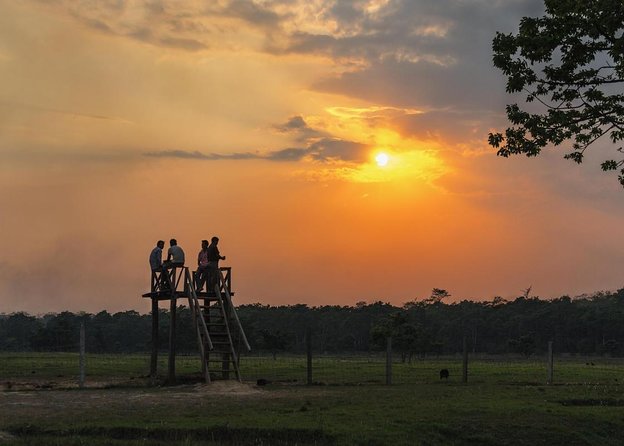
- Pokhara includes a classic sunrise plan from Sarangkot plus caves and falls.
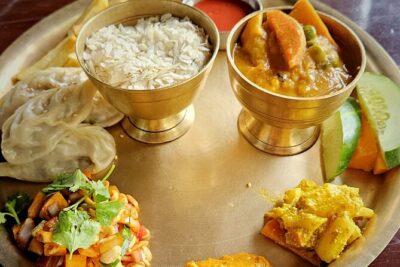
- Meals are partially covered (6 breakfasts, plus some lunches and dinners), which helps value.
The big picture: Kathmandu to Chitwan to Pokhara in 8 days
This is a destination-hopping tour, but it is not random hopping. It is built as a flow: Kathmandu for heritage and temples, Chitwan for wildlife and culture, then Pokhara for scenery and easy sightseeing. You also get a trip rhythm that alternates between busy guided blocks and small pockets of free time.
You start with a hotel check-in day and a built-in first look at Thamel and nearby areas. Then you get a full Kathmandu heritage day. After that, the trip shifts to the Terai region with Chitwan National Park, where the activities are practical and outdoorsy, not museum-style.
By the time you reach Pokhara, the pace changes again. This part is more about views, lakeside downtime, and a couple of physical stops like Gupteswar Cave and the hike to World Peace Pagoda. If you like your sightseeing with some variety, this itinerary makes sense.
More to compare around Kathmandu
- Everest Base Camp Trek – 14 Days
★ 5.0 · 1,499 reviews - Everest Base Camp Trek
★ 5.0 · 842 reviews - Private Kathmandu Sightseeing Tour | UNESCO World Heritage sites
★ 5.0 · 756 reviews
Price and what you actually get for it
At $1,400 per person for an 8-day package with 5-star accommodation, this is not a budget-style deal. But it also is not only paying for transportation and a driver. The package includes meals (6 breakfasts, 2 lunches, 2 dinners), pickup and drop-off support, and multiple admissions on key days.
A big value question for you is: do you want to spend your time planning entrances and sequencing stops, or do you want that handled? This tour lists several sites with admission tickets included, like Boudhanath Stupa and the major Kathmandu temples and squares. It also includes ticketed Chitwan activities like jungle walks and the jeep safari, plus Pokhara attractions like Sarangkot sunrise, Devi’s Fall, Gupteswar Cave, and World Peace Pagoda.
The one thing not included is private transportation. That matters because comfort and schedule flexibility can be less than what you might expect from a private tour. Still, the overall package structure looks like it is designed to keep you moving efficiently across the country.
Another small clue on demand: the tour is often booked about 119 days in advance. That suggests it is popular, so if your dates are flexible, you can still get options, but waiting too long might narrow your choices.
Your base comfort: 5-star hotel, real-world expectations
You are getting accommodation at a 5-star hotel, which usually means better rooms and cleaner facilities than the average budget stay. In the feedback shared with this operator, people specifically mention hotels being nice and clean, and the overall environment feeling comfortable.
What you should still expect: Nepal is not luxury-only. Even in good hotels, your days start early on some mornings and end late some evenings. This is a sightseeing tour. So the hotel is your recovery space, not a day off.
If you are the kind of traveler who hates checking logistics and wants your sleeping setup to feel reliable, this part of the package is a win.
Day 1 in Kathmandu: Thamel on a reset day
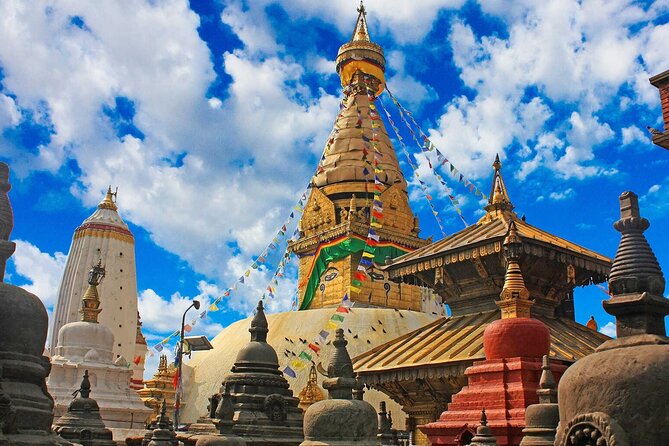
Day 1 is Kathmandu arrival with pickup from Tribhuvan International Airport and a drive to your hotel. After you check in, you get leftover time to orient yourself around Thamel and nearby areas like Durbarmarg and central Kathmandu.
Why this matters: Kathmandu first days can feel overwhelming. Starting with a relaxed option to wander means you can grab water, learn your nearby streets, and adjust to the altitude and pace before the heritage day. You are not thrown immediately into a full schedule.
Practical tip for you: keep this first evening low-key. If you want to shop or eat, Thamel is convenient, but avoid turning it into an all-night mission. You have a big Day 2 ahead.
A different sort of day out of Kathmandu:
- Kathmandu: 7 UNESCO Sites with Lunch
★ 4.8 · 744 reviews - Everest Base Camp Helicopter Tour landing at Everest View Hotel
★ 5.0 · 668 reviews - Half day cooking class in Thamel kathmandu
★ 5.0 · 607 reviews - Everest Base Camp Trekking
★ 5.0 · 485 reviews
Day 2: Kathmandu heritage day with Boudhanath, Patan, Pashupatinath, Swayambhunath
This is one of the tour’s most praised sections because it concentrates multiple major Kathmandu landmarks into a single guided day.
You start with Boudhanath Stupa, where you will see the snow-white dome shape and the colorful Buddhist flags that circle the area. You also get time at the stupa’s atmosphere level, not just a photo stop.
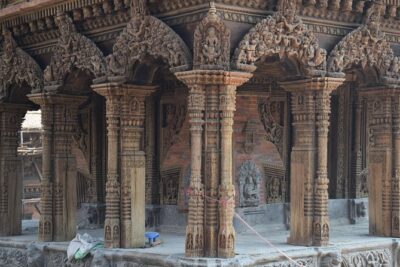
Next comes Patan Durbar Square, where the focus is temples and courtyards packed into a walkable zone. The day’s description calls out a cluster of major sites like the Krishna Temple and Golden Temple areas, plus the Patan Museum as part of the broader stop time.
Then you move to Pashupatinath Temple, a large Hindu complex along the Bagmati River. This is not a small shrine you can zip through. Expect it to feel expansive and layered, with temples, ashrams, inscriptions, and long-standing religious activity around the river.
Finally, you end at Swayambhunath, the hilltop stupa with statues, painted images, and temples. The view from the top is a big part of the appeal, and you get enough time there to enjoy the hilltop atmosphere rather than just standing at the gate.
The realistic drawback of this kind of day is fatigue. You will walk and stand more than you think, and it is a mentally full day. If you have mobility limits, you might want to go at your own pace during the heritage stops, but the structure is generally designed for most travelers.
Day 3: The shift to Chitwan, Rapti River, and Tharu culture
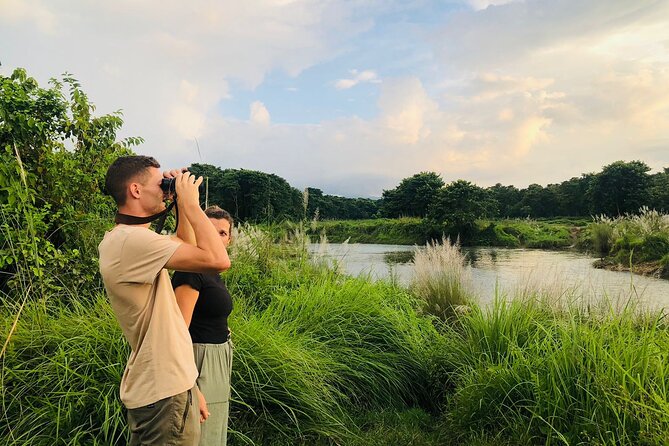
Day 3 starts with a drive out of Kathmandu Valley, and you may catch views of hills and, if you are lucky, mountains peeking behind them from the highway. Then the trip reaches Chitwan National Park during the day, followed by a quieter set of experiences.
In the evening you get a Rapti Riverside walk plus a Tharu Cultural show, with time for a sunset view. This is a smart transition. You ease into Chitwan wildlife territory without starting the day with the most physically demanding activities.
If you want a balanced day, this is the right kind of setup. It keeps you engaged while your body adjusts to the change from city walking to park-ground movement.
Day 4: Chitwan’s active lineup, canoeing, jungle walk, Tharu village, jeep safari
Day 4 is the big wildlife day, and it is structured like a menu with several different ways to see the park.
You begin with canoeing on the Rapti River for about 45 minutes. The key point here is the close-up feeling. The plan notes you can take a close look at crocodiles and other wild animals from the park area.
Next comes a jungle walking session, listed at about 3 hours. This is where you slow down and move through thick forest with the purpose of spotting wildlife and experiencing the ecosystem at foot.
After that you visit the Elephant Breeding and Training center. The tour time here is about 1 hour, and the listing describes it as part of the Chitwan experience flow, with admission listed as free.
Then you go to Chitwan Tharu Village for about 30 minutes. This is your cultural counterweight to the nature focus. You get a chance to see daily lifestyle and activities of the Tharu community, which makes the day feel more than a safari only package.
Finally, the day ends with a jeep safari for about 4 hours. The listing frames it as an exhilarating open-top jeep ride through dense jungle, giving you a different vantage point for animals and photography.
One practical thing to note for your planning: this is an all-day activity block. If you are sensitive to heat or sun, bring sun protection and keep a good water routine. Also, if you get motion sickness easily, the jeep part could be a factor, even though the tour is designed to be enjoyable rather than extreme.
Day 5: Scenic transit to Pokhara via Trisuli, Marsyangdi, and Daraudi
Day 5 is a travel day with a built-in sightseeing excuse. As you go from Chitwan to Pokhara, the tour mentions passing three major rivers: Trisuli, Marsyangdi, and Daraudi. It does not promise a postcard moment every time, but it does tell you to expect the journey to have natural variety.
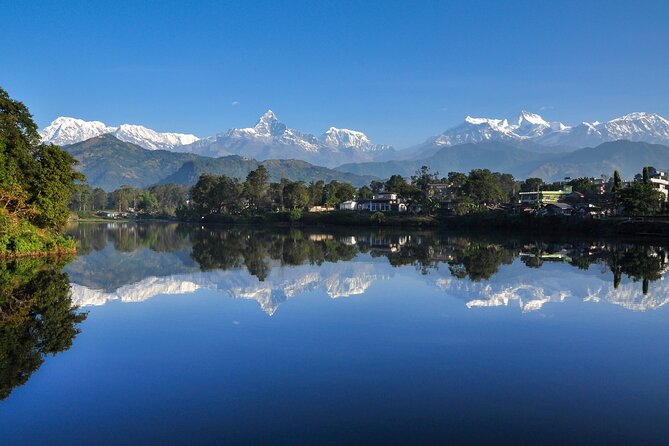
Once you arrive, you shift to the classic Pokhara routine with Phewa Tal. You get about 2 hours here, including boating. Phewa Lake is central to the Pokhara identity, and this is a good first settling-in activity because it is not physically punishing.
If you like gentle resets after intense wildlife days, this is where you’ll feel the relief.
Day 6: Sarangkot sunrise, Devi’s Fall, Gupteswar Cave, and World Peace Pagoda
This is the day with the best odds of feeling like you are seeing Nepal from multiple angles.
You start in the morning with Sarangkot sunrise views for about 1 hour. The tour highlights the possibility of seeing Annapurna and Manaslu mountain regions along with the Pokhara valley. Even when visibility varies, the experience of being up early for a viewpoint has a payoff.
Then you visit Devi’s Fall, about 30 minutes. The description notes the falls originate from Phewa Lake and enter down through a narrow gorge into the Seti River.
Next comes Gupteswar Gupha, the Gupteswar Cave, described as the longest cave route at about 2950 meters and discovered in the 16th century. You get about 1 hour here, which is long enough to see the main highlights without turning it into a full-day hike.
Finally, you end at World Peace Pagoda. The plan describes a short hike from the city and about 2 hours total at the pagoda, including a broad lakeside view from a single point. This stop often feels like the natural “finish” to a day full of changing scenery.
The main drawback here is morning timing. Sunrise plans ask something of you. If you are not a morning person, set expectations for an early start and try to prioritize sleep on the night before.
Day 7: Back in Kathmandu, Durbarmarg at your own pace
After returning to Kathmandu, Day 7 is more about freedom. You have time to roam around Durbarmarg, which the tour describes as famous for clubs, pubs, massage centers, shopping, and views related to Narayanhiti Palace.
The value of this day is simple: it lets you do what Day 2 could not, choose your own pace. If you want souvenir shopping, a relaxed meal, or just a slow walk for photos, this is the time.
Keep it flexible. Day 8 is departure, so you do not want to drain all your energy on a night out if you are catching an early flight.
Day 8: Departure to Tribhuvan International Airport
On departure day, staff take you to Tribhuvan International Airport according to your flight time. This avoids the usual scramble of figuring out transport timing while carrying luggage and trying to make your gate.
If you want to be extra smooth, plan to pack earlier than you think. Kathmandu hotels and airports move, but last-minute delays happen anywhere in the world.
Group size, logistics, and the “is this for me?” test
This tour runs with a maximum of 30 travelers, and it offers pickup plus a mobile ticket. For you, that usually means a guided experience that stays organized. You still get movement between sites without getting stuck waiting forever.
The bigger question is your travel style. This tour fits well if you want:
- A guided introduction to major Nepal highlights in one run
- Comfortable lodging at 5-star level
- Wildlife and culture in Chitwan, not just a single short safari
It might be less ideal if you need:
- Total privacy and fully custom timing, since private transportation is not included
- A slow pace with lots of downtime
- A light day every day, because Day 2 and Day 4 are both packed
Also, the operator notes service animals are allowed. Good to know if that matters for you.
Should you book this 8-day Nepal package?
I think you should book this tour if you want an efficient Nepal sampler with comfort built in. The combination of Kathmandu’s major heritage sites, a full Chitwan wildlife day, and Pokhara viewpoint stops hits a lot of the country’s signature experiences without asking you to build the plan yourself.
You should also consider it if you appreciate communication and people being easy to work with. The owner Mani is described as easy to communicate with and flexible with itinerary adjustments, and the guide Sanjaya shows up by name in feedback, along with drivers like Binod and RAM.
Skip it or approach carefully if you feel strongly about private transport, or if you know you hate early mornings, because Sarangkot sunrise and long activity blocks are baked into the schedule.
FAQ
What is included in the tour price?
Meals are included for the trip: 6 breakfasts, plus 2 lunches and 2 dinners. Some admission tickets are also listed as included for specific stops. Private transportation is not included.
Does the tour include airport pickup and drop-off?
Yes. You get pickup from Tribhuvan International Airport on the first day, and on the last day staff take you to the airport based on your flight time.
How many days is the tour, and what locations does it cover?
It is an 8-day tour, covering Kathmandu, Chitwan National Park, and Pokhara, and then returning to Kathmandu for departure.
What activities are included in Chitwan National Park?
The tour includes a Rapti River canoeing time, a jungle walking activity, an elephant breeding and training center visit, a Tharu village visit, and a jeep safari.
Can I cancel and get a full refund?
You can cancel up to 3 days in advance of the experience for a full refund. If you cancel less than 3 full days before the start time, the amount paid is not refunded.
What happens if the trip is canceled due to weather?
This experience requires good weather. If it is canceled due to poor weather, you will be offered a different date or a full refund.
Latest Kathmandu write-ups
- Langtang Valley Trek★ 5.0 · 3 reviews
- Langtang Valley Trek from Kathmandu★ 5.0 · 3 reviews
- Khopra Danda Trek★ 5.0 · 3 reviews
- 5 night / 6 days Kathmandu Nagarkot Chitwan Pokhara tour★ 5.0 · 3 reviews
- Nepal Highlights Tour: 5 Nights 6 Days Kathmandu & Pokhara Tour★ 5.0 · 3 reviews
- Kathmandu Valley Private Day Tour★ 5.0 · 3 reviews
- Kathmandu Heritage Day Tour★ 5.0 · 3 reviews
- Conquer the Himalayas: The Ultimate 16-Day Annapurna Circuit Trek★ 3.5 · 3 reviews
Tours, compared.
Private Kathmandu Sightseeing Tour | UNESCO World Heritage sites
Read our review →
Everest Base Camp Helicopter Tour landing at Everest View Hotel
Read our review →