Reviewed · TOURS
8 Days Special Nepal Tour Package
Kathmandu, Pokhara, and Chitwan together is one of the easiest ways to get the big Nepal feelings in a single trip. I like the clear route (heritage, mountains, and wildlife) and the fact that you get built-in support with city-guided sightseeing plus culture evenings. The main thing to consider is the pacing, with long drives (about 4 to 6 hours on multiple days) and early starts for sunrise.
You’ll be moving between three very different settings, and that is the point. The payoff is that you’re not stuck doing the same style of sightseeing every day. The one drawback is that this is not a slow, wandering trip, so if you love lots of free time, you’ll want to keep expectations realistic.
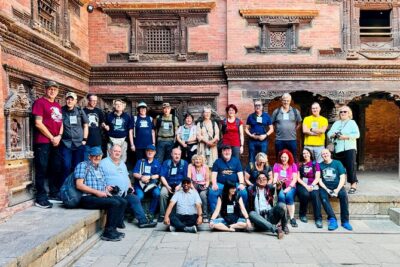
I also found the operator experience encouraging. Past travelers specifically praised guides like Hari and Nawa for being informative, and the tour design uses that strength well. With a maximum group size of 15, it feels managed without turning into a huge bus tour.
Key highlights you should know
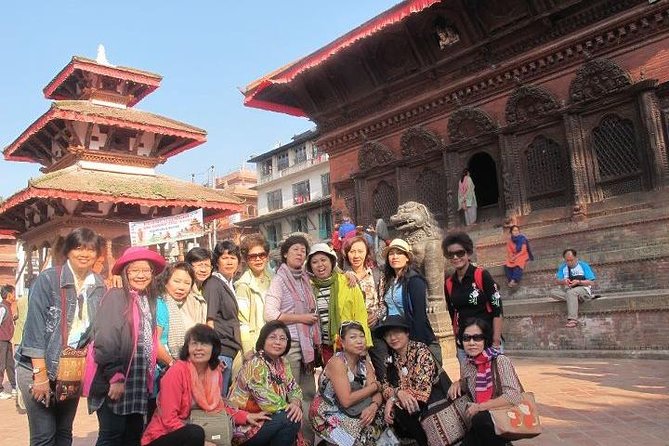
- Temple and stupa time in Kathmandu with a focused circuit including Pashupatinath, Boudhanath, and Swayambhunath
- Chitwan culture before wildlife with a Tharu village tour and culture program in the evening
- A full wildlife day that mixes a water activity listed as cannoning, jungle walking, and a Jeep safari
- Pokhara sunrise at Sarangkot plus classic stops like Davis Falls, Gupteswar Cave, and World Peace Pagoda
- Two culture dinner moments including a traditional Nepali dinner with dance, plus a farewell dinner on the return to Kathmandu
- Small group cap of 15 and air-conditioned vehicle transport across all segments
Kathmandu to Pokhara to Chitwan: the logic of this 8-day circuit
This package is built like a highlight reel, but not a cheap one. You’re covering three regions that normally need multiple trips: Kathmandu for heritage and architecture, Pokhara for lake-and-mountain views, and Chitwan for lowland forest and safari-style wildlife time.
The value here is that you get transport + hotel stays + admissions + guided sightseeing bundled together. That matters because Nepal travel can get complicated fast if you try to assemble everything on your own. You’ll spend less time coordinating and more time actually looking at things.
The other reality is the route includes long land transfers: roughly 4 to 5 hours into Chitwan, about 5 hours to Pokhara, and about 6 hours back to Kathmandu. If you’re sensitive to car time, plan to pack comfort items and keep your schedule flexible in your head.
More to compare around Kathmandu
- Everest Base Camp Trek – 14 Days
★ 5.0 · 1,499 reviews - Everest Base Camp Trek
★ 5.0 · 842 reviews - Private Kathmandu Sightseeing Tour | UNESCO World Heritage sites
★ 5.0 · 756 reviews
Day 1 in Kathmandu: airport pickup, hotel check-in, and Thamel at night
Day 1 starts simple: arrival at Tribhuvan International Airport, pickup, and a transfer to your hotel. You check in and get a welcome drink, which is a small thing but it helps you settle quickly after travel.
That evening, you get a short visit to a tourist market in Thamel. The itinerary lists it as about 1 hour, and that’s a smart length for first night energy. You’re close to where restaurants and shops cluster, and you get your bearings without feeling trapped into a big agenda.
My practical tip: use this first night to figure out how you want to handle cash, bottled water, and snack runs. The tour includes key meals later, but it does not claim to cover everything every day.
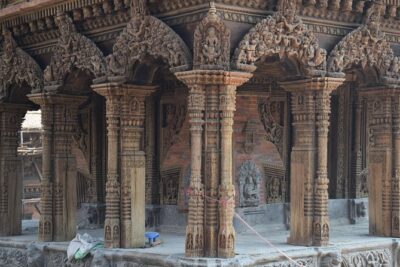
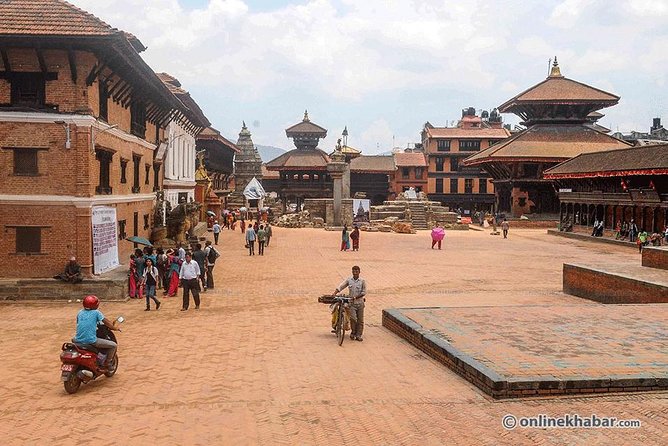
Day 2 Kathmandu temples and stupas: Pashupatinath, Boudhanath, and Swayambhunath
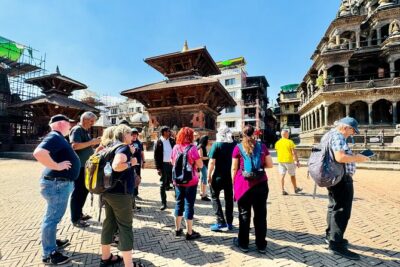
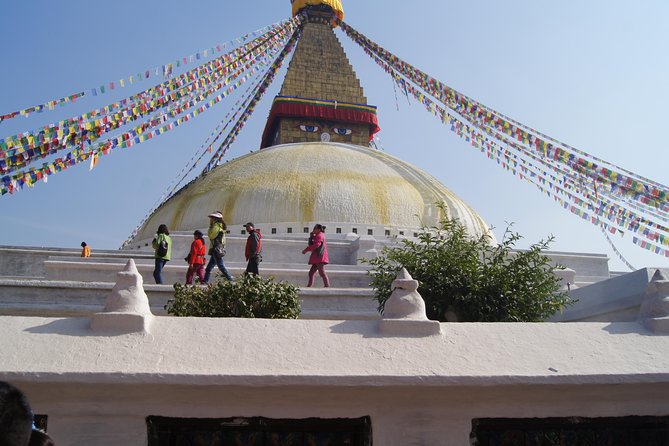
Kathmandu sightseeing on Day 2 is the heart of the cultural side. The circuit is timed at about 4 hours and includes:
- Pashupatinath Area, centered on the famous Hindu temple site
- Boudhanath Stupa, often called one of the key Buddhist stupas in the Kathmandu Valley
- Swayambhunatha Stupa, an older Buddhist stupa with deep historical significance
- Also included in the day is a Buddha City stop tied to the stupa visit
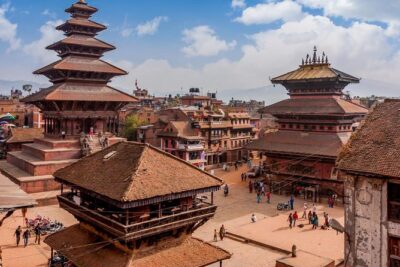
This is a great day for first-time visitors because it gives you a spread of what Kathmandu does best: sacred spaces, religious art, and architecture you can’t fake with photos. If you’re the kind of traveler who likes to understand what you’re looking at, the presence of a city guide is where this day becomes more than sightseeing.
One consideration: temple and stupa areas can involve uneven walking and lots of stairs or steps around viewpoints. Wear shoes that handle cobblestones and plan for hands-on “look and listen” time, not just quick snapshots.
Day 3 into Chitwan: long drive plus Tharu village culture at night
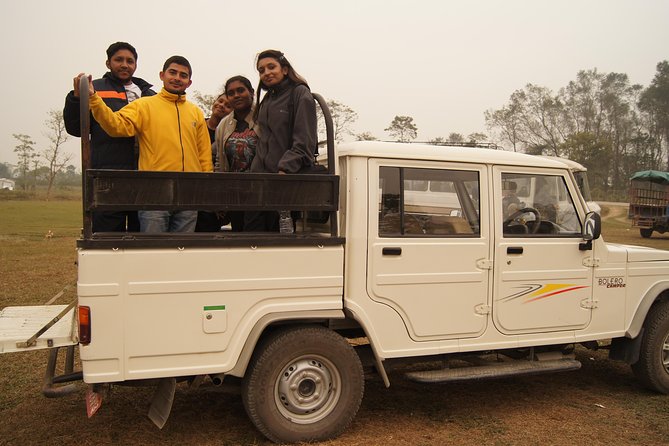
After breakfast, you drive to Chitwan, with the trip taking about 4 to 5 hours. That’s a real chunk of the day, but it also acts like a reset. You trade city intensity for the quieter pace of Nepal’s lowland forest region.
In the evening, the program shifts to people and culture, not just animals. You get a Tharu village tour and a Tharu culture program. This is valuable because it stops the trip from turning into a single-note safari story. You’re seeing how communities connect to the region you’ll spend time in the next day.
Comfort note: it’s smart to bring a light layer, even in warmer seasons, because evenings near forested areas can feel cooler than you expect.
A different sort of day out of Kathmandu:
- Kathmandu: 7 UNESCO Sites with Lunch
★ 4.8 · 744 reviews - Everest Base Camp Helicopter Tour landing at Everest View Hotel
★ 5.0 · 668 reviews - Half day cooking class in Thamel kathmandu
★ 5.0 · 607 reviews - Everest Base Camp Trekking
★ 5.0 · 485 reviews
Day 4 Chitwan wildlife day: cannoning, jungle walking, and Jeep safari
Day 4 is where Chitwan earns its reputation. After breakfast, the itinerary lists a water activity called cannoning, plus jungle walking. After lunch, you go on a Jeep safari. The day runs about 6 hours total.
This combination is practical. The water and walking time gives you different angles on the ecosystem than you get from a vehicle alone. Then the Jeep safari is your best shot at classic wildlife sightings, since it covers more ground and uses the local route knowledge.
What I like about this setup is the balance of effort and rewards. You’re not only sitting on a Jeep, and you’re not only hiking through the forest. You get a fuller picture of the park environment.
One consideration: jungle walking means you’ll want decent grip and socks that can handle humidity. If you’re prone to blisters, prep early, because the point is to enjoy the day, not manage foot pain.
Day 5 Pokhara transfer and lakeside downtime
You’ll drive from Chitwan to Pokhara after breakfast, about 5 hours. Pokhara is where the trip changes tone. The days that follow are about views, walks, and easier rhythm.
Day 5 includes a simple plan: after reaching Pokhara, you hang around the Lakeside area in the evening. The itinerary gives you room to breathe, which I consider a good design choice. After a wildlife day, you want time where you can stroll, eat something good, and not feel rushed.
I’d treat this evening as your chance to plan Day 6. Sunrise places can be unforgiving if you wake up unprepared, and in Pokhara you’ll likely want to be ready with water, a light layer, and a charging strategy.
Day 6 Sarangkot sunrise and Pokhara highlights: Davis Falls, Gupteswar Cave, Tibetan Camp, World Peace Pagoda
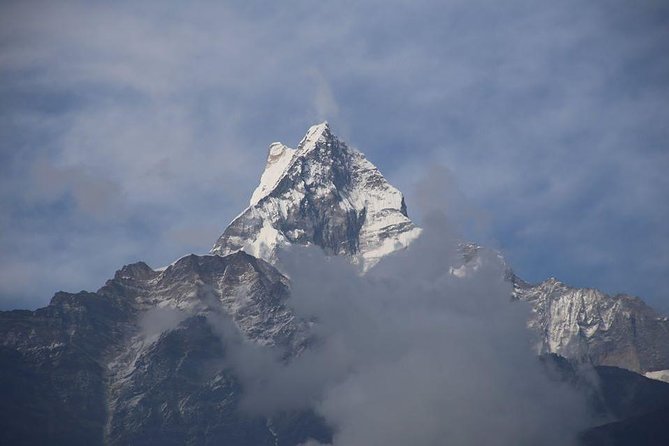
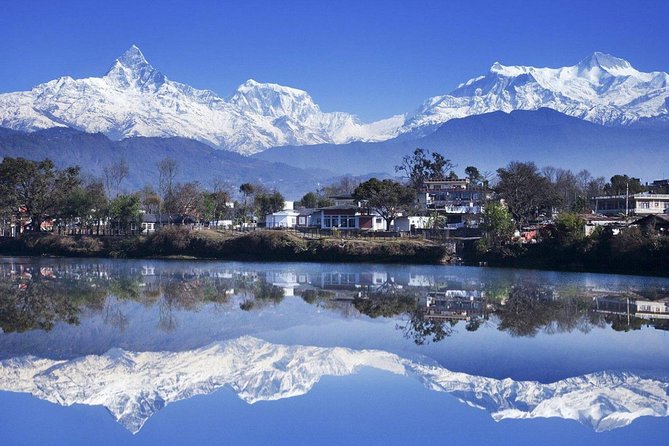
Day 6 starts early. You get up in the morning and drive to Sarangkot to see the Himalaya view and sunrise. That early drive is one of the biggest “worth it” moments on the itinerary, because sunrise is a time-window event.
After breakfast back at your hotel, you go sightseeing for about 4 hours, including:
- Davis Falls
- Gupteswar Cave
- Tibetan Camp
- World Peace Pagoda
This is a solid mix. Davis Falls gives you dramatic water scenery, Gupteswar Cave adds a darker, cooler contrast, and the Tibetan Camp provides a cultural stop that feels different from temple-only sightseeing. World Peace Pagoda works well as a viewpoint-based conclusion to the day.
My practical advice: for Gupteswar Cave, plan for uneven ground and damp spots. Keep your phone protected. For Sarangkot, bring a small warm layer even if the day seems sunny earlier, because altitude mornings can feel chilly.
Day 7 return to Kathmandu: the view ride plus farewell dinner with dance
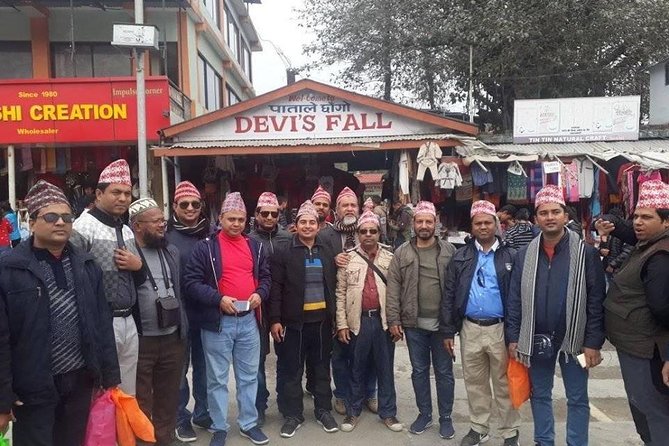
Day 7 brings you back to Kathmandu with an approximate 6-hour drive. The itinerary notes you’ll enjoy the Himalayas nature on the way. In plain terms, it’s a scenic transfer day, and that’s a good use of travel time.
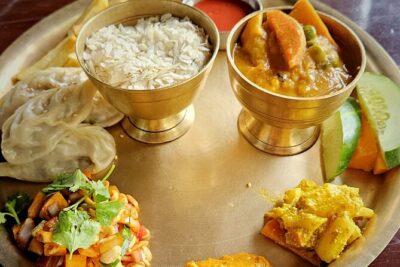
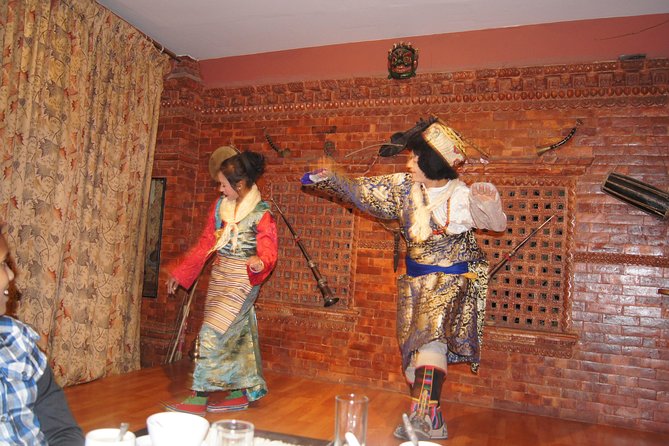
In the evening, the tour includes a farewell dinner with Nepal cuisine and dancing. This is more than a nice meal. It’s a cultural closure that helps the trip feel complete, especially after two days outside Kathmandu.
If you’re watching your budget, this kind of included dinner also helps. It reduces the temptation to overspend on “one more dinner out” in each city, and it gives you a reliable option.
Day 8 Kathmandu departure: private vehicle transfer and last morning freedom
On the final day, after breakfast, you have time that’s described as free for your own activities. Then you check out and depart to the airport by private vehicle.
The itinerary lists the end as returning you back to the meeting point area. In practice, that means you’re not scrambling to find your own taxi at the last minute. After a trip with multiple transfers already handled, that matters.
If your flight is later in the day, I’d use the free morning to do one last food stop or quick souvenir hunt near where you’ll find easier transportation. If your flight is early, just keep it simple and avoid long detours.
What’s included in the price, and what you pay extra for
Here’s the backbone of the inclusions:
- Accommodation in hotels on a double or twin sharing basis
- Air-conditioned vehicle for the whole tour
- All sightseeing entrance fees according to the program
- Kathmandu city tour with a city guide
- Traditional Nepali dinner with culture program
- Chitwan full board meals (breakfast, lunch, dinner)
- All taxes, VAT, and service charges
- Breakfast is included for 7 days, and dinners are included for 2 days
- A couple of lunches are listed as included (the program references lunches as part of the overall meal plan)
- Mobile ticket
What is not included:
- Lunch, dinner, snacks, and mineral water unless specifically mentioned
- Tipping (expected by guides and driver, but not mandatory)
This inclusion pattern is where the package can feel like good value. You get the “must-pay” parts, like entrance fees and major transport, plus the guided sightseeing blocks. You still have flexibility for personal spending on non-included meals, snacks, and water.
If you’re the type who hates surprise costs, this is better than a bare-bones tour. If you want every single meal included, you’ll need to plan on buying some items on your own.
Price and value check: is $1,066.67 per person fair?
At $1,066.67 per person for about 8 days, this pricing lands in the mid-range zone for a package that spans three regions and includes more than just hotel beds. The value comes from the combination:
- Air-conditioned transport across Kathmandu, Chitwan, and Pokhara
- Hotel stays on a shared-room basis
- Entrance fees covered for the program sites
- Guided Kathmandu city sightseeing
- A full culture-and-food dinner setup and wildlife-day activities in Chitwan
You can often find cheaper Nepal trips, but they usually cut corners in one of these areas: you may lose entrance fees, lose guide support, or lose the included safari-style and cultural program structure. Here, the itinerary is doing the heavy lifting for you.
One more clue is demand timing. It’s shown as commonly booked about 131 days in advance, which usually signals this route and duration are popular. Popular can mean good sign or just good marketing, but either way it suggests the package sells for a reason.
Small group size and guides: the human part that makes it work
The tour caps at a maximum of 15 travelers. That’s a meaningful limit. It’s big enough to meet other people, small enough to keep the day from turning into a chaotic herd.
Guide support is also a core benefit. Past feedback highlights guides like Hari and Nawa for being informative and attentive, and that matches the structure of the itinerary. You have specific guided blocks in Kathmandu, plus culture programs that rely on explanations, not just attendance.
The vehicle is air-conditioned for the whole tour, which matters on long drives. Heat in Nepal can be real, and reducing fatigue makes the sightseeing feel more enjoyable.
Practical tips so the schedule feels fun, not tiring
This trip is active, but not extreme. Still, you’ll be walking on uneven surfaces at temples and cave areas, and you’ll be spending real time in cars.
Pack for:
- Early mornings for Sarangkot sunrise (a warm layer helps)
- Comfortable shoes for temple steps and cave ground
- A small day bag for water and essentials, since mineral water is not guaranteed included
- Patience for drive times on Days 3, 5, and 7
Also, confirm details of your start time. The provided start time is listed as 12:15 am, which is unusually late for a typical pickup. If your confirmation shows a different pickup time, follow that. If it truly is an overnight pickup, prepare for it mentally and physically.
Finally, plan for tips. They’re described as expected but not mandatory, so I’d keep some small cash on hand for your guide and driver if you felt the service matched the effort.
Who should book this 8-day package, and who should think twice
This is a great fit if you:
- Want a first Nepal trip that covers three distinct regions without organizing transfers yourself
- Like guided sightseeing, especially for Kathmandu’s temple and stupa sites
- Are comfortable with long-drive days in exchange for included logistics
- Enjoy wildlife experiences that mix water activity, walking, and Jeep safari time
It may not be ideal if you:
- Want lots of free time for independent wandering in each city
- Get travel-sore easily and dislike long drives
- Need a pet-friendly tour, because it’s specifically listed as not suitable for pets
- Want private rooms, since accommodations are included on a twin or double sharing basis
Should you book this 8-Day Special Nepal Tour?
I’d tell you to book it if your goal is a classic, well-managed Nepal sampler: Kathmandu’s sacred sites, Pokhara’s morning views, and Chitwan’s wildlife and community culture. The strongest reasons are the bundled value (transport, admissions, and meals where it counts) and the way the days alternate between scenery and people.
I would hesitate if you’re chasing a slow travel pace. This itinerary moves. The long transfers are part of the design, and the big sunrise and packed sightseeing blocks mean you’ll need energy and good shoes.
If you like structure, you’ll probably feel grateful on Day 3 and Day 7 when the driving is handled and you can just focus on the view and the next plan. If you prefer total freedom, consider a more flexible setup.
Latest Kathmandu write-ups
- Langtang Valley Trek★ 5.0 · 3 reviews
- Khopra Danda Trek★ 5.0 · 3 reviews
- Langtang Valley Trek from Kathmandu★ 5.0 · 3 reviews
- 5 night / 6 days Kathmandu Nagarkot Chitwan Pokhara tour★ 5.0 · 3 reviews
- Nepal Highlights Tour: 5 Nights 6 Days Kathmandu & Pokhara Tour★ 5.0 · 3 reviews
- Kathmandu Valley Private Day Tour★ 5.0 · 3 reviews
- Kathmandu Heritage Day Tour★ 5.0 · 3 reviews
- Conquer the Himalayas: The Ultimate 16-Day Annapurna Circuit Trek★ 3.5 · 3 reviews
Tours, compared.
Private Kathmandu Sightseeing Tour | UNESCO World Heritage sites
Read our review →
Everest Base Camp Helicopter Tour landing at Everest View Hotel
Read our review →