
Reviewed · POON HILL TREK
An 8- day itinerary for Ghorepani Pun Hill trek for Sunrise & Himalaya view Tour
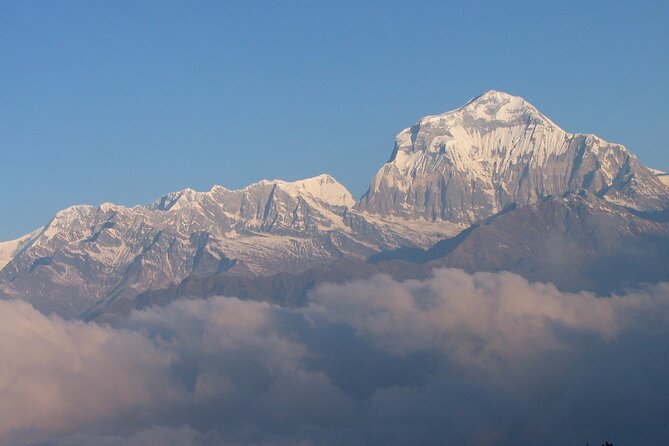
Ghorepani Pun Hill is interesting because it is built for one very specific, very dramatic moment, the pre-dawn hike to a viewpoint that turns the Annapurna range into glowing silhouettes. I love that Pun Hill sunrise is the main event, and the mountain view list is the kind you actually remember. I also like that this route mixes big scenery with real village life, not just point A to point B.
The cultural stops are a big reason to choose this trek. You pass through Magar community village areas near Ulleri and then spend time in the Gurung village of Ghandruk, where the pace slows and the views do not feel rushed. One possible drawback is the weather factor, if clouds roll in, the sunrise payoff can drop, and the early mornings still happen.
Why Pun Hill Sunrise Feels Like the Whole Point
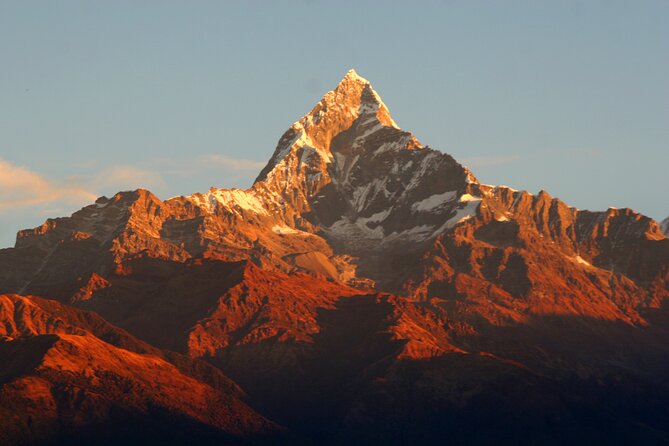
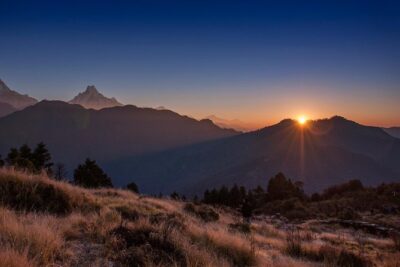
Pun Hill sits at about 3,210 meters, and the trek is timed around a calm, cold, early start. You head out around 5:00 am for about an hour to the viewpoint, then you return for a hot breakfast before continuing onward. That rhythm matters. You get the view first, then you spend the rest of the day walking in daylight, which is a nice way to avoid feeling like you are only trekking in the dark.
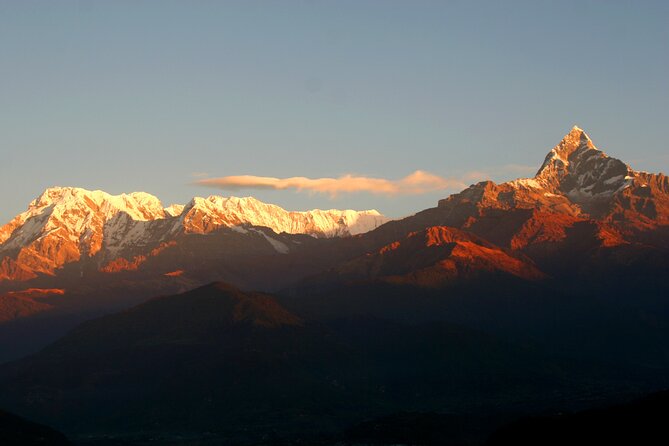
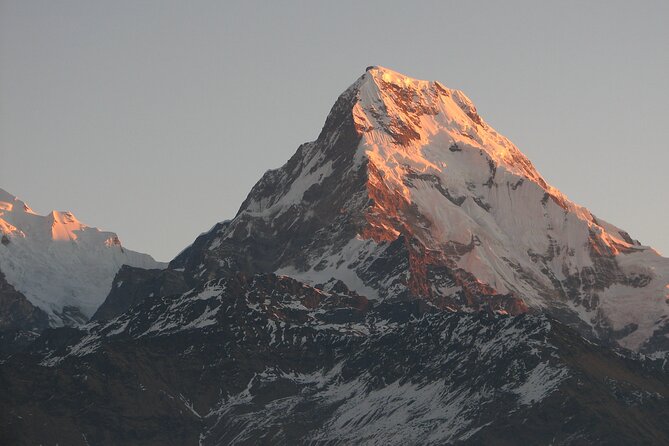
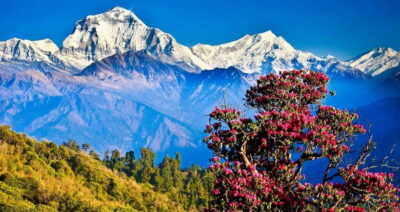
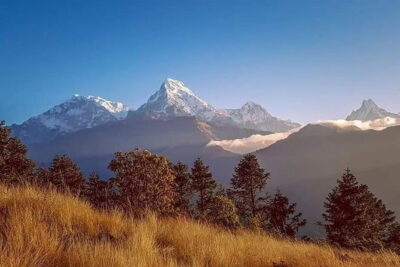
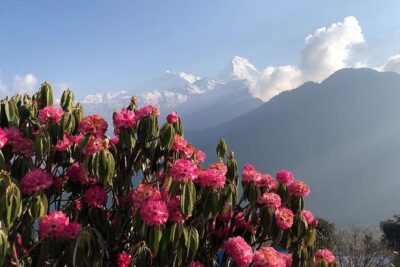
The reward is the big Annapurna-area peak cast. On clear mornings you can see Dhaulagiri, Annapurna South, Machhapuchhre, and also other prominent summits like Himchuli and Tukuche Peak. Even if you do not get a perfect sunrise, the higher viewpoints in this area usually give you layered mountain views, and they help you understand the scale of the Himalaya quickly.
Practical note: the early hour hike means you want proper layers and something warm for sitting or standing still at the viewpoint. Bring gloves if you run cold. And if you are using a phone for photos, keep it in your warm pocket before you need it, battery life drops fast in the cold.
Key Stops and Trek Highlights You’ll Actually Remember
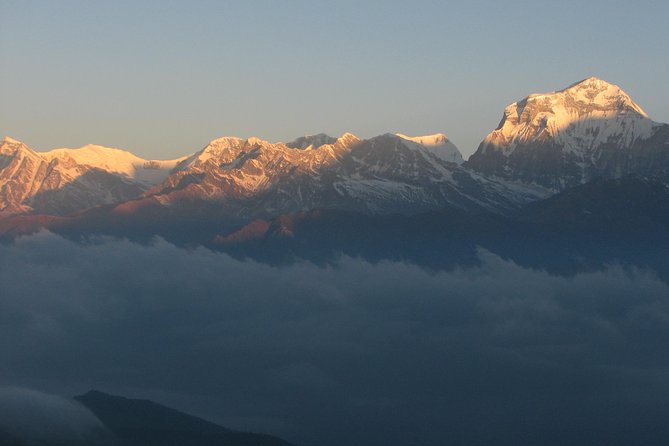
- Pun Hill viewpoint timing: early morning hike, sunrise focus, then hot breakfast before the next trekking leg
- River valley walking: sections that follow the Modi Khola and Bhurungdi Khola for long, scenic stretches
- Ulleri Magar village area: a Magar community stop on the way up, with a different feel than the busier towns
- Ghorepani base village: resting point around 2,775m that sets you up for the next morning’s view
- Ghandruk Gurung village: lunch time with serious Annapurna-range views and a cultural pause
- Guides and support named in past trips: coordination and guiding experience tied to people like Bhairam, Tilak, Surya, and Gakul
More Ghorepani and Poon Hill departures:
- 4 Days Poon Hill Trek
★ 5.0 · 94 reviews - Ghorepani(Poonhill Trek)
★ 5.0 · 81 reviews - 4-day Poon Hill Trek
★ 5.0 · 74 reviews
Kathmandu to Pokhara by Tourist Coach, Then You Start Trekking
This is the kind of trek where the travel day sets the mood. You start in Kathmandu around 8:00 am, then you drive for about 6 hours to Pokhara. That is a long ride, but it is also useful time. You are not wasting the first day trying to figure out local connections, and you arrive ready to sleep, eat, and pack light for the trek ahead.
The transport is handled by a big tourist coach, and the same style of vehicle brings you back at the end of the trip to Kathmandu. If you like clear structure, you’ll appreciate that the road pieces are not left to guesswork. You can also treat this as your adjustment phase to Nepal time, slow down, and let the trekking rhythm build.
If you get motion sick easily, take precautions before you board. Sitting for hours in a vehicle is not the moment for experimenting.
The First Trek Day: Birethanti to Tikhedhunga via Hile
Once you reach Nayapul, you start following the river corridor, first along the bank of the Modi Khola. The walk begins gently, then gradually climbs, and it gives your legs time to warm up instead of hitting you with an immediate wall of elevation.
You pass through Birethanti (around 1,065m), a larger village with shops and tea houses, which makes it a practical early stop if you need water or small snacks. From there, the trail continues along the north bank of the Bhurungdi Khola, then climbs steadily toward Hile (around 1,495m). The day ends at Tikhedhunga (around 1,525m), which is the kind of staging place where you can feel the trek transitioning from valley walking to the more demanding sections.
This first day is a good test for how you pace. If you start out too fast, you pay later on steep bits. If you keep it steady, you arrive tired in a normal way, not in a panicked way.
Ulleri, Forests, and Ghorepani: The Climbing Day That Builds Momentum
On the second trekking day, you tackle the steep climb to Ulleri, a Magar village area at about 2,070m. This is where the trek starts to feel more “trek” than “walk.” Ulleri is big enough to feel like a real community stop, and you get a sense of how villages are shaped by the trail.
After Ulleri, the route continues with a more gentle ascent through forests of oak and rhododendron, then you reach Banthanti (around 2,250m) and Nangethanti (around 2,460m). From there, you continue up to Ghorepani at about 2,775m, which is your base for the next morning’s viewpoint hike.
The main upside of this day is progression. You gain height in stages, not in one exhausting leap. The downside is that the forest portions can be damp depending on season, so keep your socks and shoes ready for changing conditions.
If you are the type who likes to check your altitude and plan your energy, this day gives you plenty of visible markers, with villages placed along the climb.
More to compare around Kathmandu
- Everest Base Camp Trek – 14 Days
★ 5.0 · 1,499 reviews - Everest Base Camp Trek
★ 5.0 · 842 reviews - Private Kathmandu Sightseeing Tour | UNESCO World Heritage sites
★ 5.0 · 756 reviews - Kathmandu: 7 UNESCO Sites with Lunch
★ 4.8 · 744 reviews
Poon Hill at 5:00 am: Sunrise, Then Straight Back to Walking
This is the headline day. You wake early around 5:00 am and hike up to Poon Hill, with about a one-hour ascent to the viewpoint. The return is quick, and then you’re back for hot breakfast at your guest house before continuing your trek.
What makes this work well is that the sunrise experience is concentrated. You get in, you get the moment, then you move on before the day gets too long and slow. That matters on short treks, because you want your energy spent on meaningful experiences, not on stretched-out transit.
On a clear morning, you should be able to pick out multiple peaks across the Annapurna range, including Dhaulagiri and Machhapuchhre. On a cloudy morning, you might not get the full “postcard” effect, but you still get high-altitude air and a strong sense of the mountains’ scale.
My practical advice: keep your viewpoint waiting time comfortable. Wear a warm layer you can manage in bursts, and bring something small for sitting. Sunrise is beautiful, but it is also cold, and the mountain does not care about your schedule.
Tadapani and the Descent Toward Ghandruk and Views at Lunch
After the viewpoint and breakfast, you continue trekking to Tadapani. This is one of those legs where the day changes character. Instead of climbing toward higher ground, you start moving toward areas that set you up for the cultural stop at Ghandruk.
Then comes Ghandruk, around 2,000m, a Gurung village that is known for being a great place to pause. This is where lunch is served and where you get some of the best Annapurna-range views on the route. It feels like a breather day, even though you still keep walking after.
From Ghandruk, you continue downhill toward Nayapul. After that, you drive to Pokhara, which gives your body a proper break after days of trail time.
If you are shopping for a feel-good moment, treat Ghandruk lunch as your reward. Eat without rushing, take photos that do not require standing in the same spot for 20 minutes, and then keep your energy for the last descent.
Permits, Guide, Porter, and Meals: What’s Included and Why It Matters
The tour includes an English-speaking hiking guide and the permits you need for the Annapurna area: Annapurna Conservation Area and TIMS. That is not just paperwork. It is peace of mind. It reduces the risk that you spend your first trekking day dealing with confusing admin tasks.
You also get porter support: 1 shared porter for 2 persons. That setup is useful on a short trek because it can reduce the strain of carrying extra layers, snacks, or a heavy water setup. It also keeps your pack realistic. On a trek like this, lighter is better, especially with early morning starts.
Meals are included in the trek portion. You get breakfast each morning, plus lunches and dinners as part of the schedule. You will also have hot breakfast on the sunrise day after returning from Pun Hill, which is a big morale boost after a cold pre-dawn hike.
The main things not included are Nepal visa and travel insurance, and you also need to plan for accommodation and food in Kathmandu before or after the trekking portion.
Price and Value for a Guided Annapurna Short Trek
At $884.97 per person, this trek is not a budget DIY project. But it is also not “just a guide and vibes.” The price covers major costs that are easy to underestimate: transport from Kathmandu to Pokhara and back by tourist coach, an English-speaking guide, required permits, porter support, and a meal plan during the trekking days.
When I look at value here, I focus on what you are buying: time saved on logistics and less mental load once you step on the trail. If you want sunrise on Pun Hill without spending days coordinating permits, guides, and transfers, the structure makes sense.
That said, check your personal priorities. If you can already arrange everything on your own, you might find a cheaper option. If you want a guided experience with permits handled and a support system that includes porter help, this price starts to feel more reasonable.
One note to keep straight: the package name can mention an 8-day itinerary, while the duration is listed as about 6 days. Build your expectations around the provided schedule so you do not get surprised by the real time commitment.
Fitness, Weather, and the Real Limits of Sunrise Views
This trek is described as requiring strong physical fitness. That does not mean you need to be a mountain athlete, but it does mean you should be ready for daily uphill walking, early starts, and a cold morning hike. If you struggle with stairs or steep grades, plan to move slower and let your guide help with pacing.
Weather is the other big factor. This experience requires good weather, and there is a plan if it gets canceled due to poor weather, including a different date or a full refund. That helps, but it also means you should book with some flexibility in mind if possible. If you are traveling with strict timing, factor in that clouds can change what you see at Pun Hill.
As always, pack smart for altitude and early morning cold. Even if daytime feels manageable, the viewpoint time is often when temperatures bite.
Should You Book This Ghorepani Pun Hill Sunrise Tour?
I think you should book this tour if you want a classic Annapurna-area experience in a short, guided format. You get the key hit, Pun Hill sunrise, plus village culture in Ulleri and Ghandruk, and you do not have to manage permits or transport on your own.
You might skip it if sunrise views are your only goal and you cannot handle cloudy weather, even with the option to switch dates. Also skip if you are not comfortable with early mornings and steady climbing, because the schedule is built around that.
My final practical tip: if you choose this trek, treat the first sunrise as the main event and keep your pacing calm throughout the climbing days. You will enjoy the views more, and you will arrive at the viewpoint with enough energy to actually stand there and enjoy it.
FAQ
Where does this tour start and end?
It starts in Kathmandu at the meeting point and ends back at the same meeting point.
What time does the tour start in Kathmandu?
The start time is 8:00 am.
How long is the trek and trip?
The duration is listed as 6 days approximately.
Is pickup included in Kathmandu?
Pickup is offered.
What permits are included for the trek?
The tour includes Annapurna Conservation and TIMS permits.
Do I get a guide and porter support?
Yes. You’ll have an English-speaking hiking guide, and there is 1 shared porter for 2 persons.
Are meals included?
Meals are included during the trek, including breakfast (5), lunch (4), and dinner (3). Kathmandu accommodation and food are not included.
What costs are not included?
Not included are the Nepal visa, travel insurance, and accommodation and food in Kathmandu.
What happens if weather is poor for the sunrise trek?
This experience requires good weather. If it’s canceled due to poor weather, you’ll be offered a different date or a full refund.
Latest Kathmandu write-ups
- Langtang Valley Trek★ 5.0 · 3 reviews
- Khopra Danda Trek★ 5.0 · 3 reviews
- Langtang Valley Trek from Kathmandu★ 5.0 · 3 reviews
- 5 night / 6 days Kathmandu Nagarkot Chitwan Pokhara tour★ 5.0 · 3 reviews
- Nepal Highlights Tour: 5 Nights 6 Days Kathmandu & Pokhara Tour★ 5.0 · 3 reviews
- Kathmandu Valley Private Day Tour★ 5.0 · 3 reviews
- Kathmandu Heritage Day Tour★ 5.0 · 3 reviews
- Conquer the Himalayas: The Ultimate 16-Day Annapurna Circuit Trek★ 3.5 · 3 reviews
Poon Hill Trek, compared.
4-Day Ghorepani, Poonhill & Ghandruk Mountain Trek
Read our review →
Browse the lists this tour appears in