
Reviewed · POON HILL TREK
Ghorepani Poon Hill Trek
This is the kind of trek I like for people who want Himalayan views but not a multi-week grind. You get a classic sunrise at Poon Hill, plus village trails through farmland and forests, and then you still spend real time in Kathmandu and Pokhara to reset.
Two things I especially like: the group stays small (max 14), so your guide can keep an eye on pace and comfort, and the trek is built around a big payoff moment, the early-morning viewpoint. One drawback to plan for: the route reaches 3,180m at Poon Hill and the terrain has steep sections, so it needs moderate fitness and sensible gear, especially if weather turns cloudy or rainy.
Key Points at a Glance
- Poon Hill sunrise focused itinerary, with the hike built into the trek schedule
- Max 14 people for small-group pacing and personal attention
- Included guide and porters (1 porter for 2 people) for real day-to-day support
- Kathmandu plus Pokhara downtime, 3 nights in Kathmandu and 2 nights in Pokhara
- Lodges and meals included on trek days, with only specific gaps in Kathmandu and Pokhara
Big Views, Short Time: What Makes Poon Hill Worth Your Days
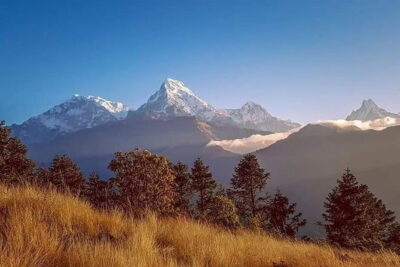
If you have limited vacation time, the Ghorepani Poon Hill trek hits a sweet spot. You are not chasing the highest peaks. Instead, you chase a view that works for first-timers and experienced hikers alike: sunrise over the Annapurna Himalaya from Poon Hill.
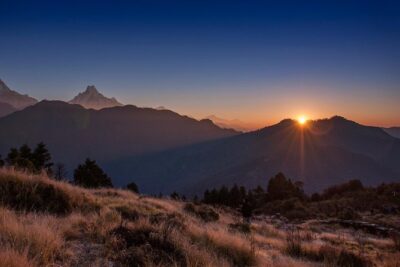
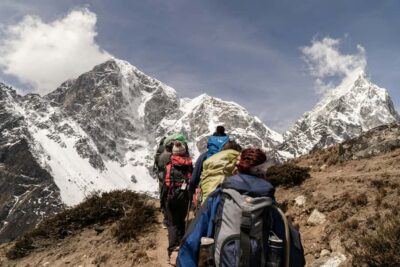
The trick is that the whole trek is organized to get you there. You climb from lower trails up into the Ghorepani area, then you get a hike to Poon Hill at 3,180m for that early light. After that, you shift to descending days that feel like a relief, with more village scenery and cultural stops.
You also get something many “quick treks” miss: actual recovery time. This itinerary includes time in Kathmandu and Pokhara, so you are not finishing your final day feeling like you need a second vacation just to recover.
One more practical perk: the trek is described as suitable for all ages, but the company is still clear about moderate physical fitness. In other words, it is not a stroll, but it is reachable for active people who pace themselves.
More Ghorepani and Poon Hill departures:
- 4 Days Poon Hill Trek
★ 5.0 · 94 reviews - Ghorepani(Poonhill Trek)
★ 5.0 · 81 reviews - 4-day Poon Hill Trek
★ 5.0 · 74 reviews
How the 10 Days Fit Together (Kathmandu, Pokhara, and Trek Days)
The schedule has a very logical rhythm. You start in Kathmandu, then you do the Pokhara transfer, and then you do the trek, and then you return.
Here’s the flow:
- Day 1: Arrive Kathmandu, then transfer to hotel
- Day 2: Full sightseeing day in the Kathmandu valley
- Day 3: Drive Kathmandu to Pokhara (about 6 hours)
- Days 4 to 8: Trek section moving from Nayapul toward Ghorepani, then Poon Hill, then down to Ghandruk, and finally back to Nayapul
- Day 9: Drive Pokhara to Kathmandu (about 6 hours)
- Day 10: Airport transfer for your final flight
You are getting 3 nights in Kathmandu (breakfast included) and 2 nights in Pokhara (breakfast included). Those are your buffer days. They matter because trekking days can be hard on sleep and legs.
Also note what is and is not included for food. During the trek, meals are included (breakfast, lunch, dinner are listed as included). But in Kathmandu and Pokhara, lunch and dinner are specifically called out as not included. Breakfast is included via the hotel stay.
Kathmandu Valley Sightseeing: UNESCO Sites Without the Headache
Your Kathmandu day is not just hotel time. It is a full sightseeing block, and it is built into the itinerary. The tour includes a sightseeing tour in the Kathmandu valley and references historical UNESCO World Heritage Sites.
This is smart for two reasons:
- It helps you get your bearings fast in a city that can feel intense on day one.
- You do the culture before you start climbing hills, not after you are exhausted.
A practical heads-up: while the tour includes the sightseeing, personal entrance fees are not included. The good news is that you’ll know this upfront, so you can set aside cash in advance.
And if you are doing this trek in shoulder season, Kathmandu can still throw rain at you. Keep a light rain layer in your day bag, and plan for walking temple steps. Comfortable shoes matter more than fancy shoes.
The Kathmandu to Pokhara Drive: A Useful Reset Before the Trail
You travel by ground transportation between Kathmandu and Pokhara. The itinerary lists a drive of about 6 hours each way.
This day is not “wasted time.” It is a reset. Pokhara is where you transition from city noise into a trekking mindset. The itinerary also includes time in Pokhara and a visit to the city, though it does not spell out a long list of exact sights.
One thing to watch is motion. If you get carsick easily, bring what works for you. That is common sense for long drives, and it can save your first trekking day from starting rough.
More to compare around Kathmandu
- Everest Base Camp Trek – 14 Days
★ 5.0 · 1,499 reviews - Everest Base Camp Trek
★ 5.0 · 842 reviews - Private Kathmandu Sightseeing Tour | UNESCO World Heritage sites
★ 5.0 · 756 reviews - Kathmandu: 7 UNESCO Sites with Lunch
★ 4.8 · 744 reviews
Trek Day 1: Nayapul to Tikhedunga and the First Real Climb
On Day 4, the plan goes like this:
- Drive to Nayapul (about 1,050m)
- Trek about 4 hours to Tikhedunga (about 1,577m)
This is a good “warm-up” day. You are not starting the trek at the high altitude places yet. Instead, you build momentum. The climb is enough to wake up your legs, but it is short enough to stay manageable.
This is also where the guided structure helps. When you have a guide and porters set up logistics, you spend less time worrying about where to sleep and more time just moving. That sounds small, but it changes how the trek feels.
Getting to Ghorepani: Village Life and Rhododendron Forests
Day 5 is your big climb day:
- Trek about 6 hours from Tikhedunga to Ghorepani (about 2,675m)
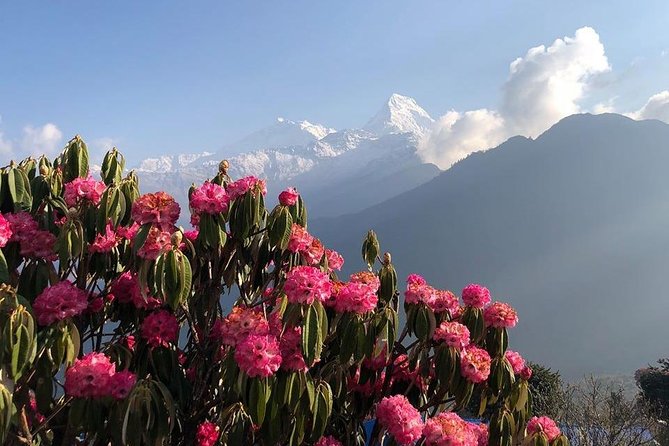
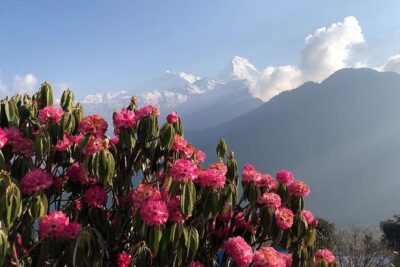
This is where you start feeling the Himalaya more clearly. The route is described as passing through forests, farmland, and villages. One highlight called out is the rhododendron forest trekking.
In plain terms: you get variety. Some stretches feel like local pathways between fields. Other parts look more forested and cooler. And when the rhododendrons are in season, the colors can be a real bonus, even if the main goal is the view payoff later.
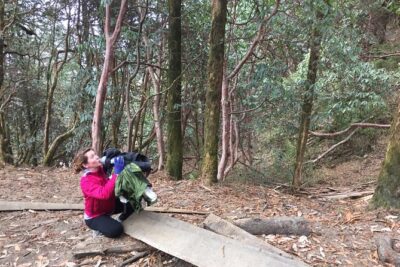
It is also the first day where “basic lodge reality” starts to show. Tea houses are the norm, and facilities are simpler than hotels. That can be part of the charm, as long as you are ready for it.
The Poon Hill Day: Sunrise at 3,180m, Then Down to Tadapani
Day 6 is the centerpiece:
- Hike up to Poon Hill (about 3,180m)
- Then trek to Tadapani (about 2,675m)
- Total day about 6 hours
Early starts are not optional for sunrise. That is where your guide earns their keep. In past trips, people highlighted that the guide kept everyone safe in cloudy and rainy conditions. Weather can be unpredictable at this altitude, and your pace and footing matter.
The upside: even when clouds move in, you often still get breaks of light. And on clear days, the view is the reason you chose this trek.
Also, you are not just going up and then calling it a day. You do a real descent afterward, finishing at Tadapani. That gives you more trek time without stacking every day at the highest elevation.
One smart detail in the included gear: you are provided a down jacket and a sleeping bag for the trek (they are returned after). That can save money and packing space, especially if you are traveling light.
Ghandruk and the Gurung Villages: Culture on the Move
Day 7 is a shorter hiking day but a big cultural payoff:
- Trek from Tadapani to Ghandruk (about 1,950m)
- About 3 hours
Ghandruk is where the itinerary calls out typical Gurung villages. You get a shift in atmosphere when you reach these village areas. Instead of thinking only about altitude, you start thinking about people, daily life, and the rhythm of the trail.
You also had Magar villages of Ghorepani included earlier. That mix matters. It means the trek is not only scenery. It’s also a chance to see how different communities live in the same broader mountain region.
Day 8 then continues the loop:
- Trek from Ghandruk to Nayapul
- Then drive to Pokhara
- Total about 4 hours
This is where you feel your legs but also feel the win. You are finishing the trek portion and moving back to the comfort of a base city.
Lodges, Meals, and What Included Actually Means
Your accommodation during the trek is included in lodges or tea houses. Meals during the trek are listed as included: breakfast, lunch, dinner.
During Kathmandu and Pokhara, your hotel provides breakfast, but lunch and dinner are not included. So you still get freedom to choose meals that fit your taste, budget, and energy level.
A few value notes:
- If meals are included on trek days, you avoid the stressful part of deciding what to eat at every stop.
- If you want dessert or alcohol, that is listed as not included, so you can treat those as optional add-ons.
In rough weather, having predictable lodge timing and meals matters. It helps you keep warm and focused instead of scrambling for basics.
Your Team on the Trail: Small Group, Guide Safety, Porter Support
This is not a solo adventure. The tour runs with a guide and porters, and the group size is capped at 14. That gives you the kind of balance where you feel supported but still get a sense of the trek unfolding at a human pace.
Porters are included with a ratio of 1 porter for 2 people. That is a big deal on a moderate trek. You may still feel the altitude, but you are less likely to feel crushed by your own pack weight.
You’ll also notice a theme in the positive feedback: staff professionalism and kindness. People described guides like Amrit and Jitu as thoughtful and capable. Other guides named include Sanjay and Ravi, and porters named include Prasyn, Vimson, and Baburam. While you cannot assume you’ll get the same team, it tells you the company has a track record of staffing real people who pay attention.
One review also mentioned singing in the rhododendrons, which is a nice reminder that these treks are not just fuel and legs. A good guide makes the trail feel safer and more personal.
Packing Strategy for a Moderate Trek to 3,180m
You get gear help, but you still need to think. The tour includes:
- Sleeping bag (returned after the trek)
- Down jacket (returned after)
- Trekking map (returned after)
That is useful, especially if you are traveling from abroad. It reduces what you need to carry through airports.
What you should still plan around:
- Weather changes fast at altitude. Since cloudy and rainy conditions show up in the experience reports, bring a rain layer that you trust.
- Nights can feel cool, even if the day is warm.
- You will walk for 3 to 6 hours most trek days, often with steep bits.
Pack layers, not one thick outfit. And keep your day essentials easy to grab. When you are hiking early for sunrise, you want less rummaging and more moving.
Price and Value: What $700 Really Covers, and What It Does Not
At $700 per person for about 10 days, this trek package looks fair if you compare like with like. You are not only paying for walking. You are paying for logistics.
Included value items from the plan:
- Accommodations in Kathmandu and Pokhara (3 nights Kathmandu, 2 nights Pokhara), plus lodges/tea houses on trek days
- Meals on trek days (breakfast, lunch, dinner are listed as included)
- Guide and porters, including their salary, food, drinks, accommodation, transportation, and insurance
- Airport transfers by private vehicles
- Kathmandu sightseeing as per the itinerary
- Ground transportation between Kathmandu and Pokhara by tourist bus
- Government taxes, VAT, and service charges
- Equipment support: sleeping bag, down jacket, trekking map
- An emergency helicopter service arrangement if covered by your travel insurance
What is not included matters for budgeting:
- International airfare and departure tax
- Nepal entry visa fee (you can get it on arrival, with 2 passport photos)
- Lunch and dinner in Kathmandu and Pokhara
- Alcohol, non-alcohol drinks, and dessert
- Tips for guide, porter, and driver
- Travel insurance is compulsory
- Entrance fees while you do sightseeing in Kathmandu
When this is a good deal for you:
- If you want a clear package with most meals and beds taken care of
- If you prefer small-group pacing
- If you don’t want to haggle over logistics after landing in Nepal
When it might not be the best fit:
- If you already have trekking gear and want to do everything independently, you might find cheaper options. But then you take on the planning work.
Should You Book This Poon Hill Trek? My Decision Checklist
I’d say book it if you want:
- A moderate trek that still delivers a major sunrise view
- Village walking, including Magar and Gurung areas
- Built-in support: guide, porters, small-group size, and included lodging and trek meals
- Time to recover in Kathmandu and Pokhara without rushing from temple to trail to flight
I’d think twice if:
- You hate early mornings. Sunrise at Poon Hill demands it.
- You want luxury lodging every night. Tea houses are simple.
- You are fragile with uneven footing or steep sections. Even with a moderate rating, the climb and altitude to 3,180m can feel demanding.
If you book, do one more thing that pays off: plan your pace on the ascent and be honest about your comfort level. A sunrise view is worth the effort, but only if you still feel safe and in control on the way up.
FAQ
What time and where does the tour start?
The meeting point is Tribhuvan Airport in Kathmandu, Nepal, with a start time of 6:15 am.
Is pickup included?
Pickup is offered, and airport transfers are included by private vehicles.
How many people are in the group?
The maximum group size is 14 travelers.
What meals are included during the trip?
The trek days include breakfast, lunch, and dinner. In Kathmandu and Pokhara, lunch and dinner are not included, while breakfast is included with the hotel stay.
Are accommodations included?
Yes. Lodges or tea houses are included during the trek, plus hotel stays in Kathmandu and Pokhara are included as specified in the itinerary.
What gear is provided for the trek?
A sleeping bag, a down jacket, and a trekking map are provided if necessary, and they are returned after the trek.
Do I need travel insurance?
Yes. Travel insurance is listed as compulsory, and the tour arranges an emergency helicopter service that would be paid by your travel insurance company.
Latest Kathmandu write-ups
- Langtang Valley Trek★ 5.0 · 3 reviews
- Khopra Danda Trek★ 5.0 · 3 reviews
- Langtang Valley Trek from Kathmandu★ 5.0 · 3 reviews
- 5 night / 6 days Kathmandu Nagarkot Chitwan Pokhara tour★ 5.0 · 3 reviews
- Nepal Highlights Tour: 5 Nights 6 Days Kathmandu & Pokhara Tour★ 5.0 · 3 reviews
- Kathmandu Valley Private Day Tour★ 5.0 · 3 reviews
- Conquer the Himalayas: The Ultimate 16-Day Annapurna Circuit Trek★ 3.5 · 3 reviews
- Kathmandu Heritage Day Tour★ 5.0 · 3 reviews
Poon Hill Trek, compared.
4-Day Ghorepani, Poonhill & Ghandruk Mountain Trek
Read our review →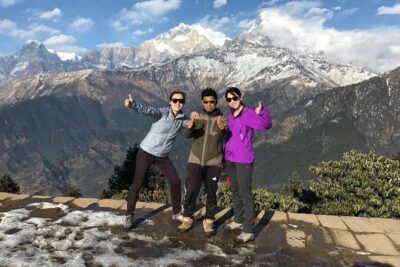
Browse the lists this tour appears in