
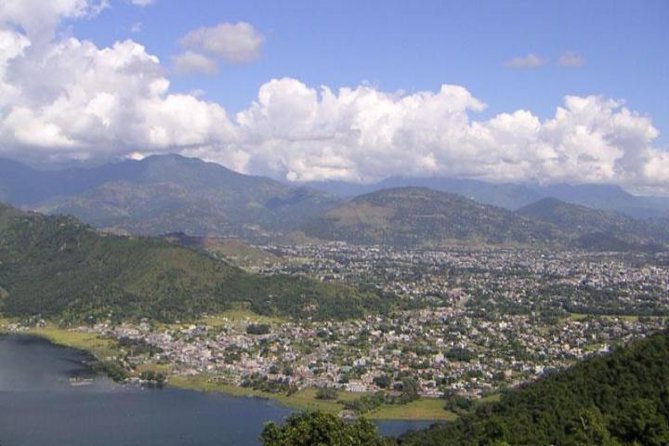
Reviewed · POON HILL TREK
Annapurna Ghorepani Poonhill Trekking
Annapurna Ghorepani Poon Hill is interesting because you get mountain payoffs fast, without committing to a long expedition style trek. The big moment is Poon Hill sunrise, but the route also threads through villages and forests at a pace that feels friendly for first timers.
I love the way this trip pairs trail time with a real Kathmandu culture reset, so you arrive to Nepal already oriented, not jet-lagged and lost. I also like the practical structure, private transport, and meal coverage, which keeps the “what do we do next?” stress low. One thing to consider, the trek includes steep stair climbs (especially around Ulleri), so “beginner friendly” still means you should show up with at least moderate fitness and good shoes.
Key things I’d watch for before you go
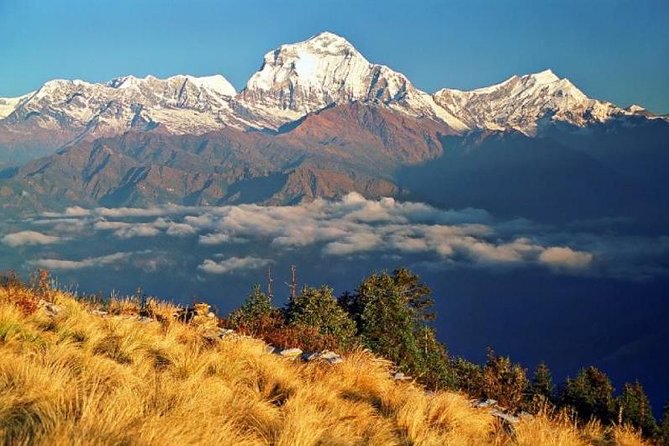
- Poon Hill altitude hit (3210m): you’ll go early for sunrise, so plan layers and expect cold.
- Kathmandu UNESCO day: temples plus Durbar Square areas, not just a quick stop.
- Long but organized travel days: car transfers to Pokhara and back are part of the deal.
- Rhododendron forest walking: Day 5 shifts into a gentler scenic rhythm.
- Guide care comes up in feedback: people highlighted guides like Raju and support staff like Deep for food, lodging, and health attention.
Kathmandu warm-up: temples, Thamel time, and meeting your guide
Your trip starts in Kathmandu, with an airport representative meeting you outside the terminal. You’ll be transferred to your hotel, then introduced to your trekking guide. This matters more than people think. After a flight, you want someone to help you translate the first day into a simple plan: where to be, what time to move, and who to ask if something feels off.
Evening time in Thamel gives you a low-pressure way to get your bearings. The vibe is practical, lots of shops and people, and it’s an easy place to pick up last-minute trekking basics. Then Day 2 turns the cultural volume up.
Kathmandu sightseeing is built around UNESCO World Heritage sites and major religious landmarks. You’ll visit Pashupatinath Temple on the Bagmati River, Swayambhunath (the monkey temple), and Boudnath Stupa, plus Durbar Square areas like Patan Durbar Square. The itinerary also names stops such as Durbar Square, Krishna Temple, Kumbheswore temple, and the golden temple.
What I like about this setup is that it gives your trek context. In the mountains, you’re walking through villages where religion and daily life overlap. Seeing the temples and stupas upfront helps you read what you pass later, like why certain places look the way they do, and why prayer flags and ritual spaces matter.
More Ghorepani and Poon Hill departures:
- 4 Days Poon Hill Trek
★ 5.0 · 94 reviews - Ghorepani(Poonhill Trek)
★ 5.0 · 81 reviews - 4-day Poon Hill Trek
★ 5.0 · 74 reviews
Possible drawback
If you arrive late, Day 2 can feel like a full day of walking and temple stairs. The fix is simple: go slow, drink water, and don’t treat sightseeing like a speed contest. Your trek starts soon, and legs need to be saved.
Pokhara transfer via Trishuli River: why this downshift is smart
Day 3 drives from Kathmandu to Pokhara by private car, following the countryside and the Trishuli River. The itinerary notes that Trishuli is famous for rafting, which hints at why this area feels busy with outdoor tourism in general. But for you, the payoff is different: you’re using Pokhara as a decompression stop.
You’ll arrive in Pokhara and get a free afternoon. That time is valuable because it breaks the adrenaline cycle. After a Kathmandu temple day and a long travel day, you want a day where you can eat calmly, rest, and check your gear.
From a value perspective, this is one of those parts of the trip you might skip in a more rushed itinerary. I like that it’s included here. It helps the trek feel like a trek, not a nonstop transport problem.
What you can do with the free afternoon
The data doesn’t list specific activities in Pokhara, so you’ll have to choose what fits you. Generally, this is the window for a relaxed meal, gentle walking, and organizing anything you forgot before leaving the city.
More to compare around Kathmandu
- Everest Base Camp Trek – 14 Days
★ 5.0 · 1,499 reviews - Everest Base Camp Trek
★ 5.0 · 842 reviews - Private Kathmandu Sightseeing Tour | UNESCO World Heritage sites
★ 5.0 · 756 reviews - Kathmandu: 7 UNESCO Sites with Lunch
★ 4.8 · 744 reviews
Nayapul to Ulleri: stairs, a suspension bridge, and first big valley views
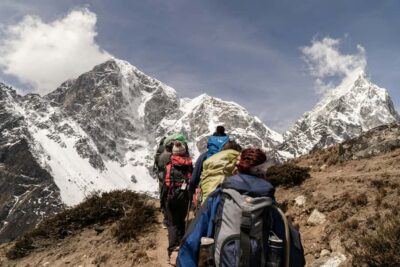
Day 4 is the start of the trek itself. You drive to Nayapul, then begin with walking through Birethanti, a riverside village at the confluence of the Modi and Bhurungdi Kholas. Even if the first day is not your steepest, it’s still when your rhythm locks in. You’ll spend a lot of time on small climbs and transitions from one village edge to the next.
From there you climb above toward Sudame, then rise gradually to Tikhedhunga. A key moment comes when you cross a suspension metal bridge, then head into the steep climb of stone staircases to reach Ulleri.
This is where the “beginner friendly” label needs a reality check. Stair climbs are cardio and leg strength at the same time. If you’re new to trekking, this is the section where technique and pacing matter most. Short steps. Slow breathing. Frequent breaks.
The itinerary also calls out that Ulleri offers an amazing valley view, with Annapurna South and Hiunchuli visible. That view reward is exactly why this part is worth leaning into. You’re working, but the scenery is telling you the work is producing something.
What to consider
If you hate staircases, mentally prepare for it now. Your best strategy is to treat it like a climb you can survive, not a hike you must win.
Ghorepani via rhododendron and oak: the comfort day before sunrise day
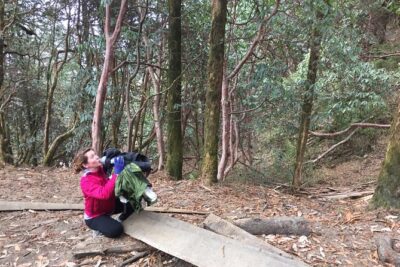
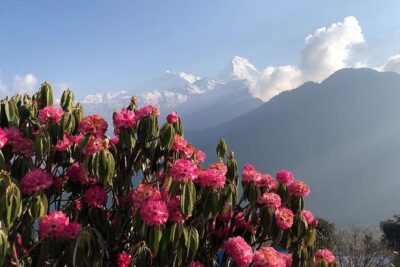
Day 5 shifts into a different feel. You continue trekking through dense forest of rhododendron and oak. The itinerary describes the scenery energizing you as you take the steps, and that matches how this section often feels in practice: you’re not just climbing, you’re moving through a changing tunnel of plants and light.
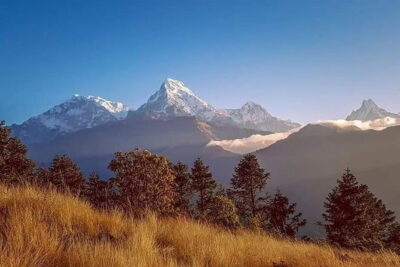
After a couple of hours of walking with breaks, you reach Ghorepani. The itinerary specifically notes that Upper Ghorepani (Deurali) shows mesmerizing views of Dhaulagiri and the Annapurna Himalayan range.
Why this day matters is simple. It sets you up for the early morning trek to Poon Hill. If you rush Day 5, you’ll feel it when the sunrise start hits. If you pace, you arrive fresher, and sunrise feels like a reward, not a chore.
A practical tip that fits the route
This is the day when you want to watch your hydration and keep layers easy. You’re in forest where temperatures can swing, and you’ll still be climbing toward a viewpoint-focused schedule.
Poon Hill sunrise at 3210m: what to expect and how to time it
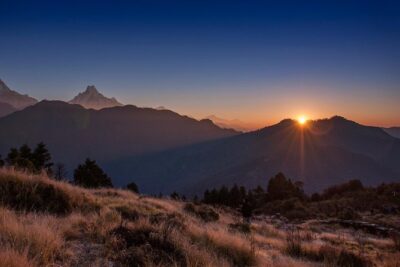
Day 6 is the star day. After early morning breakfast, you hike up about 45 minutes to Poon Hill (3210m / 10530ft). The itinerary mentions rhododendron forest along the uphill route, then a grassy summit where you get an unobstructed view of sunrise over the high Himalayas.
This is the part of the trip that most people remember. The views listed are big-name and specific: Dolpo to the far western region, Mt. Dhaulagiri, Annapurnas, Machhapuchhre (fish tail), and Manaslu.
Then after the sunrise moment, you trek downhill back to Nayapul, and catch a private vehicle to return to Pokhara.
Why I like this as a first Himalayan trek
You get a high-altitude viewpoint without a long multi-day grind to reach it. You also get the contrast of sunrise on a summit, then a calmer downhill day, which helps your body recover before you head back to cities.
A small drawback to plan for
Early starts are non-negotiable here. Even if you love mornings, the first sunrise trek can feel a bit rushed before you’ve fully woken up. Sleep well on the previous night, and treat breakfast like fuel, not an afterthought.
Back to Kathmandu: rest time, shopping freedom, and farewell dinner with shows
Day 7 drives you back to Kathmandu via the same route. You’ll arrive, rest, and refresh. Then you get a free day to handle last-minute shopping or explore physical landmarks.
This is where the itinerary balances effort and comfort. Trek days are structured and active. City days let you slow down, eat at your pace, and sort out souvenirs, gifts, or any practical needs before your flight.
In the evening, you attend a farewell dinner hosted by Nepal Horizon Treks & Expedition in a typical Nepali restaurant with cultural shows. This isn’t just a meal. It’s a way to close the loop between what you saw in Kathmandu on Day 2 and what you experienced in the mountains through the people you walked past.
Why the farewell dinner adds value
Trekking can feel like a string of logistics. A final shared evening helps it feel like a journey, not just a series of checkpoints.
Price and logistics: what $400 buys, and what you still need to budget
At $400 per person for an 8-day trip, the value comes from how much is included. You get private transport on key legs (Kathmandu to Pokhara, Nayapul back to Pokhara, Pokhara to Kathmandu), plus a guided trek with a structured itinerary.
Meals are also covered in a meaningful way: the package includes 7 breakfasts, 3 lunches, and 4 dinners. That’s not just convenience. It helps avoid the common trekking problem of “We’re walking, but we don’t know what we’ll eat tomorrow.” Fewer decisions makes the hike simpler.
Also included in the practical mix:
- Pickup offered
- Mobile ticket
- Private tour, only your group participates
- Airport representative support on arrival and departure
What’s not included is equally important:
- International air fare
- Visa fee
- WiFi on board
- Dinner and lunch in cities
So you should plan for your flight, visa, and any meals you choose outside the included plan in Kathmandu or Pokhara. You should also remember that this price is per person, and the minimum requirement is 02 people per booking.
My value take
If you want a short Nepal trek that hits a famous viewpoint and still includes real city culture time, this package makes sense. If you’re trying to minimize ground travel days or you want to skip early mornings entirely, you may feel the schedule more than you expect.
Service quality you can feel: guide support, food care, and health attention
Good trekking companies do more than map a route. They handle the stuff that can quietly ruin a trip, like food timing, lodging comfort, and whether you’re keeping up safely.
In feedback tied to Nepal Horizon, people gave strong credit to guide support and care. One highlight: hikers mentioned that the team took care about food and accommodation, and that they paid attention to health conditions during the hike, with mountain guide Mr. Raju specifically praised.
Another detail that stands out for this kind of trek: in a Poon Hill-focused experience, Deep was noted for helping organize the trek right when people arrived, including support when they did not come with lots of cold-weather gear. That’s exactly the scenario you want a reliable team for. You might think you’re prepared until you hit an early morning at altitude.
There’s also praise for Dipendra as a manager/owner who provided clear information and helped with planning for transportation and the overall flow of the trip.
What that means for you
You’ll have someone to check in with on pacing and basic needs. On a route with stairs and an early sunrise climb, that kind of attention helps you finish feeling proud instead of wrecked.
Who should choose this trek, and who should think twice
This trek is described as ideal for families and beginners who want to experience the Himalayas in a short time with moderate fitness. The itinerary supports that idea: it includes only one major “summit style” push to Poon Hill, and the daily structure stays clear.
I think it fits especially well if:
- You want big views without a long trek commitment
- You enjoy villages and forests, not just viewpoints
- You like that Kathmandu and Pokhara are part of the story, not random layovers
- You’re traveling as a group and want private planning
Think twice if:
- You strongly dislike stair climbing (Ulleri has steep stone stairs)
- You know you struggle with early mornings and cold starts
- You want a trip with minimal driving time, because you’ll spend real hours in private cars on travel days
Quick, realistic packing guidance for Poon Hill morning
The itinerary gives the key altitude and timing (Poon Hill at 3210m, early morning). That’s enough to plan smart without overpacking.
Bring layers you can adjust quickly. Sunrise time can feel chilly, even when the daytime later is comfortable. Also focus on footwear for stairs and uneven village paths. You’re going to climb and descend, and the route includes a mix of stone steps and forest walking.
Carry essentials for short breaks. Even when the hike is guided, you’ll be happier if you have your own basics for water and snacks.
Should you book the Annapurna Ghorepani Poon Hill trek?
I’d book it if you want a strong first Himalayan experience with a clear reward. This itinerary gives you the sunrise payoff at Poon Hill, plus Kathmandu UNESCO sites and a Pokhara rest day that keeps the whole trip from feeling like nonstop suffering.
Skip it or ask more questions if you hate stair-heavy routes or you’re not comfortable with early starts. Also double-check your budget for visa and international flights since those are not included.
If you match the “moderate fitness, beginner-friendly” profile, this trek is a solid value bet at $400, and the service emphasis in feedback, including guide support like Raju and organization help like Deep, is the kind of detail that can make or break a first trekking trip.
FAQ
What is the main highlight of the Annapurna Ghorepani Poon Hill trek?
The standout moment is the early morning hike to Poon Hill (3210m) for sunrise and wide mountain views, followed by a downhill trek back toward Nayapul and your return to Pokhara.
How long is the trek?
The duration is 8 days (approx.), including time in Kathmandu and Pokhara.
Where does the trek start?
The trekking starts after a drive to Nayapul, then you walk through villages like Birethanti and onward toward places including Tikhedhunga and Ulleri.
What kind of fitness level do I need?
The trek is described as requiring moderate physical fitness level, and it is positioned as suitable for families and beginners.
What’s included in the price?
The package includes breakfast (7), lunch (3), dinner (4), and major transfers such as pickup and airport representative help, plus the trek itself with a private group.
Is international airfare included?
No. International Air Fare and the Visa Fee are not included.
Do I need a visa for Nepal?
The Visa Fee is not included, so you should plan for it separately.
Do I get a guide and do we travel privately?
Yes. The experience is a private tour/activity, and only your group participates. A trekking guide is included.
What is the minimum number of people needed for booking?
A minimum of 02 people is required per booking.
Is free cancellation available?
Yes, free cancellation is available. You can cancel up to 24 hours in advance for a full refund, and changes within 24 hours are not accepted. Cut-off times use local time.
Latest Kathmandu write-ups
- Langtang Valley Trek★ 5.0 · 3 reviews
- Langtang Valley Trek from Kathmandu★ 5.0 · 3 reviews
- Khopra Danda Trek★ 5.0 · 3 reviews
- 5 night / 6 days Kathmandu Nagarkot Chitwan Pokhara tour★ 5.0 · 3 reviews
- Nepal Highlights Tour: 5 Nights 6 Days Kathmandu & Pokhara Tour★ 5.0 · 3 reviews
- Kathmandu Valley Private Day Tour★ 5.0 · 3 reviews
- Kathmandu Heritage Day Tour★ 5.0 · 3 reviews
- Conquer the Himalayas: The Ultimate 16-Day Annapurna Circuit Trek★ 3.5 · 3 reviews
Poon Hill Trek, compared.
4-Day Ghorepani, Poonhill & Ghandruk Mountain Trek
Read our review →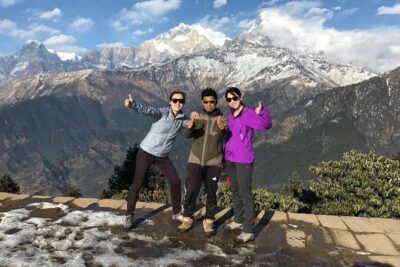
Browse the lists this tour appears in