
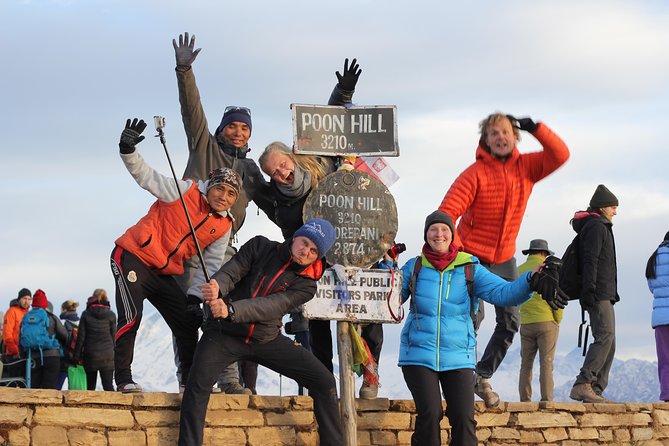
Reviewed · POON HILL TREK
Annapurna Poonhill Trek
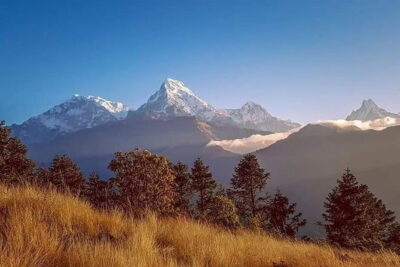
This trek is interesting because it mixes real mountain hiking with a very specific payoff: Poon Hill sunrise over the Annapurna and Dhaulagiri ranges. You climb through forests and small villages, then you get a front-row seat to peaks like Machhapuchhre (Fish Tail) and Annapurna South. One thing I’d keep in mind is that the schedule is time-sensitive around the early-morning summit, so if you dislike pre-dawn starts, this trip may feel demanding.
Two things I really like about this setup are the private, personalized feel and the way the route builds your legs gradually. Agents such as Anish are highlighted in planning, and on-the-ground guidance can be led by guides like Sanu, which matters because good pacing makes a big difference on this trail. A possible drawback is that the trek depends on weather, and visibility can be hit or miss if conditions are poor.
If you want a classic Annapurna viewpoint trek without the hassle of sorting logistics, this is a strong match. You’ll also get a smooth Kathmandu to Pokhara travel rhythm with air-conditioned vehicle support and a full meal plan during the trek. Just remember that gear like a sleeping bag and warm jacket is not included, so you’ll want to plan that part early.
Key highlights you’ll feel on the trek
- Poon Hill sunrise at 3210m, with you waking around 4:00 am for the best views before 5:00 am
- Private trek experience, only your group, with guide support on the trail
- Full meal plan during the trek, plus breakfast and dinners are specifically included
- Stepped ascent days, including a long climb to Ulleri via stone steps
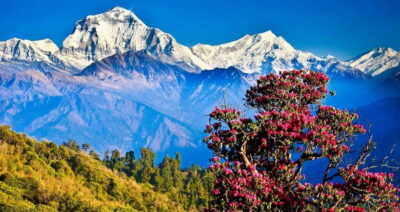
- Major viewpoint peaks in one sweep, including Annapurna South, Machhapuchhre, Dhaulagiri, and more
- Well-timed finish with Sarangkot dawn, then a return to Kathmandu for departure
From Thamel to Pokhara, how the journey sets your pace
Your trip starts in Thamel, Kathmandu. After you clear immigration and get to the parking area, a representative meets you with your name card, then drives you to your central Kathmandu accommodation. The start time is 8:15 am, which helps you settle in without losing a whole day to logistics.
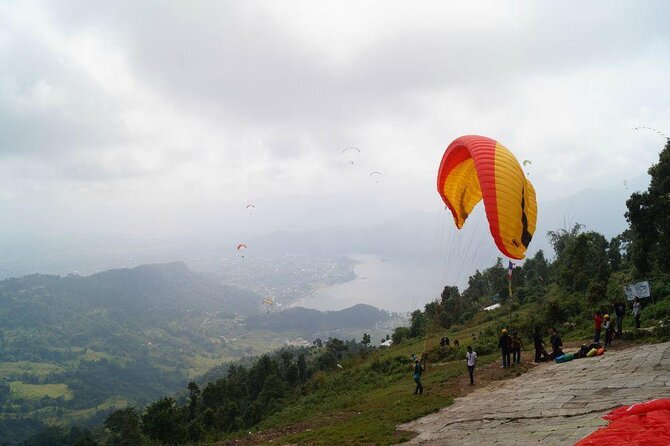
On day 2, you drive to Pokhara in about 7 hours. This road run can feel long, but it’s also part of the appeal because you get glimpses of hills, rivers, and changing scenery along the way. Pokhara is your base for the trek, and it’s known for its Himalayan views and lake setting.
One practical note, because I think this affects how enjoyable the trek feels later: you’re not just traveling to Pokhara, you’re also resetting your body for hiking. A private vehicle and clear handoff to the trek team means fewer surprises.
More Ghorepani and Poon Hill departures:
- 4 Days Poon Hill Trek
★ 5.0 · 94 reviews - Ghorepani(Poonhill Trek)
★ 5.0 · 81 reviews - 4-day Poon Hill Trek
★ 5.0 · 74 reviews
Day 3: Tikhedhunga and the Modi Khola warm-up
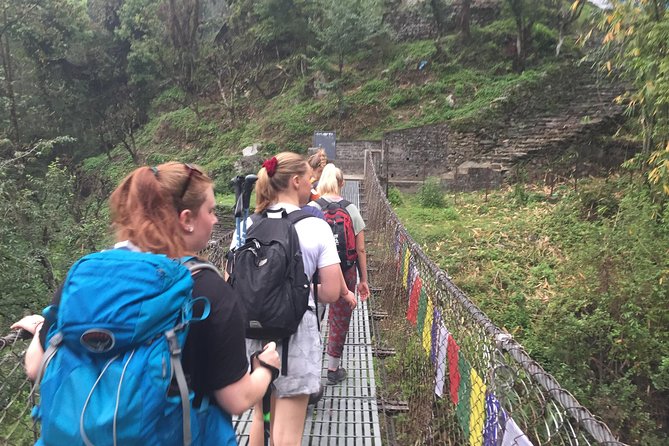
Day 3 is a solid on-ramp. You’ll transfer from Pokhara to Nayapul (about 1.5 hours), then start trekking along the Modi Khola river banks. You reach Birethanti (around 1015m), a village with shops and teahouses, which is handy if you want water or small supplies.
After Birethanti, the trail follows the Bhurungdi Khola north bank. The day climbs steeply at first, moving through forest and then through terraced paddy fields before returning to forest again. You’ll finish at Tikhedhunga (about 1570m).
What I like about this day is that it’s described as a short and relatively easy climb designed to help you get used to trekking in Nepal. If you’re new to altitude trekking or just want to avoid arriving exhausted, this staging matters. The main tradeoff is that you still get a real uphill rhythm, so proper water and pace are key.
Day 4: Ulleri stone steps to Ghorepani, the classic climb
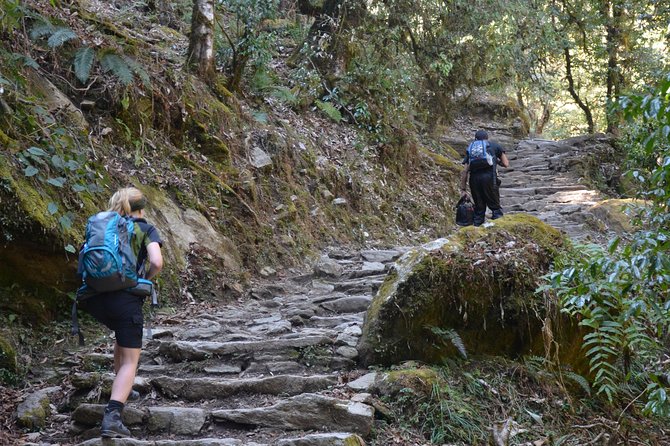
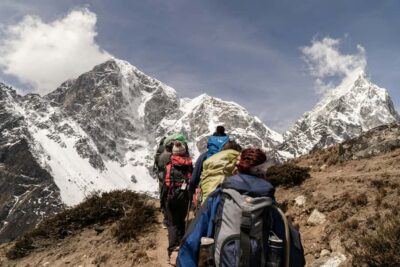
Day 4 is where the trek starts to feel like a trek. You’ll walk for around 6 hours, with most of the climb focused on steep sections up toward Ulleri (2070m). Ulleri is known as a Magar village, and the ascent includes innumerable stone steps, which can be surprisingly taxing on the knees if you rush.
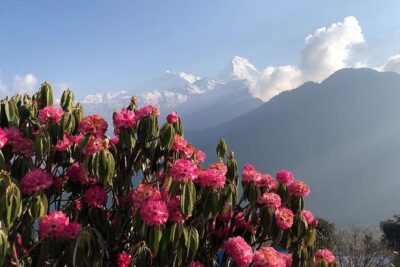
Once you crest the hard climb, the route becomes more forgiving as it ascends gently through oak and rhododendron forests. You’ll pass areas like Banthanti (2250m) and Nangethanti (2460m), then arrive at Ghorepani (about 2840m). Ghorepani is a larger village with excellent views of the Annapurna range, including Nilgiri and Dhaulagiri.
Why this stop is valuable: you’re not just sleeping here, you’re using it strategically. Ghorepani is where you can stock up on essentials like drinking water and any trekking snacks you prefer. It’s also the place where your mind shifts from walking days to viewpoint days.
The drawback to consider is simple: stone steps mean your pace matters more than your fitness level. If you have knee issues, you’ll want trekking poles and careful foot placement, and you’ll want to keep your steps short.
Day 5: Poon Hill sunrise, the 3210m viewpoint day
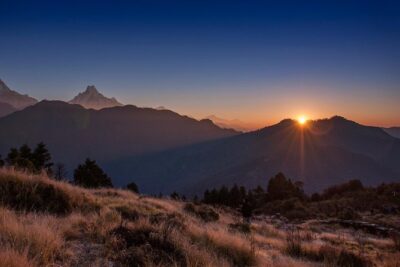
This is the day most people remember. You wake at about 4:00 am and head from Ghorepani to Poon Hill (3210m) to catch the best light. The viewing window is “before 5:00 am,” so the timing is built right into the hike.
From the top, you’ll enjoy views of major peaks including Machhapuchhre (Fish Tail) at 6993m, Tukuche Peak (6920m), Nilgiri (6940m), Hiunchuli (6441m), Annapurna South (7219m), and Dhaulagiri (8167m). It’s a big visual list, and what makes it feel special is that many of these peaks don’t show themselves fully during daytime cloud shifts.
After sunrise, you hike back to Ghorepani, eat breakfast, then continue trekking toward Tadapani. In the itinerary, day 5 totals around 6 hours, but the real emphasis is the early start and the payoff at the viewpoint.
What’s the catch? The trip requires good weather, and sunrise views depend on visibility. If the sky is hazy, you’ll still hike through amazing terrain, but the “wow factor” is reduced. Still, the early start has a benefit beyond views: you finish the morning feeling like you already “did the big moment,” so the rest of the day feels lighter.
More to compare around Kathmandu
- Everest Base Camp Trek – 14 Days
★ 5.0 · 1,499 reviews - Everest Base Camp Trek
★ 5.0 · 842 reviews - Private Kathmandu Sightseeing Tour | UNESCO World Heritage sites
★ 5.0 · 756 reviews - Kathmandu: 7 UNESCO Sites with Lunch
★ 4.8 · 744 reviews
Tadapani to Ghandruk: rhododendrons, steep descents, and Gurung village life
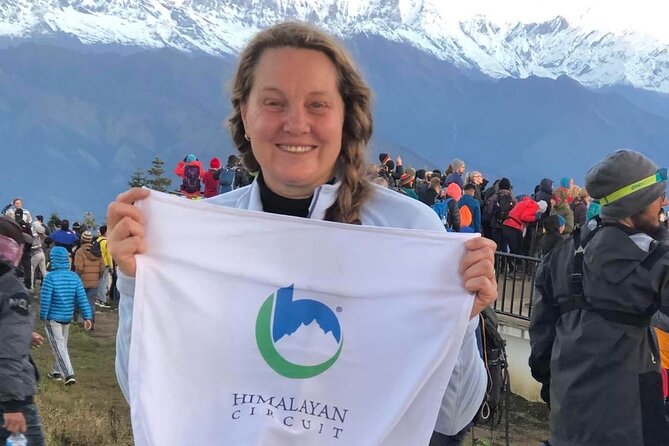
On day 6, you trek from Tadapani toward Ghandruk. This stretch mostly goes through subtropical jungles, with rhododendron and pine along the way. You’ll start with a down-and-forward feel as the trail descends steeply through rhododendron forests and down toward the Modi River area.
You’ll pass through stream crossings and trail villages before reaching Ghandruk (about 1940m). Ghandruk is described as a large Gurung village, and the route is set so you’re walking through community spaces, not just wilderness.
The value of arriving here is that Ghandruk is a place where mountain life is visible. You get a real sense of how trekking routes connect to local livelihoods, and you also get views that include Annapurna South and Machhapuchhre again, so it’s not just a descent day.
The main consideration is effort management. Steep descents can be harder than steep climbs, even if the altitude feels manageable. Take your time on downhills and use trekking poles if you have them.
Day 7: Back toward Pokhara through villages and terrace fields
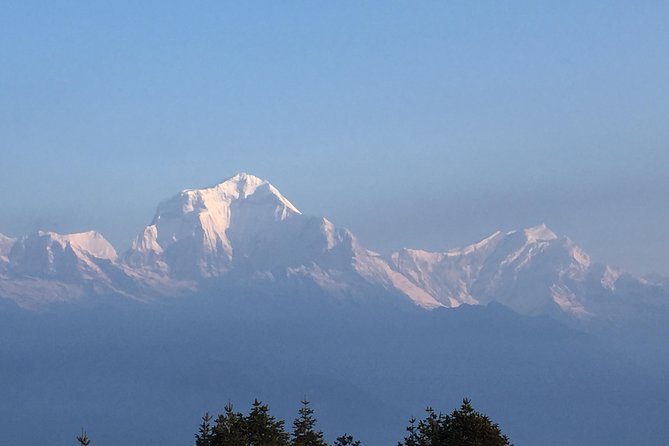
Day 7 is your return toward civilization. The trail descends steeply through villages, then through terraced paddy fields, and again through forest. You’ll also pass through Dhampus and then reach Phedi, finishing your trek and driving back to Pokhara city.
Walk time on this day is about 4 hours, which is a welcome change if your earlier legs are tired. En route, you get glimpses of peaks you may have missed earlier, including Machhapuchhare, Annapurna South, Lamjung Himal, and Annapurna III. That helps you piece together the bigger mountain panorama rather than seeing peaks as a single sunrise image.
Why this day is worth it: it slows down the emotional shift from hiking back to travel. You get one last taste of the region’s village and farmland scenery before you switch to hotels and meals in Pokhara.
The tradeoff is that you’re leaving the trail behind, so you’ll want to stay practical about what you pack. Keep a small day bag organized so you don’t scramble at transitions.
Day 8: Sarangkot dawn and a gentler finish in Kathmandu
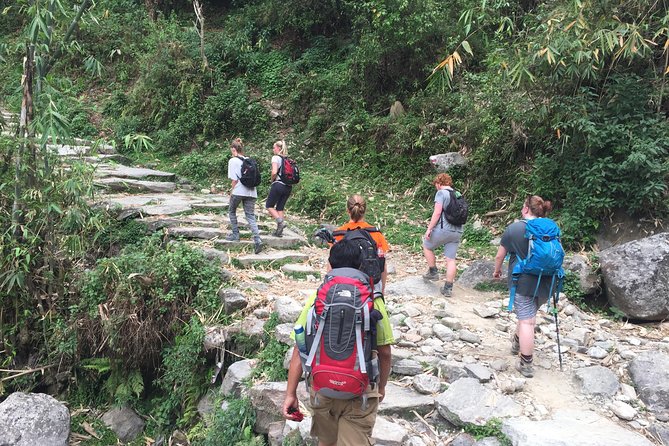
Day 8 adds one more sunrise moment, this time at Sarangkot. You’ll wake at dawn and get guided up for a sunrise view over the Annapurna and Dhaulagiri ranges. After sunrise, you head back for breakfast, then travel on to Kathmandu, with time to rest and relax in Thamel.
This is a nice rhythm because it keeps the trip’s best light moments clustered while still giving you a real break after the trek finishes. You’re also not rushing through airport stress immediately, since day 9 handles departure.
One thing to consider: it’s another early morning. If you already feel sleep-deprived from Poon Hill day, you’ll want to treat this as your “final wake-up,” and then plan to recover on arrival in Kathmandu.
Day 9: Kathmandu departure day, no drama
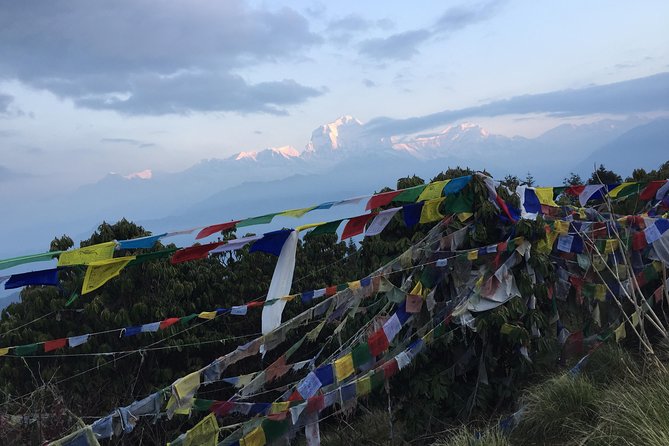
On day 9, you transfer to the airport and depart to your next destination. The time in the itinerary is about 3 hours for the transfer, and it’s straightforward.
This final day matters because you don’t want to end your trek feeling unprepared. A smooth exit helps you focus on travel comfort, not logistics.
Price and value for a private trek with full support
The price is $1,562.67 per person for an approx 9-day experience. On paper, that can sound like a lot until you break down what’s included and what that actually saves you.
You’re getting:
- Air-conditioned vehicle support, plus private transportation
- Kathmandu to Pokhara round trip by private car
- Full meal plan during the trek (with breakfast and dinner counts listed)
- Annapurna Conservation fee and all fees and taxes
- A Trekkers Information Management System
- Pickup support and mobile ticket info
If you try to assemble the same trek yourself, the cost often looks cheaper upfront but balloons in time spent on planning, finding the right permits, aligning transport, and handling backup questions. The private format also means the schedule is designed for your group rather than a crowd.
What’s not included is also worth knowing so you budget properly:
- Sleeping bag and duffle bag
- Warm jackets
- Travel and medical insurance (not included)
- Nepal visa fees
- Lunch and dinner in Kathmandu and Pokhara
- Any bar bills and personal expenses
For value, I’d think of the trek like this: you’re paying for fewer decisions, smoother transitions, and steady support so you can focus on walking and views.
What to expect on the trail, and how to prepare without overbuying
Most travelers can participate, and there’s a built-in logic: day 3 is described as short and relatively easy to acclimatize, while day 4 is the big uphill day with Ulleri steps. Day 5 is physically similar but adds the pre-dawn timing. Day 6 changes the feel again with a steep descent rhythm into Ghandruk.
Your biggest practical preparation points from what’s provided:
- Bring your own sleeping bag and warm jacket. The itinerary doesn’t include them, and early mornings at high altitude usually feel colder than you expect.
- Plan for early wake times on day 5 and day 8. Even if you’re fit, you’ll be up before your body feels ready.
- Pack a good attitude for stone steps. They’re common on trekking routes in the region, and they can be more annoying than steep jungle hiking.
Gear specifics like shoes or trekking poles aren’t listed in the details, so I can’t promise what you need for sure. But if you already use trekking poles at home, this trek is one where they can help your knees on stair-heavy days.
Weather and the one big variable you can’t control
This experience requires good weather. That’s not a scare line, it’s the reality of high viewpoints. If clouds roll in early, you might not get the crisp mountain silhouettes you came for, especially at sunrise.
If weather affects the schedule, the operator offers another date or a refund, based on the stated policy terms. Either way, have a plan for flexibility in your travel dates so you’re not forced into a take-it-or-leave-it situation.
Who this trek suits best
This is a strong fit if you:
- Want a classic Annapurna viewpoint itinerary with sunrise moments
- Prefer a private trek rather than joining a mixed group
- Like structured support, including meal planning and transport between key points
- Want a route that builds gradually and avoids throwing you into the hardest hiking immediately
It may feel less ideal if you:
- Strongly dislike pre-dawn starts and early wake-ups
- Need a trip with zero steep or step-heavy sections (day 4 includes long uphill steps)
Should you book Annapurna Poon Hill with Himalayan Circuit?
I’d book this trek if you want the heart of the Annapurna region, but you’d rather spend your energy on the trail than on planning permits, transport timing, and meal logistics. The combination of private pacing, included meal plan, and a strong viewpoint day makes it a practical choice.
I’d pause if your main priority is sleeping in every day, or if your schedule is so tight that you can’t handle weather-driven date changes. Also, plan your packing budget for the items not included, especially a sleeping bag and warm jacket.
If you want a viewpoint-driven trek with steady organization and real mountain time, this one is easy to recommend.
Latest Kathmandu write-ups
- Langtang Valley Trek★ 5.0 · 3 reviews
- Khopra Danda Trek★ 5.0 · 3 reviews
- Langtang Valley Trek from Kathmandu★ 5.0 · 3 reviews
- 5 night / 6 days Kathmandu Nagarkot Chitwan Pokhara tour★ 5.0 · 3 reviews
- Nepal Highlights Tour: 5 Nights 6 Days Kathmandu & Pokhara Tour★ 5.0 · 3 reviews
- Kathmandu Valley Private Day Tour★ 5.0 · 3 reviews
- Kathmandu Heritage Day Tour★ 5.0 · 3 reviews
- Conquer the Himalayas: The Ultimate 16-Day Annapurna Circuit Trek★ 3.5 · 3 reviews
Poon Hill Trek, compared.
4-Day Ghorepani, Poonhill & Ghandruk Mountain Trek
Read our review →
Browse the lists this tour appears in