
Reviewed · CITY TOURS
Full-Day Kathmandu Private Sightseeing Tour
A full-day Kathmandu sightseeing loop like this is interesting because it strings together the city’s biggest UNESCO World Heritage landmarks in one efficient run, so you start seeing the patterns. I like that you get a private air-conditioned vehicle and an English-speaking guide to handle the day, not just the route. I also love the mix of Buddhist stupa culture and Hindu temple rituals, including the Bagmati river cremation viewing from outside Pashupatinath. One possible drawback: it is a long day, and religious sites can mean rules, lines, and waiting for respectful viewing.
What makes it work well for most people is the pacing. Each major stop is set for about two hours, which is usually enough to see the key sights without feeling rushed. If you end up with the guide named Kunjan (mentioned in past experiences), you can expect prompt pickup and confident, careful driving through Kathmandu traffic, which is not a small deal.
You’ll also be thinking about value. The tour price includes your car, a guide, and bottled water, but the site notes indicate that some admission tickets might not be the same for every stop. So you’ll want to confirm what entrance fees are covered for your exact booking.
Key highlights you should care about
- Private, air-conditioned car in Kathmandu, which saves energy for temple days
- English-speaking guide support, helpful for context and site flow
- UNESCO-packed route in one day, covering stupa and temple sites
- Pashupatinath outside viewing of cremations on the Bagmati river, powerful and emotional
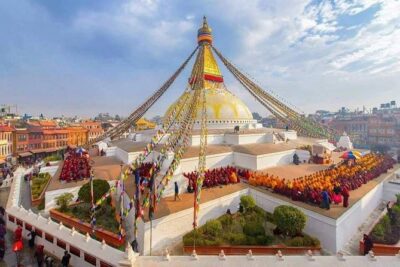
- Boudhanath’s mandala-style stupa with prayer flags, calm and watchable for hours
- Return to your pickup point, so you are not solving transport at the end of the day
A Private 8-Hour Kathmandu Loop With Pickup and an English Guide
This is built for people who want a clean, structured day in Kathmandu without playing logistics roulette. You start at Nepali Ghar Hotel on Amrit Marg, and the tour ends back there. That matters because Kathmandu can eat time, and time is one of your biggest currencies on a short trip.
The private air-conditioned vehicle is the baseline comfort you’ll feel most on a hot day, or on a day when traffic slows everything down. The guide is an active part of the experience, too. You’re not just being transported between monuments, you’re getting the meaning behind what you see, like why Swayambhunath works as both a Buddhist and Hindu sacred space, or why Durbar Square feels like a power center rather than a random cluster of temples.
One more practical plus: bottled water is included, so you can focus on walking and watching rather than budgeting for snacks every hour. And because it’s private, it stays “your group only,” not a shared cattle-car version of city sightseeing.
If you have a tight schedule and want the city’s most famous heritage sites, this format is a strong match.
More City Tours in Kathmandu
- Private Kathmandu Sightseeing Tour | UNESCO World Heritage sites
★ 5.0 · 756 reviews - Kathmandu: Private City Guided Tour
★ 4.9 · 174 reviews - Kathmandu Private Sightseeing Tour | UNESCO World Heritage Sites
★ 5.0 · 109 reviews
Swayambhunath: A Buddhist Stupa That Also Feels Hindu
Swayambhunath sits on a western hillock of Kathmandu, and it’s a site that rewards staying close to the details instead of rushing to the photo spots. This Buddhist stupa is considered one of Kathmandu’s top attractions, but the feeling there is layered, not single-religion. You’ll see symbolism and architecture that connect to both Buddhist and Hindu traditions, which is a theme throughout Kathmandu.
This stop is about two hours, and you should use that time for slow observation. The stupa complex includes shrines, monasteries, temples, and also spaces like a museum and library. That means it’s not only about one landmark object. It’s about a whole sacred complex, where people come for worship, study, and quiet time.
What I’d keep in mind: because it is an active religious site, you’ll want to dress respectfully and move with care. You also need a bit of patience for how people flow through temple areas. You don’t need to be religious to appreciate the architecture and symbols, but you do need to be respectful in how you observe.
If your goal is to understand Kathmandu’s spiritual overlap, Swayambhunath is a great first chapter.
Kathmandu Durbar Square: Royal Power, Temple Names, and the Kumari Ghar
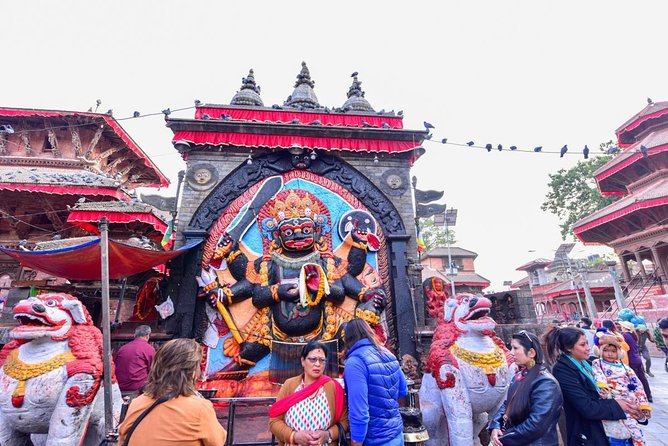
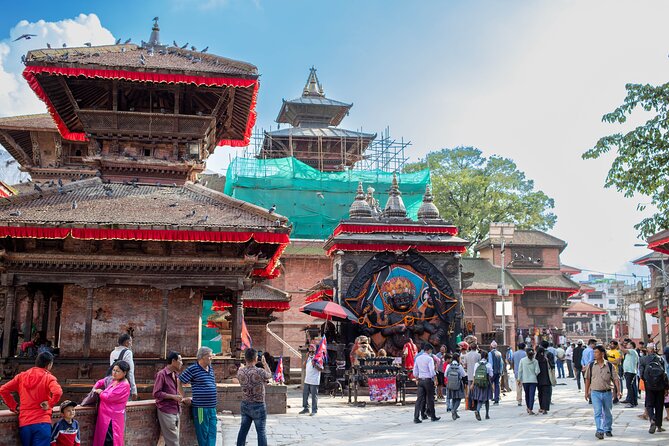
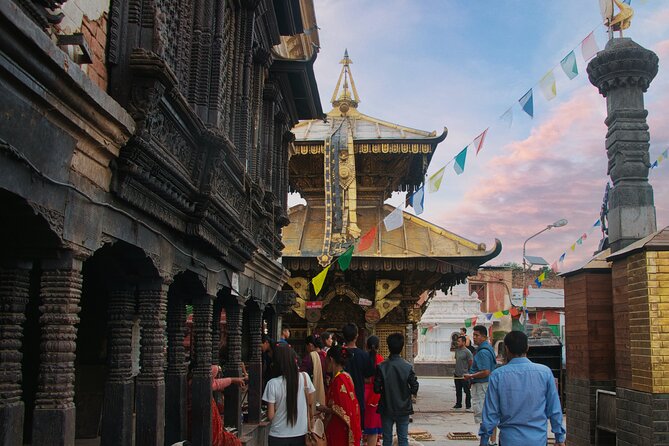
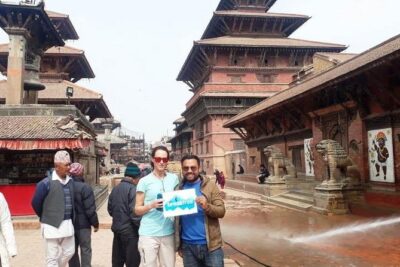
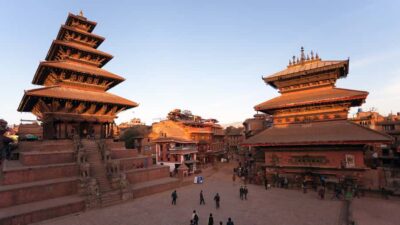
Kathmandu Durbar Square is the kind of place that makes you understand why “city center” can mean more than just shopping streets. This is where the ancient royal life of Nepal is reflected in stone and craftsmanship. It’s described as holding the ancient royalties of Nepal, and the space feels like a royal courtyard filled with religious meaning.
You’ll spend about two hours here, and the big win is the variety of temples and named landmarks packed into one area. This is not a “one building and done” stop. You’ll find a massive royal square plus temples dedicated to Hindu gods and goddesses, along with places such as:
- Kumari Ghar
- Taleju Temple
- Kasthamandap
- Kaal Bhairav
- Jagannath Temple
Even if you can’t master every name on the spot, your guide can help you connect them to what they represent. The value here is seeing how Hindu devotion and royal tradition intertwine. Durbar Square isn’t just scenic. It’s historical infrastructure.
A practical consideration: it is a busy central area, so plan for some crowd movement. Also, this is a stop where you may do more walking on uneven temple paths. Comfortable shoes are a smart idea.
If you like history that you can actually see, not just read, Durbar Square is one of the strongest stops on this day.
Pashupatinath Temple: The Open Cremation View by the Bagmati River
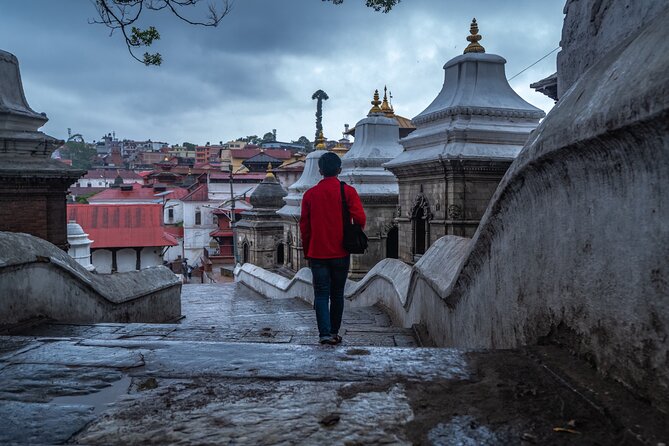
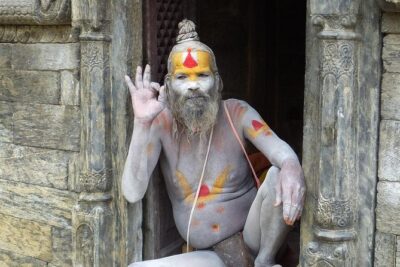
Pashupatinath is one of the most important Hindu shrines in the world, and it has a special gravity that’s hard to describe until you’re there. It’s considered one of the holiest Hindu sites and also described as the largest Hindu temple in South Asia. The temple is golden and two-tiered, and it’s an example of Nepalese architectural style.
Your tour time at this stop is about two hours. Here’s the key thing to know before you go: tourists are not allowed inside the temple premises. But you can witness open cremation practices along the Bagmati riverbank.
This is the stop that tends to stick with people. The combination of ritual setting, riverbank viewing, and the sheer seriousness of what is happening can create an emotional reaction. In past experiences, visitors talked about getting goosebumps seeing the cremations, and I’d take that as a cue to come ready for something real, not staged.
How to handle it well:
- Keep your attention on what the ritual is, not on taking constant photos.
- Move slowly and quietly, especially when viewing from riverbank areas.
- Dress modestly and follow any instructions your guide gives you on where to stand and how to behave.
Also, remember this is a working religious site, not a museum. You’re there to observe with respect, even if the moment feels heavy.
If you want Kathmandu to feel honest and human, Pashupatinath does that.
More Full-Day Tours in Kathmandu
- Kathmandu: Full Day 7 UNESCO Tour with Lunch – Private/Group
★ 5.0 · 415 reviews - Kathmandu: Full Day Top 4 UNESCO Tour with Lunch – Private/Group
★ 5.0 · 269 reviews - Kathmandu: Full-Day 7 UNESCO Tour with Lunch – Private/Group
★ 4.9 · 247 reviews - Kathmandu: Full Day 7 UNESCO Tour with Lunch – Private/Group
★ 5.0 · 101 reviews
Boudhanath Stupa: Three Levels, Prayer Flags, and Long Quiet Watching
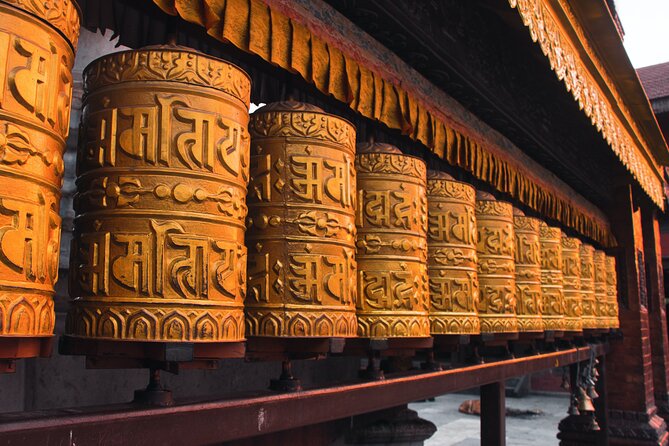
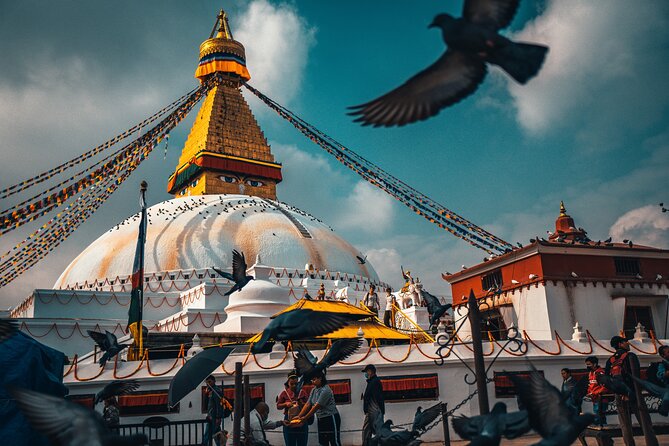
Boudhanath Stupa is famous for a reason. It is described as one of the biggest and oldest Buddhist monuments in the world, and it’s considered significant as the tomb of Kassapa Buddha. Even if you don’t know the story in advance, the site helps you understand why this kind of stupa became central to Buddhist devotion.
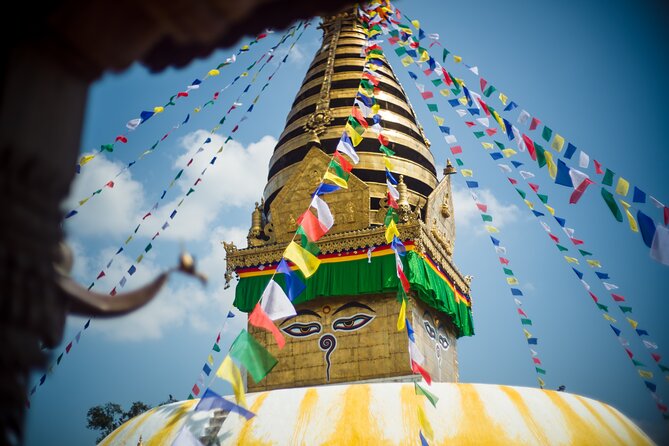
This stop is also about two hours, and that’s perfect. Boudhanath isn’t a “run through it” location. The stupa is dome-shaped and built in three levels in a mandala style. It’s decorated with colorful prayer flags that you notice more the longer you watch, because the wind and movement give them a living feel.
The atmosphere here is described as both calm and lively. That’s a good way to think about Boudhanath on the ground. People gather, there’s steady activity, but the space itself encourages slower observation.
Practical tip: bring your attention here. If you’ve just come from the heavier emotional weight of Pashupatinath, Boudhanath can feel like a breath. Sit, watch, and let the stupa’s geometry and symbolism do its work.
If you want one stop that feels meditative without requiring you to do anything spiritual, this is it.
Price and Value: What You Really Pay For in This Tour
At $75.00 per person for about eight hours, the price can feel like a deal or a splurge depending on how you compare it. The easiest way to judge value is to look at what you’re not doing yourself.
You’re paying for:
- a private air-conditioned vehicle
- an experienced English-speaking tour guide
- bottled water
- entrance fees for sightseeing sites (though confirm details for each stop)
- all government and local taxes
That’s the big value story. In Kathmandu, getting a driver and an organized plan is often where solo time adds up fast. A private tour also cuts down on friction, like figuring out where to go next, negotiating transport between far-apart sacred sites, and losing time when the route is unclear.
That said, the day notes include a warning for some stops that admission tickets are not included. Your best move is simple: confirm what is covered at the gates for each site before you head out. If entrance fees are already included, great. If not, you at least know what you’re planning for.
Also, personal expenses are not included, so budget for any meals or snacks and anything else you buy on the go.
Overall, if you want the main UNESCO sites in one day, plus guide context, this is priced reasonably for a private format.
Transport, Timing, and How the Day Fits Together
The tour runs about eight hours, with roughly two hours at each major site. That structure gives you time to actually see things, not just stop briefly and move on. It also helps you avoid the common mistake of doing too many short visits back-to-back.
The private vehicle also changes the rhythm. You can stay warm in the car, cool down between sites, and avoid the mental load of constant directions. This matters when you’re visiting places that require attention and respect, like Pashupatinath.
One timing reality to plan for: Kathmandu can be slow. Even with a skilled driver, traffic happens. Your guide and driver role is to keep you moving without turning the day into a sprint. If you’re the type of person who gets stressed when things run late, this private setup is usually the smoother option.
And because the tour returns to the start point, you’re not stuck at the far edge of the city wondering how to get home.
Cultural Etiquette That Helps You Enjoy These Sacred Sites
Temple and stupa days in Kathmandu reward simple, respectful habits. You don’t need to act like a scholar. You just need to avoid being disruptive.
Here are the practical rules to follow:
- Dress modestly at Hindu temples and Buddhist sites.
- Move carefully and quietly in sacred areas.
- Ask your guide where photography or viewing is appropriate.
- At Pashupatinath, remember you’re observing open cremation practices from outside the temple premises, so keep a respectful distance and avoid crowding.
If you’ve never watched an open cremation ritual before, give yourself emotional space. It can feel intense, even if you came for culture and history. A guide can help you understand what you’re seeing, and that context makes the moment less confusing.
Your goal is to be a thoughtful observer, not a spectator who treats everything like a photo stop.
Who This Tour Suits Best
This tour fits best if you:
- want a private day with an English-speaking guide rather than self-navigation
- care about UNESCO heritage and want four major sites covered in one run
- like architecture and sacred symbolism, not just random sightseeing
- prefer comfortable transport in an air-conditioned vehicle
It’s also a good option if you have limited time and want to feel confident that you hit the big Kathmandu landmarks without getting lost.
If you want a flexible, slow, wander-without-a-plan day, you might find the two-hour blocks feel structured. But for most first-time or time-crunched visitors, structure is a feature, not a flaw.
Should You Book This Kathmandu Private Sightseeing Tour?
I’d book it if you want the fastest reliable path to Kathmandu’s core heritage sites, with a guide who can explain what you’re looking at and transport that keeps your day comfortable. The private vehicle, bottled water, and English-speaking guidance make the experience simpler than planning four separate destinations on your own.
I’d hesitate only if you dislike emotional religious experiences. Pashupatinath includes the open cremation viewing by the Bagmati riverbank, and that can be powerful in a way that goes beyond sightseeing. Also, because the information given around admission coverage is slightly mixed, confirm which entrance fees are included for your booking before you go.
If you confirm the ticket details and you’re ready for both the sacred beauty and the serious moments, this is a solid, good-value way to see Kathmandu in one day.
FAQ
How long is the Kathmandu private sightseeing tour?
The tour runs for about 8 hours.
Where does the tour start and end?
It starts at Nepali Ghar Hotel, Amrit Marg 26, Kathmandu 44600, Nepal, and ends back at the same meeting point.
Is this tour private or shared?
It is private, meaning only your group will participate.
What sites are included in the tour?
You’ll visit Swayambhunath, Kathmandu Durbar Square, Pashupatinath Temple, and Boudhanath Stupa.
Are entrance fees included in the price?
Entrance fees for sightseeing sites are listed as included, but the stop details also note that admission tickets are not included. Check what is covered for your specific booking.
What is included in the tour price?
Included items are a private air-conditioned vehicle, an experienced English-speaking tour guide, entrance fees for sightseeing sites, bottled water, and all government and local taxes.
What is not included?
Personal expenses are not included.
Latest Kathmandu write-ups
- Langtang Valley Trek★ 5.0 · 3 reviews
- Khopra Danda Trek★ 5.0 · 3 reviews
- Langtang Valley Trek from Kathmandu★ 5.0 · 3 reviews
- 5 night / 6 days Kathmandu Nagarkot Chitwan Pokhara tour★ 5.0 · 3 reviews
- Nepal Highlights Tour: 5 Nights 6 Days Kathmandu & Pokhara Tour★ 5.0 · 3 reviews
- Kathmandu Valley Private Day Tour★ 5.0 · 3 reviews
- Conquer the Himalayas: The Ultimate 16-Day Annapurna Circuit Trek★ 3.5 · 3 reviews
- Kathmandu Heritage Day Tour★ 5.0 · 3 reviews
City Tours, compared.
Private Kathmandu Sightseeing Tour | UNESCO World Heritage sites
Read our review →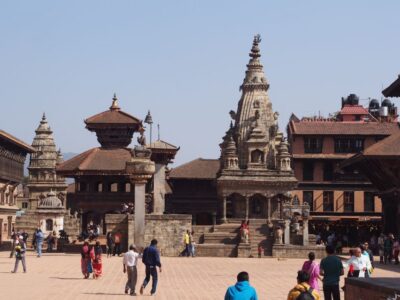
Kathmandu Private Sightseeing Tour | UNESCO World Heritage Sites
Read our review →
Browse the lists this tour appears in