
Reviewed · 3-DAY EXPERIENCES
Kathmandu Valley Rim Trekking – 3 days
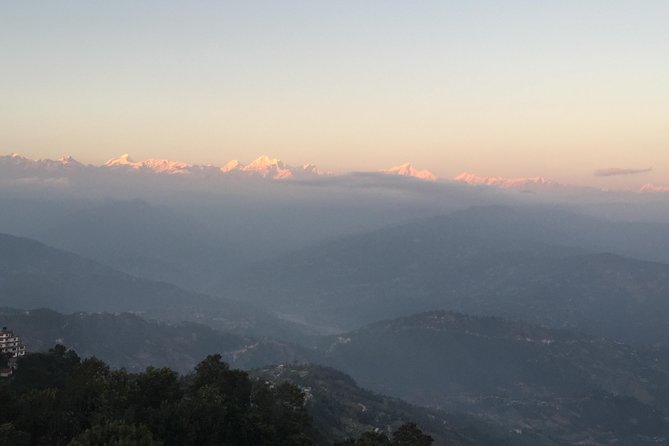
Kathmandu Valley Rim Trekking is interesting because it gives you a quick escape from Kathmandu without turning your trip into a big, exhausting expedition. It’s a short rim walk with village life, forest paths, and panoramic viewpoints that range from the Central Himalaya toward Everest region peaks on clear days. I especially like that it mixes real walking with easy, rewarding stops like Chisapani and Nagarkot.
Two things I like a lot: first, the route passes through cool forest areas with water-supply history near Sundarijal, so the mornings feel fresh and meaningful, not just scenic for scenic sake. Second, the hill towns are built for sunrise and sunset watching, which is exactly the kind of payoff you want after a couple long trail days.
The one drawback to think about is weather. When clouds and rain move in, those mountain views you came for can fade fast, and you’ll still be walking, which means you should plan for soggy conditions and shorter sightlines.
Key highlights you’ll actually care about
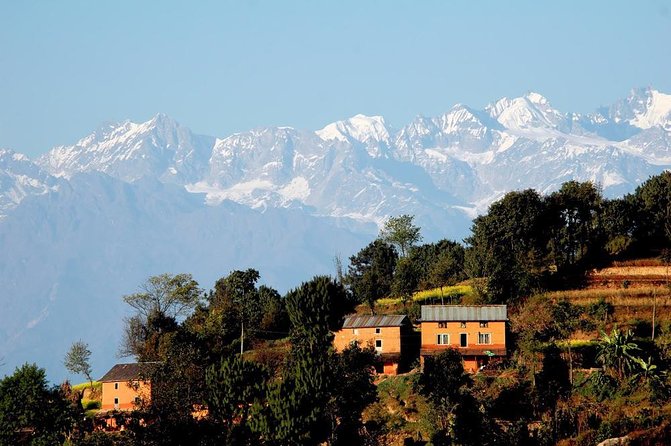
- Sundarijal to Chisapani includes a climb through forest and views over the valley rim, then a lodge stop in Chisapani
- Rhododendron and pine trails on day two make the walking feel varied, not repetitive
- Nagarkot sunrise and sunset from about 1,932 to 2,100 m is the big viewpoint anchor
- Changunarayan temple adds a cultural finish with Lord Vishnu and distinctive pagoda architecture
- Private transport plus a professional guide means you are not self-navigating in unfamiliar places
- Meals are included, which is a big value when you are on the trail
A rim trek that resets your Kathmandu brain
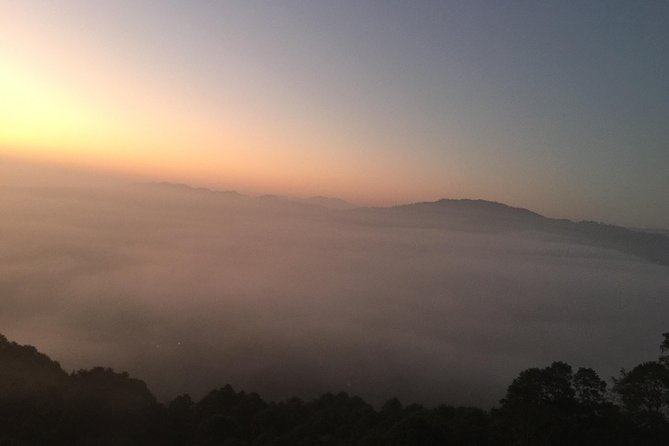
This trek is for you if you want the Kathmandu Valley area, but with fewer buses, fewer horns, and more birdsong. You’re basically doing a rim circuit around the capital, using hill paths and villages that sit above the daily city grind.
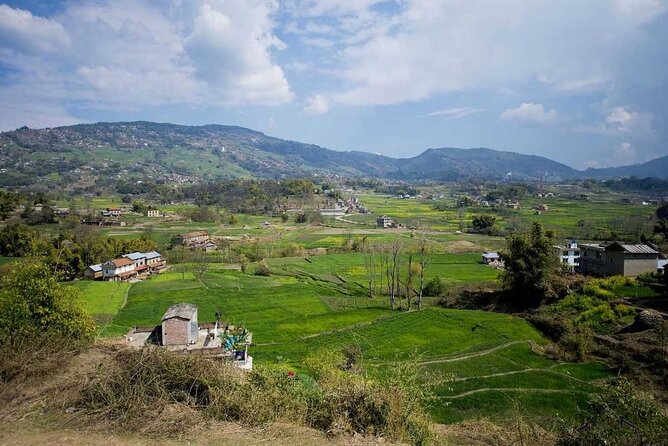
You’ll walk out toward viewpoints and through pockets of forest with rhododendron, oaks, magnolia, pines, and fir trees. Even if the big mountain panoramas are partly hidden on your specific day, the trail itself keeps things interesting: winding paths, downhill segments, farm terraces, and small village breaks.
The overall vibe is short trek, local rhythm. It’s not a technical climb. It’s more like a guided outdoor stroll with real scenery payoffs, especially on the first sunrise you catch from the hill towns.
More to compare around Kathmandu
- Everest Base Camp Trek – 14 Days
★ 5.0 · 1,499 reviews - Everest Base Camp Trek
★ 5.0 · 842 reviews - Private Kathmandu Sightseeing Tour | UNESCO World Heritage sites
★ 5.0 · 756 reviews
Day 1 to Chisapani: Sundarijal forests, Tamang farms, and morning views
Day one starts with a morning departure from your hotel and a short drive north east of Kathmandu Valley toward Sundarijal. You’ll pass through the Bouddhanath area, then continue until you reach the watershed and water reservoir area that supports Kathmandu’s drinking water.
After that, you climb into cool, forested terrain. This is one of those details that changes how the day feels. Instead of thinking you’re just going uphill for the sake of views, you’re walking through a landscape tied to the city’s water supply. It gives you a sense of why this rim area matters beyond sightseeing.
You’ll reach Burlung Bhanjyang, where Tamang people farm and live. From there, the route moves into dense woodland until you crest into hilltop terrain and head toward Chisapani for your overnight. The Chisapani lodge stop is important because it sets up the best chance to see a sunrise over the Himalaya chain.
If you get even partial clear breaks in the morning, you’ll likely feel why people talk about these hill towns. The trek notes specifically highlight Chisapani as a place for grand panorama and sunrise views, and in real life that usually means you wake up early, step outside, and let your brain finally slow down.
Practical reality check for day one: it’s a long day, listed around 10 hours. Even if the pace is manageable, plan for time on your feet. Bring layers, because forest shade can feel chilly in the morning, even if Kathmandu is warm.
Day 2 to Nagarkot: rhododendron and pine trails through village waypoints
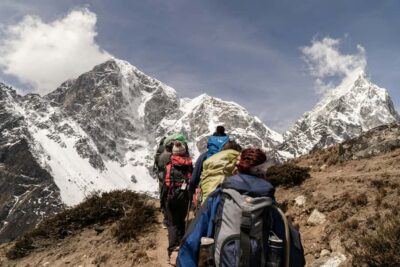
On day two, you start with a gradual winding path that moves into rhododendron and pine forest. That mix of trees matters because it changes the feel of the hike. You get cooler sections under taller canopies, plus open stretches where you can look out across the valley rim.
The route trends downhill to Chowki-Bhanjyang, a small farm village with views out over the eastern side of the rim. This is a good mental reset stop. You get a break, you see the valley angle, then you keep going.
From there, the trail continues on a gradual scenic path for a few hours, passing Jarsing Pawa as a waypoint. The trek route then diverts onto higher hill terrain before dropping again toward Kartike Bhanyang, and finally climbing back up to Nagarkot.
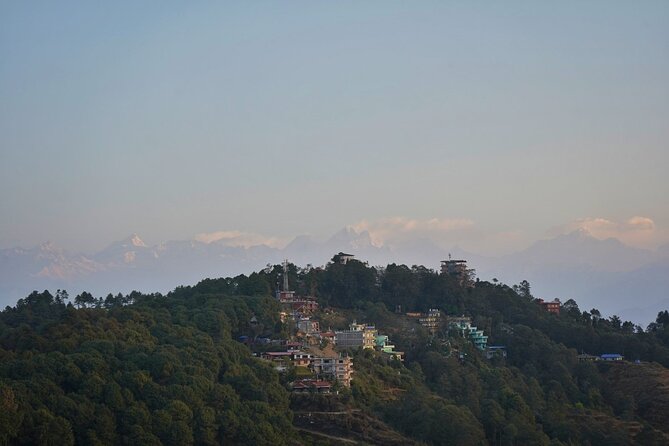
Nagarkot is the big overnight viewpoint. It sits roughly 1,932 to 2,100 m and is famous for sunsets and sunrises. If day one gave you anticipation, day two gives you the reward, assuming the sky cooperates.
One thing I like about the structure of day two is the mix of uphill and downhill. It keeps your legs working, but it also prevents that one-note grind that can happen when every kilometer feels like the same incline.
Also keep in mind a real-world lesson: rain can steal views. One traveler experienced bad weather and rain that made mountain clarity less obvious, yet still found the trek worthwhile because the day-to-day hiking and local atmosphere stayed intact. So even if your peak shots are cloudy, you still get a hike with satisfying scenery.
Day 3 to Changunarayan: farm terraces, forest shade, and a Vishnu temple finish
Day three is shorter and more “downhill plus culture.” You walk downhill past farm villages and terrace fields, which is exactly the kind of quiet rural scene that makes rim hikes feel different from city sightseeing.
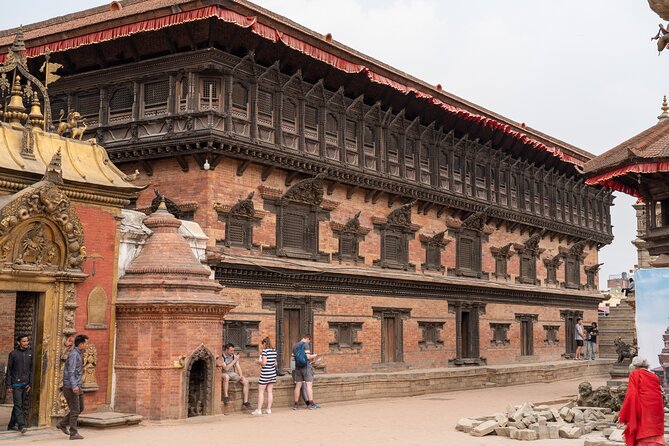
Then you shift into a patch of cooler forest and arrive at Changunarayan. The big stop here is the Changunarayan temple, dedicated to Lord Vishnu, with pagoda-style architecture. The plan gives you time to visit and enjoy the serene surroundings, and that calm contrast is a nice way to end a walking-focused trip.
After the temple visit, you drive back to Kathmandu. Your afternoon is described as free for leisure shopping souvenirs, which is handy if you want to grab small gifts without turning it into a tight schedule.
Because day three is not the longest day on foot, it tends to be a smoother closer. It’s the kind of ending that helps if you have only limited vacation days and still want a meaningful trek experience.
A different sort of day out of Kathmandu:
- Kathmandu: 7 UNESCO Sites with Lunch
★ 4.8 · 744 reviews - Everest Base Camp Helicopter Tour landing at Everest View Hotel
★ 5.0 · 668 reviews - Half day cooking class in Thamel kathmandu
★ 5.0 · 607 reviews - Everest Base Camp Trekking
★ 5.0 · 485 reviews
How long days and weather work together (and what you can do about it)
This is a short trek, but it still includes significant walking time. Day one and day two are both listed around 10 hours, and day three is listed much shorter. That means the challenge is more about stamina and comfort than technical difficulty.
Your best strategy is to pace yourself and protect your feet. Wear hiking shoes or sturdy walking shoes. Keep your pack tight and don’t overpack, because long hours plus extra weight can make day two feel tougher than it needs to.
Weather is the wildcard. The Himalayan panoramas are the headline, and the route is designed so you get multiple chances at viewpoints. Still, clouds and rain can reduce how clear those distant peaks look. The good news is the trail does not stop being enjoyable when visibility drops. You can still enjoy the forest atmosphere, villages, and temple finish.
If rain shows up, plan on slower steps and damp conditions. You’ll thank yourself if you have a way to keep your day bag and outer layers dry, plus something warm for early morning.
Price and value: what $380.67 really covers
At $380.67 per person, you’re paying for much more than “someone walks with you.” This price includes private transportation, a professional guide, all fees and taxes, plus a full set of meals.
Specifically, you get:
- Breakfast (2)
- Lunch (3)
- Dinner (2)
That’s a real value piece. On trek days, meals can be the hidden cost if you are doing things on your own. Here, meals are already planned into the schedule, so you are not constantly hunting for food options along the way.
It also includes admission listed as free at the itinerary stops. Your guide and route planning help you avoid the guesswork that can turn a short hike into a time sink.
What’s not included is also clear. Beverages (hot or cold) and hard/soft drinks are not part of the package, and travel insurance is not included. So if you like tea breaks or soda with lunch, budget for it separately.
One more value point: it’s a private tour, meaning only your group participates. You’re not sharing your guide’s attention with strangers, which helps when you want a relaxed pace, bathroom stops, or a quick adjustment to weather.
Transport, pickup, and mobile ticket, in plain terms
This trek is built around you getting moved efficiently. You’ll have private transportation, and pickup is offered. Your start and end point are listed as back at the meeting location, with the start tied to Tribhuvan Airport, Kathmandu.
You also get a mobile ticket, which usually means you show your confirmation on your phone and move through check-in with less paperwork. For many travelers, that reduces last-minute stress.
Because the walking happens on trails and in village areas, transport matters. It lets you focus on the trek instead of losing time coordinating local buses or trying to interpret route changes in places where signage might not be obvious.
And since it’s private, your schedule is less likely to be chopped up by other groups trying to hit the same viewpoint at the same time.
Guides can make or break a short trek
The trekking experience here is guided, and that matters, especially on a route that moves through multiple hill villages and junction points.
In the service feedback, guides named Sagar Ghising and Mr Dhurba are specifically credited for making the trek feel easy and well managed. That lines up with how this itinerary works: you’re on foot for long blocks, and you want someone who knows the timing and keeps the day running smoothly.
A good guide also helps you connect the dots. You’re seeing forested water-supply areas, Tamang farm villages, ridge walking, and a Vishnu temple finish. With a guide, those stops feel like parts of one story, not separate sightseeing tasks.
What to pack for a rim hike around Chisapani and Nagarkot
The trek is short, but your days are long, so pack like you’re walking all day, not like you’re doing a quick city stroll.
I’d bring:
- Comfortable hiking shoes with good grip
- Layering clothes for cool mornings and warmer midday sun
- A rain layer if the forecast looks messy, since weather can reduce visibility
- A small day bag to carry water and essentials
- Something warm for sunrise watching, especially if you’re going to Nagarkot early
Also remember beverages are not included. You’ll likely want water during the day and you might want tea or other drinks on breaks, so plan to buy what you need.
Who this trek is best for
This is a smart fit for you if:
- You want a 3-day trek with a clear itinerary and no complicated logistics
- You enjoy scenic walking but prefer an easier, rim-style route
- You want both nature (forest paths, hills, valley rim views) and a culture finish at a major temple
- You want sunrise and sunset potential without committing to a long multi-day trek
It may be less ideal if you are chasing only perfect, crystal-clear mountain views. Weather can interfere. The trail still has value, but you should go in expecting nature on its terms, not only on demand.
Should you book Kathmandu Valley Rim Trekking?
If you want a short, satisfying trek that feels like a real break from Kathmandu, I think this one is worth booking. The schedule is tight in a good way, it includes meals, and it’s designed around two of Nepal’s most famous viewpoint areas, Chisapani and Nagarkot.
Book it if you like guided walking, village scenery, and a relaxed pace that still gives you big payoff mornings. Skip it or be cautious if you’re planning around a single “must-see” clear-sky moment, since rain and clouds can reduce how sharp the distant peaks look.
If you want my simple test: can you enjoy the hike even when the view is partly cloudy? If yes, you’re the right match for this trek.
FAQ
Where does Kathmandu Valley Rim Trekking start and end?
The tour starts at Tribhuvan Airport, Kathmandu Nepal and ends back at the same meeting point.
Is this a private tour?
Yes. It’s listed as a private tour/activity, so only your group participates.
What meals are included in the 3-day trek?
Dinner is included 2 times, breakfast is included 2 times, and lunch is included 3 times.
Are drinks included?
No. The package does not include any hot or cold beverages, and it also does not include hard or soft drinks.
How long is the experience?
It runs for about 3 days.
Is travel insurance included?
No. Travel insurance is not included, so you may want to arrange it separately.
Latest Kathmandu write-ups
- Langtang Valley Trek★ 5.0 · 3 reviews
- Khopra Danda Trek★ 5.0 · 3 reviews
- Langtang Valley Trek from Kathmandu★ 5.0 · 3 reviews
- 5 night / 6 days Kathmandu Nagarkot Chitwan Pokhara tour★ 5.0 · 3 reviews
- Nepal Highlights Tour: 5 Nights 6 Days Kathmandu & Pokhara Tour★ 5.0 · 3 reviews
- Kathmandu Valley Private Day Tour★ 5.0 · 3 reviews
- Conquer the Himalayas: The Ultimate 16-Day Annapurna Circuit Trek★ 3.5 · 3 reviews
- Kathmandu Heritage Day Tour★ 5.0 · 3 reviews
3-Day Experiences, compared.
Jungle Towernight Stay In Chitwan National Park ,nepal-2 Nights 3 Days Package
Read our review →
3-Day Chitwan National Park Jungle Safari Tour Package with Pick Up
Read our review →
3-Day Chitwan Safari Tour with Hotel Transfers
Read our review →
Browse the lists this tour appears in