Reviewed · TOURS
Kailash Mansoravar Overland Tour
Kailash Mansarovar overland tours grab attention for a simple reason, this is a rare mix of spiritual stops and real travel days through mountain terrain. In this 14-day format, you get a clear on-ramp in Kathmandu, then the journey moves into Tibet with the main event centered on Mount Kailash and the Kailash Kora.
Two things I really like about this trip are the built-in guidance and paperwork, you have a highly qualified Tibetan guide plus a Tibet permit and Tibet Group Visa included. I also like that the itinerary plans for your body to adjust, with an acclimatization day in Kerung.
One thing to consider is stamina. The route includes long drive days and walking days that include a high point on the Kora, so you’ll want a moderate fitness base and a willingness to go slow when altitude and weather ask you to.
Key highlights worth your attention
- Kathmandu warm-up before Tibet, with visits to major spiritual sites like Swayambhunath and Boudhanath plus Durbar Square
- Tibet logistics handled, including permits and a group visa, guided by a Tibetan guide throughout
- Acclimatization time in Kerung, not just a jump straight into the main walking days
- Lake Mansarovar and Chiu Monastery, with Mount Kailash views part of the payoff
- Kailash Kora with classic waypoints, including Dirapuk, Yamadwar, Drolma La Pass, and Zuthul Puk
- Private transfers by A/C coach, including Kathmandu arrival and departure, plus key road legs
Route Reality Check: Kathmandu to the Kora, in plain terms
This overland itinerary is built like a corridor. You start in Kathmandu, then you move by road toward the Nepal-Tibet border area, continue across Tibetan regions, and finally reach the core circuit around Mount Kailash.
The trip is not framed as a “walk all day every day” adventure. It alternates driving time with walking and sightseeing time, which matters because your pace and energy management are part of doing this route well. Also, the schedule explicitly includes an acclimatization day in Kerung. That’s not a throwaway line. It tells you the operator expects your body to need time before the higher intensity moments.
You should also know the tone of the trip is practical and spiritual at the same time. Days aren’t just about ticking boxes, they’re about getting to specific sacred spaces and keeping the route moving.
More to compare around Kathmandu
- Everest Base Camp Trek – 14 Days
★ 5.0 · 1,499 reviews - Everest Base Camp Trek
★ 5.0 · 842 reviews - Private Kathmandu Sightseeing Tour | UNESCO World Heritage sites
★ 5.0 · 756 reviews
Day 1 and Day 14: Airport pickup, then departure transfers
Day 1 starts with your arrival at Tribhuvan International Airport. A team member meets you in the arrival area, then you’re taken by private vehicle to a hotel. There’s dinner provided and you sleep in Kathmandu to reset before you start sightseeing.
Day 14 mirrors the welcome with a transfer to the airport. The meeting and transfer plan is a quality-of-life detail that you’ll feel right away, especially after international travel. The tour also advertises mobile ticket support and pickup is offered, which is useful when you want fewer moving parts in a foreign airport.
Practical note: the start time is listed as 5:45 am. That means you should plan for an early morning routine if you’re flying in late or connecting flights are tight.
Kathmandu warm-up: Durbar Square, Swayambhunath, Boudhanath, Pashupatinath
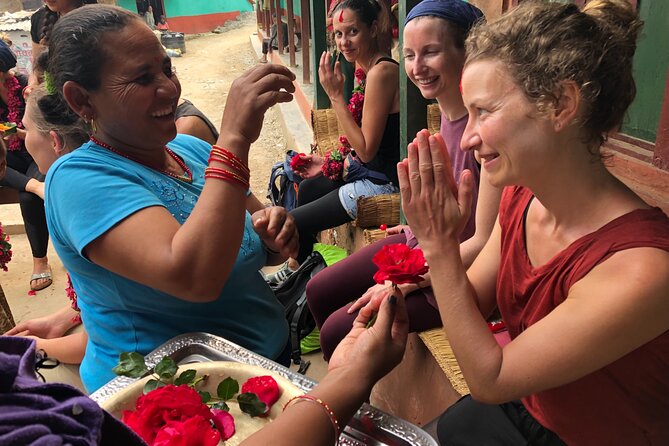
The Kathmandu portion is doing more than sightseeing. It’s giving you context for the spiritual geography you’ll later see again in a different language and a different tradition.
Day 2, Swayambhunath and Kathmandu Durbar Square
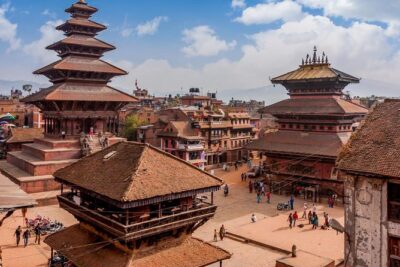
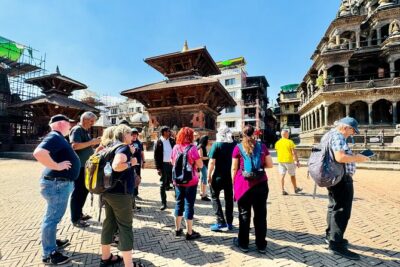
You begin with Swayambhunath Stupa (Monkey Temple). The main feature here is the panoramic view of the valley, plus the sense of Kathmandu’s spiritual layering. After that, you visit Kathmandu Durbar Square, known for Nepalese art and architecture.
What I like about this combination is pacing. You get a “look down” viewpoint first, then you shift into the dense historic core. It helps you understand the city before you leave it.
Possible drawback: it’s a long day. The day is listed as about 6 hours. If you arrive tired, this first full sightseeing day may feel like a sprint, not a warm-up.
A different sort of day out of Kathmandu:
- Kathmandu: 7 UNESCO Sites with Lunch
★ 4.8 · 744 reviews - Everest Base Camp Helicopter Tour landing at Everest View Hotel
★ 5.0 · 668 reviews - Half day cooking class in Thamel kathmandu
★ 5.0 · 607 reviews - Everest Base Camp Trekking
★ 5.0 · 485 reviews
Day 3, Boudhanath, Pashupatinath, and Budanilkantha
Day 3 starts at Boudhanath Stupa, a major Buddhist site, then continues to Pashupatinath Temple, described as Nepal’s holiest Hindu shrine. You also see Budanilkantha’s Sleeping Vishnu statue.
This day matters because the route is later framed as religious exploration, so seeing Hindu and Buddhist focal points back-to-back prepares your eyes. You’re not just collecting photos, you’re learning how different sacred places feel and function in real life.
One consideration: admission tickets are noted as not included for these stops. So you’ll want a small buffer for on-site ticket costs.
The border approach: Kerung and that acclimatization day
Days 4 and 5 are where the trip shifts from “city and temples” to “travel and adjustment.”
Day 4, Kerung Himalayan Guest House
You travel through the countryside to Kerung, crossing the Nepal-Tibet border. It’s listed at about 8 hours. This is a classic long-transfer day, the kind where the main accomplishment is simply getting yourself positioned for the next phase.
Day 5, relax and acclimatize in Kerung
Then you’re given a full acclimatization and rest day in Kerung. The itinerary frames it as “acclimatize and relax,” with time built in rather than forcing more immediate walking.
I like this because overland trips can turn into a grind if every day demands effort. One rest day gives you a chance to sleep better, drink more water, and get your body used to changes. It also reduces the chance you’ll arrive stressed when the Kora walking days begin.
From Kerung to Saga to Taqing: Tibetan road travel with big views
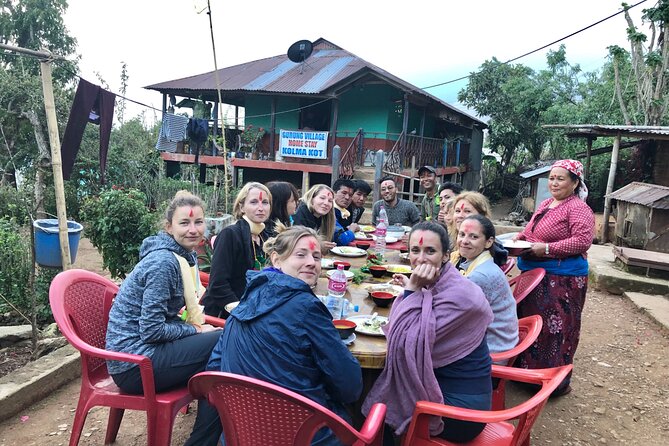
After Kerung, the trip leans into Tibetan road travel. Days 6 and 7 move you across wide terrain toward the next set of spiritual milestones.
Day 6, Saga County
You drive through Tibetan landscape areas with stops for mountain views and lakes en route to Saga. The day is about 10 hours.
What’s good here is the “stop and look” approach. It’s not just a straight drive. That kind of rhythm helps keep a long day from becoming a blur.
Day 7, Darchen approach and the Mount Kailash and Lake Mansarovar payoff
Day 7 includes a drive to Darchen, with views of Mount Kailash and Lake Mansarovar. It’s about 8 hours.
This is one of those days where you’ll likely feel the psychological shift. You’ve been moving toward the place, and now the itinerary explicitly points toward the main sights.
Lake Mansarovar and Chiu Monastery: the moment you look up, then go quiet
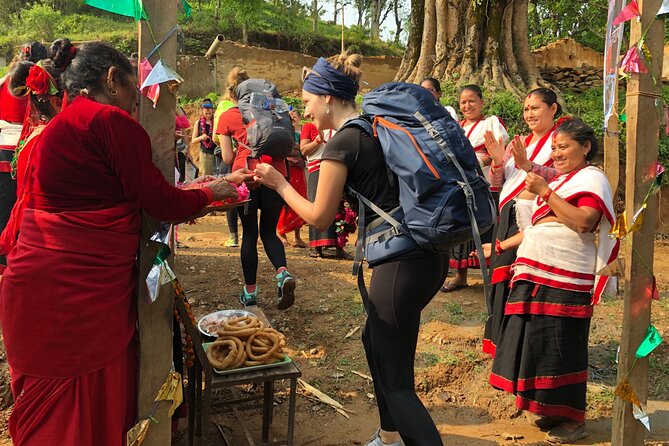
Day 8 combines Lake Manasarovar and Chiu Monastery. You’re also guided to enjoy stunning views of Mount Kailash.
This stop is valuable because it’s the visual center of the trip. The itinerary doesn’t treat it as a quick roadside photo stop. Instead, it groups it with a monastery visit, which naturally changes how you spend time. You’re not just watching scenery, you’re in a sacred space with a slower tempo.
What to consider: ticket costs are not specified as included or not included for this stop. The tour states admission tickets are included only for one specific item later in the Kora phase. So assume some days may require small on-site payments.
Kailash Kora days: Dirapuk, Yamadwar, Drolma La Pass, Zuthul Puk
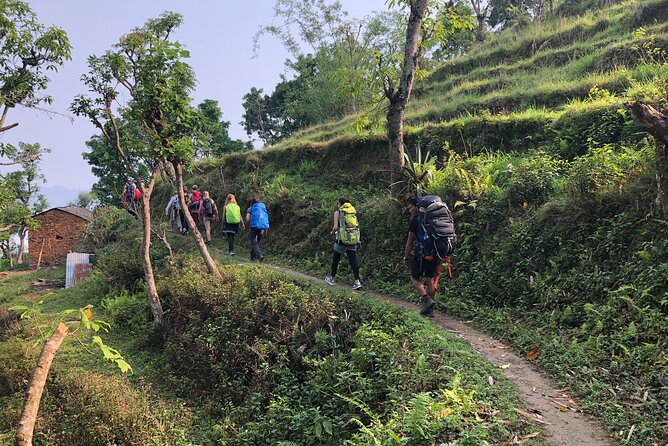
These days are the heart of the trip, and the itinerary makes the route feel structured.
Day 9, start the Kailash Kora with a trek to Dirapuk
You start the Kailash Kora with a trek to Dirapuk, passing Yamadwar and enjoying views of Mount Kailash. It’s about 8 hours.
If you’re the type who likes meaning in the route, this day hits. Yamadwar is a named waypoint. That kind of specificity is more than navigation. It signals that the walking path is part of a spiritual narrative, not random trail time.
Day 10, cross Drolma La Pass and descend to Zuthul Puk
Day 10 includes crossing Drolma La Pass, described as the highest point of the Kora, then descending to Zuthul Puk. It’s also about 8 hours, and the itinerary marks an admission ticket as included for this day.
This is the day to take seriously. Even with acclimatization, a highest point crossing is a real physical moment. If you’re even slightly unsure of your fitness level, plan to move with patience and follow your guide’s pacing.
The return: drive back to Kathmandu via villages, then a farewell dinner
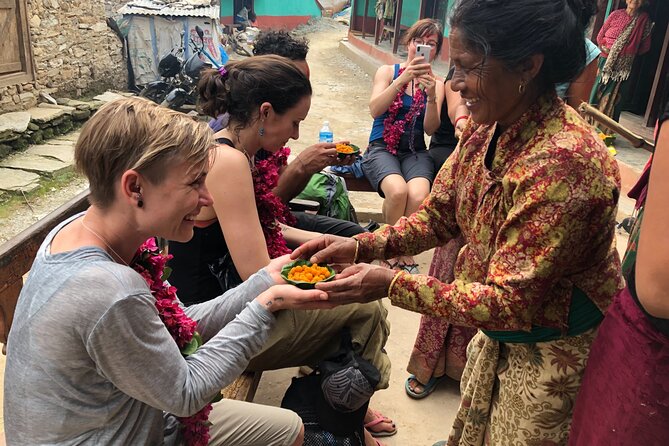
After the core spiritual circuit, the trip pivots back toward comfort and closure.
Day 11, return to Kathmandu, and the Millennium trek ends
Day 11 begins with breakfast, then you drive back to Kathmandu by road through small villages with mountain peeks far away. It’s about 6 to 7 hours of driving, then you sleep in Kathmandu.
The itinerary says the journey ends here in Kathmandu. That gives you a clean break between “in-route challenge” and “recovery and reflection.”
Day 12 and Day 13, backtracking to Kerung, then returning to Kathmandu
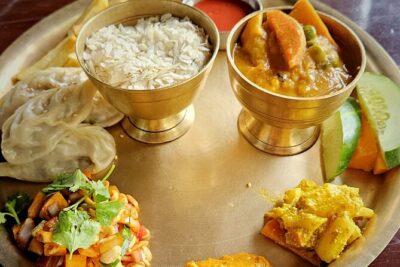
Day 12 returns to Kerung. Day 13 drives back to Kathmandu and includes a farewell dinner at a traditional Nepalese restaurant.
I like that the return includes a dinner close-out. It’s not necessary, but it helps you decompress. Also, a traditional restaurant is one of the more practical ways to reset your appetite after long travel days.
What makes the trip feel well-run: guides, permits, and a team approach
The included support is a big part of the value. This is not a DIY route where you’re chasing paperwork or translations.
You get:
- a highly qualified Tibetan guide throughout the trip
- Tibet permit and Tibet Group Visa included
- private land transfers in Tibet
- private A/C coach transfers for Kathmandu arrival and departure, plus Kathmandu sightseeing tours
On top of that, the brand’s broader Nepal trekking work shows up in the reviews as an emphasis on flexibility and real human help. Ajay is named in responses as part of the team communication, and that matters because the biggest risk on long trips is not the scenery, it’s the small problems. A team that adapts when your schedule shifts can save a lot of stress.
In other trekking reviews, a guide named Kurma is praised for bringing Nepalese nature and culture through humor and life energy. I can’t promise the same guide is on this specific Kailash itinerary, but it does suggest the operator invests in guide personality and clarity, not just logistics.
Meals, timing, and where your comfort comes from
Meal inclusion is listed as:
- breakfast (13)
- lunch (8)
- dinner (9)
That’s a helpful structure on an overland itinerary. When you’re crossing time zones and moving long distances, having meals organized reduces guesswork. It also means you can focus on timing, walking, and rest.
Alcoholic beverages are not included. Personal expenses are not included either, so you’ll want cash or cards for extras depending on what you find along the way.
Price and Value: is $3,500 actually fair for what you get?
At $3,500 per person for a roughly 14-day journey, you’re paying for three things more than scenery:
1) logistics and permits, including Tibet permit and Group Visa
2) guided navigation of the Kora, with a Tibetan guide included
3) private, organized transport, not just buses and hope
For many travelers, the question is not “Is it expensive?” It’s “What would it cost me to replicate it?” If you had to independently arrange transfers, border steps, permits, a guide, and daily timing, costs tend to rise fast, especially when you factor in stress.
Could you do it cheaper with a DIY approach? Possibly for some confident planners. But this price is aimed at fewer surprises and a smoother schedule. For first-timers to this route, that’s usually where value lives.
Also, the one clear non-included potential extra is horse riding expenses during the Kora, which is not included. If you need an alternate option for part of the walking, budget for that possibility.
Who this tour suits best
This is a good fit if you:
- want cultural and spiritual sites both in Kathmandu and in Tibet
- are okay with long driving days mixed with trekking
- have moderate physical fitness, since the route includes Kora walking and a high point crossing
- value organization, permits, and a guide included
It’s also described as a private tour/activity, meaning only your group participates. If you prefer not to share with strangers, that’s a comfort advantage.
Should you book the Kailash Mansarovar Overland Tour?
If your goal is the Mount Kailash and Lake Mansarovar experience with a structured Kora route, a Tibetan guide, and permits handled, this itinerary looks like a solid match. The Kerung acclimatization day is a meaningful sign that you won’t be pushed from day one into the hardest part.
I’d think twice only if you know you struggle with long days of travel, or if you are uncertain about your ability to handle a day that includes crossing Drolma La Pass. If that’s you, talk to the operator before you commit, because pacing and preparation are everything on this kind of journey.
If you book, go in with a patient mindset, keep your expectations aligned with slow, purposeful movement, and let the sacred rhythm of the places do the work.
FAQ
Where does the tour start, and what time?
The tour starts at Tribhuvan Airport in Kathmandu, Nepal, with a start time listed as 5:45 am.
How long is the Kailash Mansarovar overland tour?
The duration is listed as 14 days, approximately.
What is included in the price?
Included items are Kathmandu arrival and departure transfers by private A/C coach, two full-day Kathmandu sightseeing tours by private A/C coach, Kathmandu to Kerung transfers by private coach, private land transfer in Tibet, a Tibetan guide throughout, Tibet permit and Tibet Group Visa, and selected breakfasts, lunches, and dinners.
Are Tibet permits and the group visa handled for you?
Yes. Tibet permit and Tibet Group Visa are listed as included.
What meals are provided during the trip?
Meals included are breakfast 13 times, lunch 8 times, and dinner 9 times.
Is airport pickup included?
Yes. There are Kathmandu arrival and departure transfers, and on Day 1 you are met at Tribhuvan International Airport and escorted to a hotel.
Is horse riding for the Kora included?
No. Horse riding expenses during the Mount Kailash Circuit (Kora) are listed as not included.
Is this tour private, and can I bring a service animal?
It is described as private, with only your group participating. Service animals are allowed.
What if the weather is poor or there are not enough travelers?
The experience requires good weather. If it is canceled due to poor weather, you’ll be offered a different date or a full refund. It also requires a minimum number of travelers, and if canceled for that reason, you’ll be offered a different experience or a full refund.
Latest Kathmandu write-ups
- Langtang Valley Trek★ 5.0 · 3 reviews
- Langtang Valley Trek from Kathmandu★ 5.0 · 3 reviews
- Khopra Danda Trek★ 5.0 · 3 reviews
- 5 night / 6 days Kathmandu Nagarkot Chitwan Pokhara tour★ 5.0 · 3 reviews
- Nepal Highlights Tour: 5 Nights 6 Days Kathmandu & Pokhara Tour★ 5.0 · 3 reviews
- Kathmandu Valley Private Day Tour★ 5.0 · 3 reviews
- Kathmandu Heritage Day Tour★ 5.0 · 3 reviews
- Conquer the Himalayas: The Ultimate 16-Day Annapurna Circuit Trek★ 3.5 · 3 reviews
Tours, compared.
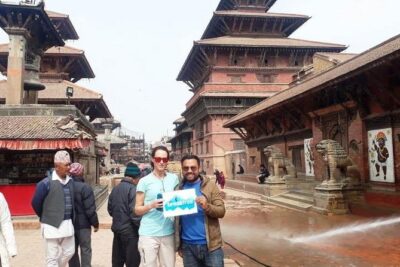
Private Kathmandu Sightseeing Tour | UNESCO World Heritage sites
Read our review →
Everest Base Camp Helicopter Tour landing at Everest View Hotel
Read our review →