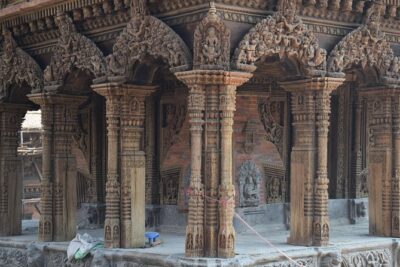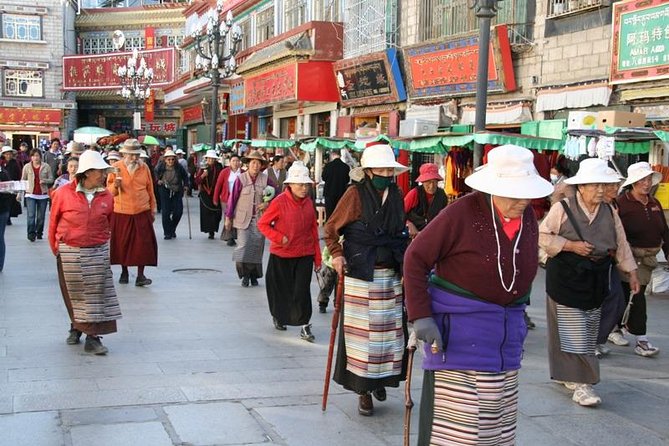
Reviewed · TOURS
Nepal, Tibet & Bhutan tour start & end in Kathmandu, visit Lhasa, Paro & Thimpu
This trip is interesting because it stitches together three Himalayan kingdoms in one go, with a flight that puts Mt. Everest and the big Himalaya on your route instead of just in the distance. I especially like the mix of ancient temple cities and major spiritual landmarks, from Kathmandu Valley palaces and stupas to Lhasa’s iconic Potala Palace. One thing to consider, though, is the pace. Even with the vehicle-based touring, you’ll be doing enough moving around that comfortable shoes and a calm attitude toward tight timing matter.
My second big like is the way the experience is handled for you. You get pickup and a local guide, and the organizer Rajan is known for quick replies and staying flexible when plans need tweaking. The possible drawback for some people is that the price is high, so you will want to be sure the included flights, guiding, and multi-country routing are exactly what you want, not an impulse buy.
Key highlights you’ll feel right away
- Kathmandu Valley culture first, with a full day around major palaces, stupas, and temples, plus a Patan stop that’s great for slowing down and noticing details.
- A Himalayan flight over Everest, so the views are part of the itinerary rather than left to chance.
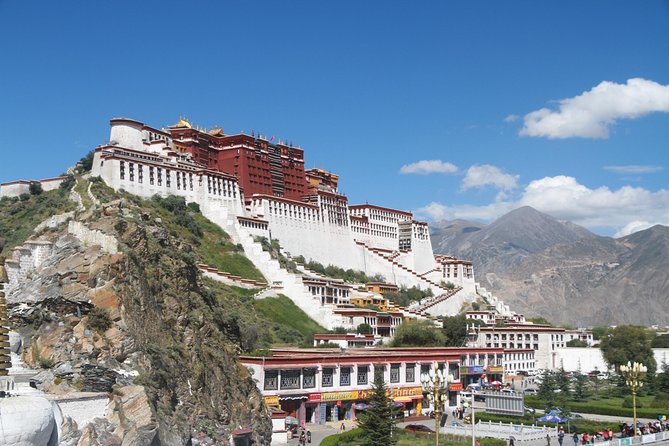
- Lhasa’s Potala Palace area, a must-see stop for anyone interested in Tibetan Buddhism and Tibetan life.
- Bhutan’s Paro and Thimphu region, plus Wangdue or Punakha, which gives you a taste of Bhutan beyond one town.
- Tigers Nest (Taktsang) option, with one optional day-hike that’s worth it if you’re up for a walk.
- Private-group feel, with pickup from designated meeting points and a setup aimed at your group only.
Kathmandu Valley first, because you need a base
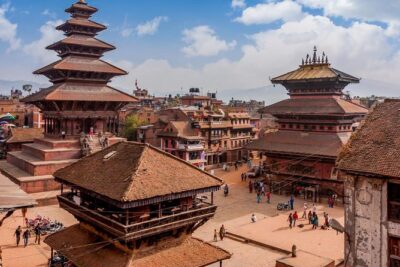
Starting in Kathmandu makes practical sense. You land in the same city where you can get your bearings, then jump into the “temple city” rhythm right away. The plan includes a Kathmandu full-day tour of about six hours focused on major palaces, stupas, and temples in the valley area.
What I like about this opening day is that it gives you context before you head into Tibetan and Bhutanese religious spaces. You’ll start to recognize common design elements, like how carved wood, painted surfaces, and stupa forms work together to signal sacred space. Even if you’re not a deep religion student, you’ll feel the atmosphere.
A small drawback: Kathmandu can be busy and sometimes chaotic in the streets around the sights. If you’re the kind of traveler who gets grumpy about crowds and noise, plan to stay patient and treat the city as part of the experience, not an inconvenience.
More to compare around Kathmandu
- Everest Base Camp Trek – 14 Days
★ 5.0 · 1,499 reviews - Everest Base Camp Trek
★ 5.0 · 842 reviews - Private Kathmandu Sightseeing Tour | UNESCO World Heritage sites
★ 5.0 · 756 reviews
Patan in two hours, for better detail and less rush
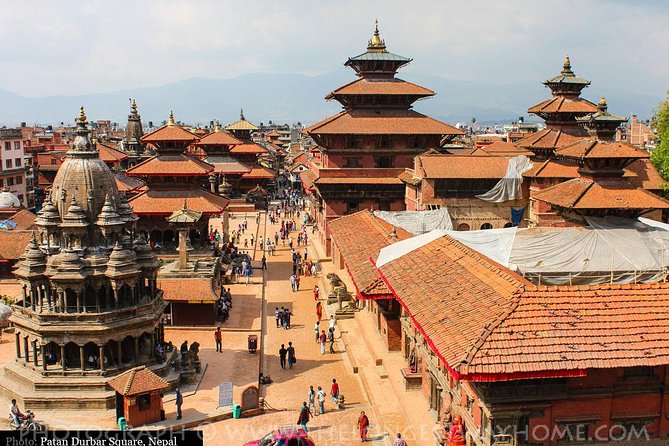
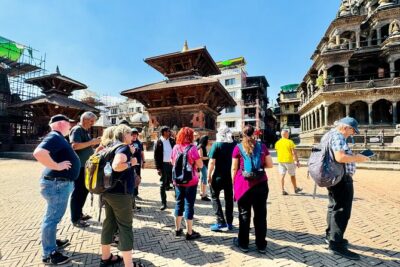
The second stop time is shorter, about two hours in Patan (Lalitpur). This is a smart contrast. Patan often feels slightly more “focused” than Kathmandu, and it’s a good place to slow down enough to notice craft and layout.
You’ll get a travel window where you can look closely at architecture, stonework, and temple courtyards without feeling like you’re constantly on the move. For me, that matters because a multi-country trip can blur together if every day is only big-ticket photo stops.
The consideration here is simple: two hours is not enough if you want museums-level time or want to wander for hours. Go in ready to skim the highlights well, not to complete Patan.
The flight over Everest, why it’s the heart of the routing
A major selling point is the flight over Mt. Everest and the Himalaya range between Nepal, Tibet, and Bhutan. You’re not just taking a transport day. This is built in as a viewing moment.
Why that matters: in the Himalayas, weather and visibility can be unpredictable. With the route planned around airborne sightlines, you’re more likely to get the big, dramatic views that make people chase this region in the first place. It also changes the pace emotionally. Instead of hours of road travel, you get a fast jump between cultural worlds with the sky doing the heavy lifting.
Do keep in mind that flights come with normal travel realities. Clouds and light change. Even with an itinerary designed for views, you might get a clearer look one moment and a foggy view later.
Lhasa and the Potala Palace area, a spiritual anchor
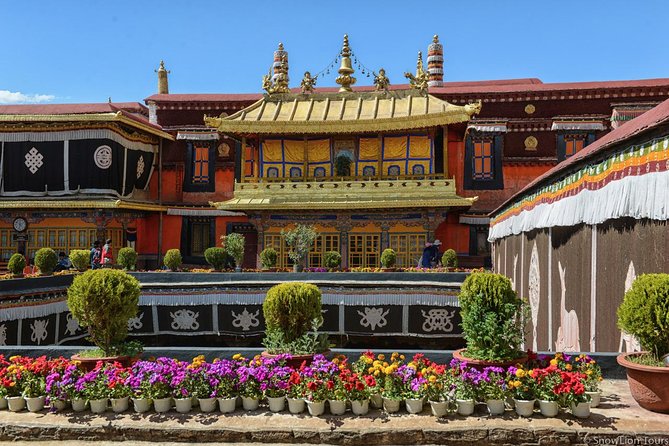
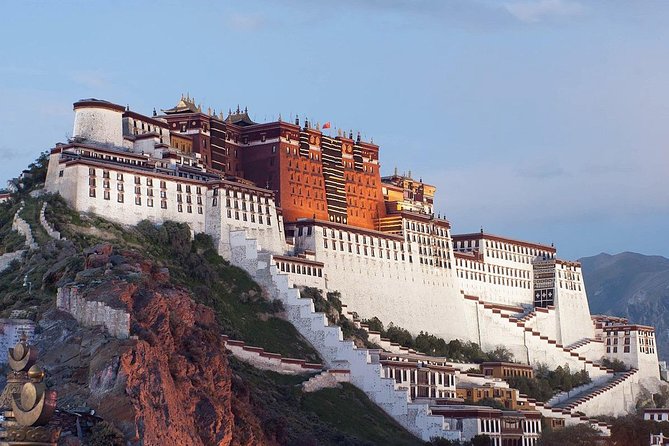
The trip’s Tibet focus centers on the Lhasa heartland, with a highlight at the Potala Palace of the Dalai Lama. This is one of those landmarks that draws people from all kinds of backgrounds. The buildings are dramatic, but the more interesting part is how the place functions as a spiritual and cultural center.
If you’re curious about Tibetan Buddhism, this stop gives you something concrete to attach to what you’ve read. You can see the monumental scale and the way the palace complex signals long-standing religious authority. It’s also a reminder that Tibetan culture has its own rhythms and priorities, not just geography.
What you should consider: Lhasa is high-altitude compared with Kathmandu. Even if the itinerary is vehicle based and guided, you might feel the altitude in your body. Take it slow once you arrive, sip water, and don’t treat the first hours like an energy competition.
A different sort of day out of Kathmandu:
- Kathmandu: 7 UNESCO Sites with Lunch
★ 4.8 · 744 reviews - Everest Base Camp Helicopter Tour landing at Everest View Hotel
★ 5.0 · 668 reviews - Half day cooking class in Thamel kathmandu
★ 5.0 · 607 reviews - Everest Base Camp Trekking
★ 5.0 · 485 reviews
Bhutan’s Paro, Thimphu, and Wangdue or Punakha
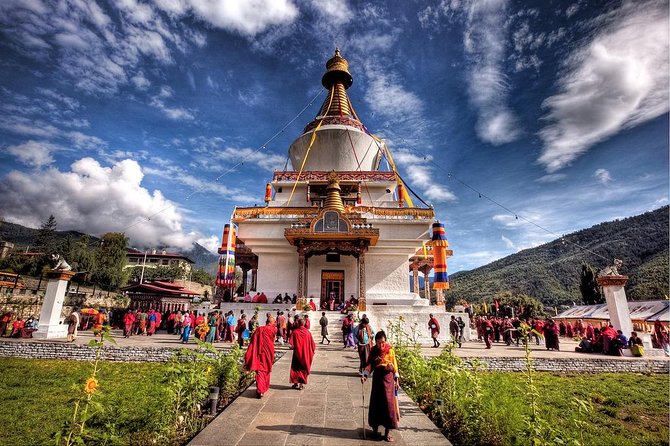
Bhutan is the other core half of the trip, built around the enchanting Paro and Thimphu area, plus Wangdu or Punakha. Those locations matter because Bhutan is not one single “type” of scenery or experience. Each region gives you a different sense of how people live alongside steep terrain, valley rivers, and fortress-like architecture.
Paro tends to be a gateway feeling, and Thimphu gives you a more central, lived-in perspective. Wangdue or Punakha shifts you toward valley views and a strong sense of Bhutan’s religious landscape as it connects to water and the surrounding hills.
A realistic note: Bhutan routing involves driving through mountain terrain. It’s part of the point, but motion can make long days tiring. You’ll feel better if you keep snacks and hydration simple and stay flexible about timing.
Tigers Nest (Taktsang) hike, optional, but don’t ignore it
One optional day-hike is to Tigers Nest Monastery (Taktsang Monastery). This is the kind of hike that makes the whole trip feel earned. Even if you don’t think of yourself as a hiker, this is often manageable for people in reasonable shape, and it’s a very Bhutan thing: religious devotion expressed through place and effort.
The “optional” detail is important. It’s listed as an optional day-hike within a moderate tour grade, with some gentle walking. If you want to go, go with the right mindset. Think steady pace, short breaks, and enjoying the changing viewpoints as you gain height.
Consideration: the stairs and steep sections can be challenging if you have knee issues or get winded easily. If you’re unsure, treat this as a decision you make based on how you feel that day, not based on willpower alone.
What the tour actually includes, and what it doesn’t
This package is positioned as a private experience, with accommodation as per itinerary, breakfast, and a local guide, plus pickup and drop-off from designated meeting points. It also uses mobile tickets, which can make day-of logistics easier once you’re on the ground.
It’s also built around visas support. The Nepal visa is available on arrival in Kathmandu, and the operator takes care Tibet and Bhutan visas. That alone can save serious time and stress, especially if you are not excited about forms and rules.
Not included are the kinds of costs that surprise people later: excess luggage charges if applicable, alcohol, and food and drinks unless specifically covered. Souvenir photos are available to purchase, which tells you there are paid photo moments around the trip.
Here’s how I’d judge value at $7,900 per person. This isn’t a budget tour. The value comes from combining multiple countries, a planned flight over Everest, local guiding, and visa handling into one managed package. If you were building this yourself, the biggest cost drivers would be flights, specialized logistics, and the time to coordinate permits and cross-border steps. If those are hard for you to do, the package starts to look more reasonable.
If your goal is simply to “see a couple temples,” then the price will feel steep. But if your goal is a single guided structure linking Nepal, Tibet, and Bhutan with big highlights, you’re paying for convenience and risk reduction.
Best months to go, and why that timing matters
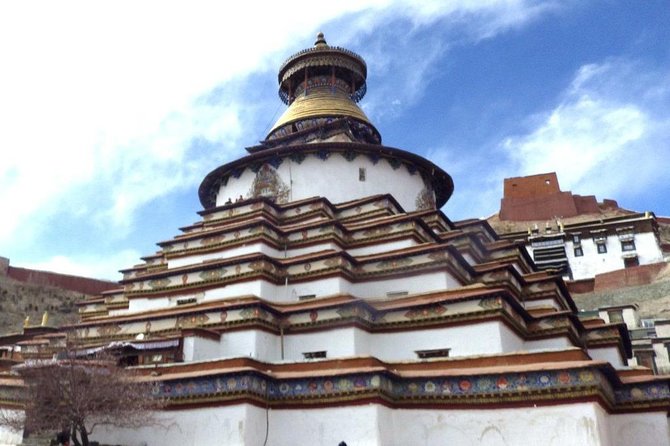
The listed best months are March through November, with emphasis also on shoulder-to-peak seasons like March, April, May, and October, plus many summer months. In this part of the world, weather strongly affects comfort and views.
If you’re chasing the Everest views from the air, you want the conditions that most often support clearer visibility. If you’re more focused on hiking the Tiger’s Nest option, you’ll also want temperatures and trail conditions that are reasonable.
In general terms: pick a month you can commit to, pack for layers, and don’t assume every day will be perfect. That’s especially true in high-altitude areas.
The tour grade, who it fits, and who should think twice
The grade is moderate with vehicle-based touring and some gentle walking, plus one optional day-hike to Tigers Nest. Most travelers can participate, and vegetarian options are available if you advise at booking.
This setup suits you if:
- You want guided context and transport managed between major destinations
- You can handle some walking at a calm pace
- You are curious about religion and architecture and not just sightseeing photos
You might think twice if:
- You want a totally low-effort trip with no stairs and minimal walking
- Altitude makes you feel unwell easily
- You prefer to travel at your own speed, not a schedule pace
The human factor, quick replies and real flexibility
Here’s where I put the extra weight. The operator behind this experience, Himalaya Holiday service Pvt. Ltd. (HHS), is run in a way that comes across as organized and responsive. Rajan is highlighted for prompt communication and for giving personal attention through changes mid-stream when needed.
That kind of responsiveness matters in this region. Things can change, from timing to comfort needs to how you want to pace a day. When the operator is fast to respond, you spend less energy worrying and more energy enjoying.
There’s also a promise repeated in the feedback: the tour is set up to run, not get cancelled easily. You still always want travel insurance for peace of mind, but it’s reassuring when the operator works hard to keep things on track.
Who should book this Nepal, Tibet, and Bhutan combo
You should book if you want a one-stop, guided connection of Nepal, Tibet, and Bhutan that includes the big cultural anchors and the Everest-over-flight angle. It’s a good match if you value visa handling support, private-group attention, and a structure that reduces your “how do I do this?” workload.
Before you book, do a quick reality check:
- Are you okay with a moderate amount of walking and a possible optional hike to Tigers Nest?
- Are you comfortable with high-altitude conditions in the Lhasa part of the route?
- Do you want multiple countries in a short time window, even if it means you won’t have hours of free wandering every day?
If those answers are yes, this trip fits your kind of travel. If your ideal trip is slow, flexible, and budget-friendly, you may want to look at a calmer pace or fewer countries.
FAQ
What city does the tour start and end in?
The tour starts and ends in Kathmandu, Nepal.
How much does the tour cost per person?
The price listed is $7,900.00 per person.
How long is the tour?
The duration is listed as 2 days (approx.).
What’s the tour grade and walking level?
The tour grade is moderate, with vehicle based touring, some gentle walking, and one optional day-hike to Taktsang Monastery (Tiger’s Nest) in Bhutan.
Is pickup included?
Yes, pickup and drop-off from designated meeting points are included.
Are visas handled for the trip?
Nepal visa is available on arrival in Kathmandu, and the operator takes care Tibet and Bhutan visas.
Is vegetarian food available?
A vegetarian option is available if you advise at booking.
Is this a private tour?
Yes, it’s private, meaning only your group will participate.
What’s the best time of year to go?
The listed best months are March, April, May, June, July, August, September, October, and November.
Latest Kathmandu write-ups
- Langtang Valley Trek★ 5.0 · 3 reviews
- Khopra Danda Trek★ 5.0 · 3 reviews
- Langtang Valley Trek from Kathmandu★ 5.0 · 3 reviews
- 5 night / 6 days Kathmandu Nagarkot Chitwan Pokhara tour★ 5.0 · 3 reviews
- Nepal Highlights Tour: 5 Nights 6 Days Kathmandu & Pokhara Tour★ 5.0 · 3 reviews
- Kathmandu Valley Private Day Tour★ 5.0 · 3 reviews
- Kathmandu Heritage Day Tour★ 5.0 · 3 reviews
- Conquer the Himalayas: The Ultimate 16-Day Annapurna Circuit Trek★ 3.5 · 3 reviews
Tours, compared.
Private Kathmandu Sightseeing Tour | UNESCO World Heritage sites
Read our review →
Everest Base Camp Helicopter Tour landing at Everest View Hotel
Read our review →