
Reviewed · POON HILL TREK
Poonhill Trek
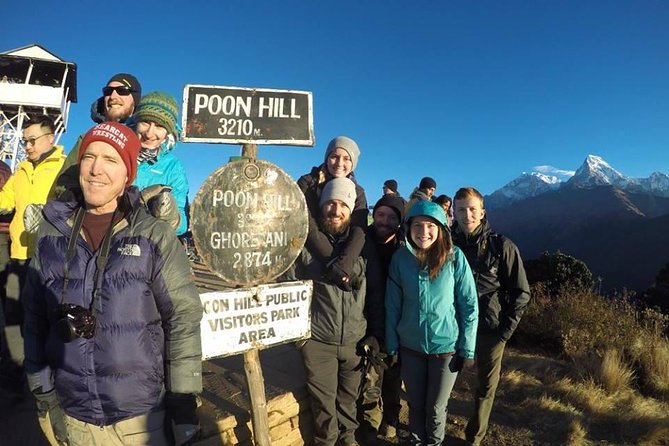
Poon Hill is interesting because you get that classic Annapurna moment, big mountain views, without signing up for a two-week ordeal. This 7-day small-group version gives you time to settle into the trek rhythm, ride out the altitude, and actually enjoy the changing scenery along the way. And yes, Poon Hill sunrise is the star of the show, with a top that sits at 3210m and a short hike to get you there.
Two things I especially like here: you get a guided route with permits handled for you, so your planning brain can relax. And the itinerary builds in variety, from village walking and forest paths to a dedicated day for hot springs soaking near Jhinu. A possible drawback is that even though the overall difficulty is manageable for many people, there are still steep moments, especially the climb into Ulleri and the push up toward Deurali, so bring realistic expectations for your legs.
Key points to know before you go
- Small group size (up to 14), which usually means less waiting around and more personal attention
- Permits handled with national park fees included, so you do not have to track paperwork
- Sunrise timing at Poon Hill (3210m), with a 45-minute climb to the viewpoint
- Hot spring day near Jhinu, making this more than just a photo hike
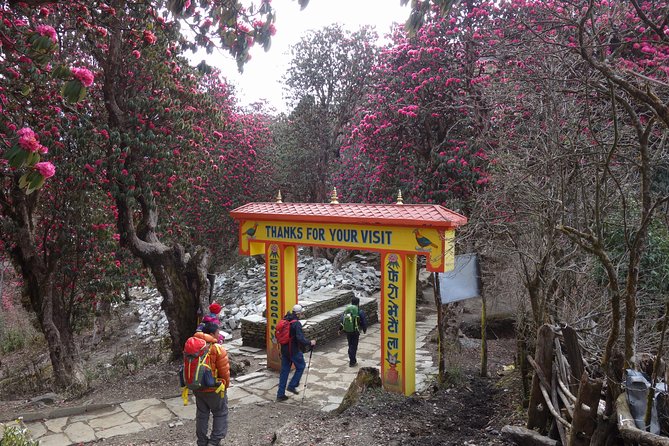
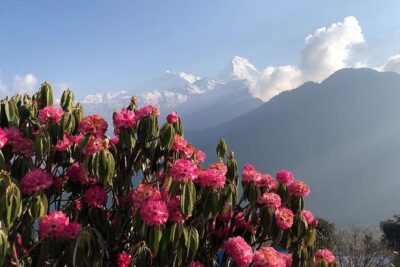
- Real trekking variety, river valleys, rhododendron and oak forests, and village routes
- Most meals included, with 5 breakfasts, 5 lunches, and 4 dinners built into the schedule
From Kathmandu to Pokhara, why the 7-day schedule feels smarter
Most Poon Hill plans try to cram everything into just a couple days. This one does the opposite, and that is a big reason it works well for more people. You start with a drive from Kathmandu to Pokhara, about 200 km, which takes around 6 hours by bus, with lunch arranged partway through the ride. If you prefer saving time, there’s also a flight option listed at about 30 minutes, followed by time to explore Pokhara’s lakeside area at your own pace.
I like starting in Pokhara because it gives you an immediate change of pace. Kathmandu is busy, dusty, and loud. Pokhara feels slower, and it sets you up mentally for the trek. You also get an overnight in a guesthouse in Pokhara before you begin walking, which matters if you want your first trekking day to feel like day one, not like day zero.
More Ghorepani and Poon Hill departures:
- 4 Days Poon Hill Trek
★ 5.0 · 94 reviews - Ghorepani(Poonhill Trek)
★ 5.0 · 81 reviews - 4-day Poon Hill Trek
★ 5.0 · 74 reviews
Day 1 on the trail: Nayapool start, Modi River stroll, and the Ulleri climb
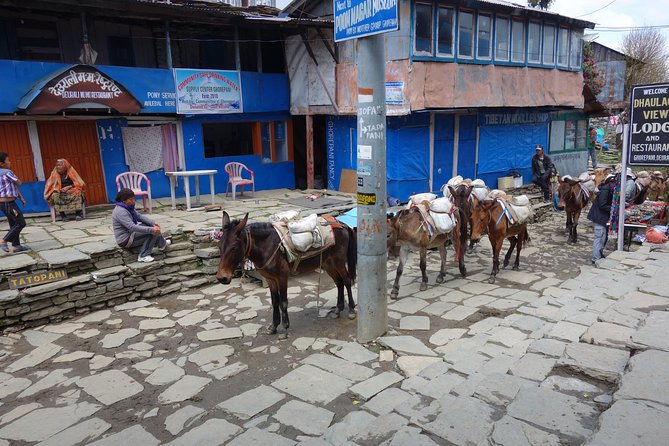
After breakfast in Pokhara, you ride about an hour toward Nayapool and start the hike from there. The trek begins with a short walk along the Modi River banks before you reach Birethani. This stretch is a good “warm-up,” and you’ll find small teahouses along the route, so you’re never stuck wondering where people rest.
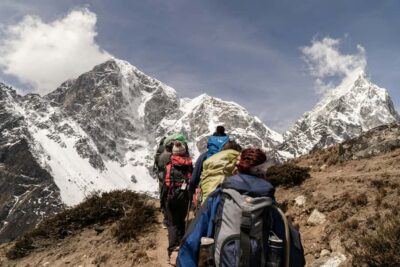
From there, the day builds: you climb to Hille, then on to Tikhedhunga. The path turns into the kind of trekking day that rewards steady pacing, because the big feeling of Day 1 is the steep ascent into Ulleri, a larger Magar village. That climb can be tough, but it is also exactly what makes Poon Hill feel earned instead of effortless.
If you are moderately fit, this is the day that tests your legs in a clear way. If you are newer to trekking, treat it like a learning day. You do not need speed. You need consistency.
Overnight is in Ulleri, which also puts you in a practical position for the next day’s walk toward Ghorepani.
Forest paths to Ghorepani, plus the reason sunrise is worth the early wake-up
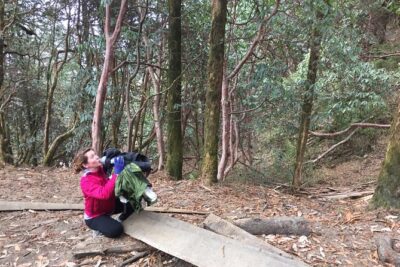
On Day 3 you leave Ulleri and move into a gentler ascent. The route passes through rhododendron and oak forests, which is not just nice to look at, it changes how the day feels. Forest cover can make walking more comfortable, especially if the weather is warm.
You pass through Banthanti and then reach Ghorepani, a popular base for the Poon Hill hike. This is where you’ll want your early-morning plan to feel simple. You’re staying in a guesthouse in Ghorepani, which sets you up for an easy transition into the next day’s climb.
I really like Ghorepani in the overall flow, because it is the place where “the trek” starts turning into “the moment.” From here, sunrise planning stops being theoretical.
Poon Hill viewpoint day: the 45-minute push to 3210m, then down toward Tadapani
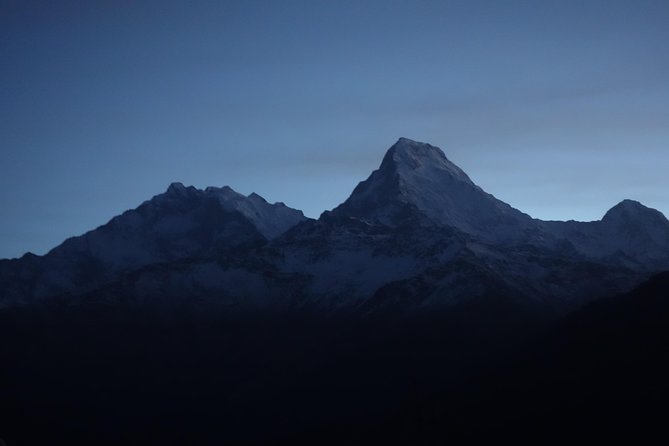
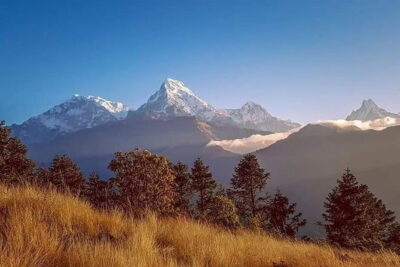
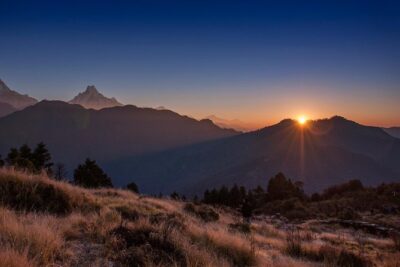
Day 4 is the classic Poon Hill day, and the best part is that the viewpoint climb is short. From Ghorepani, you hike about 45 minutes to the top of Poon Hill, reaching 3210m. This is described as a photographer’s paradise, and that word matters less than the reality: you are going up specifically to see the mountain ranges in a big, clear way.
Once you’re back down, breakfast happens in Ghorepani before you shift focus from sunrise to trekking again. Then the route heads toward Deurali via a steep, strenuous climb. After that, you move along an easy jungle route toward Banthanti, and you might spot monkeys and langurs. The day finishes at Tadapani for overnight.
In plain terms: this is the day where your schedule includes both the “big view” and a solid walking day afterward. If you tend to burn out, build your energy strategy around that. Do not treat the day as a single event. It is two: sunrise first, then legs second.
More to compare around Kathmandu
- Everest Base Camp Trek – 14 Days
★ 5.0 · 1,499 reviews - Everest Base Camp Trek
★ 5.0 · 842 reviews - Private Kathmandu Sightseeing Tour | UNESCO World Heritage sites
★ 5.0 · 756 reviews - Kathmandu: 7 UNESCO Sites with Lunch
★ 4.8 · 744 reviews
The hot springs day near Jhinu: a rest day that still keeps you moving
Most treks in this region include some kind of cultural or scenic stop, but this one gives you an actual recovery moment. After breakfast at Tadapani, you walk down gradually through rhododendron forests. You cross the Kimsung River, then continue with an ascent toward a Gurung village called Gurjung.
From there you keep going uphill and reach Hot Spring. The rest of the day is built around enjoying the hot springs, then you sleep in a guesthouse.
I love this part because it changes what the trek becomes. Instead of feeling like nonstop work, you get a structured decompression. Your body gets a break from constant pounding, and you also get a reason to slow down and be present. It is one of the moments where the trip stops feeling like a challenge test and starts feeling like a real travel experience.
Finishing with Modi Khola, Birethanti, and Fish Tail views on the way back
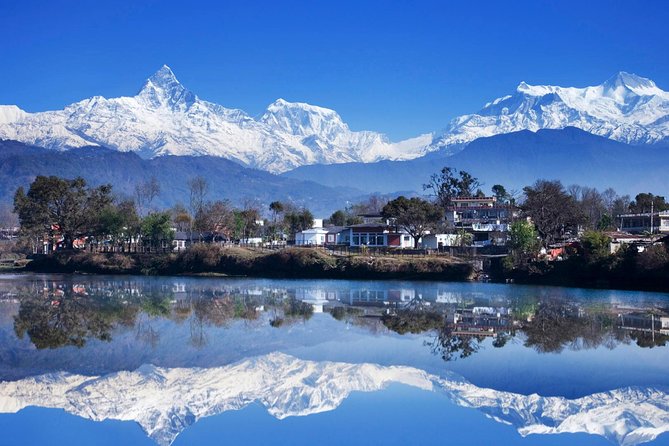
Day 6 starts from Jhinu, then you take the trail down to Modi Khola. This is where the valley views really show up, including Fish Tail and the Annapurna range. You continue along the banks of Modi Khola until you reach Birethanti, which is where the trekking loop started.
Then you walk about half an hour to the van that takes you back to Pokhara. You sleep in a hotel in Pokhara that night, which is a nice contrast to the guesthouses during the trek. It helps you end strong, with comfort when you are ready for it.
This “last walking day” can feel emotional for a lot of people, because you are moving through familiar points. If you like closure, you get it here.
Day 7 return to Kathmandu, plus the farewell dinner
On the final day, the plan brings you back to Kathmandu by bus from Pokhara. The drive is listed as 6 to 7 hours. Then you finish with a farewell dinner and overnight in Kathmandu.
Practically, this means you’re not dropped back in Kathmandu and rushed into the next task. You get a ceremonial send-off, which can be a nice way to process the trek you just did.
Price and value: what $600 gets you (and why it is not only about the number)
At $600 per person, you are paying for more than guiding. The big value comes from how much is already handled:
- Accommodation across the itinerary
- Most meals (5 breakfasts, 5 lunches, 4 dinners)
- National park fees and permits handled through the plan
- A professional guide
- Round-trip shared transfers between Kathmandu, Pokhara, and the trail entry/exit points
- Hotel pickup and drop-off if you choose that option
This is important because trekking in Nepal quickly turns into a budgeting headache if you have to piece together permits, logistics, and meals yourself. Here, you keep your costs more predictable, and your time gets protected.
Small-group size also supports the value. With a maximum of 14 travelers, the schedule tends to be easier to manage, and you are more likely to feel you get personal attention. The reviews around this program also show a pattern: guides such as Krishna, Rajan, Phurba, Kishore, Yadu, Gopal, Bhairas, and others come up repeatedly for being helpful and accommodating, and that kind of consistency is what you want when you’re heading into the mountains.
Also: you get a mobile ticket, which is a small thing, but on travel days, small things reduce stress.
Who this trek fits best, and where it might not
This trek is best suited to moderately fit travelers. That phrasing matters, because the route includes steep climbs at several points, particularly the ascent into Ulleri and the strenuous section toward Deurali. Most people who can handle daily hikes with some climbing can do well here, especially with a guide pacing you.
It also tends to fit solo travelers and friends who want a guided structure. The group size is small enough to meet people, but you still get local knowledge and support.
It may not be your best choice if you want a mostly flat, low-effort trek. Even on a well-paced plan, the steps and climbs are part of the package. If you’re not comfortable with that, you’ll likely find it tiring.
How to pace yourself (and avoid the classic leg mistakes)
I cannot control how fit you are, but I can tell you what to do with your energy on a route like this:
- Walk slower than you think you need to. The steep stretches add up, especially on days with multiple climbing phases.
- Plan your mornings around sunrise day. On the Poon Hill morning, you are moving early and hiking up quickly, so keep your breakfast and clothing routine simple.
- Use trekking poles if you have them. They can help on steep climbs and especially on descents.
- Keep an eye on your footing near villages and river paths. Those areas can be uneven, and you do not want a slip to ruin your day.
Also, bring warm layers. In the higher morning air around sunrise, cold can surprise you even when afternoons feel mild.
Things I would ask before you go
Before paying attention to what you pack, I’d ask your guide a few practical questions during the early part of the trip. The program data indicates a professional guide is included, and reviews frequently mention responsiveness during planning. Still, it never hurts to clarify:
- Your group’s comfort level with steep days, especially Day 1 and the climb toward Deurali
- Whether you are selecting the bus or flight option from Kathmandu to Pokhara
- What hot spring time looks like on your particular schedule
This is also a good time to mention if you have any concerns about altitude discomfort. The trek runs about 7 days, and time is part of the strategy, but you still want personal pacing.
Should you book this Poon Hill trek?
If you want the Poon Hill payoff, sunrise views from 3210m, plus a trek that feels like it has breathing room, I think this is a strong pick. The best reasons are practical: permits and national park fees are handled, most meals and accommodations are included, and the hot springs day near Jhinu gives you a real recovery moment. The small-group size and the consistent praise for guides like Krishna, Rajan, Phurba, Kishore, Gopal, and Yadu also suggest you’ll be in good hands.
Book it if:
- You’re moderately fit and ready for steep sections
- You like guided logistics that reduce decision fatigue
- You want sunrise views without a long, exhausting trek commitment
Consider a different option if:
- You want mostly easy walking with minimal climbing
- You are very sensitive to altitude and steep climbs, and you prefer a more gradual route
FAQ
What time does the trek start in Kathmandu?
The start time is listed as 6:30 am.
Where is the meeting point?
The meeting point is Green Nepal Tourism Pvt Ltd, Nikhil Marga, Mitranagar Marg, Kathmandu 44600, Nepal.
How long is the Poon Hill trek?
It is approximately 7 days.
Do you need permits, and are they included?
National park fees and all necessary permits are included.
What meals are included in the price?
The package includes breakfast 5 times, lunch 5 times, and dinner 4 times.
Is pickup available from the meeting point?
Pickup and drop-off are offered if you select that option, otherwise you return to the meeting point.
Is there free cancellation?
Yes, free cancellation is available up to 24 hours in advance of the experience start time for a full refund.
Latest Kathmandu write-ups
- Langtang Valley Trek★ 5.0 · 3 reviews
- Khopra Danda Trek★ 5.0 · 3 reviews
- Langtang Valley Trek from Kathmandu★ 5.0 · 3 reviews
- 5 night / 6 days Kathmandu Nagarkot Chitwan Pokhara tour★ 5.0 · 3 reviews
- Nepal Highlights Tour: 5 Nights 6 Days Kathmandu & Pokhara Tour★ 5.0 · 3 reviews
- Kathmandu Valley Private Day Tour★ 5.0 · 3 reviews
- Conquer the Himalayas: The Ultimate 16-Day Annapurna Circuit Trek★ 3.5 · 3 reviews
- Kathmandu Heritage Day Tour★ 5.0 · 3 reviews
Poon Hill Trek, compared.
4-Day Ghorepani, Poonhill & Ghandruk Mountain Trek
Read our review →
Browse the lists this tour appears in