
Reviewed · HISTORICAL TOURS
Cultural tour in Kathmandu
Kathmandu’s cultural sites are not a museum set you walk through. They are living places of worship, craft, and daily life, and this route strings together the major highlights in a way that makes the connections click. I like how it links UNESCO heritage with spiritual stops like Swayambhunath, so the day feels both educational and calming.
Two things I especially like: you get a close-up look at Patan’s Malla-era artistry through stops like the Krishna temple and surrounding chowks, and you end up at Kathmandu Durbar Square to see the Living Goddess Kumari site and its famed nine-story pagoda palace setting. The views from the 365 stone steps at Swayambhunath are the kind of reward that makes the climb feel worth it.
One consideration: it’s an 8-hour day with real walking, including steep stairs. If weather turns or you dislike crowds at temple sites, you’ll want to plan your pace, and remember lunch is not included.
Key Highlights You Should Know Before You Go
- UNESCO-packed route: Patan and Kathmandu Durbar Square in one go, not just a single landmark.
- Patan’s Chowks and temples: Krishna temple with 21 pinnacles, plus multiple chowks and stupa areas.
- Swayambhunath climb: 365 stone steps to an older-than-you-think stupa and a wide city panorama.
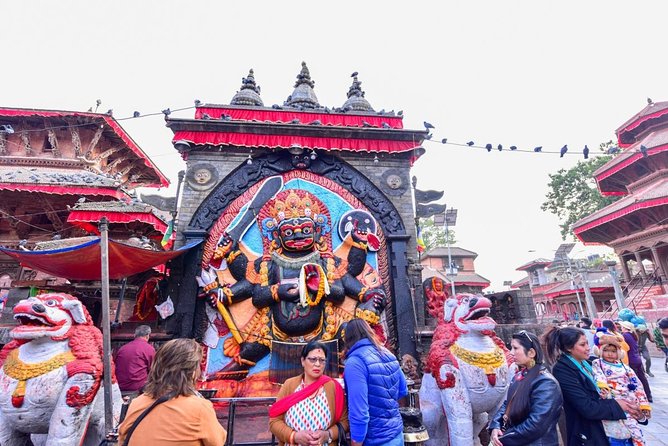
- Living Goddess context: Kathmandu Durbar Square, Kumari, and the nine-story pagoda palace.
- Private format: only your group participates, which helps you move without feeling rushed.
UNESCO Hits in One Day: Patan and Kathmandu Durbar Square
This tour is built for people who want more than a highlight photo. It connects Patan and Kathmandu Durbar Square, two UNESCO listed centers that show how arts and architecture developed in the Kathmandu Valley. You’ll spend the day moving between Hindu and Buddhist spaces, with Tibetan cultural influence showing up through monasteries and devotional styles.
Patan is often where you start to notice the “how” behind the look of the buildings. You get the feeling that the city was designed by craftspeople, not just planners. Kathmandu Durbar Square then shifts the focus to power, ritual, and symbolism, because it used to be a royal palace complex and now remains a key spiritual and cultural hub.
The route also works because it doesn’t treat faith as a side note. It frames the day around harmony between traditions and the idea of being present. That matters when the streets are crowded and the temples are busy, because it helps you understand what you’re seeing.
More Historical Tours in Kathmandu:
- Private Kathmandu Sightseeing Tour | UNESCO World Heritage sites
★ 5.0 · 756 reviews - UNESCO Seven World Heritage Tour in Kathmandu
★ 5.0 · 253 reviews - Nepal Discovery Tour: Heritage Sites & Scenic Hill Easy Hike
★ 5.0 · 121 reviews
Krishna Temple, Chowks, and Mahaboudha in Patan
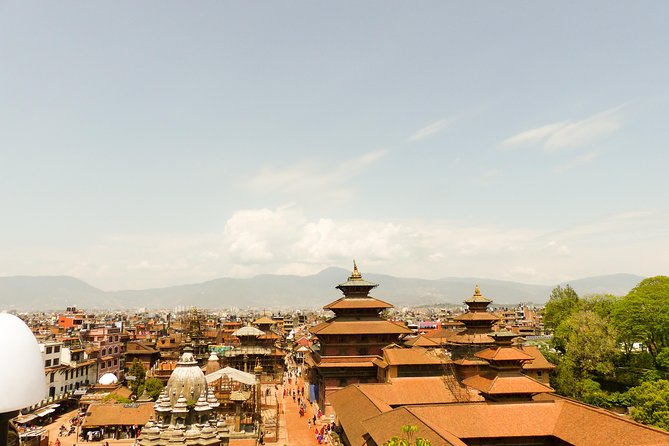
The Patan half starts with the kinds of details most first-time visitors miss. You’ll visit a Krishna temple that is known for its stone-built design and 21 pinnacles. That number is a clue that you’re looking at architecture with symbolism, not just decoration. Spend a moment here looking upward and across edges, because the stonework is part of the story.
From there, you move through the temple and chowk circuit, including stops such as Mahaboudha and a sequence of chowks like Mul Chowk, Sundari Chowk, Mani Chowk, and Narayan Chowk. Chowks are basically crossroads of culture in Kathmandu Valley cities. They are where crafts, worship, and community life overlap, so you’ll understand why the same city can feel both sacred and ordinary within minutes.
You’ll also see golden temple and nearby stupas around this area, which helps you connect the Hindu and Buddhist visual language you’re encountering across the day. In plain terms, you begin to spot repeat patterns: layered roofs, carved stone, and devotional spaces positioned so people gather naturally.
One of my favorite parts of this segment is the chance to pass through alleys and traditional houses. The tour is not just standing at the front gate and admiring from a distance. Narrow lanes make the city feel older and more human, even when traffic and activity make it chaotic. Do expect the streets to be active, so keep your phone secure and your eyes up for steps and uneven ground.
Swayambhunath, the Monkey Temple, and Those 365 Stone Steps
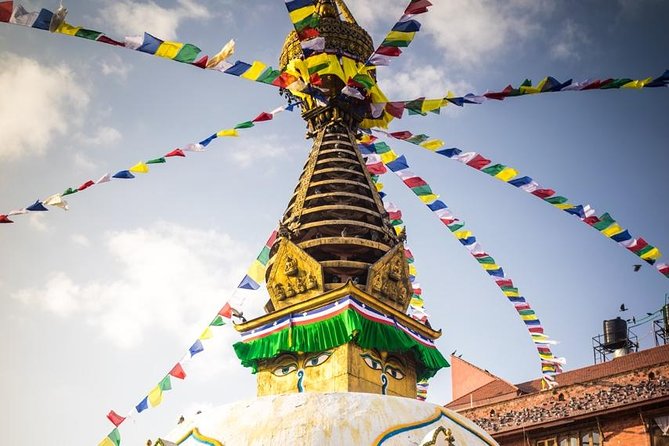
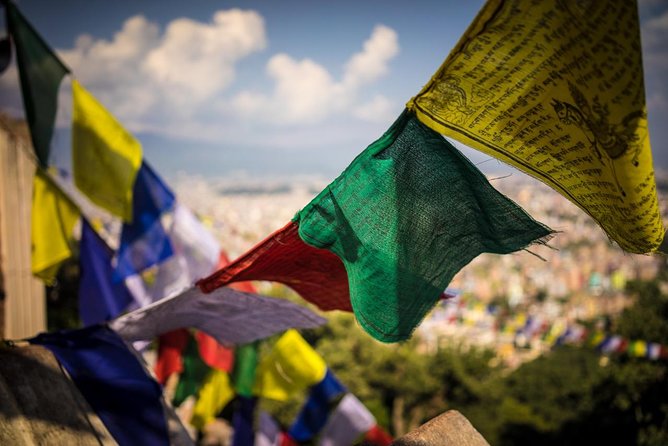
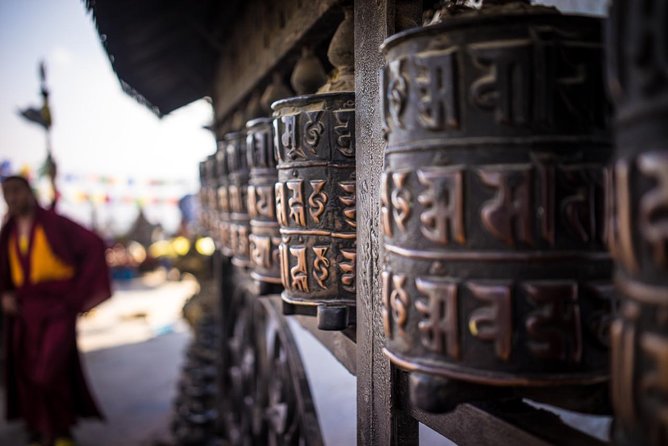
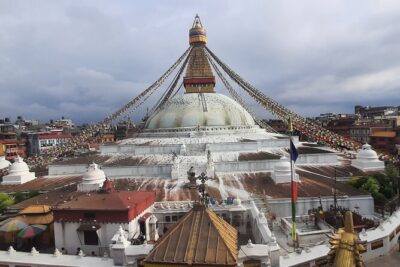
Then comes the big emotional and visual payoff: Swayambhunath, the famous stupa often called the Monkey Temple. The idea here is simple. Climb from the city level up to Nepal’s oldest stupa setting, then look out over the valley and connect it back to the rest of what you saw earlier.
You’ll tackle 365 stone steps, which is not a gentle stroll. But the pace is usually manageable because you’re climbing in short chunks while learning what you’re looking at. If you take your time, you’ll notice how the monasteries and stupa spaces mix together as you rise, so the climb becomes part of the education, not just an obstacle.
At the top, the views are wide enough to help you understand Kathmandu as a system, not just a set of monuments. The tour frames Swayambhunath as a hallmark of faith and harmony for centuries. Locals also share the belief that the Kathmandu Valley’s glory started from this point. Treat that as local tradition, not a science fact, but it’s exactly the kind of story that makes the architecture meaningful.
Also, expect monkeys. You’re in a place that is known for them, and temple visitors typically have a respectful, keep-your-distance mindset. I’d still recommend you avoid snacks in open hands and keep sunglasses and bags zipped until you’re through the main areas.
This stop is great if you like spiritual spaces that feel active. It’s also a good “reset” after the busier street sections, because the atmosphere up top encourages slower looking and quieter breathing.
Kathmandu Durbar Square: Kumari, the Nine-Story Pagoda, and Wooden Craft
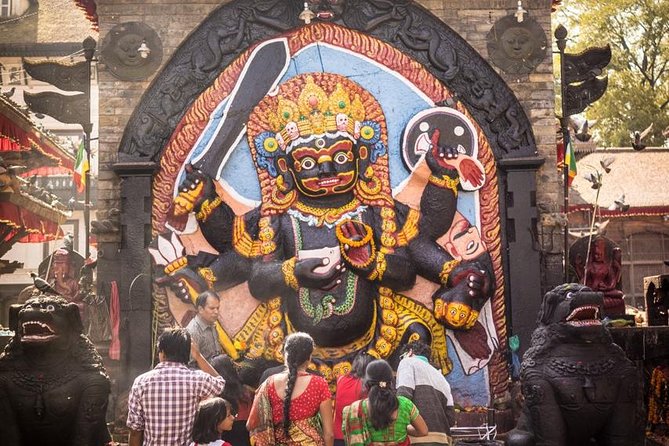
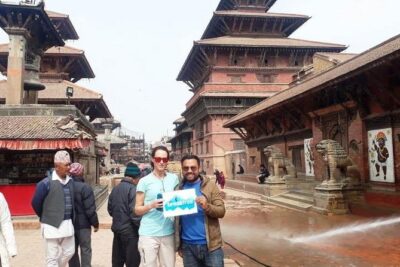
You end in Kathmandu Durbar Square, another UNESCO listed site that used to be a royal palace. Now it’s closely tied to ritual life, including the Living Goddess Kumari. Even if you don’t fully follow the tradition, you’ll see how the site is designed to support reverence and observation.
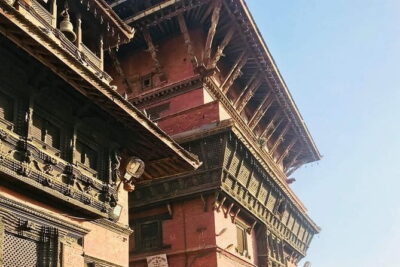
A standout here is the pagoda-style palace with nine stories. Pagodas create a strong silhouette, and the structure is the kind of thing you notice from multiple angles. The tour’s timing gives you a chance to look around and then take in panoramic city views from the Durbar Square area, so you feel the scale of the city again.
The tour also points you toward the artistic side of the complex. Palaces and pagodas here are known for wooden craft that flourished in the 14th century. That detail matters because Kathmandu Valley architecture often feels like stone plus wood, not stone alone. When you start noticing that woodwork, you stop seeing temples as generic shapes and begin seeing them as built objects made by skilled hands.
One practical note: Durbar Square can be crowded, especially around key viewing areas. If you like quiet and space, come prepared to shift positions and let the crowd move. If you go with a flexible mindset, the activity adds to the feeling that this is still a working cultural center, not an empty “old place.”
More to compare around Kathmandu
- Everest Base Camp Trek – 14 Days
★ 5.0 · 1,499 reviews - Everest Base Camp Trek
★ 5.0 · 842 reviews - Kathmandu: 7 UNESCO Sites with Lunch
★ 4.8 · 744 reviews - Everest Base Camp Helicopter Tour landing at Everest View Hotel
★ 5.0 · 668 reviews
How the 8-Hour Format Works (and Where It Can Feel Long)
This tour runs about 8 hours, starting at 8:15 am. A morning start helps because temples are often easier to enjoy before midday crowds and heat. You’ll also benefit from starting early if you want good sightlines for photos at the stupa and Durbar Square segments.
Transport is handled with an air-conditioned vehicle and pickup is offered. That’s a real quality-of-life detail in Kathmandu, where traffic and walking distances can add up. The private format is another advantage. Since it’s just your group, you can move at a pace that fits your comfort level rather than being swept into a larger herd.
Still, the day has two “legs” that require more energy: walking through the old city alleys and climbing at Swayambhunath. If you’re sensitive to stairs, plan breaks. If you’re fine with walking but dislike crowds, keep your expectations realistic. Temple areas are public spaces, and the crowd is part of the scene.
Also remember: bottled water is included, but lunch and coffee or tea are not. If you skip food all day in Kathmandu, you’ll feel it by afternoon. Bring a snack you can eat quietly during transitions, or plan a simple meal after the tour ends.
Price and Value: What $102.57 Covers (and What You Still Need)
At $102.57 per person, this is priced like a focused cultural day, not a bargain bus tour. The value comes from what’s included: an air-conditioned vehicle, all fees and taxes, and bottled water. Entrance fees can add up quickly on UNESCO routes, so having them bundled removes one layer of uncertainty.
What’s not included is also important for budgeting. Lunch and coffee and/or tea are on you. That’s normal for day tours, but you should plan for it so you don’t end up searching for food in a hurry at the end of a long day.
You’re also paying for interpretation. The tour is designed around art and architecture development, especially in the context of Malla period influences you’ll connect to Krishna temple and the Patan stop set. When a guide explains why the buildings look the way they do, you start seeing details instead of just landmarks.
One more value factor is the small, private group model. Private tours cost more than group ones, but they tend to feel less stressful because you’re not stuck waiting for strangers. It’s a good choice if you want a smoother experience and more chances to ask questions.
Tickets, Timing, and the Small Stuff That Matters
The tour uses a mobile ticket, and confirmation happens at booking time. Start time is set at 8:15 am, so plan to be ready a little early, not at the last possible minute.
Weather matters here. The experience requires good weather, and if it’s canceled due to poor weather you’ll be offered a different date or a full refund. For planning, that means you should avoid booking this as a “last minute maybe” if your Kathmandu schedule is tight.
If you’re traveling with a service animal, service animals are allowed. And the tour notes that most people can participate, which usually points to manageable general mobility needs, but you still should expect stairs at Swayambhunath.
If you’re looking at this because you want peace and harmony as the theme, be aware that the day will still feel like Kathmandu. The spirit in the sites is real, but the city around them can be energetic. Bring a light, patient attitude, and you’ll get more out of it.
What to Pack for Patan and Swayambhunath
Bring comfortable shoes with good grip. You’ll be moving through old lanes and up stairs, so sneakers or sturdy sandals usually beat dress shoes. If you’re sensitive to sun, pack a hat and sunscreen, because Swayambhunath is outdoors for most of the climb and viewing.
Also pack a small layer. Even when Kathmandu is warm, mornings can feel cool, and temple areas can involve shade shifts.
You’ll have bottled water on hand, but I still like carrying a small snack for the gap between stops, especially since lunch is not included. Keep it simple, and avoid anything that smells strongly if you’re in close quarters.
For photography, a phone or small camera works well, but keep it away during the most active monkey areas. For temple visits, remember that you’ll be in spiritual spaces, so dress modestly and be ready to follow any on-site guidance.
Should You Book This Kathmandu Cultural Tour?
Book it if you want a single day that actually connects the dots between Kathmandu Valley heritage sites. You’ll see Patan, then climb up to Swayambhunath for the panoramic reward, and finish at Kathmandu Durbar Square for Kumari and the nine-story pagoda palace setting. The route is strong if you care about architecture details and want spiritual context, not just a checklist of stops.
Skip or reconsider if your plan can’t handle long walking and stairs. Swayambhunath alone is a workout, and Kathmandu’s old streets require steady footing and patience. Also consider whether you prefer to eat on your own schedule, because lunch isn’t included.
If your ideal day in Kathmandu is guided, structured, and focused on real cultural places that are still in use, this one is a solid match, and the private setup makes it feel easier to manage.
FAQ
How long is the Kathmandu cultural tour?
It lasts about 8 hours.
What time does the tour start?
The start time is 8:15 am.
Is pickup included?
Yes, pickup is offered, and the tour uses an air-conditioned vehicle.
What is included in the price?
The tour includes air-conditioned vehicle transport, all fees and taxes, and bottled water.
Is lunch included?
No. Lunch is not included, and coffee and/or tea are also not included.
Is this tour private?
Yes. It is a private tour/activity, and only your group will participate.
What is the cancellation policy?
You can cancel for a full refund up to 24 hours in advance. The experience also requires good weather, and if it is canceled due to poor weather you will be offered a different date or a full refund.
Latest Kathmandu write-ups
- Langtang Valley Trek★ 5.0 · 3 reviews
- Khopra Danda Trek★ 5.0 · 3 reviews
- Langtang Valley Trek from Kathmandu★ 5.0 · 3 reviews
- 5 night / 6 days Kathmandu Nagarkot Chitwan Pokhara tour★ 5.0 · 3 reviews
- Nepal Highlights Tour: 5 Nights 6 Days Kathmandu & Pokhara Tour★ 5.0 · 3 reviews
- Kathmandu Valley Private Day Tour★ 5.0 · 3 reviews
- Conquer the Himalayas: The Ultimate 16-Day Annapurna Circuit Trek★ 3.5 · 3 reviews
- Kathmandu Heritage Day Tour★ 5.0 · 3 reviews
Historical Tours, compared.
Private Kathmandu Sightseeing Tour | UNESCO World Heritage sites
Read our review →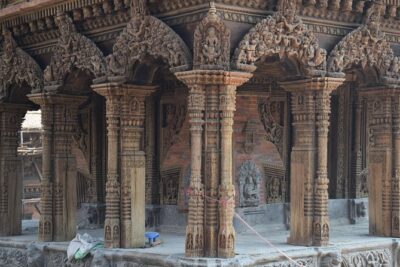
Nepal Discovery Tour: Heritage Sites & Scenic Hill Easy Hike
Read our review →
Kathmandu Private Sightseeing Tour | UNESCO World Heritage Sites
Read our review →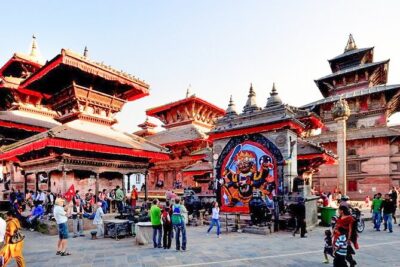
Browse the lists this tour appears in