
Reviewed · POON HILL TREK
Poon Hill Trek package
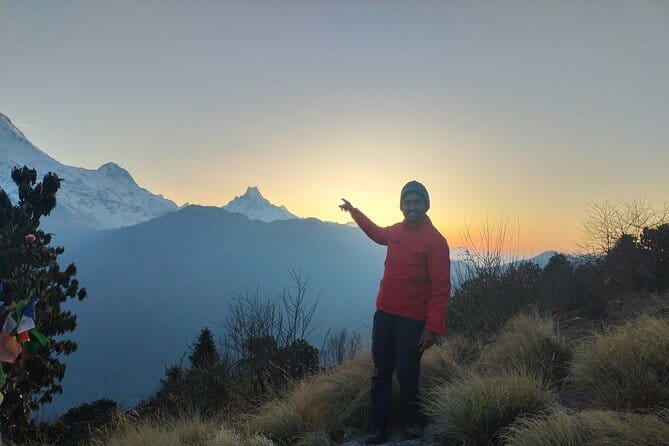
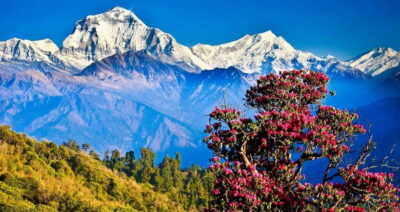
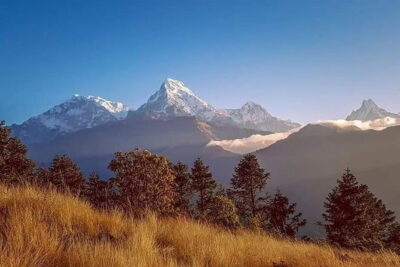
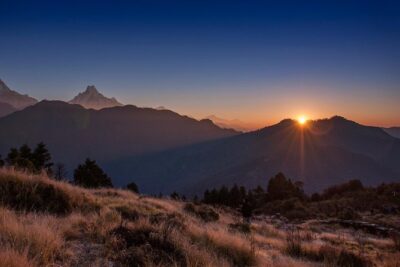
Poon Hill is one of those Nepal treks that hits fast, even if you have limited time. You get the big payoff of Poon Hill sunrise and wide views into the Annapurna and Dhaulagiri ranges, then you walk through lived-in Gurung villages instead of only pass-through scenery.
Two things I especially like about this package: it keeps the trek at an easy, normal-fitness pace, and it includes a lot of the hard-to-plan parts like transport, guided support, and meals. The small-group size (max 8) is another plus, because mornings and trail logistics feel calmer.
One heads-up before you book: expect early starts, plus a long drive day from Kathmandu to Pokhara (about 6 to 8 hours). Also, drinks are not included, and tips for your guide or potters are expected.
Key takeaways before you go
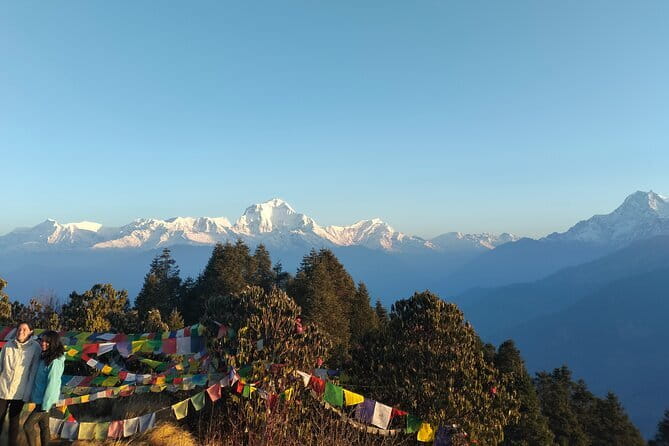
- Poon Hill sunrise is the main event, with mountain views that are the reason most people come.
- Birethanti is your Annapurna conservation checkpoint, where you handle permits before walking onward.
- Rhododendron forest trekking to Ghorepani gives your day a classic, scenic rhythm.
- Ghandruk adds culture, with a real village stop after your sunrise morning.
- Max 8 trekkers keeps the group experience manageable, with guidance close at hand.
- Value comes from what’s included, especially guides, lodging for 3 trek nights, Pokhara hotel, and multiple meals.
Why this Poon Hill Trek feels like the best “first Himalayan” option
If you’re chasing the wow factor, Poon Hill is a smart target. You’re not committing to the high-intensity climbs or long acclimatization schedules of heavier treks. Instead, this route is set up for easy difficulty with a pace that fits normal fitness, while still delivering big-picture mountain panoramas.
What makes it work is the mix. You get a sunrise or sunset view from Poon Hill, then you spend the walking days moving through villages known for Gurung and Magar culture. Along the way, the route travels through rhododendron forests, terraced fields, and alpine-meadow style areas, so your day-to-day walking doesn’t feel repetitive. It’s the kind of trek where you’re always seeing something different, even if you’re not hiking all day long.
And the fact that you’re watching the Annapurna and Dhaulagiri ranges from a viewpoint means you’re planning around light, not just altitude. Sunrise hikes can be chilly and a bit tiring, but the payoff is the reason people still set alarms for this trail year after year.
More Ghorepani and Poon Hill departures:
- 4 Days Poon Hill Trek
★ 5.0 · 94 reviews - Ghorepani(Poonhill Trek)
★ 5.0 · 81 reviews - 4-day Poon Hill Trek
★ 5.0 · 74 reviews
The 5-day rhythm, from Kathmandu meeting point to the Pokhara finish
This package starts in Kathmandu, near Thamel, at the Nepal Hiking Adventure Company office on Z Street. You’ll meet your group, then head to the bus park. The drive to Pokhara is long, roughly 6 to 8 hours, and you sleep in Pokhara that night.
After that, the walking days begin. The trekking portion is built around a classic sequence: you move from Birethanti to the villages of Ulleri and Hile, continue to Ghorepani, do the early hike to Poon Hill, then head on toward Ghandruk. Finally, you descend back toward Birethanti and drive to Pokhara for the end of the trip.
A detail that matters for your planning: the schedule is structured so you’re not only hiking. You’re also traveling and recovering. If you only focus on the mountain walk time, you might underestimate the total travel fatigue from the long Kathmandu to Pokhara day and the end-day return.
Starting at Birethanti, where permits and trail flow begin
The trek officially starts at Birethanti, which functions as a checkpoint for the Annapurna conservation area. You’ll check your permit before you head out.
That might sound bureaucratic, but it’s actually helpful. It means your guide handles the paperwork step so you can focus on your first miles and getting your legs moving. It also clarifies where the route begins, so the “when do we start walking for real?” question gets answered quickly.
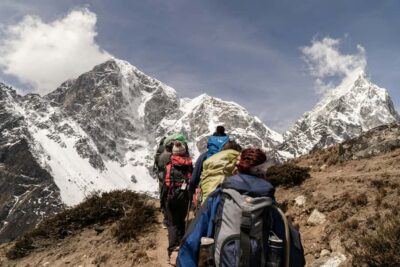
From Birethanti, you trek through Hile and onward to Ulleri. This is your acclimation-in-motion phase. You’re climbing uphill, but the package is designed so the effort stays in the “manageable” zone for people with normal fitness. If you’re new to trekking, this day is a good teacher. You learn how your body responds to steady climbs without being thrown into extreme altitude demands.
Practical note: expect this first walking day to feel longer than it sounds, because you’re still finding your hiking rhythm. Take it slow, keep water intake steady, and don’t try to set a speed record early.
Ulleri and Hile, the “settling in” villages
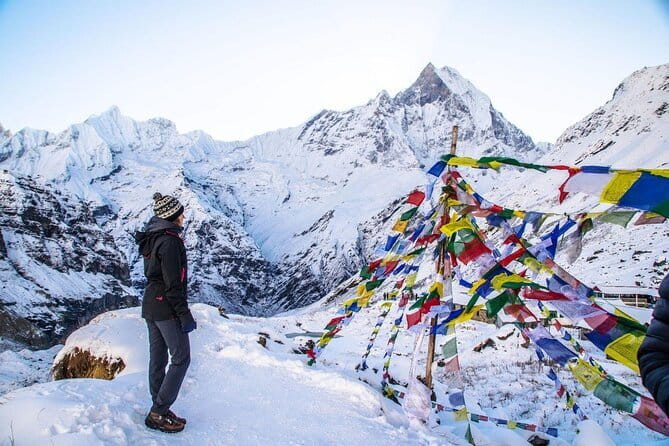
Ulleri is where the trek begins to feel properly Himalayan in the sense that you’re surrounded by village trails, steep paths, and constant mountain glimpses. Hile is a key stepping stone, too. You’ll stop for a short lunch break there, then continue uphill toward Ulleri.
I like this structure because it splits the climb. Instead of one long grind with no reset, you get a pause to refuel, check your gear, and adjust your pace. If you’re traveling with someone who gets anxious about timing, this day is also reassuring since breaks are built into the flow.
Keep your expectations realistic: village days mean you’re walking through communities, past lodges, and along stair-like sections at times. It’s scenic and human, but it isn’t a quiet nature walk with no signs of everyday life.
More to compare around Kathmandu
- Everest Base Camp Trek – 14 Days
★ 5.0 · 1,499 reviews - Everest Base Camp Trek
★ 5.0 · 842 reviews - Private Kathmandu Sightseeing Tour | UNESCO World Heritage sites
★ 5.0 · 756 reviews - Kathmandu: 7 UNESCO Sites with Lunch
★ 4.8 · 744 reviews
The early-morning Rhododendron route to Ghorepani
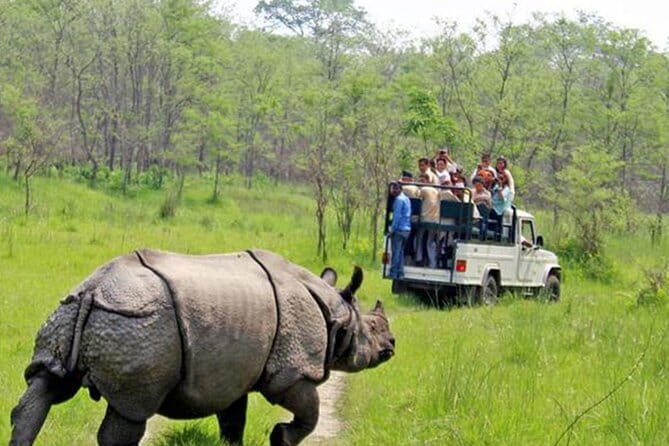
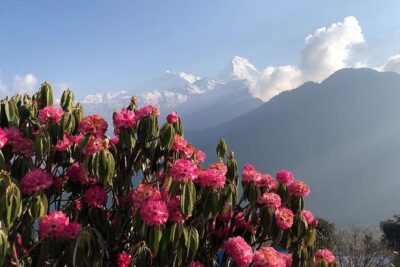
Next comes the walk to Ghorepani, starting early after breakfast. You’ll head through rhododendron forests, and the idea here is simple: you get that classic trekking texture, tree cover, and a trail that feels alive.
Ghorepani matters because it’s your base for Poon Hill. You’re not just arriving somewhere to sleep. You’re positioning yourself for the sunrise morning, which means your evening planning needs to be smart.
When you’re staying in Ghorepani, I’d treat the night before Poon Hill like a mini-camp: pack what you need for the early hike, keep an eye on your clothing layers, and don’t plan on a late-night snack binge. The sunrise climb is timed for light, not comfort, and you’ll want to wake up feeling ready rather than rushed.
If you’re the type who gets cold easily, this is where you’ll appreciate having warm layers and a hat you can pull on quickly. This trek includes an early start element, and sunrise viewing doesn’t happen on a “bring a hoodie later” schedule.
Poon Hill at sunrise, then Ghandruk for village life
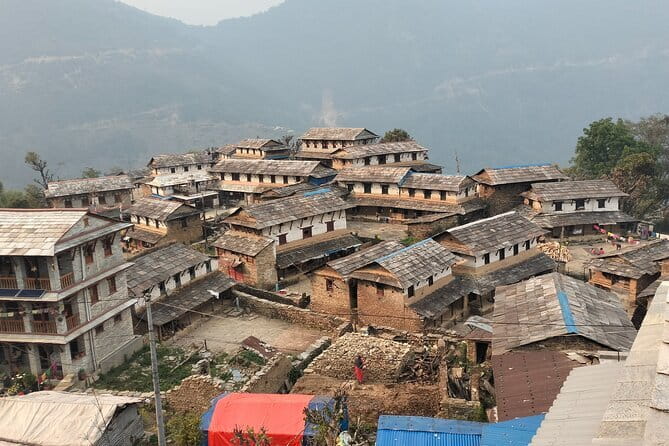
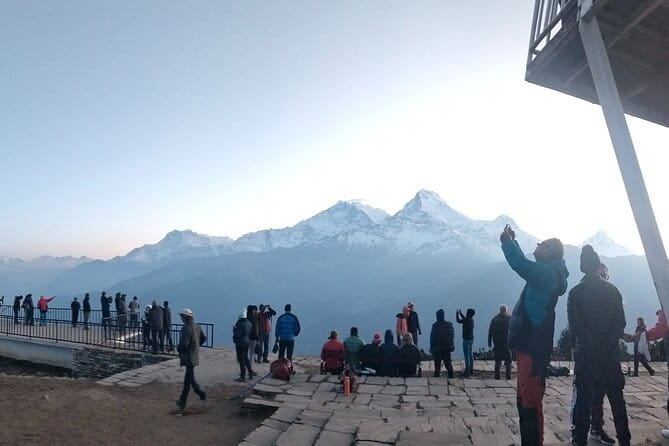
The star morning is the hike to Poon Hill for sunrise. You’ll go early, see the mountains at their best light, and then come back. After you return, you’ll eat breakfast and get ready for the next leg.
This part of the trek is worth emphasizing: you’re not just climbing to a view. You’re timing your effort around weather and light. That’s why this experience is described as requiring good weather. If clouds roll in, you might not get the clear panorama you came for. Your guide and the group schedule are built around the sunrise window, so you’ll feel that pressure of timing on your body.
After Poon Hill, you continue on to Ghandruk. This shift is one of the reasons I find this trek more satisfying than a pure viewpoint route. Instead of spending the whole day chasing photos, you walk toward a village with strong Gurung culture.
On the way to Ghandruk, you’ll stop for lunch and continue once you’re fueled. In a lot of treks, lunch is a quick stop and nothing else. Here, it’s part of a clear transition: from mountain light experience back into daily life of the route.
If you like interactions with locals, the village stage is where you’ll feel it most. Even when you’re just passing through, you’ll see how people live around these trails.
Downhill to the finish: Syauli Bazaar and the return to Birethanti
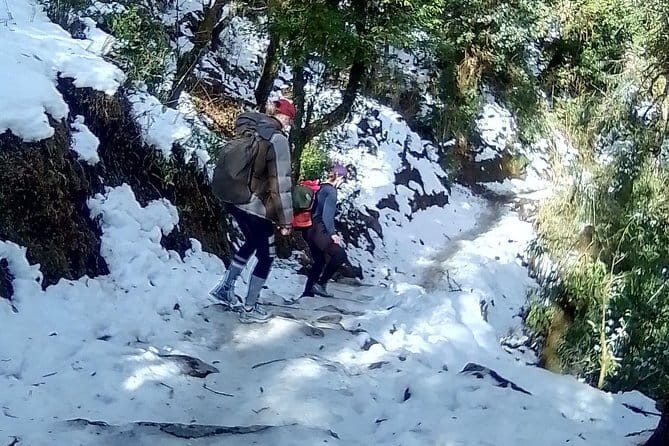
On the final trekking morning, you start from Ghandruk and walk downhill toward Syauli Bazaar, then continue on an easy path to Birethanti. This is the “legs and knees” day, because downhill can be harder than uphill.
The package is designed so this is still manageable, and it’s not set up as a brutal finish. You’ll reach Birethanti, check out your permit, and then drive back to Pokhara. That end-of-trek permit checkpoint is another small but real piece of structure. It confirms your route is complete and keeps the logistics tidy.
Once you return to Pokhara Lakeside, you’re done with the trekking portion. You can think of this day as the calm landing after a few days of early mornings and walking focus.
Guide support that makes a small trek feel safe and easy
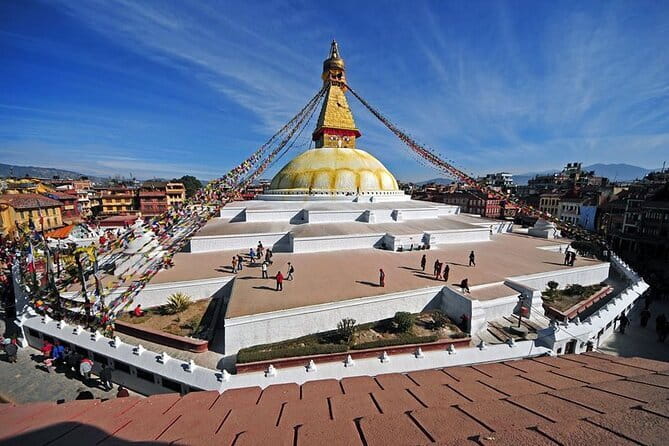
The guides are a big part of why this trek works well for first-timers. You may be with guides such as Tilak, Bishnu, or Ram, and the common thread in their approach is support that feels practical: being attentive, explaining what you’re seeing, and helping you with the little questions that pop up during a trek.
Communication also seems to be a strength. One of the best stress reducers on any Nepal trip is knowing you can ask questions and get clear answers before you arrive. That kind of responsiveness matters because it helps you pack right and plan your expectations, especially for early wake-ups.
On the trail, a supportive guide helps you manage pace, breaks, and route timing. You get a sense that you’re not just walking with a random group. You’re walking with someone who’s keeping the day moving and helping you feel comfortable.
Also, the group size cap of 8 trekkers helps here. You’re less likely to feel like a number.
Price and value: what $405 really covers on this trek
$405 is not pocket change, so I look at it like this: what parts of the trip would cost you money and time to plan yourself?
In this package, you get:
- Transportation to and from the trek start and end points
- A tourist bus ticket for the Kathmandu to Pokhara drive and the return timing tied to the route
- All fees and taxes
- Guide support
- Accommodations during the trek for 3 nights
- 1 night accommodation in Pokhara on a bed and breakfast plan
- Meals: dinner 3 times, lunch 4 times, breakfast 4 times
When you add those items up, the price looks more like a bundled service than a trekking-only ticket. You’re paying for organization plus the day-to-day necessities that would otherwise be a headache to coordinate: lodging nights, meal planning, and the permit/fee steps at the checkpoint.
What’s not included is also important:
- Drinks and beverages during the trek
- Personal expenses
- Tips for guide and potter, which are expected
So the true cost for you depends on your drink habits and how you handle tipping. If you plan to buy lots of drinks on the trail, your final spend will creep upward. If you’re sensible about water and stick to included meals, you’ll likely feel the value more clearly.
Who this Poon Hill trek package suits best
This is a strong fit for:
- First-time trekkers who want mountain views without a complicated or punishing route
- People with normal fitness who still want a meaningful walking challenge
- Couples and small groups who prefer max 8 trekkers instead of a crowd
- Travelers who care about both sunrise views and village culture (Ghorepani and Ghandruk bring that mix)
It may not be the best fit if you hate early mornings, because Poon Hill sunrise means waking up before you’re fully awake. It’s also less ideal if you want total control of every meal and timing, since meals and schedule are structured into the plan.
Practical advice so your mornings go smoothly
Here’s what I’d do to make this trek feel easy, not stressful:
- Pack layers for the sunrise hike. Early starts usually mean colder air, and you’ll likely want to adjust clothing as you warm up.
- Keep a simple “day hike pocket” ready for the view time: something warm to wear on top, plus a small snack and water.
- Pace yourself on the first uphill day from Birethanti to Ulleri. You want steady effort, not bursts.
- Use the lunch breaks and after-view recovery time as real recovery. Don’t treat them as optional.
One more practical thing: you’ll get a mobile ticket as part of the package features. Bring a charged phone and have a way to access it offline or show it quickly when needed.
Should you book this Poon Hill Trek package?
I’d book it if your goal is big Annapurna and Dhaulagiri views, a sunrise moment at Poon Hill, and village walking that feels culturally grounded, without taking on a high-stress trek. The included transport, lodging nights, guide, and meals make it a solid value for the money, especially if you’d otherwise have to piece those details together yourself.
I’d think twice if you’re strongly against early mornings or if your trip timing is vulnerable to cloudy weather, since this experience depends on good conditions for the best views. If you can handle a sunrise schedule and you like an organized small-group trek, this one is a smart bet.
FAQ
What is the price of the Poon Hill Trek package?
The price is $405.
How long is the experience?
It’s listed as about 5 days.
Where does the tour start in Kathmandu?
The start is at Nepal Hiking Adventure Company, Z Street, Kathmandu 44600, Nepal.
Where does the trek end?
The tour ends at Pokhara Lakeside, Lakeside Rd, Pokhara 33700, Nepal.
Is transportation included?
Yes. Transportation to and from the trek start and end points is included, including the tourist bus ticket to drive to Pokhara.
How many nights of accommodation are included?
Accommodations during the trek are included for 3 nights, plus 1 night in Pokhara on a bed and breakfast plan.
What meals are included?
Dinner is included 3 times, lunch is included 4 times, and breakfast is included 4 times.
Are drinks included during the trek?
No. Drinks and beverages during the trek are not included.
How large is the group?
This experience has a maximum of 8 travelers.
What is the cancellation policy?
You can cancel for a full refund up to 24 hours in advance. If you cancel less than 24 hours before the start time, the amount paid is not refunded.
Latest Kathmandu write-ups
- Langtang Valley Trek★ 5.0 · 3 reviews
- Langtang Valley Trek from Kathmandu★ 5.0 · 3 reviews
- Khopra Danda Trek★ 5.0 · 3 reviews
- 5 night / 6 days Kathmandu Nagarkot Chitwan Pokhara tour★ 5.0 · 3 reviews
- Nepal Highlights Tour: 5 Nights 6 Days Kathmandu & Pokhara Tour★ 5.0 · 3 reviews
- Kathmandu Valley Private Day Tour★ 5.0 · 3 reviews
- Kathmandu Heritage Day Tour★ 5.0 · 3 reviews
- Conquer the Himalayas: The Ultimate 16-Day Annapurna Circuit Trek★ 3.5 · 3 reviews
Poon Hill Trek, compared.
4-Day Ghorepani, Poonhill & Ghandruk Mountain Trek
Read our review →
Browse the lists this tour appears in