Reviewed · TOURS
Small-Group Day Tour of Kathmandu
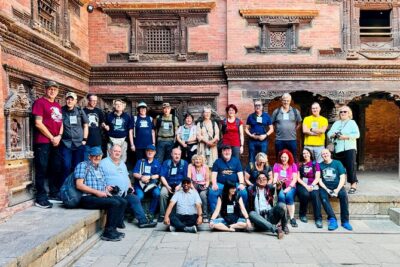
This Kathmandu day tour is interesting because it packs four of the city’s most important religious landmarks into one smooth day plan. I like the small-group size (no more than 15), since it keeps waiting down and makes it easier to ask questions.
I also like the door-to-door hotel transfers from Thamel, plus a private vehicle so you skip the stress of figuring out transport. One thing to consider is that it still runs on a tight 6 to 7 hour schedule, with food not included, so bring a plan for snacks or a light breakfast and expect some walking.
Key highlights at a glance
- Four major sites in one day: Pashupatinath, Durbar (Central) Square, Boudhanath, and Swayambhunath
- Small group, faster flow: capped at no more than 15 people to reduce downtime
- Pickup from Thamel: door-to-door round-trip transfers simplify getting out and back
- Entry fees handled: temple and monastery tickets are included
- Mobile ticket: you won’t need to juggle paper documents
- Professional guide support: past guests have named guides such as Raju, Drubha, Dhruba, and Subash for strong English and quick help
Why Kathmandu’s Four-Site Route Is a Smart First Day
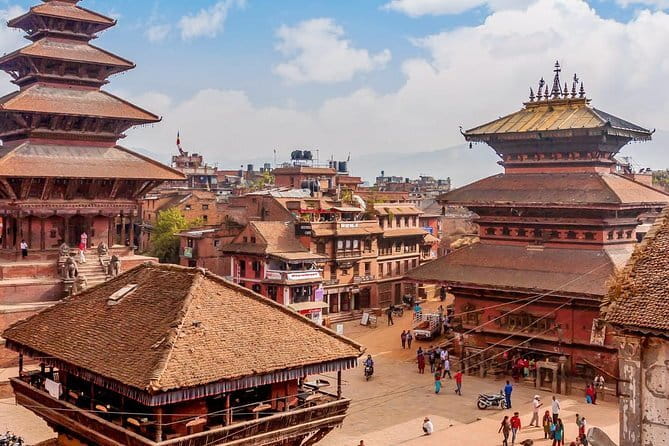
If it’s your first time in Kathmandu, this is a great way to build a mental map fast. In a single day, you move through major Hindu space at Pashupatinath, royal-era architecture at Durbar (Central) Square, and two huge Buddhist monuments at Boudhanath and Swayambhunath.
The best part is that each stop is distinct, so your guide can explain what you’re seeing instead of bouncing between random spots. You leave with names that actually mean something, not just photo locations.
There’s also practical value in the pacing. At about 6 to 7 hours total, you get a lot of ground covered without turning the day into a marathon that breaks your brain by mid-afternoon.
More to compare around Kathmandu
- Everest Base Camp Trek – 14 Days
★ 5.0 · 1,499 reviews - Everest Base Camp Trek
★ 5.0 · 842 reviews - Private Kathmandu Sightseeing Tour | UNESCO World Heritage sites
★ 5.0 · 756 reviews
Price and What You Actually Get for $165
At $165 per person, the big question is what’s included, not just the number. This tour covers local taxes, transport by private vehicle, a driver/guide, fuel surcharge, and hotel pickup and drop-off from Thamel.
Most importantly for value, entry fees are included for the temple and monastery sites you visit. That matters in Kathmandu, where paying at multiple gates can add up, and it also slows you down when you are moving as a group.
Not included is also clearly stated: landing and facility fees, plus food and drinks unless specified. So you should plan your meals outside the tour window or budget for snacks while you’re out.
Small Group Size, Mobile Tickets, and Door-to-Door Convenience
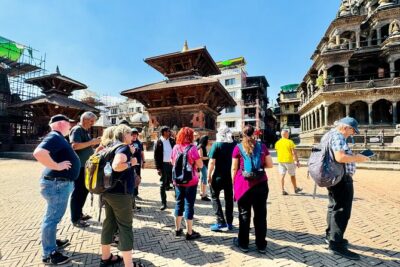
This is the kind of tour that respects your time. The group is limited to no more than 15 people, which helps keep lines and waiting from eating the day.
The itinerary timing is built around visits of about 1 hour at Pashupatinath, 1 hour 20 minutes at Durbar (Central) Square, 1 hour at Boudhanath, and 1 hour 10 minutes at Swayambhunath. That structure gives your guide space to explain, while still keeping the day moving.
Then there’s the simplest win: door-to-door round-trip transfers from Thamel hotels. You do not have to barter or negotiate rides between sites. You step into the vehicle, you show up, and you get to spend your energy on what you came for.
Finally, the mobile ticket is included, which is small but helpful if you’re traveling light or switching phones between apps.
Stop 1: Pashupatinath Temple and the Shiva Symbol Pagoda
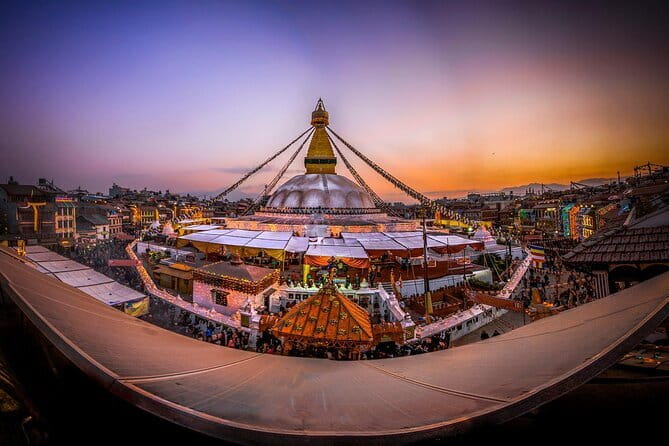
Pashupatinath Temple is the oldest Hindu temple in Kathmandu, and the site is closely tied to Lord Shiva. The temple is described as a richly ornamented pagoda that houses the sacred linga, the holy symbol of Shiva.
The story element matters here. The tour frames Pashupatinath’s fame through the idea of Pashupati, the Lord of all Pashus, meaning living and non-living beings. Even if you treat the legends as stories rather than facts, they help you understand why people come.
You’ll also get a sense of how the site looks and works as a pilgrimage center. The linga is at the core, so your guide can connect the architecture and rituals you see to what the symbol represents.
Time tip: Plan around about 1 hour. It’s long enough to take in the main views and listen to explanations, but not long enough to treat it like a full-day destination.
Possible drawback: Hindu temples can feel intense and rules-based, and your group will have to follow local flow. If you prefer slow wandering with lots of pauses, you may feel slightly rushed in a scheduled 1 hour window.
A different sort of day out of Kathmandu:
- Kathmandu: 7 UNESCO Sites with Lunch
★ 4.8 · 744 reviews - Everest Base Camp Helicopter Tour landing at Everest View Hotel
★ 5.0 · 668 reviews - Half day cooking class in Thamel kathmandu
★ 5.0 · 607 reviews - Everest Base Camp Trekking
★ 5.0 · 485 reviews
Stop 2: Durbar (Central) Square, Royal Space, and 1600s Architecture
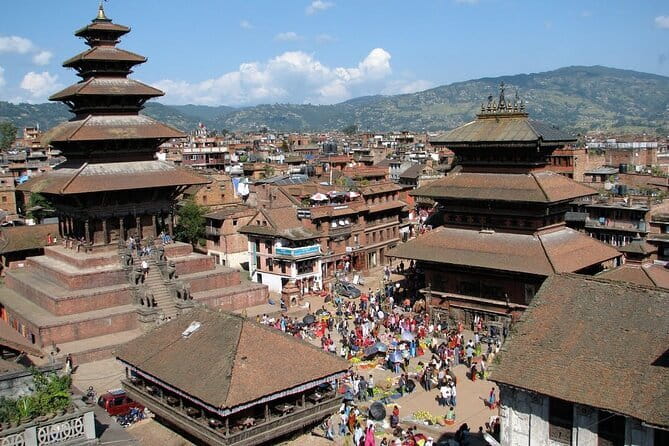
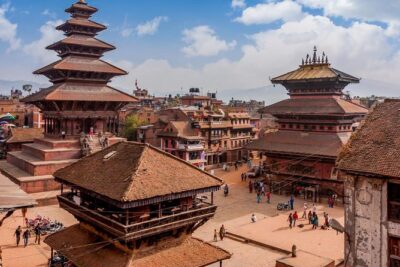
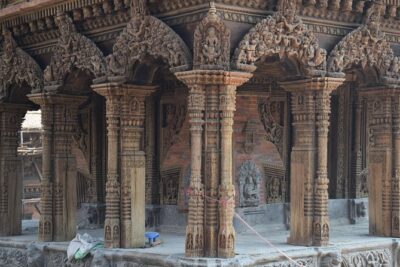
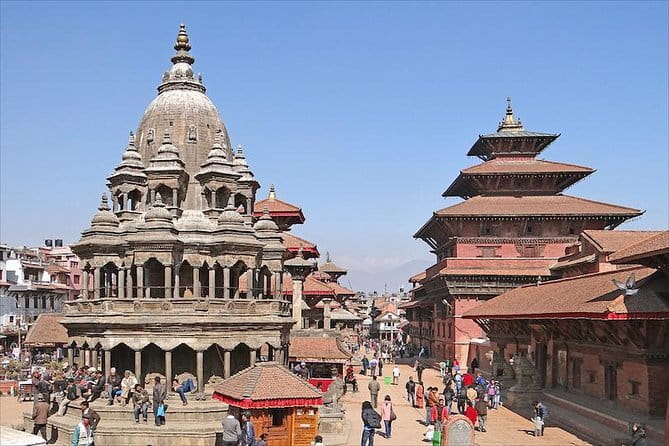
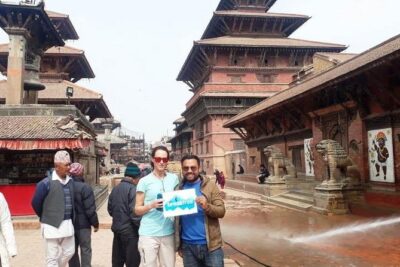
Durbar (Central) Square is where Kathmandu’s kings used to be crowned, and that royal function shapes what you see. The site is described as an ancient crossroad, with deeper local connections tied to earlier settlements around the area.
This is also where the timeline starts to get interesting for your photos and your understanding. The architecture you see today is mainly from the 1600s, connected to the reign of King Siddhi Narsingh Malla and his son Srinivasa Malla.
In a single visit, this stop helps you understand Kathmandu as a city with layers. You’re not only looking at religious monuments. You’re looking at power, ceremony, and the spaces where history played out in stone and craft.
Time tip: You get about 1 hour 20 minutes here, the longest stop besides the full-day sweep itself. That extra time helps, because royal squares can have more surfaces to study and more angles to photograph.
Possible drawback: Squares tend to be busy with foot traffic even when you’re on a guided schedule. If you dislike crowds or want quiet, you may want to treat Durbar Square as a “look and listen” stop rather than a “slow sit and relax” one.
Stop 3: Boudhanath Stupa, Mandala Steps, and the Giant Eyes
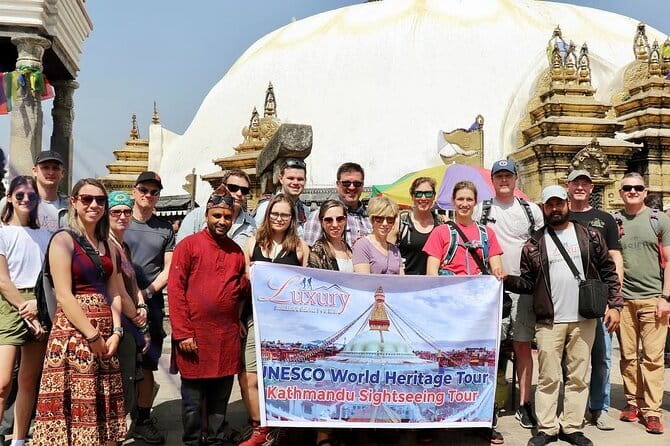
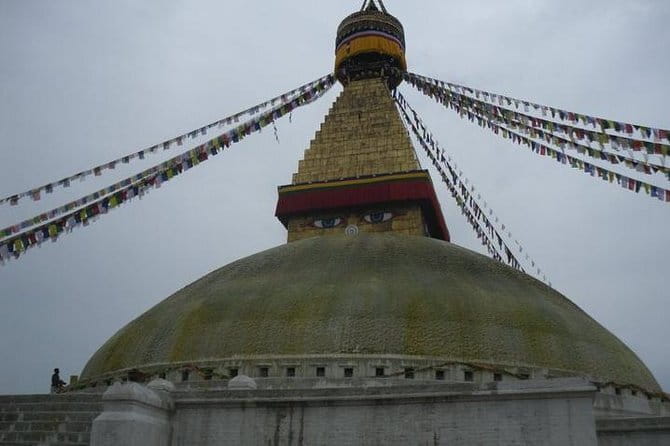
Boudhanath Stupa is a Buddhist monument built around the 14th century, and it’s described as a giant mandala of peace and beauty, with famous “eyes” on the structure. The stupa is presented as a beacon of belief that has towered over the surrounding area for centuries.
The tour’s description gives you a clear visual guide: a huge dome, a pyramid tower on top, and massive steps shaped like mandalas. This geometry is part of the religious power of the site, not just decoration.
It’s also placed within trade and movement. The tour notes that the stupa’s original location was on an important trade route, which helps explain why large pilgrimage sites often grew where travelers naturally passed.
If you’re the type who likes to connect meaning to structure, this stop rewards that. You’ll look at the dome, the eyes, and the steps and then understand how they guide attention toward meditation and worship.
Time tip: About 1 hour is typical for this stop, so you can do the key viewing and learn the main context without losing the rest of the day.
Possible drawback: It’s an “always-moving” environment. If you need quiet for long stretches, you might find it hard to slow down inside the tour timing.
Stop 4: Swayambhunath Temple, UNESCO Roots, and Restorations Over Centuries

Swayambhunath Temple (often called Swayambhu) is a UNESCO World Heritage Site, with written records traced back to a 5th century stone inscription. The tour frames it as a monument honored by kings, monks, and pilgrims, with repeated repair over time.
This stop is packed with historical milestones, and your guide can turn them into a clear story while you’re standing there. The description includes damage in 1349 due to an invading Muslim army, followed by repairs by King Saktimalle Bhalloka. It also mentions additions like the wheel and spire added in 1505 by yogin Sangye Gyaltsen.
Then there are later touches that make the temple feel layered rather than frozen in one era. In 1614, the 6th Shamarpa added shrines into the stupa in four cardinal directions, and in 1750 there was a consecration ceremony after major renovation by important Kagyu lamas.
Why this matters: The restorations show that Swayambhunath is not a museum piece. It’s a living religious site that people continue to care for across generations.
Time tip: You get about 1 hour 10 minutes here, which is enough to see the main areas and take in the guided background.
Possible drawback: Since this is a major hilltop-style pilgrimage site, you should expect a bit of climbing and uneven surfaces. If you want to minimize effort, build in extra time for slower pacing during your 1 hour 10 minutes.
What You Learn, and Why the Guide Changes the Day
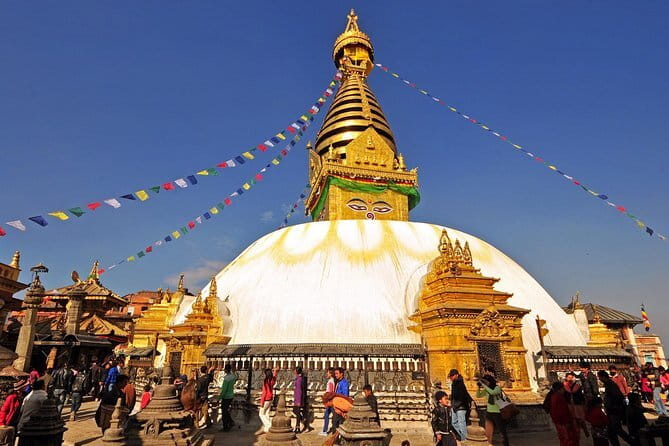
This tour is clearly built around interpretation, not just sightseeing. You’re not only visiting famous names. You’re getting the meaning behind the sacred symbol at Pashupatinath, the royal purpose of Durbar Square, and the Buddhist architectural language at Boudhanath and Swayambhunath.
The reviews also point to why this can work well in real life. Guests singled out guides such as Raju for strong English and solid explanations. Others named Drubha and Dhruba as helpful, with Subash showing up in people’s stories about quick coordination and problem-solving.
That matters for you because Kathmandu can throw small curveballs, like traffic delays, timing changes, or the normal confusion of a big city in a busy country. When a guide handles questions fast, you lose less time and stress.
If you’re traveling for photography, one set of past experiences mentioned a small photography group getting dedicated attention. That suggests the team can be flexible when you have a specific way you want to shoot and move.
Getting the Most Out of a 6 to 7 Hour Schedule
A day tour like this is all about priorities. You will get time at each monument, but it’s still a “see and understand” schedule, not a “linger all day” schedule.
Here’s how to make it work for you:
- Eat before you go, or budget for snacks, since food and drinks are not included.
- Wear comfortable shoes, because you’ll be moving through temple and stupa areas rather than staying in one room.
- Bring a charged phone, since the tour uses a mobile ticket concept and you’ll want access to confirmation details.
I also suggest you decide what you want most: deep explanations, lots of photos, or slower pacing. A good guide can flex a bit, but the overall structure is fixed by the four stops and the time blocks.
Who Should Book This Tour, and Who Might Want a Different Plan
This is a strong fit for first-time visitors who want a fast orientation to Kathmandu’s religious landscape. You’ll see three Hindu and Buddhist-related landmarks plus the royal square in one day, which makes it easier to choose follow-up stops later.
It’s also a good choice if you dislike negotiation. The tour is designed so you’re not stuck trying to get the right ride between sites. With hotel pickup and drop-off from Thamel, you can focus on the sights and let the logistics work in the background.
You might want a different style of tour if:
- You want a slower, more flexible pace where you can spend extra time at only one site.
- You’re extremely sensitive to crowds or noise at pilgrimage spots.
- You want meals included as part of the plan.
Should You Book This Kathmandu Small-Group Day Tour?
I’d book it if you want a first-day win: four major monuments, guided context, small-group pacing, and hotel door-to-door convenience. The inclusion of entry fees and private transport makes it feel like a complete package rather than a bare-bones tour with add-ons.
I’d think twice if you know you struggle with an action-packed schedule, since the day runs roughly 6 to 7 hours and you’ll move through multiple sites. Since food is not included, you’ll want to plan your energy ahead.
If your goal is to get your bearings fast and learn why these places matter, this tour does that job. And if you get a guide like the ones named by past guests, you should come away with names, dates, and details you can actually use the rest of your trip.
FAQ
What sites are included in this Kathmandu day tour?
The tour includes Pashupatinath Temple, Durbar (Central) Square, Boudhanath Stupa, and Swayambhunath Temple.
How long does the tour take?
It runs about 6 to 7 hours total, with time allocated at each stop (including about 1 hour at Pashupatinath, 1 hour 20 minutes at Durbar Square, 1 hour at Boudhanath, and 1 hour 10 minutes at Swayambhunath).
Is hotel pickup and drop-off included?
Yes. The tour includes hotel pickup and drop-off, with door-to-door round-trip transfers from Thamel hotels.
Are entry tickets included?
Yes. Admission tickets for the temple and monastery stops are included, and local taxes are also included.
Is food included in the price?
No. Food and drinks are not included, unless specified.
What is the cancellation window?
You can cancel for free up to 24 hours in advance of the experience start time for a full refund. If you cancel less than 24 hours before, the amount paid will not be refunded.
Latest Kathmandu write-ups
- Langtang Valley Trek★ 5.0 · 3 reviews
- Khopra Danda Trek★ 5.0 · 3 reviews
- Langtang Valley Trek from Kathmandu★ 5.0 · 3 reviews
- 5 night / 6 days Kathmandu Nagarkot Chitwan Pokhara tour★ 5.0 · 3 reviews
- Nepal Highlights Tour: 5 Nights 6 Days Kathmandu & Pokhara Tour★ 5.0 · 3 reviews
- Kathmandu Valley Private Day Tour★ 5.0 · 3 reviews
- Conquer the Himalayas: The Ultimate 16-Day Annapurna Circuit Trek★ 3.5 · 3 reviews
- Kathmandu Heritage Day Tour★ 5.0 · 3 reviews
Tours, compared.
Private Kathmandu Sightseeing Tour | UNESCO World Heritage sites
Read our review →
Everest Base Camp Helicopter Tour landing at Everest View Hotel
Read our review →