
Reviewed · WALKING TOURS
Smells of Kathmandu Walking Day Tour
Old Kathmandu is one of those places where your senses do the navigation. This walking tour guides you straight through Asan market territory, where spices, produce, and everyday shopping spill into the streets between Durbar Square and Thamel.
Two things I really like: you spend most of your time where Kathmandu locals actually buy things, and your guide steers you through the narrow lanes with stories and practical context. One thing to consider is that this is real walking in a crowded, street-level area, so you want decent weather and good shoes.
If you get the right guide, the city clicks fast. In past walks, guides such as Sunil and Rajendra (who is noted for fluent German) have been praised for keeping the route clear and the explanations thorough, right down to what different items are used for.
Key Highlights You Should Care About
- Old Kathmandu markets first, with Asan as the core of the walk
- Small group size (maximum 10), so you can ask questions and not get swept along
- Route connects landmarks you already know, like Durbar Square and Thamel
- More than one market stop, including the bead bazaar and Indrachowk
- A guide-led experience, built around local shopping items and street-level stories
- Hotel pickup can be arranged, which makes a 2.5-hour walk easier to fit in
Why the Smells of Kathmandu Tour Works So Well
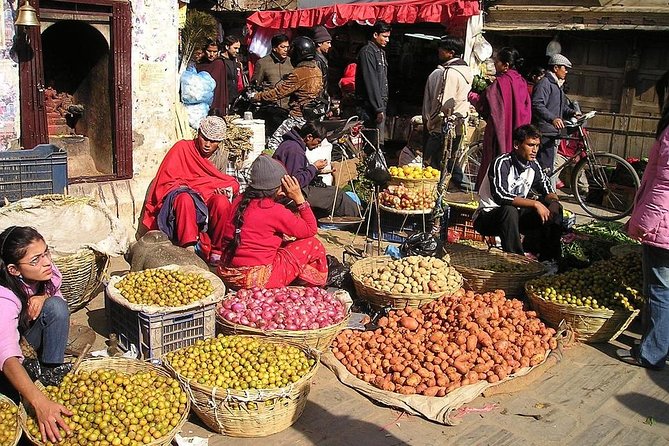
This tour is interesting because Kathmandu is hard to read from a bus window. On foot, you start to understand the city through what people are buying, how they move, and what shows up on market tables. The whole point is to turn the loud, sensory streets of Old Kathmandu into something you can actually follow.
I also like how this is not a checklist-style sightseeing loop. You are not just passing monuments. You are walking through the shopping lanes that sit between major areas you may already have visited.
The pace is another plus. At around 2 hours 30 minutes, it is long enough to get context, but short enough that you can still enjoy the rest of your afternoon and evening.
More Walking Tours in Kathmandu
- Kathmandu: Food and Drink Walking Tour
★ 4.9 · 292 reviews - Kathmandu Food and Drink Walking Tour
★ 5.0 · 266 reviews - Kathmandu: Food and Drink Walking Tour
★ 4.9 · 119 reviews
The 2.5-Hour Plan: A Late-Afternoon Walk That Feels Local
The tour runs at 2:45 pm, and it is designed as a compact city walk. Expect a small group, up to 10 travelers, which matters in Kathmandu because the streets can get tight and busy.
Most of your time is centered on Asan, an area that sits in the older part of Kathmandu, roughly between Durbar Square and Thamel. That location is smart because you get a mix of familiar and unfamiliar city texture without feeling like you are traveling across town.
You also get a guide all the way through, which helps with two things. First, you do not spend half the time lost in alleyways. Second, you learn what the market items mean in everyday life, not just what they are called.
Meeting Point Details: Where You Start and Where You End
You meet at the Karmachari Sanchaya Kosh Building, Tridevi Sadak, Kathmandu 44600, Nepal. The tour returns to the same meeting point after it finishes, so you are not left figuring out transport at the end.
If you are planning to combine this walk with other sights, this makes timing easier. You can head back from the same area where you started, which is helpful when you are also trying to navigate traffic later in the day.
If you prefer to avoid the first walk to the meeting spot, hotel pickup can be arranged. That is a practical option for a 2.5-hour experience, especially if your hotel is not within easy walking distance.
Asan Market: Spices, Produce, and the Real Shopping Street
Asan is the heart of this walking day tour. You will spend the majority of the time in this market area, where the selection is exactly what locals would look for when they are planning meals and daily cooking.
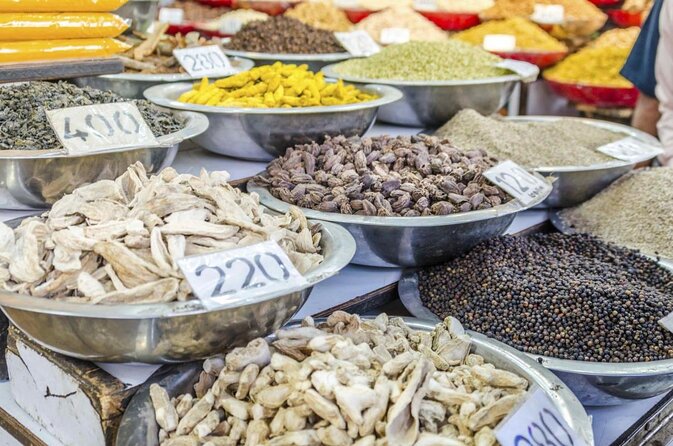
What makes Asan so compelling is the variety. You are likely to see spices, fruit and vegetables, grains, pulses, and other staples. You can also spot meat and fish items in the market flow, which gives the whole place a more complete, everyday feel.
A good guide makes the difference between wandering and learning. Here, your guide points out local ingredients and shares stories along the way, so the market becomes a living map. You start to recognize patterns, like where certain goods are traded and how shoppers organize their stops.
One more reason this stop is valuable: markets like Asan show you Kathmandu at street level. Big sights can feel staged. Markets feel normal, because they are serving real needs every day.
Consideration: Asan is busy. You will be in crowded lanes with pedestrians and scooter traffic nearby. Build in patience, keep your phone away while crossing, and go at the pace your guide sets.
A different sort of day out of Kathmandu:
- Everest Base Camp Trek – 14 Days
★ 5.0 · 1,499 reviews - Everest Base Camp Trek
★ 5.0 · 842 reviews - Private Kathmandu Sightseeing Tour | UNESCO World Heritage sites
★ 5.0 · 756 reviews - Kathmandu: 7 UNESCO Sites with Lunch
★ 4.8 · 744 reviews
Indrachowk: The Place That Connects Old Kathmandu to the Usual Routes
After or alongside Asan, the walk moves through nearby local spots, including Indrachowk. This stop is interesting because it sits at the intersection of different kinds of Kathmandu activity. You get a sense of how people move between everyday errands and the busier, visitor-facing zones.
Indrachowk also works as a mental bridge. If you have already seen Durbar Square or walked toward Thamel, this kind of location helps you understand how those areas connect through ordinary neighborhood streets.
In practical terms, it is a relief to have a guide steering you through these junctions. Kathmandu’s layout can feel like a maze if you are trying to do it alone. With a guide, the city starts to make sense block by block.
Bead Bazaar and Craft Trading: Watching Small Goods Tell Big Stories
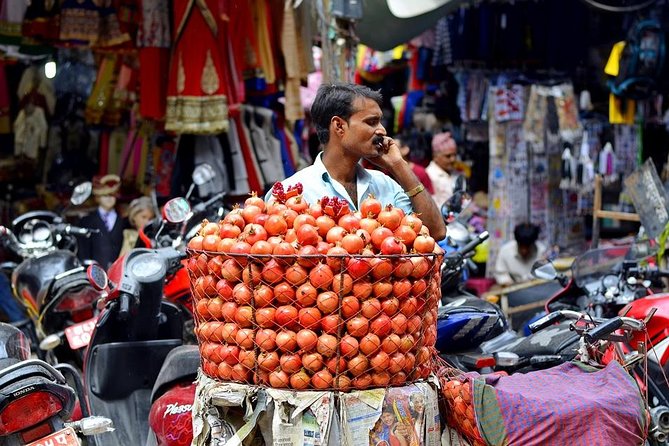
A highlight on this route is the bead bazaar. Even if you do not plan to buy anything, it helps you understand Kathmandu’s craft economy and the way small materials fit into larger cultural traditions.
Markets for small items can be easier to browse than food lanes because you can pause, look closer, and ask questions. You also pick up a different kind of sensory detail. Instead of the strong smell of spices, you get visual texture: colors, shapes, and the way vendors arrange their merchandise.
This is also where the tour can be especially useful if you like souvenirs, but want to understand them. Knowing what something is used for, or how it fits into daily life, makes a purchase feel more meaningful and less like a random impulse.
Small note: Shopping itself is not included, so if you want to buy, plan to pay on your own. That said, knowing what you are looking at is still part of the value.
Bangemudha and Nardevi: Neighborhood Stops That Give You Perspective
The walk can include areas such as Bangemudha and Nardevi, which extend the route beyond just the big-name market streets. These stops help you see how Old Kathmandu spreads out into real neighborhoods.
Why that matters: many visitors focus only on the most famous squares or temple fronts. These additional neighborhood areas show you the everyday texture around those famous places. You get more sense of scale, density, and street rhythm.
They also make the walking route feel varied. Instead of repeating the same market pattern, you move through slightly different street scenes and trading pockets.
The Guide Factor: When Rajendra and Sunil-Style Hosting Changes Everything
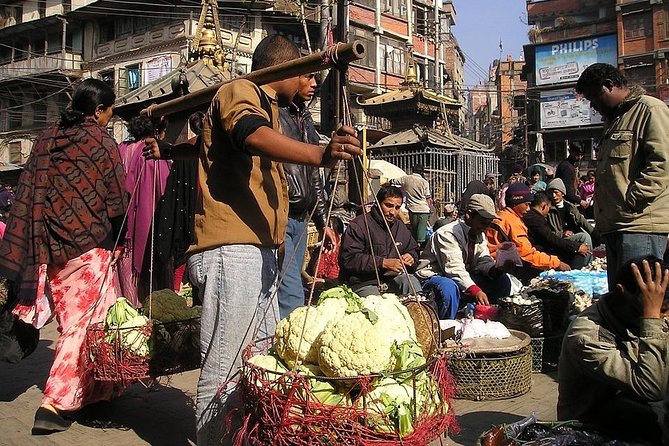
This tour is guided, and the guide is the engine. The experience is built around an in-person guide with expert information and cultural storytelling, and the best part is how that turns a crowded market into something you can actually understand.
In the experiences shared by past guests, guides like Sunil have been praised for leading visitors into narrow streets and alleyways that most people would not find or navigate alone. There is also mention of Rajendra, who provided excellent explanations in German. That kind of language support can matter if English is not your strongest comfort zone.
Even if you do not get German, you still benefit from the structure. When your guide keeps you moving with purpose, you get the core parts of the area without the stress.
Also, when a guide builds in small cultural stops, it can add warmth to the walk. One past guest mentioned trying tea at a local place during the tour, which is exactly the type of small local moment that makes a market tour feel human, not mechanical.
Price and Value: What $28 Buys You in Kathmandu
At $28 per person, this is priced like a focused, short experience rather than a full-day tour. That makes it good value if you want maximum context per hour.
Here is what you are paying for:
- An in-person guide
- Expert information and cultural stories
- A structured route that centers on key market areas like Asan
You are not paying for a bundled meal or heavy attractions. Food, drinks, and shopping are not included, and gratuities are your choice. So if your plan is to eat out anyway, this can be a tidy add-on that costs less than a full attraction day.
The small group limit is part of the value too. With up to 10 travelers, you are less likely to feel like you are part of a herd in cramped streets.
What to Expect on the Ground: Crowds, Lanes, and Staying Comfortable
This is a walking tour in real market space. That means crowds, close quarters, and constant motion from shoppers, vendors, and passing scooters. It is not a quiet museum stroll.
To make it enjoyable, I would plan for a practical afternoon:
- Wear comfortable shoes with good grip
- Keep your day bag secure since you are moving through tight lanes
- Bring layers, since Kathmandu afternoons can shift as the day moves on
Also, the experience requires good weather. If weather turns bad, you will be offered a different date or a full refund. That matters because walking market areas are not fun when visibility is limited and streets get slippery.
Who This Tour Is Best For (and Who Might Skip It)
This tour is a great fit if you:
- Want to see Kathmandu through where locals shop
- Like markets, street life, and practical cultural context
- Prefer a small-group route over big bus tours
- Want a guided way to handle narrow alleys around Old Kathmandu
You might skip it if you:
- Hate crowds and prefer quieter sightseeing
- Want a purely landmark-focused itinerary with less street-level shopping focus
- Are looking for a full meal or a long sit-down cultural program (food is not included)
Should You Book the Smells of Kathmandu Walking Tour?
I would book this tour if your goal is to get oriented in Kathmandu fast, using the senses and the market route as your shortcut. For $28, you get a guided walk that centers on Asan and nearby local hubs, with just enough structure to prevent getting stuck or turned around.
I would especially recommend it for first-time visitors who have already seen Durbar Square or are heading toward Thamel. The walk connects those dots and gives you street-level understanding in a manageable time window.
If the weather looks good and you are comfortable with lively lanes, this is one of those experiences that pays off immediately. You come away not just with photos, but with a clearer sense of how daily life works in Old Kathmandu.
FAQ
How long is the Smells of Kathmandu walking tour?
It lasts about 2 hours 30 minutes.
What time does the tour start?
The start time is 2:45 pm.
How many people are in the group?
The tour has a maximum of 10 travelers.
Where do we meet, and do we return to the same place?
You meet at Karmachari Sanchaya Kosh Building, Tridevi Sadak, Kathmandu 44600, Nepal, and the tour returns to the same point after it finishes.
Can hotel pickup be arranged?
Yes, hotel pick up can be arranged.
What areas and stops are included?
You’ll visit Asan and other local spots around Old Kathmandu, including Indrachowk and the bead bazaar, plus areas like Bangemudha and Nardevi.
What’s included in the price, and what’s not?
Included: an in-person guide with expert information and a cultural experience. Not included: gratuities, food, drinks, and shopping.
Is admission included?
There is an admission ticket included for the Asan stop.
What happens if the weather is bad, or if I need to cancel?
You can cancel for a full refund if you cancel at least 24 hours in advance. The experience requires good weather, and if it is canceled due to poor weather, you’ll be offered a different date or a full refund.
Latest Kathmandu write-ups
- Visit Swayambhunath and Bauddhanath Stupa with Guide★ 5.0 · 5 reviews
- 10 days Annapurna Base Camp Trek★ 5.0 · 5 reviews
- Langtang Trek from Kathmandu 7 Days★ 5.0 · 5 reviews
- Island Peak Climbing with Everest Base Camp★ 5.0 · 5 reviews
- 7 Day Kathmandu Pokhara Tour★ 4.5 · 5 reviews
- Everest Mountain Flight★ 5.0 · 5 reviews
- Kathmandu city day tour (4 world heritage sites)★ 5.0 · 5 reviews
- Chandragiri Hill Cable Car Tour with Hotel Transfers from Kathmandu★ 4.5 · 5 reviews
Walking Tours, compared.
Old Kathmandu Walking Tour, Historic World Heritage Durbar Square
Read our review →

Full-Day Safari Canoeing and Jungle Walk and Jeep
Read our review →Browse the lists this tour appears in