Reviewed · KATHMANDU TOURS
Experiential Career Break trip to Nepal for Gap year and Sabbatical travelers
What makes this Nepal career-break style trip interesting is the way it links Kathmandu’s major spiritual sights with quieter temple stops, then slows down into monastery mornings and village walks. It is designed for people who want more than sightseeing, you get daily rhythm, not just a checklist.
I love how the itinerary mixes big-name heritage like Swaymbhunath and Bhaktapur with less predictable stops like Bajrayogini and the Panauti Museum. I also love the balance of walking and reflection, you hike to viewpoints like Nagarkot and then you spend real time with monks at Namo Buddha.
One possible drawback to plan for: this is not a sit-and-sip tour. There are multiple hikes ranging from about 1 to 6 hours, and one past traveler flagged an English-communication problem, so you should confirm language expectations up front.
Key things that make this trip work
- Private group, private transport means less waiting and more control over the pace.
- Monks at Namo Buddha includes both morning routine and meditation time, not just a photo stop.
- Village days (Ghimire Gaun and a morning walk with monks) trade crowds for daily life.
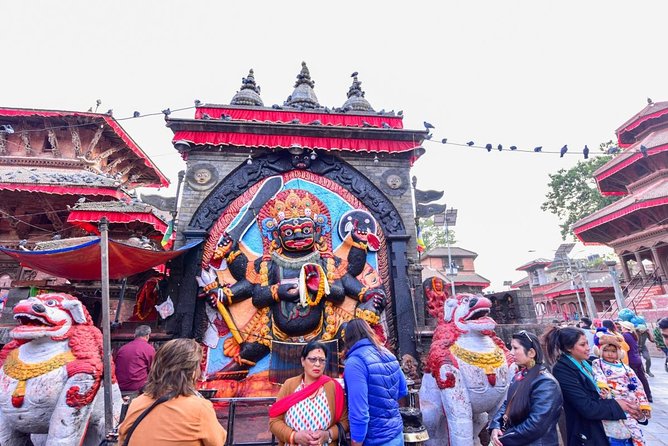
- Kathmandu by foot starts with Monkey Temple, Durbar Square, Ayurveda smells, and market streets.
- Temple variety goes beyond Buddhist-only, you also see major Hindu sites and the living goddess Kumari area.
Price and what you really get in 9 days
At $980 for about 9 days, you are paying roughly $110 per day. The value comes from the combination of private transportation, all fees and taxes, and a big chunk of meals: breakfast is included for 7 days, lunch for 6 days, and dinner for 6 days.
Most tours at this price level either include the car but skimp on food, or include a few meals but make you pay for site entries one by one. Here, the meal plan and private logistics are doing real work. You also have pickup offered, which matters in Kathmandu where start times can get messy if you are doing it on your own.
Still, be alert: the day’s sites list mixed entry rules. For example, Kathmandu Durbar Square is marked as not included in the stop details, while Hanuman Dhoka, Panauti Museum, and Bhaktapur Durbar Square are marked as included. Before you go, you want a clear answer on any entrance fees that might show up on the spot.
More to compare around Kathmandu
- Everest Base Camp Trek – 14 Days
★ 5.0 · 1,499 reviews - Everest Base Camp Trek
★ 5.0 · 842 reviews - Private Kathmandu Sightseeing Tour | UNESCO World Heritage sites
★ 5.0 · 756 reviews
Day 1 in Kathmandu: Swaymbhunath, Durbar Square, and market energy
Day 1 is a classic Kathmandu spiritual warm-up, but it is also oddly specific in good ways. You start at Swaymbhunath, the Monkey Temple, a hilltop stupa complex with long historical roots and lots of renovations over time. After that, you move along to the Shobha Bhagawati shrine, tied to Dashain celebrations, so you get a sense that this is not just “old stone,” it is active religion.
Then the route threads through the Kathmandu Durbar Square area, including Kumari Chowk. If you are there at the right time, you might be able to see the living goddess in her home setting. Even if you do not catch it, the whole place has that Kathmandu feeling: sacred and practical at the same time.
Here is one detail I’d treat as useful, not cute. The route notes Nardevi Street as an Ayurveda medicine zone. That means you will smell it. If that is your thing, you can step into shops and ask questions. If it is not your thing, you still pass through quickly, and you do not feel like you are trapped in a souvenir trap.
You finish with a more local flavor at Asan, a walking market for fruits, vegetables, dried foods, pickles, meats, fish, and everyday shopping. This is where I think this day earns its keep for career-break travelers: you are not only looking up, you are also seeing how people live and eat.
Day 2: Boudha and Bajrayogini, then a hill viewpoint hike
Day 2 starts at Boudhha, described as the world’s largest Tibetan stupa. You also get monastery surroundings and a Silk Thangka painting school connection. It is a visual feast, with colorful praying flags at the top and the famous chant phrase Om Mane Padhme Hum floating through the area as you make rounds.
Then you go to Bajrayogini, which is the standout “you don’t see this everywhere” stop. The name is explained as meaning very strong woman, and your local guide shares the story from the locality. The key for your experience here is that you are getting context, not just a cursory visit.
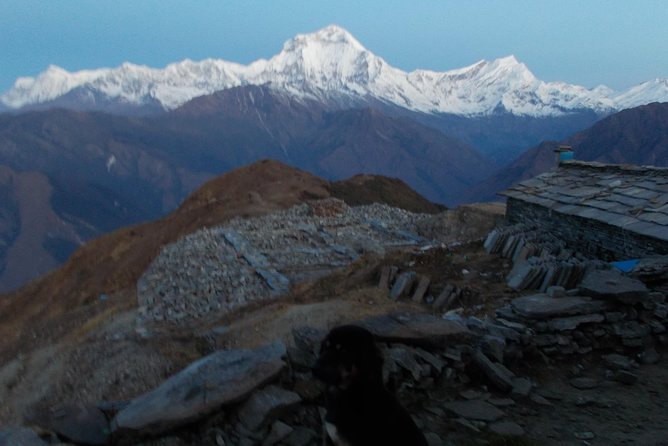
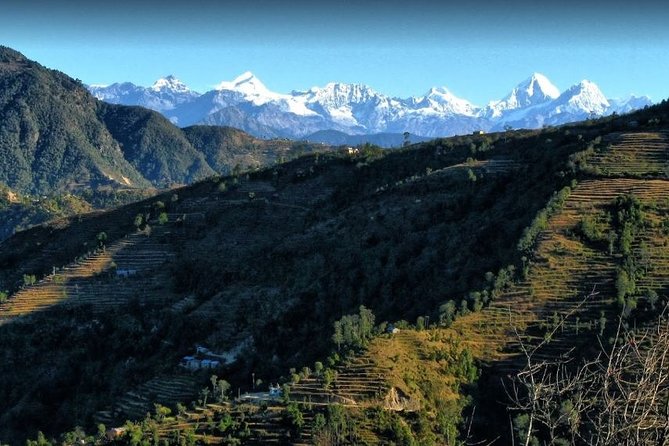
After the spiritual circuit, you switch to movement with a hike to Jarsing Pauwa View Point (also described as Jaharsingh Pauwa). This is the kind of day that works well if you are on a gap year or sabbatical, because your body gets a break from city walking while your mind stays in the same theme of place and meaning. Your reward is panoramic Himalaya views on clear days.
Day 3: Nagarkot sunrise hikes and Ghimire Gaun village welcome
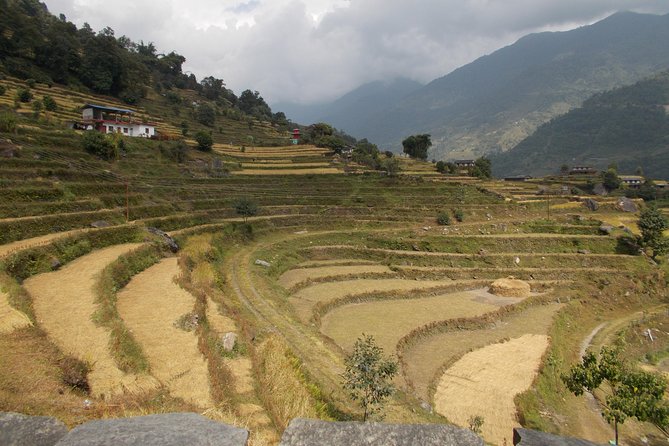
Day 3 is all about views and slower human scale. You start with the Nagarkot Panoramic Hiking Trail, moving via villages, terrace fields, and woods. It is a good fit for travelers who want nature without a multi-day trek. You are still walking, but the day does not swallow your whole schedule.
After sunset from Nagarkot, you hike down toward Ghimire Gaun in the foothills. This is described as a friendly welcome village experience, where you spend time living local village life alongside residents. For me, the value of a village day is that you see routines, not performances. You will likely notice small differences in pace, food habits, and how people use the outdoors.
The practical thing to remember: village walks can feel uneven. You will be glad you packed good footwear and layers, because this is a region where temperatures can shift from morning to evening.
A different sort of day out of Kathmandu:
- Kathmandu: 7 UNESCO Sites with Lunch
★ 4.8 · 744 reviews - Everest Base Camp Helicopter Tour landing at Everest View Hotel
★ 5.0 · 668 reviews - Half day cooking class in Thamel kathmandu
★ 5.0 · 607 reviews - Everest Base Camp Trekking
★ 5.0 · 485 reviews
Day 4: Monastery temples at Tukucha Nala, then Dhulikhel by foot
Day 4 begins at Tukucha Nala with a monastery and several historical local temples. The route emphasizes that locals guide you around and explain facts, then you wander toward “virgin and hidden” nearby places. I read this as a more local, less scripted feel, the sort of experience you want if you are tired of standing behind other groups.
Then you head from Nagarkot toward Dhulikhel Hiking via villages and valley greenery. On a clear day, you can see mountains in the backdrop. This is another day that matches the trip’s purpose: spiritual and nature stops in the same breath, instead of trying to cram them into separate travel phases.
One drawback to consider is time management. You have two parts to the day: temple touring plus a longer hike. If you are the type who needs a nap every afternoon, plan on being flexible and not treating the schedule like a strict train timetable.
Day 5: Namo Buddha and monk time that is more than sightseeing
Day 5 takes you from Dhulikhel to Namo Buddha with a hike. The monastery is described as Thrangu Tashi Yangtse Monastery, and your time there is presented as tranquil. You get time with monks and a chance to learn about monastic life.
This is where the trip’s “career break” positioning makes sense. You are not just ticking Buddhist sites. You are being scheduled into monastery rhythm, which can shift your travel perspective fast. Even if you are not into religion, there is something grounding about being around people with clear daily structure.
The walk duration is listed around 4 hours. That means you can expect a real effort. Bring water, and do not plan to spend the night after this day running around town if you want to enjoy the moment.
Day 6: Another morning at Namo Buddha, including meditation time
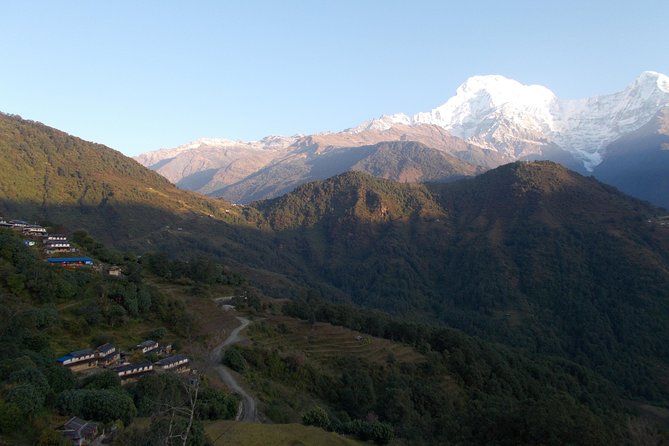
Day 6 stays at Namo Buddha, but it changes the angle. You enjoy mountain panorama in the morning, then descend to a nearby village for a morning hike with monks. After that, you return to the monastery and learn the daily lifestyle, including meditation.
This second monk-focused day is an important value element. One day of monastery time can feel like a cultural stop. Two days lets you feel the patterns: what is the same, what is different, how monks move through the day. For gap year and sabbatical travelers, that repeated exposure can be the difference between “interesting” and “changed how I see things.”
Physically, you should expect a full, not light, day. The listed duration is around 6 hours, and you already had a hike on day 5. If your body is sensitive, you might want to go into day 5 feeling rested.
Day 7: Panauti’s 15th-century temples and the Panauti Museum
On Day 7 you switch to a historical town experience in Panauti. The description is specific: a historical town dating to the 15th century, with around 40 iconic temples dedicated to different deities. You explore streets, houses, and temple clusters.
Then you add a culture-and-craft stop at the Panauti Museum, located inside the serene Indreshwor Temple. The focus is on stone and wooden arts and how these skills evolved in the community. This is a smart pairing for people who like context. Temples can be visually impressive, but museums help you understand materials and skill, why things look the way they do.
This day’s time is lighter than some of the hiking days, with about 3 hours for the village exploration and about 2 hours for the museum. It is a good day to slow down, take photos, and ask questions.
Day 8: Bhaktapur Durbar Square and Newari city heritage
Day 8 is your Bhaktapur day. You drive to Bhaktapur, described as the City of Devotees, and you experience Newari life through culture, food, tradition, and history.
Then you move to Bhaktapur Durbar Square, a UNESCO World Heritage Site with impressive temples and architecture. The big headline is Nyatapola, a five-storied temple. If you like architecture and symmetry, Bhaktapur usually delivers, and the square walking time is listed at around 2 hours.
This is also a good day for shopping if you want something more meaningful than a random trinket. The day blends heritage walking with local life, and you can spot what local artisans actually make rather than what is mass produced for tourist foot traffic.
Day 9: Your flexible Kathmandu wrap-up day
Day 9 is intentionally open: you spend the day as you wish, possibly revisiting places you want or buying souvenirs. The itinerary lists about 2 hours for this final segment, so it sounds like your guide supports the wrap-up rather than keeping you chained to the plan.
This is handy because Kathmandu is a city where a second look can be worth it. You might notice details on your return, especially after you have already walked through Durbar Square and the Asan market area earlier.
If you want to stay in the same spiritual theme, you can use this day to revisit an area you liked, or if you want rest, you can choose a quieter pace and let your body recover.
Who should book this sabbatical-style Nepal route
This works best if you want a thoughtful mix of spirituality and hiking without committing to a multi-week trek. If you are traveling during a gap year, a sabbatical, or any career break, you’ll likely appreciate the rhythm of stupa circuits, monastery time, and village life.
You should also like the idea of private touring. The setup is a private tour/activity, meaning only your group participates. That can reduce stress and give you space to ask questions, especially during monastery visits and temple explanations.
One more real-world note based on the feedback: I saw a complaint about a guide not communicating well in English when the traveler requested an English-speaking guide. You can avoid that problem by asking clearly about language support before you lock in your plans.
Should you book it
If you want Nepal that feels lived-in, not just photographed, I think this is a strong choice. The most persuasive parts are the monastery-centered days at Namo Buddha, the village experiences, and the way Kathmandu is handled on foot with both major and lesser-known stops.
Book it if you are comfortable with several hikes, you value cultural context from a local guide, and you want meals and transport handled for you. Skip it or double-check details if English support is critical for you, or if you struggle with long walking days.
If you decide to go, do one smart thing first: request confirmation about English-speaking guide options and any entrance fees that might be extra for sites like Kathmandu Durbar Square.
FAQ
How long is the Nepal trip from Kathmandu?
It runs for 9 days (approx.).
Where does the tour take place?
The tour is based in Kathmandu, Nepal, with day trips and hikes in the surrounding areas.
Is pickup offered?
Yes, pickup is offered.
Is this a private tour?
Yes. It is a private tour/activity, only your group participates.
What meals are included?
Breakfast is included for 7 days, lunch for 6 days, and dinner for 6 days.
Are entrance fees included?
All fees and taxes are listed as included, but the stop details show some sites as ticket-free, some as included, and Kathmandu Durbar Square as admission ticket not included. You should confirm for that specific stop.
What day trip hikes are included?
The itinerary includes hikes such as to Jarsing Pauwa View Point, Nagarkot Panoramic Hiking Trail, Ghimire Gaun walk time, Tukucha Nala area wandering, Nagarkot to Dhulikhel hiking, and hikes to Namo Buddha, plus a morning hike with monks near the monastery.
Is travel insurance included?
No. Travel insurance is not included.
Are personal expenses included?
No. Personal expenses are not included.
What is the cancellation timeline?
Free cancellation is available if you cancel up to 24 hours in advance for a full refund.
Latest Kathmandu write-ups
- 10 days Annapurna Base Camp Trek★ 5.0 · 5 reviews
- Visit Swayambhunath and Bauddhanath Stupa with Guide★ 5.0 · 5 reviews
- Langtang Trek from Kathmandu 7 Days★ 5.0 · 5 reviews
- 7 Day Kathmandu Pokhara Tour★ 4.5 · 5 reviews
- Island Peak Climbing with Everest Base Camp★ 5.0 · 5 reviews
- Chandragiri Hill Cable Car Tour with Hotel Transfers from Kathmandu★ 4.5 · 5 reviews
- Everest Mountain Flight★ 5.0 · 5 reviews
- Kathmandu city day tour (4 world heritage sites)★ 5.0 · 5 reviews
Kathmandu Tours, compared.
Private Kathmandu Sightseeing Tour | UNESCO World Heritage sites
Read our review →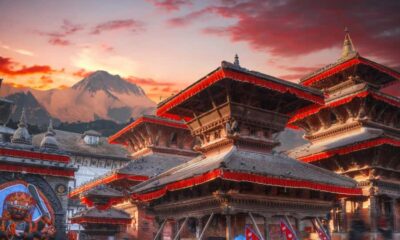
Everest Base Camp Helicopter Tour landing at Everest View Hotel
Read our review →