
Reviewed · ANNAPURNA CIRCUIT TREK
Kathmandu: 9-Day Annapurna Circuit Trek via Thorong La Pass
Thorong La is the hook here, not just the backdrop. You’ll cross a real high pass at 5,416m, then keep going downhill through Tibetan-style villages and into the spiritual chaos of Muktinath.
What I like most is how the trek is built to be doable. Two days of breathing room in the middle, plus a proper setup night in Thorong Phedi, means you’re not guessing how to handle altitude. I also really appreciate the human touch I saw in guides like Sishir and Parkash, who stayed close, adjusted pace, and helped make the hardest hours feel controlled.
The main drawback is obvious once you’re staring at the numbers. The pass day is long, cold, and mentally demanding, and this route is not a good fit if you struggle with high elevation or have health limits.
Key things that make this trek worth your time
- Thorong La Pass at 5,416m: The big physical test and the reward of wide mountain views
- Manang acclimatization (and optional glacier hike): Built-in breathing space instead of rushing higher
- Upper Pisang detour through Bhratang Valley: A classic mix of village life and high views
- Teahouse travel at altitude: Simple lodging, real mountain rhythm, no “resort” expectations
- Muktinath Temple stop: A sacred site with Hindu and Buddhist devotion in one place
Why Thorong La feels like more than a checklist
If you’re choosing the Annapurna Circuit, you’re choosing variety. You start with terraced fields and countryside roads, then the trail climbs into pine and oak, and eventually you’re in that stark, high-altitude zone where the air feels thin even before you notice your breathing.
Thorong La is the main event. It’s not just “reach a point,” it’s the whole arc of getting ready for it. You’ll spend multiple days moving higher, then you’ll do a very early start, cross the pass, and descend while your legs are already tired. That combination is exactly why people remember this trek.
The other thing I respect is how the route gives you real cultural contact. You’re not only walking past scenery, you’re passing through homes in Bhote villages, stopping in communities like Upper Pisang, and ending at Muktinath, where faith is part of the daily rhythm.
More of the Annapurna Circuit:
- Kathmandu: 9-Day Annapurna Circuit Trek via Thorong La Pass
★ 5.0 · 7 reviews - Kathmandu/Pokhara: Annapurna Circuit Trek 10 days
★ 5.0 · 6 reviews - Annapurna Circuit Trek With Tilicho Lake :Best Trek in Nepal
★ 5.0 · 4 reviews
From Kathmandu to Besisahar and Dharapani, you ease into altitude the right way
Day 1 is a long travel day, but it’s an important warm-up. You get picked up early from your Thamel area hotel, then head by bus to Besisahar (about 7-8 hours, 175 km). After that, you switch to a shared jeep to Dharapani.
Why this matters: it’s scenic, slow enough that you’re not burning energy, and it positions you for an easy day-after start. You’ll pass rolling valleys, terraced fields, and villages with distant peaks in the background, so you get a taste of the region before your boots hit the trail.
At the end, you sleep in a tea house, which keeps your first transition simple. No complicated staging, no last-minute decisions.
Dharapani to Chame: first real trek day, first feeling of the circuit
Day 2 (about 6 hours, around 13 km, ending at roughly 2,670m) is where the Annapurna Circuit becomes real. You trek from Dharapani to Chame through Bhote villages, plus pine and oak forest sections.
You’re not climbing like crazy. Instead, you’re building trust in your pace. You’ll spend time with streams and open stretches, then arrive at Chame where the air feels more alpine.
Teahouse lodging here is basic, but that’s the whole point. You settle in, eat, and start learning the rhythm of this style of trekking: walk, rest, eat simply, sleep, repeat.
Upper Pisang: views, village time, and that classic high-Himalaya feel
Day 3 (5-6 hours, about 15 km, ending around 3,200m) brings you into the Bhratang Valley. The climb is steady, and the reward is a stronger sense of the big peaks around you.
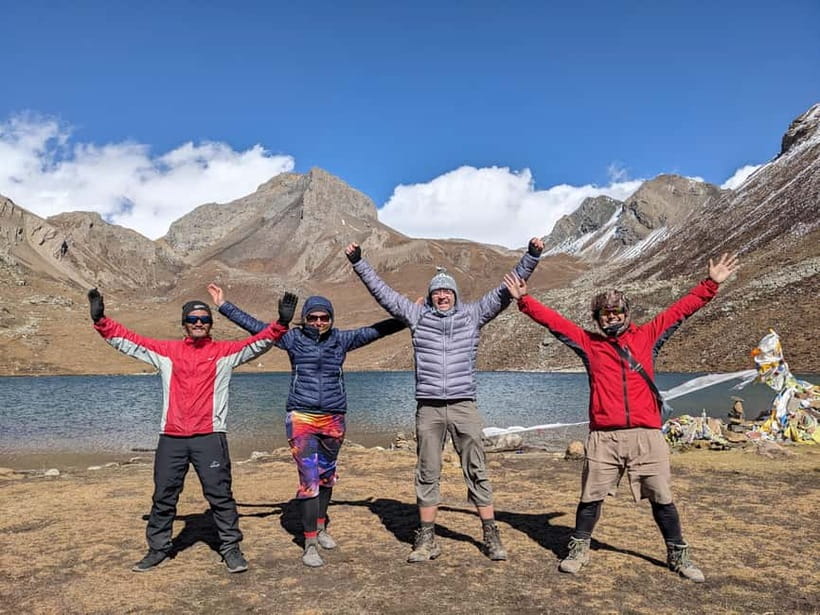
Upper Pisang is also where you get that human side of the trek. You’re not rushing through a pass-through town. You actually have time to explore the village, meet locals, and soak up the mix of Himalayan culture and daily life. It’s a good day to slow down with photos, not only for pictures, but because the effort starts adding up.
One practical note: at this elevation, the light changes fast. You’ll want layers that let you warm up on climbs and cool down when you stop for a snack.
More to compare around Pokhara
- ZipFlyer Nepal – The World’s Steepest Zip-line
★ 5.0 · 608 reviews - Bungee Pokhara by HighGround Adventures
★ 5.0 · 366 reviews - From Pokhara: Sarangkot Sunrise Himalayas Tour
★ 4.7 · 218 reviews - Full-Day Tibetan Cultural Tour to Tibetan Settlements Pokhara
★ 5.0 · 184 reviews
Upper Pisang to Manang: higher valleys and the altitude reality check
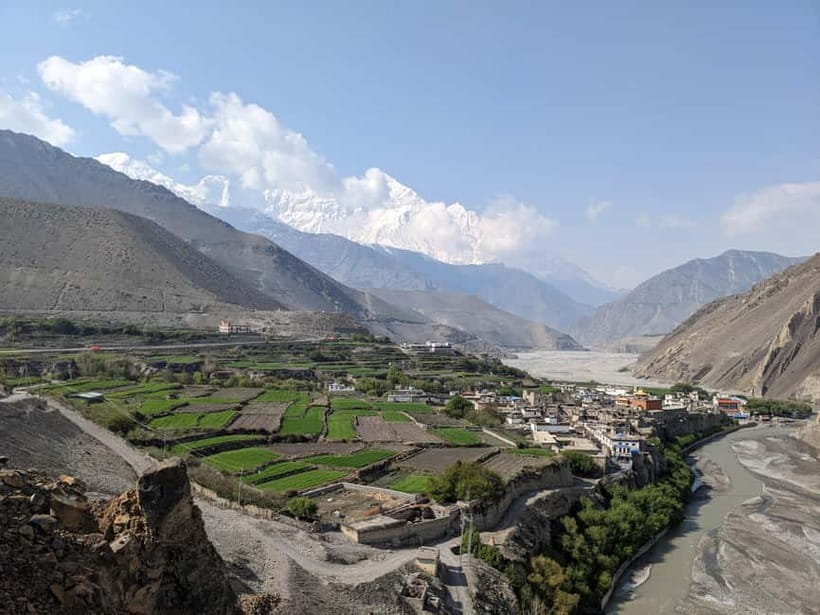
Day 4 (about 5-6 hours, around 16 km, finishing around 3,540m) turns the dial up. You move through forests and valleys toward Manang.
Here the views get more dramatic. You’ll have sightlines toward peaks like Tilicho Peak, plus Annapurna III and Annapurna IV, depending on conditions. This is also the day you start feeling that Manang is not just another stop. It’s a base for acclimatization and decision-making.
When you arrive, you rest in a teahouse in Manang. This is not a “power through” day. It’s a “let your body catch up” day.
Manang acclimatization day: the stop that can save your trek
Day 5 is a dedicated acclimatization day in Manang (around 4,050m). If you’ve ever watched people get in trouble on high treks, it often comes from skipping this step.
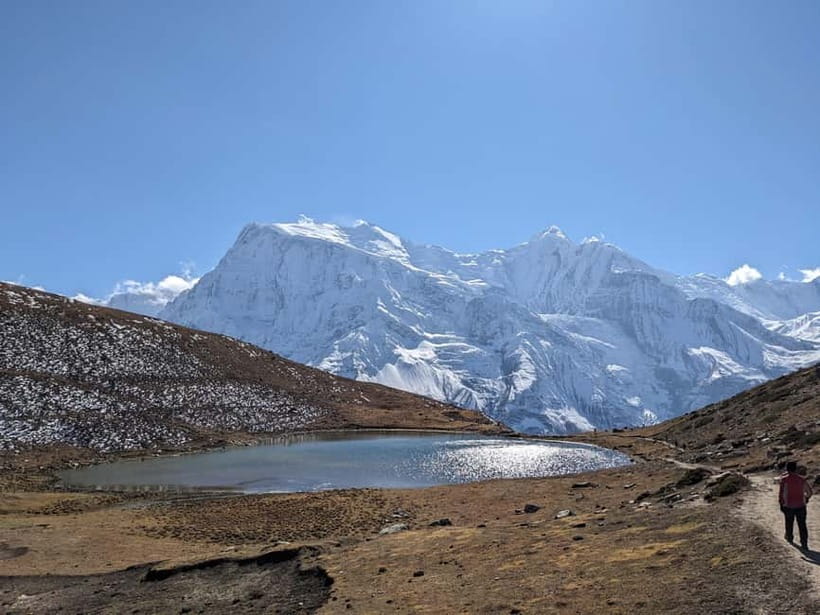
You’ll have the option to take a short hike to Gangapurna Glacier Lake or nearby icefalls, if you feel good. Even if you don’t do the optional part, the value is the same: you’re letting your body adjust while still moving enough to stay comfortable.
I like this design because it turns Manang into more than a bednight. You’re building the stamina and confidence you need for the final approach.
Manang to Yak Kharka: short day, big altitude effect
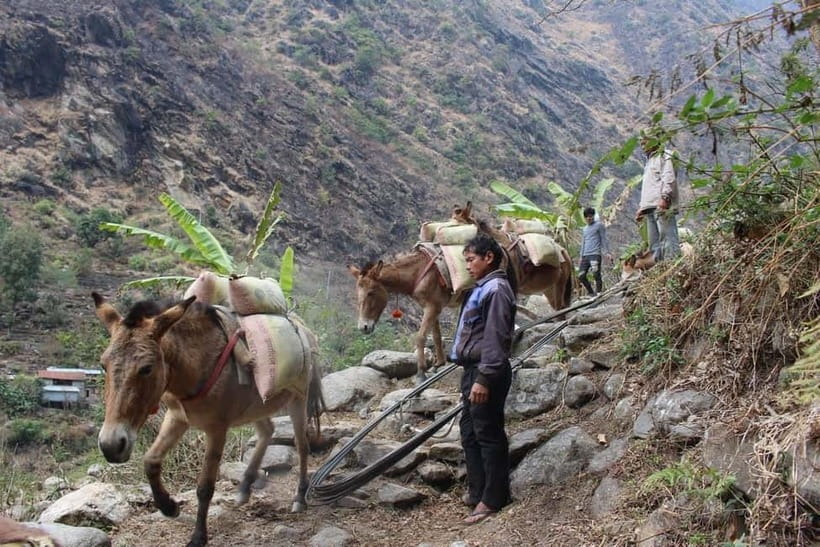
Day 6 is a shorter trek (about 4 hours, around 7 km) that still ends around 4,050m. You walk into alpine pastures with sweeping mountain views and crisp air.
This is the day to keep things easy on purpose. If you feel strong, you still resist the urge to hike faster than you should. You want to arrive at Yak Kharka feeling ready, not wrecked.
Teahouse nights keep your schedule simple. You’ll eat, hydrate, and prepare for tomorrow, when the trail rises into the pass zone.
Yak Kharka to Thorong Phedi: the last “setup” night before the pass
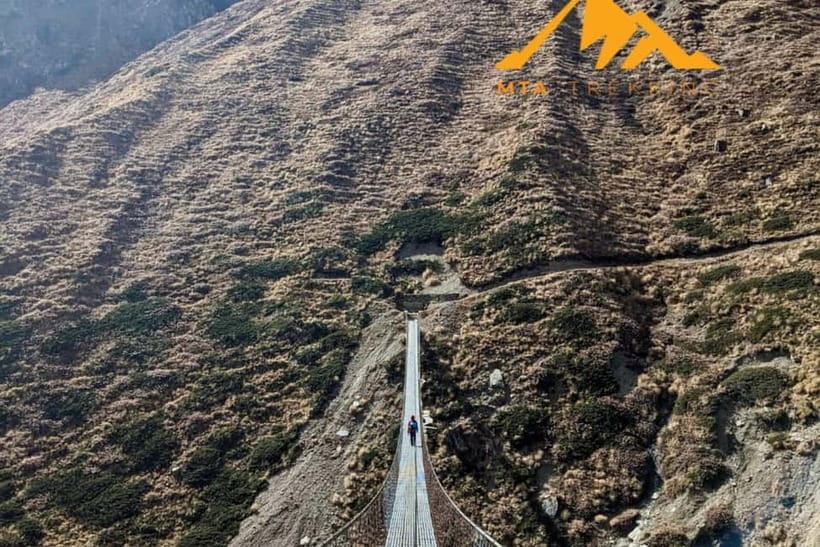
Day 7 (about 4-5 hours, roughly 6 km, reaching around 4,450m) takes you to Thorong Phedi, the base camp for the pass crossing.
You’ll climb across rocky paths and cross suspension bridges. It’s not just about altitude now, it’s about footing and rhythm. This is where your trekking poles earn their keep and where you learn that slow is fast at high elevation.
You sleep in a teahouse at Thorong Phedi and you rest. This matters because your next day starts very early, around 4:00 AM.
If you want one practical trick that shows up again and again in guide feedback: don’t treat the pass day like a normal hike. Treat it like a mission. Get your layers organized the night before so you’re not fumbling when the cold hits.
Thorong La Pass day to Muktinath: early start, prayer flags, and a descent that feels endless
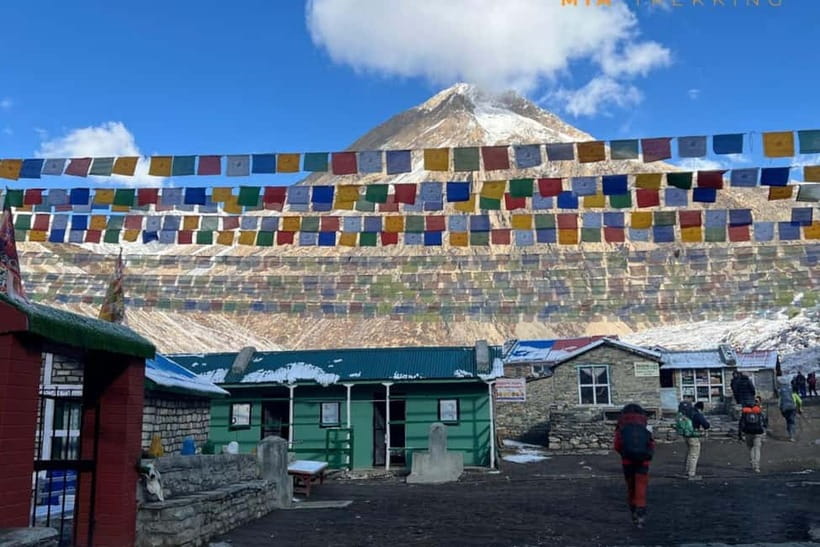
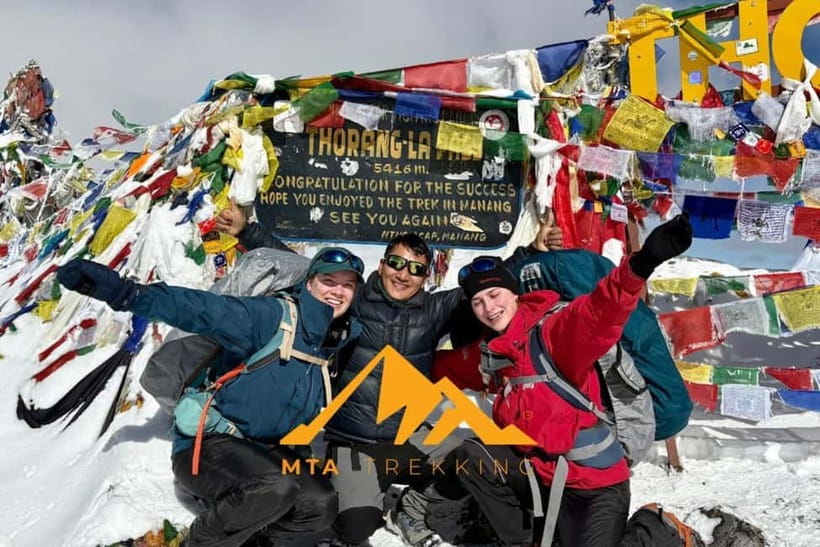
Day 8 is the big one. The itinerary sets you up to cross Thorong La Pass (5,416m) very early, around 4:00 AM, to avoid the winds that can pick up later.
The climb is challenging. You work uphill at thin air levels, and your breathing becomes the boss of the body. Then comes the odd part: even if you feel like you should speed up once you reach the top, the descent can feel longer than expected. Your legs work hard even when the trail goes down.
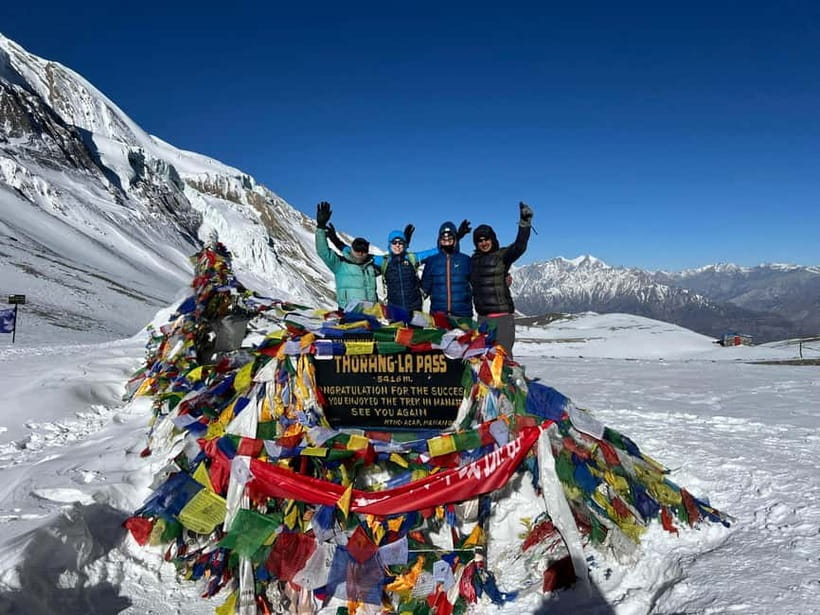
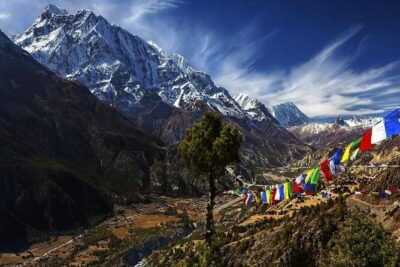
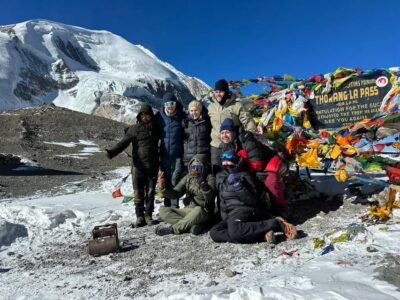
At the pass, you’ll see prayer flags and wide Himalayan panoramas. This moment is why people keep coming back to this region. It’s not only the altitude, it’s the feeling of standing on one of the world’s high trekking thresholds.
You descend steadily to Muktinath, arriving around 12-1 PM for lunch and overnight.
Optional add-on: you can go to Tatopani hot springs to relax tired muscles after the pass day. The taxi costs about USD 50 and is payable by participants, so budget for it if your body is asking for recovery.
Muktinath to Pokhara: sacred walking, then a road reset
Day 9 is transfer time. You drive from Muktinath to Pokhara by bus (about 5-6 hours, around 110 km).
Muktinath is a pilgrimage site for both Hindus and Buddhists. Even if you’re not a temple person, it’s worth slowing down here. The place feels different because devotion is part of what’s happening, not an added performance for visitors.
Pokhara is also where your trek life turns into city life again: warm showers if you choose them, a proper meal that doesn’t require tea-house logistics, and the chance to remember what you just did while your legs still feel it.
Lodging and meals: simple, consistent, and cold when the altitude bites
This trek uses tea house or lodge accommodation for 8 nights during the hike, plus one night in Pokhara at Hotel Orchid (tourist-standard luxury, with AC).
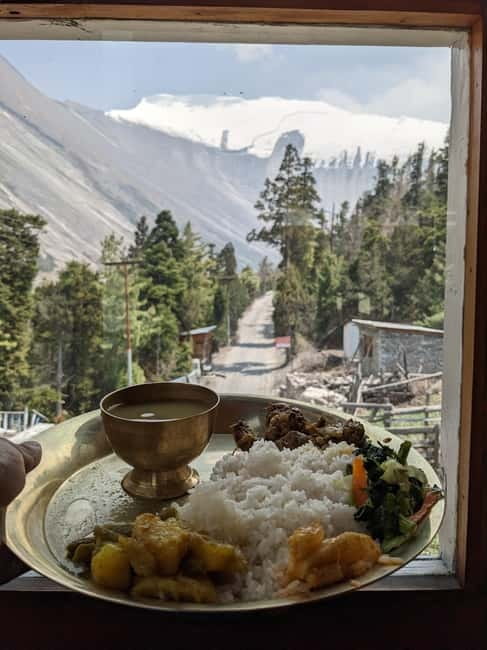
Meals during the trek are included for Full Package bookings, covering breakfast, lunch, and dinner. Expect food that keeps you fueled more than food that surprises you. One pattern you should be ready for is that meals can feel similar day to day, but they’re practical when you’re tired and altitude-slow.
The cold is the part I wouldn’t gamble on. Even if daytime feels manageable, evenings can get surprisingly harsh at high elevation. Bring layers you can actually move in. You’ll want good socks, a hat, and a system for drying and warming up after you come in from walking.
Guides and how this trek stays “manageable”
The trekking guide is an authorized English-speaking leader, and a porter can be added at an extra cost. That combination matters more than you might expect.
From guide behavior I’ve seen reflected in the way people describe their trips, the strongest difference is pacing and altitude handling. Guides like Sishir and Parkash are described as patient, supportive, and focused on checking in regularly, including on the toughest day. One guide also offered to carry part of a trekker’s bag on the hardest section, which is a good reminder: you can ask for help if you’re struggling.
You also get permits handled for you, including TIMS and the required paperwork, plus the trekking permit coverage the trek needs. That removes a lot of stress when your brain is already occupied with weather, altitude, and where you’ll sleep that night.
Fitness, altitude, and safety: who should not choose Thorong La
You reach up to 5,416m, and the walking days run long. Good fitness and prior trekking experience are recommended, especially because you’ll often be moving for several hours at altitude.
The trek includes acclimatization built into the schedule, with a full day in Manang and shorter higher-altitude days after that. Still, acclimatization is not a magic spell. If you have symptoms of altitude sickness, this route is not for you.
The tour data flags several groups as not suitable:
- children under 7
- pregnant women
- people with altitude sickness
- people with high blood pressure
If any of those apply, don’t force it. Choose a lower-altitude trek instead.
Best time to go, and packing that matches the realities
The best seasons for clear skies and good visibility are spring (March-May) and autumn (Sept-Nov). Autumn often gives mild temperatures and strong views. Spring can be warmer, with more blooming life along the lower parts of the route.
Avoid monsoon season (June-Aug). Heavy rain makes trails slippery and the risk goes up.
Winter (Dec-Feb) can be cold and snowy, and closures can happen depending on conditions.
What to pack is mostly common sense, but keep it practical:
- comfortable shoes
- sunglasses and sunscreen
- sun hat
- quick-dry clothing and comfortable layers
- passport or ID card (copy accepted)
Also, alcohol and drugs are not allowed on this trek. That’s not just a rule, it’s a safety choice at altitude.
Value and logistics: what you should compare before you book
Even without a specific price shown here, you can judge value by what’s covered. This package includes:
- hotel pickup and drop-off
- an English-speaking trekking guide (porter optional)
- permits and TIMS
- tea house lodging during the trek
- meals for Full Package bookings
- 1 night in Pokhara at Hotel Orchid
- farewell dinner in Lakeside, Pokhara with traditional Nepali cuisine
- guide services including full insurance coverage
- luggage storage
What you should plan to cover yourself:
- travel and rescue insurance
- soft and hard drinks
- personal expenses like phone use and laundry
- bottle or boiled water, and shower-related costs
- Nepalese visa fee
- optional stuff like the Tatopani taxi
My best advice for “value shopping” is to compare two things first. One, does the trek price include meals for the whole trekking period? Two, does it include the permits and TIMS paperwork you actually need? If those are missing, the price can look good but turn into extra costs right when you’re tired.
Should you book this Annapurna Circuit via Thorong La Pass?
Book it if you want a high pass that feels earned, plus real village life and a finish at Muktinath. This route is designed for gradual adjustment with that important Manang acclimatization day, and guides seem to do a strong job keeping pace steady, especially around the pass.
Hold off if you’re not confident about altitude or you have health conditions like high blood pressure. Also, if cold nights and early mornings will make you miserable, this trek will probably test your patience.
If you do book, go in with a mission mindset: take the acclimatization seriously, keep your effort steady, and treat Thorong La day as the peak of your fitness, not a race.
FAQ
What is the duration and route for this trek?
It’s a 9-day trek on the Annapurna Circuit via Thorong La Pass, reaching up to 5,416m. It starts with transfers from Kathmandu toward Besisahar and Dharapani, then trekkers continue through the circuit to Muktinath and finish with a bus ride to Pokhara.
What is the highest altitude on this itinerary?
The trek crosses Thorong La Pass at 5,416m.
Do you include an acclimatization day?
Yes. Day 5 is an acclimatization day in Manang (around 4,050m). There’s also an optional hike to Gangapurna Glacier Lake or nearby icefalls.
How long is the Thorong La Pass day, and when do you start?
On Day 8, the trek is about 7-8 hours. You start very early, around 4:00 AM, to cross Thorong La Pass before winds pick up. You descend to Muktinath and typically arrive around 12-1 PM.
What kind of accommodation and meals are included?
During the trek, you stay in tea house or lodge accommodation for 8 nights. For Full Package bookings, meals (breakfast, lunch, and dinner) during the trek are included. You also get 1 night in Pokhara at Hotel Orchid, plus a farewell dinner in Lakeside.
Do I need permits, and are they handled for me?
Yes. The package includes required trekking permits, TIMS fees, Trekkers’ Information Management System paperwork, and applicable government taxes.
Is the guide provided, and what languages do they speak?
Yes, you get an authorized English-speaking trekking guide. The tour also indicates Hindi support, and a porter can be arranged at an additional cost.
Latest Pokhara write-ups
- Mardi Himal Trek -5 Day Short Trek From Pokhara★ 5.0 · 8 reviews
- Tandem Paragliding in Pokhara★ 4.8 · 8 reviews
- Pokhara: Peace Pagoda Sunset, Annapurna Mountain Views Tour★ 2.9 · 5 reviews
- Short & Scenic: 2-Day Private POON HILL Trek from Pokhara★ 5.0 · 8 reviews
- Seti George and Thrilling Suspension Bridge Tour at Pokhara★ 4.5 · 3 reviews
- Sarangkot Sunrise over the Himalayas★ 4.8 · 83 reviews
- Pokhara: Sarangkot Sunrise and Private Full Day Tour★ 4.8 · 24 reviews
- From Kathmandu/Pokhara: Private 3-Day Chitwan Safari Tour★ 4.7 · 34 reviews
Annapurna Circuit Trek, compared.
10-Day Annapurna Circuit Trek via Thorong La Pass
Read our review →
9-Day Annapurna Circuit Trek via Thorong La Pass
Read our review →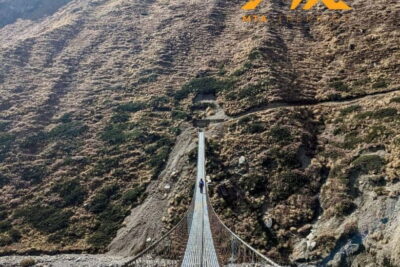
8-Day Annapurna Circuit Trek via Thorong La Pass
Read our review →
Annapurna Circuit Trek With Tilicho Lake :Best Trek in Nepal
Read our review →Browse the lists this tour appears in