
Reviewed · ANNAPURNA CIRCUIT TREK
Kathmandu: 9-Day Annapurna Circuit Trek via Thorong La Pass
This trek is interesting because it turns the Annapurna region into a changing, day-by-day puzzle, from subtropical villages to high-altitude passes. Two things I really like are the built-in acclimatization around Manang and the chance to walk over Thorong La Pass at 5,416m with views of Annapurna, Dhaulagiri, and Machapuchare. The main drawback to plan around is altitude, since this route is not for anyone with current altitude sickness or certain medical limits.
I also appreciate the human side of the walk. You pass through places like Chame, Upper Pisang, and Manang where local life feels close, and the hospitality comes through in everyday tea house routines. Just know it is mostly basic lodging, so you are trekking for the experience, not hotel perks.
Key things that make this trek worth your time
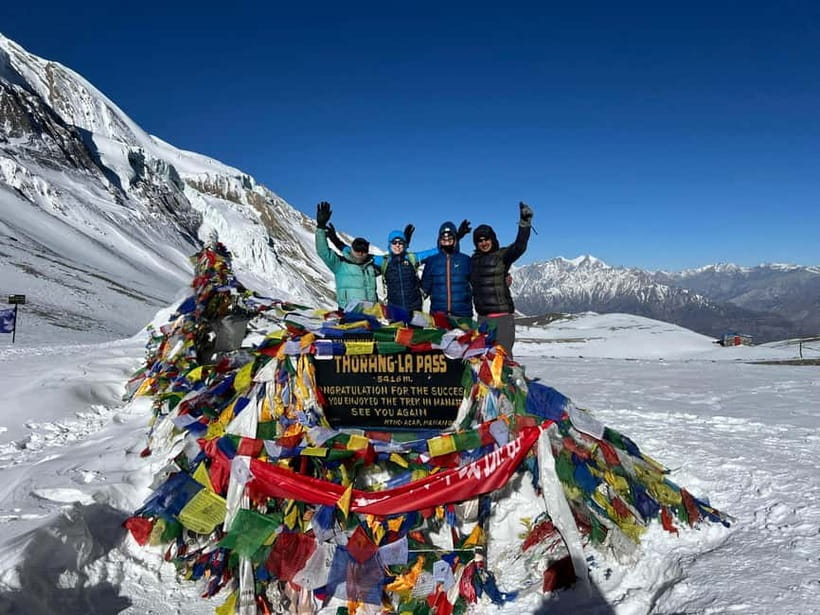
- Thorong La at 5,416m, the dramatic high point of the Annapurna Circuit crossing
- Practical acclimatization in Manang, plus an option to do a short extra hike toward glaciers
- Real village variety, including Bhote villages, oak and pine forest sections, and Tibetan-influenced stops
- Government registered local guide and English or Hindi support, including emergency rescue assistance
- A full end-to-end route, with Kathmandu to the trail and a smooth bus ride into Pokhara
Why Thorong La feels like the Annapurna Circuit in one trip
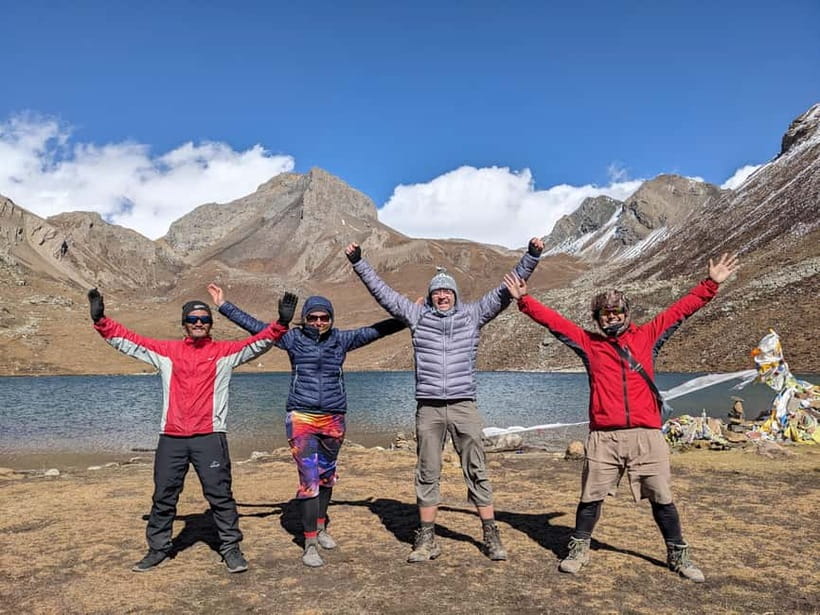
The Annapurna Circuit gets talked about for good reason. But this specific 9-day plan is appealing because it compresses a huge range of environments into a workable schedule. One day you are in oak and pine forest tones, the next you are moving through a higher, drier feel, and then you hit the pass where the air gets thin and the world gets big.
What makes it most rewarding is the way the route gives you time to adjust. You are not just rushing toward the highest point. You build in a rest day in Manang and then gradually climb to Thorong Phedi before the pass day, which is a real difference for comfort and confidence.
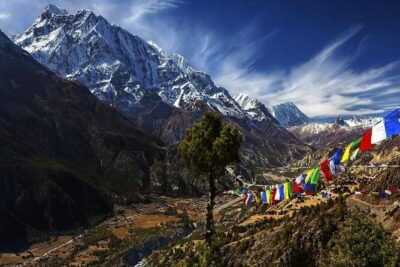
The other big draw is the “view triangle” you are walking toward. The trek is designed around the big names you came for: Annapurna, Dhaulagiri, and Machapuchare, with the pass itself sitting above the rest.
More of the Annapurna Circuit:
- Kathmandu/Pokhara: Annapurna Circuit Trek 10 days
★ 5.0 · 6 reviews - Annapurna Circuit Trek With Tilicho Lake :Best Trek in Nepal
★ 5.0 · 4 reviews - Kathmandu: 10-Day Annapurna Circuit Trek via Thorong La Pass
★ 5.0 · 3 reviews
Route at a glance: Kathmandu to Dharapani, then over Thorong La to Muktinath
Your journey starts in Kathmandu with a hotel pickup in the Thamel area. You travel by road first, then switch to a jeep to reach Dharapani, and from there you walk day after day, gradually gaining altitude.
The trek finishes in Muktinath, an important pilgrimage site, before you head into Pokhara by bus. You also get one night in Pokhara at Hotel Orchid, plus a farewell dinner after the trek, which is a nice way to end something that is physically demanding.
If you like a trek that has clear stages and real village stops, this route fits that style. It is not only about reaching a top, it is about the transition getting there.
Day-by-day trek details, with what matters each step
Day 1: Kathmandu to Dharapani, the long travel day
You get an early pickup from your Kathmandu hotel, then transfer to the bus station for a scenic drive to Besisahar, about 7 to 8 hours. After that, you take a jeep to Dharapani.
This day is all about settling your gear, hydrating, and mentally preparing for walking tomorrow. It is not a “short warm up” day, so if you hate motion and prefer to start hiking right away, manage your expectations. The good news is you are being handled end-to-end, including transport between destinations.
More to compare around Pokhara
- ZipFlyer Nepal – The World’s Steepest Zip-line
★ 5.0 · 608 reviews - Bungee Pokhara by HighGround Adventures
★ 5.0 · 366 reviews - From Pokhara: Sarangkot Sunrise Himalayas Tour
★ 4.7 · 218 reviews - Full-Day Tibetan Cultural Tour to Tibetan Settlements Pokhara
★ 5.0 · 184 reviews
Day 2: Dharapani to Chame, from green valleys into trekking rhythm
Today you hike about 6 hours to Chame at 2,670m. You pass through Bhote villages, then move through oak and pine forests, with fields and small viewpoints breaking up the trail.
Chame is one of those classic circuit towns where you will feel the rhythm of tea house life. The practical tip here is pacing: keep the effort steady, not heroic, because tomorrow and the next day are where you build altitude.
Day 3: Chame to Upper Pisang, views start getting sharper
You trek 5 to 6 hours to Upper Pisang at 3,200m. The route includes a stop in the Bhratang Valley and gives you stunning views of Lamjung Himal.
Upper Pisang tends to feel more “high and structured” than the lower valley sections. Expect the air to feel thinner and the light to look different on the mountains. This is a good day to practice layer control, since mornings can feel cool even when afternoon sun warms things up.
Day 4: Upper Pisang to Manang, big peaks start showing up
You hike 5 to 6 hours to Manang at 3,540m. Along the way, the views connect you to the famous faces: Tilicho Peak and the nearby Annapurna III and Annapurna IV area.
Manang is where the trek starts to feel serious in a good way. It is a larger stop, with more services, more trekkers, and more oxygen you will still want to respect. Think of this day as your entrance into the higher part of the Circuit.
Day 5: Acclimatization in Manang, the day that keeps you comfortable later
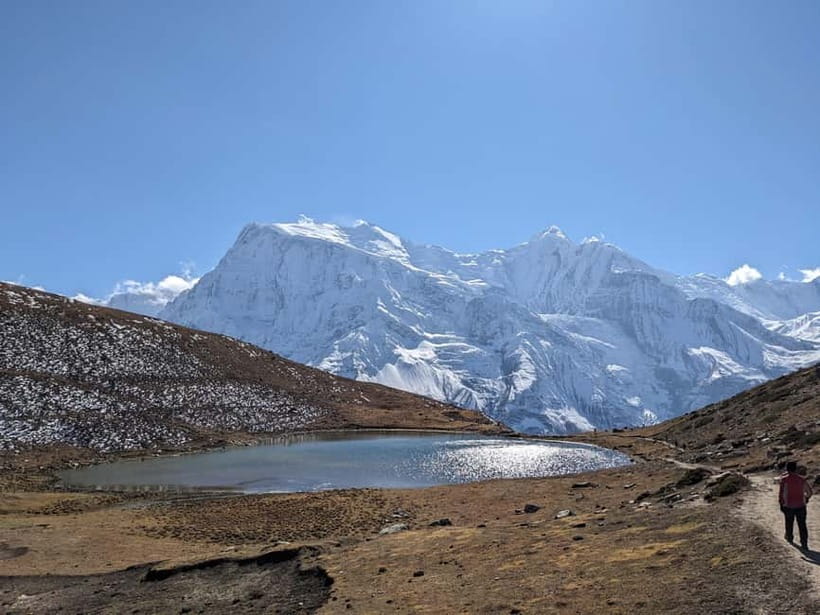
This is your rest day at 4,050m. You can simply relax, or choose an optional hike toward Gangapurna Glacier Lake or nearby icefalls.
This day matters because it supports the altitude schedule, not just your comfort. If you only rest in the strict sense, you might feel stiff. If you do a short walk, you help your body adapt without burning energy you need for the pass.
I love that the plan gives options, because acclimatization is not one-size-fits-all. Some people want to move, others need quiet time, and both choices can work when the pass is still ahead.
Day 6: Manang to Yak Kharka, higher and more open
You hike about 4 hours to Yak Kharka at 4,050m. The day focuses on adjusting to the higher altitude with expansive mountain views.
Yak Kharka is not the kind of place you visit for sightseeing alone. You come for the transition. The air feels thinner, the terrain can look more stark, and your breathing becomes part of the rhythm. Take this as a “calm day,” not a day to test your lungs.
Day 7: Yak Kharka to Thorong Phedi, get ready for the pass day
Today is about 4 to 5 hours to Thorong Phedi at 4,450m. You cross bridges and gradually ascend, building your body toward the high morning.
Thorong Phedi is where you should focus on logistics inside your brain. Plan your layers, set yourself up for an early start tomorrow, and keep your energy for the pass crossing. When the trail gets demanding, small preparation choices make a big difference.
Day 8: Thorong Phedi to Muktinath via Thorong La, the big day
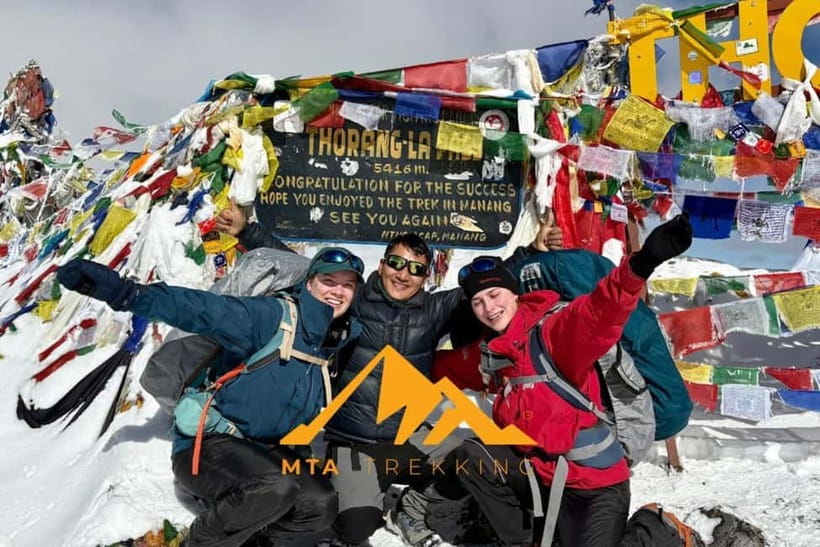
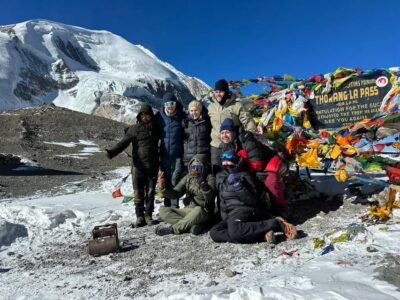
This is the signature day, about 7 to 8 hours. You cross Thorong La Pass at 5,416m, then descend to Muktinath with panoramic views over the Mustang Valley.
Thorong La is one of those moments where the effort becomes the point. The higher you go, the more your pace slows naturally, and that is normal. If you have a guide who keeps you steady and patient, it makes the pass feel less like a fight and more like a controlled climb.
After the pass, the descent toward Muktinath can feel like a relief, but your legs still work. This is not the day to treat it like a downhill stroll. You will still be tired, just in a different way.
Day 9: Muktinath to Pokhara, then a real meal and a bed
You take a bus ride to Pokhara, about 8 hours. When you arrive, you have time to unwind, and you also have that included one night at Hotel Orchid.
This is your recovery window. You will probably feel the trek in your body even if you feel proud and energized. Pokhara is a good place to land after big mountains, because you can eat, shower if you choose, and take your time.
Thorong La at 5,416m, and how to make that day manageable
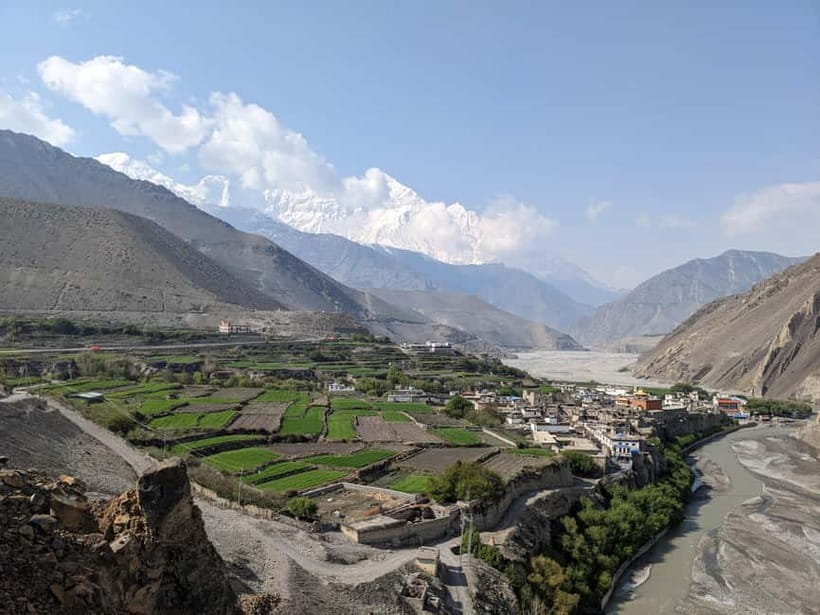
This trek’s high point is Thorong La Pass at 5,416m. That number is not just a brag. It changes how you breathe, how you walk, and how you feel the cold.
The route design helps you handle it. You have acclimatization in Manang, then you walk gradually to higher sleeping points, including Thorong Phedi. That pattern is what makes the pass day more realistic.
One extra detail worth noting is the role of the guide. In the feedback I read, people praised guidance that includes confidence with essential gear and support through acclimatization, with examples of a guide like Shishir being described as patient and attentive. That kind of pace control matters when the weather and altitude can push you around.
Tea houses and lodges: basic comfort, predictable routines
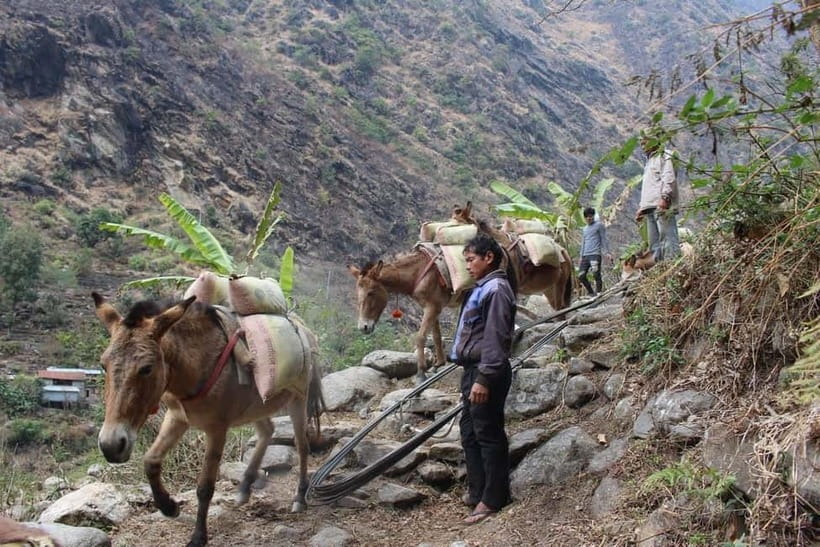
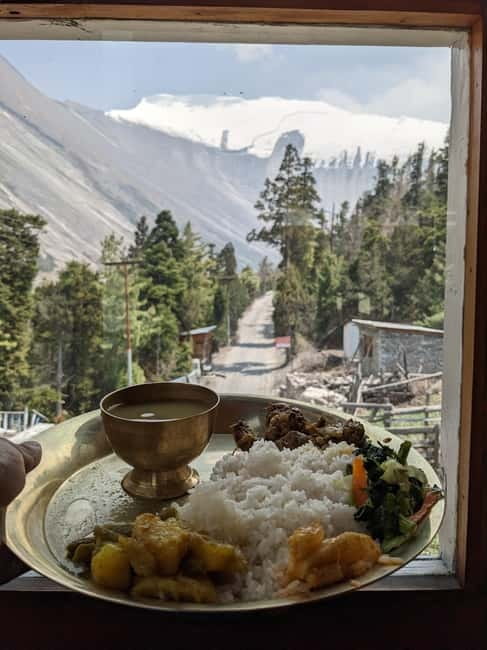
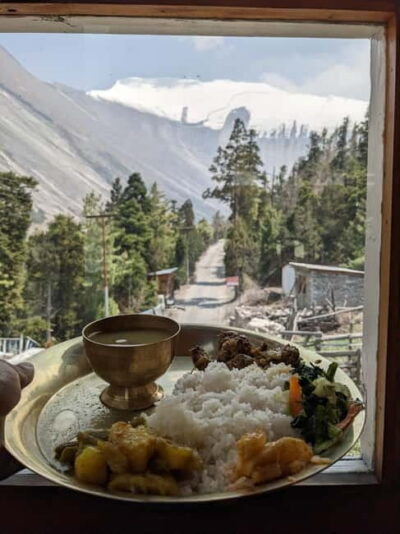
You stay in tea house and lodge accommodations during the trek. Meals are not listed in detail, but you should expect simple, straightforward options typical of the route.
This matters because comfort in this kind of trek is about consistency, not luxury. You care about a warm room, a usable bed, and a system that helps you eat and sleep well enough to walk again.
Also, keep in mind what is not included. Drinks are not included, and your personal expenses are on you. If you like frequent bottled drinks or snacks, budget for them. Even small additions can add up over multiple days.
Guides, permits, and getting around without extra stress
You get an experienced government registered local guide. The live guide is listed as English and Hindi, which is helpful if you do not speak Nepali.
You also get the paperwork handled for you, including permit and TIMS card, plus transport between destinations and to and from the trek activities. That means you are not trying to coordinate buses, share jeeps, or track down permits on the fly after a long travel day.
It is also a “private group” setup. That can mean more flexibility in pacing and questions, especially if you are the kind of traveler who likes to ask why you are doing something at altitude.
In feedback about this trek, the coordination from the team is mentioned, including a reference to Mr. Bijay staying in touch prior to leaving. For your sanity, that kind of communication matters, because treks fail less often when you are prepared before you arrive.
Pokhara after the mountains, plus Hotel Orchid and the farewell dinner
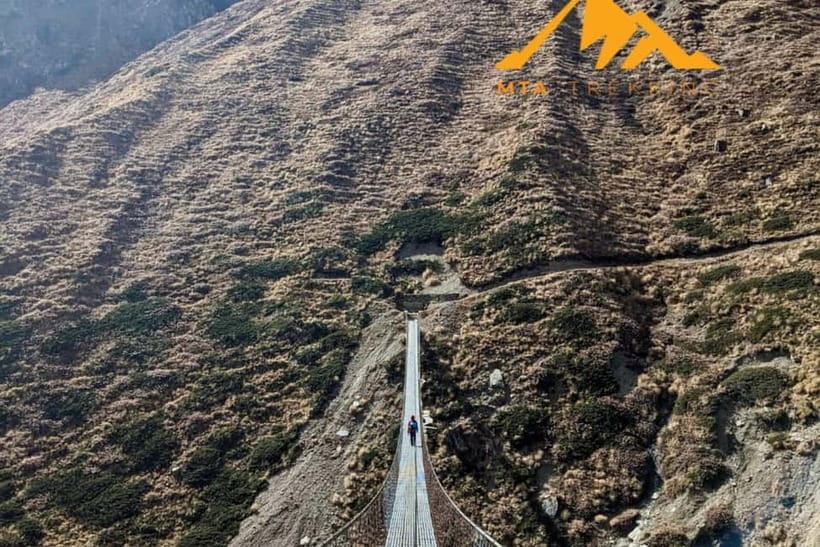
After Muktinath, you ride into Pokhara and you are not left hanging. You get one night at Hotel Orchid and a farewell dinner.
That matters because Pokhara is where you reset. You are transitioning from trekking time to normal life time. Having a specific night in a hotel means you do not need to scramble for last-minute rooms right after a high day and long travel.
If you enjoy strolling in the lakeside area or just watching mountain light change from the shore, this is your chance to do it without rushing a schedule.
Best time to go: when Thorong La views are at their clearest
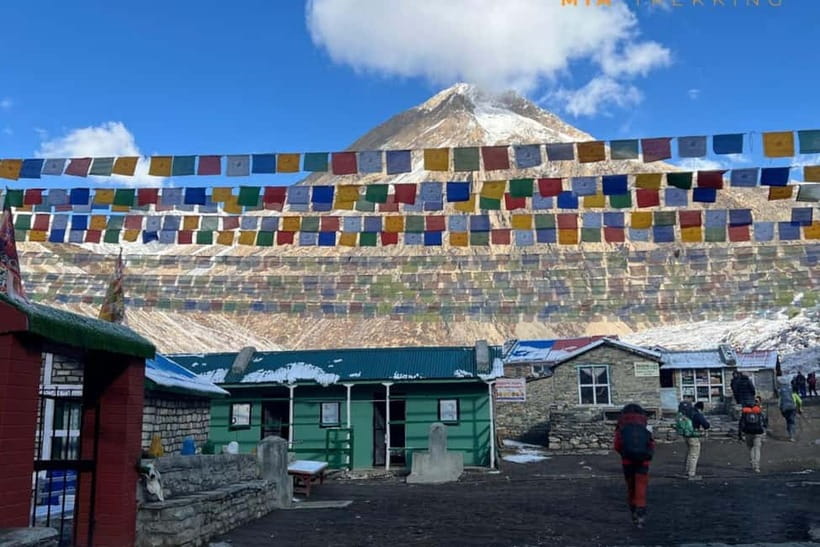
The best seasons listed are spring (March to May) and autumn (September to November). These months typically give clearer skies and better visibility.
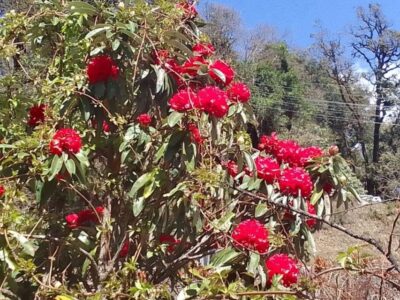
Spring can be warmer with blooming flowers, which is a treat on the lower sections like the forest and valley walks. Autumn is often favored for mild temperatures and strong visibility, which is what you want for pass-day photos and for seeing distant peaks.
Winter (December to February) is described as cold and snowy, with potential trail closures. Monsoon (June to August) brings heavy rain and slippery trails, so it is not a good bet if you want to avoid risky footing.
Who this trek suits best, and who should think twice
This route is for people with good fitness and prior trekking experience. The walking hours are long, and you are going up to 5,416m.
You also need to take altitude seriously. The itinerary includes acclimatization days, but you are still responsible for your own body. The plan explicitly notes it is not suitable for people with altitude sickness and not suitable for people with high blood pressure.
It is also not suitable for children under 7 and not suitable for pregnant women. If you have any medical concerns, it is smart to get clearance before you choose this kind of altitude trek.
A final practical note on preparation: the trek info says to bring essential gear such as boots, layers, and a sleeping bag, plus basics like sunglasses, a sun hat, and sunscreen. Quick-dry clothing helps because you will likely deal with changing conditions.
Price and value: what $456 covers, and your realistic add-ons
The listed price is $456 per person, and the value comes from how much is already built in.
Included items you do not have to manage yourself include:
- Pick up and drop off from and to your Kathmandu and Pokhara hotels
- Permit and TIMS card
- All transport between destinations, plus Kathmandu to Besisahar by sharing jeep, and Besisahar to Dharapani by sharing jeep
- A government registered local guide and emergency rescue assistance
- Tea house and lodge accommodations during the trek
- 1 night at Hotel Orchid in Pokhara, plus a farewell dinner
What is not included is where you should plan your budget:
- Soft and hard drinks
- Travel and rescue insurance
- Personal expenses like laundry, phone calls, bar bills, shower, battery recharge, and extra porters if you choose them
- Bottle or boiled water
- Trekking gears
So the real budget question is not only the $456. It is also how you spend daily on drinks, snacks, and extras. If you already own boots and layers, your cost stays closer to the base price. If you need to buy gear, it can jump.
For many people, the big value is the “less to coordinate” side, plus the guide support on a route where altitude decisions matter.
Should you book the 9-Day Annapurna Circuit via Thorong La?
I think this trek is a strong choice if you want a classic Annapurna Circuit experience with a schedule that actually respects altitude. The Manang acclimatization day and the staged walk toward Thorong Phedi set you up better than a rushed itinerary.
Book it if you:
- Can handle long walking days and thin air
- Want a guided experience with permits and transport managed for you
- Like village life as much as mountain views, especially stops like Chame, Upper Pisang, and Manang
- Appreciate the payoff of arriving in Muktinath and then relaxing in Pokhara afterward
I would pause before booking if you:
- Have medical concerns, especially high blood pressure
- Have had trouble with altitude before or currently feel altitude-sensitive
- Are expecting big-city comfort, because tea house lodging is basic and meals are simple
If you are fit, prepared with layers and boots, and open to the slower pace that comes at high altitude, this is one of those “do it once” routes. The pass day is the headline, but the days leading into it are what make the whole story land.
FAQ
What is the highest point on this trek?
The highest point listed is Thorong La Pass at 5,416m on Day 8.
How many days is the trek?
It is a 9-day trek from Kathmandu to Muktinath, with trekking ending and then traveling to Pokhara.
Where does the trek start and where does it end?
It starts with pickup in Kathmandu and then travel to the trek route, finishing in Muktinath and then continuing to Pokhara.
Are permits and TIMS card included?
Yes. Permit and TIMS card are included.
What kind of accommodations are used during the trek?
You stay in tea house and lodge accommodations during the trek.
Is there an acclimatization day?
Yes. There is a rest day in Manang on Day 5 for acclimatization.
What languages is the live guide available in?
The guide is listed as available in English and Hindi.
Is transportation included during the trip?
Yes. All transport between destinations and to and from the activities is included, including public transportation segments from Kathmandu to Besisahar and Besisahar to Dharapani by sharing jeep, plus the bus to Pokhara.
What is included in Pokhara after the trek?
You get 1-night accommodation at Hotel Orchid in Pokhara and a farewell dinner.
Who should not book this trek?
It is not suitable for children under 7, pregnant women, people with altitude sickness, and people with high blood pressure. Alcohol and drugs are also not allowed.
Latest Pokhara write-ups
- Mardi Himal Trek -5 Day Short Trek From Pokhara★ 5.0 · 8 reviews
- Tandem Paragliding in Pokhara★ 4.8 · 8 reviews
- Pokhara: Peace Pagoda Sunset, Annapurna Mountain Views Tour★ 2.9 · 5 reviews
- Short & Scenic: 2-Day Private POON HILL Trek from Pokhara★ 5.0 · 8 reviews
- Seti George and Thrilling Suspension Bridge Tour at Pokhara★ 4.5 · 3 reviews
- Sarangkot Sunrise over the Himalayas★ 4.8 · 83 reviews
- Pokhara: Sarangkot Sunrise and Private Full Day Tour★ 4.8 · 24 reviews
- From Kathmandu/Pokhara: Private 3-Day Chitwan Safari Tour★ 4.7 · 34 reviews
Annapurna Circuit Trek, compared.
10-Day Annapurna Circuit Trek via Thorong La Pass
Read our review →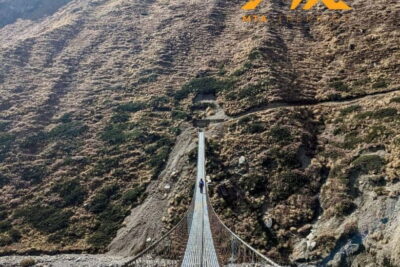
8-Day Annapurna Circuit Trek via Thorong La Pass
Read our review →
Annapurna Circuit Trek With Tilicho Lake :Best Trek in Nepal
Read our review →Browse the lists this tour appears in