
Reviewed · HISTORICAL TOURS
Pick 2-Wonders of Kathmandu: A 3-Hour Heritage Hop
A 3-hour heritage hop is a smart way to experience Kathmandu without turning your day into a logistics puzzle. You pick two major UNESCO stops, then a guide helps you move through the big moments of Kathmandu Valley culture fast. I especially like the private hotel pickup and drop-off in Thamel, because it saves you time and hassle in a city that can feel chaotic. One possible drawback is the schedule is tight, so you will not have hours to linger.
My second favorite part is the focus on specific, memorable sights that many people only hear about. You can aim for a rare chance to see the Kumari, the living goddess, or pick a route built around famous views and temple traditions. The trade-off? Because you are choosing only two sites, the best plan is to pick the ones that match your interests, not what looks good on a random day.
Key Highlights You Will Actually Feel in 3 Hours
- Two-site choice lets you tailor the day, from Kumari and Durbar Squares to Pashupatinath and Boudhanath
- Kumari access is built into one popular option, so you are not just passing by a temple
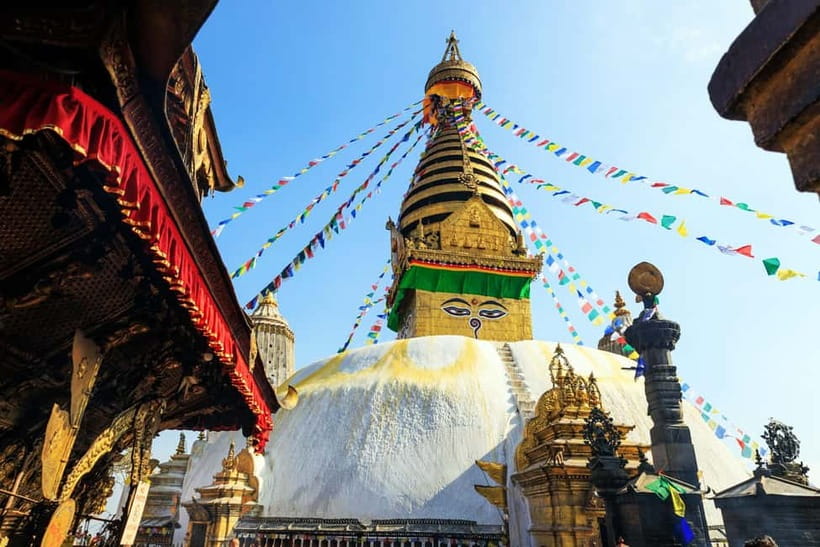
- 360-degree viewpoints are a centerpiece when you choose Swayambhunath
- Newari royal architecture at Durbar Squares gives you something detailed to notice, not just general landmarks
- Skip the ticket line, so your guide time stays focused on sights and explanations
- Private air-conditioned vehicle and bottled water keep the hop comfortable
How the 3-Hour Kathmandu Heritage Hop Really Works
This is a short, guided run through Kathmandu Valley heritage, designed for people who want highlights, not a full-day grind. The day starts with pickup from Thamel. Then you bounce between two chosen World Heritage sites, with an English or Hindi live guide and an air-conditioned private vehicle.
In practice, this format is great if you want to understand what you are looking at while someone handles the route. The guide adds context to the palaces, temple spaces, and religious rituals you might otherwise only recognize from photos. And the fact that it is a private group matters, because you can move at a pace that fits your energy level within the 3-hour window.
Price-wise, it is $38 per person. For a city like Kathmandu, where transport time can eat hours, this can feel like decent value because pickup, drop-off, a guide, bottled water, and an AC vehicle are included. The one thing to be clear about is what is not included: monument entrance fees. Still, skip-the-line access helps your time stay useful.
More Historical Tours in Kathmandu:
- Kathmandu: Private UNESCO World Heritage Site Tour
★ 4.9 · 47 reviews - Private Kathmandu UNESCO World Heritage Sites Tour
★ 4.8 · 28 reviews - Pick 2-Wonders of Kathmandu: A 3-Hour Heritage Hop
★ 5.0 · 22 reviews
Choosing Your Two Wonders: 4 Options That Change the Whole Day
You pick one of four route styles, each built around two of the best-known heritage stops. This is the key decision, because it determines the mood of your half-day.
Option 1: Kathmandu Durbar Square and Swayambhunath (Monkey Temple)
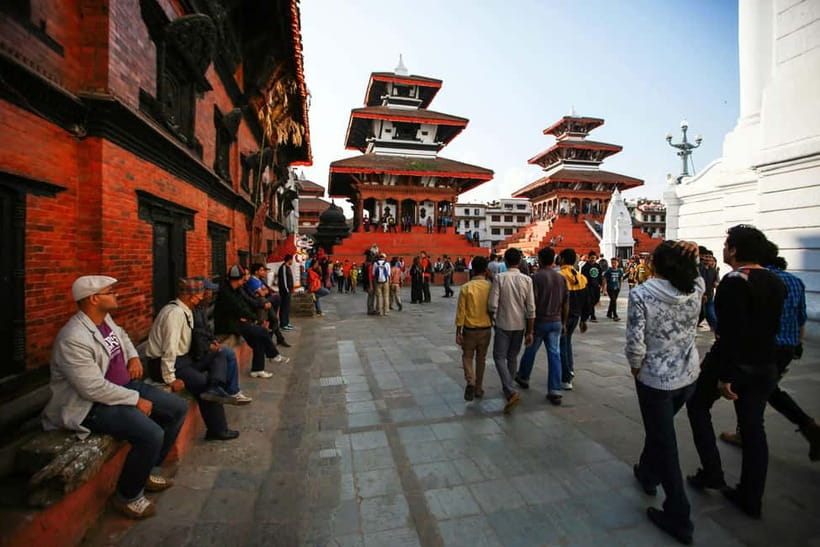
This combo is classic Kathmandu court history plus hilltop views. Kathmandu Durbar Square gives you royal palaces from Malla and Shah dynasties, and you get the nine-storied Nautale Durbar. You also can see the tradition of the Kumari, the living goddess residing in her temple. Then you go up to Swayambhunath for the Mahachaitya, playful monkeys, and those panoramic 360-degree vistas over the valley.
Option 2: Pashupatinath Temple and Boudhanth Stupa
If you want a spiritual shift, this route contrasts Hindu ritual space with a massive Buddhist stupa. Pashupatinath sits on the Bagmati River, and you might witness traditional cremation rituals along its banks. Then Boudhanath brings the calm, with a colossal stupa, the largest mandala in Nepal, and UNESCO World Heritage status. The stop also connects to the old trade route to Tibet, which helps the place feel historical, not just scenic.
More to compare around Kathmandu
- Kathmandu: 7 UNESCO Sites with Lunch
★ 4.8 · 744 reviews - Everest Base Camp Helicopter Tour landing at Everest View Hotel
★ 5.0 · 668 reviews - Kathmandu: Local Women-Led Nepali Cooking & Momo Class
★ 4.9 · 360 reviews - Manaslu Circuit Trek
★ 5.0 · 292 reviews
Option 3: Patan Durbar Square and Kathmandu Durbar Square
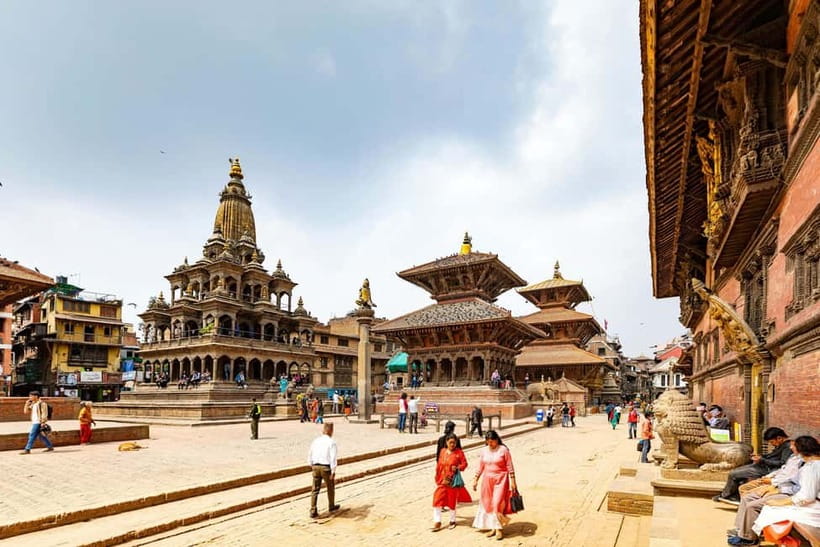
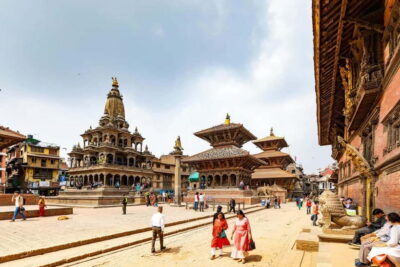
This is for people who like royal squares and close-looking details. Patan Durbar Square is known for Newari architecture, plus the medieval royal palace and many temples and statues. The square is especially associated with its red brick pavement. Then you add Kathmandu Durbar Square again for the palaces and temples that anchor the story of royal life in the valley.
Option 4: Bhaktapur Durbar Square
This one is for slower-looking lovers of temple and courtyard design. Bhaktapur Durbar Square is described as the smallest district yet holding the largest Durbar Square in Nepal, made up of four smaller squares. You also get Nyatapola Temple, noted as Nepal’s tallest.
My practical advice: pick based on how you want to spend your eyes, not only how famous the place is. If you want high-energy sights plus views, go Option 1. If you want a strong sense of religion and ritual, go Option 2. If you love architecture and squares, go Option 3 or Option 4.
Kathmandu Durbar Square: Where Royal Power Meets Everyday Faith
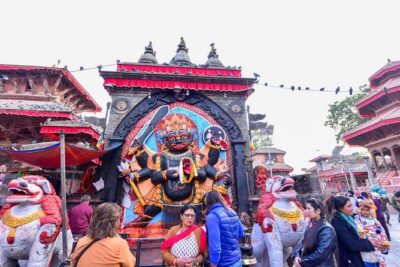
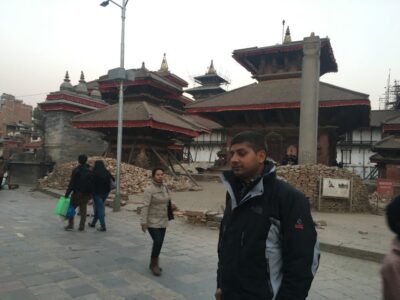
When Kathmandu Durbar Square is one of your two wonders, you are stepping into a royal space shaped over generations. The palaces here include Malla and Shah dynasty buildings, so you can sense how dynasties layered their symbols over time. One highlight is the nine-storied Nautale Durbar, a structure that quickly becomes a visual anchor because it is so distinct.
What I like about doing this with a guide is that the details become readable. Instead of walking past carvings and courtyards like you are guessing, you get context for why certain spaces exist and how they connect to religious life. You also have a very rare built-in chance to witness the Kumari tradition in the temple associated with the living goddess.
One consideration: because you are doing this as part of a short 3-hour hop, you will want to decide what you care about most before you arrive. If you love architectural details, spend your attention on the palace structures and carved elements. If you are mainly there for the Kumari, keep your focus there first so you do not end up pulled in too many directions.
Swayambhunath and the Monkey Temple: Panoramas Plus a Living Scene
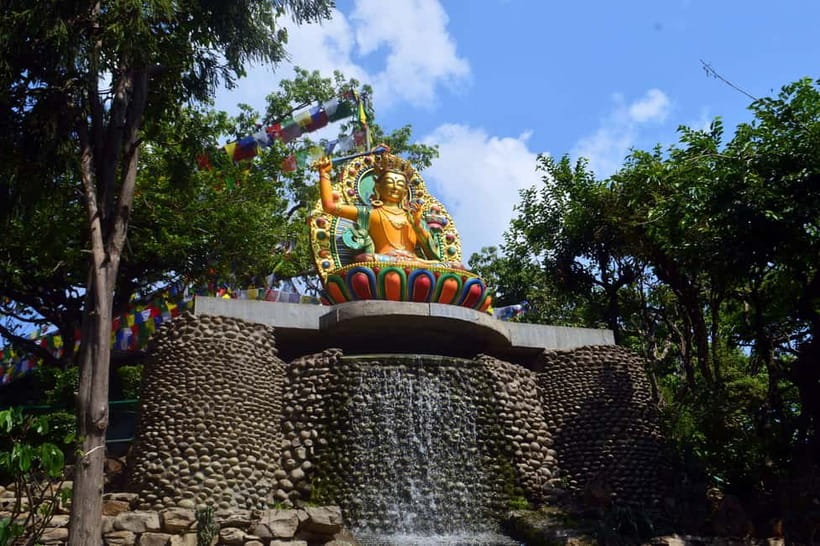
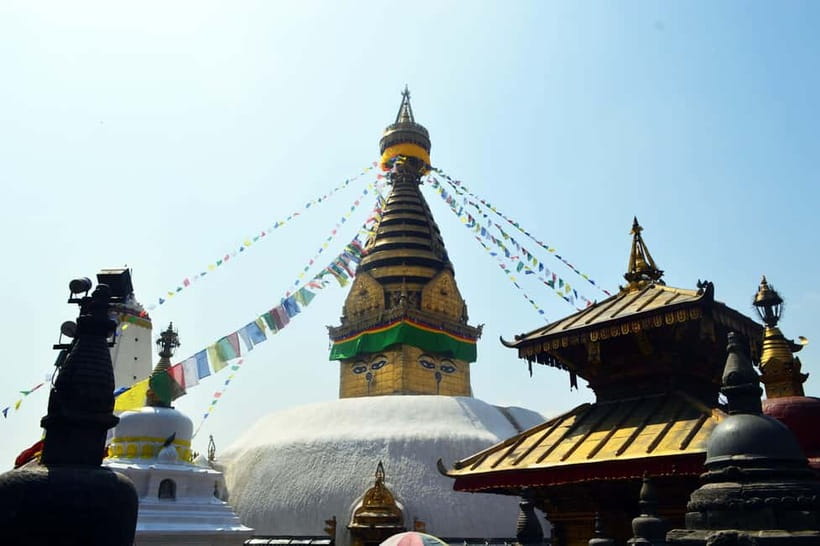
Adding Swayambhunath turns the day from a palace story into a viewpoint story. This hilltop stupa is also UNESCO-listed, and the Mahachaitya is one of the core things you will want your guide to point out. Then there is the famous monkey presence, which often makes the scene feel more alive than a static photo would suggest.
The big payoff is the 360-degree views. Even if you think you have seen Kathmandu’s skyline already, hilltop perspective changes what you notice. You start seeing the city as a pattern of rooftops, temple peaks, and valley edges. In a limited schedule, a viewpoint is a smart use of time because it gives you a mental map you can carry all day.
What can be tricky is timing and crowd flow, especially when a group reaches a viewpoint. The upside of a private setup is that your guide can help you plan your moments inside your short window. You will still want comfortable walking shoes, and it helps to keep your phone charged since you will likely want more than one photo angle.
Pashupatinath Temple: A Powerful Hindu Landmark on the Bagmati River
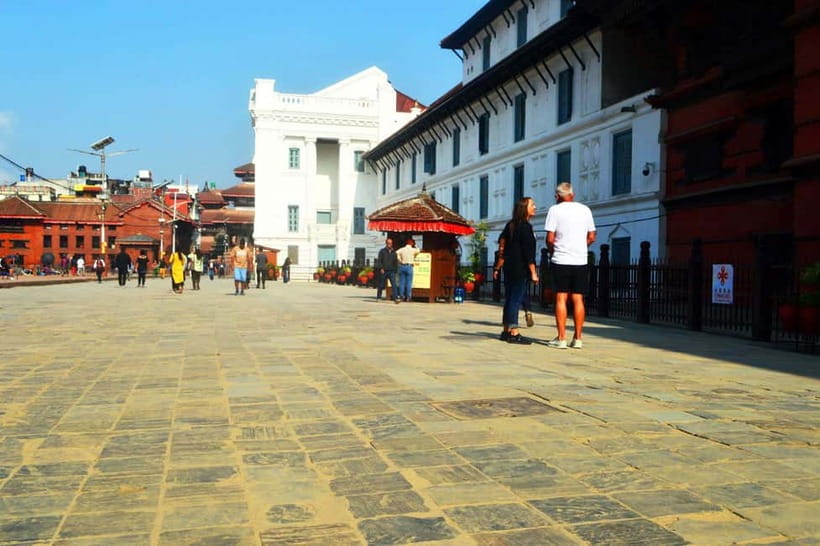
Option 2 shifts the day into a different kind of attention. Pashupatinath Temple is dedicated to Lord Shiva, and it sits beside the sacred Bagmati River. This combination matters because it links spiritual practice to the river landscape, so you do not feel like you are seeing temples in isolation from local life.
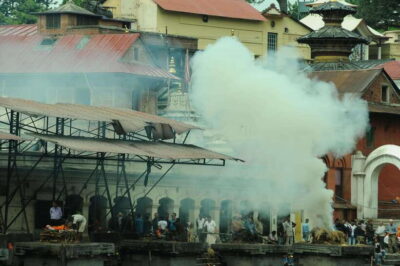
The tour notes that you might witness traditional cremation rituals along the banks. I recommend treating this as a moment to observe respectfully, not something to rush toward for photos. If you are sensitive to intense scenes, tell yourself in advance that you may see something solemn and keep your pace steady.
Why do it on a guided hop? A guide can help you understand what you are seeing and what is meaningful, so it feels less like walking through a crowd and more like understanding a cultural practice. Even with only 3 hours total, you can come away with a strong sense of why Pashupatinath is considered one of Hinduism’s holiest sites.
Boudhanath Stupa: Calm Buddhist Scale and a Historical Trade Route
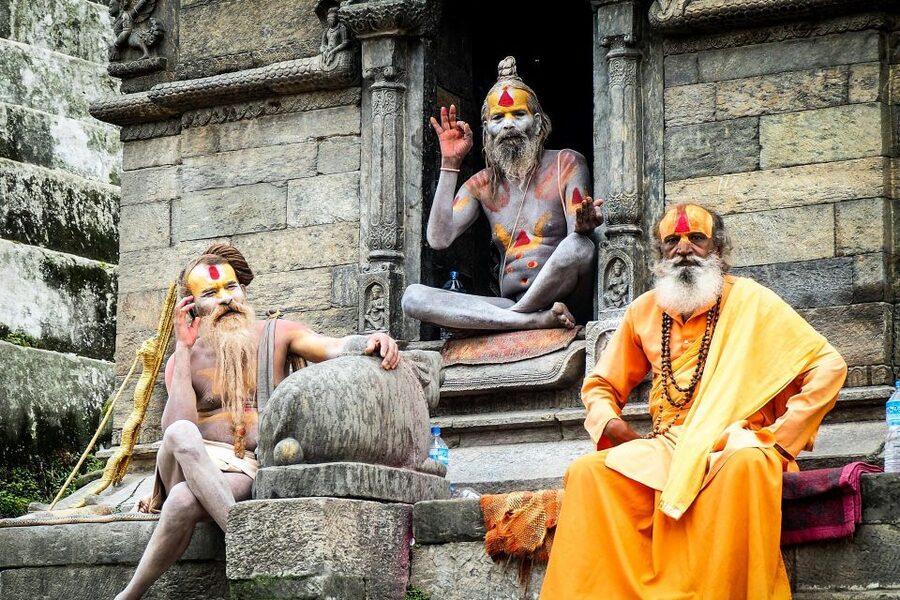
After Pashupatinath, Boudhanath feels like an exhale. This colossal Buddhist stupa is described as the largest mandala in Nepal and is UNESCO World Heritage listed. The scale alone can change how you stand, look, and move. It is the kind of place where a short stop still leaves a strong impression.
You also get context that helps you connect the stupa to wider history. The stop was once a vital stop on the ancient trade route to Tibet, so you can think of Boudhanath as a spiritual landmark on an old network, not just a standalone monument.
If you are choosing Option 2, I think the pairing is smart because it covers both Hindu and Buddhist heritage sites in one go. That gives you a clearer sense of Kathmandu Valley’s religious mix than you would get from sticking to one tradition.
Patan and Kathmandu Durbar Squares: Newari Craft You Can See Up Close
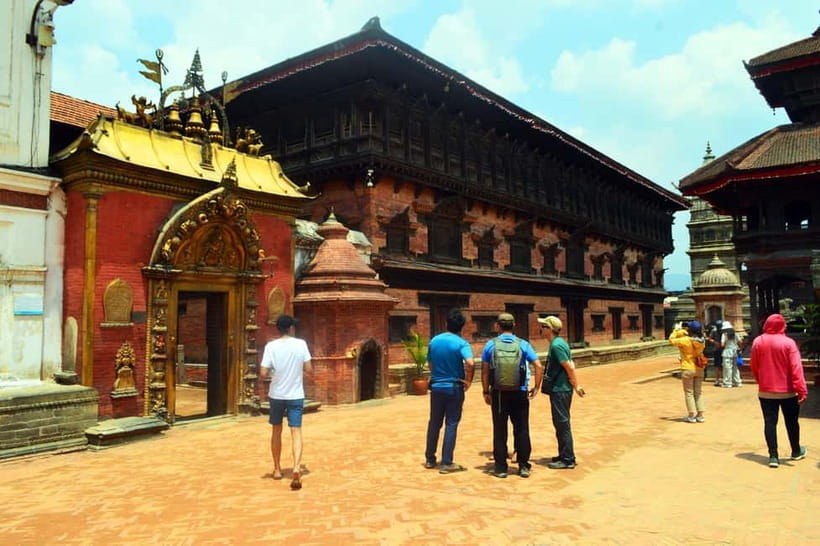
Option 3 is a favorite for people who want architecture and craftsmanship more than a viewpoint. Patan Durbar Square is the artistic heart of Lalitpur, with Newari architecture and a medieval royal palace. The square is also loaded with temples and statues, and it is known for its red brick pavement, which can make it feel visually coherent even when there is a lot to look at.
Then you connect to Kathmandu Durbar Square again, so you get royal square energy twice, with different building details and different layers of palaces and temples. This matters because you start comparing patterns rather than just collecting photos.
The drawback of doing two Durbar Squares in one hop is that they can start to feel similar if you are not paying attention. The fix is simple. Let your guide direct your focus. Ask to concentrate on what makes each square distinct, not just what they share.
Bhaktapur Durbar Square: When the “Largest Square” Still Feels Intimate
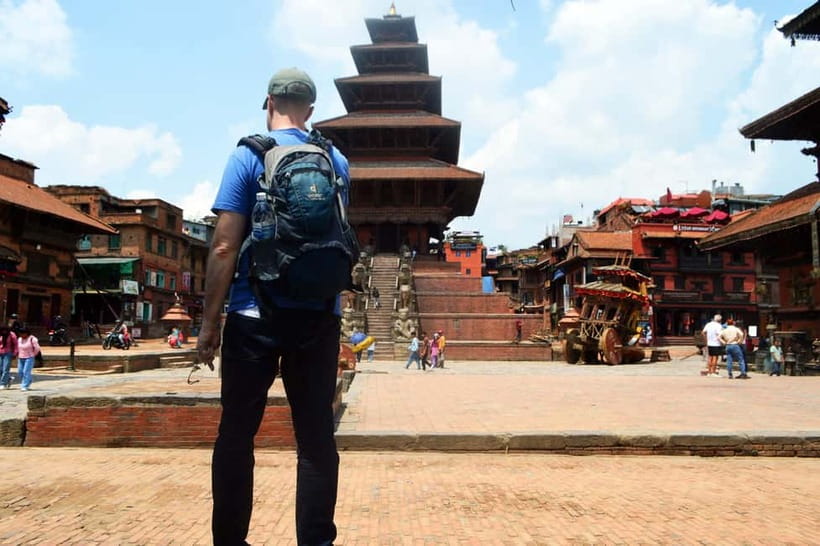
Bhaktapur Durbar Square is an option for people who like a step-back-in-time feel. It is described as the largest Durbar Square in Nepal, even though the district is called the smallest. That mix of scale and intimacy is a nice combination in a short tour, because it gives you big importance without needing to cross a huge area of the city.
The square is made up of four smaller squares, so it is not one flat view. Instead, you have multiple corners to understand, with each part offering its own feel. A must-see here is the Nyatapola Temple, described as Nepal’s tallest. It is the kind of landmark that gives you a “start here, then look around” structure.
If you are traveling with limited time and you want one place to do most of the emotional work, Bhaktapur is a strong choice. The only consideration is that this option may feel less varied if you were hoping for a view-based stop like the 360-degree panoramas at Swayambhunath.
What You Take Away: Cultural Practices, Not Just Sightseeing
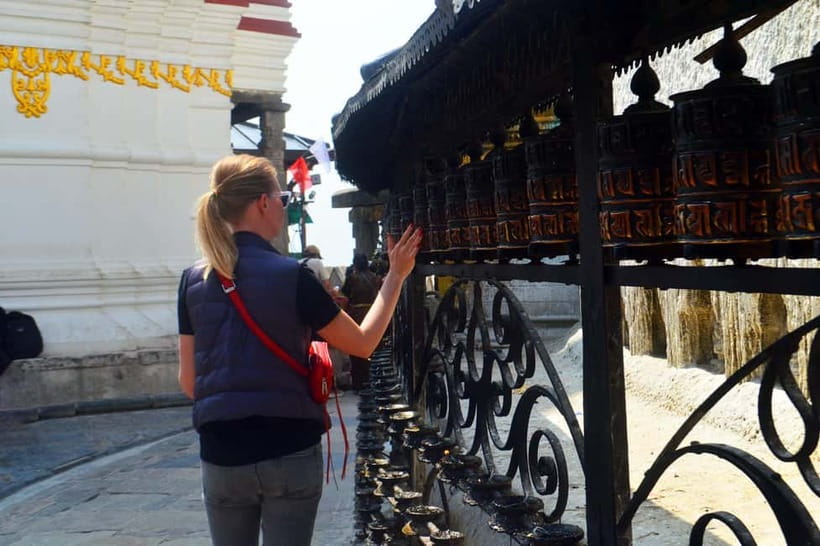
The best reason to do this kind of structured heritage hop is not to tick boxes. It is to understand what these places mean in daily religious life.
For example, the Kumari tradition is not just a statue or a name. It is described as a unique cultural practice with a living goddess residing in her temple. When you pair that with a Durbar Square visit, you get a clearer picture of how royal spaces and religious identity can overlap.
On the other side, Pashupatinath and Boudhanath represent religious experiences that feel different even within one city region. One is linked to cremation rituals along the Bagmati River. The other centers on a massive Buddhist stupa and the story of travel and trade toward Tibet. That contrast helps you understand Kathmandu Valley as a place where different beliefs share space and history.
And yes, the views matter. Those 360-degree panoramas from Swayambhunath give you a map in your head. Once you see Kathmandu from above, it becomes easier to navigate later, and you start recognizing how the valley layout shapes where people built their sacred sites.
Price and Value: What $38 Includes, and What to Budget
At $38 per person for 3 hours, you are paying for more than transport. The package includes pickup and drop from your hotel in Kathmandu, an experienced guide, a tour to any two UNESCO World Heritage sites, an air-conditioned private vehicle, and bottled drinking water. You also get skip-the-ticket-line access, which is a meaningful time saver when you have limited hours.
What is not included is also important. Meals are not included, and monument entrance fees are not included. That means you should budget for site tickets separately so you are not surprised on the spot.
I also like that the structure is “private group.” Even if you are traveling solo, you are not stuck in the slowest-moving crowd. Your experience stays focused on the essential places, with a guide and driver that are attentive to keeping you on track.
In short: this is good value if you want a guided hit of UNESCO sites without spending half your day coordinating transport and queue time.
Comfort, Language, and Practical Tips That Save Your Day
You get air-conditioned private vehicle comfort, plus bottled water. That might sound minor, but in a 3-hour schedule, small comfort details help you stay present for the sites you came for.
Language is English or Hindi. If you prefer a specific language, make sure your booking option aligns with that, since this affects how well you can follow the guide’s explanations at each stop.
Pickup is included from Thamel. The note is simple: wait at your hotel lobby or at the entrance of your residential apartment 5 to 10 minutes before pickup time. This matters in Kathmandu because drivers often have to work around street traffic and narrow access points.
Bring a passport and cash. Also, luggage or large bags are not allowed. Alcohol and drugs are not allowed. And it is not suitable for wheelchair users, and it is not suitable for babies under 1 year or people over 95 years.
My advice: pack light, keep your valuables secure, and plan to carry only what you need. You’ll enjoy the sites more if you are not fighting with bags during short transfers and visits.
Should You Book This Heritage Hop?
If you have limited time in Kathmandu and you want the core heritage moments in a guided, efficient way, I think this is worth booking. It is especially strong if you want one of these built-in “must-see” experiences: the Kumari tradition in Kathmandu Durbar Square, the 360-degree viewpoint from Swayambhunath, the religious gravity of Pashupatinath by the Bagmati River, or the calm scale of Boudhanath.
Book it when you like structure. A 3-hour run works best when you are ready to choose, see, and understand the essentials. It might not be the best fit if you want slow wandering at one site for hours, or if you dislike the possibility of witnessing cremation rituals near Pashupatinath.
FAQ
How long is the Pick 2-Wonders of Kathmandu tour?
It lasts 3 hours.
How much does the tour cost?
The price is $38 per person.
What sites can I choose from?
You can choose any two of these UNESCO heritage sites: Kathmandu Durbar Square, Swayambhunath (Monkey Temple), Pashupatinath Temple, Boudhanath Stupa, Patan Durbar Square, or Bhaktapur Durbar Square.
Is pickup and drop-off included?
Yes. Pickup and drop-off are included, with pickup from Thamel.
Are monument entrance fees included?
No. Monument entrance fees are not included.
What languages is the live guide available in?
The guide is available in English and Hindi.
What should I bring, and what is not allowed?
Bring your passport and cash. Luggage or large bags are not allowed, and alcohol and drugs are not allowed.
If you tell me which option you are leaning toward and your travel dates, I can help you pick the two wonders that match your interests and comfort level.
Latest Kathmandu write-ups
- 16 Days Island Peak Climbing With Everest Base Camp Private Trip★ 5.0 · 3 reviews
- 15 Days Round Annapurna Trek with Poon Hill from Pokhara★ 5.0 · 5 reviews
- Private Nepal round trip including Ghorepani Poonhill trek★ 5.0 · 3 reviews
- Everest Base Camp Trekking 16 Days★ 4.0 · 7 reviews
- 14 Days Luxury Annapurna Base Camp Trek★ 5.0 · 6 reviews
- Everest Base Camp Trek★ 5.0 · 32 reviews
- Everest Base Camp Trek★ 5.0 · 87 reviews
- Everest Base Camp Trek★ 5.0 · 97 reviews
Historical Tours, compared.
Private Kathmandu UNESCO World Heritage Sites Tour
Read our review →

“Explore Kathmandu Rich Heritage: City Highlights Bus Tour”
Read our review →Browse the lists this tour appears in