
Reviewed · HISTORICAL TOURS
“Explore Kathmandu Rich Heritage: City Highlights Bus Tour”
Kathmandu can feel like a lot on your first day. This shared bus tour is a practical fix, because it links major heritage stops in one smooth half-day loop. I like how the route gives you big-picture views plus real temple atmosphere, especially around Swayambhunath and Pashupatinath.
The main drawback is that it is a shared ride with a driver and the level of on-the-spot explanations can vary. If you care about details like what you are looking at, you will get more value by asking questions early rather than waiting for a perfect briefing.
Key Things I’d Notice First on This Tour
- UNESCO World Heritage sites in Kathmandu Valley, packed into about 6 hours
- Swayambhunath and Pashupatinath viewpoints that help you understand why people come to these places
- A simple shared-bus format, with pickups and short transitions instead of long transfers
- Five major stops including Boudhanath Stupa, Kathmandu Durbar Square, and Budhanilkantha
- English or Hindi communication through the driver, so you can still ask questions even if the tour is low-key
A Smart Way To See Kathmandu’s UNESCO Stops in One 6-Hour Loop
If you are short on time, Kathmandu does not forgive slow planning. Roads are busy, routes can be unpredictable, and your day can vanish fast if you do this all solo. This tour is built for speed with structure. In one day you visit the big-name heritage landmarks that usually take multiple trips to stitch together.
What makes it work is the rhythm: you meet at Thamel, hop on a shared bus with a driver, and then you move from one standout sight to the next. You are not sitting around for ages. The plan is to keep pickups efficient and avoid long stopovers, so you actually get to spend time at the temples and squares.
Also, the name says heritage for a reason. The stops are not random. You cover key spiritual and cultural centers across the Kathmandu Valley, which is exactly what you want when you are trying to get your bearings.
More City Tours in Kathmandu
- Kathmandu: Private City Guided Tour
★ 4.9 · 174 reviews - Kathmandu: Private Patan and Bhaktapur Sightseeing Tour
★ 4.7 · 64 reviews - 1 Day Kathmandu Valley Sightseeing Tour
★ 5.0 · 37 reviews
Price and What You Actually Get for About $11
At around $11 per person, the value is clear. You are paying for a round-trip shared local bus transfer plus guided-style local routing between five major landmarks. That is the core product.
What you should not expect at this price is a luxury experience. The tour uses a basic local sharing bus, and it does not include meals. In other words, think of it like a transport-powered sightseeing plan, not a full private guide lecture.
The good news is you still get an authentic feel because it is not a closed, empty vehicle with only your group. You share the road and the stops with locals and other visitors. That is often the difference between seeing Kathmandu and understanding how it moves.
Meeting Point, Pickup Window, and How the Shared Bus Operates
Plan your timing like a pro. You are asked to gather around 11:00 am at the meeting point across from Hotel Malla’s main entrance gate in Thamel. There is also a pickup window you should follow, roughly 9:50 to 10:20 am, so aim to arrive early. You do not want to be chasing a bus through Thamel.
One more practical point: the tour includes multiple pickup options. In addition to the main Thamel spot, the listed alternatives include places such as Amrit Science Campus, Barahi Chouk, Sorhakhutte, and the The Malla Hotel area. Your exact pickup and drop-off can differ depending on which option you chose.
The plan you can count on: the bus will collect you and then bring you back for the end of the tour near Thamel. If your chosen pickup option is different, check your specific return stop before you commit to plans after the tour.
Finally, communication is handled by the driver (English and Hindi). That means you can still ask questions, but you should be comfortable getting some meaning from your own observation too. If you want context, ask directly and quickly.
Stop 1 Swayambhunath Stupa: The View Helps the Story Click
Swayambhunath, often called the Monkey Temple area, is one of those places where the setting matters as much as the buildings. When you arrive, you get a sense of how Kathmandu sits in its valley and why this site has always been a focal point.
This stop is great for first timers because it gives you a visual anchor. From the stupa complex and surrounding areas, you can connect dots between neighborhoods, hills, and the movement of the city below. Even if you do not go deep into every detail, you still walk away with a better mental map.
A practical tip: bring some patience for crowds and people-watching. This is a high-traffic cultural landmark, and the pathways can get busy. Give yourself a few minutes to slow down and actually look up at the stupa and its surrounding features rather than only rushing for photos.
About entry: the tour experience can allow you to enter some sites, but access rules can vary by religion and ongoing conditions. Keep expectations flexible. Even when entry is limited, the views and the sheer presence of the complex still deliver.
More Historical Tours in Kathmandu:
- Kathmandu: Private UNESCO World Heritage Site Tour
★ 4.9 · 47 reviews - Private Kathmandu UNESCO World Heritage Sites Tour
★ 4.8 · 28 reviews - Pick 2-Wonders of Kathmandu: A 3-Hour Heritage Hop
★ 5.0 · 22 reviews - UNESCO Five World Heritage Tour in Kathmandu
★ 5.0 · 12 reviews
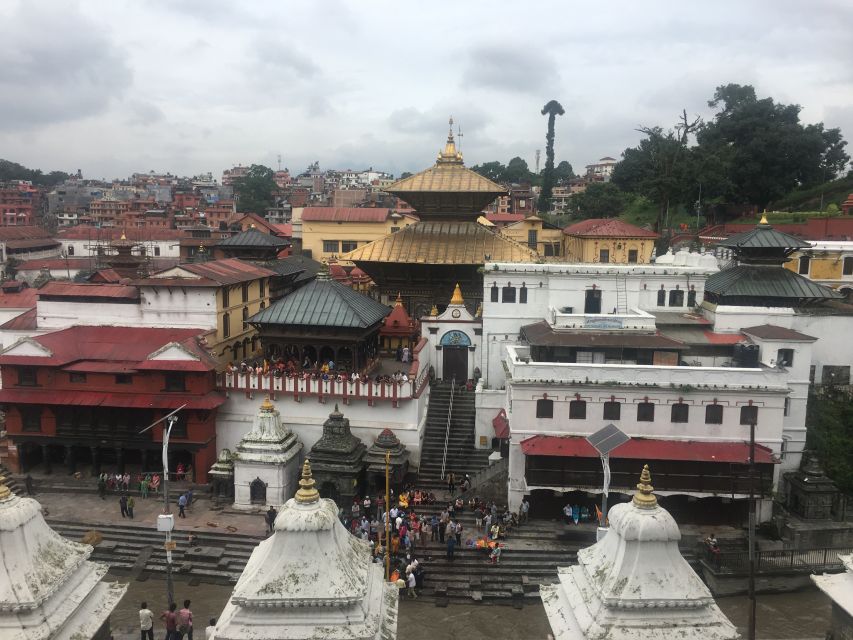
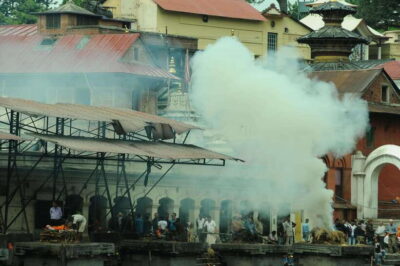
Stop 2 Pashupatinath Temple: Big Atmosphere, Quick Etiquette Wins
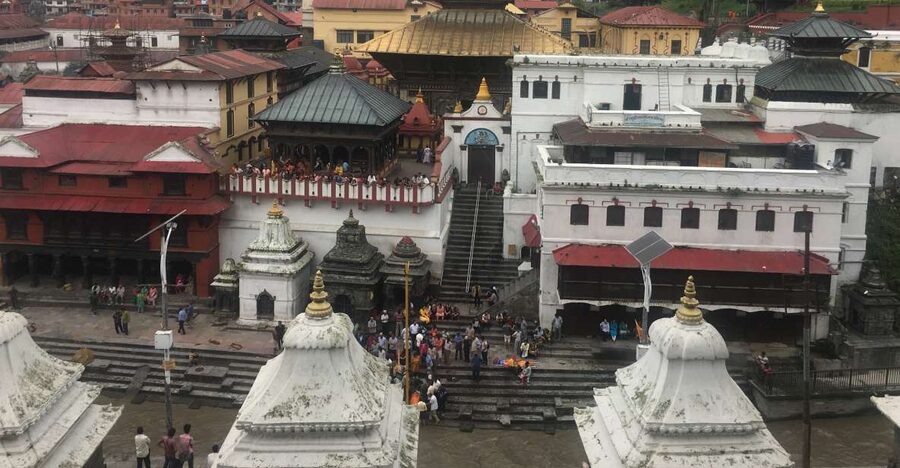
Pashupatinath is a major pilgrimage site tied to Hindu traditions, and the place has a powerful atmosphere even from a practical distance. This stop is a highlight on the itinerary because it makes Kathmandu feel like Kathmandu, not just a museum.
If you want this visit to go smoothly, follow basic temple etiquette. Dress modestly, keep your voice down, and be mindful about where you stand. You will likely see people performing personal religious acts, and your best move is to watch first, then move with respect.
From a tour value point of view, Pashupatinath is more than a photo stop. It helps you understand the living side of heritage. You are not just looking at old stones. You are seeing a place that still functions in everyday spiritual life.
The tour promise includes views of Pashupatinath. That is what you should focus on: use the stop to get a feel for scale, ritual space, and why the location draws devotion.
Stop 3 Boudhanath Stupa: When You Feel the Ritual Space
Boudhanath Stupa is one of the best-known Buddhist pilgrimage sites in the Kathmandu Valley. On this tour, it is a key middle stop that breaks up the day after you have hit the Hindu landmarks.
What I love about Boudhanath is that it is visually calming compared to some other busy city spaces. The stupa dominates the area, and the surrounding walkways make it easy to slow down. You can spend time just observing how people move, pause, and perform ritual actions.
If you want to get more from the stop, pay attention to the soundscape too. You might hear chanting, conversation, and the steady movement of people doing their rounds. It is a good place to step out of pure sightseeing mode and practice being a careful observer.
As with the other sites, entry and access can vary. Treat this stop as a chance to experience the stupa environment, not just collect pictures.
Stop 4 Kathmandu Durbar Square: Courtyards, Symbols, and Scale
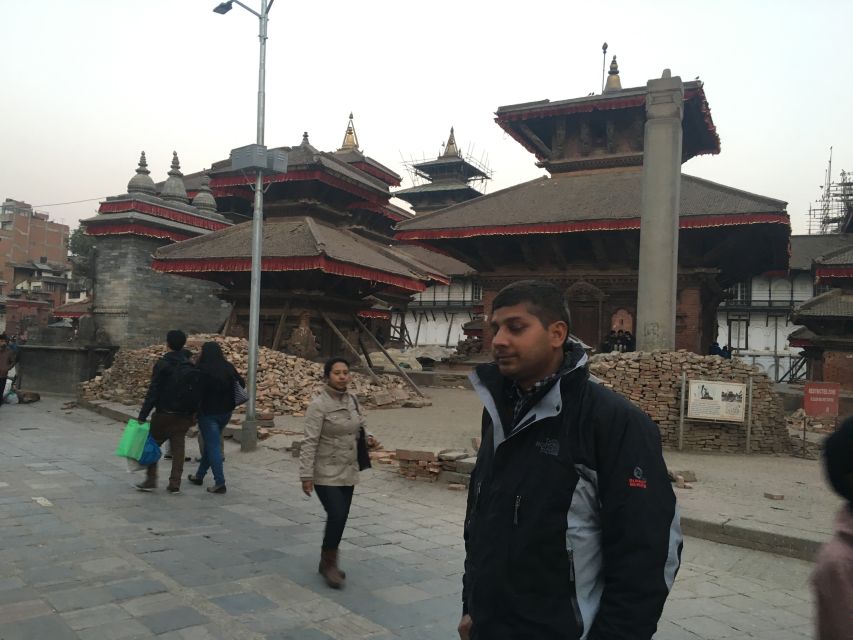
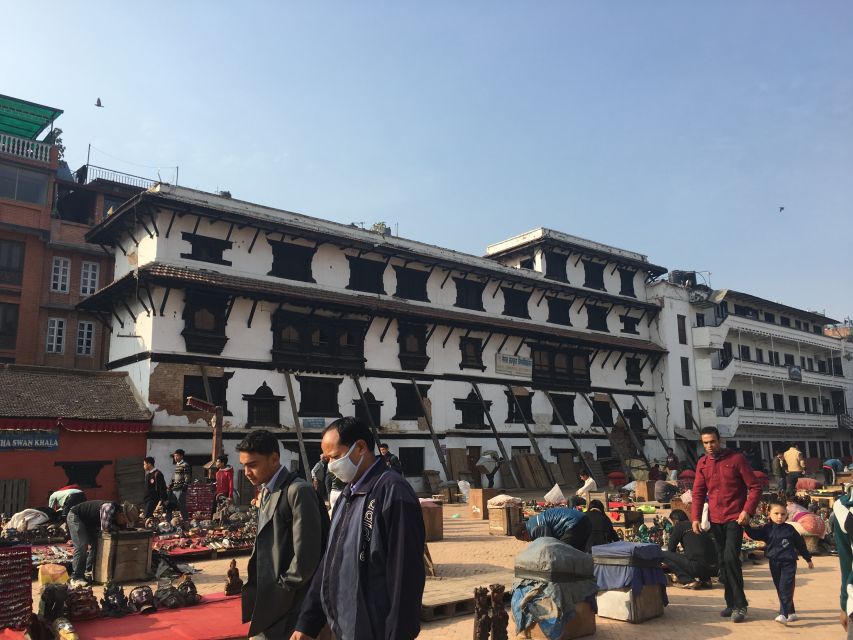
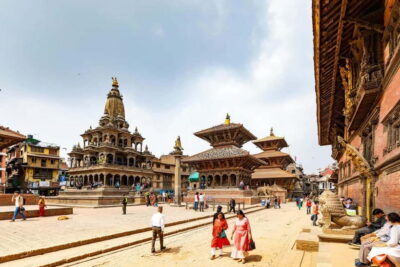
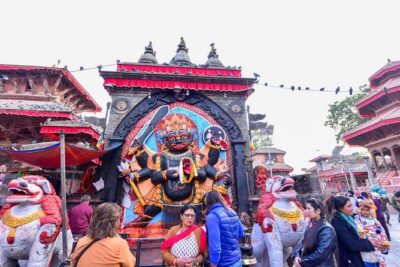
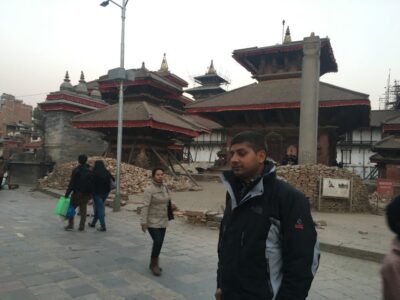
Kathmandu Durbar Square is the kind of stop that rewards slower walking. This is where the city’s historic architecture becomes tangible. You see carved stone, old building massing, and the layout of courtyards and open space that shaped daily life long ago.
If you are used to visiting single big monuments, Durbar Square can surprise you. It is not just one building. It is a complex of meaning made from multiple structures and spaces that work together. That makes it a strong stop for understanding how heritage functions in a city setting.
There is also a practical travel angle here. Durbar Square is one of the places where it helps to pause and ask yourself what you are seeing. Identify the main structures you notice first, then circle back to look for details like inscriptions, carvings, and the way people use the open areas.
If you feel the group pace picking up, do not panic. Kathmandu Durbar Square is spacious enough for you to find your own pace for a bit without losing the tour flow.
Stop 5 Budhanilkantha: A Different Mood After the Main Sites
Budhanilkantha is a useful final stop because it changes the tempo. After several major temple and stupa visits, this one feels like a contrast you can breathe with.
This stop matters because it adds variety to your day. Instead of only the biggest pilgrimage icons, you get another form of sacred site experience tied to Nepalese Buddhist culture. That variety is what helps your brain file the trip as more than a checklist.
If you tend to get temple fatigue, Budhanilkantha can be a relief. It is still a spiritual location, but the experience can feel more relaxed compared to the densest areas of the main sites. You can use this time to reflect on what you have already seen and decide what to study further if you come back later.
Transport Reality Check: Shared Bus Comfort and Cleanliness
Because the tour uses a basic local sharing bus, comfort is not the main feature. You might find the seating simple and the ride bumpy, especially when traffic slows and roads get busy. Bring water and keep a light layer handy if the day feels cool in the morning then warm later.
One more reality check: the bus quality can vary. There is at least one experience where cleanliness was not what people hoped for. So I recommend a small backup kit: a few wet wipes, tissues, and a quick hand sanitizer. It sounds basic, but it is the easiest way to protect your day from small frustrations.
The good part is that the tour design limits downtime. You are not stuck on the bus for hours longer than necessary. The driver focuses on getting pickups done and moving the group.
How Much Will You Learn? Ask for Context and You Will Get More
This tour includes a driver who speaks English and Hindi, and the experience is described as locals-guided in feel. That means you might get some helpful explanations, but you should not assume a deep lecture at every stop.
Here is how to make it pay off anyway. When you arrive at the first site, ask a direct question. Something like:
- What am I looking at first, and why is it important?
- Is there one detail here that people usually miss?
- Are there any do and do-not rules I should follow today?
You will also do better if you pay attention to how the driver guides timing and movement between stops. Even if the explanations are brief, you can still learn by watching what people focus on.
And if you are traveling without a specific guide background, this approach is key. Kathmandu rewards curiosity, not just passive viewing. Ask, look, then ask again if something is still unclear.
What to Bring When You Want Temple Visits to Feel Easy
The tour includes meals on purchase, so you should plan your day around food timing. Pack snacks if you get hungry fast, and keep some small cash ready for meals along the way.
Also, temples mean clothing rules. Bring something modest and comfortable for walking. Closed-toe shoes are a smart call. You will likely do short stretches of walking and standing, so comfort matters.
If you care about photos, remember that some angles might be crowded. Give yourself a few minutes at each stop to step aside and find a calmer spot, then return to the main area when the flow shifts.
Who This Tour Fits Best, and Who Might Prefer Another Plan
This is a great match if you:
- Are in Kathmandu for a short time and want a fast overview of top heritage sites
- Like practical logistics more than long guided storytelling
- Prefer a shared local bus vibe over private car comfort
- Want to see a spread of places in one day, including Swayambhunath, Pashupatinath, Boudhanath, Kathmandu Durbar Square, and Budhanilkantha
You might want to think twice if you:
- Need a highly structured, deeply explained tour format at every stop
- Are sensitive to bus cleanliness or basic transportation conditions
- Get stressed by crowds at major landmarks
If you are unsure, treat this as an efficient orientation day. Then plan a more focused second visit to the site that grabbed you most.
Should You Book This Kathmandu Heritage Highlights Bus Tour?
I think you should book it if you want an affordable, efficient way to see Kathmandu’s best-known heritage landmarks in one half-day style outing. The price is low enough that you are not overcommitting, and the itinerary covers the exact cluster of sites that most first-time visitors want.
Do book it with eyes open. Expect a shared local bus, short transitions, and helpful but not necessarily exhaustive explanations. If you ask smart questions and manage your own comfort with a few basics, this tour can give you a strong first impression of the Kathmandu Valley’s spiritual and cultural heart.
If your travel style is very detailed and you want someone narrating every moment, you may prefer a more private or deeper guided option. But for value, logistics, and getting your bearings fast, this one makes a lot of sense.
FAQ
Where is the meeting point for the Kathmandu bus tour?
You meet at 11:00 am at the opposite of Hotel Malla’s main entrance gate in Thamel, Kathmandu. The guidance also notes being there earlier, around 9:50 to 10:20 am.
How long is the tour?
The duration is listed as 6 hours, for one day. Starting times can vary, so checking availability is part of the process.
What sites does the tour include?
The tour covers Swayambhunath Stupa, Pashupatinath Temple, Boudhanath Stupa, Kathmandu Durbar Square, and Budhanilkantha.
Is the tour guided in English or Hindi?
Yes. The driver is listed as speaking English and Hindi.
What is included in the price?
Included is round trip transfer by a basic local sharing bus, and the Kathmandu city tour on a sharing local bus with a driver.
Are meals included?
No. All meals are not included, but they may be purchased.
What is the pickup and drop-off process like?
The bus collects you at the meeting or selected pickup spot, with minimal stopping for pickup. At the end, you are dropped back near Thamel, or at the listed drop-off locations depending on your option.
Can I cancel or pay later?
The tour lists free cancellation up to 24 hours in advance for a full refund, and it offers reserve now and pay later.
Is there an option for a private group?
Yes. Private group availability is listed.
Latest Kathmandu write-ups
- 16 Days Island Peak Climbing With Everest Base Camp Private Trip★ 5.0 · 3 reviews
- 15 Days Round Annapurna Trek with Poon Hill from Pokhara★ 5.0 · 5 reviews
- Private Nepal round trip including Ghorepani Poonhill trek★ 5.0 · 3 reviews
- Everest Base Camp Trekking 16 Days★ 4.0 · 7 reviews
- 14 Days Luxury Annapurna Base Camp Trek★ 5.0 · 6 reviews
- Everest Base Camp Trek★ 5.0 · 32 reviews
- Everest Base Camp Trek★ 5.0 · 87 reviews
- Everest Base Camp Trek★ 5.0 · 97 reviews
Historical Tours, compared.
Private Kathmandu UNESCO World Heritage Sites Tour
Read our review →
“Explore Kathmandu Rich Heritage: City Highlights Bus Tour”
Read our review →Browse the lists this tour appears in