
Reviewed · ANNAPURNA CIRCUIT TREK
Annapurna Circuit Trek With Tilicho Lake :Best Trek in Nepal
The Annapurna Circuit Trek with Tilicho Lake is interesting because it stacks huge scenery with big altitude, all while you move through real villages, not just viewpoints. I especially like the way the trek takes you up to Tilicho Lake (about 4,910 m) and then pushes onward to Thorong La Pass (5,416 m), so the effort actually feels rewarded. One drawback to plan for is that weather and altitude can be demanding, so you will want to take the acclimatization seriously and pack warm gear.
You also get a strong cultural layer in Manang Valley, including time to rest and explore a Tibetan-influenced way of life. I like that the trip runs with a small group (up to 6) and an English-speaking licensed guide, which usually means better pacing and less chaos on the trail. The main consideration is simple logistics: you spend real time in vehicles on both the way in and the way out, so you should expect a couple long travel blocks before the hikes feel “proper.”
Key things that make this trek work
- Tilicho Lake at around 4,910 m: a high-alpine destination day that feels like the point of the detour
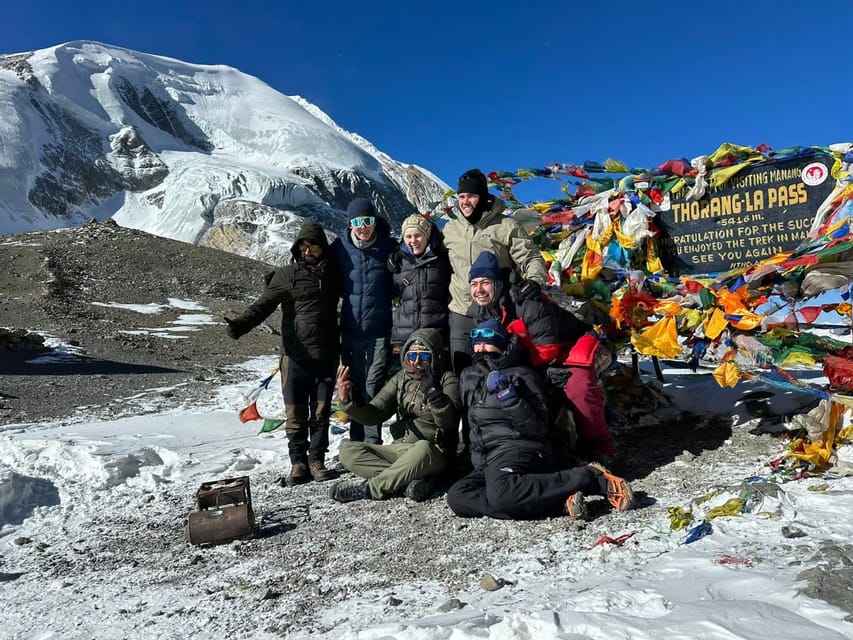
- Thorong La Pass at 5,416 m: the circuit’s highest drama, with wide-open high views
- Manang acclimatization and culture: a real rest-and-learn stop, not just a checkmark
- Tea house stays: simple lodging along the way, with familiar comforts as you climb
- Licensed English guide in a group of up to 6: safer pacing and clearer day plans
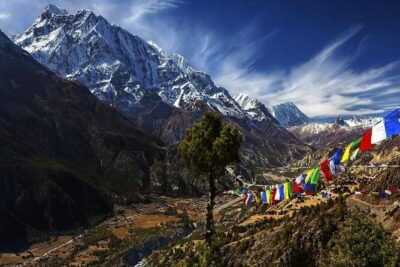
- Big “mountain lineup”: Annapurna, Manaslu, Fishtail, Dhaulagiri, and Thorong Peak on a single route arc
Besisahar start to Dharapani climb: warming up in the Marsyangdi valley
Your trek experience begins with travel that gets you into position fast. You get picked up from Thamel in Kathmandu, then you ride by bus about 7 hours to Besisahar. From there, you switch to a jeep or SUV for about 5 hours toward the trail area around Dharapani. It is a long first day, but it matters because it saves you from wasting your energy on road time later.
Once you reach Besisahar, you get a short walk and a bit of sightseeing time before an overnight stay. Dharapani becomes your first “real trekking feel” point. You are not just walking uphill, you are entering the Marsyangdi River valley rhythm, with the mountains starting to show themselves more clearly as the route climbs.
What to pay attention to here: your first day is where you set your pace. If you go too hard out of excitement, the climb later will feel unfair. In a small group, you can usually settle into a rhythm quickly, but you still want to walk like you plan to be friends with tomorrow’s knees.
More of the Annapurna Circuit:
- Kathmandu: 9-Day Annapurna Circuit Trek via Thorong La Pass
★ 5.0 · 7 reviews - Kathmandu/Pokhara: Annapurna Circuit Trek 10 days
★ 5.0 · 6 reviews - Kathmandu: 10-Day Annapurna Circuit Trek via Thorong La Pass
★ 5.0 · 3 reviews
Chame and Pisang: gradual altitude change with big payoff views
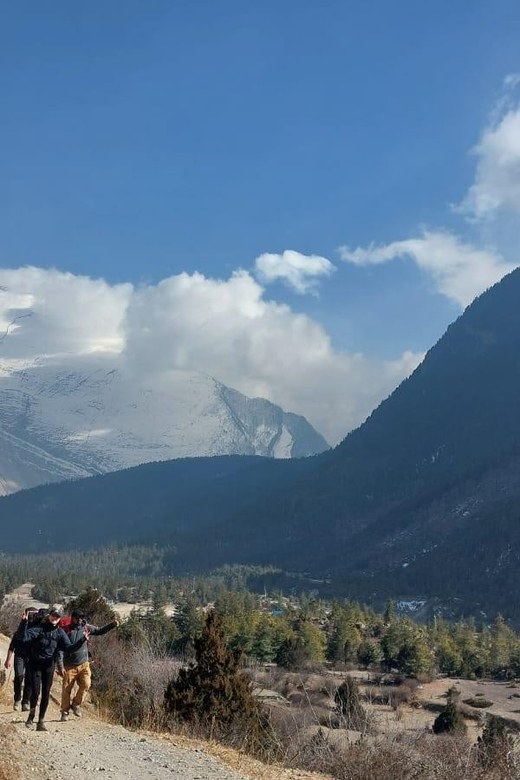
From Dharapani, you hike to Chame. This is one of those stages where the trail asks for steady effort more than heroics. You keep moving through a mix of trail styles and changing scenery, and you start getting that classic Annapurna-region feeling: valley walking, then sudden stretches where the peaks look closer than they should.
Next comes Pisang. This section typically feels like the trek begins to “click.” By now, you can see why the Annapurna Circuit is famous for variety. You move through different terrain bands, including areas described as subtropical forests and terraced farming zones early on, then stepping toward drier and more rugged country as the elevation rises.
A practical note: this is also the stage where sunglasses, a sun hat, and sunscreen start to earn their keep. Even when you feel like the climb is reasonable, the sun at altitude can be a little rude.
Manang Valley and Gangapurna Lake: the stop that makes the whole trek safer
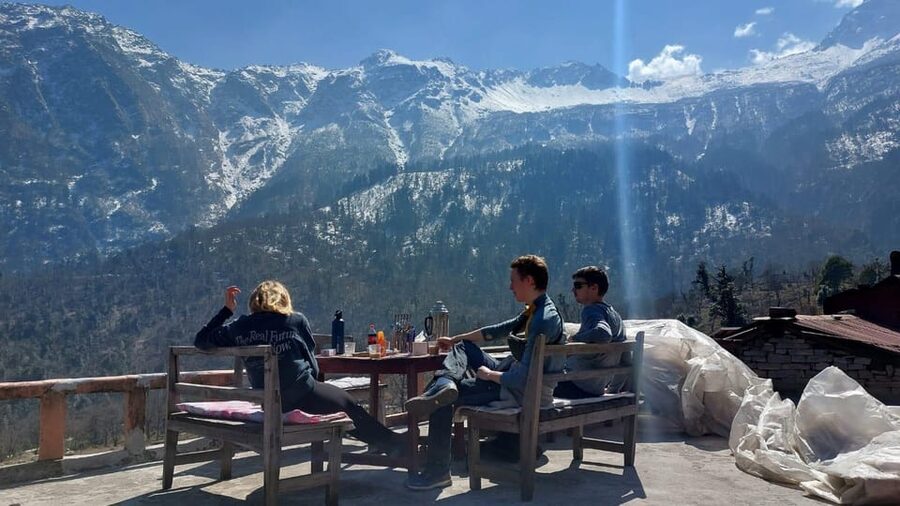
Reaching Manang is where this route becomes more than just “walk uphill.” You get a rest day and time to explore, including Gangapurna Lake. This is your built-in acclimatization window, and it is one of the smartest parts of the entire trip structure because it helps you avoid treating altitude like a surprise pop quiz.
Manang also gives you a cultural change you will actually notice. The trek description highlights the Tibetan-influenced culture here, and that matters because you are not only climbing through nature. You are passing through communities with a distinct mountain lifestyle, religion, and daily routine. It is also one of the best places to slow down and observe how people live in a place where winter and high altitude are part of the calendar, not an emergency.
What I love about this portion for your mindset: the rest day helps you switch from “survival mode” to “let’s enjoy the trek.” After this, Tilicho and Thorong La feel less like a random punishment and more like a plan.
Tilicho base camp and the 4,910 m lake day: where the detour turns magical
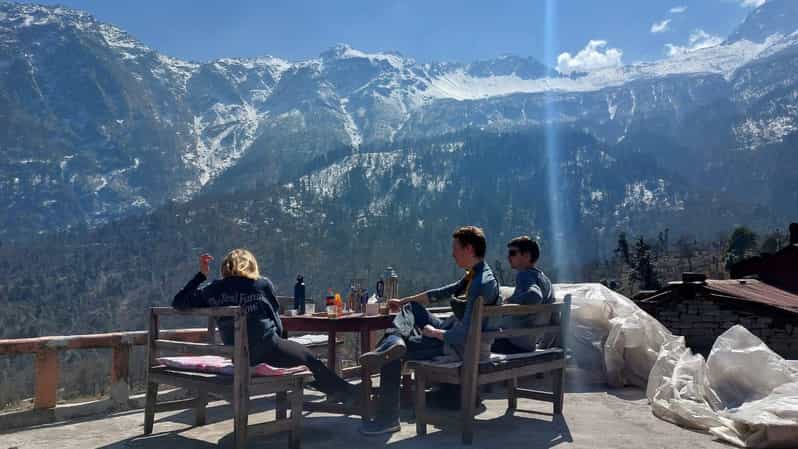
This trek’s standout add-on is Tilicho Lake. After Manang, you hike to Tilicho base camp, then the next day you go out to explore and return to base camp.
Tilicho Lake is described as the world highest lake at about 4,919 m (and sometimes given around 4,910 m depending on rounding). Either way, it is undeniably high. The route to get there is also described as challenging, often with snow-covered paths depending on conditions. That is the big consideration: this is not just a pretty side trip, it is a serious high-altitude day.
Your reward is the view and the feeling of scale. You get turquoise water surrounded by towering peaks, which is exactly the kind of contrast that makes you remember why you came. And because you stay at Tilicho base camp, you get a more immersive feel than a quick out-and-back.
How to prepare mentally: treat Tilicho as a steady-walk achievement, not a sprint. If you arrive at base camp thinking you need to “make up time,” you will feel it on the return.
More to compare around Pokhara
- ZipFlyer Nepal – The World’s Steepest Zip-line
★ 5.0 · 608 reviews - Bungee Pokhara by HighGround Adventures
★ 5.0 · 366 reviews - From Pokhara: Sarangkot Sunrise Himalayas Tour
★ 4.7 · 218 reviews - Full-Day Tibetan Cultural Tour to Tibetan Settlements Pokhara
★ 5.0 · 184 reviews
Ledar to Thorong High Camp: the long runway to the pass
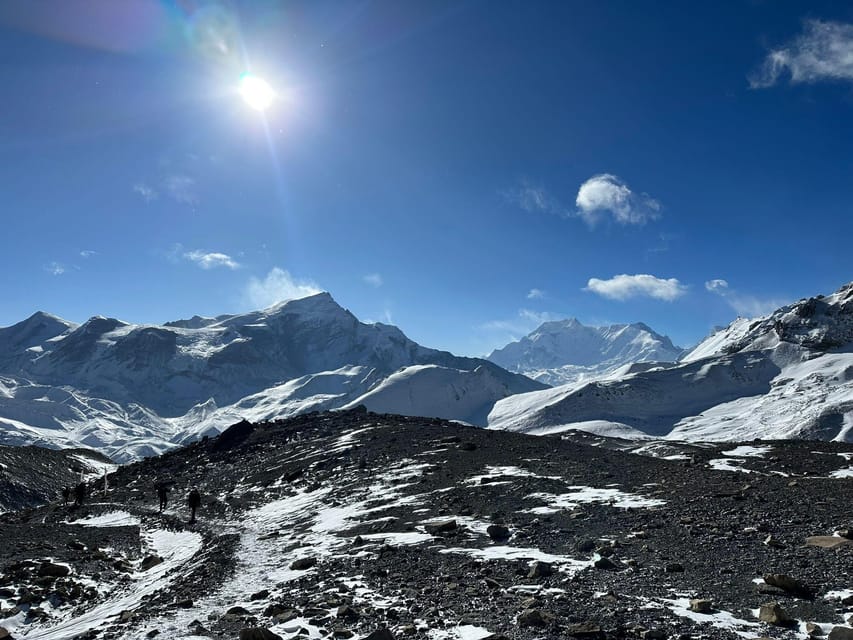
After Tilicho, the route continues toward Ledar, then onwards to Thorong High Camp. This is where the trek shifts from “climb and enjoy” to “climb and manage effort.”
The provided plan includes nights in tea houses, and you gradually gain elevation toward the camp area. This matters because it puts you in position for the pass day while also keeping you within the trek’s overall acclimatization structure.
What to watch for: cold. Even if the day seems sunny, mornings and shaded areas can feel sharp. Bring the warm layers you pack for, especially gloves and a warm jacket. If your hands are cold, your motivation drops faster than your altitude.
This is also a good place to appreciate the guide’s role. In the feedback you provided, guides like Jeewan are praised specifically for checking in on how people feel and adjusting pace for altitude adjustment. That is the kind of behavior that helps most on this segment, because it is not only about distance, it is about how your body handles the climb.
Crossing Thorong La Pass at 5,416 m to Muktinath: spiritual stop plus serious altitude
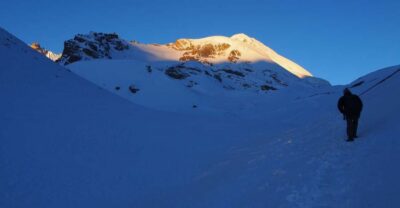
Thorong La Pass at 5,416 m is the circuit’s highest point and one of the defining moments of the entire trek. It is described as the world widest pass on this route, and regardless of wording, you will feel how high and open this part is as you reach the top and take in the panoramic Himalayan views.
Then you descend toward Muktinath, described as a holy town for both Hindus and Buddhists. This is a powerful contrast day: after the physical demand of the pass, you shift into a place where religion and tradition shape the atmosphere.
If you are the kind of person who needs a reason to keep going, this is it. The pass day is the “big altitude test,” but Muktinath gives you a sense of meaning at the other end.
A tip that comes straight from the guiding style praised in your reviews: ask questions and keep your guide close for navigation and pacing. In one review, Kumar is thanked for keeping the group safe and informed at all times, and Prakash is praised for knowing the surrounding area and culture. That kind of guidance can make the pass day feel more controlled, even when conditions change.
Tatopani hot springs and the ride to Pokhara: recovering without rushing
After you reach the Muktinath area, the plan includes a drive toward Tatopani, where you stay overnight and can enjoy hot springs. The idea here is simple and smart: you give your muscles a break after the pass before you go back down to lower altitude life.
Finally, you drive back toward Pokhara and end the experience with a return by bus. Since the full trip includes transport from Kathmandu to Besisahar and from Muktinath to Pokhara, you are not stuck figuring out the chain of legs yourself.
For your recovery plan, think logistics first. If you try to do too much sightseeing the same day as the ride back, you will feel it. Use this time to sleep, eat normally, and let your legs stop negotiating with every step.
How fit you need to be, and why acclimatization is not optional
The trek requires a moderate to high fitness level. That is not vague. Your itinerary includes elevation gains that build toward Tilicho and Thorong La, plus it includes acclimatization days built into the schedule to help prevent altitude sickness.
Also, the weather can change rapidly in mountains. So you should plan for different conditions, including cold and snow near higher elevations. When the weather turns, it is not only uncomfortable, it is also when people get careless. Your best defense is preparation, slow pacing, and listening to your guide.
On your eligibility: it is listed as not suitable for wheelchair users, people with altitude sickness, babies under 1, and people over 70. If any of that applies to you, you should choose a different trekking style.
Guides, small groups, and tea houses: what the included support really means
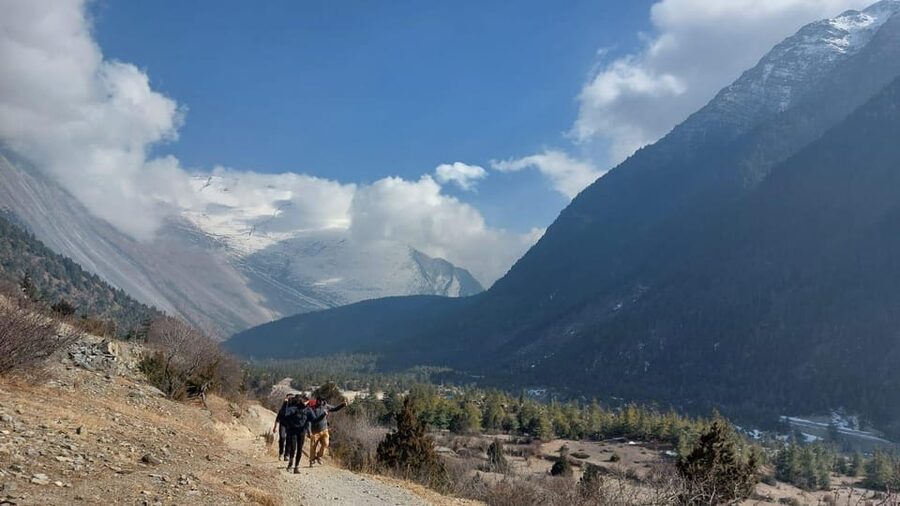
This trek runs as a small group limited to 6 participants, with an English live guide who is licensed by the government. The guide’s support is included, including food, salary, accommodation, and insurance for the guide.
That matters because it changes what your days feel like. A small group helps with pacing. You are less likely to get stuck waiting or separated. And with an English guide, you can ask about trail conditions, route logic, and culture without guessing.
The tea house setup is also part of the “how it feels” package. Accommodation in tea houses is included for the trekking time. That means you are not sleeping rough in tents every night, but you also should not expect five-star comforts. You are in the mountains. Your win is warm meals, basic beds, and time to reset before the next climb.
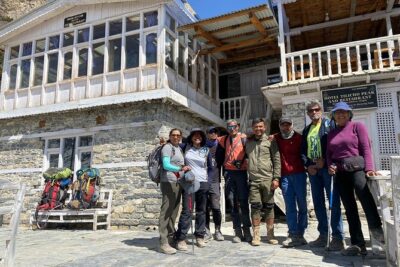
Your reviews praise the guide quality heavily. I would especially highlight the names you shared: Ganesh Devkota is credited for caring for the group from start to finish, Kumar is praised for safety and keeping people entertained, Jeewan is called life-changing because he checked in and adjusted pace, and Prakash is praised for experience and friendliness. In practice, that comes down to one thing: your guide often decides whether the trek feels manageable or stressful.
Permits, transportation, and the $604 value question
Price is listed at $604 per person for 12 days. The big value point here is what is included versus what is not.
Included:
- All necessary transportation before and after the trek (Kathmandu to Besisahar, Muktinath to Pokhara)
- Jeep to Dharapani
- TIMS card and ACAP permits
- A licensed trekking guide (with guide meals, salary, accommodation, and insurance)
- Tea house accommodation during the trek
- First aid box and tax/VAT
Not included:
- Trekking gear
- Food and beverages
- Travel insurance for you
- Personal expenses
Food details are given clearly: dinner and breakfast can be had in tea houses, and your guide stops for lunch at a cafe, with food costing about $5 to $7 per meal. That means you should budget for meals as you go, and your daily spending will depend on how hungry you are at high altitude.
So is $604 worth it? For most people, yes, because permits and guide support are not cheap, and tea house nights plus the transport chain can add up fast if you try to piece it together yourself. The one budget risk is personal: if you arrive without gear and need to rent or buy it, your true cost can jump.
What to pack, and how to handle money and communication
The provided packing list is practical and should be treated like a checklist:
- Warm clothing, jacket, gloves
- Sunglasses and sun hat
- Hiking shoes
- Sunscreen
- Sleeping bag
- Toiletries
- Hiking pants
- A reusable water bottle
- Waterproof bag and waterproof shoes
Weather can shift quickly, so you want layers and protection. Also, remember that cash is preferred in remote areas on the trek, so bring enough Nepalese Rupees. For communication, local SIM cards with data are available for purchase in Kathmandu, which helps you stay connected without overpaying.
This is also where your small-group guide helps. If you have questions about what to carry or how to manage the day, you are in a better position to ask before you feel stuck.
Should you book Annapurna Circuit with Tilicho Lake?
Book it if you want a classic Nepal trek with two major “signature” moments: Tilicho Lake near 4,910 to 4,919 m and Thorong La Pass at 5,416 m, plus Manang rest and culture that adds meaning to the climb. The small group size, English licensed guide, and tea house nights are strong value, especially if you like having clear structure.
Think twice if you struggle with altitude or you are outside the stated suitability range. Also be honest with yourself about the commitment: this is moderate to high fitness, plus a real weather factor. If you want an easier walk with fewer high-altitude stress points, you might be happier elsewhere.
If you do book, I’d treat this as a “guided mountaineering mindset” trek, not a casual hike. Plan for cold, move steadily, and lean on the guide support you are paying for. That combination is what turns this circuit from difficult into memorable.
FAQ
How long is the Annapurna Circuit Trek with Tilicho Lake?
The duration is listed as 12 days.
Where does the trek start and where does it end?
Pickup starts in Thamel (Kathmandu), then you travel to Besisahar. The trek ends in Jomsom area with options to fly or continue, and the package includes transportation back to Pokhara.
What is the highest point on this trek?
Thorong La Pass is listed at 5,416 m.
Is Tilicho Lake included, and at what altitude?
Yes. Tilicho Lake is included, and it is listed as about 4,910 m to 4,919 m.
What is included in the $604 per person price?
Included items are transportation before and after the trek, jeep to Dharapani, TIMS card and ACAP permits, a government license holder English trekking guide (food, salary, accommodation, insurance), tea house accommodation during trekking, first aid box, and tax/VAT.
Are meals included?
Food and beverages are listed as not included. Dinner and breakfast can be taken in tea houses, and lunch is typically at a cafe, with food costing about $5 to $7 per meal.
Is this trek suitable for everyone?
No. It is listed as not suitable for wheelchair users, people with altitude sickness, babies under 1 year, and people over 70.
Latest Pokhara write-ups
- Mardi Himal Trek -5 Day Short Trek From Pokhara★ 5.0 · 8 reviews
- Tandem Paragliding in Pokhara★ 4.8 · 8 reviews
- Pokhara: Peace Pagoda Sunset, Annapurna Mountain Views Tour★ 2.9 · 5 reviews
- Short & Scenic: 2-Day Private POON HILL Trek from Pokhara★ 5.0 · 8 reviews
- Seti George and Thrilling Suspension Bridge Tour at Pokhara★ 4.5 · 3 reviews
- Sarangkot Sunrise over the Himalayas★ 4.8 · 83 reviews
- Pokhara: Sarangkot Sunrise and Private Full Day Tour★ 4.8 · 24 reviews
- From Kathmandu/Pokhara: Private 3-Day Chitwan Safari Tour★ 4.7 · 34 reviews
Annapurna Circuit Trek, compared.
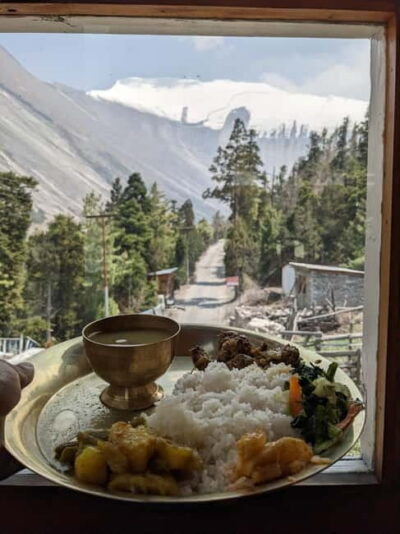
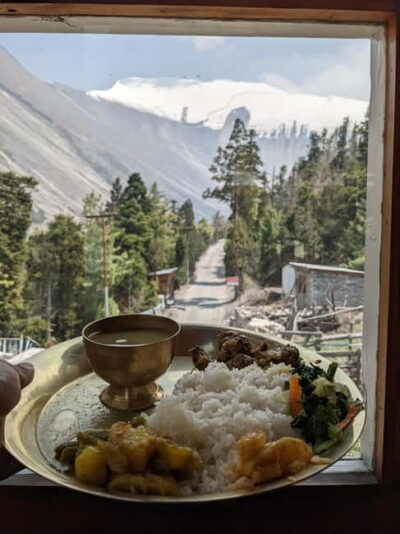
10-Day Annapurna Circuit Trek via Thorong La Pass
Read our review →
8-Day Annapurna Circuit Trek via Thorong La Pass
Read our review →
Browse the lists this tour appears in