
Reviewed · BHAKTAPUR
Patan and Bhaktapur City Full Day Tour
Patan and Bhaktapur are the Kathmandu Valley’s old-school cities, where you walk from one carved doorway to the next and history is built into street corners. This kind of day works because you get two UNESCO sites in one shot, with Newari temples and royal courtyards right where you can see them.
What I really like is how you spend real time in the spaces that matter. You get to focus on Patan Durbar Square and the Golden Temple (Hiranyavarna Mahabihar), then shift to Bhaktapur’s famous squares and Nyatpole Temple. The other thing I love is the guide factor: on this tour I’ve seen guides like Siri and Rajendra slow down for questions, photo stops, and even side streets that show daily life, not just postcard landmarks.
One consideration: monument entrance fees are not included, so you will want to carry a bit of cash and be ready for small add-ons once you arrive at temple sites.
Key things that make this tour worth your time
- Hotel pickup and drop-off from Kathmandu keeps your day from turning into a logistics puzzle.
- Private group pacing means you can ask more questions and move at a relaxed speed when a place grabs your attention.
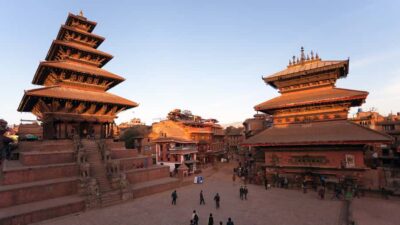
- Bhaktapur highlights include Taumadhi Square (Nyatpole Temple) and the royal-linked Dattatraya Square.
- Patan highlights include Durbar Square, the Golden Temple, and major temple architecture like pagodas and shikhar-style forms.
- You get a strong mix of royal palaces, temples, and craft culture instead of only one type of stop.
Patan and Bhaktapur: why this one-day combo works
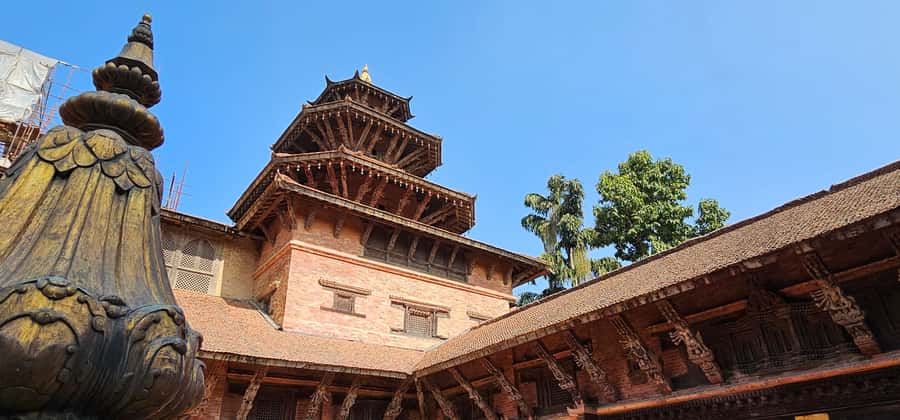
If you only have a short window in Kathmandu, Patan and Bhaktapur are a smart way to use it. They sit inside the Kathmandu Valley and both are tied to UNESCO, but they don’t feel like copies of each other. Patan, also known as Lalitpur, feels like an artists’ city of temples, bahals (traditional rest halls or cloisters), and intricate metalwork. Bhaktapur feels more medieval and town-like, with its squares acting like stages for daily routines and old royal power.
In about half a day per city, you can get the big visual hits without racing like you’re chasing a checklist. The best tours treat these places as living towns. You don’t just look up. You pause, you ask, and you look at how people actually move through the squares and lanes.
This is also a walking day. That’s good news if you like streets and stairs, but it’s a heads-up if you prefer only smooth surfaces.
More City Tours in Kathmandu
- Kathmandu: Private City Guided Tour
★ 4.9 · 174 reviews - Kathmandu: Private Patan and Bhaktapur Sightseeing Tour
★ 4.7 · 64 reviews - 1 Day Kathmandu Valley Sightseeing Tour
★ 5.0 · 37 reviews
Kathmandu pickup to UNESCO squares, without the hassle
You start in Kathmandu, with pickup and drop-off at your hotel. The tour runs about 6 hours total, with air-conditioned transport between areas. There’s a live guide speaking English and Spanish, and the group is private, so it’s not a big bus of strangers taking over your attention.
That timing matters. In a place like this, you can waste a lot of minutes on transit and waiting. Here, the schedule is designed around minimizing dead time so you actually experience the squares, not just drive by them.
One practical tip: monument entry fees are excluded. So build a small budget buffer and ask your guide what to expect before you hit each gate. Even if the plan is smooth, you’ll feel better if you’re not scrambling at the last second.
Bhaktapur Durbar Square and the royal-city layout you can feel
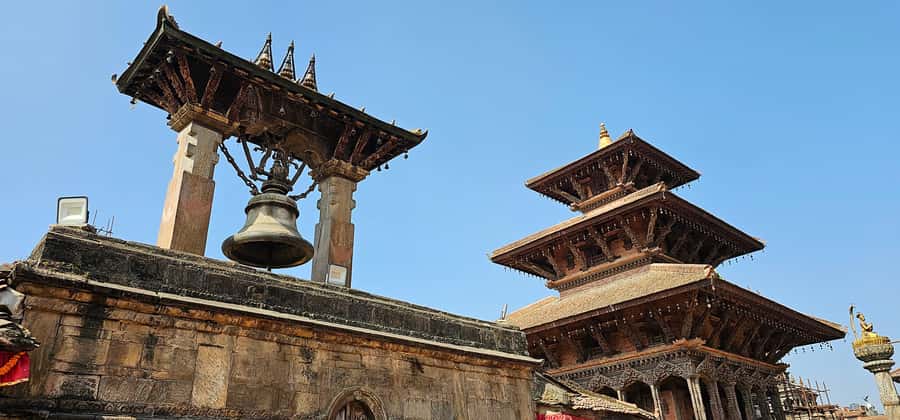
Bhaktapur’s Durbar Square is the kind of place where scale shows up in details. The royal setting isn’t just a single temple. It’s a layout, a set of spaces that once connected power, ceremony, and public life.
This tour includes guided time plus free time in Bhaktapur, so you can enjoy the guided narrative, then spend a bit of your own time looking at what catches your eye. The guide’s job here is to help you read the town. You’ll likely hear how squares functioned as hubs, and why certain temples and courtyards became “center points” in the city’s spiritual and political world.
If you like architecture and symbols, Bhaktapur delivers. The street level detail is strong, and you can often spot how craft and devotion overlap in everyday objects.
Taumadhi Square and Nyatpole Temple: the tallest stop in town
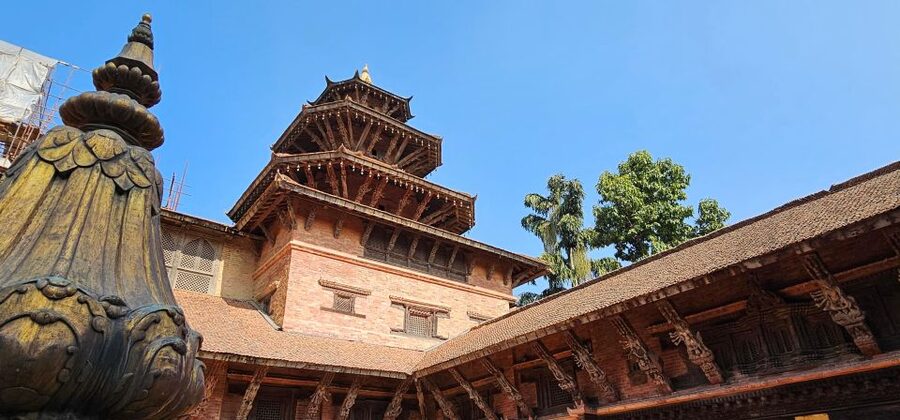
Taumadhi Square, also known as Nyatpole Temple, is a standout because it’s tied to scale. This temple is described as the tallest in Bhaktapur, and in a city where many structures climb in layers, that vertical focus changes how you experience the square. From ground level, you notice the silhouette first, then the ornament when you get closer.
On a guided day, this is where your guide earns their keep. You don’t want to just see a tower. You want to understand why it’s meaningful, how it fits into the city’s religious map, and why people gather around it.
Because the tour includes walking and sightseeing, you’ll want comfortable shoes. You’ll be standing, looking up, and moving slowly through the main zones.
More Full-Day Tours in Kathmandu
- Kathmandu: Full-Day 7 UNESCO Tour with Lunch – Private/Group
★ 4.9 · 247 reviews - Full Day Guided Tour in Kathmandu
★ 5.0 · 61 reviews - Kathmandu and Surrounding Full-Day Mountain Biking Tour
★ 4.7 · 12 reviews - Private Full-Day Tour of Kathmandu Valley With World Heritage Temples and Patan
★ 5.0 · 8 reviews
Dattatraya Square: where royalty once showed up
Dattatraya Square is another Bhaktapur highlight, and the tour calls out an important detail: it was the first square used by royalties. That phrase matters, because it tells you the square wasn’t always a tourist scene. It was an official stage.
When you’re in a square like this, you start to understand how the city’s power structure shaped the flow of daily life. Even if the city looks calmer today, the old intention is still written into the layout.
This is the kind of stop where a private guide makes a difference. With time to ask questions, you can get beyond a quick “pretty temple” moment and turn it into a “why here” moment.
Patan Durbar Square: palaces, pagodas, and the look of Newari design
Patan is about 6 kilometers south of Kathmandu and it’s often described as a kingdom in its own right. It’s also called Lalitpur, the beautiful city, because its buildings reflect the work of Patan’s artists and the talent of local craft traditions.
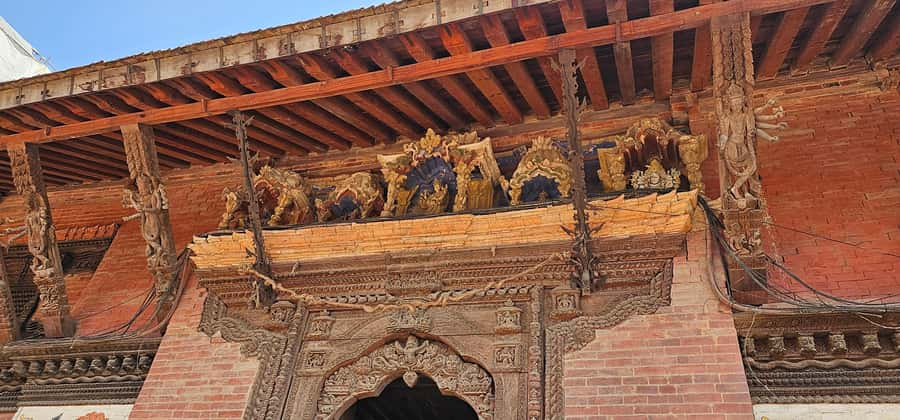
Patan Durbar Square is where that reputation becomes real. The royal palace complex nearby is among the best collections of Newari urban architecture in Nepal, and it’s designed around multiple courtyards. Instead of one grand hall, you move through distinct spaces, each with its own purpose and temple links.
The best part of visiting Patan with a guide is that the palace isn’t treated like museum glass behind a fence. You learn what those courtyards were for, and you start reading the city like a system.
The Golden Temple, Hiranyavarna Mahabihar: glittering metalwork you can explain
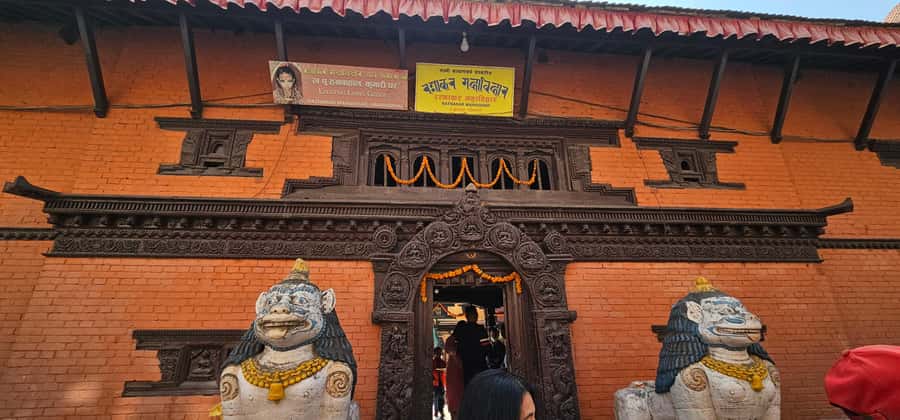
The tour includes Hiranyavarna Mahabihar, known to visitors as the Golden Temple. This isn’t just a shiny stop for quick photos. It’s described as one of the richest monasteries in Patan and a glittering example of Newari metalwork.
That matters for two reasons. First, it’s not only about visuals. The metalwork reflects craft skill and religious devotion in the same package. Second, it gives you a theme for your day. When you see a lot of temples, it can blur. A craft-focused highlight gives your brain a thread to hold onto.
If you like seeing how artisan traditions connect to faith, this is one of the most satisfying parts of the day. You’ll also likely get context on the monastery’s role in Patan’s spiritual life.
Patan’s palace courtyards: Sundarichok, Mulchok, and Keshavnarayan Chok
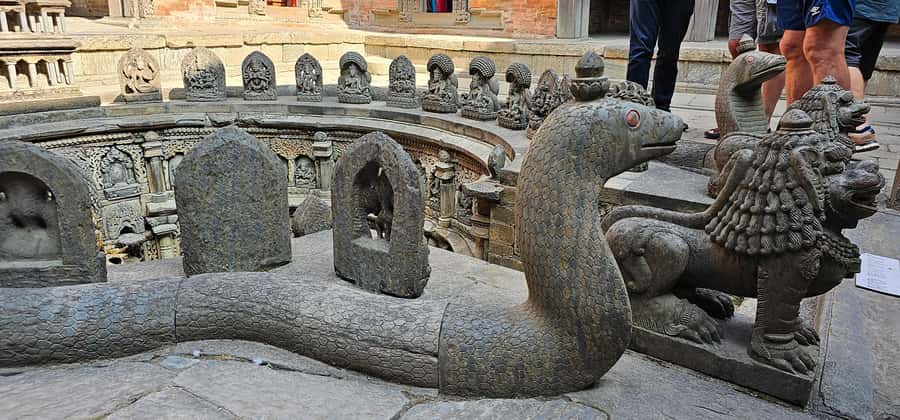
After Patan Durbar Square, you move into the palace complex, and this is where Patan becomes uniquely Patan.
The tour highlights three courtyards, each with a different identity:
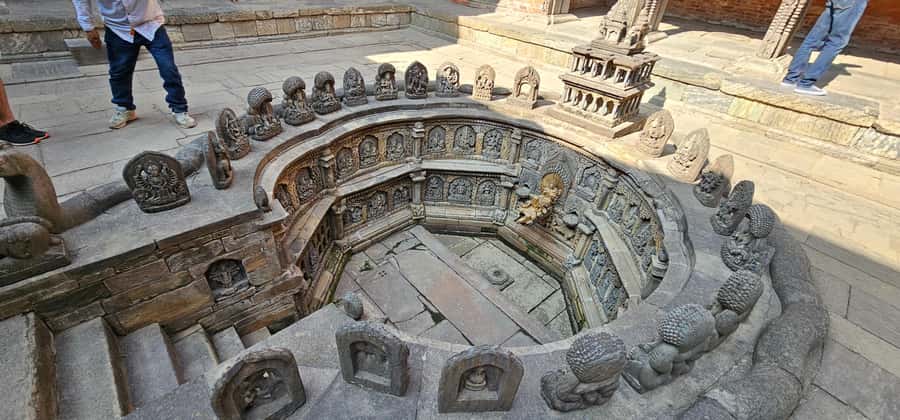
- Sundarichok, the southern courtyard, described as the most beautiful courtyard. It also used to be a royal bath.
- Mulchok, the main courtyard, traditionally used for social and religious occasions. It houses a temple for Taleju, a tutelary deity of the royal family.
- Keshavnarayan Chok, the courtyard tied to the king and queen’s past living area, featuring a small Vishnu temple with images of Vishnu, his wife Laxmi, and Garuda.
One of my favorite “small detail, big meaning” moments here is the water setup. The palace includes Bhandarkhal Tank with a fountain, described as part of the water supply system and connected to the idea of treasure storage within the tank. Near the fountain, you can observe fine carvings of 72 gods and goddesses.
If you’ve ever wondered why these old palace spaces feel so purposeful, it’s because every corner connects to a ritual, a social function, or a symbol.
Bhimsen, Krishna, Vishnu, and the pagoda-and-shikhar mix
Patan doesn’t only do metalwork and palaces. The tour also points toward major temples, including:
- The Bhimsen Temple, especially worshipped by the business community. Bhimsen symbolizes bravery, and the temple itself is a richly ornamented three-story pagoda.
You may also notice household items displayed as hanging objects, like pots, pans, brooms, and wooden slippers, which ties the deity to everyday life and merchant identity.
- The Krishna Temple, described as a masterpiece of shikhar architecture. It includes Garuda in front of the temple, with Krishna understood as a reincarnation of Vishnu.
- The Vishnu Temple next to Krishna’s temple, reinforcing the shared icon link.
There’s also mention of a restored statue of a Malla king, Yoga Narendra Malla, which fell during the 2015 earthquake and has been restored. That kind of restoration detail matters because it reminds you these places are not frozen. They have endured, repaired, and continued in use.
Finally, the tour notes an octagonal temple linked with the eight symbols of good luck for Hindu people. If you like symbolism, this is a good “spot the pattern” stop.
How the guide shapes the experience, from Siri to Rajendra
Two names come up in the strongest way: Siri and Rajendra. The common thread is that the best moments tend to come from how the guides handle pacing and questions.
On this style of tour, you don’t want to feel dragged. You want to feel guided. Several experiences described relaxed pacing, time for photo stops, and room to shop without the day feeling hijacked. One person also appreciated having control over lunch timing, which matters when your energy levels change and you want to keep the day smooth.
You’ll also benefit from guides who explain the city beyond the monument label. Rajendra, for example, is noted for showing side streets and daily life details, plus calling out ethnic costumes still worn in daily routines. That’s the difference between seeing temples and understanding what the temples sit inside of.
If you’re the type who likes asking “why” questions, this tour is built for that.
Price and value: is $50 per person worth it
At $50 per person for a private, 6-hour day with hotel pickup, air-conditioned transport, and a live English or Spanish guide, the value is mainly in two things: time saved and interpretation delivered.
First, you reduce the cost and stress of figuring out how to move between Kathmandu and the UNESCO zones. Second, you pay for a guide who can explain patterns: why courtyards matter, what symbols represent, and how craft traditions connect to the sites you’re seeing.
The only financial caveat you should plan for is that monument entrance fees are not included. That’s not a dealbreaker, but it does change your total spend. If you want certainty, ask your guide how entrance fees will likely impact your day so you can budget cleanly.
Also, private group service means you’re not splitting attention with a dozen other people. Even if you’re traveling solo, you get a more personal pace.
Timing tips so the day feels relaxed, not rushed
The tour is set up for about six hours, with sightseeing and free time, so you should expect a busy but not breathless schedule. The most enjoyable version of this day happens when you accept that you won’t see everything, but you will see the big things properly.
Keep your photo strategy simple:
- Do wide-angle shots when you enter a square
- Do close-ups during guided explanations, so you know what you’re photographing
- Save time for one or two side streets so the cities feel lived-in
If you’re hungry, you’ll want to plan for food during the free-time blocks. Some experiences include stops at restaurants with views, and having a guide help you pick a place can save time and help you find something comfortable after walking.
Who this tour is best for
This tour fits best if you:
- Want UNESCO highlights without spending multiple days in transit
- Enjoy architecture, temple details, and symbolic meaning
- Prefer a private guide who adjusts pace, rather than a rigid group schedule
- Like seeing craft and daily life in the same day
It may feel less ideal if you’re trying to cover every single temple in both cities. A full day can’t be everything. The win here is focus, not total coverage.
Should you book the Patan and Bhaktapur City Full Day Tour?
I’d book it if you want a well-structured day that connects two UNESCO sites into one logical story. The combination of Patan’s palace courtyards and metalwork at the Golden Temple, plus Bhaktapur’s royal squares like Taumadhi and Dattatraya, makes the day feel varied. Add a guide with the flexibility to answer your questions, and you’re likely to come away with more than photos.
Book with confidence if $50 fits your budget and you’re okay budgeting separately for monument entry fees. Just be honest with yourself about walking. If you’re comfortable moving around historic squares, this is a strong Kathmandu Valley day.
FAQ
How long is the Patan and Bhaktapur City Full Day Tour?
The tour duration is 6 hours.
What’s included in the tour price?
It includes hotel pickup and drop-off, a live tour guide, and air-conditioned transport. Monument entrance fees are not included.
What language is the tour guide available in?
The live tour guide is available in English and Spanish.
Is this tour private?
Yes, it is listed as a private group.
Where does the tour start and end?
Pickup and drop-off are included from your hotel in Kathmandu, with return back to Kathmandu at the end.
What is the cancellation policy?
You can cancel up to 24 hours in advance for a full refund.
More of Patan and Its Courtyards
- Kathmandu: Private Patan and Bhaktapur Sightseeing Tour
★ 5.0 · 6 reviews - Kathmandu: Private Bhaktapur and Patan Sightseeing Tour
★ 5.0 · 5 reviews
More of Bhaktapur
- Day Trip to Bhaktapur and Panauti from Kathmandu
★ 5.0 · 184 reviews - Bhaktapur & Patan Durbar Square Day Tours
★ 5.0 · 122 reviews - From Kathmandu: Half-Day Guided Tour of Bhaktapur
★ 3.8 · 13 reviews - Kathmandu: Private Bhaktapur & Nagarkot Day Tour with Guide
★ 4.7 · 12 reviews
Latest Kathmandu write-ups
- 16 Days Island Peak Climbing With Everest Base Camp Private Trip★ 5.0 · 3 reviews
- 15 Days Round Annapurna Trek with Poon Hill from Pokhara★ 5.0 · 5 reviews
- Private Nepal round trip including Ghorepani Poonhill trek★ 5.0 · 3 reviews
- Everest Base Camp Trekking 16 Days★ 4.0 · 7 reviews
- 14 Days Luxury Annapurna Base Camp Trek★ 5.0 · 6 reviews
- Everest Base Camp Trek★ 5.0 · 32 reviews
- Everest Base Camp Trek★ 5.0 · 87 reviews
- Everest Base Camp Trek★ 5.0 · 97 reviews
Bhaktapur, compared.
Day Trip to Bhaktapur and Panauti from Kathmandu
Read our review →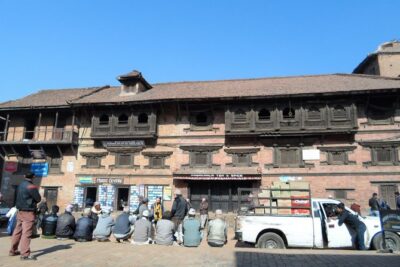
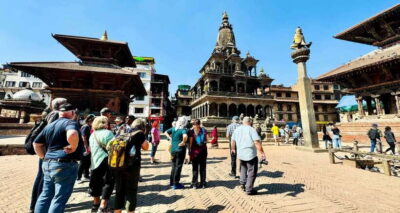
Private Bhaktapur & Nagarkot Day Tour with Guide
Read our review →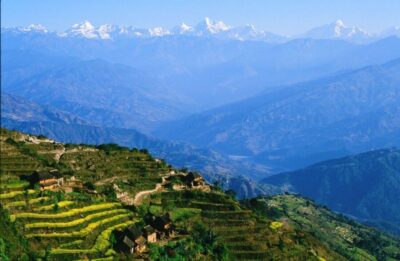
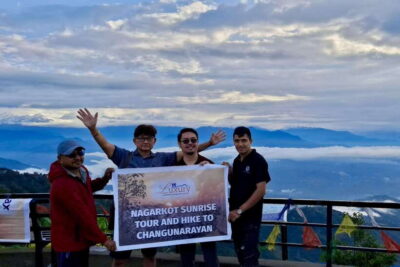
Nagarkot Sunrise With Changu Narayan and Bhaktapur Day Tour
Read our review →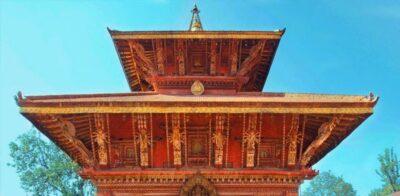
Nagarkot Sunrise With Trip To Changu Narayan and Bhaktapur
Read our review →Browse the lists this tour appears in