
Reviewed · MOMO MAKING CLASSES
Pokhara: 3 Hour MoMo cooking class
Pokhara turns a simple snack into a hands-on skill session, and that is what makes this cooking class fun. I love the from-scratch workflow (dough, filling, shaping), and I also like that you finish with dipping sauces you help make. The one thing to keep in mind is that folding takes practice, so your first batch may look less like magazine-perfect pleats and more like honest dumplings.
It runs for 3 hours, includes hotel pickup and drop-off in the lakeside area, and keeps the pace practical and beginner-friendly. You work with an instructor in English and Hindi, and you leave with the steps you can repeat at home, not just a meal.
Key points to know before you go
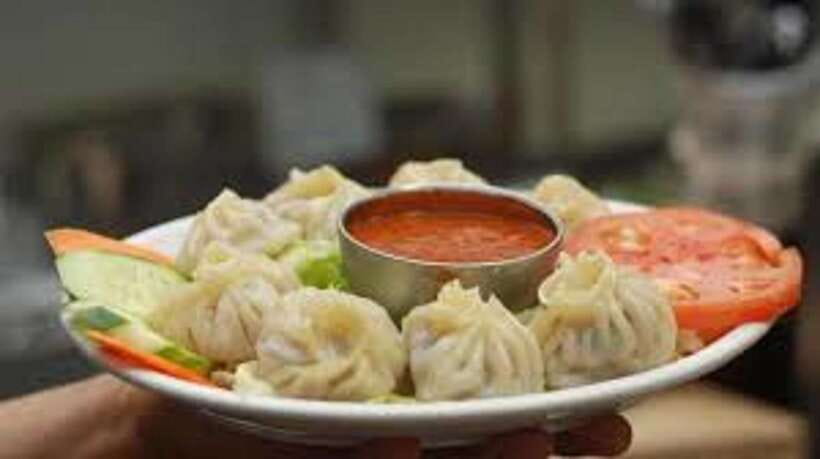
- You learn the full momo pipeline, from dough and filling to folding and steaming.
- You choose your filling style (vegetarian, chicken, or meat) and work with what you pick.
- Folding techniques matter, and you get hands-on practice with different shapes.
- Sauces are part of the lesson, including spicy and mild options.
- It’s a short, focused 3-hour session, with tasting at the end so you get instant feedback.
Why Nepalese momos are such a great cooking class topic in Pokhara
Momos are the kind of food that makes sense the moment you see them. Bite-sized dumplings. Clear portions. Soft wrapper with real filling. And when you eat them with sauce, the whole thing goes from snack to comfort meal fast.
This class is interesting because it teaches the logic behind the dish, not just the final result. You’ll work with dough that needs the right knead and rest. You’ll build a filling that has to hold together. And you’ll practice folding so the wrapper seals and cooks properly. That is the difference between eating dumplings and making them.
Pokhara is a smart place to do this, too. After the experience, you can compare your homemade method to the momos you’ll find around town. You get better at spotting what is going right, and what is off, like wrapper thickness or filling moisture.
More Cooking Classes in Pokhara
- Nepalese Momos or Dal Bhat Cooking Class (Cook with Delight)
★ 5.0 · 99 reviews - Nepalese Kitchen in Pokhara: Momos or Dal Bhat Cooking Class
★ 5.0 · 67 reviews - MoMo or Dal Bhat Cooking Class at Aama Kitchen in Pokhara
★ 4.9 · 28 reviews
Hotel pickup and the quick hop to the cooking café
You get hotel pickup and drop-off from within the lakeside area. That matters because it keeps the day easy. You can show up, start cooking right away, and not waste time figuring out transport.
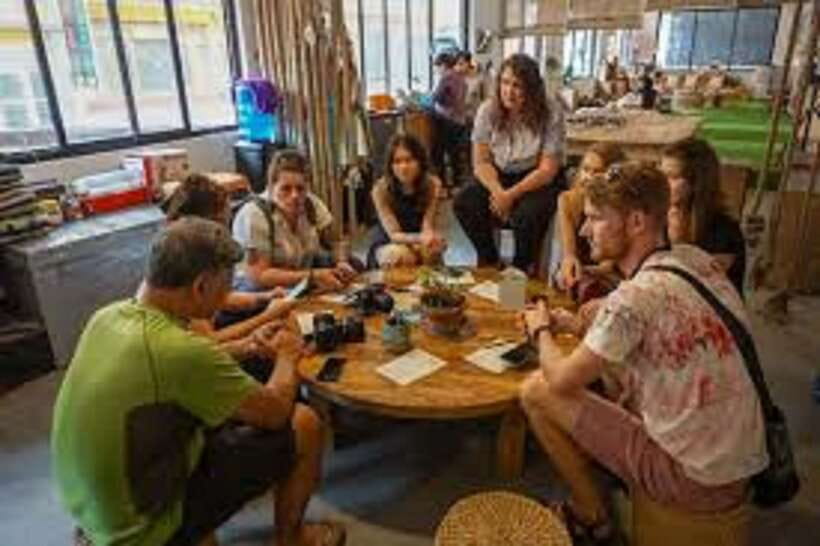
Once you’re picked up, you head to a local café-type setting for the class. In some sessions, the meeting spot may be a small neighborhood café where you can walk or take a short ride, so you stay in that relaxed local-food mood.
Two practical notes. First, the tour takes place rain or shine. So if the sky does its usual Pokhara thing, you still cook. Second, you cannot bring luggage or large bags. A small day bag is fine, but keep it light.
The 10-minute intro: how momo culture gets explained without getting heavy
You start with a short welcome and an overview of momos and their cultural significance. This is brief on purpose. The class quickly moves you from background to ingredients and equipment, so you are not stuck listening while your stomach clocks start beeping.
You also get oriented on what tools you will use. That sounds basic, but it matters for hands-on cooking classes. If you know what equipment does what, you can focus on technique instead of hunting for the steamer or second-guessing dough behavior.
In short, the intro sets you up to cook, not just watch.
Choosing your filling in the 40-minute build-up
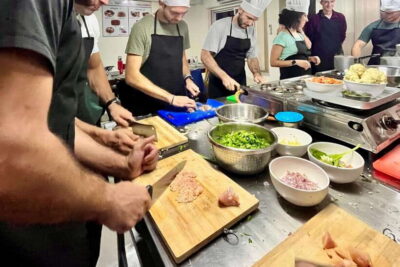
The filling section is where the class becomes personal. You are shown different options, including vegetarian, chicken, and meat fillings. Then you get hands-on experience preparing your chosen filling with the instructor guiding the process.
What I like about this part is that you learn more than a recipe. You learn how filling should feel and behave before it ever meets the wrapper. The goal is consistency that stays put when you fold. If the filling is too wet, it can leak. If it is too dry, it may not taste balanced.
You also get to connect flavor choices to technique. For example, a vegetarian filling can cook down differently than meat. Even if the momo wrapper stays the same, the filling work determines whether the final bite feels juicy, balanced, and satisfying.
If you want to cook at home later, this filling lesson is the backbone. You can swap ingredients, but the approach stays useful.
More Momo Making Classes in Pokhara:
- Pokhara: Nepali Cooking Class and Momo Making Workshop
★ 5.0 · 6 reviews - Kathmandu: Local Women-Led Nepali Cooking & Momo Class
★ 4.9 · 360 reviews - Kathmandu: Traditional Momo Making Class & Pickup
★ 4.8 · 60 reviews - Kathmandu: Local Women-Lead Nepali Cooking & Momo Class
★ 4.9 · 45 reviews
Making the momo dough: knead, rest, then roll with confidence
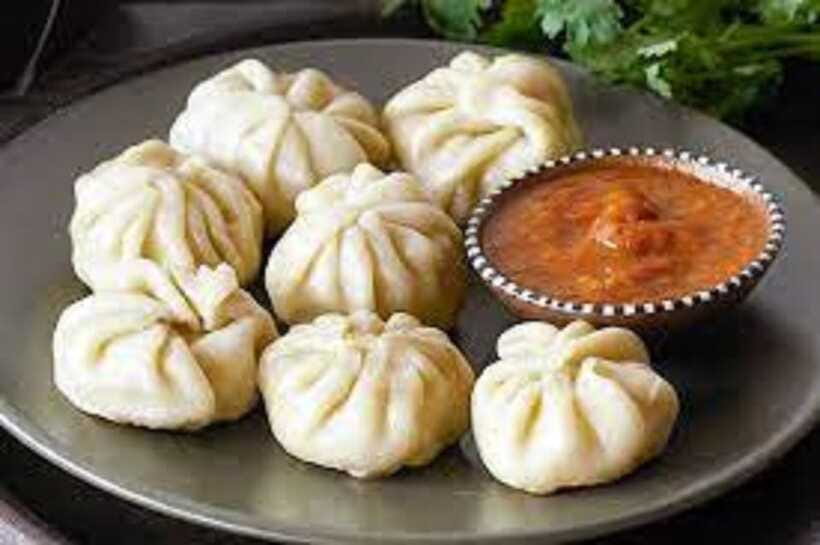
Next comes the dough, about 30 minutes. This is a step many people skip when they buy dumplings. Here, you learn why dough ingredients and texture matter.
You get step-by-step instructions for kneading and preparing the dough, and then you make your own. After kneading, the dough gets a short rest. That rest is not just waiting time. It helps the dough relax so it rolls more smoothly and behaves better during shaping.
When you roll wrappers, you will quickly understand why this matters. If dough was under-kneaded, it can feel uneven. If it never rested, it may fight back. When you roll with a dough that has been handled correctly, you get more consistent thickness and cleaner folds.
This is one of those lessons that feels small while you do it, then pays off later when you see how your dumplings hold together in the steamer.
Rolling and shaping: pleats, crescent moons, and finger stamina
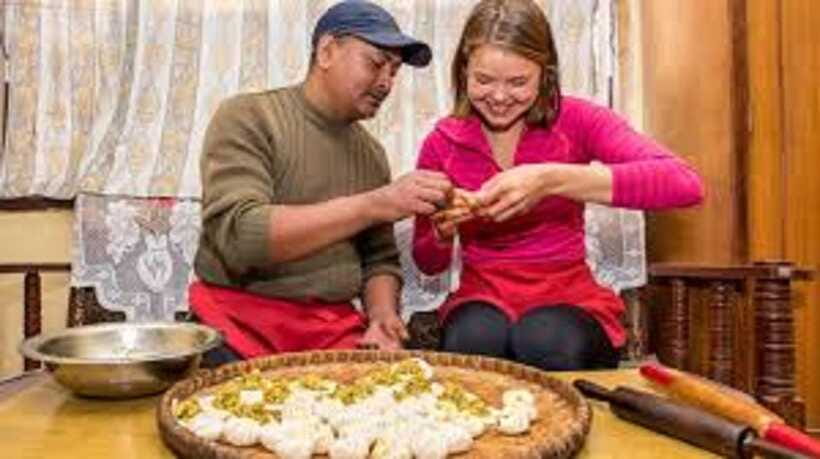
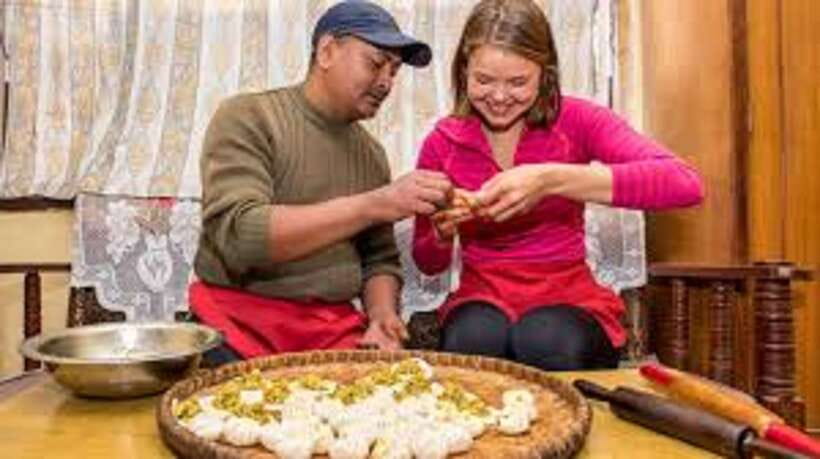
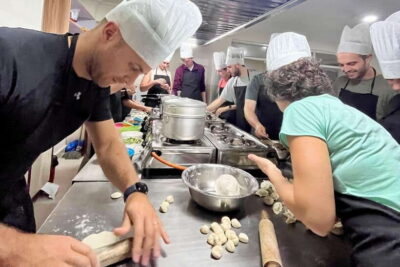
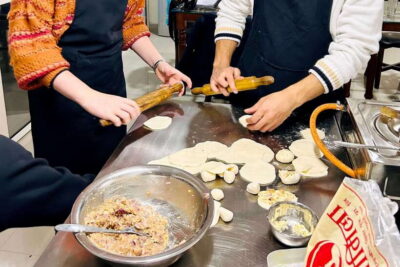
Shaping is the big workout section, about 40 minutes. You learn how to roll out wrappers to a good thickness. Then you practice shaping different momo styles, including traditional pleats and crescent moon forms.
Here is the real takeaway. Folding is not only about looks. It is about sealing and even cooking. Thick uneven edges can lead to weak seals. Thin spots can cook differently. And sloppy closures can let steam find the wrong path.
You practice rolling and shaping your own momos, not just copying one perfect demo. That is where many cooking classes fall short, but this one keeps you doing the work.
A small note on expectations. Your first folds might look a bit messy. That is normal. The aim is to learn the method so you can repeat it, not produce a museum exhibit.
Steaming the momos to tender perfection, plus a possible fried twist
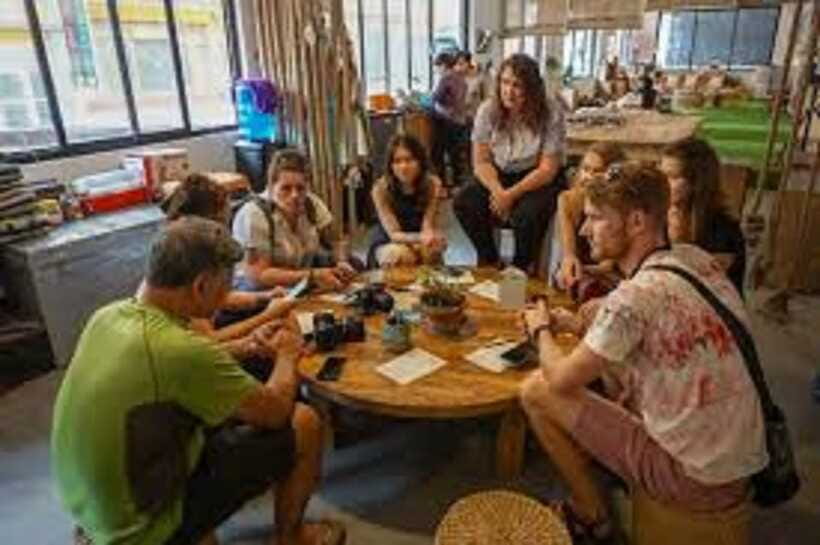
Once you have shaped your momos, the class moves into steaming, about 20 minutes. You get explanations on why steaming matters and how to set up the steamer properly.
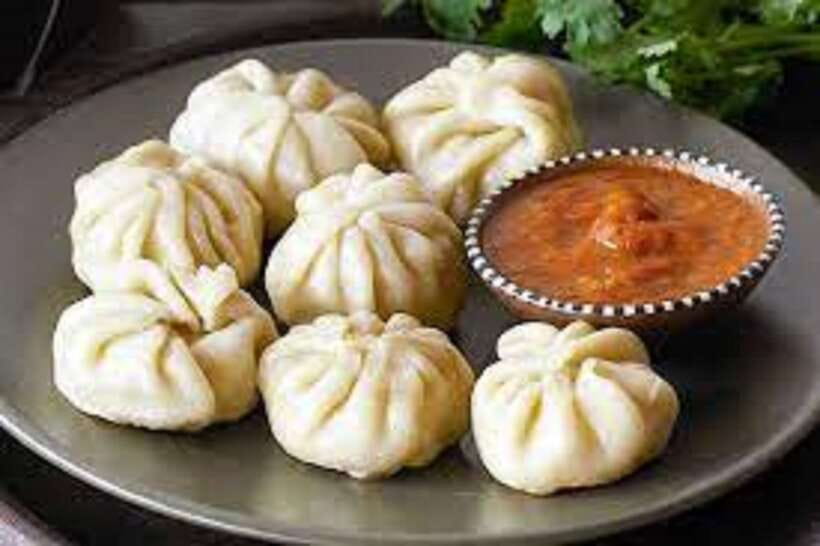
Steaming is the classic method because it cooks the wrapper gently. The result is tender dumplings with a soft bite. In this part, you also see how steam timing affects texture. Too little and the wrapper can feel chewy. Too much and the dumpling can get soft in a way you do not want.
Some sessions may include steaming and frying, with different batches cooked by method. If you see both, treat it as a bonus. Steamed momos stay delicate and light, while fried ones add a different mouthfeel. Either way, you learn how heat method changes the outcome.
Dipping sauces you make yourself, from mild to spicy
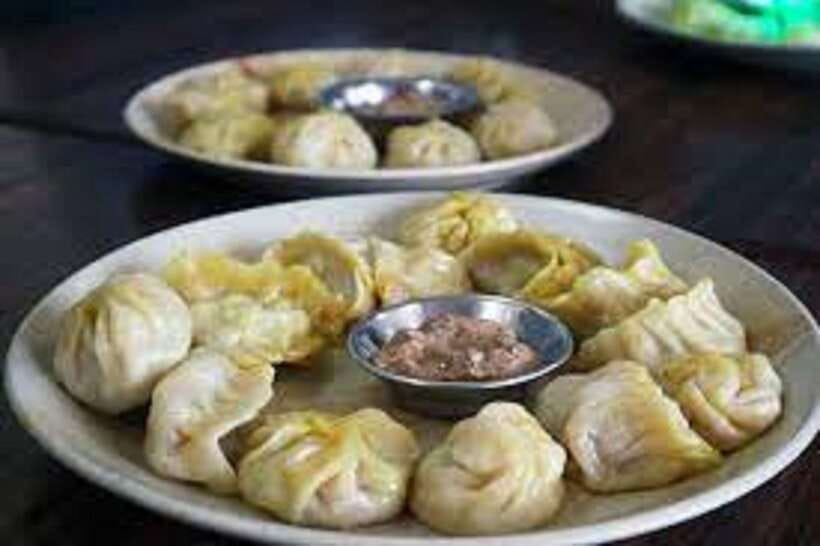
Then comes the sauce section, about 15 minutes. You learn about multiple dipping options, including spicy and mild, plus soy-based flavors.
This is one of my favorite parts of the whole class because you get to personalize it. Instead of being stuck with one sauce, you make your own dipping mix that matches your spice tolerance.
Practical tip for sauce-making: taste early and adjust gradually. If you add too much spice right away, you cannot unspice it. The class format helps you balance flavor as you go, so you end with a sauce that makes the dumplings taste complete.
And when you eat what you made, the sauces help you judge your momo quality. If your wrapper is sealed but your filling feels heavy, the sauce can lift it. If your wrapper is slightly thick, the sauce can cut through. It all connects.
Tasting and feedback: your dumplings get graded by reality
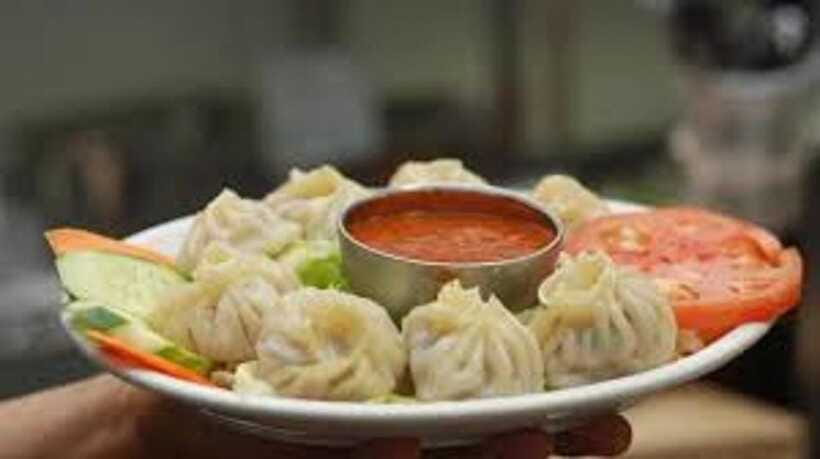
You finish with a tasting moment, about 15 minutes, where everyone eats the momos they made with the dipping sauces they prepared. The instructor provides feedback and answers questions.
This is the best kind of evaluation. It is not a test, and nobody is trying to be harsh. You simply get real-world feedback based on how your dumplings cooked. You can ask why something opened, why a fold looked weak, or how to tweak dough thickness.
Then you get some closure with a Q&A and recap, about 10 minutes. You walk away with the order of operations in your head, so if you cook again later, you know what to do first and what step matters most.
Price and value in plain terms: what $29 buys you
The price is $29 per person for a 3-hour class. For that, you get hotel pickup and drop-off, a glass of cold drinks per person, and all momo cooking materials. Food and drinks beyond that are not included, and you can purchase them separately.
To judge value, I look at three things: how hands-on it is, how much time you get, and what you take home skill-wise. This class scores high on all three.
You do every major cooking stage with guidance, not just one. You spend enough time on dough, filling, folding, and cooking to actually learn technique. And you leave with the mental model for making momos, which is what you really want if you plan to cook later.
Also, the class is a private group. That usually means more attention and fewer waiting moments while you wait your turn to handle dough or fill wrappers. If you are traveling with friends or want a low-stress way to learn, that private format is a strong value play.
Timing and what to expect in a 3-hour cooking block
The schedule is tightly packed:
- Intro and momo background (about 10 minutes)
- Filling (about 40 minutes)
- Dough (about 30 minutes)
- Rolling and shaping (about 40 minutes)
- Steaming (about 20 minutes)
- Dipping sauces (about 15 minutes)
- Eating and feedback (about 15 minutes)
- Q&A and recap (about 10 minutes)
That is a good structure for travelers. It is long enough to learn, short enough that you still have a chunk of your day after.
One thing to remember, your hands will be busy. Cooking is messy. If you are the type who likes everything immaculate, bring patience. If you are okay with a little flour and sauce on the day, you will enjoy this much more.
Who should book this momo class, and who might skip it
This works best if you want practical skills. If you enjoy cooking, want to understand dough and folding, or like the idea of eating what you make, book it.
It is also a strong choice for travelers who like small, interactive experiences. The private group setup and the Q&A at the end keep it from feeling like a show.
Skip it if you need mobility accommodations. The class is not suitable for people with mobility impairments, based on the activity details provided.
Should you book the Pokhara 3 Hour MoMo cooking class?
Yes, if you want a fun, skill-building food experience that ends with lunch or dinner you made yourself. The value is strong because you get pickup, drinks, materials, and real technique time within a short 3-hour window.
Book it especially if you care about details like dough rest, wrapper thickness, and sealing folds. That is where this class shines.
You might reconsider if you want low-effort sightseeing-only activities, or if folding practice sounds stressful. Some dumpling mess is part of the deal. But if you treat it like learning, not judging, you will leave with better momos in your hands and a method you can repeat back home.
FAQ
How long is the Pokhara 3 hour momo cooking class?
It lasts 3 hours, from pickup to dropping you back in Pokhara.
Does the class include hotel pickup and drop-off?
Yes. Pickup and drop-off are included, and you will be picked up within the lakeside area.
What is included in the price?
You get hotel pickup and drop-off, a glass of cold drinks per person, and all momo cooking materials. Food and drinks beyond that are available for purchase.
What languages are used by the instructor?
The instructor teaches in English and Hindi.
What should I bring, and can I bring luggage?
Bring a passport or ID card. Luggage or large bags are not allowed.
Does it run rain or shine, and is it suitable for everyone?
It runs rain or shine. It is not suitable for people with mobility impairments.
Latest Pokhara write-ups
- Mardi Himal Trek -5 Day Short Trek From Pokhara★ 5.0 · 8 reviews
- Tandem Paragliding in Pokhara★ 4.8 · 8 reviews
- Pokhara: Peace Pagoda Sunset, Annapurna Mountain Views Tour★ 2.9 · 5 reviews
- Short & Scenic: 2-Day Private POON HILL Trek from Pokhara★ 5.0 · 8 reviews
- Seti George and Thrilling Suspension Bridge Tour at Pokhara★ 4.5 · 3 reviews
- Sarangkot Sunrise over the Himalayas★ 4.8 · 83 reviews
- Pokhara: Sarangkot Sunrise and Private Full Day Tour★ 4.8 · 24 reviews
- From Kathmandu/Pokhara: Private 3-Day Chitwan Safari Tour★ 4.7 · 34 reviews
Momo Making Classes, compared.
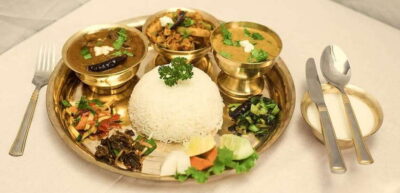
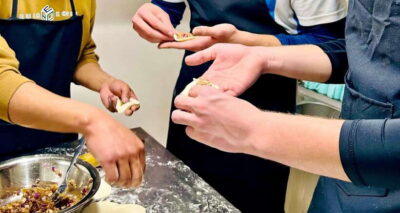
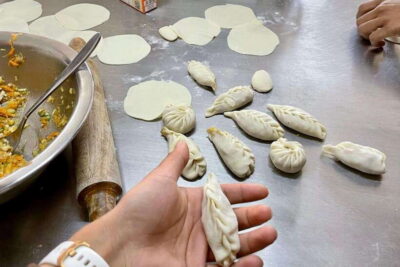
MoMo or Dal Bhat Cooking Class at Aama Kitchen in Pokhara
Read our review →
Browse the lists this tour appears in