Reviewed · KATHMANDU TOURS
Spiritual Nepal: Expert insight into Multifaith Journey
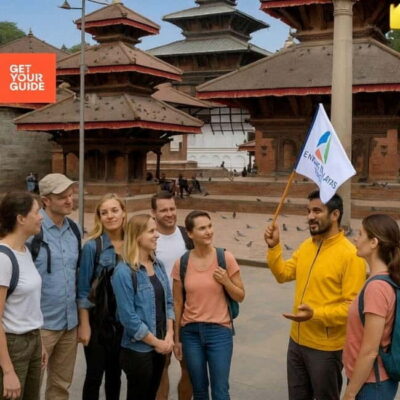
This tour is interesting because it stacks Boudhanath and Pashupatinath side by side, letting you watch Buddhism and Hinduism speak through daily ritual, not just sightseeing. I love the way the guide turns landmarks into lived practice, from rotating prayer wheels with locals at Boudha to explaining what you’re seeing at the Bagmati River. I also like the small-group feel, with direct attention and clear pacing, and guides such as Rozit, Bini, Subash, and Bidhya have shown up repeatedly as strong communicators.
One thing to consider: Pashupatinath can feel busy and intense, and timing can run tight with traffic and crowds, so you’ll want to stay close to your guide and keep expectations flexible.
Key things you will notice on this multifaith journey
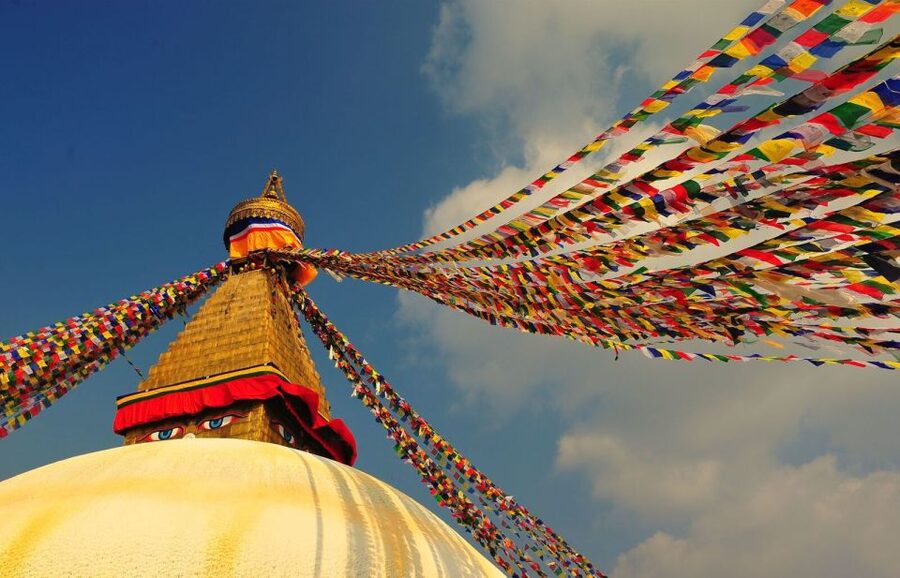
- Two UNESCO stops in one compact 4-hour loop: Boudhanath Stupa and Pashupatinath Temple
- Prayer-wheel rotation and the Kora around the stupa, guided so you know what you’re doing
- Sadhu life glimpses, including the solemn reality of cremations by the Bagmati River
- Arati by the river, where lights and devotion move through the crowd
- Optional cultural interactions with local support, including palm readings and small offerings
- A true small group size (up to 12), which matters when you’re navigating crowds
Why Boudhanath and Pashupatinath Feel Like One Spiritual Conversation
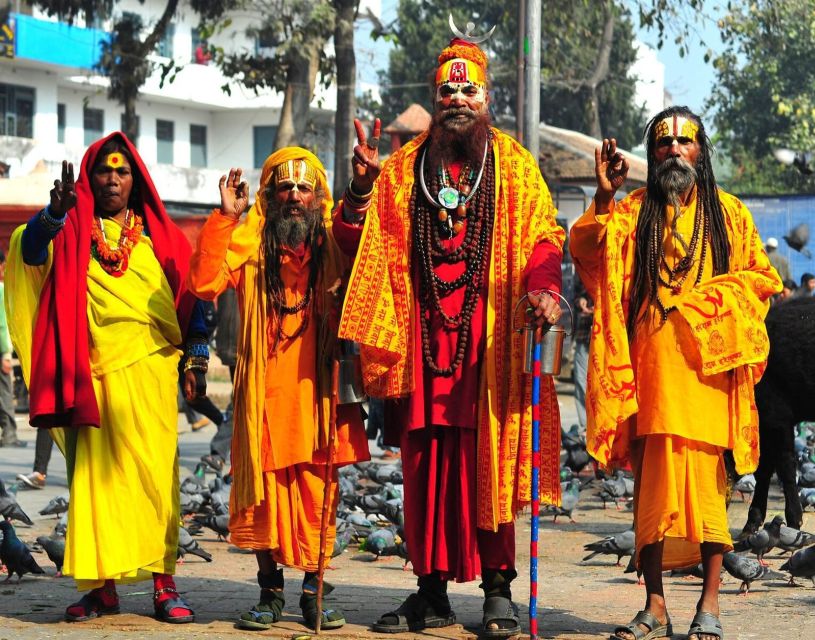
Kathmandu can overwhelm you fast if you treat temples like just photo backdrops. This half-day tour works better because it treats faith as something people practice every day. You’re not asked to “perform” spirituality. You just have a guide who explains the logic behind what you see.
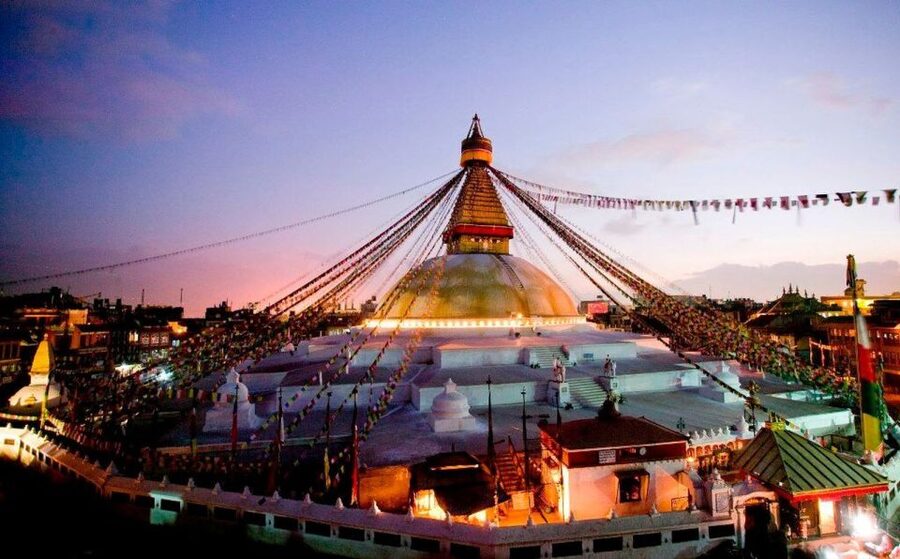
At Boudhanath, the center of the visit is the big white stupa and the rhythm around it. At Pashupatinath, you’re stepping into a Hindu pilgrimage site where rituals are public, emotional, and deeply woven into river life. Watching both in one go helps you connect the dots, even if you’re not religious. It’s not about choosing a side. It’s about seeing how religion can organize meaning, community, and daily actions.
The tour also keeps things practical. You meet at Hotel Marshyangdi, then you move through both locations with transportation help where needed. That saves your energy for the parts you can’t rush, like the stupa circuit and the riverside ceremony.
More to compare around Kathmandu
- Kathmandu: 7 UNESCO Sites with Lunch
★ 4.8 · 744 reviews - Everest Base Camp Helicopter Tour landing at Everest View Hotel
★ 5.0 · 668 reviews - Kathmandu: Local Women-Led Nepali Cooking & Momo Class
★ 4.9 · 360 reviews
Small Group Walking Tour That Actually Keeps You Close to the Action
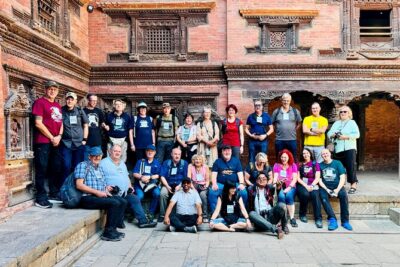
This is a small-group tour capped at about 12 people, which is a big deal in Kathmandu. At Pashupatinath especially, the space compresses. People flow in waves. If your group stretches out, you lose context and safety.
I like that the structure gives you “staying together” built in. The guide stays focused on keeping everyone oriented, and you’ll be reminded to remain near the group to navigate the crowd. When the experience includes cremations and a crowd-led ritual like arati, staying close becomes more than convenience. It becomes respect.
English-speaking Nepali guides are included, and recent guides named Rozit, Bini, Subash, and Bidhya stand out for explaining things clearly and answering questions without making you feel rushed. That matters, because a lot of what you’re seeing is visible, but not automatically understandable.
Boudhanath Stupa: Kora, Prayer Wheels, and the Quiet Technique of Paying Attention
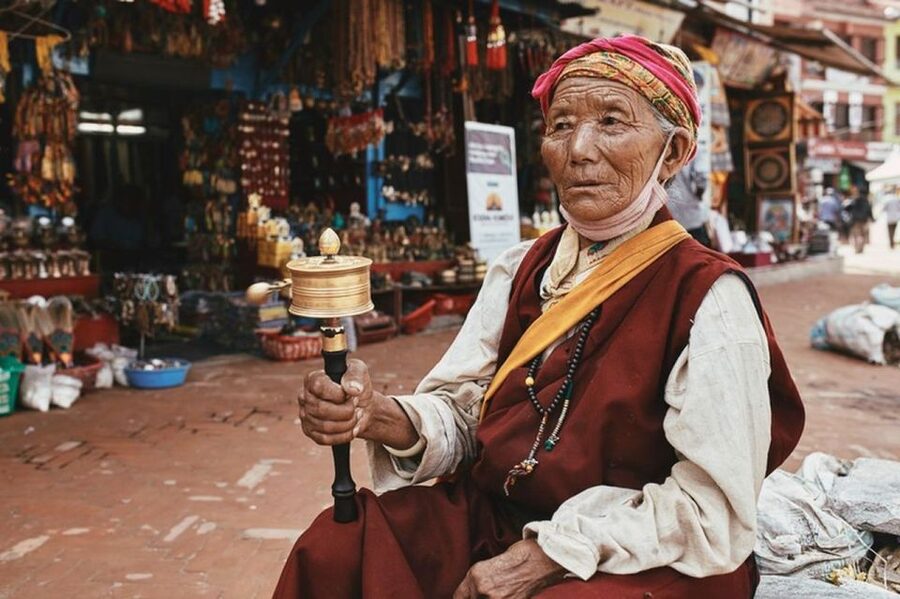
Boudhanath is one of Nepal’s most recognizable Buddhist landmarks. The tour gives you about 2 hours here, which is enough time to do the Kora without sprinting.
What you’ll do:
- Start at Boudha Stupa
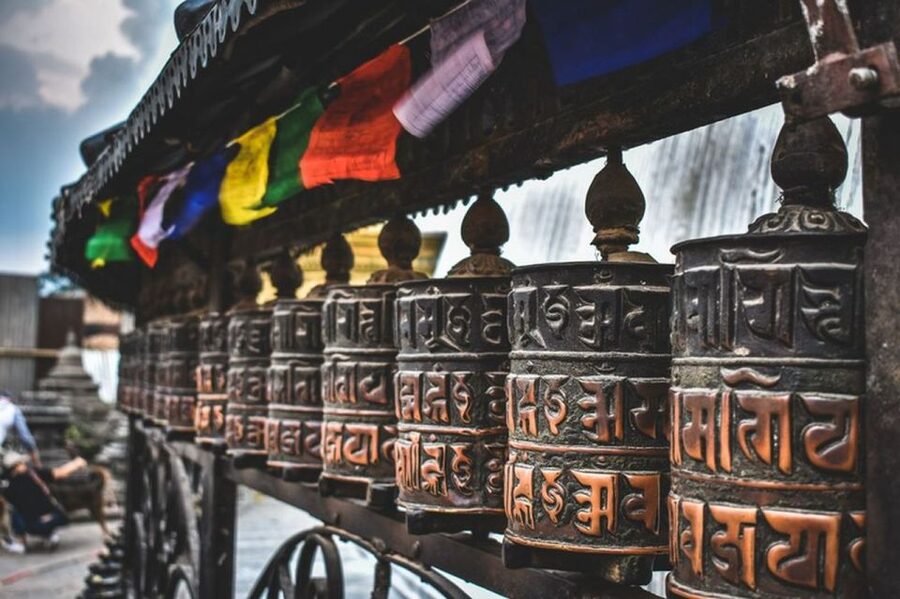
- Join locals in rotating the prayer wheels
- Walk the Kora, the circuit route around the white spherical dome
- Take in the visual language around you, like the way people move, pause, and repeat
Here’s the part I’d emphasize for your comfort: joining locals in wheel rotation isn’t just a “do this with the guide” moment. It’s your training. You’re learning the tempo. Your eyes adjust to the details, and suddenly you see the stupa as an active place, not a monument.
Also, the area around Boudha can be calm in sections and hectic in others. A guide who knows how to steer you around makes the difference between feeling overwhelmed and feeling present.
Optional local impact is possible at Boudhanath too. If you choose to buy butter lamps, it’s framed as support for local communities. The tour also may include guidance for optional experiences like palm readings during the day, with costs not included in the tour price.
A quick note on dress at Boudha
You’ll be at religious sites throughout. Plan modest clothing: shoulders and knees covered. Men often need long trousers, and women a long skirt or sarong. If you show up under-dressed, you might find you spend energy solving clothing issues instead of watching rituals.
A different sort of day out of Kathmandu:
- Manaslu Circuit Trek
★ 5.0 · 292 reviews - Kathmandu: Food and Drink Walking Tour
★ 4.9 · 292 reviews - Kathmandu: Full-Day 7 UNESCO Tour with Lunch – Private/Group
★ 4.9 · 247 reviews - Kathmandu: 7 UNESCO Sites Tour in 1 Day (Private Tour)
★ 4.9 · 204 reviews
From Boudha to Pashupatinath: How the Walk or Drive Changes the Feeling
After Boudhanath, you connect to Pashupatinath Temple. The transfer is either:
- a walk of about 15 minutes, or
- a drive (depending on how the day is running)
That choice affects your experience. A short walk tends to give you more “everyday Kathmandu” context. A drive can help you arrive in a calmer mindset, especially if the streets are crowded.
Either way, the tour keeps a tight schedule by design. Total duration is 4 hours, with 2 hours at each stop. That’s why the guide’s timing and crowd navigation matter. You want to be ready to move when your group is called.
Pashupatinath Temple: Sadhu Life, Alms, and Asking Better Questions
At Pashupatinath, you’ll spend another 2 hours. This is where the day turns from “stupa ritual” to “pilgrimage ritual,” and it feels more immediate.
You can expect:
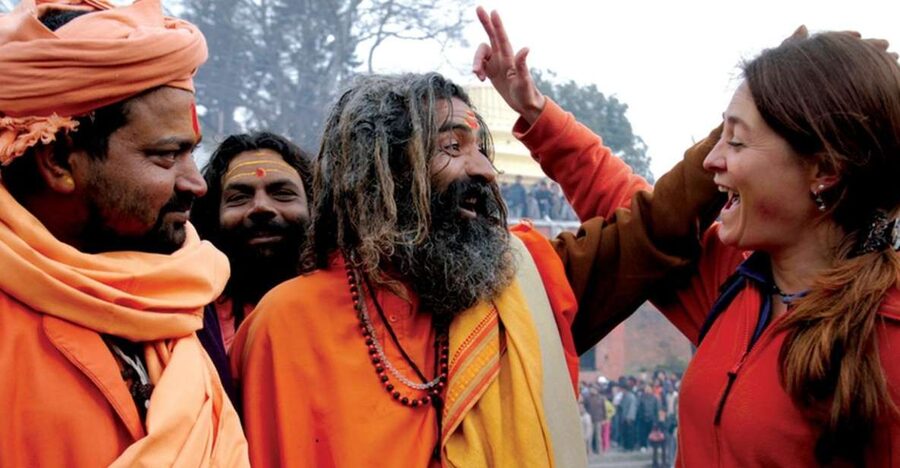
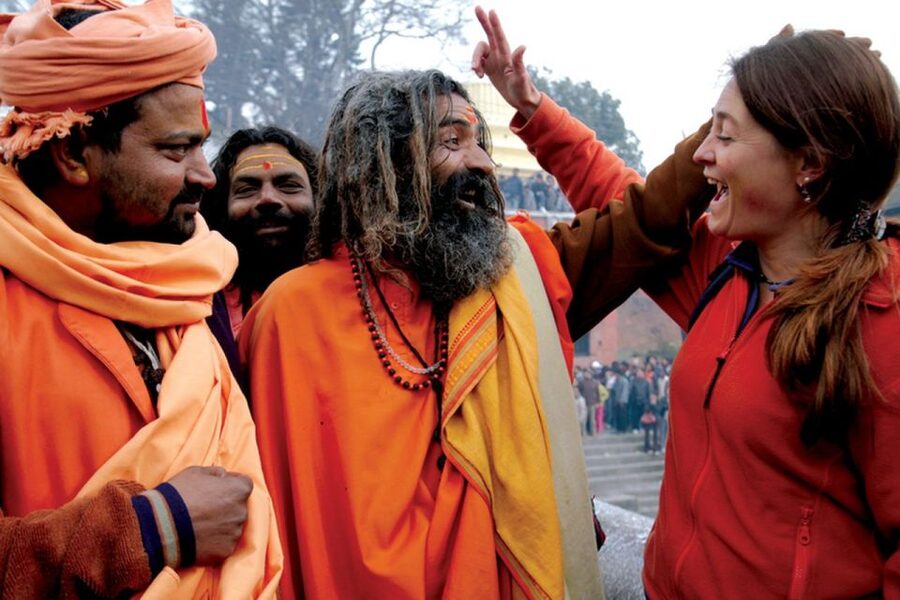
- Glimpses of sadhus, the holy men you’ll see across South Asia
- The chance to offer alms if you want to connect in a respectful way
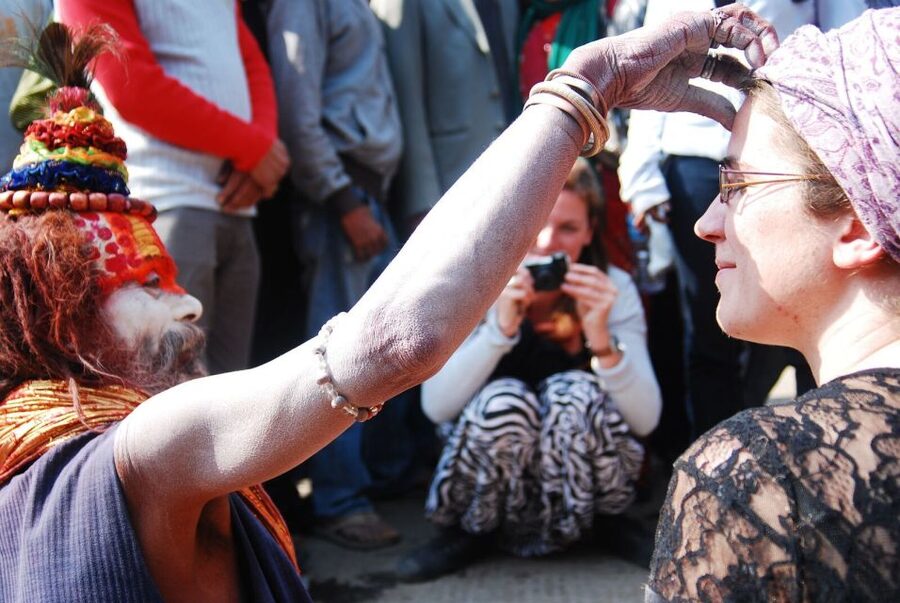
- Optional palm reading via a local reader (cost varies, and it’s not included)
- Guidance from your guide, including help with negotiating interaction terms when you choose those optional activities
What I think is most valuable here is not the shopping for souvenirs. It’s the conversation. When a guide sets expectations, you’re less likely to treat people as props. You can ask questions in a way that doesn’t feel intrusive.
Some practical advice: if you choose to engage with a palm reader or a sadhu, keep your attention on the social rules. Ask permission where appropriate. Use your guide to interpret what’s being offered and what the cost will be.
About cremations and respectful distance
The tour includes a chance to witness solemn cremations along the Bagmati River. This can be emotionally heavy. You might feel uncomfortable. That’s normal.
To get the most out of it, don’t treat it like a spectacle. Look for how people behave: the quiet attention, the steady rhythm, and the way the ritual is part of the river’s daily life. Your guide can help you understand what you’re seeing without pushing you into anything you don’t want.
Aarati at the Bagmati: Lights, Rhythm, and Why This Part Sticks
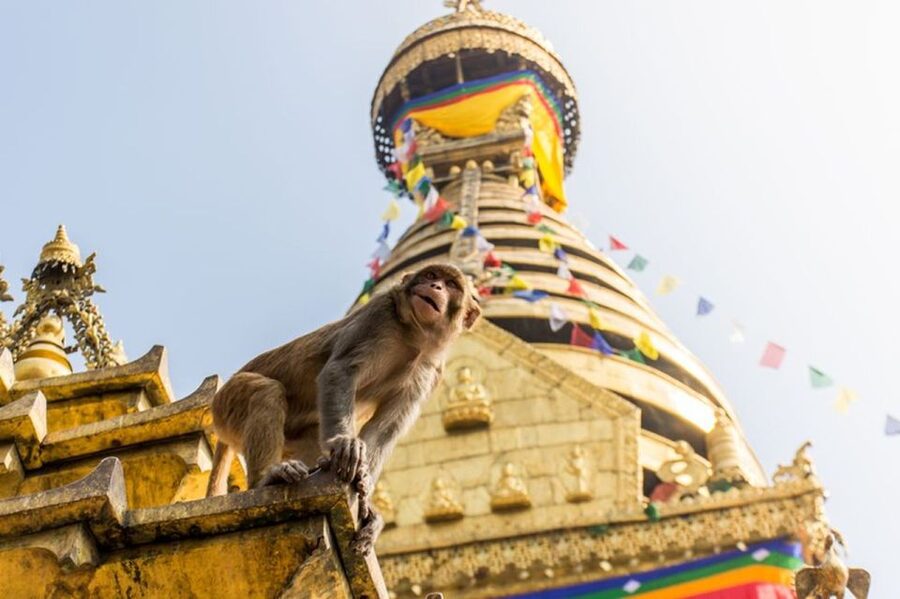
The final major highlight is aarati, the light offering ritual at Pashupatinath. You’ll see locals performing this daily practice along the river, with lights offered as devotion to Lord Pashupatinath.
This moment is powerful because it’s visible and communal. You watch people move with purpose. The crowd noise is real, but the ritual has structure. It’s not random. It’s practiced.
Here’s what to do so it doesn’t blur into chaos:
- Stay near your guide and group
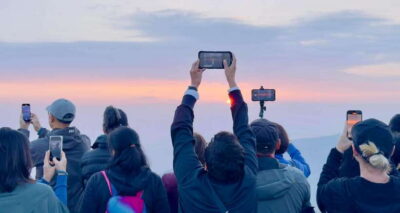
- Keep your camera ready, but don’t let filming replace noticing
- Pause and watch more than you snap
If you want a little extra meaning, ask your guide what the key elements of aarati represent. The tour is built for explanations, not just entrances.
Price and Value: What $150 Gets You, and What to Budget Extra
The price is $150 per person for 4 hours. For Kathmandu, that’s reasonable when you compare what’s included.
Included:
- English-speaking Nepali guide
- Entrance fees for Boudhanath and Pashupatinath (UNESCO Heritage Sights)
- Transportation costs between the meeting point and Boudha, and back from Pashupatinath to the endpoint
Not included:
- Food and drinks
- Alms to sadhus and monks
- Palm reader fees and any sadhu interaction or photo costs if you choose those options
So where does the value really land? On the guide and the time. Two UNESCO sites, plus ritual explanation, plus keeping you oriented in crowds, plus covering entrances and transport. If you tried to do this on your own, you’d spend time figuring out routes, timing, and what’s appropriate at each site.
Optional local support costs you should know
If you want optional interactions, the guide can help you negotiate appropriately. Costs mentioned include:
- Palm reading: roughly $7.5 to $9 per person
- Sadhu interaction and photos: roughly $7.5
If you care about local impact, this is part of the day. The tour also frames these optional activities as supporting local readers and sustaining sadhus who rely on visitor access.
Practical Matters: Dress, Walking Distance, Crowd Navigation, and Pacing
A few practical notes can make the day smoother.
Walking distance: about 2 km total, including walking around the stupa and moving between areas. It’s not a marathon, but it is steady walking in religious-site zones.
Dress code: conservative and respectful. Cover shoulders and knees. For men, long trousers are typically needed. For women, a long skirt or sarong helps.
Crowds and where to stand: at Pashupatinath, crowds can shift quickly. Keep close to your guide. Don’t let “taking one more photo” turn into separation.
Emotional intensity: cremations are included. If you are sensitive to this topic, consider how you want to mentally prepare, and step back if needed.
Timing and traffic: one reason people feel a tour can run tight is simple Kathmandu reality. Your plan includes two 2-hour visits and a transfer. If traffic slows things down, the guide still needs to keep the group moving safely.
Should You Book This Multifaith Journey?
Book it if you want a focused half-day in Kathmandu that connects two major UNESCO sites through real ritual. The best fit is:
- You like guided context, not just checklists
- You can handle a serious, emotional segment like river-side cremations
- You want a small group so you can stay oriented at busy sites
- You are curious about how Buddhism and Hinduism show up in everyday life
Skip or reconsider if:
- You hate crowds and noise
- You’re uncomfortable with cremation ceremonies
- You want a lighter, purely scenic temple visit with no intense moments
Overall, this tour is strong because it keeps you close to what matters: how people pray, how space is used, and how your guide helps you participate appropriately without turning it into a performance. If that sounds like your style of travel, this one is worth your time.
FAQ
Where does the tour start and end?
The tour starts at Hotel Marshyangdi and returns there at the end.
How long is the Spiritual Nepal multifaith journey?
It runs for about 4 hours.
What are the main sites you visit?
You visit Boudhanath Stupa and Pashupatinath Temple.
Is transportation included?
Yes. Transportation costs are included from the meeting point to Boudhanath, and from Pashupatinath back to the endpoint.
What is included in the tour price?
The price includes an English-speaking Nepali guide, entrance fees to Boudhanath and Pashupatinath (UNESCO Heritage Sights), and the transportation noted above.
What costs are not included?
Food and drinks are not included. Alms to sadhus or monks, and optional palm reader fees and sadhu interaction or photo costs are not included.
What should I wear to religious sites?
Dress modestly, covering shoulders and knees. Men often need long trousers. Women should plan for a long skirt or sarong.
Latest Kathmandu write-ups
- 16 Days Island Peak Climbing With Everest Base Camp Private Trip★ 5.0 · 3 reviews
- Private Nepal round trip including Ghorepani Poonhill trek★ 5.0 · 3 reviews
- Everest Base Camp Trekking 16 Days★ 4.0 · 7 reviews
- 15 Days Round Annapurna Trek with Poon Hill from Pokhara★ 5.0 · 5 reviews
- 14 Days Luxury Annapurna Base Camp Trek★ 5.0 · 6 reviews
- Everest Base Camp Trek★ 5.0 · 32 reviews
- Everest Base Camp Trek★ 5.0 · 87 reviews
- Everest Base Camp Trek★ 5.0 · 97 reviews
Kathmandu Tours, compared.
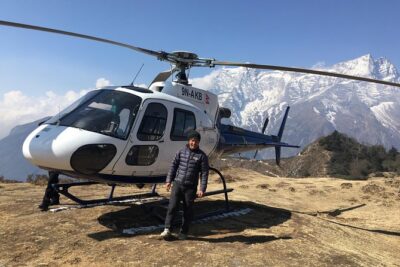
Everest Base Camp Helicopter Tour landing at Everest View Hotel
Read our review →