
Reviewed · POON HILL TREK
15 Days Round Annapurna Trek with Poon Hill from Pokhara
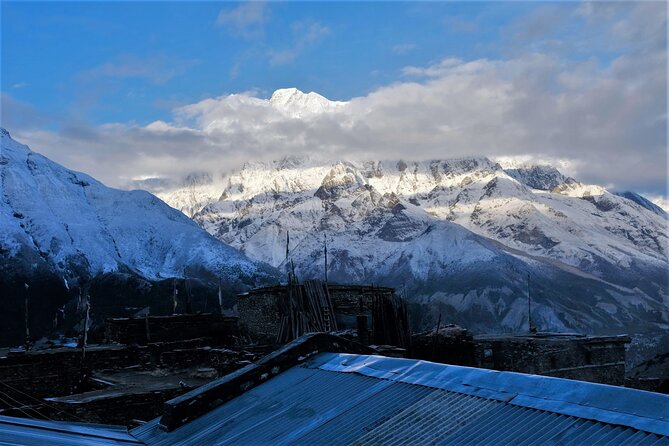
This trip is interesting because you get two classics in one route: the Annapurna Circuit plus the Poon Hill sunrise. You’ll move through river gorges, village trails, and dry high-altitude terrain, then finish with that early-morning sunrise payoff that makes people plan Nepal around it. The best part is how the itinerary is built to keep you moving with a guide, not guessing each step solo.
I especially like the practical support you get on the ground, including a government-licensed English-speaking trekking guide, official documents, and even an emergency first aid kit carried by the guide. The one thing to consider is the schedule has real physical demands, including very early starts and exposed sections where wind and cold can make the day harder than the photos suggest.
What I like most on this specific itinerary is the pacing around altitude. You get dedicated acclimatization time around Manang, plus a rest and active-travel approach that matters if you want the high pass day to feel manageable. And after all the steep walking, you still get a clean finish, with a final drive back to Kathmandu and time to catch your flight without stress.
Key reasons this Annapurna Circuit with Poon Hill works
- Government-licensed English-speaking guide and you keep someone responsible for safety and logistics during trekking days
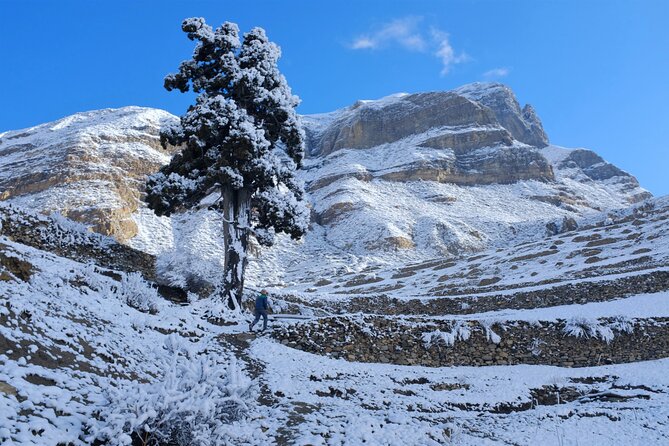
- Acclimatization in Manang before the route heads higher, which helps your body adjust
- Early start for the high pass day timing that aims to reduce wind trouble later in the day
- Poon Hill sunrise from Ghorepani as the big emotional payoff, then a trek back toward Pokhara
- Guest house nights on trek plus included hotels in Kathmandu and Pokhara, so you are not booking everything yourself
From Thamel meeting point to trek boots: how the trip actually moves
The experience starts in Kathmandu with pick-up and drop-off round trip, but the meet point is clear and specific. You’ll connect at SPOT ON 376 Hotel Hazel, Jadibutti, Kathmandu, with a start time of 9:45 pm. That late-evening start makes sense because Nepal travel often runs on flexible timing, and the organizer is trying to get your group set before the long road segments begin.
In practice, you should expect a mix of vehicles. Some days involve private transfers, and other days switch to a shared bus or jeep. That matters because road time can be long, and comfort varies a bit depending on which vehicle is used that day. If you hate sitting all day, pack a small pillow or something that saves your neck on bumpy drives.
Also note the format: it is private for your group, but some transport is still shared. So you can still get the benefit of a dedicated guide without the full chaos of a huge group hike.
More Ghorepani and Poon Hill departures:
- Pokhara: 2 Day Ghorepani & Poon Hill Private Trekking
★ 4.9 · 8 reviews - Ghorepani – Poon Hill yoga Trek – 10 Days
★ 5.0 · 4 reviews - Private Nepal round trip including Ghorepani Poonhill trek
★ 5.0 · 3 reviews
Kathmandu setup day: Thamel is a good base, but keep it low-key
Day 1 is all about landing, getting organized, and sleeping well. You arrive at Tribhuvan International Airport, then a representative takes you by private vehicle to your hotel. Since your Kathmandu nights include breakfast in a 2-star labeled hotel, you can use the first day for a slow meal, gear check, and a reality check on your hiking schedule ahead.
Thamel is a practical choice because it is easy to find food, trekking gear support, and basic services, even if your body feels a little flat on arrival. Still, keep the day light. You are about to do long trekking days and you will want your legs fresh on day 2.
One more thing I appreciate in this itinerary is that the important paperwork is handled. You get trekking permits and official documents as part of the package, so you are not chasing forms on your own at the last minute.
Syange and Dharapani: the start of the Annapurna rhythm
Day 2 starts with a long road transfer, about 190 kilometers and roughly 6.5 hours to Besisahar, then continues by jeep to Syange, listed at 3,609 ft. This day is about changing worlds. You go from the city pace to the first real mountain trail vibe, with the jeep section acting like a transition between transport fatigue and walking mode.
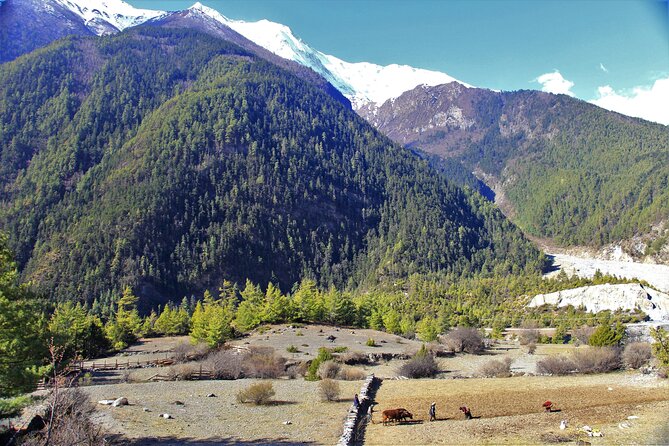
Day 3 moves from Besisahar-area roads into a route that runs above a gorge, so you get chances to look down at vegetation and occasional waterfalls. There are also snow-covered peaks visible from the road, which is a great early reminder that the Annapurna region is not just hills. It is big mountains sitting behind your daily routine.
A small consideration here: these early days can feel like a lot of riding. If you get motion-sick, bring what works for you. The itinerary does not promise a gentle ride on every segment, and the mountain roads can be bumpy.
Chame, Pisang, and onward: river trails, pine forests, and real village life
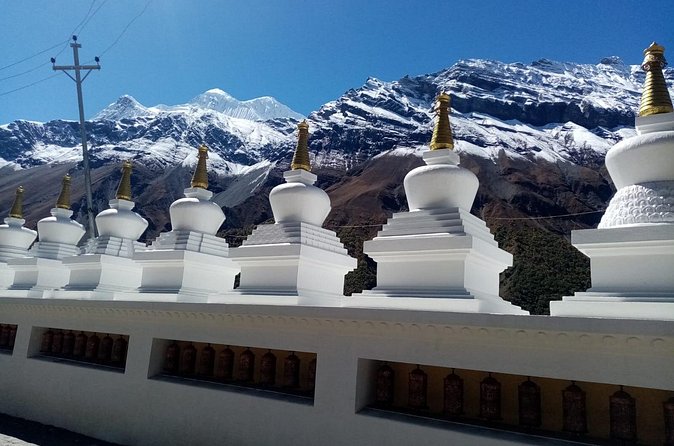
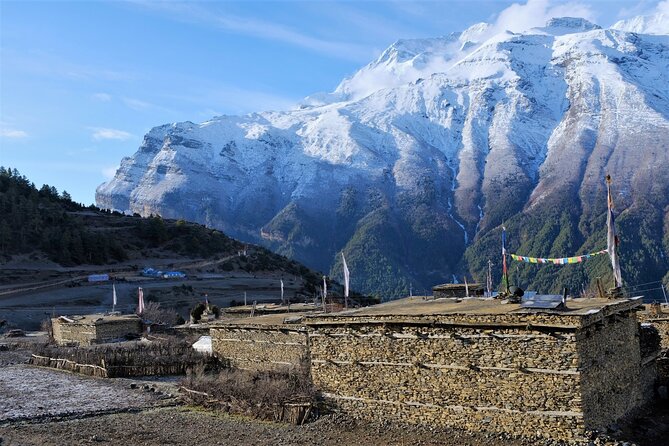
Day 4 brings you higher, and the vegetation and temperature shift. You follow a forested trail until reaching Bagarchhap, described as a typical Tibetan style village area. This is the kind of detail that helps you understand why the Annapurna Circuit is special. It is not only about elevation, it is about changing cultures, architecture, and everyday life you see on the walk.
Day 5 continues along the northern bank of the Marsyangdi River. The route includes pine forests and small villages, and you eventually cross a bridge before a steep ascent. Days like this are where you start feeling the difference between easy scenery and walking work. The climb may be short, but your legs learn quickly.
Day 6 focuses on improving views as you trek higher from Pisang. You are coming into a zone where snow-covered peaks show up more often, and the day includes trekking up to a hilltop viewpoint area. It is the kind of stop that can make you pause more than once, because you get the mountain drama without needing to reach the highest point yet.
More to compare around Kathmandu
- Kathmandu: 7 UNESCO Sites with Lunch
★ 4.8 · 744 reviews - Everest Base Camp Helicopter Tour landing at Everest View Hotel
★ 5.0 · 668 reviews - Kathmandu: Local Women-Led Nepali Cooking & Momo Class
★ 4.9 · 360 reviews - Manaslu Circuit Trek
★ 5.0 · 292 reviews
Manang acclimatization: the day that can save your whole trek
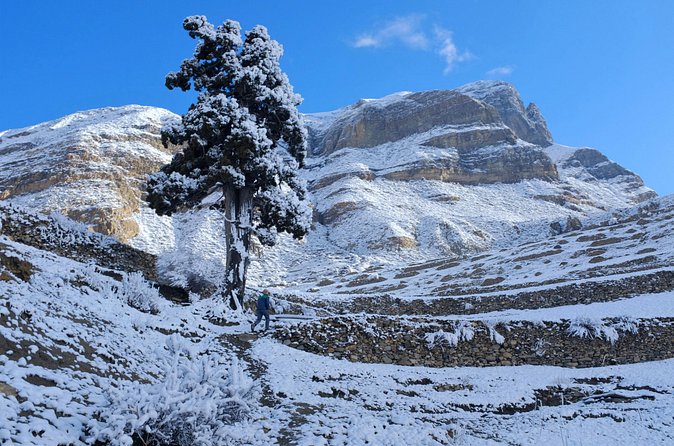
This is one of the strongest parts of the itinerary. Day 7 is an acclimatization day in Manang, and it explicitly frames acclimatization as critical before going higher. You are not just told to rest. You are encouraged to stay active, which usually means short walks or light activity while you help your body adjust.
I like this approach because altitude sickness is not a character flaw. It is physics, and your best defense is a smart schedule. Even if you feel fine, this stop keeps the trek from turning into a forced march toward a high pass.
And it is not only altitude. The change in scenery around Manang is part of why this day is memorable. After several days of river-side and forest sections, you start to see the region shift toward drier terrain, with the air feeling different in your lungs. A planned acclimatization stop helps you experience those changes without panic.
Yak Kharka and Thorung Phedi: arid air, big exposure, and timing choices
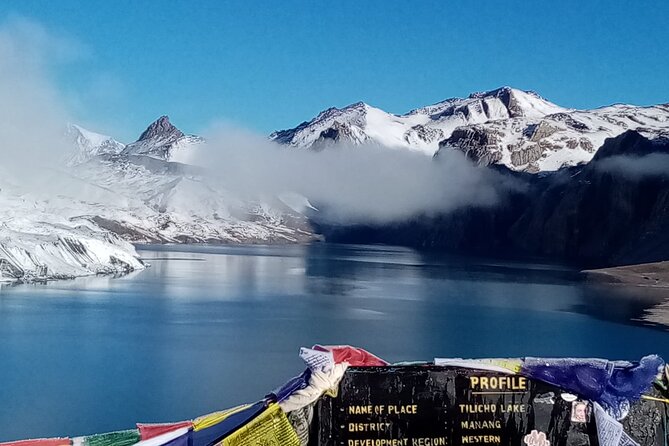
Day 8 heads toward Yak Kharka, with the itinerary describing more stunning views of Annapurna II, Gangapurna, and Chuli peaks. You also leave behind greener terrain and enter a more arid feel. That is a big clue for packing and comfort. Dry high-altitude air can make you feel like you are not drinking enough, even when you are thirsty.
Day 9 pushes to Thorung Phedi, a tiny settlement where you can take in views again before the terrain becomes bleaker and more exposed to high winds. This is the part that can surprise people. You might think you are only hiking to a scenic spot, but exposure means weather can become part of your daily work.
My practical advice here is to plan your pace like you are working for the next day, not just trying to finish day 9. If you arrive stiff and exhausted, day 10 will feel colder and harder than it needs to be.
The high pass morning to Muktinath: 3:30 am is for a reason
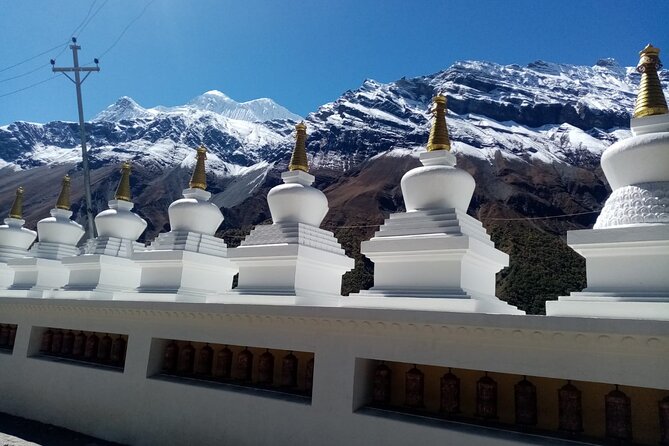
Day 10 is the schedule highlight and also the most intense timing. You get an early start around 3:30 a.m. because the route aims to reach the pass before wind picks up later. The itinerary notes that it can be cold, blustery, and exposed.
You are also heading toward Muktinath, which makes sense because this day is not just about physical effort. It is about crossing into a new phase of the trek where the environment feels harsher and quieter. Even when you are tired, your brain tends to focus more on steps, breath, and timing.
A drawback you should plan for: early starts mean you will be awake when your body still feels half-asleep. If you are not a morning person, this day can feel like a bigger jump than the mileage suggests.
Tatopani and Ghorepani: where the trek shifts gear
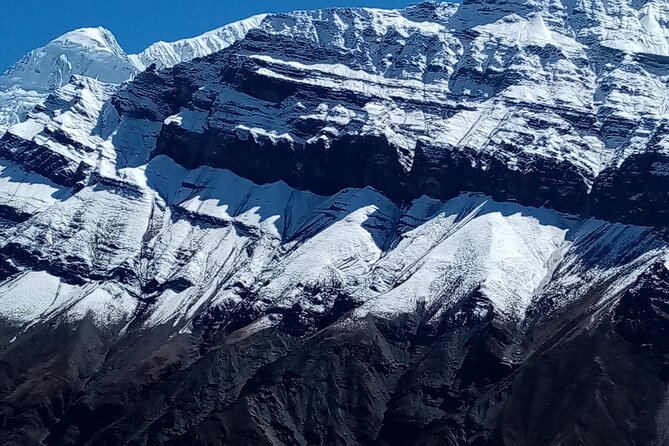
Day 11 begins with a bus ride to Tatopani, about 5 to 6 hours. There is an ACAP checkpoint at Jomsom, then you continue by bus drive. After a big high-altitude day, this kind of vehicle segment can be a relief, even if it is still long. It gives you a chance to shake out your legs and regroup.
Day 12 brings you to Ghorepani along a descending trail, then you cross a suspension bridge, followed by uphill walking through small villages and terraced cultivation areas. This is a very different feel than the arid stretches. The terrain becomes more textured and human-scale again.
If you like variety, this part delivers. You get to see how quickly the trek environment can change within the same circuit.
Poon Hill sunrise from Ghorepani: the payoff that sets the tone for Pokhara
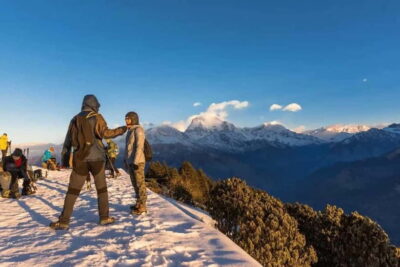
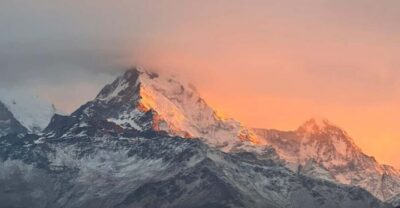
Day 13 is a highlight day. You start early, trek up to Poon Hill to watch sunrise, and then head down to Pokhara Lakeside. The itinerary emphasizes that the sunrise experience is magical, with changing colors as dawn approaches.
This is where the Annapurna Circuit extension really earns its keep. Poon Hill is not a huge climb compared to a high pass day, but it hits the emotional button. Sunrise at altitude means the world feels silent, and the views can hit harder than you expect because you are waking up your eyes and your body at the same time.
One practical note: your body may already be tired from prior days. So pack for cold early morning movement and do not assume you will warm up quickly right away.
Day 13 includes the admission ticket, which is nice because some similar treks make you pay entry fees separately. Here, it is folded into the experience plan.
Back to Kathmandu and off to your flight: a smooth landing rhythm
Day 14 drives you back to Kathmandu, about 6 to 7 hours with rest stops. The day is built to give you time to think about what you want to do next in Nepal, with suggestions like considering options such as Chitwan if you have extra days. You also wrap the trek portion without another long walking day, which helps you avoid a last-minute fatigue crash.
Day 15 is your airport day. You are taken to the airport about 3 hours before your scheduled departure. That timing is smart in Nepal. It builds in buffer for small delays and helps you avoid the stressful scramble that can spoil the end of a great trek.
Price and what you truly get for $790
At $790 per person, this trek sits in the midrange for a multi-day Annapurna package that includes official documents, a guide, and both city hotels and trek lodging. What makes it feel like value is that many of the cost headaches are handled for you.
Included items that matter for real travelers:
- Kathmandu 2 nights and Pokhara 1 night in a 2-star labeled hotel with breakfast
- Guest house accommodation during the trek
- Trekking permit and all official documents
- Hotel pick up and drop off round trip
- Guide costs, including guide food and accommodation
- Round trip transfer by shared bus or jeep plus vehicles between major points
- Government-licensed English-speaking guide
- Emergency normal first aid kit with guide
What is not included:
- Food and drinks during the trek are available on purchase
- Gratuities are optional
So the smart way to budget is to plan separate spending for meals, snacks, and drinks on trek days. That is normal in Nepal, but it affects your total cost more than people expect. Still, compared to DIY trekking where you must organize permits, guide, and lodging, this package removes a lot of friction.
Guide experience and organization: where the small details show up
The reviews attached to this kind of trek often come down to two things: whether the guide is good and whether the schedule works. The supplied feedback highlights guides who were careful, explained details honestly, and were focused on safety and comfort.
I also picked up guide-name examples tied to this experience. People mentioned guides like Krishna and Biru, with strong praise for friendliness, knowledge, and consistent safety attention. Another name that came through was Amrit, called out for making the journey truly special.
Even if your guide is different, the pattern you should look for is clear: you want someone who can translate conditions, adjust pacing, and keep the group on track without rushing. This itinerary includes specific timing choices, like the early morning pass day, which only works well when your guide is on top of the day.
Who should book this trek, and who should think twice
This is a good fit if you:
- Have a strong physical fitness level, since the route includes long walking days and altitude exposure
- Want a structured experience with permits, guide, and logistics handled
- Like variety, from forests and rivers to dry high areas and then back to terraced villages
- Care about classic Nepal moments, like sunrise views from Poon Hill
You might think twice if you:
- Struggle with early starts and cold conditions, especially the around 3:30 a.m. high pass day
- Want a completely gentle itinerary with minimal vehicle time, because there are long road segments and at least one multi-hour bus ride
- Get very motion-sick on winding roads, since transport options include jeep and bus segments
Should you book this Annapurna Circuit with Poon Hill?
I would book it if you want a well-paced, guided Nepal trek that combines the big mountain circuit experience with a second hit of sunrise views. The value is strongest because permits, documents, guide support, and multiple nights of lodging are included, so your main job is showing up in decent shape and being ready for cold mornings.
If you are on the fence, my advice is simple: look at your comfort with early wake-ups and altitude exposure. This route is built to help you acclimatize, and the organization seems solid, but the mountains still set the rules. If you can handle that, this is the kind of itinerary that gives you both the hard-earned views and the story you will keep telling.
FAQ
Where is the meeting point in Kathmandu?
The tour meeting point is SPOT ON 376 Hotel Hazel Jadibutti, Kathmandu 44600, Nepal, with a start time of 9:45 pm.
How long is the trek and overall experience?
The duration is approximately 15 days.
What is the price per person?
The price listed is $790.00 per person.
Do I get an English-speaking guide?
Yes. The experience includes a government-licensed English speaking trekking guide.
Are permits included?
Yes. Trekking permit and all official documents are included.
What accommodation is included before and after the trek?
You get Kathmandu 2 nights and Pokhara 1 night in a 2-star label hotel with breakfast. During the trek, accommodation is in guest houses.
Is transportation included?
Yes. There is hotel pick up and drop off round trip, plus round trip transfer by shared bus or jeep.
Are meals included?
Food and drinks are not included. They are available for purchase.
Is this a private group experience?
Yes. It is described as a private tour/activity, only your group will participate.
What is the cancellation window for a full refund?
You can cancel up to 3 days in advance for a full refund. If you cancel less than 3 days before the experience start time, the amount paid is not refunded.
Latest Kathmandu write-ups
- 16 Days Island Peak Climbing With Everest Base Camp Private Trip★ 5.0 · 3 reviews
- Private Nepal round trip including Ghorepani Poonhill trek★ 5.0 · 3 reviews
- Everest Base Camp Trekking 16 Days★ 4.0 · 7 reviews
- 14 Days Luxury Annapurna Base Camp Trek★ 5.0 · 6 reviews
- Everest Base Camp Trek★ 5.0 · 32 reviews
- Everest Base Camp Trek★ 5.0 · 87 reviews
- Everest Base Camp Trek★ 5.0 · 97 reviews
- 14 Days Annapurna Base Camp Trekking | Best trek for visit Nepal 2020★ 5.0 · 19 reviews
Poon Hill Trek, compared.
4-Day Ghorepani, Poonhill & Ghandruk Mountain Trek
Read our review →
2 & 3 Days Ghorepani Poon Hill Private Guided Trek
Read our review →
2-Days Beautiful Poon Hill Trek with Sunrise View
Read our review →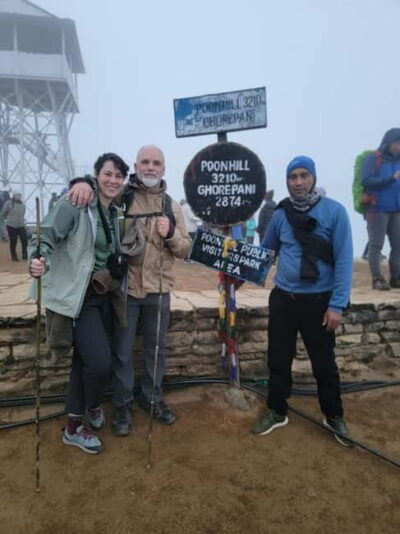
4-Day Beautiful Ghorepani Poon Hill & Ghandruk Trek
Read our review →Browse the lists this tour appears in