
This Kathmandu to Nagarkot route is interesting because it mixes UNESCO heritage with big mountain-view payoff in just four days. You get a lot of cultural meaning packed into the drive time, especially when the day’s stops connect Hindu and Buddhist traditions in the same city.
I like the traditional welcome in Thamel plus the included cultural dinner, because it sets a human tone right away. I also like the way the program groups iconic sites into a clean flow, including the Hindu and Buddhist trio around Pashupatinath, Bouddhanath Stupa, and Swoyambhunath.
One possible drawback is that mountain viewing depends on weather and cloud cover. If visibility is poor, Nagarkot can still be pleasant, but you may not get the dramatic peak views you hoped for, so plan your expectations around that.
Key Highlights Worth Your Attention
- UNESCO World Heritage stops in a tight, well-paced loop
- Thamel arrival with a traditional welcome and included cultural dinner
- Pashupati area rituals with Maha Arati as a planned highlight
- Nagarkot sunset viewing after a morning drive
- Bhaktapur Durbar Square with famous palace and temple details
- Small extras included, like a SIM card and mineral water
Entering Kathmandu Through Thamel on Day 1
Most Kathmandu sightseeing tours start with a hop to a hotel and a quick walk. This one starts smarter, with a proper arrival moment. You’re met with traditional gestures, including garlands and a Buddhist ceremonial scarf, then guided to your hotel in Thamel.
Thamel is ideal for this first afternoon because you can go at your own pace without needing long logistics. You’ll find streets lined with shops for thankas (traditional religious paintings), handmade arts, and small snack spots. This is also where you can do practical stuff fast, like figuring out where cafes are and what streets are easiest to navigate if you want a little extra time.
The tour includes a welcome cultural dinner in Kathmandu. That matters because it saves you from having to make restaurant choices on day one, when you’re usually tired from travel. It’s also a nice way to get a first taste of Nepali food without guessing.
If you’re wondering about the overall vibe, this Day 1 sets it: warm, structured, and immediately local.
More sunrises from Nagarkot:
- Nagarkot Sunrise View and Day Hiking from Kathmandu
★ 5.0 · 471 reviews - Private Bhaktapur and Nagarkot Day Tour From Kathmandu
★ 5.0 · 305 reviews - Kathmandu: Nagarkot Sunrise View & Morning Hike with Lunch
★ 4.9 · 188 reviews
Bouddhanath to Pashupatinath to Swoyambhunath: One Day of Two Faiths
On your second day, you hit a UNESCO cluster that’s famous for a reason. The plan is to walk the heritage circuit in a way that shows how Hindu and Buddhist worlds share the same Kathmandu space.
First up is Bouddhanath Stupa, one of the largest stupas in South Asia. The area around it is strongly associated with Tibetan monasteries, so you’ll see a distinctly Buddhist atmosphere right away. It’s the kind of stop that rewards slower looking, even if your day is time-bound.
Then you shift to Pashupatinath Temple, a major Hindu site dedicated to Lord Shiva. This is where the highlight of watching Maha Arati at Pashupati comes in. Even if you’ve seen temple ceremonies elsewhere, Pashupatinath has a special intensity because it’s a working religious center, not a staged attraction.
After that, you go to Swoyambhunath, often called the monkey temple. This is the site where Hindu and Buddhist cultural elements show up together, and the stone carvings and sculptures connect to the life cycle of Buddha.
Why this day feels valuable: it’s not just three famous names. It’s a single thread, how Kathmandu expresses faith across different traditions while staying close enough that you can actually experience the atmosphere rather than just checking boxes.
Nagarkot Nature Trail and Sunset Peak Views on Day 3
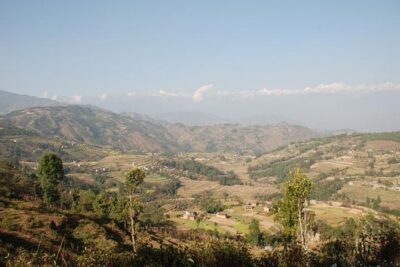
Day 3 is all about the mountains. After breakfast, you drive to Nagarkot, and the ride takes about an hour and a half. Once you arrive, the program includes the Nagarkot Nature Trail and the big payoff moment, a sunset view from the hotel.
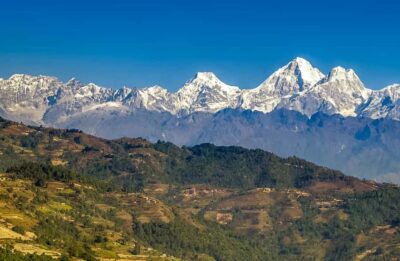
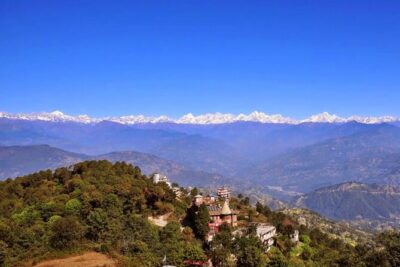
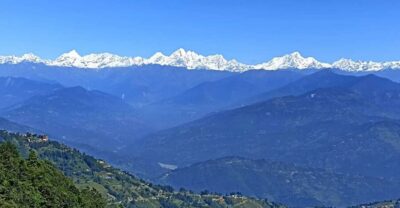
Nagarkot is known for clear-day visibility, and the tour explicitly aims you at views spanning peaks from Dhaulagiri to Everest to Kanchenjunga, plus parts of the Langtang Himalayan range to the north. That’s an impressive range to aim for, but here’s the honest part: you need decent weather for the full view.
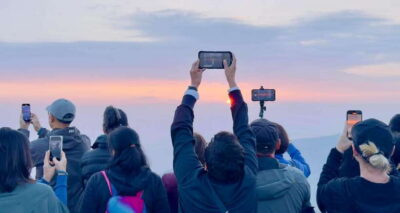
Still, even when clouds soften the horizon, the change of pace is real. Kathmandu traffic and temple crowds give way to a slower rhythm, with mountain air and a different kind of calm. And because sunset is built into the schedule, you’re not left hunting for a viewpoint after dark.
Practical note: since your peak viewing is weather-dependent, keep your schedule flexible that day. If skies are hazy, you can still enjoy the trail walk and the general altitude views, just don’t expect every far peak to be razor clear.
Bhaktapur Durbar Square: Where Palace Details Actually Matter
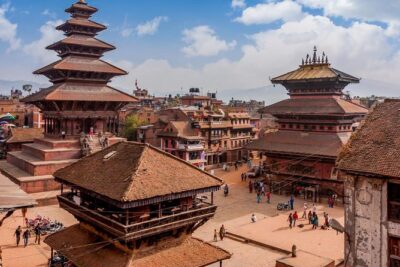
Bhaktapur makes a great fourth-day finale because it feels more concentrated and traditional than central Kathmandu. After breakfast, you head to Bhaktapur Durbar Square, a UNESCO world heritage site.
Once you arrive, the focus is on the actual architectural highlights: Changunarayan Temple, the 55 Windows Palace, the Krishna Mandir, and other historic structures within the square. This kind of stop is great for people who like details, the kind you might normally miss in a rushed photo spree.
What I like about this portion is that it’s not only about big landmarks. It’s also about craft and carving details, especially since the tour calls out close contact with handmade arts. Even if you don’t buy anything, you start noticing the skill behind the ornamentation, and that makes the place feel more lived-in and real.
One more practical thing: this day includes a later return to Kathmandu afterward, then a drop-off to Tribhuvan International Airport to wrap up the trip. The schedule keeps moving, but it avoids the situation where you’re stuck in transit all day without any final-site satisfaction.
More to compare around Kathmandu
- Everest Base Camp Trek – 14 Days
★ 5.0 · 1,499 reviews - Everest Base Camp Trek
★ 5.0 · 842 reviews - Private Kathmandu Sightseeing Tour | UNESCO World Heritage sites
★ 5.0 · 756 reviews - Kathmandu: 7 UNESCO Sites with Lunch
★ 4.8 · 744 reviews
Price and Logistics: What $235 Covers (and What It Doesn’t)
At $235 per person for about four days, the value depends on two things: how much you want the route packaged, and how much you’d otherwise pay for guides, entrance fees, and private transfers.
Here’s what the package includes that you can treat as real savings:
- 3-star hotels in both Kathmandu and Nagarkot on a twin-sharing basis
- A welcome cultural dinner
- Breakfast and dinner coverage that includes daily meals while in Nagarkot, plus Kathmandu breakfast
- Airport pickups and transfers to hotels and drops in a private vehicle
- Entrance fees and all fees and taxes
- One bottle of mineral water daily during city tour
- A SIM card
- A general first aid kit
- A mobile ticket option and group discounts
Also, the tour is private in the sense that only your group participates, even if the itinerary is shared conceptually. That usually means less waiting for other strangers and more control over pacing.
What you should budget for separately:
- Extra food and beverages outside the included meals
- Tips, since tipping is expected
- Personal expenses
- Any travel insurance
- Anything not explicitly in the itinerary
So, is it good value? In my view, yes if you want a smooth, guided route that removes decision fatigue. If you love independent travel and you’re comfortable arranging transport and paying small entrance fees yourself, you might spend less. But you’ll trade that for more planning stress.
Hotels in Kathmandu and Nagarkot: Simple, Functional, Built for Sightseeing
The stay is in 3-star hotels, split across Kathmandu and Nagarkot, with twin sharing. This is a smart setup for a short tour because you don’t waste time commuting back and forth from the mountains.
Kathmandu lodging works best for short evening breaks and quick rest before temple days. Nagarkot lodging is about one thing: staying somewhere that makes sunset viewing easy. Since the sunset is part of the plan, your hotel location and the included timing matter more than luxury.
One detail worth noting from the info provided: the hotels are described as near public transportation. That can help if you want a quick solo walk in Kathmandu without feeling stuck.
If you’re someone who wants lots of amenities and a high-end room, this isn’t aimed at that. If you want clean, practical bases and time for the sites, it fits.
Food and the Included Curd Moment You Should Plan For
Food is part of the tour story. You’ll have a welcome cultural dinner in Kathmandu, and meals are included in the Nagarkot portion.
The program also encourages you to try juju dhau, the famous curd. That’s one of those things that sounds like a side note until you realize it’s a local signature. If you’re the kind of traveler who loves food that has an actual cultural identity, you’ll appreciate the mention, because it nudges you beyond only mainstream dishes.
A practical tip: included meals are great, but you may still want snacks, especially between temple visits and trail time. Since extra food and beverages are not included, keep some cash or cards handy for small purchases.
Support That Makes a Difference: Names You’ll Hear Internally
A strong tour is not just the route. It’s the people who smooth the route when things get messy.
From feedback shared about the company, the support team includes people like Mr Sujit (manager) and Mr Subash, plus a team member named Sudarshan who’s described as welcoming and safety-minded. That kind of detail matters because it suggests the company doesn’t treat your trip like a conveyor belt.
If you want a tour that can handle small requests and keep you feeling looked after, that human layer is one of the most praised parts of the experience.
Weather and Timing: The One Variable You Cannot Ignore
This tour requires good weather. That’s not a marketing line. It’s directly relevant because your Nagarkot portion is built around peak visibility and sunset.
If conditions are clear, you’ll likely get the dramatic Himalayan range views described in the tour highlights. If not, you’ll still do the trail and still enjoy mountain air, but the far peak lineup might be muted.
How I’d handle it as a traveler: treat the sunset and the mountain day as a bonus, not a guaranteed spectacle. With that mindset, the day stays enjoyable even when the sky changes.
Also keep in mind the start time, 9:15 am, and the fact that airport connections are built into the end of the trip. This isn’t a loose, drift-around option. It’s structured.
Who This Tour Is Best For
This fits best if you:
- Want a guided path through UNESCO heritage without day-to-day planning
- Like religious and cultural variety, especially the Hindu-Buddhist connection around Kathmandu
- Prefer private transfers so you spend less time wrangling public transport
- Want an easy Nagarkot day focused on sunset rather than complicated logistics
It might not fit you if:
- You want totally independent travel with no fixed route
- You’re sensitive to a packed four-day schedule
- You have strict expectations for mountain visibility no matter the weather
Should You Book This Kathmandu and Nagarkot Tour?
Book it if you want a clean, high-structure overview of Kathmandu heritage plus a dedicated Nagarkot mountain day, with entrance fees and private transfers handled. At $235, it’s the kind of package that can save you money compared to paying everything separately, especially when you factor in the included SIM card, mineral water, and hotel stays.
Skip it or consider alternatives if clear peak views are your only goal and you’re the kind of traveler who gets frustrated when weather changes plans. The tour itself is reliable, but the mountains are not.
If you book, go in with the right mindset: enjoy the rituals, palace details, and sunset timing, and treat the peak list as a hoped-for extra when the sky cooperates.
FAQ
How long is the Kathmandu Nagarkot tour?
It’s listed as about 4 days.
Where does the tour start and end?
It starts at Tribhuvan International Airport on Ring Rd, काठमाडौँ 44600, Nepal. The activity ends back at the same meeting point.
What time does the tour start?
The start time is 9:15 am.
What meals are included?
The tour includes a welcome cultural dinner in Kathmandu. It also includes breakfasts and dinners as part of the package, with breakfast and dinner coverage during the Nagarkot days.
Are entrance fees and transportation included?
Yes. Entrance fees are included, and airport pickups and hotel transfers and drops are provided in a private vehicle.
What kind of hotels are included?
You get 3-star hotels in Kathmandu and 3-star hotels in Nagarkot, on a twin-sharing basis.
What is included besides hotels and tours?
A SIM card is included, along with one bottle of mineral water daily during the city tour. A general first aid kit is also included.
What is the cancellation policy, including weather issues?
You can cancel for a full refund up to 24 hours in advance. If it’s canceled due to poor weather, you’ll be offered a different date or a full refund.
Latest Kathmandu write-ups
- Langtang Valley Trek★ 5.0 · 3 reviews
- Khopra Danda Trek★ 5.0 · 3 reviews
- Langtang Valley Trek from Kathmandu★ 5.0 · 3 reviews
- 5 night / 6 days Kathmandu Nagarkot Chitwan Pokhara tour★ 5.0 · 3 reviews
- Nepal Highlights Tour: 5 Nights 6 Days Kathmandu & Pokhara Tour★ 5.0 · 3 reviews
- Kathmandu Valley Private Day Tour★ 5.0 · 3 reviews
- Conquer the Himalayas: The Ultimate 16-Day Annapurna Circuit Trek★ 3.5 · 3 reviews
- Kathmandu Heritage Day Tour★ 5.0 · 3 reviews
Nagarkot, compared.
Nagarkot Sunrise & Hike to Changu Narayan Day Tour from Kathmandu
Read our review →
Browse the lists this tour appears in