
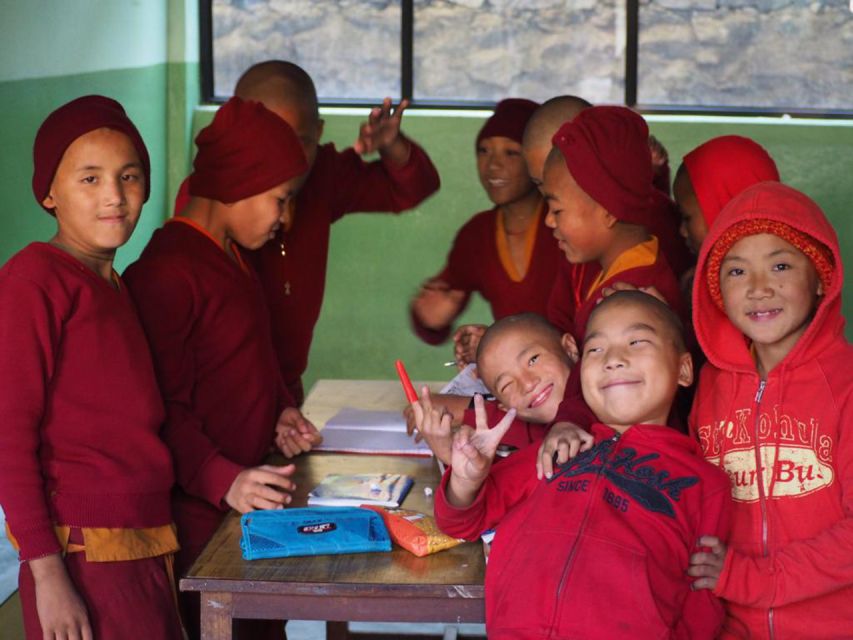
Reviewed · TIBETAN SETTLEMENT VISITS
Afternoon Tibetan cultural tour
What makes this afternoon outing so interesting is the mix of quiet meaning and real life. You’ll see Buddhist symbols up close, chat with a young monk, then sit in on group chanting where the sound and rhythm feel physical. It’s not just sightseeing, it’s a guided look at how Tibetan identity stays alive in Nepal.
I especially love the way the experience is anchored by Mr. Thupten Gyatso, who shares stories as you go, not in a lecture voice. And I love the food portion, because Tibetan butter tea and simple snacks at a local home make the culture feel everyday, not museum-style.
One consideration: pick-up is included only around Lakeside, and hotels outside that area may require an extra transportation fee depending on location. If you’re staying far out, that can quietly change the final cost.
Key things you will notice on this Tibetan cultural tour
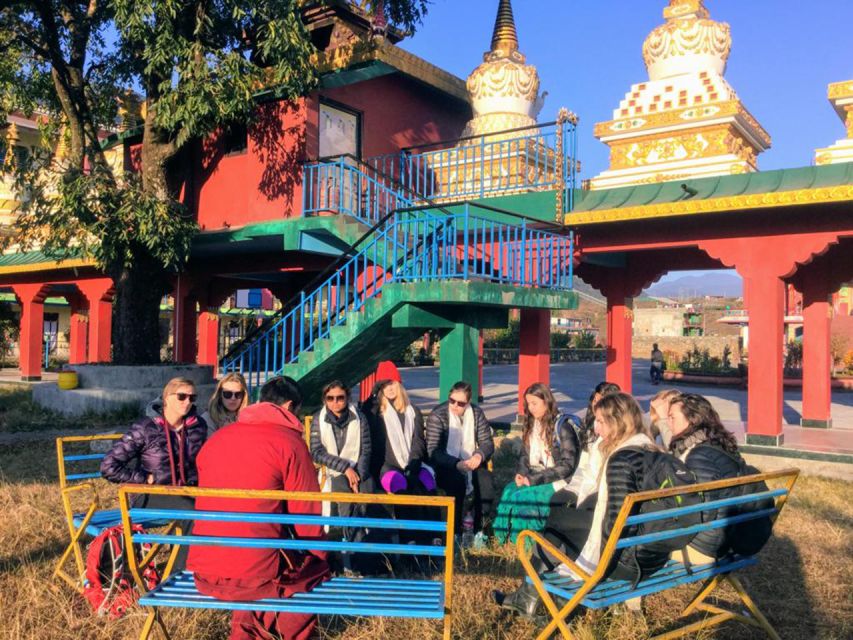
- Meet a young Buddhist monk and ask questions about monastic study and daily routine
- Understand Buddhist symbols used in everyday life, like prayer wheels, flags, and stupas
- Visit a Tibetan refugee settlement near Pokhara Valley and learn how language and tradition carry forward
- Attend afternoon group prayer chanting with monks, including instruments and the feeling of vibration
- Try authentic Tibetan tea and snacks such as salted butter tea and tsampa (roasted barley flour)
Pokhara Lakeside, then straight into monastery time
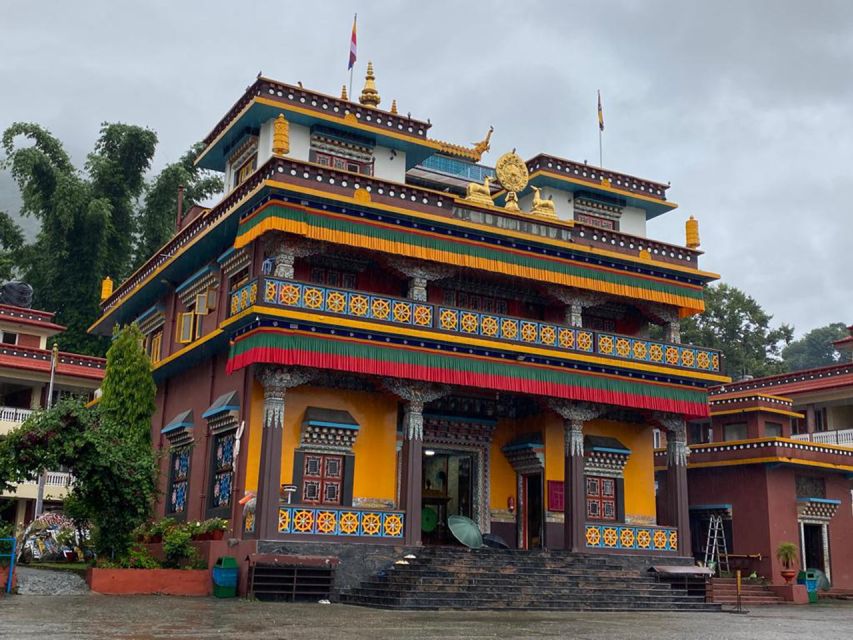
This tour is built for a half-day format, so your schedule stays simple: you get round-trip pick-up from Lakeside, then you head out to Tibetan religious and cultural sites for about 4 hours total. The group is small, capped at 8 participants, which matters because you’ll actually get space for questions, including during your conversation with a monk.
The timing also helps. The afternoon slot means you get a calmer feel than a rushed morning schedule, and the chanting in the later part of the day lands well after you’ve already learned what you’re seeing. If you like experiences where the second half makes the first half click, this works.
English is the tour language, and the guide is there the whole time, connecting what you observe to what it means for Tibetans living in exile. You also get mineral water included, which is a small detail but useful when you are out for hours.
More Historical Tours in Pokhara
- Full-Day Tibetan Cultural Tour to Tibetan Settlements Pokhara
★ 5.0 · 184 reviews - Full Day Tibetan Cultural Tour
★ 5.0 · 12 reviews - Half day Tibetan cultural tour
★ 5.0 · 4 reviews
Pema Ts’al Sakya Monastic Institute: where symbols become practical
Your first major stop is the Pema Ts’al Sakya Monastic Institute. Even before you fully settle in, you’ll get a photo stop and a guided look that sets the tone: this is a place of study and ritual, not just religious architecture.
Here is the helpful part for your brain as a visitor: the guide doesn’t treat Buddhist symbols like decorations. You’ll learn how symbols show up in daily life and practice. That includes items you may already have seen around town or online, like prayer wheels, prayer flags, and stupas. The tour frames them as tools and cues for devotion and routine, not random motifs.
You can expect a guided walkthrough where you’re encouraged to notice details and ask what they mean. One practical benefit of this approach is that you don’t leave with a vague sense of spirituality. Instead, you leave with a few concrete “when you see X, it relates to Y” connections.
If you get the chance, ask your questions early at this first monastery. You’re more likely to have your mind ready for the deeper meaning once you’ve already received a clean overview of the symbols.
Tashi Palkhel Tibetan Settlement: culture as daily routine
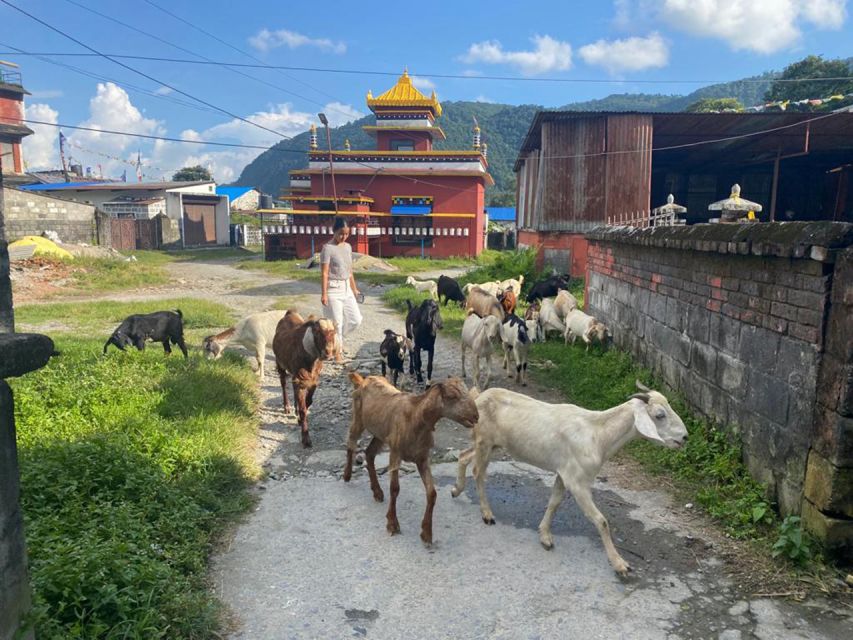
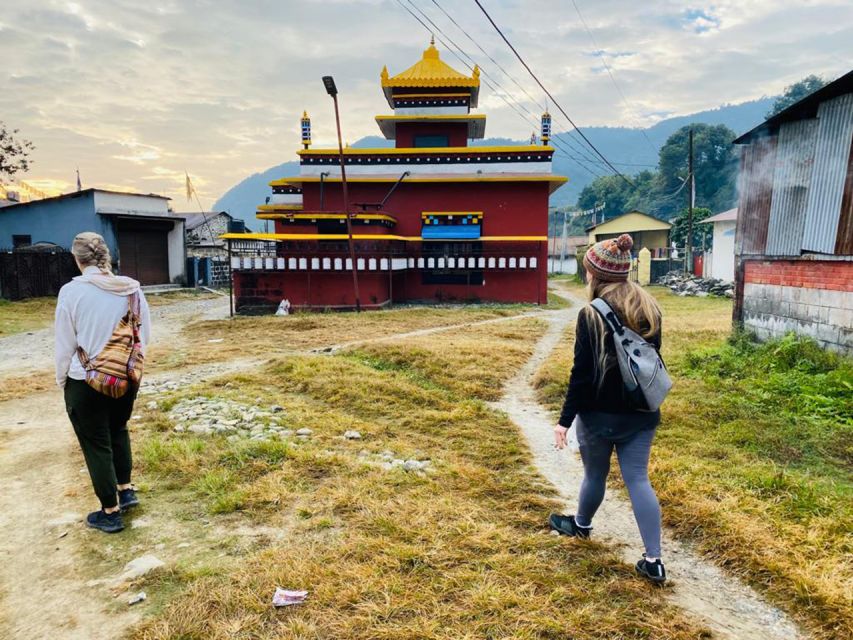
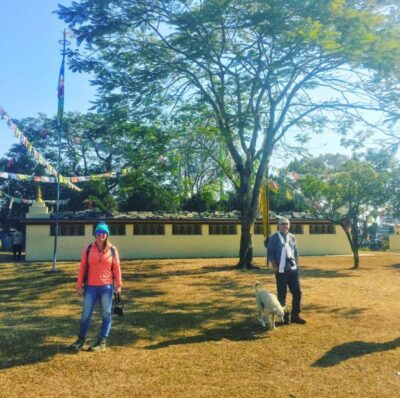
Next comes the part that gives the tour its emotional weight: a visit to Tashi Palkhel, a Tibetan refugee settlement near the Pokhara Valley. This is where the experience shifts from “what Buddhism looks like” to “how people live it.”
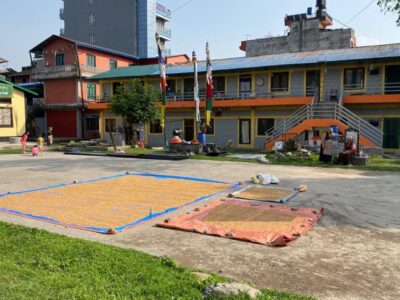
You’ll do a guided visit and a walk around the settlement, with photo stops and time to slow down. One of the most useful things you learn here is how Tibetans maintain language, identity, and Buddhist traditions after leaving Tibet. That message shows up not as abstract history, but through everyday habits you can observe.
You may also notice small ritual behaviors, like people moving in a consistent direction around sacred areas. If you see this and feel curious, ask the guide what it’s about. The tour is designed to help you connect those motions to meaning, not just watch them silently.
Another strong value point: you’re not just passing by homes and walls. You get a pause for tea and snacks, and you’re introduced to how hospitality works in this community. That makes the settlement visit feel personal, not like a quick drive-by.
The monk conversation that changes how you see the whole day
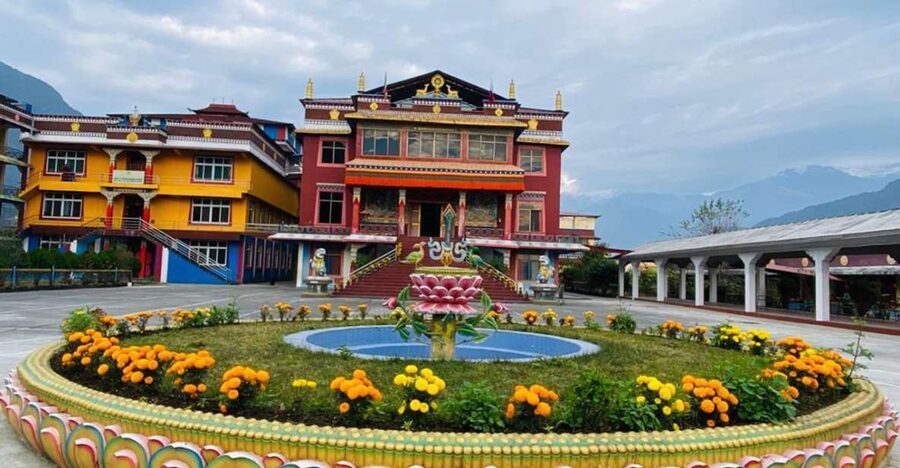
A major highlight is the opportunity for a real conversation with a monk. The tour is specifically set up for you to talk with a young Buddhist monk, which is a big deal because you’re not relying on secondhand explanation.
This is where the small-group format really pays off. With only a handful of people, you’re more likely to get a back-and-forth exchange, including questions about monastic lifestyle, studies, daily activities, and what it’s like to grow up inside a monastic institute.
Some of the most memorable moments tend to be philosophical, but the questions stay grounded. For example, you might hear how debate and study fit into monastic training, or how vows shape daily life. Even if you do not follow Buddhist philosophy closely, you’ll still come away with a clearer sense of what structured study means in practice.
My advice: prepare one or two questions that are specific to your own curiosity. Instead of asking the broad version, ask the version that starts with what you are seeing right now. That keeps the conversation relevant and respectful.
More visits to the Tibetan settlements in Pokhara:
- Pokhara: Private Half-Day Tour and Tibetan Culture Tour
★ 3.8 · 14 reviews
Afternoon prayer chanting: sound, instruments, and the feeling of it
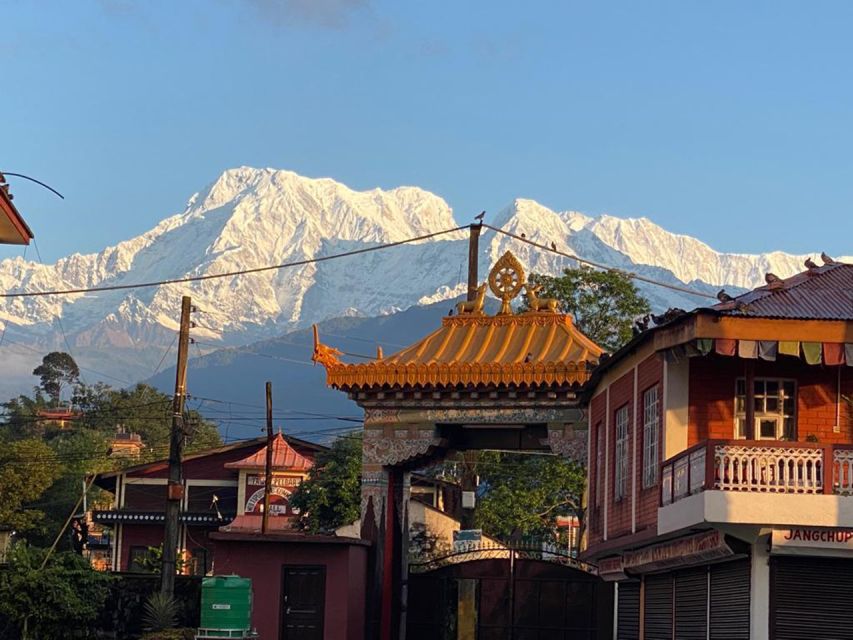
Later, the tour includes visiting another monastery and joining afternoon group prayer chanting. This is the part where the tour stops being informational and becomes sensory.
You’ll sit with the monks as they chant in a group setting, and you’ll also hear many instruments. The guidance also points out what you should pay attention to, so you know what you are hearing and why it matters.
One practical note: sound experiences can be intense. If you’re sensitive to volume, you can still enjoy this by positioning yourself comfortably and focusing on your breathing during the chant. And if you’re the type who likes to record audio or video, do it carefully and respectfully, since this is a ritual moment, not a concert.
What I like about the way this tour schedules chanting is that you’ve already learned about symbols earlier. So when you see and hear ritual elements now, they land with more meaning, not less.
Tibetan tea and snacks with a local family: the flavors that stick
Then you get the part that makes the day feel human and complete: tea at a local Tibetan family home. The tour emphasizes a traditional afternoon tea experience, and the menu is the kind of simple food that tells a story.
You can expect salted butter tea, plus tsampa, which is roasted barley flour. You may also try Tibetan homemade bread made with ingredients like honey, butter, and peanut butter. If you’re expecting fancy presentation, forget that. The goal here is comfort and welcome, and the flavors do the teaching.
This stop is also a cultural translator. The guide can connect what you taste to daily life in the refugee settlements, so you understand why these foods matter and how they fit into routine. It’s a short meal, but it helps you leave with something tangible.
A small planning tip from real-world experience: don’t book a very tight dinner immediately after. You may find you already ate enough to feel satisfied, especially if you try both the tea and the bread.
Mr. Thupten Gyatso: why this guide makes the tour feel personal
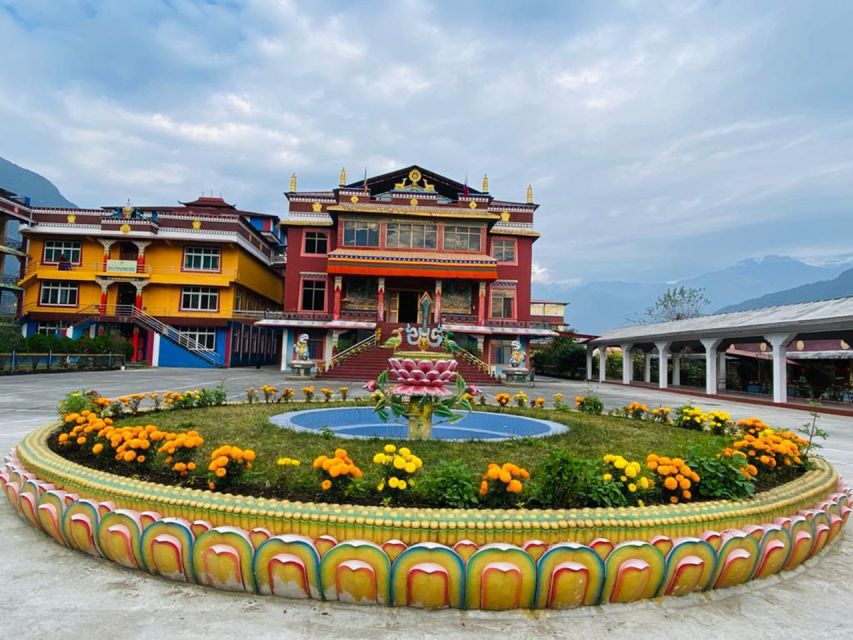
The tour’s quality is strongly tied to Mr. Thupten Gyatso. You’ll see it in how he shares information during the drive and at each site. Instead of treating the day like a checklist, he connects places with stories about Tibetan life, Buddhism, and the refugee reality in Nepal.
He’s also a strong conversational host. Many people come away remembering the tone of the experience, not only the sites. The guide’s style makes room for questions, including during the monk interaction and tea time discussions.
If you want maximum value, don’t just listen. Ask follow-up questions when something touches on exile, education, spirituality, or the role of the Dalai Lama in Tibetan life. The tour is structured to make those topics understandable without oversimplifying them.
Price and value: $56 for a structured cultural education
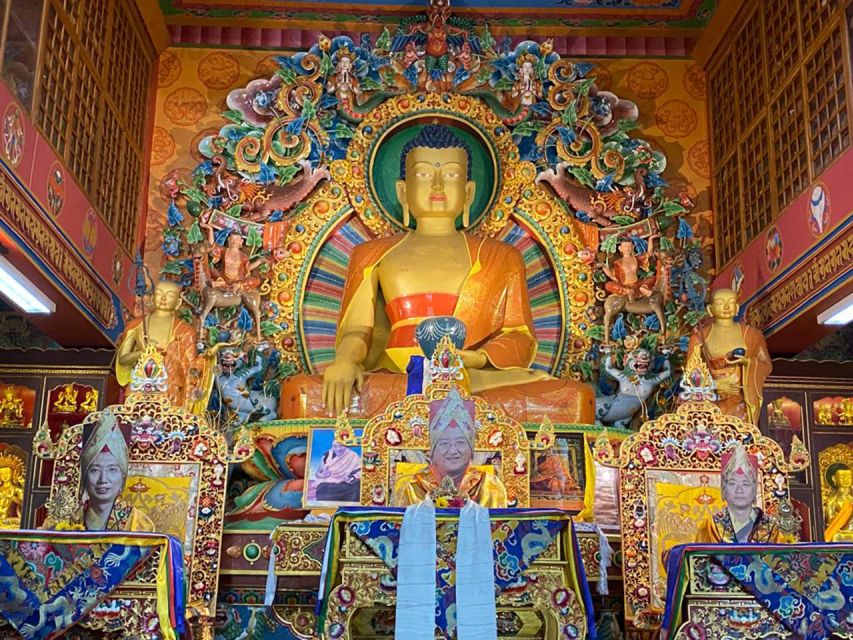
At $56 per person for about 4 hours, the price is fair because the tour includes more than one type of experience. You’re paying for:
- guided visits at two monasteries (including chanting time at one)
- a Tibetan refugee settlement walk and explanation
- a conversation with a young monk
- time with a Tibetan family for butter tea and snacks
- Lakeside pick-up and drop-off for those staying in the Lakeside area
- mineral water
Many half-day tours in Pokhara focus on driving and photos. This one spends its time on meaning, interaction, and food. That is why it can feel worth it even if you already know some basics about Buddhism. You’re not just learning terms. You’re learning how the terms show up in everyday actions.
If you’re outside Lakeside, double-check the extra transportation fee. The tour is still potentially good value, but the add-on can change the math.
Who should book this Tibetan cultural tour, and who might prefer something else
This tour fits you best if you want culture through conversation, not through a silent walk. You’ll likely enjoy it if you:
- like religious sites where you can ask questions
- want to understand Tibetan life in Nepal in a grounded way
- enjoy food experiences like butter tea and tsampa
- appreciate structured cultural explanations during short time windows
It may be less suitable if you rely on wheelchair access, since the tour is not designed for wheelchair users. It’s also not intended for children under 5.
If you come to Pokhara mainly for outdoor adventure and just want a quick checkbox activity, a short monastery visit might feel like it takes more time than you want. But if you want depth in a compact schedule, this is built for that.
Should you book this afternoon Tibetan cultural tour?
I think you should book it if you want a half-day plan that mixes monastery ritual, refugee community life, and Tibetan food in a way that makes sense. The highlight for me is the chance to talk with a young monk, plus the chanting segment, because those two pieces are hard to replace with any other activity in the Pokhara area.
Book it with a couple realistic expectations: you’re going to walk some, sit through chanting, and eat a tea snack meal that can be filling. If your hotel is not near Lakeside, confirm the transportation fee early so the final price stays comfortable.
If that sounds like your kind of afternoon, this is one of the most meaningful cultural experiences you can add to your Pokhara stay.
FAQ
How long is the afternoon Tibetan cultural tour in Pokhara?
The tour lasts about 4 hours.
What does the $56 price typically include?
It includes a Tibetan tour guide, Lakeside-area pick-up and drop-off, a visit to a Tibetan refugee settlement, visits to monasteries (including afternoon prayer chanting), a conversation with a Buddhist monk, Tibetan tea and snacks at a local family home, and mineral water.
Where do you get picked up for this tour?
Pick-up and drop-off are included around the Lakeside area.
Is there an extra charge if my hotel is outside Lakeside?
Yes. The tour states that an additional transportation fee may be charged for hotels located outside the Lakeside area, depending on the hotel location.
What language is the tour guide?
The tour guide speaks English.
Is the tour small group or large group?
It is a small group, limited to 8 participants.
Is the tour accessible for wheelchair users and young children?
The tour is not suitable for wheelchair users, and it is not suitable for children under 5 years old.
Latest Pokhara write-ups
- Mardi Himal Trek -5 Day Short Trek From Pokhara★ 5.0 · 8 reviews
- Tandem Paragliding in Pokhara★ 4.8 · 8 reviews
- Pokhara: Peace Pagoda Sunset, Annapurna Mountain Views Tour★ 2.9 · 5 reviews
- Short & Scenic: 2-Day Private POON HILL Trek from Pokhara★ 5.0 · 8 reviews
- Seti George and Thrilling Suspension Bridge Tour at Pokhara★ 4.5 · 3 reviews
- Sarangkot Sunrise over the Himalayas★ 4.8 · 83 reviews
- Pokhara: Sarangkot Sunrise and Private Full Day Tour★ 4.8 · 24 reviews
- From Kathmandu/Pokhara: Private 3-Day Chitwan Safari Tour★ 4.7 · 34 reviews
Tibetan Settlement Visits, compared.
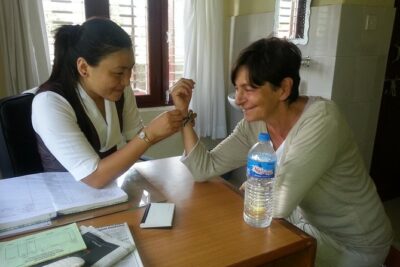
Full-Day Tibetan Cultural Tour to Tibetan Settlements Pokhara
Read our review →
Browse the lists this tour appears in