
Reviewed · TIBETAN SETTLEMENT VISITS
Pokhara: Private Half-Day Tour and Tibetan Culture Tour
This half-day Pokhara tour is interesting because it stacks Himalayan context, a famous waterfall, a sacred cave, and Tibetan community life into one tight route. You go from exhibits about mountains to a waterfall with an underground twist, then end with a cultural stop that feels human, not staged.
I really like two things here. First, it is a true private setup with a live guide in English or Hindi, so you can ask questions instead of nodding along. Second, the combination of Devi’s Falls and Gupteshwor Mahadev Cave is smart, since you get nature plus a Shiva shrine in the same area.
One drawback to plan for is cost creep. Admission fees are not included, so your $24 price can climb once you buy tickets for the sites, and you should confirm any extra stops cost before you commit.
Key highlights you will actually feel during the tour
- Private guide and A/C transport that keeps the half-day comfortable and personalized
- International Mountain Museum first, so you understand what you are seeing later
- Devi’s Falls photo stop and guided visit, with time to take in the underground-flow story
- Gupteshwor Mahadev Cave, a short walk from Devi’s Falls with a Shiva shrine inside
- Tibetan Refugee Camp Pokhara, including monastery time and a handicraft center for souvenirs
- Easy coordination from a guide who can work with your pickup timing
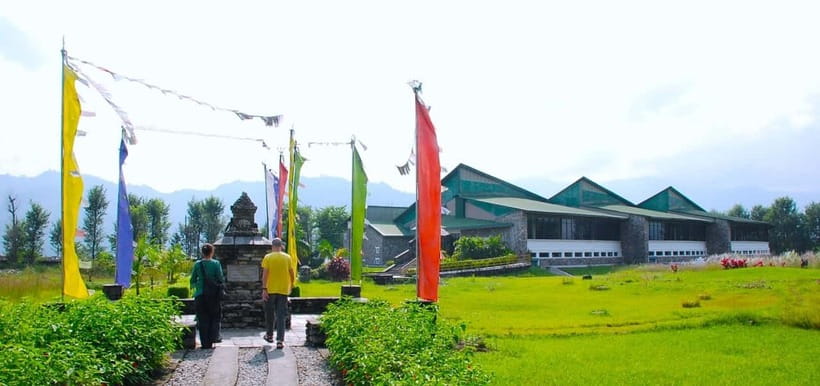
International Mountain Museum: Himalayan context before the caves and falls
You start at the International Mountain Museum, and that order matters. It gives you the background that helps the rest of the morning click, not just as sightseeing, but as a way to understand why Pokhara sits at the center of Himalayan climbing stories. The museum visit includes a guided tour, so you are not stuck reading labels without any direction.
Expect about an hour here, including sightseeing time and scenic driving on the way in. This is the kind of stop where a good guide can turn a handful of displays into real perspective, like explaining the region’s climbing history and the mountain cultures that shaped the area. In past guides, I have seen names like Rajkumar Lamichhane and Kiran praised for sharing history in a way that makes photos feel meaningful instead of random.
Practical note: museum time can set the tone for the whole tour. If you care about understanding, spend those first 60 minutes asking questions. If you just want quick highlights, tell the guide early so the pacing matches your style.
More visits to the Tibetan settlements in Pokhara:
- Full-Day Tibetan Cultural Tour to Tibetan Settlements Pokhara
★ 5.0 · 184 reviews - Afternoon Tibetan cultural tour
★ 5.0 · 41 reviews - Full Day Tibetan Cultural Tour
★ 5.0 · 12 reviews
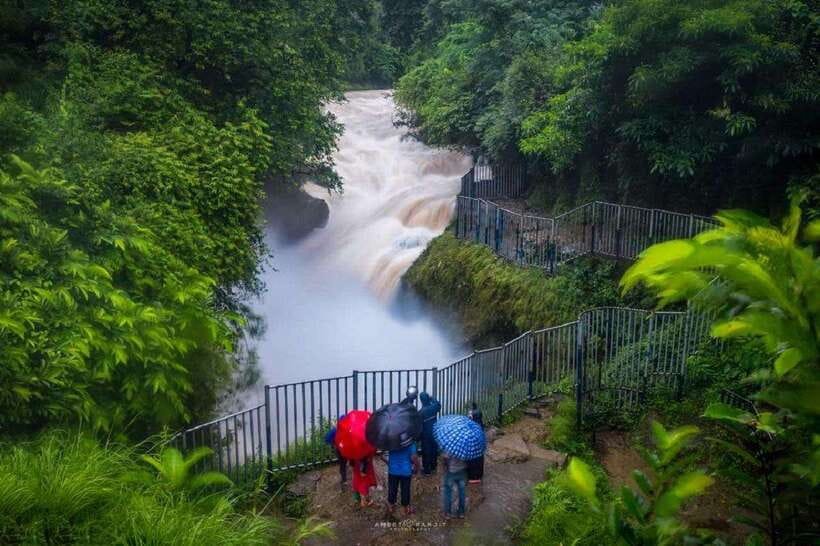
Devi’s Falls: A waterfall with an underground twist
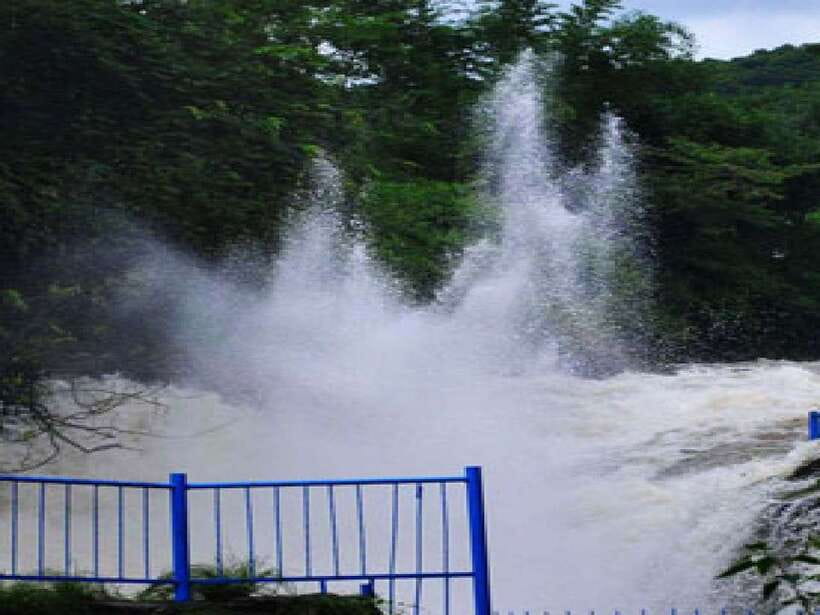
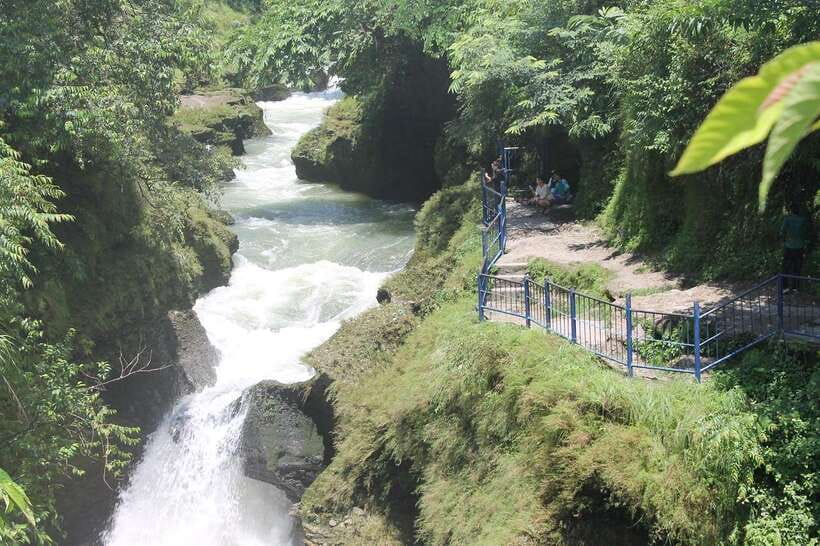
Next comes Devi’s Falls, one of Pokhara’s signature sights. The big hook is the waterfall’s unusual underground flow, which is exactly why it keeps people watching even after the initial photo. You get a mix of photo stop time and a guided visit, plus scenic driving and views along the way.
Plan for about 30 minutes at this stop. That is enough time to grab the classic angles and still hear the explanation behind what makes it different. If you are the type who likes a story with your sightseeing, this is a good place to engage your guide, because the “how it works” part is what makes Devi’s Falls more than just another waterfall.
If you are traveling with limited time, keep your expectations realistic. This is not a long hike. The value is in getting the right viewpoint quickly and understanding the underground-flow concept so the weirdness feels informed, not confusing.
Gupteshwor Mahadev Cave: A sacred stop right across from the falls
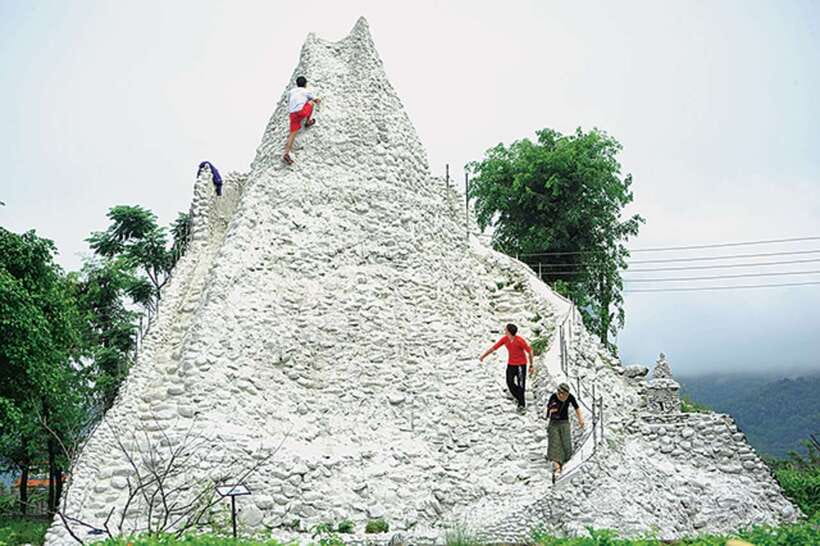
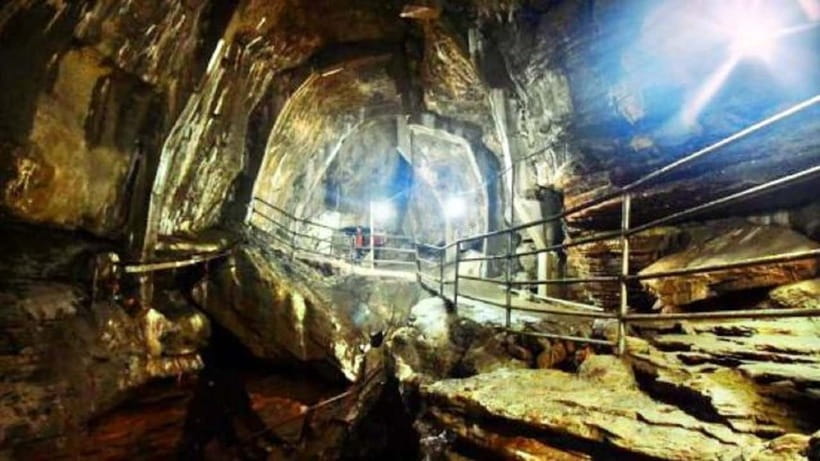
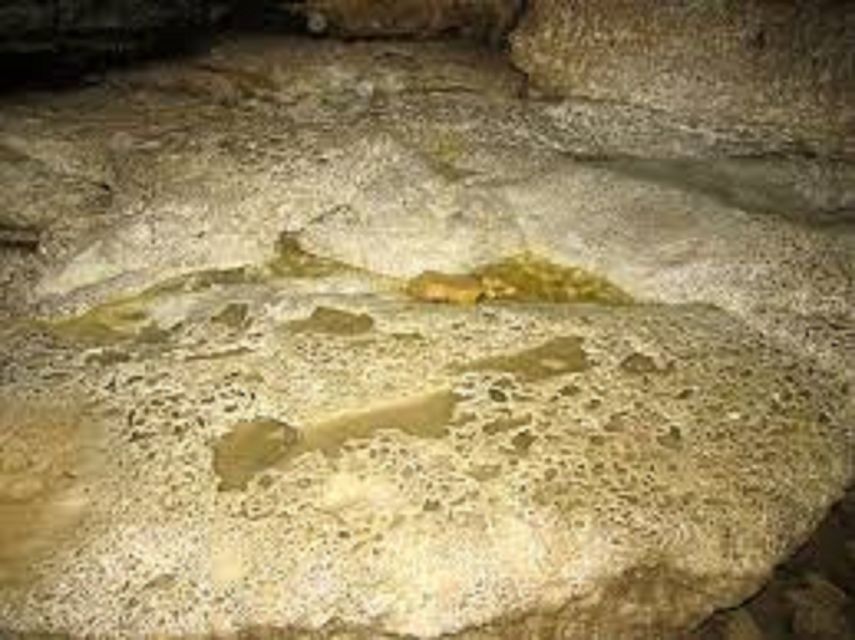
After Devi’s Falls, you head on foot for a short connection, then reach Gupteshwor Mahadev Cave. This is a great pairing because it changes the mood fast. One minute you are looking at water power. The next, you are entering a cave experience with impressive rock formations and a revered shrine dedicated to Lord Shiva.
You should expect around one hour here, including guided time and photo stop moments. The cave is also described as being opposite Devi’s Falls, which makes the geography feel efficient. In a short half-day, you are getting two very different forms of Pokhara’s “mystical” reputation: water that disappears underground, and a cave that has its own spiritual pull.
What I like about this stop is that it gives you a mix of physical wonder and cultural meaning. One past guide, Prakash, was praised for being thoughtful and careful behind the wheel and for sharing history, and that kind of guidance can matter here. In a cave, you do not just want to walk and point. You want to know what you are looking at and why people visit.
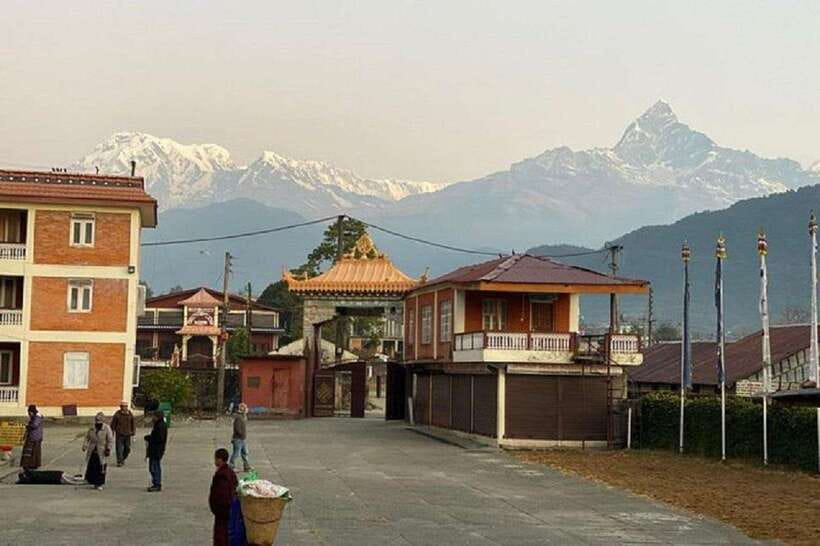
Tibetan Refugee Camp Pokhara: Monastery time and handicraft browsing
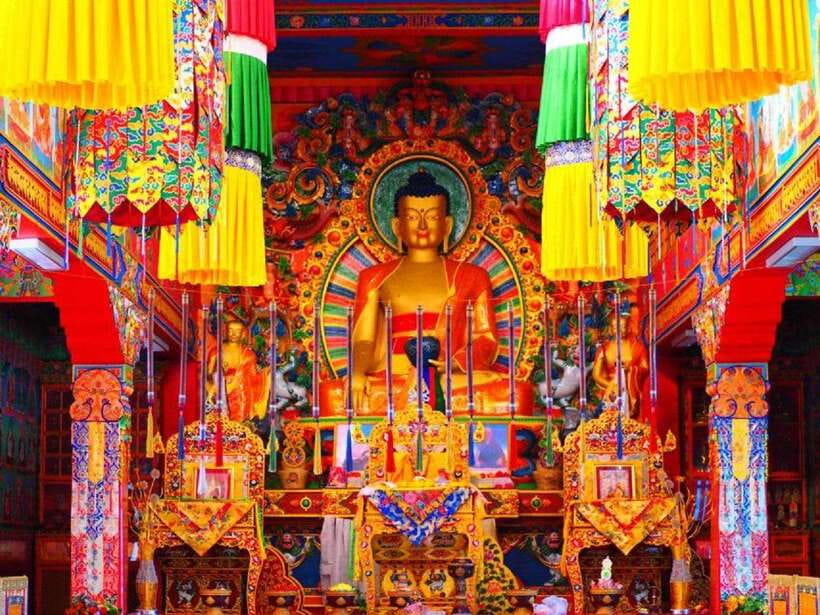
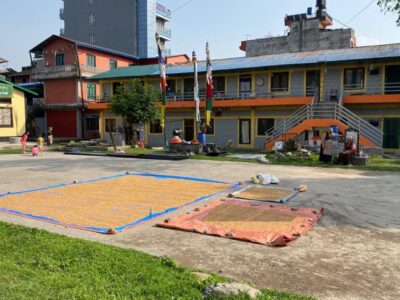
The tour ends with Tibetan cultural experience at the Tibetan Refugee Camp Pokhara. This part is more than a souvenir stall circuit if you let it be. You get guided time plus photo stops, and then some free time for shopping and strolling through the community.
The structure here is practical: you typically visit a Tibetan monastery and stop at a handicraft center. That is where you can learn about traditions and also purchase authentic Tibetan artifacts and souvenirs. If you like bringing home something that has a story, this is the point where the tour becomes more personal.
A real plus is pacing. Some people find museum and nature stops mentally draining. A community visit resets your day because you can slow down, watch everyday life, and ask simple questions like how the community preserves traditions.
Tip: if you plan to shop, decide what you want before you start bargaining. Set a budget, then let the guide help you interpret what you are seeing. That way you keep the cultural learning and avoid the “I will figure it out later” trap.
More to compare around Pokhara
- ZipFlyer Nepal – The World’s Steepest Zip-line
★ 5.0 · 608 reviews - Bungee Pokhara by HighGround Adventures
★ 5.0 · 366 reviews - From Pokhara: Sarangkot Sunrise Himalayas Tour
★ 4.7 · 218 reviews - Pokhara: Full-Day Sharing Bus Tour on 7 Iconic Destination
★ 4.1 · 179 reviews
Private transport and pacing: how the half-day stays manageable
This is built around private A/C transportation, with hotel pickup and drop-off within Pokhara city limits. You also have pickup options around Pokhara Lakeside and Pokhara, and drop-off options back in those same areas. The goal is simple: you spend less time negotiating rides and more time at the actual places.
The tour is designed to run around three hours, but the real question for you is how fast you move between stops and how long you linger for photos or questions. If you like pictures, ask your guide to plan for a few short pauses rather than one rushed session at every stop.
Communication also helps. There is a history of easy coordination through WhatsApp, and that kind of flexibility can be a lifesaver when you are trying to align with another activity in Pokhara. A guide like Prakash or Prakash Ghimire, who have been praised for kindness and adapting to a guest’s rhythm, can make the experience feel smooth instead of mechanical.
Two small practical notes:
- Bottled water is included, so use it and skip buying drinks at every stop.
- Bring your passport or ID card, since you are asked for ID.
Price and value: $24 plus entrance fees, so do the math early
On paper, $24 per person sounds like a strong deal for a private half-day. The catch is that admission fees are not included. That means you should budget extra for tickets at the museum, Devi’s Falls, Gupteshwor Mahadev Cave, and the Tibetan cultural stop.
One disappointed experience calculated the final cost as much higher once tickets were added, and that is exactly what you should plan for. In practical terms, your value depends on two things:
1) How much time you spend at each site with real explanations, not just transport.
2) Whether you feel the extra ticket costs are worth the experience you get.
There is also the topic of optional add-ons. If you start asking about extra stops, confirm the price upfront. In at least one case, an extra nearby stop was approved but came with an added fee. For you, that means: if you want the World Peace Pagoda or any other extra viewpoint, ask before the day starts and get a clear number.
Here is my balanced take: if you get a guide who actively explains what you are seeing and helps you time the photos, the $24 can still feel like good value. If you end up paying extra tickets while receiving mostly driving, the same route can feel overpriced.
The guides make or break it: what to ask before you start
The biggest pattern in the feedback is that guide quality swings the experience. When it is a strong guide, you get history, context, and helpful photo moments. When it is more of a chauffeur than a guide, you might feel like you are paying for rides and ticket help, not cultural understanding.
So do this simple thing before you roll: ask your guide what they plan to explain at each stop. For example:
- What should you focus on at the International Mountain Museum?
- What is the key story behind Devi’s Falls?
- What is the Shiva shrine significance inside Gupteshwor Mahadev Cave?
- What should you notice at the monastery and handicraft center?
Names that stood out for good guidance include Rajkumar Lamichhane, Prakash, Prakash Ghimire, and Kiran, all praised for being friendly and sharing history. Use that as reassurance that the guide role can be excellent, not just a formality.
If your guide’s English feels hard to follow, switch to simpler questions. Ask for one main point per stop. You will still get value, and the day stays enjoyable.
Who this Pokhara private tour suits best
This tour suits you if you want variety without planning chaos. You like seeing famous Pokhara sights but you also care about meaning: Himalayan context in a museum, nature with an explanation, a cave shrine, and Tibetan community culture.
It also fits well if you are short on time but not short on curiosity. You get a complete mini-story arc in about three hours, and the private setup means you can move at your pace rather than being locked into a group schedule.
You might think twice if:
- You hate paying separate entrance fees. Since tickets are extra, you need to accept that the final bill can be higher than $24.
- You expect long, in-depth museum time. This is still a half-day. You will get guided highlights, not hours of deep study.
- You want big walking experiences. The route includes a few short connections, but the focus is sightseeing.
Smart packing and on-the-ground tips for a smooth half-day
Do not overpack. You are doing short visits, photo stops, and guided time. Still, a few details help you enjoy it more:
- Bring your passport or ID card.
- Wear comfortable shoes for short walking segments, especially around the cave area.
- Use the included bottled water so you do not spend mental energy chasing drinks.
- Bring cash for entrance fees and any optional extra stops.
If you care about photos, tell the guide your priorities before you arrive at each site. Some guides are especially good at taking photos of you, and that is a practical comfort in a place like Pokhara where good angles are often time-sensitive.
Also, if you are sensitive to heat, remember you have A/C transportation, which helps a lot with continuity. You will still be outdoors at each stop, so plan for sun and plan for shade breaks through quick photo timing.
Should you book this private Pokhara culture tour?
Book it if you want a focused half-day that links the big Pokhara hits with real cultural stops, and you are okay paying entrance fees separately. The museum-to-waterfall-to-cave-to-Tibetan-community flow is a smart way to get variety fast.
Skip it or ask tougher questions before you go if you expect the listed price to cover everything, or if you are the type who needs active guiding at every stop. Because admission fees are extra, the guide’s explanations are what protect your value.
My final advice is simple: message the operator or your guide before pickup and confirm two things. First, the start time and how long you will spend at each stop. Second, the total plan cost for tickets, plus any optional add-ons. Do that, and this can turn into a very satisfying, efficient Pokhara day.
FAQ
How long is the Pokhara private half-day tour?
It runs for about 3 hours.
What are the pickup and drop-off options?
Pickup options are Pokhara Lakeside or Pokhara. Drop-off options are also Pokhara or Pokhara Lakeside.
Is transportation included?
Yes. Private A/C transportation is included throughout the tour, along with hotel pickup and drop-off within Pokhara city limits.
Are entrance fees included in the price?
No. Admission fees to the attractions and sites are not included.
What stops are included on the tour?
You visit the International Mountain Museum, Devi’s Falls, Gupteshwor Mahadev Cave, and then a Tibetan Refugee Camp Pokhara cultural visit.
Is the tour private?
Yes. It is a private group experience.
What languages is the guide available in?
The live tour guide is available in English and Hindi.
What should I bring with me?
Bring your passport or ID card.
Is there free cancellation, and can I pay later?
You can cancel up to 24 hours in advance for a full refund. You can also reserve now and pay later.
Latest Pokhara write-ups
- Mardi Himal Trek -5 Day Short Trek From Pokhara★ 5.0 · 8 reviews
- Tandem Paragliding in Pokhara★ 4.8 · 8 reviews
- Pokhara: Peace Pagoda Sunset, Annapurna Mountain Views Tour★ 2.9 · 5 reviews
- Short & Scenic: 2-Day Private POON HILL Trek from Pokhara★ 5.0 · 8 reviews
- Seti George and Thrilling Suspension Bridge Tour at Pokhara★ 4.5 · 3 reviews
- Sarangkot Sunrise over the Himalayas★ 4.8 · 83 reviews
- Pokhara: Sarangkot Sunrise and Private Full Day Tour★ 4.8 · 24 reviews
- From Kathmandu/Pokhara: Private 3-Day Chitwan Safari Tour★ 4.7 · 34 reviews
Tibetan Settlement Visits, compared.

Full-Day Tibetan Cultural Tour to Tibetan Settlements Pokhara
Read our review →
Browse the lists this tour appears in