
Reviewed · TIBETAN SETTLEMENT VISITS
Morning Tibetan cultural tour to Tibetan settlements Pokhara
A morning Tibetan cultural tour in Pokhara is interesting because you are not just sightseeing temples. You are meeting Tibetan refugees and community members, then moving through several sacred sites with one guide who connects what you see to how people live.
I love the small-group feel (max 15 travelers) because it keeps questions from getting lost. And I really like the food moments built into the day, including Tibetan momos and thukpa for lunch plus a home-style break during the settlement visit.
The only real drawback is the timing: the tour departs at 5:30 a.m. and runs about 8 to 9 hours. If early mornings are not your thing, you’ll want to plan your night in Pokhara carefully.
Key things to know before you go
- Departure at 5:30 a.m. means a true morning start and a long day on the move.
- Max 15 travelers keeps attention personal and makes it easier to ask questions.
- Hotel transfers and pickup are included, so you do not waste time figuring out logistics.
- Food is part of the culture, with Tibetan breakfast in a settlement and momos plus thukpa for lunch.
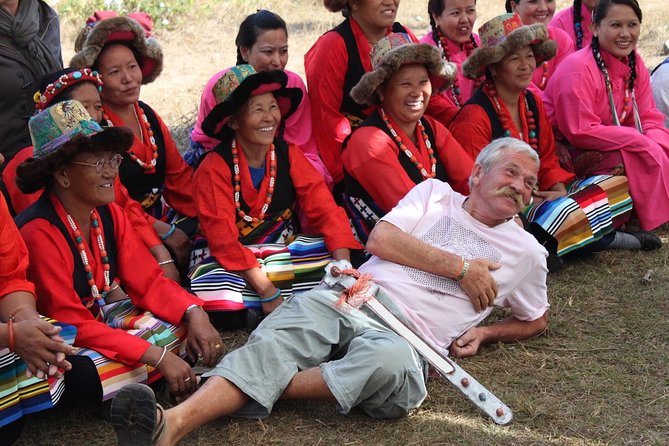
- Four monastery stops plus village walking means you’ll be on your feet at multiple times.
- Admission tickets are free at listed stops, so your ticket cost stays simple.
Why Pokhara makes a smart base for Tibetan culture
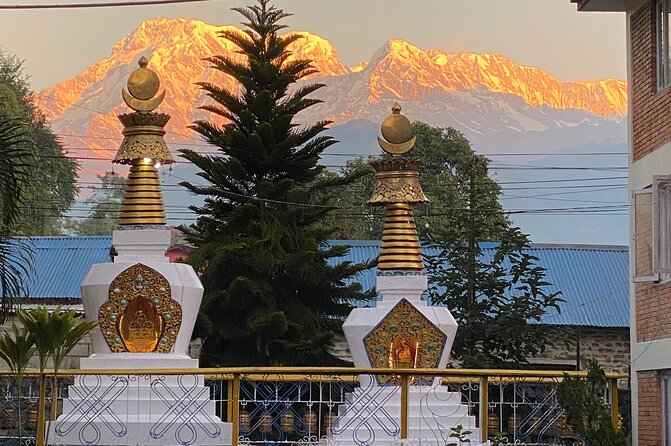
Pokhara is usually marketed for views and trekking routes, but it also has a significant Tibetan population. What makes this morning tour appealing is that it treats that community as living culture, not a photo-op backdrop.
You’ll see Tibetan Buddhist spaces in an everyday context, then spend time in settlements where people teach visitors about religion, history, and daily life. It is a good way to understand how Tibetan culture continues in contemporary Nepal, through schools, monastic life, and local food.
And because this tour focuses on a handful of places in one morning run, you get variety without feeling scattered. You go from monastery symbols to a school-and-homes rhythm within the same day.
More Historical Tours in Pokhara
- Full-Day Tibetan Cultural Tour to Tibetan Settlements Pokhara
★ 5.0 · 184 reviews - Afternoon Tibetan Cultural Tour to Tibetan Settlements Pokhara
★ 5.0 · 106 reviews - Afternoon Tibetan cultural tour
★ 5.0 · 41 reviews
5:30 a.m. departure and smooth hotel transfers
The day starts early, with pickup and a departure at 5:30 a.m. That early start is not just for drama. It helps you reach the first monastery while the morning is still calm, and it gives you time to fit in multiple stops without rushing the entire day.
Hotel transfers are included, and pickup is offered, which matters in Pokhara because distances and traffic can add up. You also get a mobile ticket, which is handy when you are bouncing between stops and do not want to hunt for paper confirmations.
One practical note: the tour says it operates in all weather conditions. So if clouds or rain show up, bring a rain jacket and wear shoes you can walk in comfortably. The schedule stays the schedule.
Jangchub Choeling Tibetan Buddhist Monastery, your first morning anchor
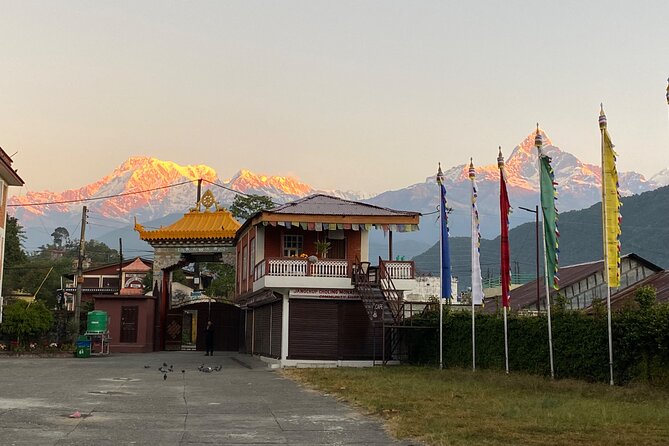
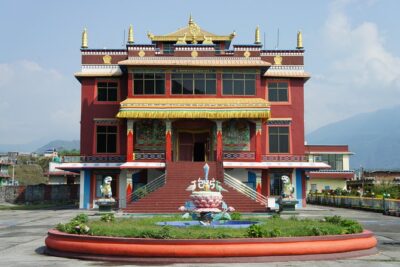
Your first stop is Jangchub Choeling Tibetan Buddhist Monastery. Plan about an hour here, and it is a strong starting point because it sets the tone for the rest of the tour.
This is where you begin hearing how Tibetan Buddhism shows up in daily life, including the refugee-life context in Nepal. The guide for the day is Mr. Thupten Gyatso, and his role is to translate what visitors see into plain meaning: why certain practices exist and how communities maintain traditions.
Even if you have visited monasteries before, this kind of start helps you read the later stops better. You will be listening for symbols and learning how the places connect to education, community, and spiritual practice.
Tashi Palkhel Tibetan Settlement, breakfast with real everyday life
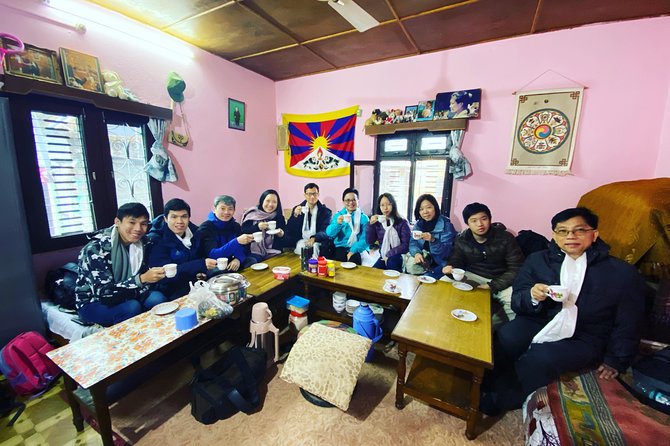
Next you head to Tashi Palkhel Tibetan Settlement. This is about community, not architecture. The tour includes a visit to a local Tibetan family and a chance to taste Tibetan food as part of the experience.
You get the flavor side in a direct way, with a breakfast moment described as a visit to a local Tibetan home. That matters because Tibetan cuisine is not just a menu. It reflects local ingredients, shared routines, and comfort foods that families keep making in their adopted home.
A small caution: this is a family setting, so keep your camera use respectful and save the loud questions for when the guide invites them. The value here is not only eating, it is learning the context around the food and what day-to-day life looks like.
More visits to the Tibetan settlements in Pokhara:
- Morning Half Day Tibetan cultural tour to Tibetan Settlements
★ 5.0 · 26 reviews - Pokhara: Private Half-Day Tour and Tibetan Culture Tour
★ 3.8 · 14 reviews - Full Day Tibetan Cultural Tour
★ 5.0 · 12 reviews - Sarangkot sunrise with Morning Tibetan Cultural Tour
★ 5.0 · 5 reviews
Pema Ts’al Sakya Monastic Institute, ask a young monk anything
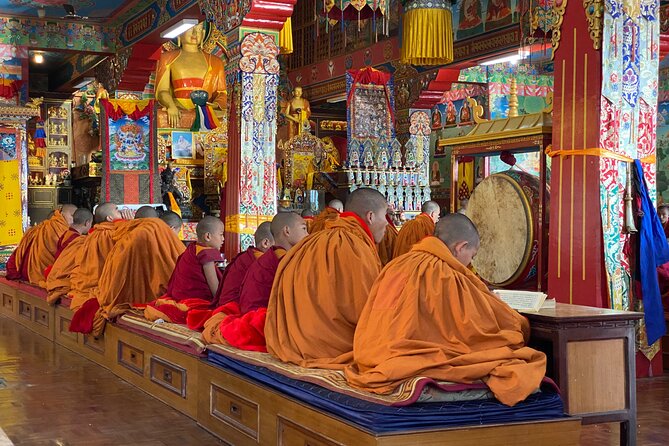
After the settlement, the tour moves into Pema Ts’al Sakya Monastic Institute. You will spend about an hour here, and the highlight is meeting a young monk who is interested in sharing insights about monastic life and education.
This stop feels different from a typical temple visit because it is framed as a conversation. The tour is set up so you can ask questions to understand how education works in a monastery setting, how daily routines run, and what monastic commitment looks like.
If you like travel that changes your mental model, this is one of the best parts of the day. Monasteries can turn into silent scenery for visitors. Here, your curiosity has a place to land.
Shree Gaden Dhargay Ling Monastery, learning to read the symbols

Next is Shree Gaden Dhargay Ling Monastery for about 45 minutes. This stop has a very practical teaching goal: learn the meanings of Buddhist signs and symbols you will notice in daily life.
The tour specifically calls out symbols like prayer wheels, prayer flags, and stupas. That is useful because once you know what you are looking at, you can spot these features anywhere and understand they are not random decorations.
A drawback to be aware of: this portion is shorter. So if you want to linger over a specific symbol, you’ll have to do it efficiently and keep your questions targeted. The guide can only cover so much in 45 minutes.
Tashi Ling Tibetan Village, walking through daily rhythm and schools
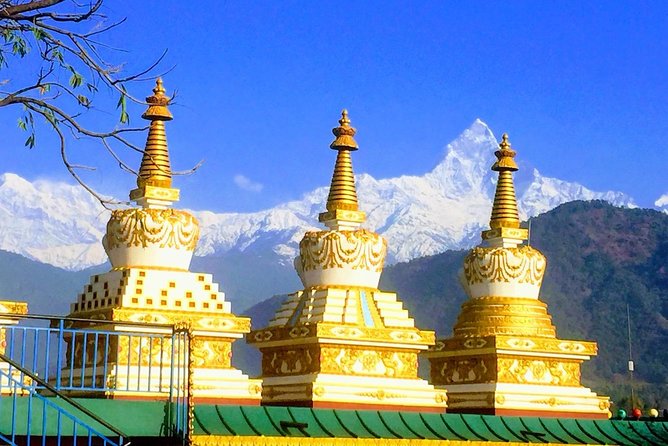
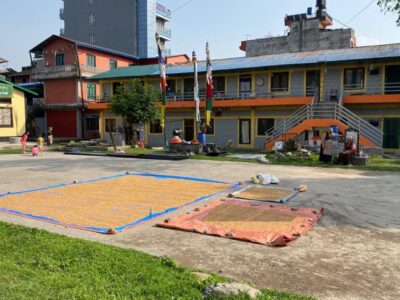
The final major stop is Tashi Ling Tibetan Village, with about 4 hours allocated. This is the longest segment of the itinerary, and it is where the tour becomes more than a tour. It turns into a slow walk through how people live.
You will walk around the village, see daily life, and explore Tibetan schools. The school piece is important because it shows continuity. Culture survives through practice, and education is one of the most direct ways communities pass knowledge forward.
Four hours can feel long if you are not a walker, but it is also what makes this stop meaningful. You are not rushing in, clicking photos, and leaving. You get time to observe and ask questions, then let it sink in.
A practical tip: wear comfortable footwear. Even in a village setting, the time adds up when you are moving between viewpoints and activity areas.
Lunch of momos and thukpa, fuel for the morning itinerary
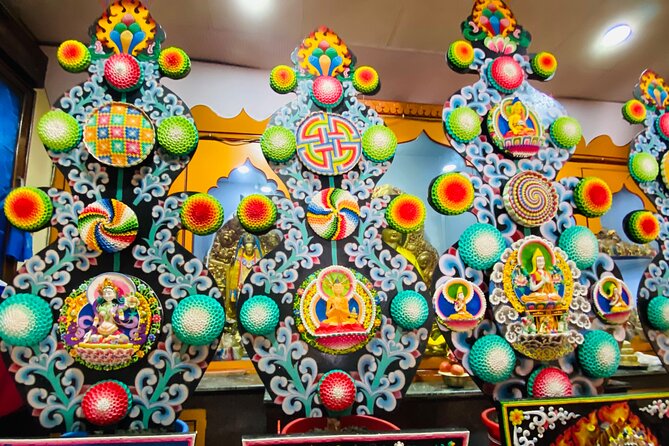
Lunch is built into the day as tasty momos and thukpa at a local restaurant. This is one of the easiest ways to experience Tibetan comfort food without turning lunch into a separate plan.
Momos are familiar to many visitors, but the point here is the moment. You are eating in the flow of the tour, not treating lunch as an unrelated break. Thukpa adds variety because it is a warming noodle soup that suits chilly mornings or overcast Pokhara weather.
If you have dietary needs, the tour supports them. It notes vegetarian and non-vegetarian options and also gluten-free food. That flexibility is a big value add for people who hate last-minute menu surprises.
Price and value: what $85 buys in a full 8-9 hour cultural run
At $85 per person, this tour is priced like a focused cultural morning, not a random bus trip. The value comes from several things that work together.
First, the tour includes hotel transfers and pickup, so you save time and avoid figuring out transport. Second, the day includes multiple guided stops, including monasteries and settlements, and admission tickets are listed as free for those stops. Third, the group size caps at 15 travelers, which supports a more personal feel.
Add in lunch (momos and thukpa) and the settlement food experience, and the cost starts to feel more like a package for a guided day than a separate set of tickets plus meals.
One more value note: the tour averages booking 32 days in advance. If you are traveling in peak season or on a tight schedule, it is smart to reserve early so you get your preferred slot and avoid scrambling.
How the itinerary fits together, stop by stop
Here is how the day makes sense as a whole:
- Monastery first gives you the spiritual and cultural framing. You start with an anchor site so later symbols feel readable.
- Settlement next adds the human scale, with food and family life. Religion and culture become practical, not abstract.
- Monastic institute brings in education and a real conversation. You learn how teaching and daily monastic routines connect.
- Second monastery reinforces what you now know by translating symbols like prayer flags and stupas into meaning.
- Village time at Tashi Ling turns observation into understanding, especially with the school visits.
That sequencing is one reason the tour can feel coherent instead of like a checkbox list. It is guided learning with short, purposeful transitions.
Who this tour suits best, and who should consider alternatives
This is a great fit if you:
- want Tibetan culture in Pokhara beyond temples
- like small-group days with time for questions
- care about food experiences tied to real places
- can handle early mornings and about 8 to 9 hours of moving
You might want a different option if you:
- strongly prefer late starts or short half-day itineraries
- dislike walking, since the village segment and multiple site stops mean you will be on your feet
- want a lot of free time with no structure, because the day is actively guided with planned stops
For most visitors, the balance is good. It gives you history, daily life, and religion without making the day feel heavy or too academic.
Should you book the Tibetan cultural tour in Pokhara?
If you like travel that teaches you how people live, not just what places look like, I think this one is worth booking. The combination of Mr. Thupten Gyatso’s guidance, multiple monastery stops, and time in Tashi Palkhel and Tashi Ling is a strong recipe for understanding Tibetan life in Nepal.
Book it if you can handle the 5:30 a.m. start. Do it especially if you enjoy meals that feel part of the story, like momos, thukpa, and settlement breakfast. If early starts will make you miserable, then wait for a later departure option or choose a slower tour day in Pokhara.
And if you need flexibility, the tour includes free cancellation up to 24 hours in advance of the experience start time, so you can hold your plans without feeling boxed in.
FAQ
What time does the morning tour depart?
The tour departs at 5:30 a.m.
How long is the tour in Pokhara?
It runs about 8 to 9 hours.
Is pickup or hotel transfer included?
Yes. Pickup is offered, and hotel transfers are included for your convenience.
What food is included during the tour?
You will have lunch featuring momos and thukpa at a local restaurant. The settlement visit also includes a Tibetan home breakfast experience.
Can I request vegetarian or gluten-free meals?
Yes. The tour serves vegetarian and non-vegetarian food, and gluten-free options are available.
How big is the group?
The maximum group size is 15 travelers.
Does the tour run in bad weather?
Yes. It operates in all weather conditions. Dress appropriately for the conditions.
Are admission tickets included for the stops?
Admission tickets are listed as free for the monastery and institute stops included in the itinerary.
Latest Pokhara write-ups
- Landing Annapurna Base Camp by Helicopter Tour from Pokhara★ 4.0 · 5 reviews
- 3 Day Kapuche Glacier Lake Trek with Siklesh from Pokhara★ 5.0 · 5 reviews
- Sarangkot sunrise with Morning Tibetan Cultural Tour★ 5.0 · 5 reviews
- Entire Day Pokhara Complete Tour★ 5.0 · 5 reviews
- 3 Day Mardi Himal Base Camp Trek from Pokhara★ 5.0 · 5 reviews
- Private Tour Local Culture and The View of Mohare Danda★ 5.0 · 6 reviews
- 3 Days Ghorepani and Poonhill Private Trek from Pokhara★ 5.0 · 6 reviews
- Pokhara: Poon Hill Ghorepani Short Trek★ 5.0 · 6 reviews
Tibetan Settlement Visits, compared.
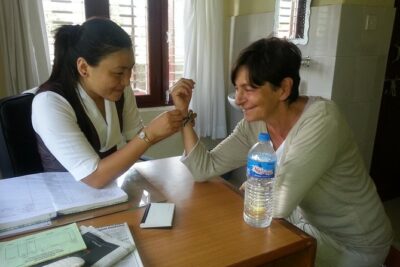
Full-Day Tibetan Cultural Tour to Tibetan Settlements Pokhara
Read our review →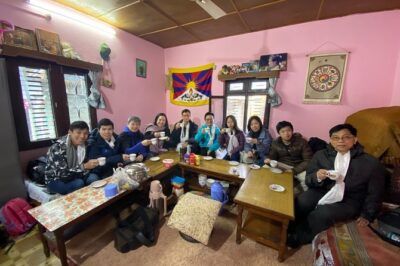
Afternoon Tibetan Cultural Tour to Tibetan Settlements Pokhara
Read our review →
Morning Half Day Tibetan cultural tour to Tibetan Settlements
Read our review →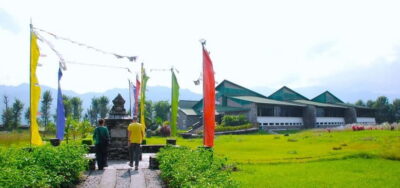
Sarangkot sunrise with Morning Tibetan Cultural Tour
Read our review →
Browse the lists this tour appears in