
Reviewed · TIBETAN SETTLEMENT VISITS
Half day Tibetan cultural tour
This half-day Tibetan cultural tour is interesting because it takes you beyond sightseeing and into the everyday world of Tibetan refugees in Nepal, guided by Mr. Thupten Gyatso. I particularly like two parts: how the tour explains Buddhist symbols as living, daily references (not museum trivia), and how you meet real people, including a Tibetan doctor, rather than just seeing buildings.
The main trade-off is time. In a 4.5-hour schedule, it’s focused on a specific set of stops around one settlement, so if you want hours of free wandering or big, standalone landmarks, you may feel a bit rushed.
Key highlights you should know
- Tashiling Tibetan settlement experience: photo stop, guided walk, and a settlement history photo gallery
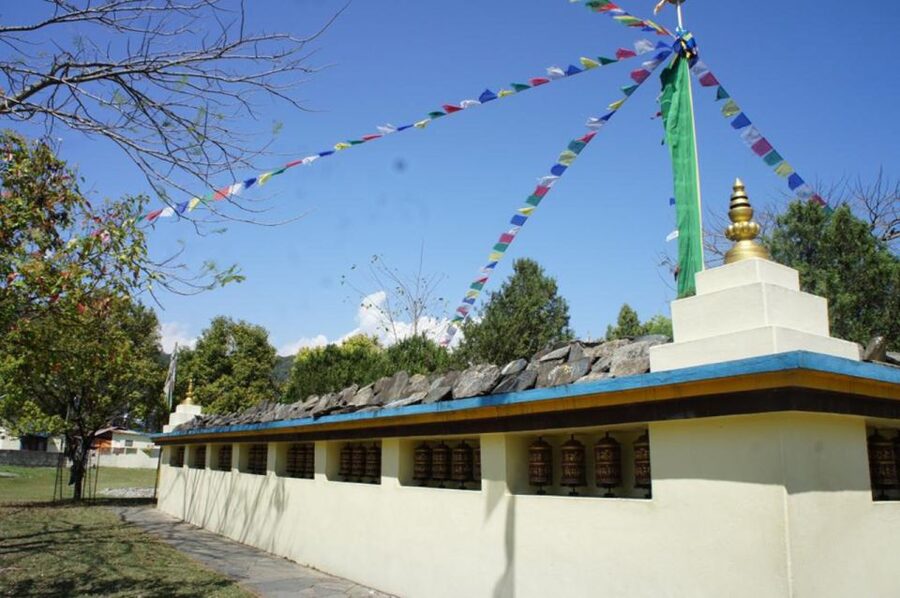
- Buddhist signs explained: meanings behind items you’ll see in daily life like prayer wheels, prayer flags, and stupas
- Tibetan schools in the settlement: learn how education and language are kept strong in exile
- Carpet workshop and showroom: watch handmade carpet creation, then see designs up close
- Tibetan medical center visit: meet a doctor and learn basic concepts of Tibetan medicine, plus a check-up experience
- Tibetan lunch: momos and thenthuk, with vegetarian, non-vegetarian, and gluten-free options
A 4.5-hour loop that’s easy to fit into Pokhara days
This tour runs for about 4.5 hours and is built for people who want a meaningful cultural hit without committing to a full day. Pickup happens around Lakeside, and you return to Lakeside at the end. The group is kept small, limited to 8 participants, which matters because you get more time for questions at the settlement, the school area, and with the doctor.
Expect a mix of walking and sitting, plus short stops for coffee or tea. Food is part of the schedule too, with an authentic Tibetan lunch included, plus mineral water and juice. Because it’s a half-day plan, the pace is brisk, but it stays structured, so you’re not left trying to figure things out on your own.
One practical note: transportation is included for hotels in the Lakeside area, but there’s an additional fee if your hotel is outside Lakeside. If you’re staying a distance away, it’s worth factoring that in early so the price is what you expect.
More Historical Tours in Pokhara
- Full-Day Tibetan Cultural Tour to Tibetan Settlements Pokhara
★ 5.0 · 184 reviews - Afternoon Tibetan cultural tour
★ 5.0 · 41 reviews - Full Day Tibetan Cultural Tour
★ 5.0 · 12 reviews
Tashiling Tibetan settlement: the human story behind the scenery
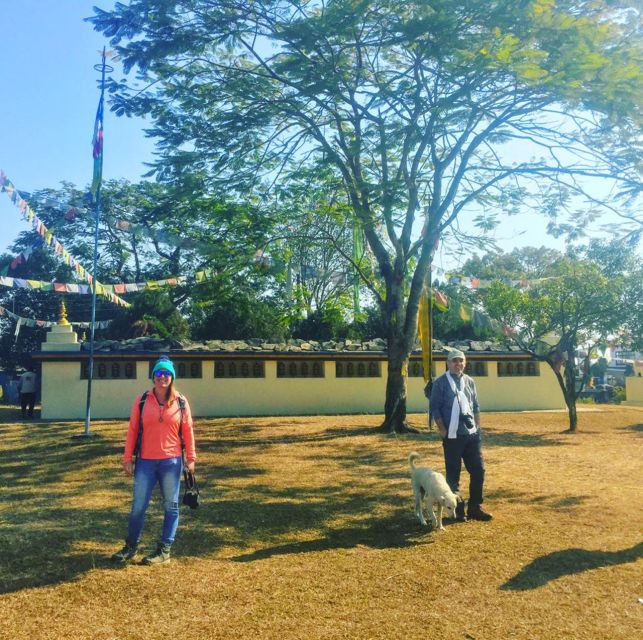
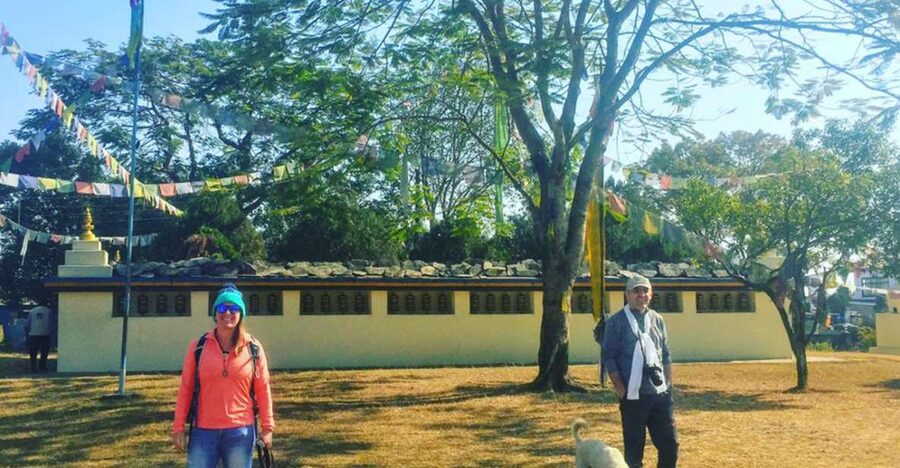
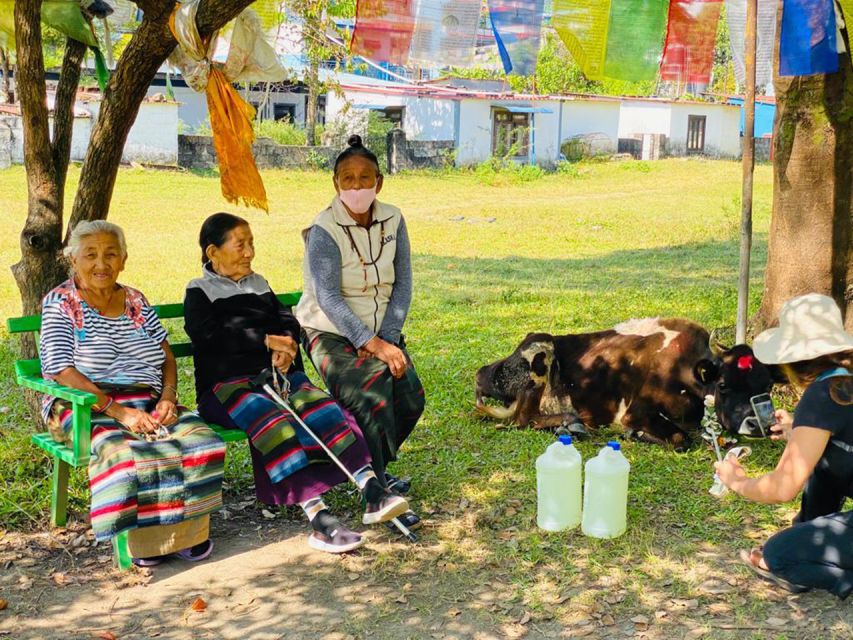
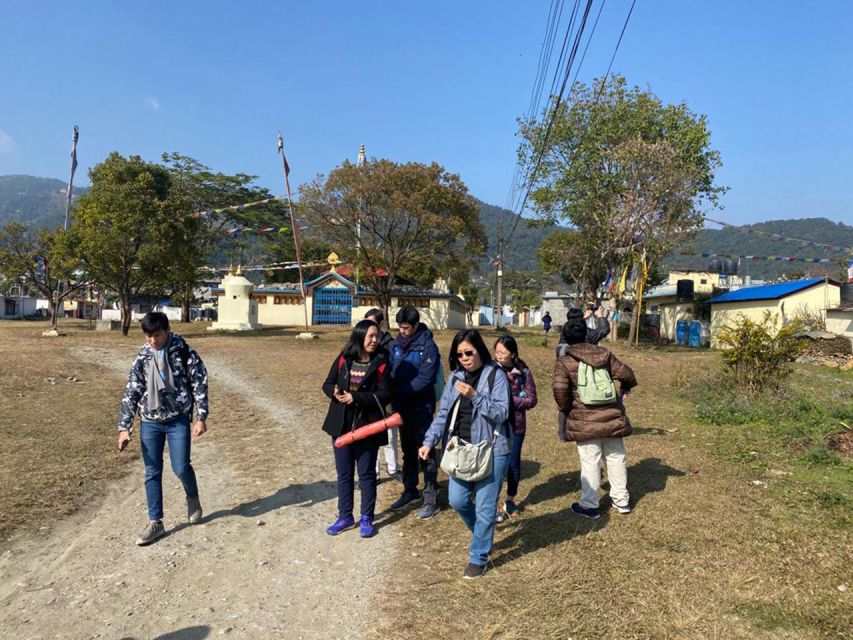
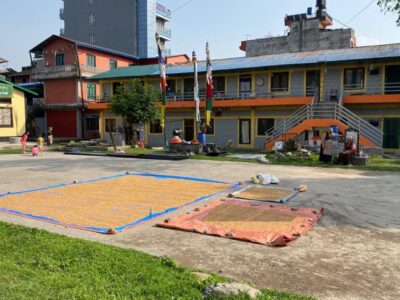
Your first major stop is the Tibetan settlement near the Pokhara valley, specifically Tashiling. You’ll start with a photo stop and then move into a guided tour with time to walk around. This isn’t just about viewing homes and prayer spaces from the outside. The tour is designed to help you understand how Tibetan people live in Nepal and how they’ve preserved identity, including language and Buddhist culture, over decades in exile.
A big part of the value here is the history photo gallery. Instead of hearing only broad background, you can actually see images from the early 1960s and the growth of the settlement. It helps you connect a timeline to what you’re seeing today. Even if you know nothing about the Tibetan refugee story beforehand, the visuals make it easier to grasp how communities rebuild.
Drawback to consider: since everything is centered on one settlement and nearby visits, your experience is more focused than wide. You won’t be crisscrossing all over Pokhara. That’s good if you want depth in a short time, but not ideal if your goal is variety across multiple neighborhoods.
Buddhist symbols in everyday use, from prayer wheels to stupas
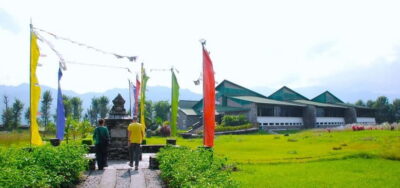
One of my favorite parts of this kind of tour is when the guide can explain what you’re actually seeing, beyond the generic “this is Buddhist.” Here, you visit a monastery area within the settlement and you learn the meanings of different signs and symbols used in daily life.
You’ll hear about items like prayer wheels, prayer flags, and stupas. The practical payoff is that once you understand the symbolism, you start noticing details around Pokhara and beyond. You also get a sense of why these objects are not just religious decorations. They’re part of routine, part of memory, and part of how people express belief.
How to get more from this stop: don’t treat it like a photo round. Ask simple questions like what visitors often misunderstand or which symbol locals talk about most. A good guide will connect the symbol to everyday practice, not only to religious theory.
Tibetan schools: how education keeps culture and language alive
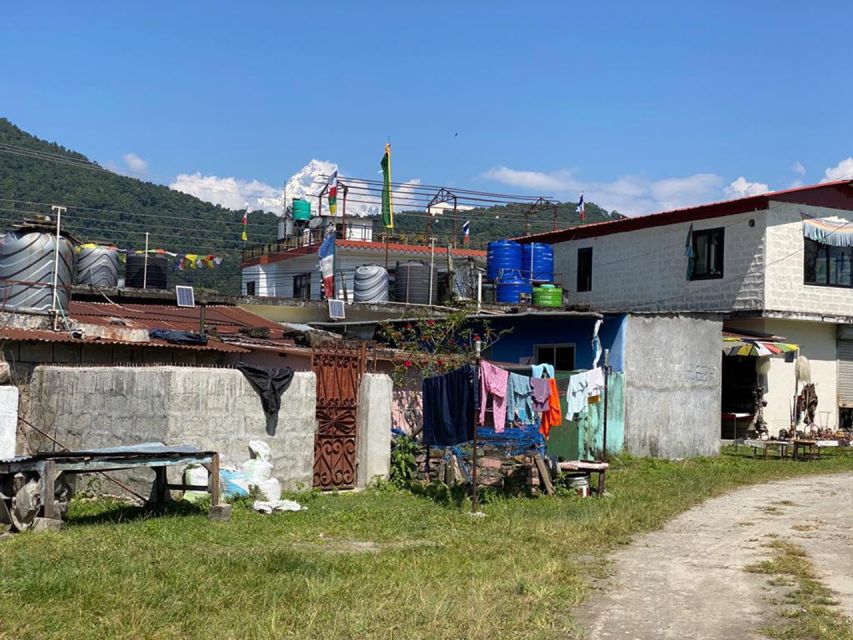
After the monastery area, the tour shifts to Tibetan schools and the educational system inside the settlement. This stop can surprise you in a good way, because it turns “culture” from something abstract into something concrete: children learning, teachers teaching, and language being practiced where it could easily fade.
Education is one of the most serious forms of preservation. It’s not just about keeping traditions alive for adults who already know them. It’s about passing them forward. In the context of a refugee community, schooling becomes both a future plan and a way to protect identity.
What you’ll likely appreciate most is the connection between the school and everything else you’ve seen already. The religious symbols you learned about, the daily life of the settlement, and the work of community members all fit together. By the time you finish the school portion, it’s easier to understand that culture here is maintained through real systems, not only ceremonies.
More visits to the Tibetan settlements in Pokhara:
- Pokhara: Private Half-Day Tour and Tibetan Culture Tour
★ 3.8 · 14 reviews
Handmade carpets: watching work happen, then shopping with context
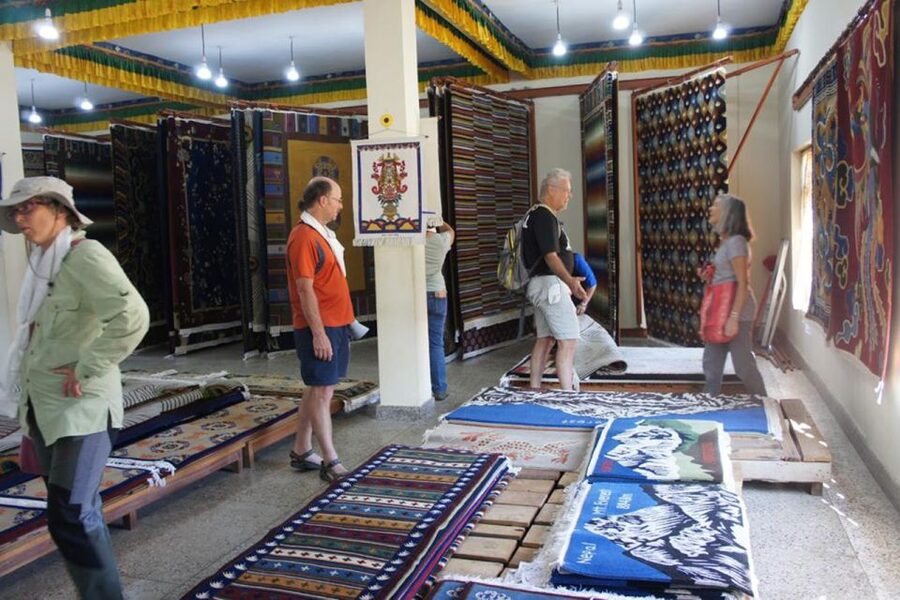
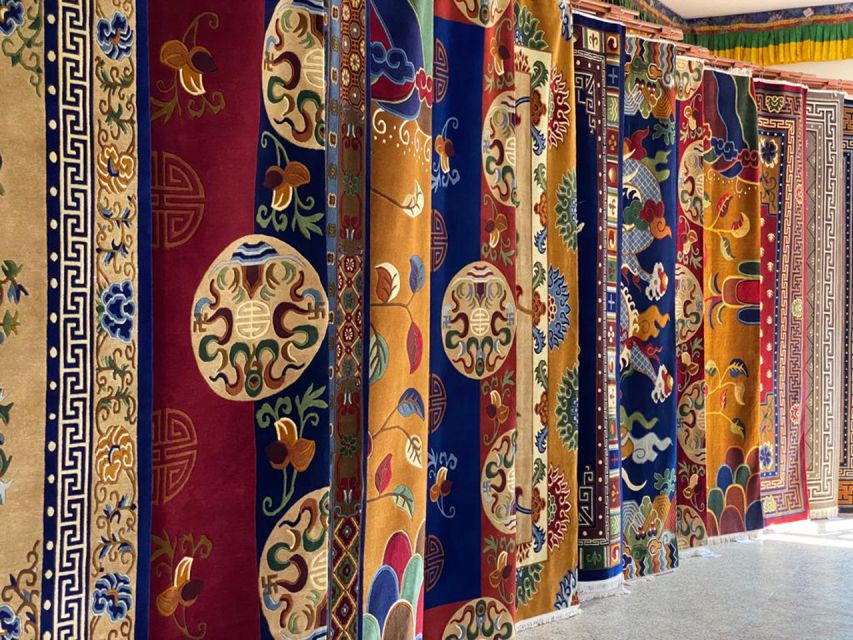
You’ll visit a carpet workshop to see how Tibetan carpets are made by hand, then later visit a carpet showroom to explore designs and colors. This is the section that turns information into something you can literally visualize.
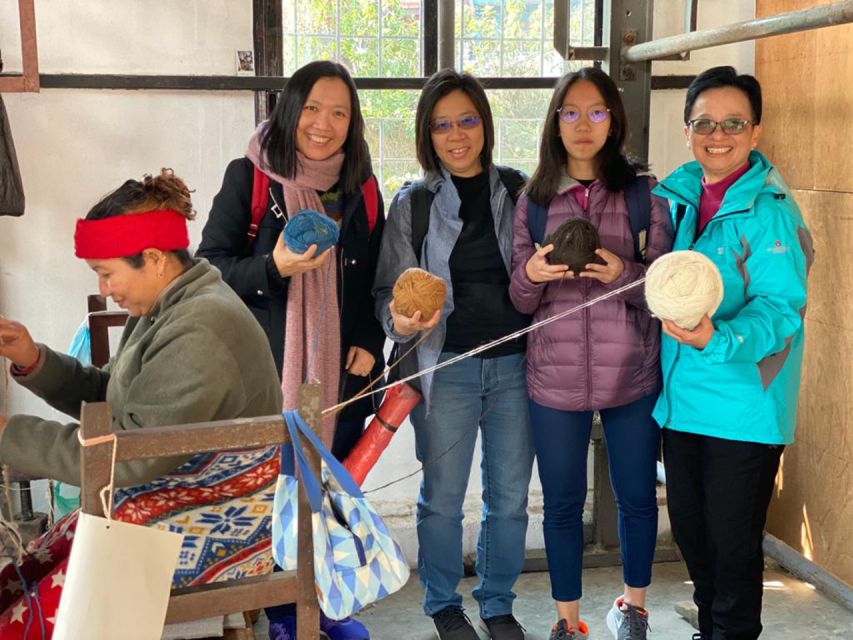
In a workshop visit, you get the chance to watch the process and hear step-by-step explanations. Even if you never plan to buy a carpet, it’s useful to understand why certain designs take longer, why materials matter, and how patterns communicate more than decoration. Handmade work also gives you a respect angle. You’re not just looking at art, you’re looking at labor and skill.
Then you move to the showroom, where you can browse a variety of carpets with different designs and colors. If you do want to buy, this is a better time than impulse shopping later in town, because you’ve already learned enough to ask smarter questions about quality and materials. If you’re unsure, take your time. A half-day tour gives you only limited time, but the workshop context makes it feel less like a sales stop and more like an education stop.
Tibetan medical center: a meeting with traditional medicine and a consultation
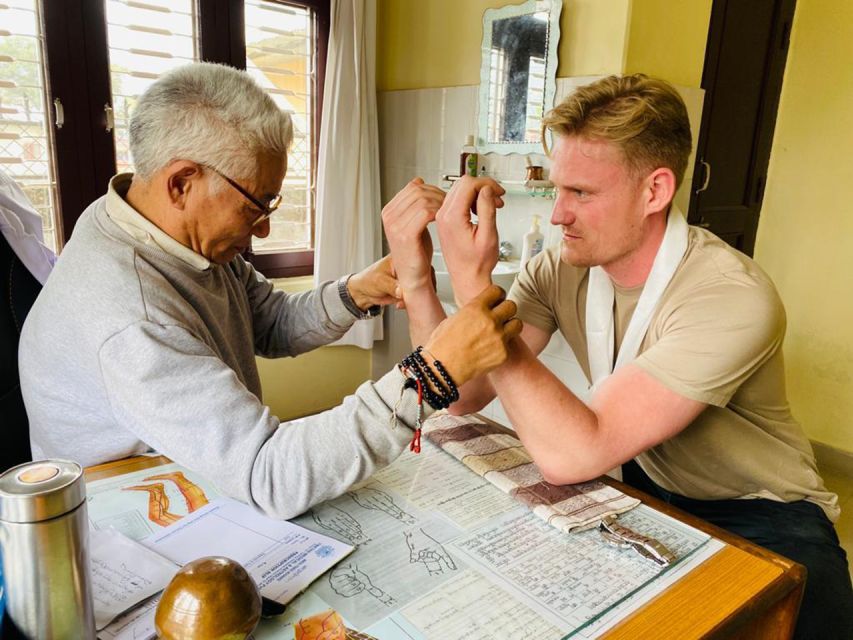
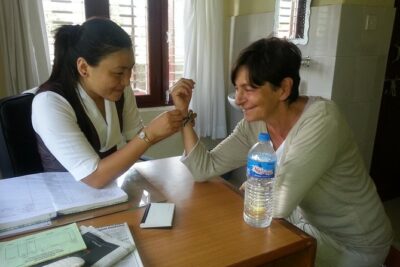
One of the most memorable parts of this tour is the Tibetan medical center visit, followed by a consultation with a Tibetan doctor. You’ll get basic knowledge about Tibetan medicine and how treatment works, and you’ll receive first-hand experience with medical check-ups from the doctor.
This isn’t about replacing modern healthcare. Instead, it’s a window into how Tibetan medical traditions understand the body and how a community carries its knowledge forward in a new country. Even if you don’t plan to use Tibetan medicine personally, meeting the doctor and seeing how the consultation is done helps you understand it as a living practice, not just an idea from a book.
A practical tip: come ready with a couple of general questions. For example, ask how they explain symptoms, or what they consider during a check-up. If you go in with curiosity and patience, this stop can become more than a quick “look and go.”
Tibetan lunch: momos and thenthuk with real options
Food is included, and it’s not a bland add-on. You’ll have authentic Tibetan lunch at a local Tibetan restaurant, with both vegetarian and non-vegetarian options. Two main dishes are called out: momos and thenthuk, a nourishing soup made with freshly kneaded dough plus meat and vegetables.
What I like about this lunch setup is the balance. You get something widely recognized, momos, and something more specific to Tibetan cuisine, thenthuk. The soup format also helps on a travel day, since it’s filling and warm if the weather turns.
There are also gluten-free options listed, including plain rice and vegetable curry. If you have dietary restrictions, this tour gives you a workable plan rather than forcing you to guess. Still, I’d treat it as smart to confirm preferences when you arrive, especially if you’re gluten-free.
Why the $61 price can make sense in Pokhara
At $61 per person for roughly 4.5 hours, the price is easiest to judge when you count what’s bundled. You’re not paying only for a guide. You’re getting guided access to multiple parts of the settlement experience, including the monastery area, schools, a carpet workshop and showroom, a medical center consultation, and lunch. On top of that, the tour provides mineral water, fresh juice, and tea or coffee, and round-trip pickup and drop-off is included for Lakeside hotels.
If you tried to recreate this on your own, the biggest cost would likely be coordination: arranging visits, finding the right people to explain the meaning of symbols, and lining up lunch in a way that matches the tour’s flow. Here, Mr. Thupten keeps the story connected, so each stop explains the last one.
One value consideration: if your hotel is outside Lakeside, you’ll pay an extra transportation fee. But even then, the bundled access can still be cheaper than hiring multiple separate services for a similar half-day.
How to make the most of your half-day (without feeling overwhelmed)
This tour works best if you show up with the right mindset: short time, big themes. You’ll walk, listen, eat, and take in human stories all in one sitting. To get more out of it:
- Wear comfortable shoes. The settlement involves walking, and the schedule is tight enough that slippery footwear could ruin your pace.
- Bring a light layer. You may move between indoor and outdoor spaces, including religious areas and a medical center.
- Keep your questions simple. Ask what a symbol means, how schooling supports identity, or what a check-up focuses on.
- If you plan to buy a carpet, take notes on what you liked in the showroom. Then compare it mentally to what you saw in the workshop.
Because the group is small, your attention matters. If everyone is quiet and respectful, the guide can slow down just enough to make the meaning stick.
Who should book this Tibetan cultural tour
Book it if you want a structured introduction to Tibetan refugee life near Pokhara, with explanations you can actually use. It’s ideal for people interested in Buddhism symbols in daily life, anyone curious about education in exile, and those who like hands-on culture like watching carpet-making.
It’s also a strong match if you appreciate meeting people. Mr. Thupten Gyatso is the centerpiece here, and the experience is shaped by meeting Tibetan community members in roles like monks, teachers, and a Tibetan doctor.
It’s not a great fit if you need wheelchair accessibility or if you’re traveling with very young children. The tour isn’t suitable for children under 5, and wheelchair users aren’t listed as accommodated.
Should you book this tour?
If you’re in Pokhara with limited time and you want something real, not just photos, I’d book it. The strongest points are the human interactions, the explanations of Buddhist symbols in everyday terms, the school visit, and the stop with a Tibetan doctor. The carpet workshop adds a satisfying craft angle, and the included lunch makes sure you’re not hunting for food while your schedule is moving.
If you already plan to spend days focused only on Tibetan culture, you might choose a longer option. But as a half-day plan, this one does a lot of heavy lifting for the price.
FAQ
How long is the Tibetan cultural tour?
The tour lasts about 4.5 hours.
Where does pickup happen?
Pickup and drop-off are provided around the Lakeside area.
Do you visit a Tibetan refugee settlement?
Yes. You visit one Tibetan refugee settlement near the Pokhara valley, including Tashiling.
What activities are included besides sightseeing?
You’ll learn about Buddhist symbols, visit Tibetan schools, see a monastery area, visit a carpet workshop and showroom, and meet a Tibetan doctor for a consultation and medical check-up experience.
What food is included for lunch, and are there dietary options?
An authentic Tibetan lunch is included, with momos and thenthuk. Vegetarian and non-vegetarian options are available. Gluten-free options are also offered, including plain rice and vegetable curry.
What language is the tour guide?
The live tour guide speaks English.
What is the group size?
The tour is a small group, limited to 8 participants.
Is the tour accessible for wheelchair users and young children?
The tour is not suitable for wheelchair users and is not suitable for children under 5 years old.
Latest Pokhara write-ups
- Mardi Himal Trek -5 Day Short Trek From Pokhara★ 5.0 · 8 reviews
- Tandem Paragliding in Pokhara★ 4.8 · 8 reviews
- Pokhara: Peace Pagoda Sunset, Annapurna Mountain Views Tour★ 2.9 · 5 reviews
- Short & Scenic: 2-Day Private POON HILL Trek from Pokhara★ 5.0 · 8 reviews
- Seti George and Thrilling Suspension Bridge Tour at Pokhara★ 4.5 · 3 reviews
- Sarangkot Sunrise over the Himalayas★ 4.8 · 83 reviews
- Pokhara: Sarangkot Sunrise and Private Full Day Tour★ 4.8 · 24 reviews
- From Kathmandu/Pokhara: Private 3-Day Chitwan Safari Tour★ 4.7 · 34 reviews
Tibetan Settlement Visits, compared.
Full-Day Tibetan Cultural Tour to Tibetan Settlements Pokhara
Read our review →
Browse the lists this tour appears in