Reviewed · TOURS
All Nepal Tour
All Nepal Tour is interesting because it strings together four different sides of Nepal in just 10 days: heritage days in Kathmandu, scenic time in Pokhara, a sacred stop in Lumbini, then wildlife time in Chitwan. I especially like that the trip includes guided touring in Kathmandu, Lumbini, and Pokhara with an expert guide and a private vehicle on those days. I also like that Chitwan is not just a drive-by stop, you get a guided jungle programme, plus the required jungle permit.
One thing to think about before you book is that between cities you’ll be on tourist or local buses, so travel time is real even though it’s not a trek style itinerary. Also, your start time is listed as 12:15 am, so you’ll want to confirm pickup timing so you can plan sleep and connections.
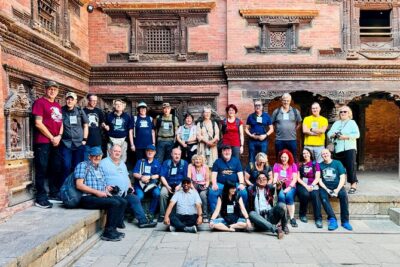
This is set up for small groups, max 15 travelers, and you get practical help like airport, hotel, and airport transfers and solid pre-departure information. Reviews also highlight the personal touch from the operator, with Puru (and Puruji) repeatedly praised for being responsive, and the Kathmandu guide Ajay praised for showing daily life, not only checklist sights.
Key Highlights Worth Prioritizing
- Small-group size (up to 15 people) keeps days feeling organized, not crowded-chaos.
- Expert guided touring in Kathmandu, Lumbini, and Pokhara with private vehicle support on those days.
- Chitwan includes the jungle programme plus jungle permit and a nature guide, so you do more than just see the river from the bus.
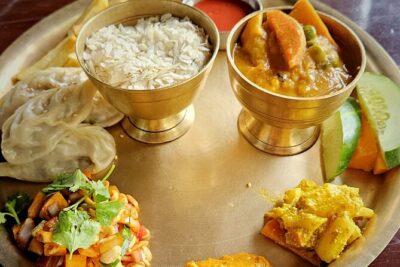
- Hotel breakfasts throughout and two Nepali style dinner moments in Kathmandu (welcome and farewell).
- Realistic weather planning with guidance for September to November clarity and best mountain visibility.
- Price covers a lot, but you should double-check meals and sightseeing entry fees since the listing has some meal detail that can be easy to misunderstand.
The 10-Day Route, in Plain English
This tour is built around four bases. You start in Kathmandu, then move to Pokhara, then head to Lumbini, then finish in Chitwan. The order matters because you’re changing settings as you go, from temples and heritage streets to viewpoints, to a sacred world heritage site, then to jungle.
You’ll also notice the mix of transport styles. The guided sightseeing days in Kathmandu, Lumbini, and Pokhara come with private vehicle help, but the between-region legs are done by tourist or local bus. That means you get a little comfort where it counts for touring, while still keeping the overall trip value strong.
What I like about this structure for most people: it’s not exhausting like a high-speed stop-and-skip plan, yet it doesn’t drag for one city too long. The tradeoff: you’re never fully stationary. You’ll be packing and unpacking, and bus travel can feel long if you’re prone to motion sickness.
More to compare around Kathmandu
- Everest Base Camp Trek – 14 Days
★ 5.0 · 1,499 reviews - Everest Base Camp Trek
★ 5.0 · 842 reviews - Private Kathmandu Sightseeing Tour | UNESCO World Heritage sites
★ 5.0 · 756 reviews
Kathmandu Days: Temples, Markets, and Ajay’s Approach
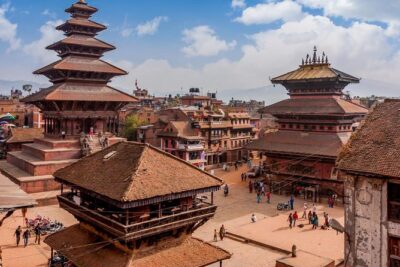
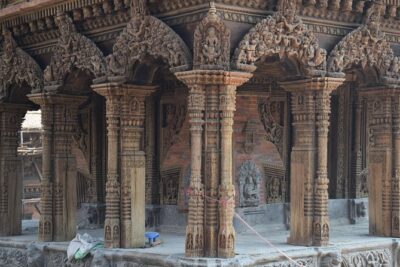
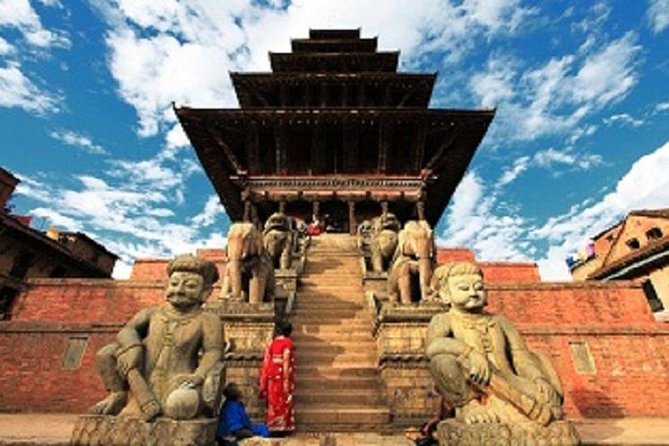
Kathmandu is where the trip earns its “culture” badge. The tour focuses on older temples, a world heritage site, modest local cultures, and colorful markets. That’s exactly the kind of mix that makes Kathmandu more than a photo hunt.
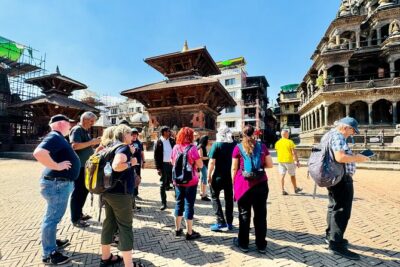
The guided touring is where you get leverage. In this itinerary you’re not just wandering. You have an expert guide and a private vehicle for the sightseeing portion in Kathmandu, which helps you cover more ground without losing your bearings. Reviews add an extra layer here: the Kathmandu guide Ajay is called out for being friendly and knowledgeable, and for taking people to a lot of places where you can experience authentic day-to-day life.
A practical note: temple days tend to come with uneven footpaths and stairs. If you’re bringing older family members or you prefer slower walking, ask your guide to adjust the pace early. One review from a different Nepal trip mentions guides finding an easily manageable hike option for an older traveler, and it’s a good sign that the team thinks about comfort, not just speed.
Why Kathmandu on this tour works: you get structure and context. The possible downside: since you’re doing guided sightseeing, you may feel a little “scheduled” compared with totally independent travel. Still, it’s a good choice if this is your first time in Nepal.
Pokhara Stop: Annapurna Views Without Trek Fatigue
Pokhara is described here as part of the “breathtaking scenery” theme, with the Annapurna Range referenced as a standout. Even if you’re not doing a trek, Pokhara is often where you get breathing room from big-city intensity and start enjoying views and slower pacing.
Your day in Pokhara is guided and supported by a private vehicle for touring. That matters because it reduces time spent figuring out logistics and route choices on your own. You’re also included for breakfast at the hotels throughout the trip, which helps keep mornings simple.
What you should expect realistically is that mountain viewing can depend on the day’s weather. The tour’s own seasonal guidance is useful: September to November is noted as pleasant and clear with best mountain views. In March to May you get warmer temperatures. In rainy season, July and August bring more rain, and cloud cover can block views.
My take on value here: Pokhara is a great mid-trip reset. You get scenery and a change of pace, without signing up for an all-out trekking commitment.
Lumbini: A World Heritage Stop With Room for Meaning
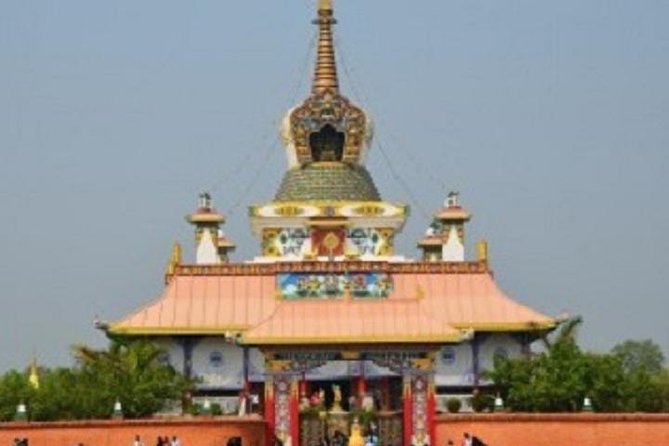
Lumbini is included as a major cultural and spiritual moment. The tour describes it as a world heritage site and part of the chance to meet locals connected to ancient culture.
You also get guided touring in Lumbini with an expert tour guide and private vehicle support for that day’s travel. That’s helpful because a place with religious and historical weight can be easier to respect when someone explains the background and helps you navigate what matters most.
One thing to keep in mind: you’re moving to Lumbini from Pokhara by tourist or local bus. That’s normal for a route like this, but it does mean your arrival day can feel a bit “go, then see.” If you like quiet time, consider using your hotel downtime to reset.
Why this stop is worth including: it balances the Nepal “nature and adventure” parts with something slower and more reflective, without turning the whole trip into a museum day.
A different sort of day out of Kathmandu:
- Kathmandu: 7 UNESCO Sites with Lunch
★ 4.8 · 744 reviews - Everest Base Camp Helicopter Tour landing at Everest View Hotel
★ 5.0 · 668 reviews - Half day cooking class in Thamel kathmandu
★ 5.0 · 607 reviews - Everest Base Camp Trekking
★ 5.0 · 485 reviews
Chitwan Jungle Programme: Permits, Nature Guide, and Real Wildlife Time
Chitwan is where the tour shifts into adventure. The listing specifically includes jungle programme components, a nature guide, and the jungle permit. You’re also told to expect a jungle permit and jungle programme as part of the package, which is exactly what you want for value and smooth operations.
This is one of the most practically important inclusions on the tour. Jungle permits and local rules can be a hassle to sort out if you’re traveling on your own. Here, those details are handled, so you can focus on the experience.
Also, Chitwan fits the tour’s seasonal sweet spot. The weather section gives broad temperature ranges and points out that rainy season comes with more rain in July and August. If your priority is outdoor visibility and comfortable time in the field, I’d lean toward the September to November window or the clear-sky winter months.
Possible drawback: jungle days are active days. Even if you’re not doing strenuous hiking, you’ll likely spend time outdoors and you should plan for insects and changing conditions. The good part is that the tour is set up with a nature guide, and that support is what turns “a day out” into “a day you remember.”
Price and Value: What $1,290 Really Buys You
At $1,290 for about 10 days, the value comes from the bundle. This isn’t just a map with hotels thrown in. You get:
- Airport and hotel transfers by private vehicle
- Hotel accommodation throughout with breakfast
- Guided touring in Kathmandu, Lumbini, and Pokhara with private vehicle support
- The Chitwan jungle programme, nature guide, and jungle permit
- Welcome and farewell Nepali dinners in Kathmandu
- Pre-departure information and trip dossiers
- Government taxes and necessary paperwork handled
You also receive Above the Himalaya gifts, including a T-shirt for gents and a pashmina shawl for ladies. It’s a small thing, but it’s the type of included extra that makes a trip feel thought through.
Now, the caution flag. The pricing section says all meals are included, but it also lists lunch and dinner in Kathmandu, Lumbini, and Pokhara as not included. That could mean a specific set of meals is included in the “all meals” line but not every lunch and dinner, or it could be a wording mismatch in the listing. Before you book, I’d ask the operator to spell out your exact meal inclusions for Kathmandu, Pokhara, and Lumbini so you aren’t surprised.
Bottom line on value: if you want guided cultural days plus a guided Chitwan jungle day and you appreciate having most logistics handled, this price looks fair. If you’re a strict budget diner who wants full control of meals, you’ll want to verify what’s covered.
Weather Timing: When the Views Are Most Likely to Cooperate
This tour gives specific temperature guidance, which is more useful than generic “good weather” marketing.
- September to November: pleasant and clear, mountain views are best. Minimums around 2°C, maximums up to 30°C.
- March to May: warmest months, mildly warm with minimums around 13°C and maximums up to 33°C.
- December to mid-February: cold but sky can be clear. Maximums up to 19°C, minimums down to -2°C.
- June to August: summer and rainy season, with July and August called out as wetter. Maximums up to 34°C, minimums around 19°C.
If mountain views matter to you, I’d prioritize September to November based on the way the trip itself describes clarity. If you hate cold, consider March to May. If you travel in June to August, expect rain and build flexibility into your attitude, especially for sightseeing.
Getting Around: Private Vehicle Days vs Bus Legs
The transport design is practical. When you’re doing guided sightseeing in Kathmandu, Lumbini, and Pokhara, you’re covered with an expert guide and private vehicle support. Between those cities you use tourist or local buses.
That mix can be a smart middle ground for comfort and cost. The private vehicle time reduces stress and gets you to key sights efficiently. The bus time keeps the route affordable and realistic.
What I’d watch for is how long the transfers feel for you. Even without trekking, a 10-day route can feel busy if you’re very sensitive to motion or you hate waiting. If that’s you, ask for help planning where to rest during travel days.
What’s Included for Comfort and Safety
This tour includes group medical supplies with a first aid kit. That’s a baseline comfort. You’re also told to bring official papers, and you’re expected to have comprehensive travel insurance.
I’ll say this in a practical way. Even if your days are guided and organized, medical situations or trip disruptions can still happen anywhere in the world. The tour makes it clear insurance should cover medical costs, personal accident, emergency evacuation, trip cancellation, lost gear, natural calamity, theft, and baggage damage. That’s not only responsible, it’s also common sense for Nepal.
You also have mobile ticket mention, plus pre-departure information and trip dossiers. That’s helpful for keeping your plan organized once you land.
Documents, Visa, and What to Bring
You need a valid passport with at least six months validity from your return date. Visa can be obtained on arrival at Kathmandu Airport, and the listed visa fees are:
- USD 25 for 15 days
- USD 40 for 30 days
You’ll also need four extra passport-sized photographs for trekking permits. This tour is a touring route, but the info explicitly says those photos may be required for permits. Bring them. It’s cheap, and it avoids problems later.
For your packing list, the tour guidance calls out bringing official papers and travel insurance documentation. If you want shopping time, it also notes you can buy Western-style clothes in Kathmandu, plus designer labels for low prices, with quality tradeoffs you should understand.
My quick packing rule: travel light but pack layers. The tour has cold ranges down to -2°C in winter, and warm ranges up to mid-30s in hot months.
Who This Tour Fits Best, and Who Should Think Twice
This works best if you want:
- A guided cultural and nature route through Kathmandu, Pokhara, Lumbini, and Chitwan
- A small group experience (up to 15 travelers)
- Hotels with breakfast and organized dinners in Kathmandu
- Chitwan jungle time with a nature guide and permit handled
It may not be your best match if:
- You want total independence, with fully self-planned transport and meal control
- You hate any bus travel between cities
- You prefer a slower pace with more days per location
If you’re traveling as a family, this format can be a good fit because it’s structured and supported. Reviews about the company show guides adapting options for older family members on other Nepal outings, which is a reassuring sign that comfort matters.
Should You Book All Nepal Tour?
I’d book it if your goal is a well-rounded Nepal sampler, and you want to avoid logistics headaches while still getting real experiences. The combination of guided heritage days, a Pokhara viewpoint stop, Lumbini’s world heritage visit, and a Chitwan jungle programme with permits and a nature guide is a strong package for the money.
I would not book it without verifying two things first: the exact meal inclusions in Kathmandu, Pokhara, and Lumbini, since the listing has wording that could be confusing, and the exact pickup timing because the start time is listed as 12:15 am. If you confirm those, this looks like a solid, value-focused way to see Nepal without needing trekking skills or a year of planning.
FAQ
Which places are included in All Nepal Tour?
The tour includes Kathmandu, Pokhara, Chitwan, and Lumbini.
How long is the tour?
The duration is listed as 10 days approximately.
What is the total price?
The listed price is $1,290.
Is airport pickup and drop-off included?
Yes. Airport to hotel to airport transfers are included by private vehicle.
Are hotels and breakfast included?
Yes. Hotel accommodation throughout the tour including breakfast is included.
What transportation is used between the cities?
Kathmandu to Pokhara, Pokhara to Lumbini, and Lumbini to Chitwan are done by tourist or local bus.
Is there an expert guide on the sightseeing days?
Yes. Guided touring in Kathmandu, Lumbini, and Pokhara is included with an expert tour guide and private vehicle support.
What is included for the Chitwan part of the trip?
The listing includes the jungle programme, a nature guide, and the jungle permit for the Chitwan tour.
Do I need a Nepal visa, and what is the cost?
You can get a visa upon arrival at Kathmandu Airport. The listed fees are USD 25 for 15 days and USD 40 for 30 days.
What is the recommended travel insurance coverage?
You are required to have comprehensive travel insurance that covers medical, personal accident, emergency evacuation, trip cancellation, lost items or gear, natural calamity, theft, and damage to baggage, among other items stated in the tour info.
What is the group size limit?
This tour/activity has a maximum of 15 travelers.
Latest Kathmandu write-ups
- Langtang Valley Trek★ 5.0 · 3 reviews
- Khopra Danda Trek★ 5.0 · 3 reviews
- Langtang Valley Trek from Kathmandu★ 5.0 · 3 reviews
- 5 night / 6 days Kathmandu Nagarkot Chitwan Pokhara tour★ 5.0 · 3 reviews
- Nepal Highlights Tour: 5 Nights 6 Days Kathmandu & Pokhara Tour★ 5.0 · 3 reviews
- Kathmandu Valley Private Day Tour★ 5.0 · 3 reviews
- Conquer the Himalayas: The Ultimate 16-Day Annapurna Circuit Trek★ 3.5 · 3 reviews
- Kathmandu Heritage Day Tour★ 5.0 · 3 reviews
Tours, compared.
Private Kathmandu Sightseeing Tour | UNESCO World Heritage sites
Read our review →
Everest Base Camp Helicopter Tour landing at Everest View Hotel
Read our review →