
Reviewed · ANNAPURNA CIRCUIT TREK
Annapurna Circuit Trekking 13 Days
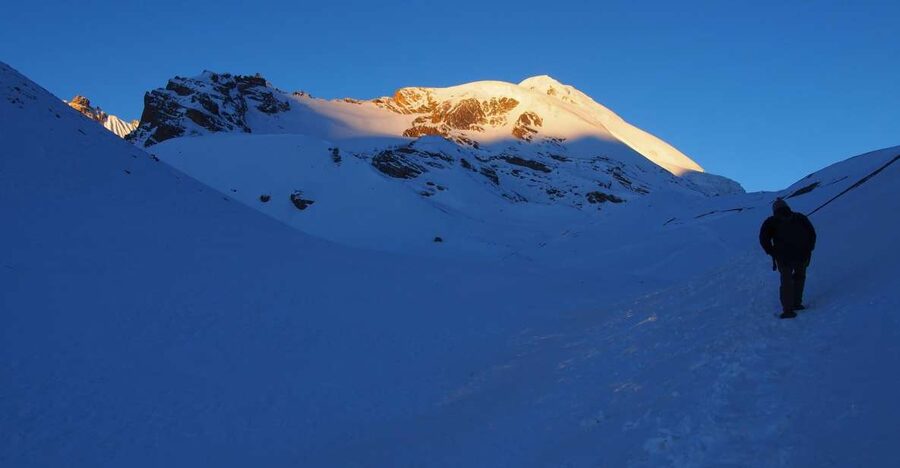
The Annapurna Circuit Trek is interesting because it forces you to earn the big views, step by step, from river valleys up to Thorong La Pass and back down toward the windier Kali Gandaki corridor. I like the fact that this plan includes a real acclimatization day in Manang, not just a token rest. One consideration: the pass day is high altitude and physically serious, so you will want a steady pace and patience, especially in cold air.
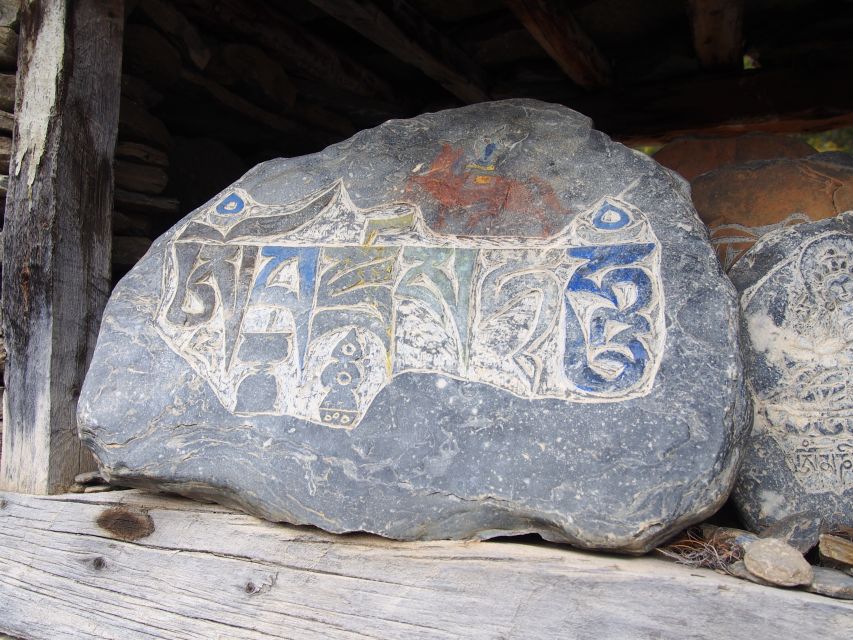
I also like the cultural mix. You pass through Manang’s Tibetan Buddhist feel, then you reach Muktinath, a spiritual stop where the air feels brisk and the mood turns quiet. It is not just mountains for the camera. It is mountains plus people.
Because this is a small group, capped at 12, your guide can manage pace and questions without feeling rushed. Still, expect tea house lodging that is basic, and you will be sharing rooms on a twin basis, which means you should travel light and keep your expectations practical.
Key highlights worth your attention
- Thorong La Pass at 5,416m: the day that defines the whole trek
- Manang culture + an acclimatization day: better pacing for higher altitudes
- Muktinath and the windy Kali Gandaki Valley: spiritual stops plus big-weather vibes
- Tatopani natural hot springs: a welcome temperature reset after colder days
- Poon Hill sunrise at 3,210m: the classic finish with strong payoff
From Jagat to Jomsom: a circuit that keeps changing
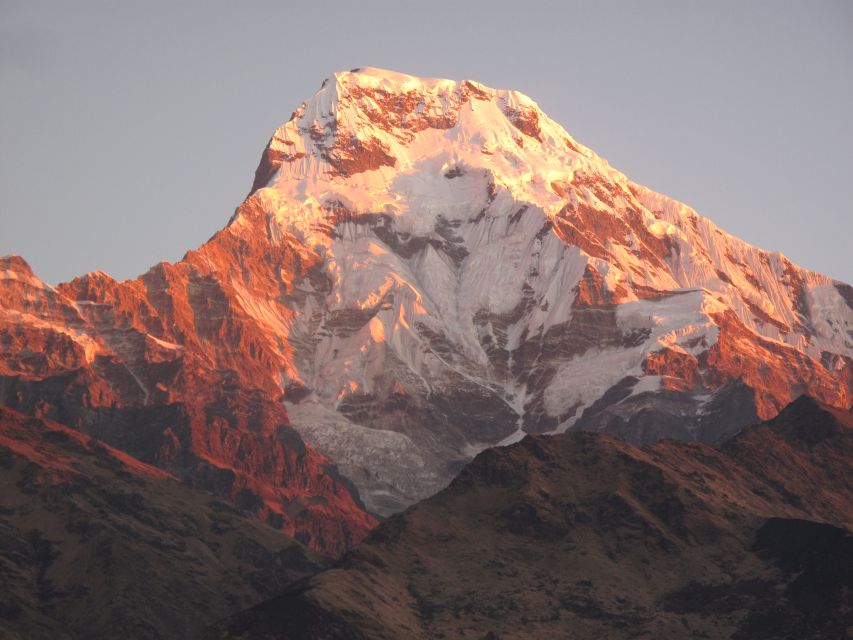
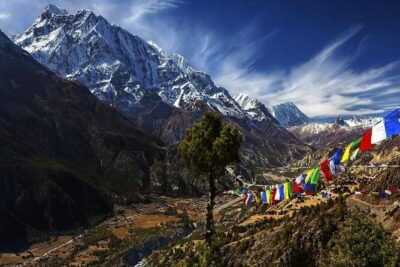
The Annapurna Circuit Trek is popular for a reason. The trail keeps changing altitude and character, so you do not get stuck in one kind of scenery. One stretch might feel like green forest and river life, then the next day leans toward dry, open terrain. That rhythm is part of what makes the trek feel like a true circuit, not just a long hike in a single valley.
You start with drive time from Kathmandu, then ease into trekking in the Marshyangdi river area. After that, the route rises in stages through Chame and Pisang, and you eventually reach the high-adaptation zones around Manang and Yak Kharka. The pass crossing is the headline, but the full experience is the build-up and the way the descent reshapes what you think you know about the Annapurna region.
The big practical win here is structure. This 13-day plan has clear hiking days plus a dedicated acclimatization day, and that matters when you are going high enough to feel it.
More of the Annapurna Circuit:
- Kathmandu: 9-Day Annapurna Circuit Trek via Thorong La Pass
★ 5.0 · 7 reviews - Kathmandu/Pokhara: Annapurna Circuit Trek 10 days
★ 5.0 · 6 reviews - Annapurna Circuit Trek With Tilicho Lake :Best Trek in Nepal
★ 5.0 · 4 reviews
First taste of the mountains: Kathmandu to Jagat and Dharapani
Your trip starts in Kathmandu, with pickup from the international airport on your arrival day. From there, you travel to Jagat via Besisahar, a long but normal Nepal start where you settle in for the road and get into the trek mindset.
Once you begin hiking, Jagat to Dharapani takes you through a calmer, more river-like world. You are around 1,100m at the start, then you climb toward Dharapani at about 1,960m. Expect a half-day to full-day rhythm of steady walking, with tea houses along the way that keep you moving without needing to plan too much beyond your next water break.
This early section is also where you learn your own pacing. If you start too fast, you will feel it later. If you keep it steady, you will arrive feeling ready for the next climb rather than drained.
Chame and Pisang: forest, waterfalls, and classic village trekking
From Dharapani onward, you keep climbing, and the character shifts. The trek heads toward Chame at about 2,710m, a route that takes roughly 5 to 6 hours depending on your pace. You tend to get more visible mountain presence as you go, with green patches, water features, and village life in the valleys you pass through.
Then comes Pisang, around 3,300m. This stage typically runs about 5 to 6 hours as well. Pisang is one of those places where you can feel the Annapurna Circuit tightening, meaning the air gets sharper and the trail starts to feel more “mountain” and less “lowland.”
Even if you are not a history nerd, you will appreciate how these towns work as stepping stones. Tea houses here can feel basic, but they also keep the routine simple: you hike, eat, sleep, and repeat. That routine is a big part of trek comfort later on.
Manang: Tibetan Buddhist atmosphere and the big acclimatization day
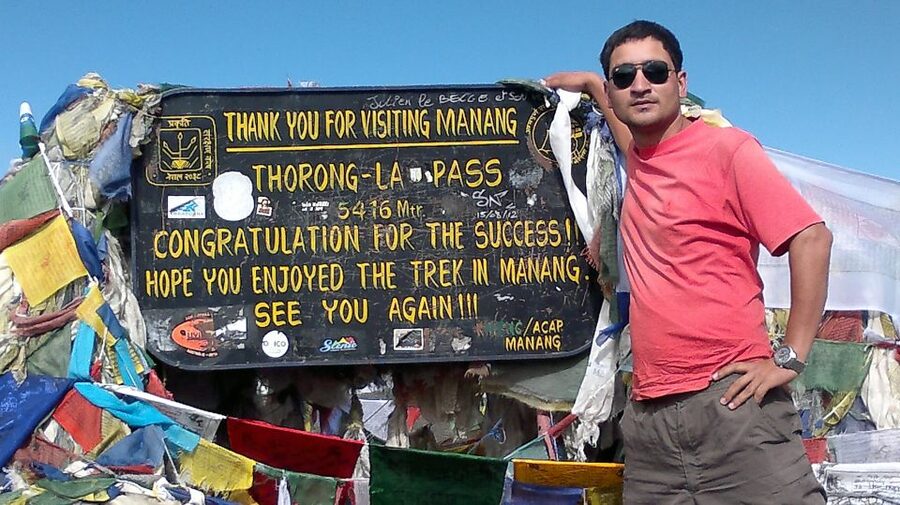
Manang sits around 3,540m, and the hike in usually takes about 6 to 7 hours from Pisang. Reaching Manang is a noticeable moment. This is where you start feeling the altitude more directly, and you also start noticing the cultural shift tied to Tibetan Buddhist traditions in the area.
What I really like in this plan is that you get an acclimatization day in Manang. You are not forced to keep climbing every single day. That matters because the days near higher camps can feel deceptively similar on paper, but your body reads altitude differently than your GPS does.
On an acclimatization day, the goal is not heroics. It is about getting a little movement in, hydrating, and letting your system adjust. If you take it seriously here, you will be grateful on the later climb toward Yak Kharka and Thorong Phedi.
In this segment, your guide can make a huge difference. The operator I see people trust here works with friendly, experienced guides, and in past trips, guides like Ganesh have been praised for attention to detail and patience. That style helps on the days when you need calm instructions more than big talk.
More to compare around Pokhara
- ZipFlyer Nepal – The World’s Steepest Zip-line
★ 5.0 · 608 reviews - Bungee Pokhara by HighGround Adventures
★ 5.0 · 366 reviews - From Pokhara: Sarangkot Sunrise Himalayas Tour
★ 4.7 · 218 reviews - Full-Day Tibetan Cultural Tour to Tibetan Settlements Pokhara
★ 5.0 · 184 reviews
To Yak Kharka and Thorong Phedi: building the pass day
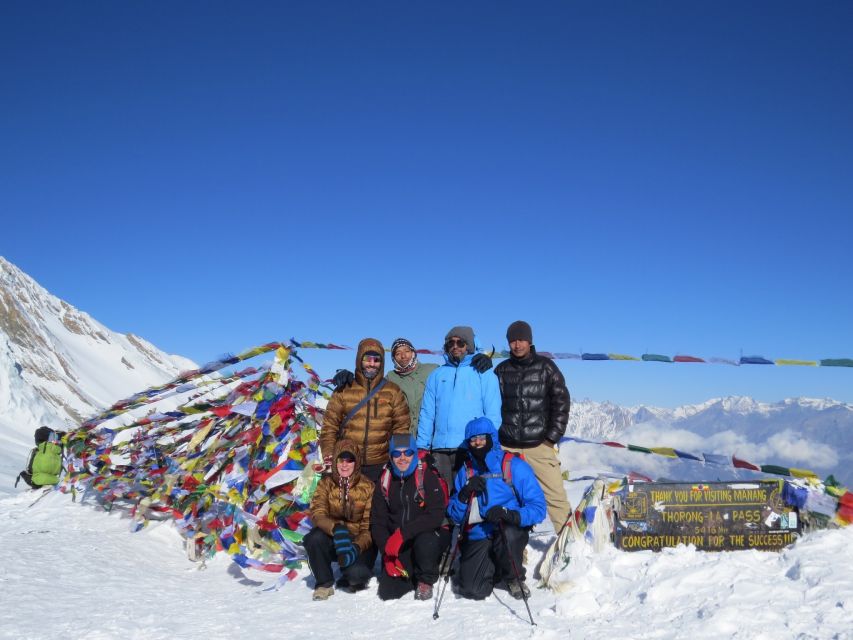
After Manang, the route rises to Yak Kharka at about 4,120m, typically a 4 to 5 hour trek. The air is thinner and the walking feels more deliberate. This is where you start noticing wind, cold mornings, and that “just one more step” feeling that gets tiring even when the trail is not super steep.
Next you head to Thorong Phedi at around 4,450m, again about 4 to 5 hours. Thorong Phedi is your waiting room for the pass crossing. This is the place where your preparation pays off: layering matters, water matters, and sleep matters.
Also, this is not the moment to gamble with energy. Keep your breathing controlled, eat simple meals you can handle, and focus on finishing the day rather than banking speed. The plan here keeps the day lengths realistic, which helps you stay sharp for the high point ahead.
The Thorong La crossing at 5,416m: the day you will remember
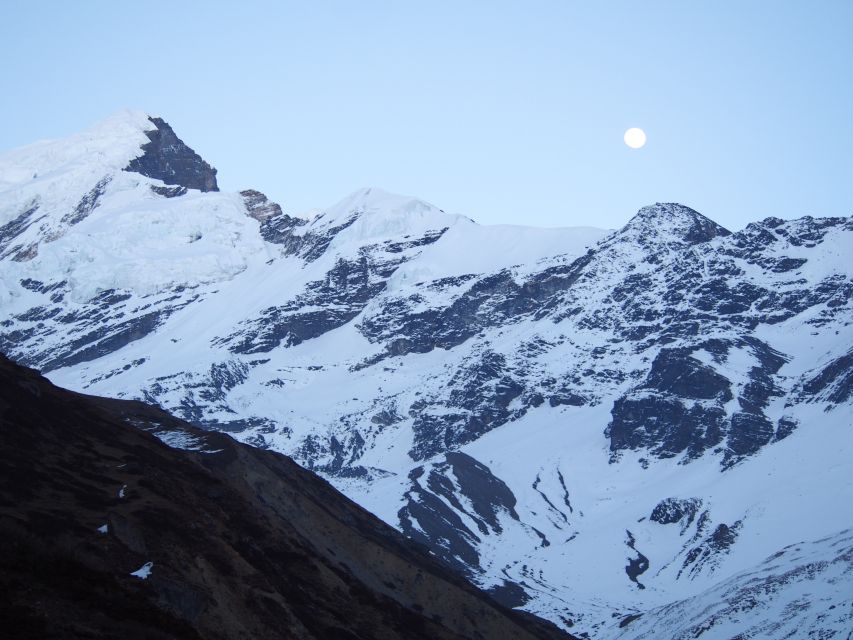
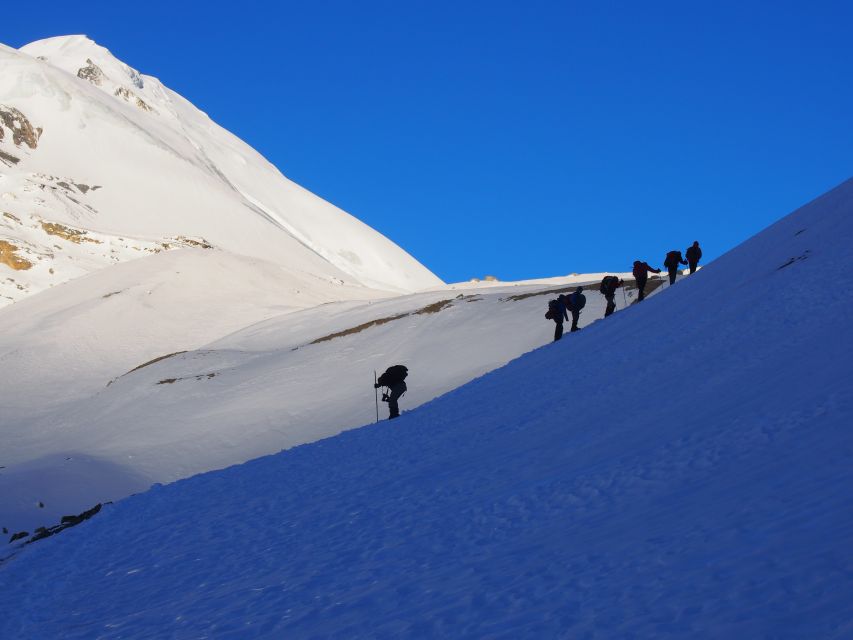
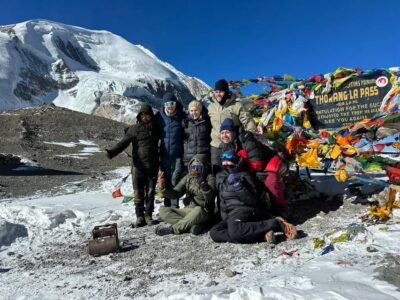
The headline is crossing Thorong La Pass, at 5,416m. The big thing to understand is that a “pass crossing” day is not just a walk. It is an altitude test plus a weather test plus a mental game.
Your route reaches Muktinath by descending after the pass. The crossing itself can take you about 7 to 8 hours total for the day, depending on conditions and your pace, since you are going up high and then working your way down to around 3,802m at Muktinath.
What I like about this approach is the contrast. You start cold and high, and you end in a more spiritual, settled-feeling place. Muktinath is a spiritual center, and the mood tends to soften when you arrive. You also get windier vibes as you move through the Kali Gandaki corridor, so the day can feel sharp even when you are finally descending.
Tip if you have options for your guide: ask for Rabin if you can. In one booking experience, that guide was specifically recommended for a wonderful trek. On pass day, the right guidance is often about pacing, not just route knowledge.
Kali Gandaki winds, Jomsom, and Tatopani hot springs
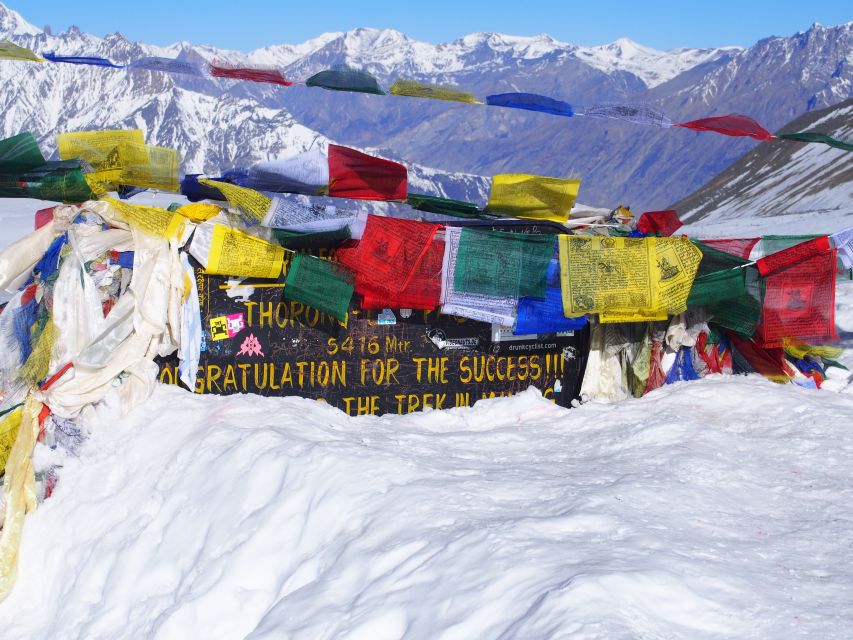
After Muktinath, you head toward Jomsom, about 2,743m. This is typically a 5 to 6 hour trek. The Kali Gandaki Valley is known for wind, and that shows up in how exposed sections feel. You may notice the terrain opening up, and the air can be drier. This is also the region where the trek can connect you with Lower Mustang style scenery, including places like Kagbeni.
Then you shift from trekking to a drive segment. You travel from Jomsom to Tatopani, around 1,290m, for about 4 to 5 hours. Tatopani is famous for natural hot springs, and that is exactly what you want after cold altitudes. It is a practical recovery tool, not just a scenic stop.
For many hikers, the Tatopani day is where you reset. You eat comfortably, you warm up, and you prepare for the final climb back upward toward Ghorepani and Poon Hill.
Ghorepani and Poon Hill: the classic finish at 3,210m
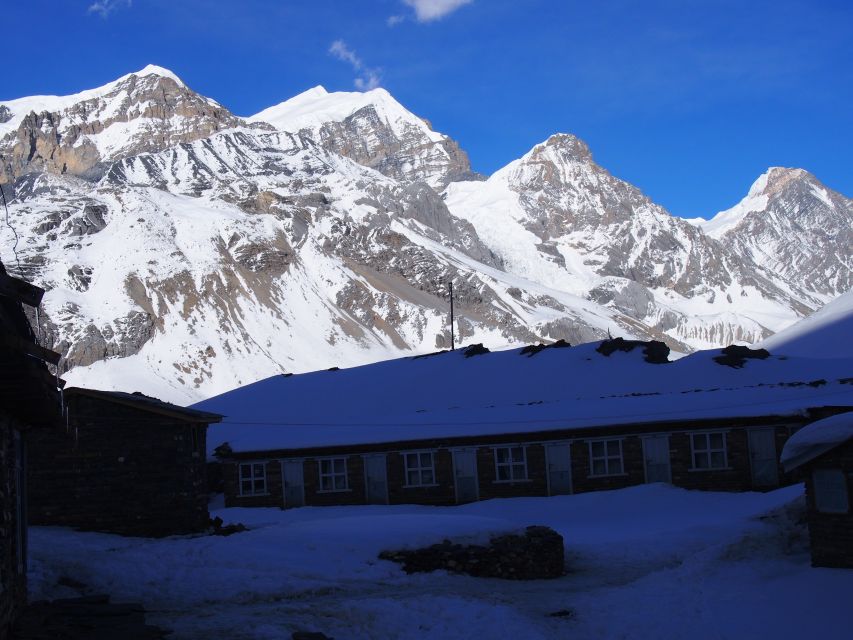
The trek heads from Tatopani to Ghorepani at about 2,750m, usually 7 to 8 hours. Along the way, you go via Sikha on the route toward Ghorepani, and the trail sets you up for the final viewpoint day.
Then comes the early morning hike to Poon Hill at about 3,210m. If you have never done a high viewpoint morning, here is the real point: you get up early so you can see clearly when the light is right. You then hike down to Nayapul at about 2,070m and take a taxi to Pokhara.
This finish is satisfying because it is active and rewarding without being another pass-level ordeal. Even if you are tired, you can often manage the Poon Hill climb because the goal is specific and the payoff is immediate.
Price and what you actually get for $970
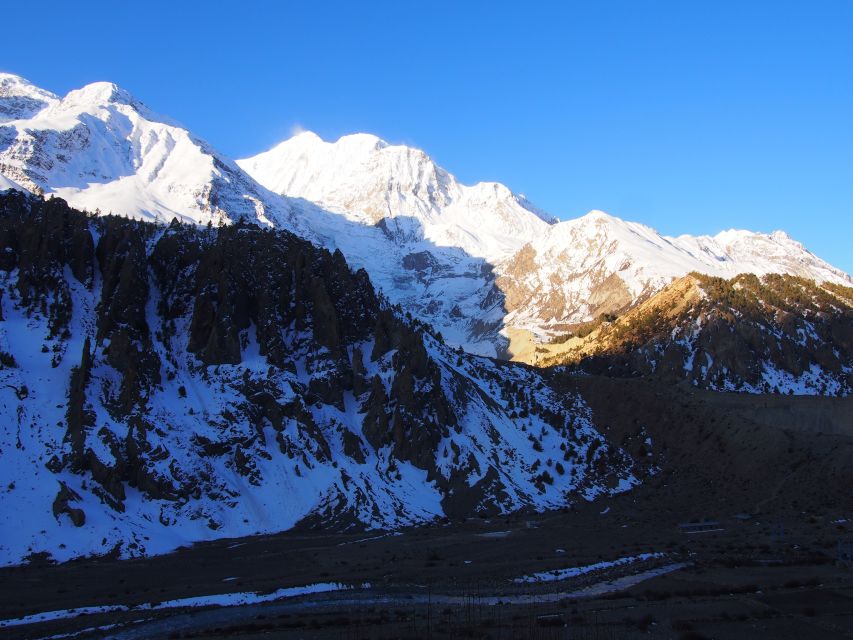
At about $970 per person for 13 days, the price makes sense if you compare it to what is covered. This is not just guiding. It includes a lot of the cost that usually eats trek budgets.
What is included:
- Pickup from Kathmandu international airport and transport segments around the route
- A government-licensed, experienced, friendly guide (with meals, accommodation, salary, equipment, and insurance handled)
- All necessary permits for the Annapurna Circuit trek
- 12 nights in basic tea house accommodation, twin sharing
- Meals three times a day during the trek
- One night hotel accommodation with breakfast in Pokhara
- Use of sleeping bag, down jacket, and a duffel bag if you need them, with return after the trip
- A first aid kit with normal medical supplies plus an oximeter
- An ACT trek map
- Free luggage storage at the operator’s store if needed
What is not included:
- Nepal entry visa and international airfare
- Hotel in Kathmandu (on your own)
- City meals
- Porter if needed, extra cost of $250
- Personal expenses and all soft and hard drinks
- Private transports
My way of looking at value: you pay for logistics and safety support, so you do not need to juggle permits, guide sourcing, and meal planning yourself. If you would otherwise pay for a guide plus permits plus most transport, the included package keeps your mind calmer.
Your guide, gear support, and small-group pacing
This trek runs as a small group limited to 12 participants. That size is big enough to feel social, but small enough that you are not lost in the crowd. In the mountains, that usually means you get more consistent pacing and fewer delays when someone needs help.
Guides here can speak English, Nepali, and Hindi, and that matters for practical questions like altitude discomfort, route timing, and what to eat when your appetite feels weird.
Gear support is also useful. You can use a sleeping bag and down jacket if you need them, plus a duffel bag. You still need to bring your personal layers, but it reduces the big-ticket hassle of renting or buying cold-weather gear in a hurry.
For safety, you get a first aid box with an oximeter. That does not replace common sense, but it adds another layer of monitoring when altitude affects people differently.
Who this trek is best for
You should seriously consider this trek if you want the classic Annapurna Circuit highlights with a structured pace. It suits hikers who can handle long days in stages, including a serious high pass at 5,416m, and who prefer tea house basics over carrying everything on your back.
It also works well for solo travelers who want company without losing freedom. The guide approach can feel personal when the group is small, and pairing with a guide like Ganesh can make the experience smoother because you get someone who listens and adapts.
If you hate early mornings, note that Poon Hill sunrise requires a very early start. If you dislike shared rooms, remember twin sharing is part of the tea house accommodation.
Should you book this Annapurna Circuit trek?
If your priorities are a smooth, guided plan with key Annapurna Circuit moments, this is a strong choice. The route is built around acclimatization, the pass crossing is scheduled with time to breathe, and the package covers most of the operational stuff that usually turns trek planning into a second job.
Book it if:
- You want Thorong La and the Muktinath and Kali Gandaki experience with guided support
- You like the idea of tea houses with simple meals and a consistent routine
- You are okay with twin rooms and basic lodging
Think twice if:
- You know you will struggle with altitude and long hiking hours on pass day
- You want full hotel comfort and private rooms every night
If you do book, do one practical thing: pace yourself like the slowest person is the winner. It is the easiest way to make Thorong La feel like a challenge you can manage, not a panic you have to survive.
FAQ
Where does this trek start and how do I get there?
You start with pickup from Kathmandu international airport. You drive from Kathmandu to Jagat via Besisahar before beginning trekking.
How long is the Annapurna Circuit Trek?
The trek duration is 13 days.
What is the price per person?
The price is $970 per person.
What is the best time of year to go?
Spring and autumn are listed as the best seasons for this trek.
How big is the group?
This is a small group with a limit of 12 participants.
What kind of guide support is included?
A government-licensed, experienced, friendly guide is included, and the guide can work in English, Nepali, and Hindi.
What accommodation and meals are included?
You get 12 nights in basic tea house accommodation with twin sharing during the trek, plus 1 night in a hotel in Pokhara with breakfast. Meals during the trek include breakfast, lunch, and dinner.
What about permits and maps?
All necessary permits for the Annapurna circuit trek are included, and you also receive an ACT trek map.
Do I need to bring trekking gear like a sleeping bag or down jacket?
Use of a sleeping bag, down jacket, and a duffel bag is provided if you need it, and the items are returned after the trip.
What is not included in the $970 price?
Not included are Nepal entry visa and international airfare, hotel in Kathmandu, meals in city, porter if needed for an extra $250, personal expenses, soft and hard drinks, and private transport.
Latest Pokhara write-ups
- Mardi Himal Trek -5 Day Short Trek From Pokhara★ 5.0 · 8 reviews
- Tandem Paragliding in Pokhara★ 4.8 · 8 reviews
- Pokhara: Peace Pagoda Sunset, Annapurna Mountain Views Tour★ 2.9 · 5 reviews
- Short & Scenic: 2-Day Private POON HILL Trek from Pokhara★ 5.0 · 8 reviews
- Seti George and Thrilling Suspension Bridge Tour at Pokhara★ 4.5 · 3 reviews
- Sarangkot Sunrise over the Himalayas★ 4.8 · 83 reviews
- Pokhara: Sarangkot Sunrise and Private Full Day Tour★ 4.8 · 24 reviews
- From Kathmandu/Pokhara: Private 3-Day Chitwan Safari Tour★ 4.7 · 34 reviews
Annapurna Circuit Trek, compared.
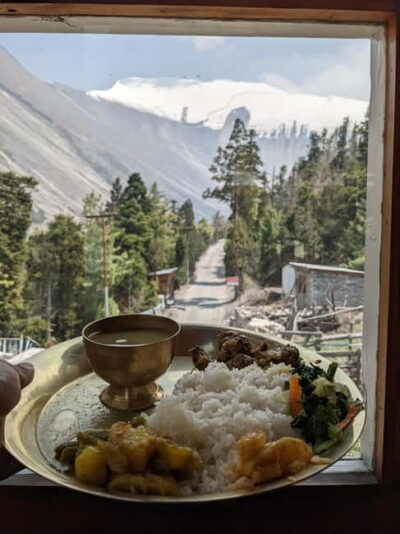
10-Day Annapurna Circuit Trek via Thorong La Pass
Read our review →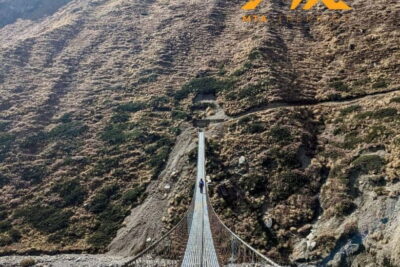
8-Day Annapurna Circuit Trek via Thorong La Pass
Read our review →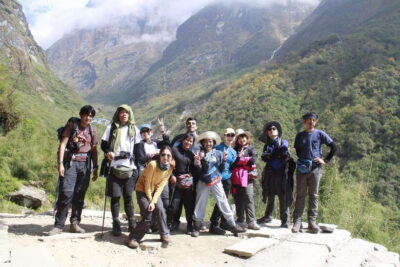
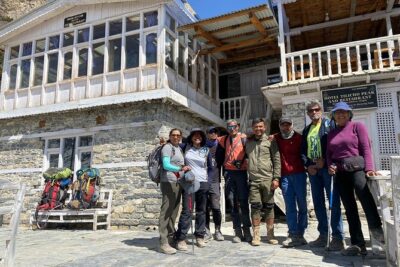
Annapurna Circuit Trek With Tilicho Lake :Best Trek in Nepal
Read our review →Browse the lists this tour appears in