Reviewed · MORNING
Annapurna Sunrise Trek
This short trek is interesting because it mixes a proper Himalayan sunrise moment with a trail that stays friendly for first-timers. You start with city days in Kathmandu, move to Pokhara, then hike into the Annapurna foothills for those wide mountain views around Ghorepani and Poon Hill.
What I like most is the mix of mountain drama and practical planning. You get airport pickup and drop plus transport between Kathmandu, Pokhara, and the trail start, which keeps your energy for hiking. I also like that the package handles the paperwork for you with the ACAP Permit and TIMS card included.
One consideration: this is an early-start trek. You’ll meet at 5:15 am, and on trek day you’re up before dawn for the sunrise viewpoint. If you hate waking early, this trek will test your mood for a few days.
Key highlights worth your attention
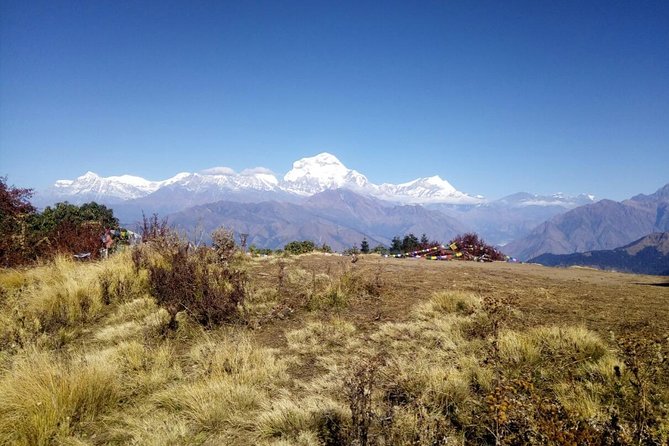
- Poon Hill at 3,210 m for sunrise views over Annapurna, Dhaulagiri, Machhapuchhre, and more
- Guides and porters included, with insurance for guide and porters
- Rhododendron forests and riverside walking on a route known for big views in a short time
- Ghandruk culture time with Gurung houses, museums, and monasteries
- Pokhara hotel on a B and B plan, plus leisure time with Phewa Lake
- Private tour feel, only your group participates
A short trek that pays off with big sunrise views
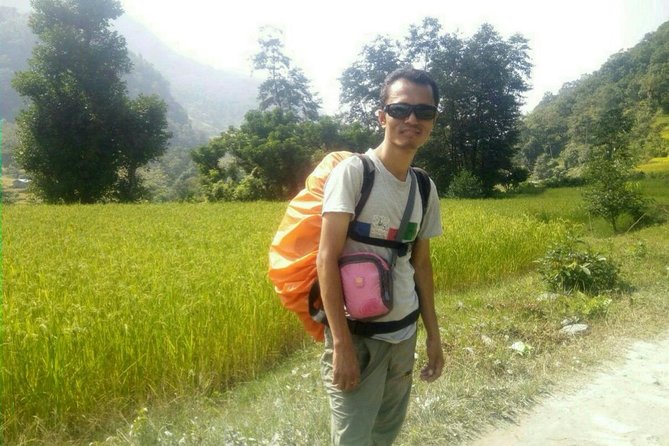
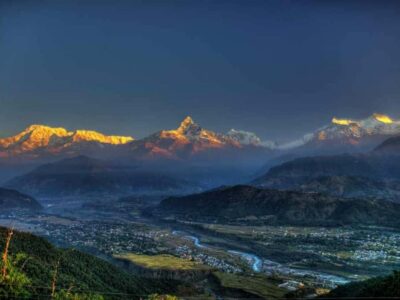
The Annapurna Sunrise Trek, also called the Ghorepani Poon Hill Trek, is built for people who want a real taste of the Himalayas without committing to a long multi-week trek. The core payoff is the early hike to Poon Hill, where you can see sunrise spill across major peaks in the Annapurna region.
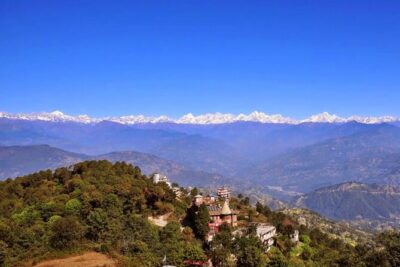
On your sunrise morning, you’ll hike to Poon Hill (3,210 m) before dawn. Then you’re there for the moment the light hits: views listed include Dhaulagiri, Annapurna I, Annapurna South, Machhapuchhre (Fishtail), Himchuli, and several neighboring peaks. Even better, you’re not rushing on a summit all day. After the sunrise, you head back down to continue your trek to the next village stop.
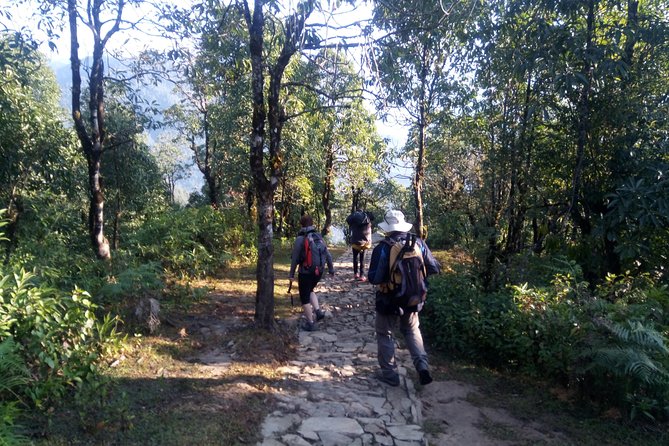
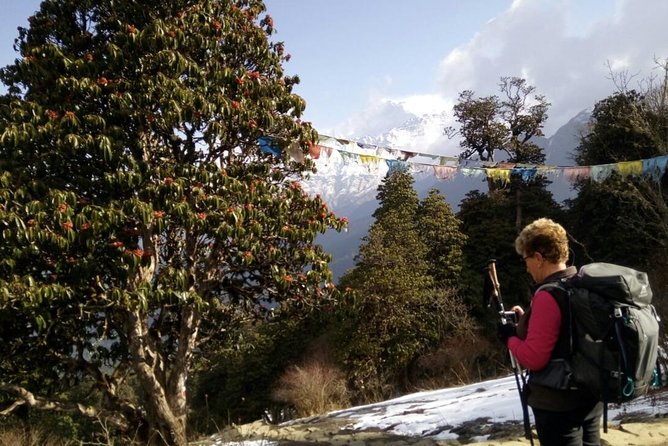
The trail also gives you variety. You’re walking through lush rhododendron forest, plus greener hills and long viewpoints that feel like you’re moving along the edge of the mountain wall. That blend matters because it makes the trek feel less like a single long climb and more like a sequence of scenic moments.
More to compare around Kathmandu
- Everest Base Camp Trek – 14 Days
★ 5.0 · 1,499 reviews - Everest Base Camp Trek
★ 5.0 · 842 reviews - Private Kathmandu Sightseeing Tour | UNESCO World Heritage sites
★ 5.0 · 756 reviews
How the 7 days actually feel, from Kathmandu to Pokhara to the trail
This trek is structured so you don’t throw yourself into altitude right away. You get transportation days first, then you gradually build into the higher points around Ghorepani and Poon Hill.
Day 1: Kathmandu arrival, hotel transfer, and an easy culture warm-up
After you arrive in Kathmandu (TIA or another agreed location), you get a private-vehicle pickup to your hotel. After you settle in, the plan includes a stroll to Swayambhunath Chaitya near Thamel and a quick tour briefing. If you’re the type who needs a little context before you leave the city, this is a good move. It also gets you walking on day one, without turning it into a workout.
Day 2: Kathmandu to Pokhara by tourist bus, then Phewa Lake time
Next you travel to Pokhara by tourist bus, about 7 hours of drive. During the ride you’ll pass terraced fields, dense forest, rocky gorges, and different ethnic groups, so it doesn’t feel like one long stretch of boring highway.
When you arrive, you refresh at the hotel, then enjoy leisure time with boating on Phewa Lake. The plan notes possible reflections of Machhapuchhre and the Annapurna range on clear water. Whether you get that exact reflection or not, having an unhurried break here helps you enjoy the trekking days instead of arriving exhausted.
A different sort of day out of Kathmandu:
- Kathmandu: 7 UNESCO Sites with Lunch
★ 4.8 · 744 reviews - Everest Base Camp Helicopter Tour landing at Everest View Hotel
★ 5.0 · 668 reviews - Half day cooking class in Thamel kathmandu
★ 5.0 · 607 reviews - Everest Base Camp Trekking
★ 5.0 · 485 reviews
Day 3: Nayapul to Ulleri, a proper start to the walking
You drive from Pokhara to Nayapul (about 1.5 hours, 42 km) at roughly 1,060 m. Then trekking begins. The walking includes time through forest and rivers, and you’ll cross a suspension bridge over Tikhedhunga Khola before arriving at Ulleri at 1,960 m.
This is a day where you’ll likely feel the “work” of the trek, since it’s both a trek hike and you’re building altitude. But the upside is you get into the rhythm right away. The day is described as about 6 hours total journey, so it’s not a monster day, just a serious warm-up.
Day 4: Ulleri to Ghorepani, steepening with major peak views
Day four is one of the signature segments because the route steadily rises. You ascend a lot today, with views like Machhapuchhre and surrounding green hills.
You’ll pass Banthanti, cross two rivulets, then ascend for a final push before lunch at Nangethanti. After lunch, it’s another 1.5 hours to reach Ghorepani Village at 2,800 m. The plan calls out big sightlines from this area, including Dhaulagiri, Annapurna I, Annapurna South, Tarke Kang, Nilgiri, and Hiuchuli.
If you want a trek where the views start showing up early and keep building, this is the day. It’s also the kind of trek day where your pacing matters more than speed. Keep it calm and steady.
Day 5: Poon Hill sunrise, then down to Tadapani
This is the morning you came for. You wake early, hike to Poon Hill at 3,210 m, and watch the sunrise. After you take in the views, you hike down, return to Ghorepani for breakfast, then keep walking toward Tadapani for the night.
The described total time is about 6.5 hours, and the combination matters. You get the emotional high of sunrise, then you transition into a longer descent and continued trekking. For many people, that’s the hard part, not the sunrise itself. Your legs will feel the downhills, so bring footwear you trust.
Day 6: Tadapani to Ghandruk, then Nayapul and back to Pokhara
This day pairs scenery with culture. You trek from Tadapani toward Ghandruk through trails that include forest and along the way you may see monkeys, plus rivers and waterfalls. You’ll have breakfast at Bhaisi Kharka, then arrive at Ghandruk, described as a place with Gurung houses, terrace views, and cultural sites like Gurung museums and monasteries.
Then you trek down to Nayapul, have your last meal for the trek day, and spend the night in Nayapul. After that, you drive back to Pokhara, with a 1.5-hour drive mentioned and a total day time of about 5.5 hours trek plus driving.
I like this structure because it gives you one full day where you’re not only chasing views. You also slow down for a village experience, then recover with the drive back to Pokhara.
Day 7: Return to Kathmandu and a farewell dinner
You travel from Pokhara back to Kathmandu by tourist bus, about 7 hours. The plan also suggests using your afternoon for UNESCO sites like Pashupatinath Temple and Durbar Square, then ending with a farewell dinner at a Nepali restaurant.
This is a nice way to close a trek. You don’t just go straight to the airport. You have a final evening that makes it feel like an actual trip, not just a logistics chain.
What is included, and why that matters for value
At $769.24 per person for this private 7-day trek, the value comes from the set of things that usually add up quickly when you plan on your own: transport, guide support, porter support, permits, and meals during the trek.
Here’s what you can count on as included:
- Airport pickup and drop in a private vehicle
- Pokhara hotel accommodation in B and B basis
- All transportation as per the itinerary (including bus rides and driving segments)
- A professional guide
- Insurance for guide and porters
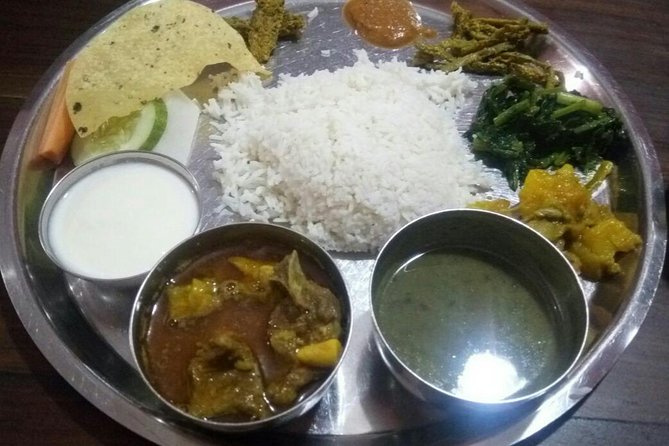
- Three meals a day during the trek (breakfast, lunch, dinner)
- Necessary documents: ACAP Permit and TIMS card
- Porter support so you can hike with less weight, described as: one porter for every 2 trekkers (plus an experienced porter role)
For value, I care about the hidden time costs. Getting the permits handled, having transport lined up, and having a guide who can keep the hike moving and explain what you’re seeing means you spend your mental energy on the trail instead of admin.
The guide and porter setup, and how to get the best experience
This trek is set up as a private tour, so only your group participates. That usually helps with flexibility and makes it easier for the guide to match your pace.
A big plus from prior experiences with this company is professional guidance and good communication during planning. One guide named Bijay is specifically noted as helpful in the prep stage, especially around figuring out what you wanted to do and how you wanted to split time. That kind of back-and-forth matters because Poon Hill sunrise is not a casual start. You want your whole group ready and on time.
For porters, the plan is straightforward: you have designated porter support (not just a suggestion). If you’re carrying camera gear, a rain layer, or a small day pack, you’ll still want a lightweight system, but the porter arrangement should reduce the strain of heavier items.
The logistics you should plan for, including what costs extra
A short trek still has extra expenses. The good news is the major trek costs are included, but there are clear gaps.
Not included are:
- Nepal visa
- International flights to and from Kathmandu
- Food and accommodation on Kathmandu (day 1 and day 7, plus any time beyond the trek schedule)
- Travel and rescue insurance of clients (only guide and porter insurance is included)
- Personal expenses like hot shower, battery charge, bar bills, cold drinks, laundry
- Extra night accommodation in Pokhara unless it’s part of the itinerary
- Tips for guide and porter
Here’s how I’d plan your budget mindset. Assume the included meals cover trek food, but you’ll still pay for personal comforts like charging or showers where available. If you use a lot of electronics, pack a power plan for yourself too, since battery charging is called out as a personal expense.
Who this trek is best for, and who should reconsider
This is described as an easy adventure trip and suitable for adventurers who don’t have much trekking experience. The itinerary also fits moderate fitness levels. Days are timed in a way that feels manageable, with a gradual build toward Ghorepani at 2,800 m and Poon Hill at 3,210 m.
This trek may not be your best fit if:
- You hate very early mornings and pre-dawn hikes.
- You want a completely low-impact day after sunrise, because day five includes a long continuation after Poon Hill.
If you want a classic Annapurna intro trek with the iconic sunrise payoff, plus a village culture stop at Ghandruk, this is a strong match.
Should you book the Annapurna Sunrise Trek with Himalayan Holyland Treks?
If you like structured logistics with room to breathe, I’d book this. You get the core ingredients: guide support, porter support, permits handled, meals during the trek, and transport that links Kathmandu to Pokhara and back without you wrestling with schedules.
I’d say go for it if you want a first Himalayan trek where the views are scheduled and the itinerary makes sense for time and energy. The biggest trade-off is early mornings, but sunrise at Poon Hill is the whole point, and the timing is built in.
If you’re unsure, ask yourself one question: are you excited about waking up early for a sunrise hike and then walking on through the day? If the answer is yes, this trek is built for you.
FAQ
What time does the tour start?
The meeting point start time is 5:15 am.
Where does the trek start, and how do I get there?
You start in Kathmandu. The plan includes transfer from your arrival point in Kathmandu, then travel to Pokhara by tourist bus, and later driving to Nayapul to begin trekking.
Is pickup included from the airport?
Yes. Airport pickup and drop are included in a private vehicle.
Are permits included?
Yes. The package includes the ACAP Permit and TIMS card.
What meals are included during the trek?
You get three meals a day during the trek, listed as breakfast, lunch, and dinner.
What is included for lodging?
You have hotel accommodation in Pokhara on a bed and breakfast basis. The itinerary also mentions overnight stays in places like Ulleri and Ghorepani during the trek.
What is not included in the price?
Not included are the Nepal visa, international flights, food and accommodation in Kathmandu, travel and rescue insurance for clients, personal expenses like hot shower and battery charging, extra Pokhara nights outside the itinerary, and tips for the guide and porter.
Is there free cancellation?
Yes. You can cancel for a full refund up to 24 hours in advance of the experience start time.
Latest Kathmandu write-ups
- Langtang Valley Trek★ 5.0 · 3 reviews
- Khopra Danda Trek★ 5.0 · 3 reviews
- Langtang Valley Trek from Kathmandu★ 5.0 · 3 reviews
- 5 night / 6 days Kathmandu Nagarkot Chitwan Pokhara tour★ 5.0 · 3 reviews
- Nepal Highlights Tour: 5 Nights 6 Days Kathmandu & Pokhara Tour★ 5.0 · 3 reviews
- Kathmandu Valley Private Day Tour★ 5.0 · 3 reviews
- Conquer the Himalayas: The Ultimate 16-Day Annapurna Circuit Trek★ 3.5 · 3 reviews
- Kathmandu Heritage Day Tour★ 5.0 · 3 reviews
Morning, compared.
Nagarkot Sunrise & Hike to Changu Narayan Day Tour from Kathmandu
Read our review →