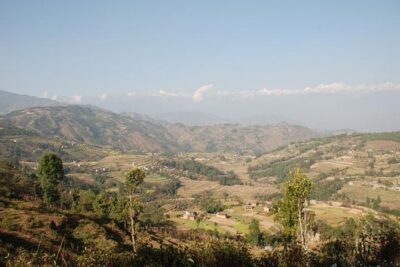
This is an interesting Nepal trip because it stitches together big-hitting cultures and wildlife in one loop. You start in Kathmandu, shift to lakeside Pokhara for mountain views, then head to Chitwan National Park for Tharu culture and elephant time, before finishing with UNESCO squares in the Kathmandu Valley.
I especially like the hotel pickup and drop-off. It means you spend less time figuring out transport and more time enjoying each stop. I also like the human touch behind the plan, with guides highlighted by name in past trips, including Birodh, who’s known for explaining what you’re seeing and even helping with photos.
One consideration: the trip is full. You have long drive days and early starts for sunrise. If you hate being on the move, this may feel like a fast highlight reel rather than a slow wander.
Key things worth knowing before you go
- Family-friendly pace with daily structure that still leaves you some free time in Kathmandu
- Pickup included, so your first morning is simpler and your last day doesn’t feel rushed
- Chitwan wildlife and culture, including a Tharu village visit and a stick dance in the evening
- Pokhara sunrise from Sarangkot, paired with a hike on mostly level paths from Naudanda
- UNESCO Durbar Squares, with Patan Durbar Square and Bhaktapur Durbar Square as major anchors
- Group size stays capped at up to 30 travelers, which helps keep the experience organized
Kathmandu First Day: clear-air mountain views and quick orientation
Day 1 is all about getting your bearings in Kathmandu. Even before you step out, the approach matters. On a clear day, you can catch unforgettable mountain views from the flight, snow peaks hanging down like a backdrop to the whole country. That first wow moment sets the tone for the rest of the trip.
What you’ll likely do on arrival day is a light start rather than a marathon. The plan shows about an hour for Kathmandu on Day 1, with admission listed as free for that stop. Translation: you should expect orientation over deep museum time. It’s the kind of day that helps you learn how traffic, neighborhoods, and walking routes work.
Practical tip: if you’re sensitive to altitude, Kathmandu is still your base and you’ll acclimate as you go. If you’re arriving by air, hydrate and take it easy that first evening. Also, bring a light layer, because mornings and nights can feel cooler than you expect.
More to compare around Kathmandu
- Everest Base Camp Trek – 14 Days
★ 5.0 · 1,499 reviews - Everest Base Camp Trek
★ 5.0 · 842 reviews - Private Kathmandu Sightseeing Tour | UNESCO World Heritage sites
★ 5.0 · 756 reviews
Patan Durbar Square plus Swayambhunath Monkey Temple
Day 2 is where the valley gets real. Patan Durbar Square is one of three Durbar Squares in the Kathmandu Valley that are recognized as UNESCO World Heritage Sites, and it’s a strong choice because it’s compact enough to focus on carvings, courtyards, and the story you’re standing in. The plan gives about three hours here, with admission included.
Then you pivot to Swayambhunath, the Monkey Temple, a Tibetan Buddhist site described as the largest and holiest Tibetan Buddhist temple outside Tibet. The vibe is energetic, with monkeys around and stairs that make you earn every view. The time on the schedule is about an hour, with admission listed as free for the stop.
Why this pairing works: Patan gives you the built heritage and city texture. Swayambhunath gives you the religious landscape and the panoramic feeling of the valley. You’ll leave Day 2 with both the details and the bigger picture.
One drawback to plan for: you may deal with haze on some days, which can soften distant views. On a day you want maximum mountain visibility, prioritize morning light and keep expectations flexible.
The scenic drive into Pokhara, and why the ride matters
Day 3 takes you from Kathmandu to Pokhara by car. The drive is listed as about seven hours, and it’s not framed as a boring transfer. You go along the Trisuli and Marsyangdi River, and the plan specifically notes that it’s a pretty good drive because of the riverside scenery.
You’ll also carry a view payoff. The schedule mentions you can see Ganesh Himal and Manaslu peak along the way (visibility depends on weather). This is a good reminder that in Nepal, the travel time often doubles as part of the experience.
A key comfort detail: breakfast is included at your hotel before you set off. That matters on a long drive day because you avoid rushing meals or hunting for food mid-route. After you arrive, you’re done for the day except settling in.
What to do for your body: plan for a long seat time. Bring water, a neck pillow if you like them, and something to keep you occupied. If you’re the type who gets motion sick, take precautions early. The roads can be variable, and you’ll enjoy Pokhara more if you arrive feeling good.
Sarangkot sunrise plus Naudanda, the hike that keeps things doable
Day 4 is your big morning payoff, starting early with a drive to Sarangkot. The schedule highlights sunrise over the Himalaya and close-up looks of Annapurna, Fishtail, and others. Admission is included here, and the time is short on paper, about 30 minutes, which likely means you’re there for viewing rather than a full guided hike.
Then you switch to movement with Naudanda. The plan describes a hike of about three hours on mostly level paths, followed by a drive from Naudanda back to Pokhara. This is a great way to stretch your legs without doing a tough trekking day.
Why this is valuable for you: Sarangkot is the classic viewpoint moment. The Naudanda hike is the contrast, giving you a local-feeling walking route and the chance to see life away from the main tourist stops.
Watch-outs:
- Sunrise days can be cold. Bring a layer you can manage while walking.
- Even a mostly level hike adds up. Wear shoes with decent grip.
- The best views can still depend on haze and clouds, so go for the experience even if the mountains are playing hard to spot.
A different sort of day out of Kathmandu:
- Kathmandu: 7 UNESCO Sites with Lunch
★ 4.8 · 744 reviews - Everest Base Camp Helicopter Tour landing at Everest View Hotel
★ 5.0 · 668 reviews - Half day cooking class in Thamel kathmandu
★ 5.0 · 607 reviews - Everest Base Camp Trekking
★ 5.0 · 485 reviews
Phewa Lake boat time, Devi’s Fall, and the World Peace Stupa
Day 5 is a mix of water, a waterfall, and a viewpoint hike. You start with breakfast in Pokhara, then take a boat ride across Phewa Lake. After that, there’s a hike up to the World Peace Stupa, described as taking about an hour, with fantastic views of the lake and Himalayas.
Then you connect to Devi’s Fall. The plan lists admission as included for Devi’s Fall. Even if you don’t know the story, it’s one of those natural sights that feels different from the big mountain overlooks. You’re seeing a different Nepal mood.
What I like about this day: it balances easy sightseeing with one physical push. You get boat time to relax your brain after driving days, then you do an uphill hike for payoff views.
What you should plan for:
- If you’re heat-sensitive, go slow on the stupa hike. It’s only about an hour, but it can still feel warm once you’re climbing.
- Bring sun protection for the lake portion. Boat rides can reflect light hard.
- If the weather is unclear, still go. The stupa area tends to feel meaningful even when visibility is limited, because it’s about the setting, not just peak spotting.
Chitwan National Park: lodge check-in and Tharu village evening
Day 6 is your shift from mountain viewpoints to wildlife and culture. You drive to Chitwan National Park, with the transfer listed as about seven hours. After early breakfast, you check into a jungle lodge and head out for a wildlife and Tharu village tour in the evening.
This is where the tour earns its name. It’s not just a zoo-style day. The Tharu village component matters because it connects the park experience to the people living alongside it.
The schedule places admission as included for the Chitwan stop. You’ll likely spend enough time at the lodge to reset, then get a cultural evening that doesn’t feel like an add-on.
Practical note: after a long drive, you may be ready for an early night. I like that the day structure naturally keeps you from overscheduling yourself after arrival.
Chitwan Day 2: jungle walking, elephants bathing, and stick dance night
Day 7 is packed in a good way. The day includes jungle walking, watching elephants bathing, visiting an elephant breeding center, and then ending with a Tharu cultural stick dance during supper time. Admission is listed as free for this day’s Chitwan stop, so your costs for the core activities are already handled in the package setup.
This day tends to be the most emotionally memorable for many people, because elephants are not subtle. They’re active, they’re close when the setting allows, and you get to watch behavior rather than just see animals from a distance.
How to make it better for yourself:
- Bring insect protection and wear long enough clothing for comfort during jungle walking.
- Keep a small towel or wipes handy for after activities.
- Plan for early starts, because wildlife days work best before heat rises.
Also, the Tharu stick dance is a key cultural anchor. It’s exciting but it also gives you context for how performance sits within community life, not just entertainment for tourists.
Bird watching in the morning, then the drive back to Kathmandu
Day 8 turns the volume down for a bit, while still keeping it active. You start with a bird watching tour in the morning. Then you drive back to Kathmandu, with the travel time listed as about six hours.
That bird watching stop is a smart move because it breaks up the wildlife-heavy days with something calmer. It’s also a chance to notice that Nepal’s nature is not only big mammals. If you like quiet concentration, this kind of morning fits you.
When you arrive in Kathmandu, your evening is free. The plan lists admission as free and gives you a window to do what you want, whether that’s a casual dinner, shopping for small gifts, or simply walking around to absorb the city again.
One thought to keep in mind: birding can be weather-dependent. If it’s foggy or rainy, your guide can still help you focus on what’s visible, but sightings can vary.
Bhaktapur Durbar Square: a UNESCO day with craft and courtyard energy
Day 9 brings you to Bhaktapur Durbar Square, another UNESCO World Heritage Site and one of the most atmospheric valley stops for many people. The plan gives about a day tour time, and it frames the square as famous for its immense and tragic historical features, plus heritage. You’ll be on-site for a focused visit with admission included.
Bhaktapur is different from Patan in feel. It often feels more grounded and artisan-forward, with crafts and courtyards you can wander through at your own pace. Even if your feet start to grumble, it’s the kind of place where pausing feels natural.
I also like that this day is not paired with another long outdoor activity. You’re in and among the architecture and streets, which helps you recover from earlier drives and hikes.
Tip for your day: bring cash for small snacks and drinks, because those are not included in the package details. Then you can take breaks without hunting.
How the 10 days keep moving, and where you should pace yourself
The tour is designed as a highlights loop, and it’s built around included meals and a steady rhythm. Breakfast is included for seven days, lunch for three, and dinner for two, plus all taxes, fees, and handling charges. You also get a local guide, and the schedule includes hotel pickup and drop-off.
For value, that matters. At $990 per person, you’re not only paying for sights. You’re paying for logistics being handled: transfers, guided time, and enough meal support that you’re not constantly budgeting every stop.
Where pacing matters most is on the drive days. Kathmandu to Pokhara is about seven hours, Pokhara to Chitwan is another long push, and Chitwan back to Kathmandu is about six hours. The tour does give you shorter activity blocks in some spots, but the travel time is real.
If you want to enjoy the experience more:
- Pack for early mornings, especially for Sarangkot sunrise.
- Wear shoes that handle stairs and uneven ground.
- Keep a small day bag with water and a light layer.
- Stay flexible with weather. Haze can happen, and mountain clarity is not guaranteed.
Should you book Best of Nepal?
Book this tour if you want a single, organized Nepal highlights trip that mixes Kathmandu Valley heritage, Pokhara lake views, and Chitwan wildlife with cultural evenings. It’s also a good fit if you like group structure, with a maximum of 30 travelers, and if you value pickup and meals that reduce day-to-day decision fatigue.
Skip it, or at least think twice, if you want slow travel. This plan moves from place to place with long drives and early starts, and it’s best for people who don’t mind a packed itinerary.
If you do book, pick the guide name you care about if you can, because the experience can noticeably improve when your guide is the kind of person who explains what you see. Past trips highlight guides like Birodh for making history and details click, and that kind of storytelling is often what turns a checklist tour into something you remember.
FAQ
Where does the Best of Nepal tour take place?
The tour location is Kathmandu, Nepal, and it includes sightseeing across multiple destinations connected by overland drives.
How long is the tour?
The duration is 10 days (approximately).
What is the price per person?
The price is $990.00 per person.
What’s included in the tour price?
The package includes all taxes, fees and handling charges, a local guide, hotel/port pickup and drop-off, dinner (2), breakfast (7), and lunch (3).
Are meals included?
Yes. Breakfast is included for 7 days, lunch is included for 3 days, and dinner is included for 2 days.
Are hotel pickups offered?
Yes. Hotel pickup and drop-off are included.
Are admission tickets included?
Some major admissions are listed as included on specific stops, while others are marked as free in the day-by-day plan. Food and drinks are not included.
Is the tour family friendly?
Yes, it’s described as family friendly. Children must be accompanied by an adult.
How big is the group?
The tour has a maximum of 30 travelers.
What is the cancellation refund timeline?
You can cancel up to 6 days in advance for a full refund. For a 50% refund, cancel 2 to 6 days before the start time. If you cancel less than 2 days before, no refund is offered.
Latest Kathmandu write-ups
- Langtang Valley Trek★ 5.0 · 3 reviews
- Khopra Danda Trek★ 5.0 · 3 reviews
- Langtang Valley Trek from Kathmandu★ 5.0 · 3 reviews
- 5 night / 6 days Kathmandu Nagarkot Chitwan Pokhara tour★ 5.0 · 3 reviews
- Nepal Highlights Tour: 5 Nights 6 Days Kathmandu & Pokhara Tour★ 5.0 · 3 reviews
- Kathmandu Valley Private Day Tour★ 5.0 · 3 reviews
- Conquer the Himalayas: The Ultimate 16-Day Annapurna Circuit Trek★ 3.5 · 3 reviews
- Kathmandu Heritage Day Tour★ 5.0 · 3 reviews
Kathmandu Tours, compared.


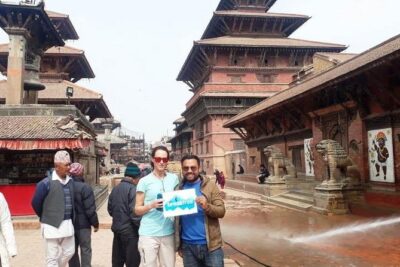
Private Kathmandu Sightseeing Tour | UNESCO World Heritage sites
Read our review →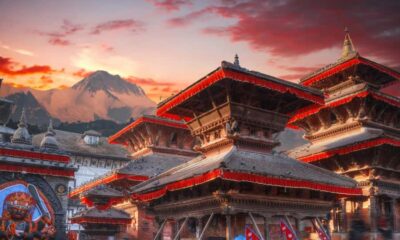

Everest Base Camp Helicopter Tour landing at Everest View Hotel
Read our review →