
Reviewed · GOSAIKUNDA TREK
Dive into Spirituality: 6 Days Trek to Gosaikunda Lake
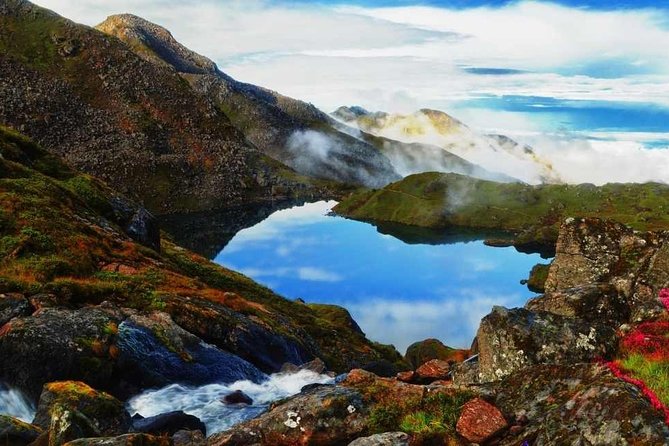
What makes this trek special is that the destination, Gosaikunda Lake, is spiritual first and scenic second. You walk into an area people visit for worship, then you look up and get serious Himalayan views.
I especially like two things. One, you have an English-speaking guide who can help you make sense of what you’re seeing. Two, the package keeps the basics covered, with local meals during the trek and teahouse accommodation on twin sharing.
One possible drawback is that it is a short 6-day trek with real uphill effort and an early start time of 5:45 am. You should also know that comfort extras like hot showers and drinks are not included, so plan for simple mountain living.
Key things I’d circle on your checklist
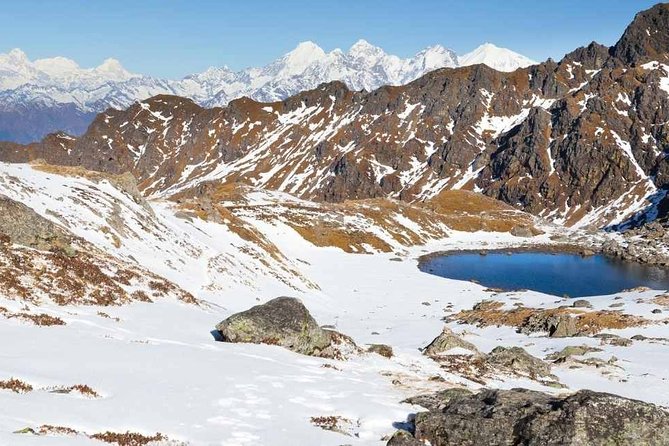
- Sacred lake visits with multiple kunda (ponds), including Surya Kunda, Saraswoti Kunda, and Bhairab kunda, plus worship at Gosaikunda
- A tight 6-day route that is practical if you have limited time, while still feeling like a real trek
- Diverse trek days: uphill to Chandanbari, early-morning push to the lake, then downhill on the way back
- Langtang region access with permits included, plus the chance to pass through habitat where red pandas and snow leopards are known to exist
- Support system built into the price: one English-speaking guide and a Sherpa porter (2 trekkers per porter)
- Private group format so your pace and logistics are controlled by just your group, not a big crowd
Why Gosaikunda feels spiritual the moment you arrive
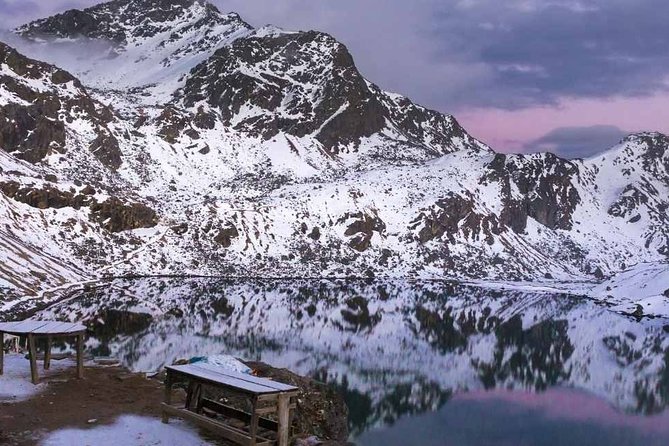
Gosaikunda is not just another dot on a trekking map. This is a holy lake with spiritual significance for both Hindus and Buddhists, and that matters because you can feel the intent behind the foot traffic. People aren’t rushing through for photos only. They come to honor the place, and that energy changes how the day feels.
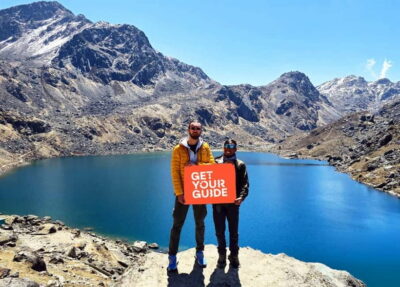
The best part is the mix. You get a calm, devotional setting around the lake, and then you look outward and see big mountain silhouettes that make everything feel more real. The day you reach Gosaikunda is built around that contrast: you start early, move through sacred stops like Surya Kunda and Saraswoti Kunda, and then you get time at the lake for worship.
If you like meaningful travel, not just exercise, this destination does a lot for you.
More of the Gosaikunda lakes:
- Langtang, Gosaikunda and Helambu Trek
★ 5.0 · 9 reviews - Langtang Gosainkunda Trek
★ 5.0 · 5 reviews - From Kathmandu: 5-Day Gosaikunda Lake Trek
★ 5.0 · 4 reviews
The 6-day rhythm, Kathmandu to Dhunche and back
This trek is designed as a “doable in a week” version of a Langtang adventure. It starts with road travel, then shifts quickly into hiking, with overnight stops that keep the schedule moving.
Day 1: Kathmandu to Dhunche, then settle in
You drive from Kathmandu to Dhunche, typically via Trisuli Bazar, and spend the night in Dhunche. For many people, this first day is about transitioning from city pace to mountain pace. There’s enough travel that you’ll feel like you’re on the way, but not so much hiking that you’re exhausted before the trek really begins.
Practical note: the trek includes Kathmandu to Dhunche to Kathmandu by public transport. Pickup is offered, but the meeting point is described as near public transportation. So plan to be ready for an early morning and a straightforward local transit setup.
Day 2: Dhunche area uphill to Chandanbari
Day two is the first big leg, a trek to Chandanbari that runs about 6 to 7 hours and is described as a “dissent uphill” hike, meaning you’ll be working uphill for a while. This is a key day because it sets your body’s rhythm for the rest of the week.
I like that the schedule doesn’t pretend this is effortless. You build from uphill effort early, then later you have the more meaningful lake day. Still, if you’re not used to uphill walking, take it slow. Your guide will set a pace, and you’ll do better by conserving energy than by trying to sprint the first tough climb.
More to compare around Kathmandu
- Everest Base Camp Trek – 14 Days
★ 5.0 · 1,499 reviews - Everest Base Camp Trek
★ 5.0 · 842 reviews - Private Kathmandu Sightseeing Tour | UNESCO World Heritage sites
★ 5.0 · 756 reviews - Kathmandu: 7 UNESCO Sites with Lunch
★ 4.8 · 744 reviews
Day 3: Early to Gosaikunda, sacred kunda circuit and Langtang views
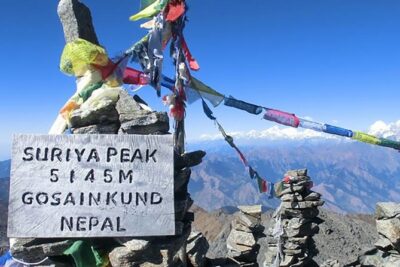
This is the “main day.” You leave early and trek to Gosaikunda Lake. The plan includes visiting several sacred spots along the way or around the lake area, such as:
- Surya Kunda
- Saraswoti Kunda
- Bhairab kunda
- plus time for worship at Gosaikunda
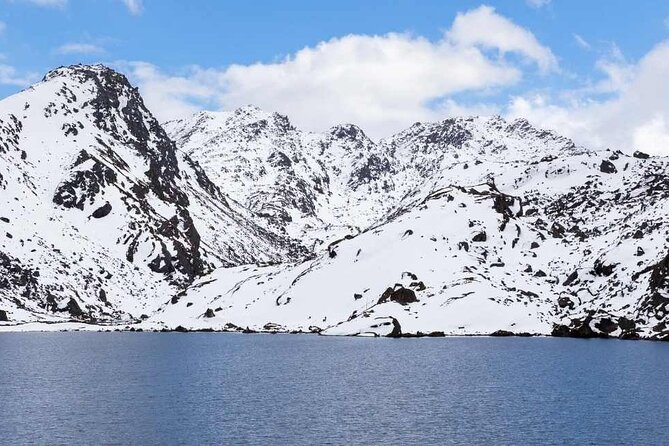
You’re also looking outward at Himalayan views tied to the Langtang region, including Langtang Himal and Ganesh Himal. The emotional goal of the day is clear: you arrive at a place revered for devotion, and you feel like you’ve stepped into a higher-altitude world.
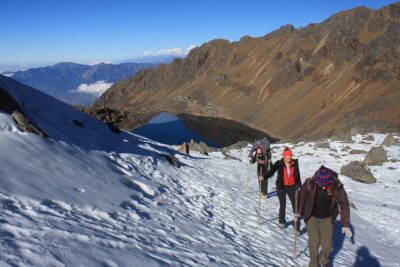
The overnight stay is at the lake area, so you also get that extra benefit of not having to rush back the same day. If you’re sensitive to cold, bring layers. Even when the trek is active, the lake area can feel sharper as the day turns.
Day 4: Back to Chandanbari
After the lake day, you trek back to Chandanbari and sleep there again. This is the recovery-style day in the sense that you’re not going forward to the high point, but it’s still hiking. Returning to the same settlement also helps because you can reset mentally and physically, and you know what “base life” feels like at Chandanbari.
I think this back-and-forth structure is a good match for time-conscious travelers. You get the lake experience fully, then you still get a satisfying trek without extending into a multi-week plan.
Day 5: Chandanbari to Dhunche, downhill walking
This day goes early and the trek is described as downhill. Downhill can feel easier, but it’s not always gentler on the body. Your knees and shins will feel it. Walk with control, shorter steps, and don’t treat downhill like a free pass.
This is also the day that finishes the trekking portion and sets you up for the final drive back to Kathmandu.
Day 6: Dhunche to Kathmandu and a chance to come back to real life
You drive back to Kathmandu to close out the trek. I always like the final day because the transition is clean. After days of trail sounds and mountain air, the city feels normal again, and you can process what you did without rushing into the next thing.
What you’re really paying for at $735 per person
At $735 per person, this trek is not the cheapest option on the market, but it’s also not trying to be a luxury escape. The value is in what’s bundled, not in what’s flashy.
Here’s what is included:
- Kathmandu to Dhunche to Kathmandu by public transport
- all local meals (breakfast, lunch, dinner) during the trek
- teahouse accommodation on twin sharing
- Langtang Conservation Area Permit and TIMS card
- one experienced guide (English speaking)
- Sherpa porter support, with a ratio of 2 trekkers to 1 porter
- government taxes and service charge
What is not included:
- tips for the guide and porter
- meals and accommodation in Kathmandu
- drinks (tea, coffee, water, soft drinks, alcohol)
- hot shower, internet
- travel insurance (compulsory)
To me, the biggest “value lever” is the combination of permits plus real human support. Permits and TIMS matter, and guide time matters. Porter support matters too, because you are paying to hike with fewer burdens.
If you’re comparing to cheaper rates, check whether they quietly shift costs onto you later. Here, meals and trek accommodations are included, which reduces the daily budgeting stress.
The guide and porter setup that keeps the trek feeling organized
You get one experienced trek guide who speaks English, plus a Sherpa porter. The porter plan is clearly defined: for every 2 trekkers, you have 1 porter. That means your group doesn’t have to guess how burdens will be shared.
This is also where I think the human factor really earns its keep. On a sacred-route trek, you want help understanding what you’re seeing and why it matters. The name that comes up from prior interactions is Manish from Mountain Hike Nepal. I’d take that as a sign they know how to advise, not just how to walk people from point A to B.
Also, the group format is private. You’re not blended into a large mixed group. That can help with pace and day-to-day logistics, especially on a route that has an early start and structured daily segments.
What the sacred lake day looks like, step by step
Let’s zoom in on the day you reach Gosaikunda, because that’s the heart of the trip.
You start early, then your trek carries you toward the lake area where you visit multiple sacred kunda sites. Surya Kunda and Saraswoti Kunda are named stops, along with Bhairab kunda. After these visits, the itinerary includes worship at Gosaikunda Lake.
The spiritual value here is not abstract. You’re walking through named places with purpose. Even if you don’t follow local religious practices, you’ll likely understand the rhythm: you slow down, you acknowledge the space, and you participate in the moment in a respectful way.
Then you get the payoff view side. You’re not only in the mountains, you’re in a part of the Langtang region where key peaks like Langtang Himal and Ganesh Himal come into view. The sense of altitude and scale is part of why people feel like they are in heaven, to borrow the kind of language that often comes up when someone is struck by both sky and sacred place.
If you’re planning photos, do it thoughtfully. This isn’t a theme park. Some moments are for worship and reflection, and that’s okay.
Nature notes: Langtang Conservation Area and wildlife chances
This trek operates with the Langtang Conservation Area Permit included. That’s a practical detail because conservation permits help fund protections in regions like this.
The wildlife highlight that’s often associated with Langtang National Park includes rare species such as red pandas and snow leopards. Here’s the honest way to think about it: you should see the area as habitat, not as a promise of sightings. Still, it’s a meaningful bonus that you’re trekking where those animals are known to exist.
If you like wildlife watching, bring patience and quiet. Most sightings, if they happen, tend to come when you’re not forcing it.
Packing and comfort reality, what’s simple and what to plan for
This tour is built for teahouse trekking. That means you’ll sleep in basic teahouse accommodation on twin sharing during the trek, and you’ll eat local meals included in the package.
But don’t expect:
- hot showers (not included)
- drinks or extra snacks beyond what’s included in the meals (drinks are not included)
- internet access (not included)
So if you rely on water bottles, charging, or caffeine fixes, plan around it. Also remember you start at 5:45 am, so your warm layers and breakfast timing matter.
Bring the mindset of “light and flexible.” You are doing a spiritual lake trek in a living mountain region, not a resort itinerary.
Who this trek fits best
This trek is a good match for you if:
- you want a shorter trek that still feels like more than a half-day hike
- you care about the spiritual side of travel, not just the photos
- you can handle 6 to 7 hours of uphill effort on day two
- you prefer a guided, organized plan with permits and meals handled
It might not be the best fit if:
- you hate early starts (5:45 am is built in)
- you need a lot of comfort extras like hot showers or reliable internet
- you are looking for a long, gradual acclimatization style trek with many “rest and wander” days
The physical requirement is described as moderate fitness. Translate that as: you don’t need to be an athlete, but you do need to be comfortable walking uphill for hours.
Should you book this 6-day Gosaikunda trek?
I’d book it if you want a value-packed spiritual trekking week with support. The combination of included permits, guided route context, meals, teahouse lodging, and porter help makes this feel like a thoughtfully assembled trek for real life, not just a checklist adventure.
I would hold off if your plan depends on luxuries like hot showers or if you’re not ready for a packed schedule. Also, because the experience requires good weather, have a backup plan in your mind and take travel insurance seriously.
If your goal is to reach a sacred lake like Gosaikunda, visit named kunda stops, and still see big Himalayan views in a tight timeframe, this trek hits the sweet spot.
FAQ
What time does the trek start?
The experience start time is 5:45 am.
Where does the trek begin and end?
It begins in Kathmandu, drives to Dhunche, and the trek ends with a drive back to Kathmandu.
Is pickup offered?
Yes, pickup is offered, and the meeting point is near public transportation.
What permits are included?
The package includes a Langtang Conservation Area Permit and a TIMS card.
Are meals included during the trek?
Yes. All local meals are included during the trek (breakfast, lunch, dinner), and teahouse accommodation is included during the trek.
Do I get a guide and porter?
Yes. You get one experienced English-speaking trekking guide and a Sherpa porter. The porter ratio is 2 trekkers to 1 porter.
What is not included in the price?
Tips for the guide and porter, meals and accommodation in Kathmandu, drinks, hot shower, and internet are not included.
Is travel insurance required?
Yes. Travel insurance is compulsory for this adventure trip.
What happens if weather is poor?
The experience requires good weather. If it is canceled due to poor weather, you will be offered a different date or a full refund.
Latest Kathmandu write-ups
- Langtang Valley Trek★ 5.0 · 3 reviews
- Khopra Danda Trek★ 5.0 · 3 reviews
- Langtang Valley Trek from Kathmandu★ 5.0 · 3 reviews
- 5 night / 6 days Kathmandu Nagarkot Chitwan Pokhara tour★ 5.0 · 3 reviews
- Nepal Highlights Tour: 5 Nights 6 Days Kathmandu & Pokhara Tour★ 5.0 · 3 reviews
- Kathmandu Valley Private Day Tour★ 5.0 · 3 reviews
- Kathmandu Heritage Day Tour★ 5.0 · 3 reviews
- Conquer the Himalayas: The Ultimate 16-Day Annapurna Circuit Trek★ 3.5 · 3 reviews
Gosaikunda Trek, compared.
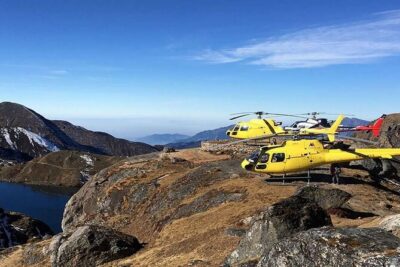
Himalayan Gosaikunda Helicopter Tour from Kathmandu
Read our review →Browse the lists this tour appears in