
Reviewed · 5-DAY EXPERIENCES
From Kathmandu: 5-Day Gosaikunda Lake Trek
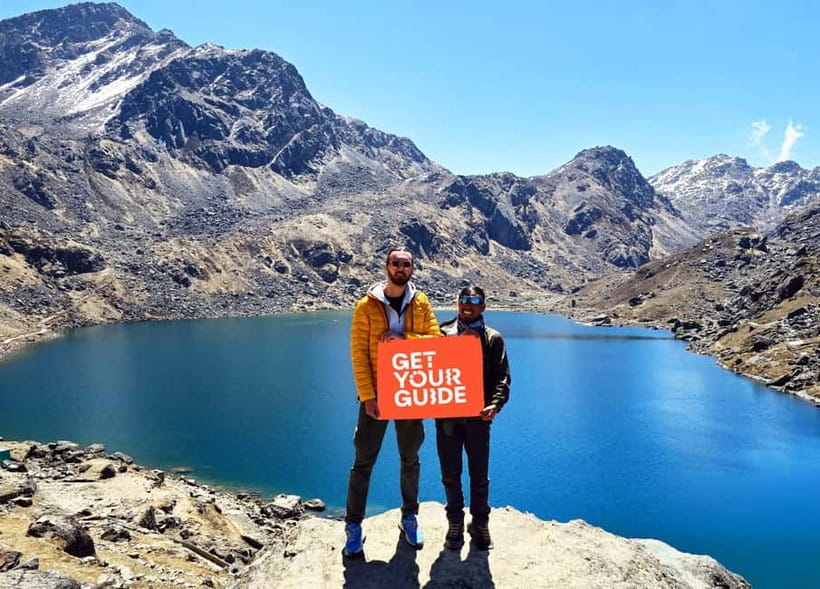
Gosaikunda Lake is a high, glacial wonder with real spiritual pull, and the hike to it is a smart way to taste the Langtang region without burning a whole week. You’ll climb from Dhunche up through forested slopes into the alpine world around Gosaikunda at 4380m, then work your way back down on a route that feels varied each day.
Two things I like a lot are the small-group pace, limited to just 14 people, and the way the trek is run with an experienced, licensed guide who keeps the day organized. In fact, guides named Raj and Terens have been praised for clear communication and strong support along the way, which matters on a trek where timing and altitude can’t be ignored.
One consideration is the altitude and the steep sections, especially on the way up to higher camps. This trek is short, but it still asks you to handle big elevation gains, so go in with realistic expectations about effort.
Key things to know before you go
- Short, high-altitude goal: reach up to 4380m at Gosaikunda, then return the same route corridor
- Langtang National Park walking: you pass through forest areas tied to the park’s flora and fauna
- Sacred alpine lakes circuit: Gosaikunda plus nearby lakes including Bhairav Kunda, Chandra Kunda, and Saraswati Kunda
- Guided and small-group: up to 14 participants with a licensed guide and English, Icelandic, or Hindi support
- Guesthouse nights: simple mountain guesthouses at Deurali and Laurebina style stops
- Borrowed gear included: trekking poles and a sleeping bag come with the package
Why this 5-day trek works well from Kathmandu
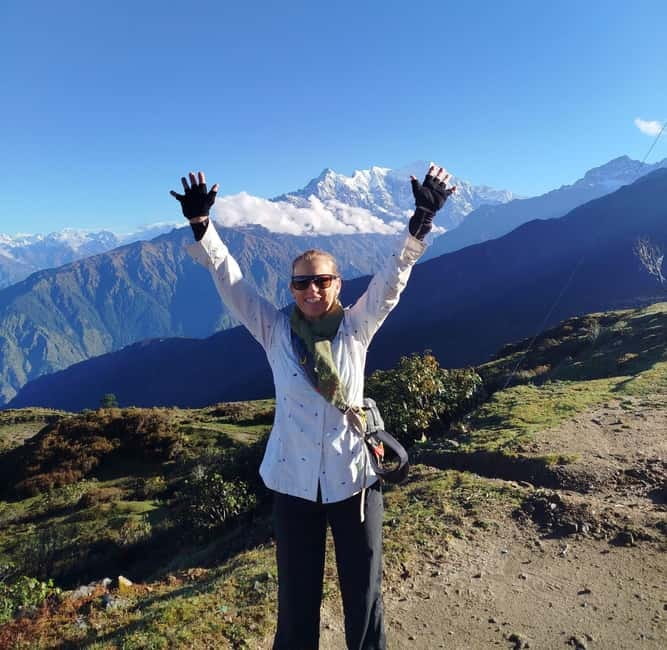
This trek is attractive because it’s not a week-long commitment, but it still gives you that classic Nepal trek feeling: bus rides through valleys, steep footpaths, and a big payoff at altitude. You start from Kathmandu, get transported to the trekhead area, then spend the next days moving through Langtang National Park scenery, with views of the central Himalayas and especially the Langtang range.
The other reason it’s a good “starter trek” is that the itinerary has built-in recovery rhythm. Day one is a warm-up day that ends at a mid-height guesthouse. Day two presses higher with a steep ascent. Day three is the main push to the lake area and then you go back to sleep at a higher-but-manageable camp. Day four is your easing down day.
You’ll also notice that the trek is described as available throughout the year, but the operator’s own advice is the same thing I’d tell you: go when skies are mostly clear if views matter to you. If clouds sit over the peaks, the experience can still be lovely, but the “Himalayas hitting you in the face” effect gets muted.
More of the Gosaikunda lakes:
- Langtang, Gosaikunda and Helambu Trek
★ 5.0 · 9 reviews - Langtang Gosainkunda Trek
★ 5.0 · 5 reviews
Price and what $190 is really buying
At $190 per person for 5 days, you’re paying for more than walking. The package includes hotel pickup and drop, bus transportation between Kathmandu and Dhunche, permits (including TIMS), and an experienced licensed guide. You also get 4-night accommodation at mountain guesthouses and a full board meal set for the all-inclusive option.
That matters because on a trek like this, the hidden costs are usually the logistics: permits, guide time, and arranging food and sleep. Here, most of that is handled up front, so your money mostly goes toward the people and the structure that keep the trek safe and on track.
One caution on value: the listing notes that meals are not included for the budget option. If you’re comparing packages, make sure you know which meal plan you’re choosing. For a high-altitude short trek, skipping meals is rarely worth it just to save a little cash.
Altitude reality check: 2790m up to 4380m
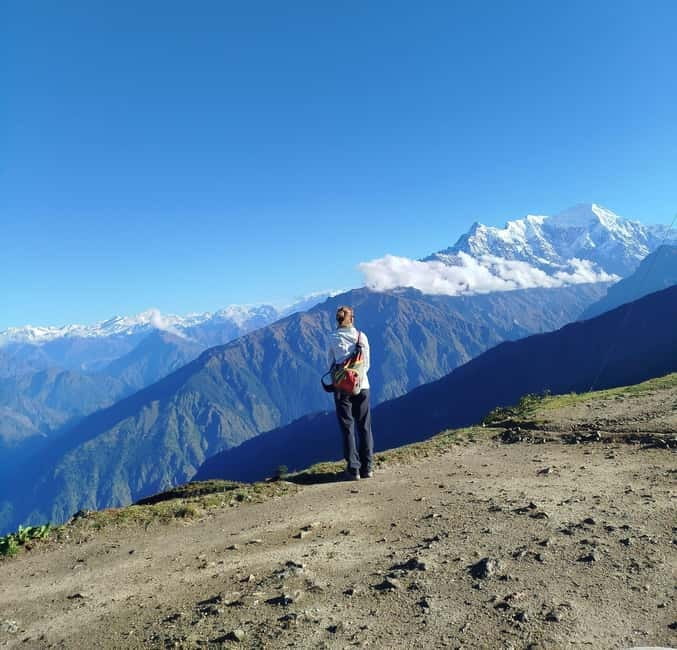
Even though this is only five days, the altitude profile is serious. You climb from around the 2500-2800m zone early on, then push up toward 3910m, and finally you reach the lake area at 4380m.
Here’s what that means for you in practical terms:
- You need to keep your effort controlled on steep segments, especially the climb toward Laurebina.
- You should expect the walk to feel harder than the distance alone suggests, since thinner air makes every step work.
- If you’re sensitive to altitude, you’ll want to choose a time with clear weather, since you’ll likely spend more time pausing for the views anyway.
The plan also works in your favor. Day three includes time at Gosaikunda and nearby lakes, but then you descend back to Laurebina for the night. That gives you a chance to see the top and still keep the sleeping altitude as manageable as the itinerary allows.
Day 1: Kathmandu to Dhunche, then Deurali at 2790m
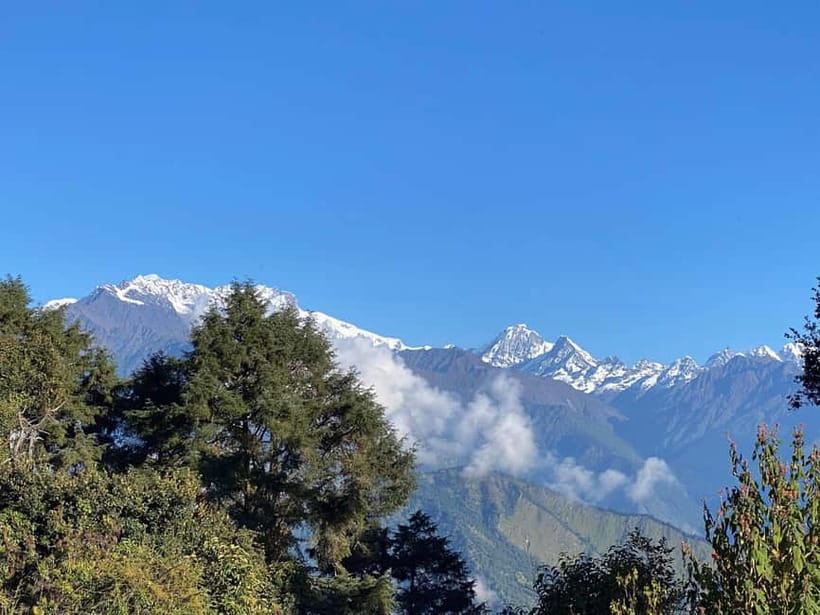
Your day starts with a pickup from your Kathmandu hotel, then you transfer to a bus route toward Dhunche. The ride can take about 5 to 6 hours, and the value of that long drive is the scenery. Along the way, you pass lush green hills, terraced fields, and snow-capped mountain views, including ranges like Manaslu, Ganesh, and Langtang.
Once you reach Dhunche, you take a short break, then begin the trek with a hike toward Deurali at 2790m. This is the “let’s get your legs moving” portion, about a 2-hour walk. It’s short enough that you can focus on pacing instead of survival mode.
That first night at a guesthouse in Deurali is a practical win. You’re not rushing the highest altitude on day one, and you’re setting yourself up for the steeper climb on day two.
More to compare around Kathmandu
- Kathmandu: 7 UNESCO Sites with Lunch
★ 4.8 · 744 reviews - Everest Base Camp Helicopter Tour landing at Everest View Hotel
★ 5.0 · 668 reviews - Kathmandu: Local Women-Led Nepali Cooking & Momo Class
★ 4.9 · 360 reviews - Manaslu Circuit Trek
★ 5.0 · 292 reviews
Day 2: The Chandanbari climb to Laurebina (3910m)
Day two is where the hike starts to feel like a trek, not just a walk. After breakfast and a briefing from your guide, you head toward Laurebina (3910m) via Chandanbari.
The route is described as a steep path with an ascent that can feel intense. In other words, you’ll be working uphill earlier and more continuously than on day one. This is also the day where your guide’s pacing advice becomes more than a nice-to-have. A good guide helps you keep breathing steady so you don’t burn out before you even reach the higher camp.
You’ll sleep at a guesthouse in Laurebina. At this point, you’re close enough to the lake altitude to feel the change in air, but you still have another day to reach 4380m. That structure helps you avoid the classic mistake of going too fast too soon.
Day 3: Gosaikunda to Bhairav Kunda, Chandra Kunda, and Saraswati Kunda
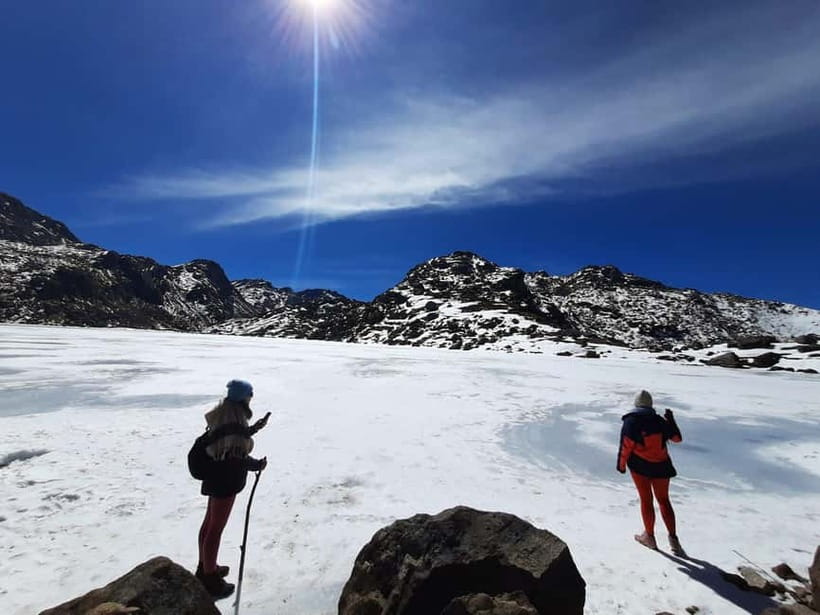
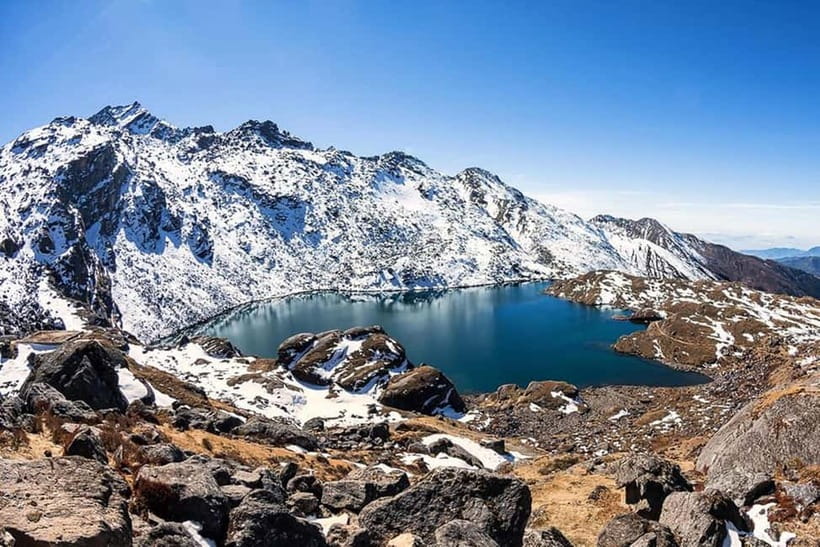
This is the big day: the hike from Laurebina up to Gosaikunda, with the maximum altitude at 4380m. The lake itself is a glacial freshwater lake in Langtang National Park. It stays frozen during winter, then melts in the warmer season to feed the Trishuli river.
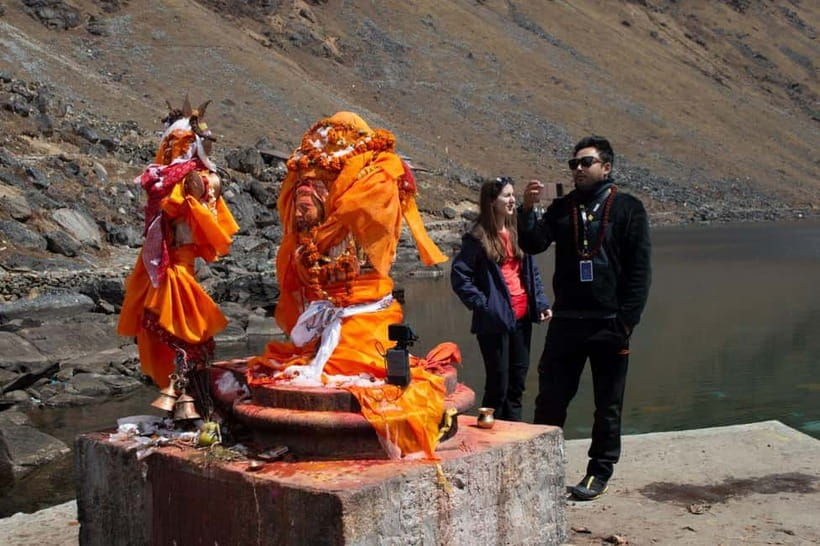
That little detail matters, because it gives the place a living, seasonal rhythm, not just a postcard look. The lake area is also the center of a small cluster of sacred alpine lakes. You’ll have time to explore nearby waters including Bhairav Kunda, Chandra Kunda, and Saraswati Kunda.
You also get the Himalayan backdrop you came for. The plan calls out majestic views of the Langtang range in the background, and this is the day where you’re most likely to feel why the operator prefers clearer skies.
After exploring and taking in the atmosphere, you hike back to Laurebina for the night. This out-and-back rhythm is a practical approach for a short itinerary, since it reduces the number of long, continuous downhill miles you’d otherwise need to handle.
Day 4: Down through rhododendron, pine, and bamboo to Dhunche
Day four is your “reset day.” You trek down from Laurebina through forests, including rhododendrons, pine, and bamboo. This combination makes a difference because it breaks up monotony. Instead of only steep rock and open air, you get stretches where the trail feels cooler and shaded.
The itinerary has you moving gradually down, first leading back toward Deurali, then continuing descent past another dense forest. You’ll also cross a river as part of the down route, and the day ends with you reaching Dhunche for your night halt.
This is the point where good hiking form pays off. Downhill can beat up your knees if you let your pace get too fast. Let your guide set the pace, and use the downhill to save energy for your final travel day.
Day 5: The drive back to Kathmandu
The last day is straightforward: breakfast, then the scenic drive back to Kathmandu. You arrive back in the Kathmandu area around 1350m after the bus ride.
What I like about finishing with the drive is that you get closure. It’s easier to transition out of the trek without another night of uneven sleep and trail fatigue. It also makes the overall trip feel like a complete loop, not just an out-and-back hike with a random ending.
Guides, permits, and small-group pace that actually helps
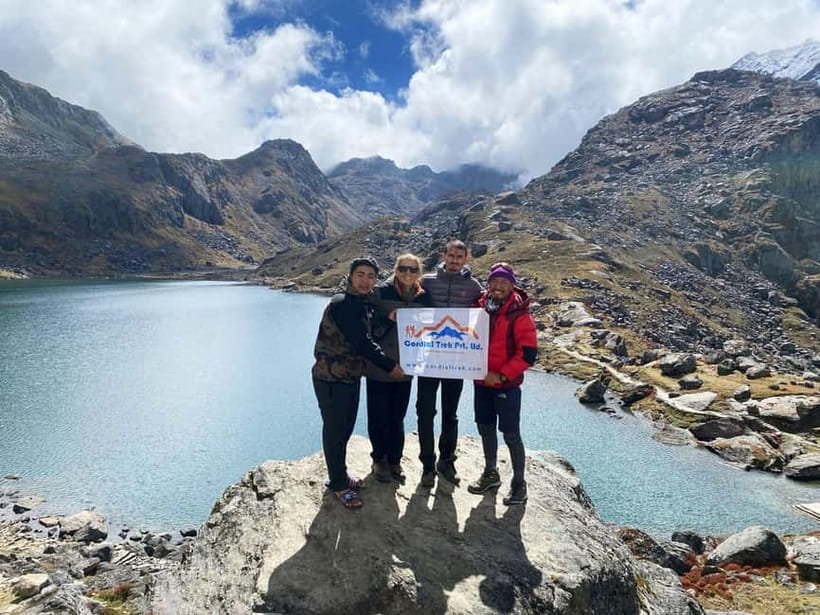
This trek is built around a guided format with a small group capped at 14 participants. In real life, that size is comfortable. It’s large enough to feel social if you want company, but small enough that your guide can manage the pace and keep everyone together.
The guides offered in different languages include English, Icelandic, and Hindi. That’s not just a comfort perk. Clear communication helps with route confidence, and it matters for altitude days when you want to know what’s coming next.
Permits and a TIMS card are included, plus the trek provides first aid if needed. You’ll also borrow equipment such as a sleeping bag and trekking poles. For a short trek, that’s a practical way to keep your packing list simple.
One more detail that comes through strongly from guide feedback: Raj and Terens have been highlighted for being informative and competent. On this type of route, that translates to better pacing, clearer planning, and less guesswork about the day ahead.
What to bring, and what rules you must follow
The trip lists a clear set of what you should bring: passport, a camera, and cash. Since permits are part of the package, you don’t have to worry about those costs, but it’s still important you have your ID document on hand.
You also need to respect the no-nonsense rules. Alcohol and drugs are not allowed. Baby carriages and bare feet are not allowed either. If you’re traveling with anything like that, plan to leave it behind for this trek.
Gear wise, remember that trekking poles and a sleeping bag are provided to borrow. That can save weight and money if you were thinking about buying gear just for a short trek.
If you’re taking the hike for comfort and risk control, travel insurance is recommended. The listing does say first aid is available if needed, but insurance is what helps with the real-world costs that can come from an unexpected problem.
Who this trek suits, and who should rethink it
This is a short trek, but it’s not a stroll. It’s best for adults who can handle steep sections and a meaningful altitude push. It’s not suitable for children under 10, people with mobility impairments, or anyone over 309 lbs (140 kg).
If you’re a fit beginner or intermediate hiker who wants a focused goal, this can be a great match. The itinerary gives you a clear route, guesthouse nights, guided pacing, and enough time at the lake area to actually enjoy it.
If you’re someone who struggles with altitude quickly, this is still possible, but you’ll want to be honest with yourself about your limits. The trek hits 4380m, so it is not a “soft” experience.
Also, think about timing. The trek is available throughout the year, but you’ll enjoy it more when the skies are mostly clear and views are spectacular, especially on day three.
Should you book the 5-Day Gosaikunda Lake Trek?
I’d book this if you want a time-efficient high-altitude trek that gets you to Gosaikunda and nearby sacred lakes, while still keeping logistics handled for you. The value is strongest when you’re choosing the all-inclusive option, since accommodation, guides, permits, transportation, and full board meals are all part of the package.
I’d hold off if you know you’re uncomfortable with steep uphill days or high elevations. Also, if your travel style requires maximum flexibility around food and sleep, double-check whether you’re selecting the meal plan that fits you.
Bottom line: for the right hiker, this is a compact route with a real payoff. You trade extra days of variety for a concentrated hit of Langtang views, forest trails, and that special moment standing near Gosaikunda.
FAQ
What is the highest altitude on this trek?
The highest point reached is Gosaikunda Lake at 4380m.
How long is the trek, and what is the overall trip length?
The trek runs for 5 days total, starting with travel from Kathmandu to Dhunche and ending with the drive back to Kathmandu.
Is pickup and drop-off included?
Yes. You get hotel pickup in Kathmandu and a transfer back to your hotel after the trek.
How do you get between Kathmandu and Dhunche?
Transportation is by bus on the Kathmandu to Dhunche to Kathmandu route.
Are meals included?
Meals are included for the all inclusive option, and not included for the budget option.
What permits and cards are included?
The trek includes necessary permits and a TIMS card.
Does the trek include a guide, and what languages are offered?
Yes, you travel with an experienced licensed trek guide. English, Icelandic, and Hindi are available.
What gear is provided for the trek?
Sleeping bag and trekking poles are provided for borrowing as necessary equipment.
Is porter service included?
Porter service is not included by default, but you may select it as an add-on during checkout.
What are the basic restrictions on the trek?
Alcohol and drugs are not allowed. Bare feet and baby carriages are also not allowed.
Latest Kathmandu write-ups
- 16 Days Island Peak Climbing With Everest Base Camp Private Trip★ 5.0 · 3 reviews
- 15 Days Round Annapurna Trek with Poon Hill from Pokhara★ 5.0 · 5 reviews
- Private Nepal round trip including Ghorepani Poonhill trek★ 5.0 · 3 reviews
- Everest Base Camp Trekking 16 Days★ 4.0 · 7 reviews
- Everest Base Camp Trek★ 5.0 · 87 reviews
- 14 Days Luxury Annapurna Base Camp Trek★ 5.0 · 6 reviews
- Everest Base Camp Trek★ 5.0 · 32 reviews
- Everest Base Camp Trek★ 5.0 · 97 reviews
5-Day Experiences, compared.
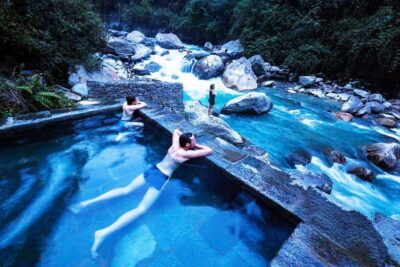
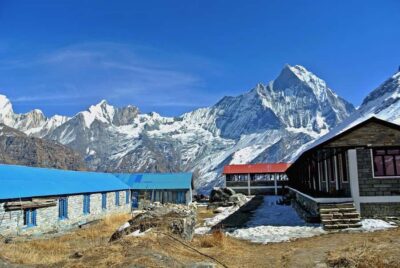
5 Day Annapurna Base Camp Trek & Natural Hot Spring
Read our review →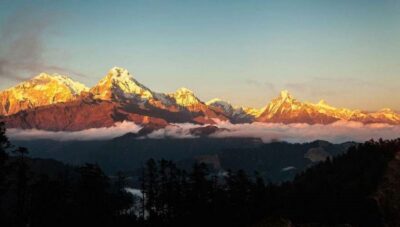
Pkr/Kathmandu: 5-Day Annapurna Base Camp & Hot spring Trek
Read our review →
5-Day Trek to Annapurna Base Camp and Hot Springs
Read our review →Browse the lists this tour appears in