Reviewed · TOURS
Everest view tour
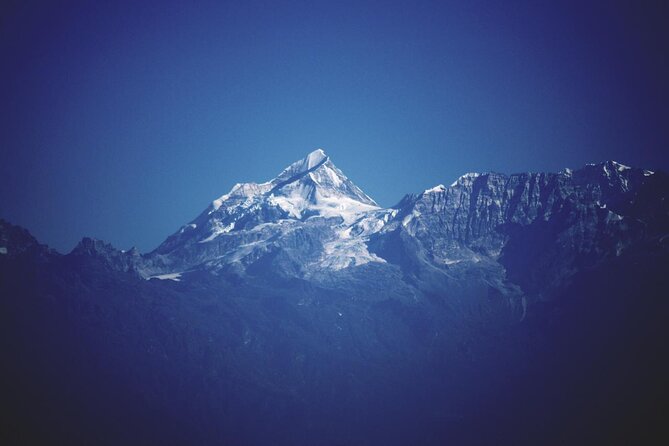
This Everest view tour is interesting because it strings together Kathmandu Valley World Heritage sights with Himalayan viewpoint time, so you can chase dawn colors and evening skies in just a few days. The Kathmandu Valley UNESCO temples plus hill station views make the whole trip feel more dramatic than the itinerary length suggests.
I love that everything runs with private vehicle transfers, which makes temple days and viewpoint days far less stressful. I also like that hotel stays include breakfast, so mornings start smoothly without hunting for food.
The main consideration is that mountain visibility depends on weather, so you will want a flexible mindset if fog or cloud rolls in.
Key highlights you’ll feel on the ground
- Up to 15 people keeps it from turning into a chaotic group tour
- Private transfers between Kathmandu, Nagarkot, and the UNESCO sites
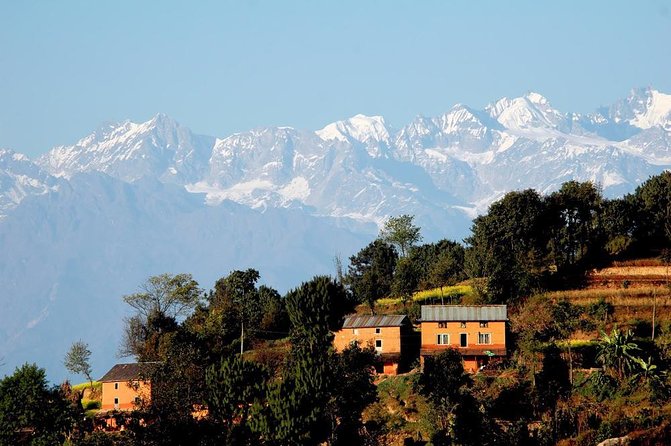
- Sunrise and sunset focus through Nagarkot viewpoint timing
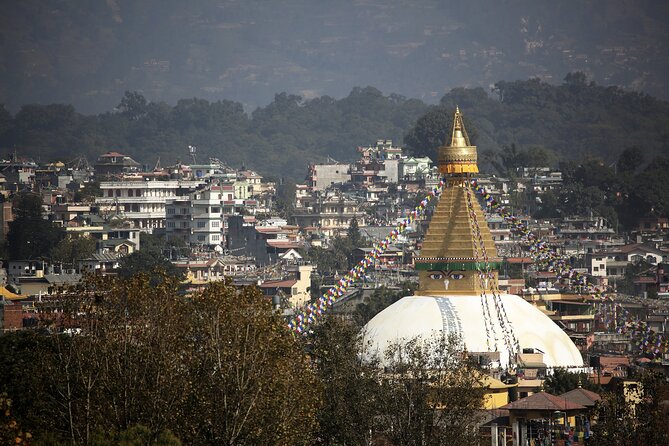
- UNESCO Kathmandu Valley stops like Pashupatinath, Swayambhu, and Boudhanath
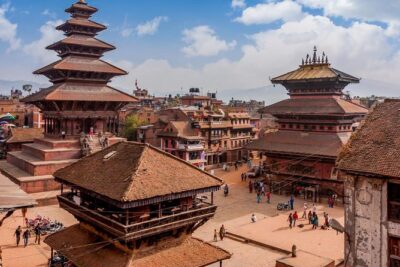
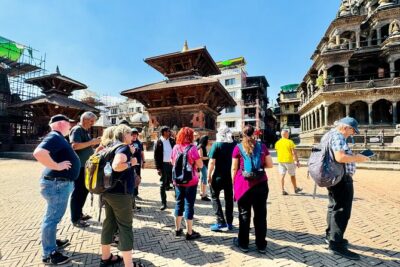
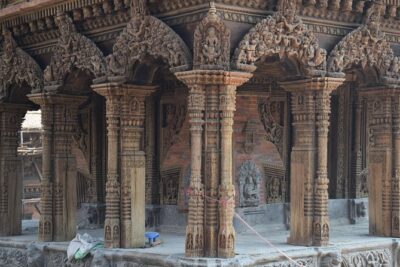
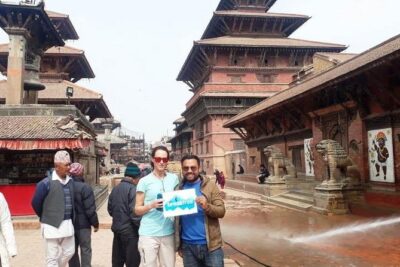
- Bhaktapur and Patan Durbar Square for that classic Newar city atmosphere
- Hotel breakfast included for less planning fatigue
Kathmandu to the big-mountain moments: the real purpose of this tour
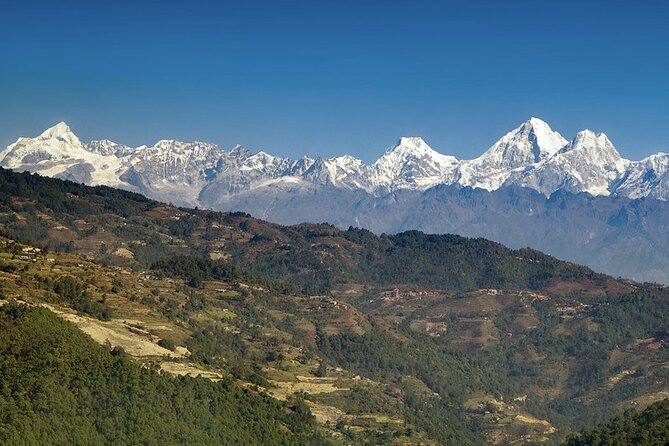
This is the kind of Everest view trip you book when you want Himalayan impact, but you are not trying to cram in high-altitude trekking. Instead of long days on the trail, you get a smart mix of temple culture, heritage neighborhoods, and viewpoint time built around the best light.
The trip is also designed for comfort. Private driving plus hotel lodging means you can spend your energy on seeing, not on logistics. That matters in Nepal, where timing and traffic can make a difference between a great day and a rushed one.
If you are visiting Nepal for the first time, this route makes an excellent first taste of the country. You start in Kathmandu, layer on heritage sites, then add a hill station viewpoint day where the mountains take center stage.
More to compare around Kathmandu
- Everest Base Camp Trek – 14 Days
★ 5.0 · 1,499 reviews - Everest Base Camp Trek
★ 5.0 · 842 reviews - Private Kathmandu Sightseeing Tour | UNESCO World Heritage sites
★ 5.0 · 756 reviews
Thamel check-in and the briefing that helps you move fast
Most people start this trip in Thamel, the practical, walkable area where hotels, cafés, and tour desks sit close together. The meeting point is clearly set, and the tour ends back at the same starting area, so you are not scrambling at the last minute.
On arrival day, you get picked up from Tribhuvan International Airport and transferred to your hotel. After you settle in, you head to the office for a briefing about your program. I like this step because it turns your first Nepal hours from confusing into clear, especially if you are jet-lagged and still figuring out where things are.
That evening is yours. You can do a walking tour in Thamel or just recover. In a short trip like this, letting you decompress on Day 1 is not a small detail.
Practical note: the tour offers a mobile ticket, so have your booking details ready on your phone. It can save time at the office and at pickup.
UNESCO Kathmandu Valley: Pashupatinath, Swayambhunath, and Boudhanath before Nagarkot
Your second day kicks off with sightseeing around the Kathmandu Valley, then you head to Nagarkot, a hill station known for panoramic Himalayan views. This is a strong pairing because you get both culture and scenery without switching hotels every few hours.
Pashupatinath Temple
You visit Pashupatinath Temple, one of Nepal’s most sacred Hindu sites. Expect an intense atmosphere and lots of local life. If you come in respectful and ready to observe, it becomes one of those places that stays with you long after you leave.
A different sort of day out of Kathmandu:
- Kathmandu: 7 UNESCO Sites with Lunch
★ 4.8 · 744 reviews - Everest Base Camp Helicopter Tour landing at Everest View Hotel
★ 5.0 · 668 reviews - Half day cooking class in Thamel kathmandu
★ 5.0 · 607 reviews - Everest Base Camp Trekking
★ 5.0 · 485 reviews
Swayambhunath (the Monkey Temple)
Next is Swayambhunath, listed as a UNESCO World Heritage site. Swayambhunath is famous for its hilltop presence and the lively energy around it. It is also a good “orientation” stop, since the views from the area help you understand how Kathmandu is laid out.
Boudhanath Stupa
Then you drive to Boudhanath, home to what the tour plan describes as the biggest Buddhist stupa. If you have never seen a major Buddhist stupa up close, this is where it can click. You get a calmer, more meditative rhythm compared with some other temple zones.
The drive to Nagarkot and the sunset payoff
After the heritage stops, the day ends at Nagarkot. You check into the resort or hotel, refresh, and then walk around the village while looking toward the Himalayan range.
The plan also builds in sunset viewing, with the mountains catching gold light. Even if you have seen sunset photos before, there is something different about watching the colors unfold in person from a hill station viewpoint.
One caution: this is a driving day. You will want comfortable shoes and a light layer, because temperature shifts between Kathmandu and higher elevations can surprise you.
Nagarkot sunrise, Bhaktapur city energy, and Patan’s Durbar Square
Day 3 is where this trip earns its name in a very practical way. You wake up early to watch sunrise over the Himalayan range, then you shift back into city heritage with stops in Bhaktapur and Patan.
The early wake-up is the point
The tour schedule is built around dawn because that is when the peaks can glow in pink, gold, and red tones. It is not about watching the sunrise as a warm-up activity. It is about catching the mountain light when visibility is often best.
If early mornings are not your thing, you can still do it, but you should treat it like a decision you make in advance. Bring patience, not optimism. Cloud cover can happen, but when it clears, the payoff is real.
Bhaktapur: the city of devotees
After sunrise, you drive back toward Kathmandu with Bhaktapur as a sightseeing stop. The plan frames Bhaktapur as the city of devotees, and it fits that vibe. You get a more local-feeling slice of Newar culture, with heritage streets and a slower tempo than Kathmandu’s most commercial areas.
Patan Durbar Square: arts and architecture
Next is Patan Durbar Square, described as the city of arts. This is a great follow-up because it changes the visual mood. You are trading some of Bhaktapur’s devotional atmosphere for architectural detail and craft-focused energy.
Back in Kathmandu and free time
You return to Kathmandu and check into your hotel. The evening is free for shopping and personal activities, which is a smart way to use the last night. If you want to grab gifts, snacks, or last-minute souvenirs, you can do it without racing daylight.
Also, free time gives you control. You might want to eat something specific, do a relaxed café stop, or just rest. Short tours work best when you are not constantly on someone else’s schedule.
Day 4 in Kathmandu: last shopping, then airport drop
On the final day, the plan keeps things simple. You have time in Kathmandu for last-minute shopping, then you get dropped at the airport for your international flight.
This is the part where you avoid the classic trip mistake: waiting until the final hour to buy small essentials. If you think you will want snacks for the plane or a few gifts, do it early in the morning. That way you do not end up bargaining with traffic while your departure time gets closer.
If you have done the temple and viewpoint days already, Day 4 feels lighter, like a clean landing after Nepal’s intensity.
Price and value: what $800 really includes, and what you should budget
At $800 per person, you are paying for a tight package built around time-saving and comfort. The price is not just “a driver and a ticket.” It includes the moving parts that often cost you the most when you try to DIY.
What’s included
You get:
- Airport to hotel to airport transfers by private vehicle
- All required paper works, office service charge, and government taxes
- Tour transfers by private car, van, or Hiace depending on group size
- Guided city tours covering Kathmandu city plus Bhaktapur and Patan, with an expert guide and a private vehicle
- Hotel accommodation with breakfast
- Breakfast count listed as 5 breakfasts
For a short 4-day plan, this is the heart of the value. Private driving plus guided heritage days is what turns a “sightseeing list” into a real itinerary you can trust.
What’s not included
You still need to budget for:
- International airfare and airport taxes
- City tour sightseeing entry fees
- Lunch and dinner, drinks, and bar bills
- Tips
One more small reality check: some parts of the schedule are marked as admission ticket free, but the overall note says entry fees for sightseeing are not included. So assume you might pay a few temple or site fees along the way, even if some stops are easier cost-wise.
The smart way to judge value
This tour is a strong value if you want:
- private transfers rather than shared transport
- expert guidance through heritage stops
- hotel comfort with breakfast
- a compact schedule that still feels culturally meaningful
If you are the type who loves long independent travel days, you might find cheaper options. But if you want your trip to run cleanly, this pricing structure makes sense.
Group size, safety, and the kind of help that matters on short trips
This experience runs with a maximum group size of 15 travelers. That small number is not just about comfort, it is about being able to actually hear your guide and move at a sane pace.
The operation is also described as safety and comfort focused, with the team positioned to help if you need adjustments. A name that shows up in the company’s communications is Puru Timalsena, and the tone is very “we will make this work for you,” not “good luck out there.”
That kind of support is especially useful in Nepal. Even if everything goes smoothly, you still benefit from people who understand local timing, pickup points, and how to keep the schedule from drifting.
For your part, follow the planning basics:
- Bring official papers as requested
- Keep your documents organized so you are not scrambling when permits or checks come up
- Have travel insurance that matches the requirements listed by the provider
Documents and travel insurance: the unglamorous part that prevents headaches
This tour asks you to bring valid passport details and also four extra passport sized photographs for trekking permits. Even if you are not trekking for days, the requirement is specifically listed, so plan for it.
You also need travel insurance that covers medical care, personal accident, emergency evacuation, trip cancellation, lost gear, natural calamity, theft or damage to baggage, and similar items. If your insurance is thin, you might hit problems when the paperwork gets checked.
Visas are stated as available upon entry into Nepal. That is helpful, but do not rely on memory. Check requirements before you fly and keep your plan realistic.
Finally, the tour mentions you should bring airline tickets and luggage tags. It is a small thing, but it can save confusion at the airport.
How to get the most out of the private car days
When a tour is heavily driving based, your choices matter. These tips help you enjoy it more:
- Wear layers. Kathmandu morning and hill station evenings can feel like different seasons.
- Bring a small day bag. You will want water, a light jacket, and something simple for warmth during dawn hours.
- Keep your camera ready during viewpoint time. Sunrise is a short window, and there is less patience for stopping to fix things.
- Ask your guide about time and weather before you linger. If clouds move in, you will often want to pivot quickly.
Also, the tour is described as requiring good weather. That does not mean it turns into a disaster. It means you should not schedule anything tight right after the tour. Give yourself wiggle room.
Who should book this Everest view tour, and who might prefer a different style
Book this tour if you want:
- Himalayan views through viewpoint timing like Nagarkot sunrise and sunset
- UNESCO World Heritage temple highlights in Kathmandu Valley
- heritage city stops like Bhaktapur and Patan Durbar Square
- a guided, comfortable format with private transfers
You might prefer a different trip if:
- you hate early mornings
- you want guaranteed mountain visibility regardless of clouds
- you want a hiking-focused experience rather than a culture plus viewpoint blend
This is not a long endurance trek. It is a structured “big views, big culture” introduction to Nepal.
Should you book this Everest view tour?
I would recommend booking if your priority is a high-impact Nepal sampler that fits into about four days and keeps transport simple. The combination of UNESCO sites, Bhaktapur and Patan heritage, and Nagarkot sunrise plus sunset is a solid use of time.
If your schedule is strict and you cannot handle weather-based changes, you should think twice. But if you can stay flexible, this plan is a good bet for memorable Himalayan moments without the demands of full trekking.
One last tip: pack for comfort and document readiness, not just scenery. The smoother your mornings and paperwork, the more you can enjoy the view when the sky cooperates.
FAQ
Where is the meeting point for the Everest view tour?
The tour starts in Thamel, Kathmandu 44600, Nepal. The experience also ends back at the same meeting point.
What does the price of $800 per person include?
The price includes airport to hotel and hotel to airport transfers by private vehicle, hotel accommodation with breakfast, guided city tours (Kathmandu, Bhaktapur, and Patan) with an expert guide and private vehicle, and office service charges plus government taxes and necessary paper work. It also includes breakfast on five days.
Is airport pickup included?
Yes. You are picked up from Tribhuwan International Airport in Kathmandu and transferred to your hotel on arrival, and you are dropped back at the airport at the end of the tour.
Do I need travel insurance for this tour?
Yes. The provider requires comprehensive travel insurance that covers medical, personal accident, emergency evacuation, trip cancellation, lost or damaged baggage, and related risks. You should make sure your policy matches those coverage needs.
What documents do I need to bring?
You need a valid passport and four extra passport sized photographs for trekking permits. The provider also lists travel insurance, airline tickets, and luggage tags as required items.
What if the weather is poor or I need to cancel?
The experience requires good weather. If it is canceled due to poor weather, you will be offered a different date or a full refund. For cancellations by you, the policy states full refund if you cancel at least 6 full days in advance, 50 percent refund if you cancel 2 to 6 full days in advance, and no refund if you cancel less than 2 full days before the start time.
Latest Kathmandu write-ups
- Langtang Valley Trek★ 5.0 · 3 reviews
- Khopra Danda Trek★ 5.0 · 3 reviews
- Langtang Valley Trek from Kathmandu★ 5.0 · 3 reviews
- 5 night / 6 days Kathmandu Nagarkot Chitwan Pokhara tour★ 5.0 · 3 reviews
- Nepal Highlights Tour: 5 Nights 6 Days Kathmandu & Pokhara Tour★ 5.0 · 3 reviews
- Kathmandu Valley Private Day Tour★ 5.0 · 3 reviews
- Conquer the Himalayas: The Ultimate 16-Day Annapurna Circuit Trek★ 3.5 · 3 reviews
- Kathmandu Heritage Day Tour★ 5.0 · 3 reviews
Tours, compared.
Private Kathmandu Sightseeing Tour | UNESCO World Heritage sites
Read our review →
Everest Base Camp Helicopter Tour landing at Everest View Hotel
Read our review →