Reviewed · TOURS
Fixed Departure Tibet Overland Group Joining Tours.
This is an interesting way to see Tibet if you like the big-picture stuff: overland travel, high mountain passes, and a packed run of Lhasa’s most important religious sights. The tour is handled by Outshine Adventure, and I really like that the human support matters here, with coordinators such as Asmita and guide support led by Gokul showing up as part of the experience.
Two things I like a lot. First, you get an English-speaking Tibetan guide, which is huge when you are trying to understand what you are seeing, not just where to stand for a photo. Second, the trip is organized as a group departure, capped at 30 travelers, with transport arranged for you, so the day-to-day logistics do not fall on your shoulders.
One consideration: this is not a slow, flexible itinerary. You start early (meeting time is 5:15 am), you cover serious distances over high passes, and you need to plan your documents early with an original passport submitted well in advance.
Key highlights to know before you go
- High-altitude road passes on the way to Shigatse and Lhasa, including Gyatchu La (5,220m) plus two other major passes
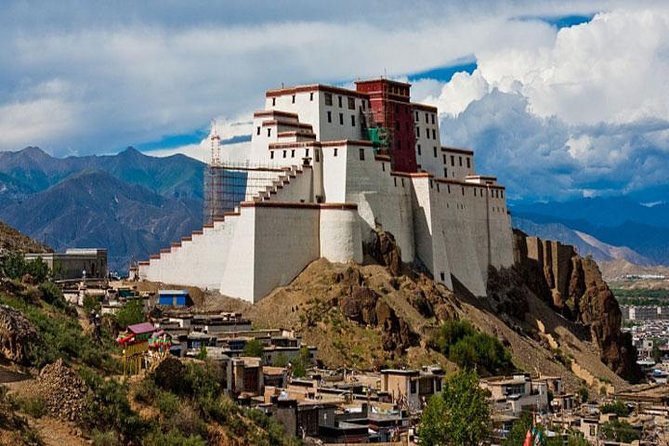
- Major monastery hits across Shigatse, Gyantse, and Lhasa, including Tashlhumpu, Kumbum, Drepung, and Sera
- Lhasa sightseeing that mixes icons and daily life, with Potala Palace, Norbulingka Palace, Jokhang Temple, and Barkhor Bazaar
- Permit and guide support built into the tour, including a Tibet travel permit and monastery entrance fees
- Small group feel with a maximum of 30 travelers, plus van or bus transport along the route
- Beautiful water and river scenery en route, including Yamdrok Tso (Turquoise Lake) and the Brahmaputra River
From Kathmandu To Kerung Border, A Very Early Start
If you choose this tour, you are signing up for a real start-of-day routine. You meet at 5:15 am and you get pickup offered from the Kathmandu area. Day 1 is all about getting moving early, driving to the Kerung Border, handling the border formalities, and then continuing the uphill drive toward Kerung.
Why this matters: Tibet travel has a lot of timing pressure. The border day is not the time to be thinking about transit or last-minute errands. Going early helps the group keep the schedule and gives you a better chance to reach the next stretch of the route with daylight.
What I’d watch for on this first day is comfort and readiness. You will be in a vehicle for long stretches, and you will likely want to dress in layers because altitude and temperature can swing. This is also where being a cooperative group traveler helps. Everyone is working on the same clock, so it pays to be ready when your van or bus pulls out.
More to compare around Kathmandu
- Everest Base Camp Trek – 14 Days
★ 5.0 · 1,499 reviews - Everest Base Camp Trek
★ 5.0 · 842 reviews - Private Kathmandu Sightseeing Tour | UNESCO World Heritage sites
★ 5.0 · 756 reviews
Road Over The High Passes: Gyatchu La, Karo La, Kamba La
A big part of the appeal is the overland journey itself. This tour is built around mountain driving, not just urban sightseeing. You cross Gyatchu La (5,220m) on the way to Shigatse, then later you go over Karo La Pass (5,010m) and Kamba La Pass (4,794m) on the Lhasa inbound day.
Why this is valuable: you see Tibet as it functions, high roads linking remote monasteries and towns. Those passes also create moments where the views go broad and the sky feels closer. The overview notes panoramic mountain views, including Mt. Everest (8,848m), so the route is designed for “see it from the road” moments, not just a single viewpoint.
Potential drawback: altitude and long drives are not the kind of thing you can out-train with willpower. Plan for slower pacing, hydrate, and do not assume you will feel normal right away. The itinerary keeps moving, and that is great for momentum, but you should expect a physically demanding rhythm.
Transport is by van or bus as per the itinerary, so it helps if you are comfortable sitting for long periods. If you are sensitive to altitude, talk to your doctor before you go and take altitude seriously from day one.
Shigatse and Gyantse: Tashlhumpu, Kumbum, and Dzong-Style Views
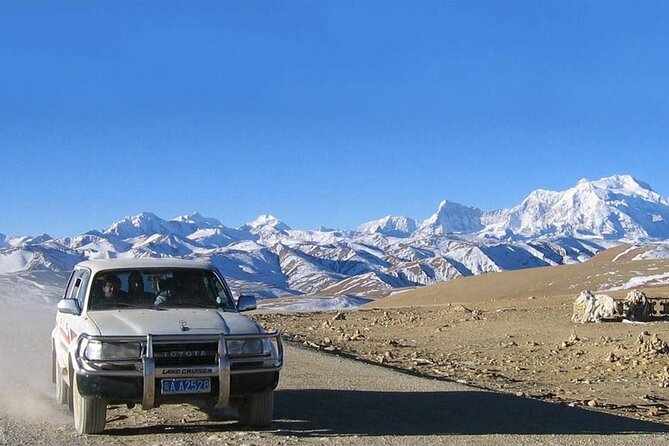
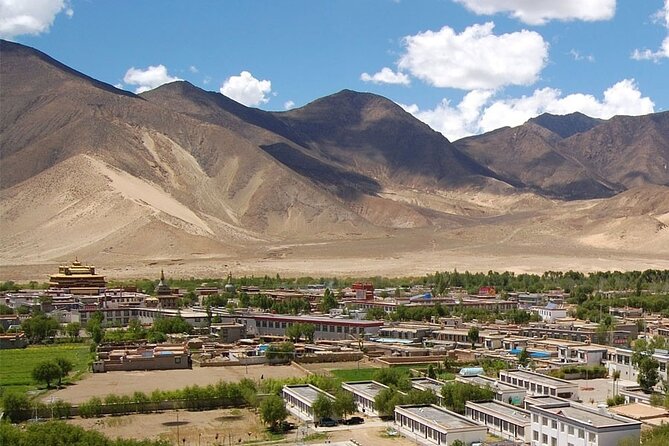
After Kerung and the plateau approach, the trip settles into two of Tibet’s classic cultural bases: Shigatse and Gyantse. On Day 3, you reach Shigatse after crossing Gyatchu La and you get the scenic drive payoff that comes with it.
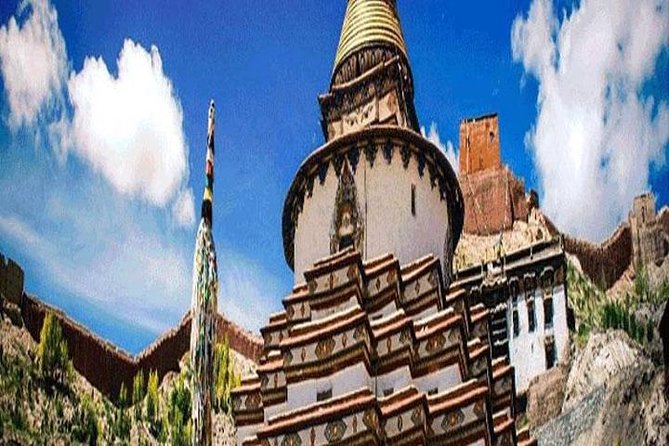
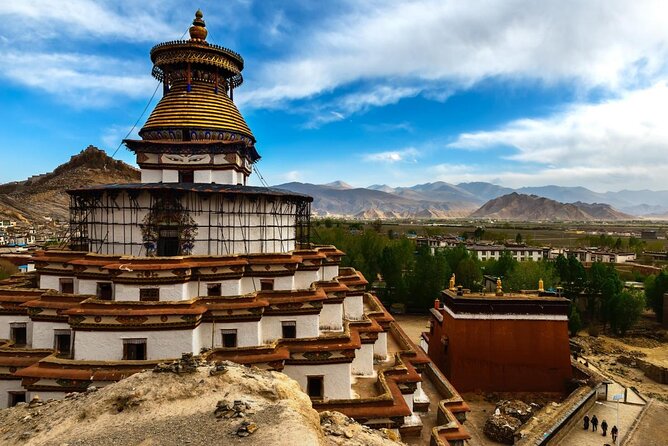
Day 4 is where the spiritual touring starts stacking up. You visit Panchen Lama’s Tashlhumpu Monastery, then head toward the Gyantse valley, passing through Tibetan villages along the way. The overview also lists Gyantse Kumbum and Gyantse Dzong as part of the planned stops, which gives the day both a religious landmark and a place with stronger “watch the valley” energy.
Why you will probably enjoy this section: it is a nice contrast to Lhasa. Lhasa is the big showcase. Shigatse and Gyantse let you slow down mentally and see how monastic life sits inside everyday geography. Even if you are not a deep scholar of Tibetan Buddhism, the guide support helps you connect architecture and ritual to the people who live nearby.
Small practical tip: when you enter monasteries, you will often want to keep your voice low, move respectfully, and take cues from what the local visitors are doing. This tour is monastery-focused, so good manners are not just etiquette, they help the day run smoothly.
Lhasa Inbound: Yamdrok Tso and the Brahmaputra River Stops
Day 5 is your Lhasa approach day, and it is built around scenery-driven travel. You cross the passes Karo La and Kamba La, and along the way you have planned stops for Yamdrok Tso (Turquoise Lake) and the Brahmaputra River.
Why this matters to your trip: Lhasa can feel like a “city museum” unless you reach it through strong natural moments. These water and river views reset your eyes before the religious landmarks start. Also, crossing mountain passes sets the tone for the whole week, reminding you that this is a high-elevation route where geography is part of the experience.
What to expect practically: you are still driving, so you will not have unlimited time at each scenic stop. Pack for quick transitions, and keep your camera ready, but also remember to breathe and enjoy without constantly rushing. The best view is not always the one you snap in the first 30 seconds.
A different sort of day out of Kathmandu:
- Kathmandu: 7 UNESCO Sites with Lunch
★ 4.8 · 744 reviews - Everest Base Camp Helicopter Tour landing at Everest View Hotel
★ 5.0 · 668 reviews - Half day cooking class in Thamel kathmandu
★ 5.0 · 607 reviews - Everest Base Camp Trekking
★ 5.0 · 485 reviews
Potala Palace and Norbulingka: Lhasa Sightseeing With a Real Guide
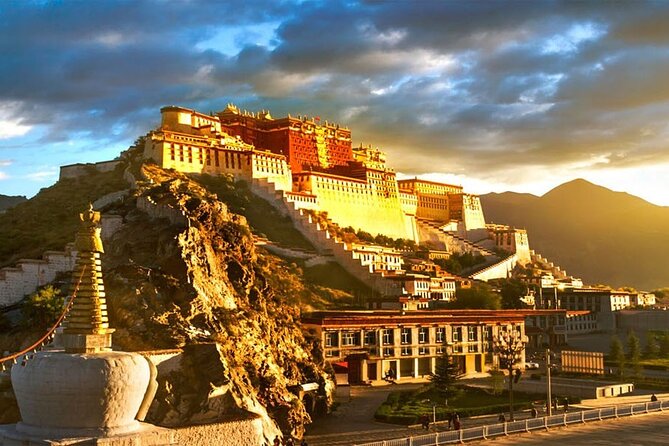
Once you reach Lhasa, the tone shifts from road travel to guided landmarks. Day 6 begins with a guided sightseeing plan, starting with Potala Palace, described here as the winter palace of the Dalai Lama. From Potala’s vantage, you also get a wide view over Lhasa town.
The overview also includes Norbulingka Palace, which gives you a second major royal-site angle. Between them, these stops help you understand why Lhasa became the center it did, politically and spiritually.
Then you move into Lhasa’s cultural rhythm. The overview lists Barkhor Bazaar and the Tibet Museum as part of what you will cover. Barkhor is the place where monastery and city life overlap, and it is useful for orienting yourself to the flow of daily movement around sacred sites. A museum visit, meanwhile, helps turn what you saw on the street into something you can explain later.
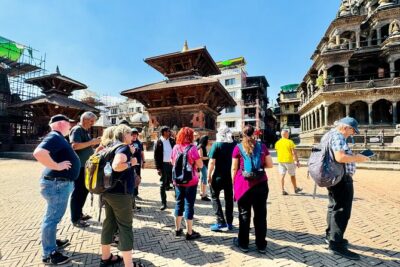
What I’d emphasize: this is the point in the trip where an English-speaking Tibetan guide really earns their keep. The difference between seeing a building and understanding why people treat it as meaningful is often language and context. If your guide asks you to slow down, listen.
Drepung and Sera, Plus Other Sacred Stops Around Lhasa
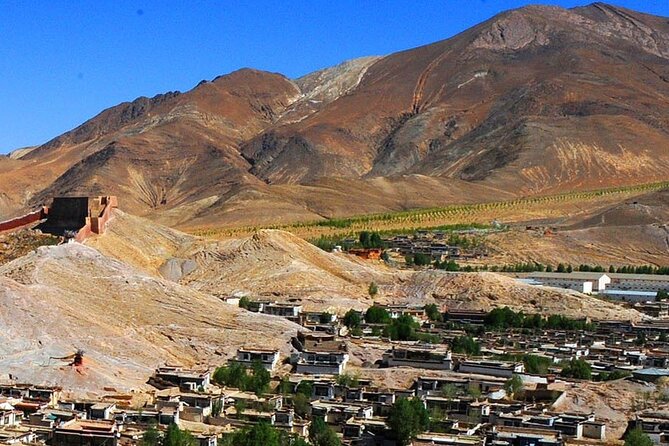
Day 7 is built for the monastery-and-temple side of Lhasa. You visit Drepung Monastery, noted as a major 14th-century site and described as having once been the world’s largest monastery sheltered by up to 10,000 monks. Then you visit Sera Monastery.
The overview also lists additional sites as part of the overall plan, including Jokhang Temple, plus Sakya Monastery and Shalu Monastery. This is a strong sign that the tour is not only chasing a checklist of names, it is trying to cover a range of religious locations that people associate with Tibetan Buddhism and pilgrimage.
Why this second monastery day is worth it: it adds contrast. Even within one city, monastic spaces can feel different in scale, teaching style, and how pilgrims move through the grounds. With two major monasteries plus Jokhang-type temple context, you get a sense of the “living network” idea behind Tibetan religious life, not just isolated buildings.
Respect goes a long way here. Dress sensibly, keep your movements calm, and let your guide manage where the group pauses. When you see ceremonies or daily routines, give them a few quiet minutes instead of treating it as a quick stop.
What You Get For $1,300: Permit, Transport, Fees, and Where Costs Add Up
At $1,300 per person for about 8 days, the value story is mostly about what the tour handles for you. Included items are meaningful:
- Twin sharing rooms on a bed-and-breakfast basis
- English speaking Tibetan guide
- Transportation by van or bus per the itinerary
- Monastery entrance fees
- Tibet travel permit
- Breakfast (7)
For many independent travelers, the hardest parts of Tibet are the moving pieces: permits, timing, and making sure you are allowed to enter the places the itinerary promises. This tour tries to remove that uncertainty. Having the Tibet travel permit included is a big part of why the price is structured this way.
Where costs can rise: lunch and dinner are not included, and personal expenses such as drinks and tips are not included. You also need to budget for the fact that visa fee and flight fare are not included, and single supplement may apply if you do not want twin sharing.
My practical advice: if you want to keep spending under control, plan a rough daily budget for meals and snacks, plus a reasonable tip amount to align with how your guide and driver support the trip. Also, bring cash for smaller purchases you might want along Barkhor or at roadside stops.
Comfort, Group Size, and Timing You Should Plan Around
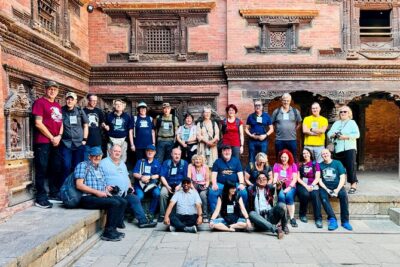
This tour runs with a group of up to 30 travelers, which is large enough to feel social but small enough that you are not disappearing into a crowd all day. That group size matters on long drive days because stops and timing have to work for everyone.
You also need to plan for the rhythm of the itinerary. Day 8 ends with checkout and a drive toward your next destination, either back to Kathmandu or Mainland China, depending on the flow of your arrangements. That means the last day is still travel time, not a full free day.
Comfort notes that are directly relevant: rooms are twin sharing, and your nights are part of a bed-and-breakfast package. If you are traveling as a solo person, your options are not stated beyond the mention of single supplement if needed, so it is worth clarifying what room setup you want before you lock anything in.
Also, since the route includes high passes, the physical demands are real. If you are the type who hates rushing, you might feel the pace here. If you like a structured adventure where someone else handles the schedule, you will likely find the fixed departure format reassuring.
One more reality check: the tour notes that “natural or political disturbance” beyond anyone’s control is not included. In plain terms, this region can involve disruptions. A well-organized operator can help you adapt, but no itinerary can promise total immunity from changes.
Paperwork Reality Check: Passport Timing for Tibet Visa and Permit
If you only remember one admin detail, make it this one. You need your original passport submitted for the Tibet visa at least 3 working days in advance, and you also need booking confirmation at least 15 working days in advance for the Tibet tour permit.
That is a tight window. Do not treat it like generic travel paperwork. If you are booking close to the start date, you can end up with delays you did not cause.
My advice: once you confirm your tour, immediately check your passport validity and scanning rules with the operator, and then set calendar reminders for the submission deadlines. Build a buffer. If you do, the permit process becomes a background task instead of a stress source.
Should You Book This Fixed Departure Tibet Tour?
Book it if you want a road-trip version of Tibet that mixes big names with real guided context. The strongest reasons to choose this are the English speaking Tibetan guide, the fact that monastery entrance fees and a Tibet travel permit are included, and the way the itinerary tries to connect Lhasa icons with other regional monasteries like Drepung and Sera.
Skip it, or at least think twice, if you hate early mornings, long vehicle days, and physically demanding altitude routes. This tour is structured, not slackline casual. It also leaves most food decisions to you since lunch and dinner are not included.
If you fit the match, I think you will like it a lot. You are not only buying scenic drives and famous buildings. You are buying a system, with transport arranged, entry permissions handled, and a guide ready to explain what you are seeing.
FAQ
What time do we meet for this Kathmandu to Tibet overland tour?
The meeting time is listed as 5:15 am, and pickup is offered from the Kathmandu area.
What’s included in the $1,300 price?
Included are twin sharing rooms on a bed-and-breakfast basis, an English speaking Tibetan guide, transportation by van or bus per the itinerary, monastery entrance fees, the Tibet travel permit, and breakfast (7).
What costs are not included?
Not included are lunch and dinner, any train or air fare, and personal expenses such as drinks and tips. Visa fee, flight fare, and single supplement (if needed) are also not included.
When do I need to submit my passport for Tibet?
You need your original passport for the Tibet visa at least 3 working days in advance, and you need booking confirmation at least 15 working days in advance for the Tibet tour permit.
How big is the group?
The tour has a maximum of 30 travelers.
What’s the cancellation window for a full refund?
You can cancel up to 6 days in advance for a full refund, as long as you cancel at least 6 full days before the experience start time.
Latest Kathmandu write-ups
- Langtang Valley Trek★ 5.0 · 3 reviews
- Khopra Danda Trek★ 5.0 · 3 reviews
- Langtang Valley Trek from Kathmandu★ 5.0 · 3 reviews
- 5 night / 6 days Kathmandu Nagarkot Chitwan Pokhara tour★ 5.0 · 3 reviews
- Nepal Highlights Tour: 5 Nights 6 Days Kathmandu & Pokhara Tour★ 5.0 · 3 reviews
- Kathmandu Valley Private Day Tour★ 5.0 · 3 reviews
- Conquer the Himalayas: The Ultimate 16-Day Annapurna Circuit Trek★ 3.5 · 3 reviews
- Kathmandu Heritage Day Tour★ 5.0 · 3 reviews
Tours, compared.
Private Kathmandu Sightseeing Tour | UNESCO World Heritage sites
Read our review →
Everest Base Camp Helicopter Tour landing at Everest View Hotel
Read our review →