
Reviewed · POON HILL TREK
Ghorepani Poonhill Trek
This Ghorepani Poonhill Trek is interesting because it blends rhododendron-covered foothills with one of the Himalayas’ most famous sunrise viewpoints. You start with classic Nepali valley life, then trade roads for stone steps, creek crossings, and quiet teahouse nights before hiking up for panoramic mountain drama.
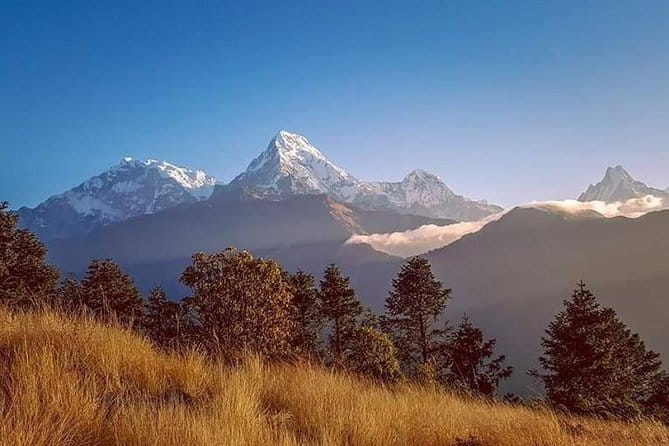
I especially like the Poon Hill sunrise payoff, when the Annapurna massif and nearby peaks light up in layers. I also like the guide-led route help, the kind that keeps you moving at a sensible pace and helps you find the best mountain-view spots, including names like Pradip, Rupak Kadel, Mountain Ram, and Niraj who are highlighted for attentive guidance and clear explanations of culture and history.
One possible drawback is meal budgeting. Lunch and dinner are not included during Kathmandu, Pokhara, and your trekking days, and the tour notes that meals run about $3 to $7 per item depending on where you eat, so it is an extra cost to plan for.
Key highlights worth planning around
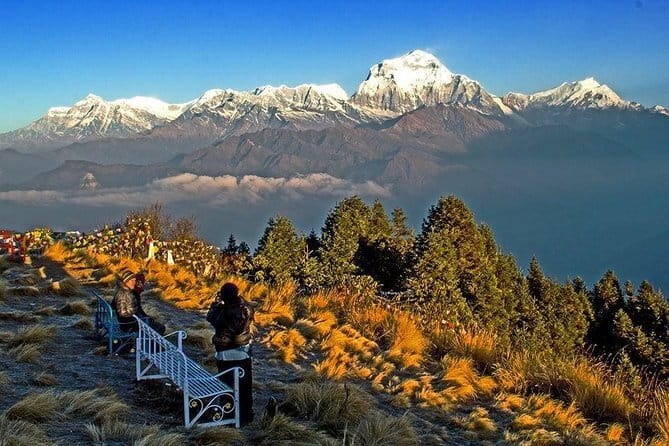
- Poon Hill sunrise at 3210 meters with views of Annapurna massif, Gangapurna, Himchuli, Dhaulagiri, Manaslu, and Ganesh Himal
- Classic teahouse trekking with twin or double rooms on a lodge and guesthouse circuit (breakfast included)
- Gurung village atmosphere at Ghandruk with culture you can see, not just read about
- Route guidance from experienced staff with guides and porters praised for pacing, help with viewpoints, and practical direction
- Built-in city time in Kathmandu and Pokhara, including UNESCO World Heritage Sites in the valley
Ghorepani Poonhill Trek in plain terms: what makes it worth your time
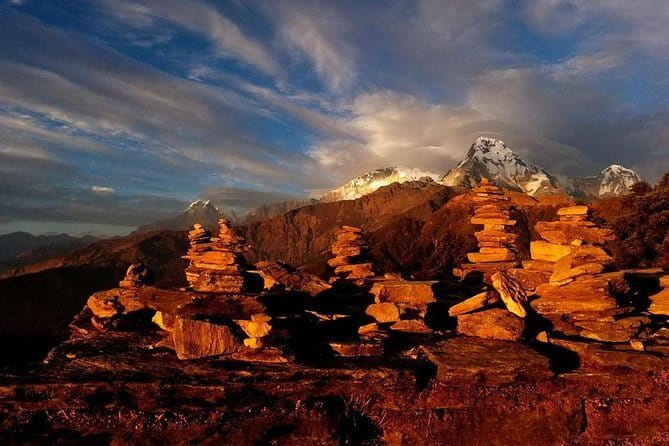
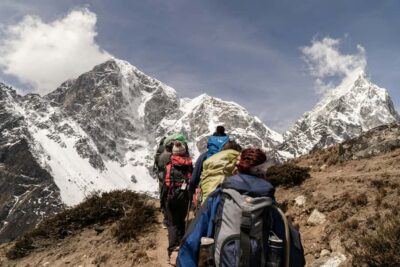
This trip is designed like a well-paced sampler of the Annapurna foothills. You spend the early days walking through subtropical valleys and rhododendron country, then you hit the big moment at Poon Hill, where you hike up in the dark or early morning to catch the sunrise view.
The route also has variety. Some days are longer hiking stretches, and some are shorter with room to take breaks, look at waterfalls and creeks, and just absorb how quickly the scenery changes from village paths to higher, colder air. If you like trekking that feels traditional, not a theme park, this hits that sweet spot.
The other factor I like is the “whole trip” feel. You do not only trek. You also get Kathmandu and Pokhara sightseeing, plus smooth transport links between the cities and your trail start point. For a first Annapurna-style trek, that balance is a big deal.
More Ghorepani and Poon Hill departures:
- 4 Days Poon Hill Trek
★ 5.0 · 94 reviews - Ghorepani(Poonhill Trek)
★ 5.0 · 81 reviews - 4-day Poon Hill Trek
★ 5.0 · 74 reviews
Kathmandu and Pokhara: the easy culture warm-up
Most people underestimate how helpful it is to adjust to Nepal in a structured way. Your day in Kathmandu begins with arrival, then a pre-trip meeting at a hotel. After that, you get a full recreational tour day through Kathmandu, with stops tied to UNESCO World Heritage Sites in the valley. Even if you already know Nepal basics, walking these old-city areas before your trek helps you understand what you are seeing when you meet local people later on the trail.
Then you move to Pokhara by road. The drive is part of the experience, but it is also a practical bridge. It gets you away from the busier Kathmandu energy and closer to the hiking country, and it puts you in the right mood for downhill scenery and lake-city atmosphere.
Pokhara sightseeing is built into the schedule too, so you end the trek with a decompression day instead of immediately turning around and heading back into logistics. That is smart if you want your trekking memories to feel like memories, not just “what happened between transfers.”
First trekking days, Tikhedunga to Ghorepani: stone steps and rhododendron
Your trekking starts after a drive from Pokhara to Nayapul. From there, the first hiking day to Tikhedunga is short on paper, but you still feel the shift to foot travel fast. Expect a few hours of effort, plus the kind of walking where the “terrain” includes not only your legs but also your breathing and rhythm.
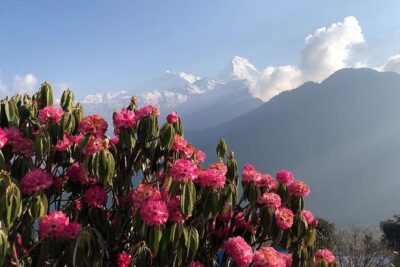
The next day, Tikhedunga to Ghorepani, is the longer push, around 5 to 6 hours. This is where the rhododendron foothills are a standout. You are not just passing through forest. You are moving through it in a way that gives you frequent opportunities to pause, watch birds, and notice how the air and temperature change as you gain elevation.
You will also notice how teahouse trekking works here. Small villages are connected by trail segments, and that means your meals and rooms come from a network of lodge and guesthouses that depend on hikers. Breakfast is included, and the tour also includes lodging during the trek, so you do not have to make daily decisions beyond what time you leave.
A realistic consideration: if you have knee issues, stone steps can be the toughest part of the day. The itinerary’s timing looks manageable, but steps feel steep no matter how many scenic pauses you take.
Poon Hill sunrise: the view you plan around
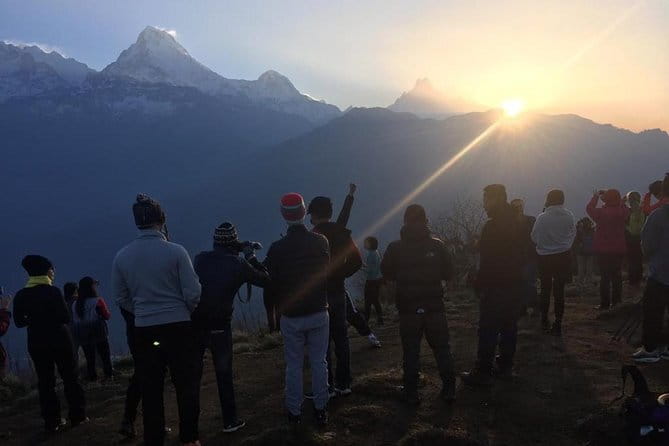
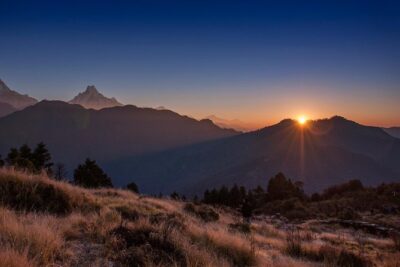
This is the day the whole itinerary is really for. You hike up to Poon Hill (3210 meters) and then continue trekking to Tadapani (2675 meters). The schedule puts this at about 5 to 6 hours total for the day, with the key moment being sunrise timing.
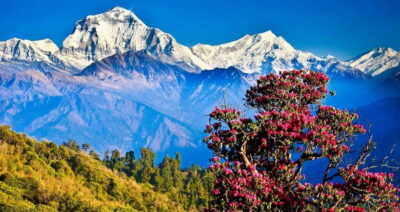
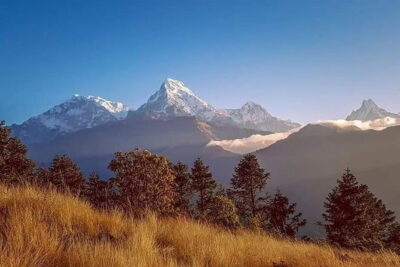
What you gain is not one mountain. You get a constellation. From Poon Hill, the tour highlights views of the Annapurna massif plus Gangapurna, Himchuli, Dhaulagiri, Manaslu, and Ganesh Himal. You also get the iconic Fish Tail, or Machhapuchare, as it dominates the skyline from viewpoints in the Annapurna region.
Practical advice: plan for early starts and cold air. Even when the trek itself is not extreme, sunrise at elevation can feel sharp. The tour notes that down jackets are included, which helps a lot for those pre-sunrise hours, and you should still layer so you can warm up as you start walking.
Also, remember the view is weather-dependent. Cloud cover can erase the sunrise. When that happens, good guides help you shift attention to alternative viewpoints, and a steady group pace matters so you are not stuck scrambling while you wait.
More to compare around Kathmandu
- Everest Base Camp Trek – 14 Days
★ 5.0 · 1,499 reviews - Everest Base Camp Trek
★ 5.0 · 842 reviews - Private Kathmandu Sightseeing Tour | UNESCO World Heritage sites
★ 5.0 · 756 reviews - Kathmandu: 7 UNESCO Sites with Lunch
★ 4.8 · 744 reviews
Ghandruk and the Gurung village feel
After Ghorepani, you head toward Ghandruk via Tadapani. The route from Tadapani to Ghandruk is listed around 3 to 4 hours, which is a nice contrast to the longer push days. This is one of those segments where you can travel with less fatigue and more curiosity.
Ghandruk is highlighted for meeting friendly and hospitable Gurung people and for experiencing their unique culture. In practice, that means you are not only walking through “scenery.” You are arriving at a village where teahouse hospitality is part of daily life, and you can see how the communities exist alongside the mountains that bring hikers in.
This is also the day when your guide’s role can shift from logistics to storytelling. The tour description emphasizes culture, and the guide support has been praised for explaining local history and customs. That matters because once you understand what you are seeing, the whole trek stops feeling like a checklist.
One more practical note: Ghandruk is at a meaningful elevation, and nights can feel cool. Teahouses are cozy compared to camping, but you still should treat it as real mountain weather. Use the provided down jacket as your base for cold protection and layer accordingly.
How the return trip to Pokhara really works
From Ghandruk, you hike to Nayapul and then drive back to Pokhara. The itinerary lists the trekking portion as about 4 to 5 hours plus the return drive. This is a good structure: you finish the trek on foot, then you get the reward of a proper ride and time to reset.
Once back in Pokhara, you get a full day of sightseeing in the city of lakes. This is a chance to do normal human stuff again, like eating leisurely and taking photos without checking how long the hike will take you later. It also softens the emotional landing after your last big walking day.
On the final transit day, you either drive or fly back to Kathmandu (the schedule notes around 6 to 7 hours by drive, or about 25 minutes by flight). Ending with a shorter hop by air can be a huge morale boost if your legs are tired, but the choice depends on what is running during your dates.
Teahouses, food budgeting, and what to expect in the mountains
The trek is built around local teahouse accommodation and lodge guesthouses. You get twin or double beds with breakfast during the trek, and the same style of lodging coverage is applied for the city nights according to the itinerary.
Food-wise, breakfast is included, and dinner is included in the package. After that, lunch and dinner costs are on you during Kathmandu, Pokhara, and the trekking days. The tour provides a helpful ballpark figure: about $3 to $7 per item depending on where you eat. That is typical for teahouse trekking, but you should still budget.
If you like local food and you are open to simple, filling meals, you will probably find the teahouse routine comfortable. If you have dietary needs, you should flag them at booking. Vegetarian options are available, and the operator asks for dietary requirements in advance, which is the right way to handle it.
Porter support is also part of your comfort. The tour includes porters with a ratio of 1 porter for 2 people. That does not mean you never carry anything, but it usually means you carry less weight than you would on a do-it-alone version. Keep your daypack light, and always carry valuables and layers in your own bag.
Guides, porters, and the pace that keeps you smiling
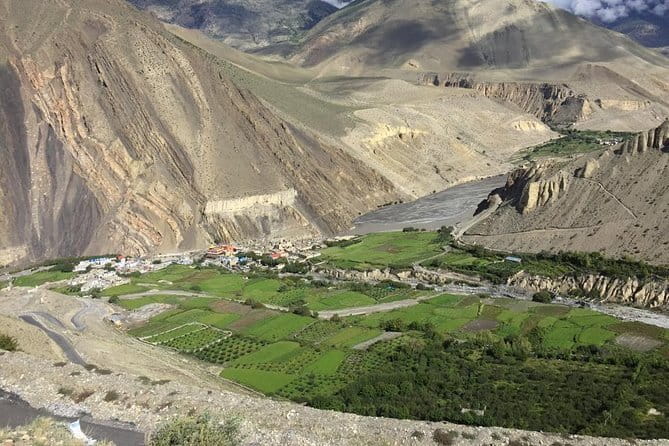
The most highly praised aspects across the trek experience are about people: guides who direct you well and porters who keep things moving. The tour includes an experienced, helpful, friendly guide and porters, and it covers the salary, food, drinks, accommodation, transportation, and insurance for them. That coverage matters because it supports continuity and helps the team stay focused on your trip.
From the names mentioned in the team experience, I take this as a positive pattern. Guides such as Pradip and Rupak Kadel are noted for practical route help, choosing good spots to view mountains, and sharing context on culture and history. Mountain Ram and Niraj are also highlighted for smooth, efficient organization, which is exactly what you want when mornings are early and trail days can run late.
Porters like Sunil are praised for skill and pace. Translation for you: your hiking rhythm stays consistent, and you are less likely to end the day exhausted from stop-start effort.
As for group size, the trip is private, meaning only your group participates. That tends to make the experience calmer and easier to manage, especially for first-time trekkers who want guidance without competing with strangers for attention.
Price, inclusions, and the small costs to watch
At $299 per person, this is positioned as an all-in package for an Annapurna foothills trek plus city time. That price is not just for the hiking. It covers guided service, porter support, multiple nights of accommodation in twin or double rooms, transportation between Kathmandu and Pokhara, and in-country private vehicle transfers to and from the trek start and end points.
What you should watch are the “not included” items. International airfare and the Nepal entry visa fee are not included. Lunch and dinner in Kathmandu, Pokhara, and during trekking days are also not included, with the estimate of $3 to $7 per item. Monument entrance fees are not included either.
If you travel solo, the price changes. There is a single supplement listed at USD 300 extra, which is important for your budget planning.
Value tip: compare this package not to DIY trekking, but to arranging each piece separately. The included logistics, especially private hotel pickup and drop-off plus guide and porter staffing, is where you save time and stress. If you want a trek where you can focus on walking and views, $299 plus your personal meal budget usually pencils out well.
Should you book this Ghorepani Poonhill Trek?
I would book this trek if you want classic Annapurna foothill walking plus a real sunrise finale, and you like the idea of having the hard parts handled: transport timing, guides, teahouse lodging, and porter support. The Poon Hill sunrise viewpoint is the headline, and the itinerary gives you enough city time to make the trip feel complete, not just physically active.
I would think twice if you hate budgeting for on-the-go meals. Since lunch and dinner during trekking and city days are not included, your final cost depends on how you choose to eat each day. Also, the trek is set for travelers with at least moderate physical fitness. The daily hike times are reasonable, but stone steps and early sunrise cold are real.
If you are looking for an organized, people-forward version of Ghorepani Poonhill, this one is a strong match.
FAQ
What is the approximate duration of the Ghorepani Poonhill Trek?
The tour duration is listed as 11 days, approximately.
Where does the trek start and where does it end?
You begin the trek from Pokhara to Poonhill. The itinerary indicates you end at the same point, with a return to Pokhara after finishing the trekking route.
What time does the trip start?
The start time is listed as 9:00 am.
What major viewpoints are included around Poon Hill?
Poon Hill is highlighted for sunrise views and the tour lists the Annapurna massif and peaks such as Gangapurna, Himchuli, Dhaulagiri, Manaslu, and Ganesh Himal.
Is teahouse or lodge accommodation included?
Yes. The tour includes accommodation in lodges or guest houses during the trek, with twin or double bed arrangements and breakfast basis as per the itinerary.
Are meals fully included during the trek?
Not fully. Breakfast is included, and dinner is included, but lunch and dinner during Kathmandu, Pokhara, and trekking days are not included, with a listed cost range of about $3 to $7 per item.
Can I get a vegetarian option?
Yes. Vegetarian options are available, and you should advise the operator at booking if you need it.
Do I need a single room if I travel alone?
If you are a single traveler, a single supplementary charge of USD 300 is applicable.
How flexible is cancellation?
Free cancellation is offered if you cancel up to 24 hours in advance of the experience start time for a full refund. If you cancel less than 24 hours before, the amount paid will not be refunded.
Latest Kathmandu write-ups
- Langtang Valley Trek★ 5.0 · 3 reviews
- Langtang Valley Trek from Kathmandu★ 5.0 · 3 reviews
- Khopra Danda Trek★ 5.0 · 3 reviews
- 5 night / 6 days Kathmandu Nagarkot Chitwan Pokhara tour★ 5.0 · 3 reviews
- Nepal Highlights Tour: 5 Nights 6 Days Kathmandu & Pokhara Tour★ 5.0 · 3 reviews
- Kathmandu Valley Private Day Tour★ 5.0 · 3 reviews
- Kathmandu Heritage Day Tour★ 5.0 · 3 reviews
- Conquer the Himalayas: The Ultimate 16-Day Annapurna Circuit Trek★ 3.5 · 3 reviews
Poon Hill Trek, compared.
4-Day Ghorepani, Poonhill & Ghandruk Mountain Trek
Read our review →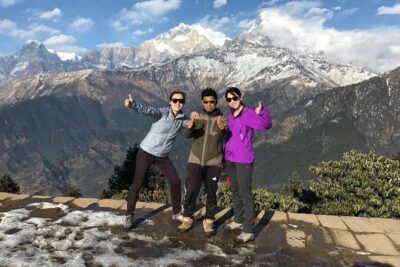
Browse the lists this tour appears in