
Reviewed · ANNAPURNA CIRCUIT TREK
Kathmandu: 10-Day Annapurna Circuit Trek via Thorong La Pass
This trek is interesting because it turns one of the world’s best known routes into a clear, step-by-step altitude story, with Thorong La (5,416m) as the big headline day. You feel that change from green valleys to high, dry air, and the views shift from broad peaks to close, sharp summits that look like they could topple your camera strap.
I especially love two things about this trip. First, the plan builds in Manang acclimatization, so you spend more time adjusting and less time panicking at thin air. Second, the quality of the human support stands out, with guides like Ghanshyam and Gansham tailoring the pace and teaching you how to move smarter.
One drawback to consider: this is a demanding high-altitude itinerary, and it is not for everyone. If you have respiratory issues, are pregnant, or have trouble with altitude, you should think hard and talk to a doctor first.
Key things I’d track before you go
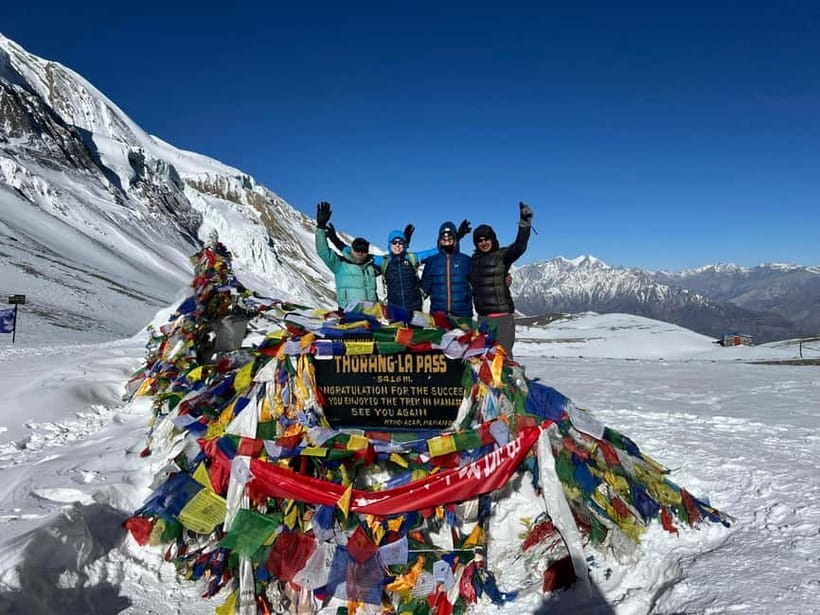
- Thorong La at 5,416m is the main accomplishment and the day your breathing will get very honest
- Manang acclimatization helps you handle the jump toward higher camps without guessing
- Tea house and lodge stays keep you moving, with meals included during the trek
- Local guidance is built into the value, including pacing help and practical tips like purifier tablets
- Muktinath and Kagbeni add culture and scenery, not just miles and meters
Why Thorong La is the Annapurna Circuit’s real challenge (and reward)
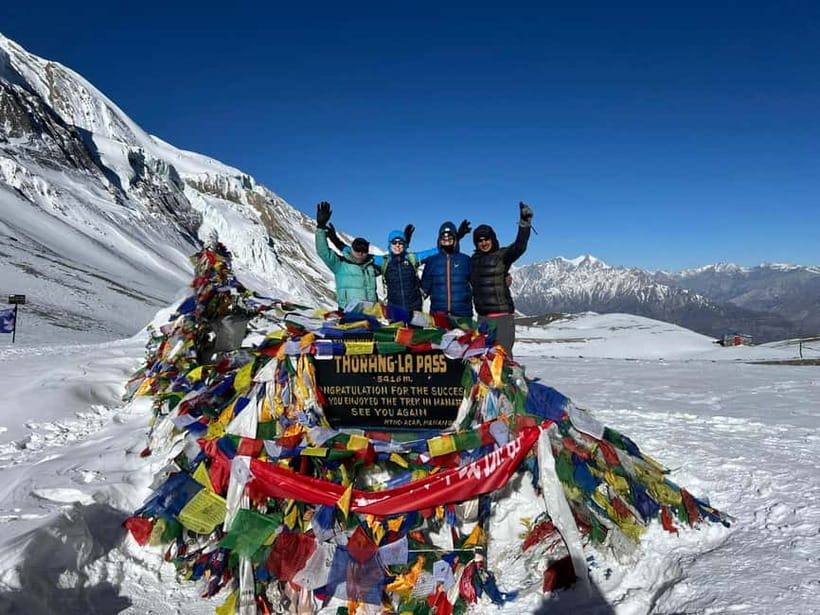
The Annapurna Circuit is famous, but this version keeps the focus where it belongs. You are not doing this just to say you crossed a pass. You cross Thorong La (5,416m), and that single day becomes the line that everything else connects to.
What makes the trek click for me is how the route gives you time to adjust. Your first days rise gradually through villages, forests, and orchards, then Manang slows you down for the altitude lesson. By the time you are near the pass, you already know what your body feels like at 3,000 plus meters and what it demands from you.
The reward is practical too. Once you crest a high pass, the surrounding terrain changes instantly. Peaks, valleys, and the sky feel different, and the views stop being background and start being the whole point. If you are chasing photos, this delivers. If you are chasing a trip that forces growth, it also delivers.
More of the Annapurna Circuit:
- Kathmandu: 9-Day Annapurna Circuit Trek via Thorong La Pass
★ 5.0 · 7 reviews - Kathmandu/Pokhara: Annapurna Circuit Trek 10 days
★ 5.0 · 6 reviews - Annapurna Circuit Trek With Tilicho Lake :Best Trek in Nepal
★ 5.0 · 4 reviews
Kathmandu to Besisahar and Dharapani: start with a real travel day
Day one is travel heavy on purpose. You go from Kathmandu to Besisahar by bus, a ride of about 7 to 8 hours, then you transfer to Dharapani by shared jeep. That long first day might sound tiring, but it is usually the easiest way to get onto the trail without wasting an extra day.
What you gain is time in the mountains. By the evening, you are already in the rhythm of the trek, not still stuck in city logistics. Since this is a private group and includes pickup and drop-off from the Kathmandu Thamel area, you can usually move from hotel to departure without extra searching.
Small consideration: after a long ride, your first trek day is still a climb. Plan to treat the start as gentle and controlled. You will get plenty of steep days later, so it helps to save your legs for them.
Dharapani to Chame: forests, Buddhist corners, and early peak glimpses
From Dharapani you trek to Chame in about 6 hours, reaching a maximum altitude around 2,670m. This is a good “wake up your hiking legs” day, with a route that mixes greenery and mountain scenery right away.
A few details make this leg memorable. You pass through a grassy area where you can catch views of Annapurna II, then you move through a Bhote village and a Buddhist temple area around Bagarchhap. That combo matters because it reminds you the Annapurna Circuit is lived in, not just photographed.
The rest of the day leans into forest hiking, with oak and pine along the trail. The practical downside is that forest days can mean muddy or slippery footing, depending on season and weather. If you pack hiking shoes with real grip, you will thank yourself here.
Overnight in a tea house in Chame gives you a base to sleep, warm up, and prep calmly for the next ascent.
Chame to Upper Pisang: orchids and apple trees, plus the feeling of narrowing valleys
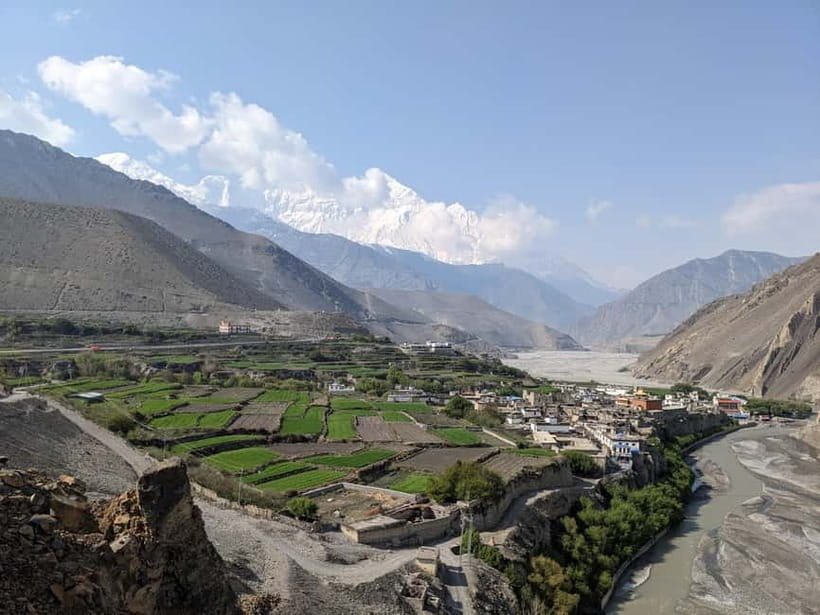
The trek from Chame to Upper Pisang takes 5 to 6 hours, topping out around 3,200m. This is one of those days where the valley tightens and the air thins just enough to make you aware, even if you are moving at a steady pace.
You get a mix of scenery: the route includes an apple orchard, plus viewpoints of Lamjung Himal. Then you continue toward Bhratang Valley, and later you head down toward Pisang or continue to Upper Pisang.
Upper Pisang is especially appealing for two reasons. One, the setting is visually dramatic, with the valley walls and trails feeling close. Two, it keeps you in a village rhythm, with local life around you instead of long stretches that feel empty.
A consideration: as you gain altitude, your breathing might feel slightly “off,” even if your legs feel fine. That is normal. Keep your pace slow and consistent and let your body catch up.
More to compare around Pokhara
- ZipFlyer Nepal – The World’s Steepest Zip-line
★ 5.0 · 608 reviews - Bungee Pokhara by HighGround Adventures
★ 5.0 · 366 reviews - From Pokhara: Sarangkot Sunrise Himalayas Tour
★ 4.7 · 218 reviews - Full-Day Tibetan Cultural Tour to Tibetan Settlements Pokhara
★ 5.0 · 184 reviews
Upper Pisang to Manang: the Manang Valley view day you will talk about later
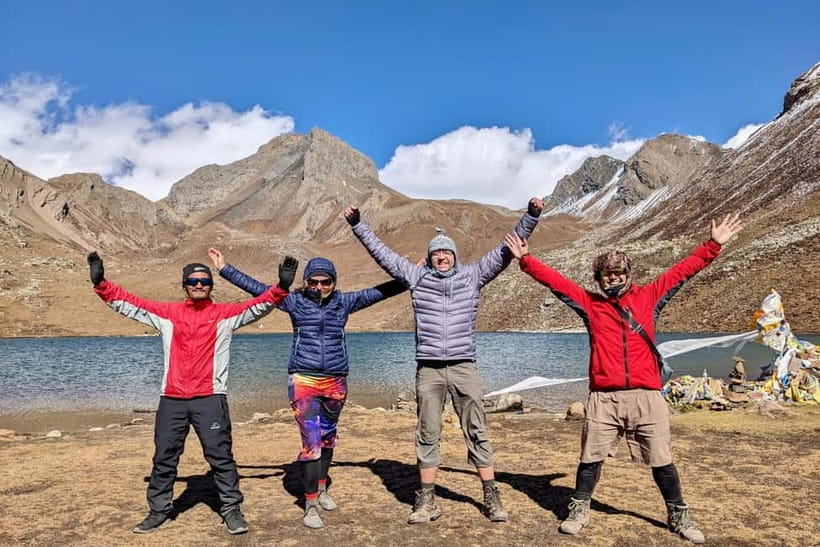
Next is Upper Pisang to Manang, also about 5 to 6 hours, with a maximum altitude around 3,540m. The trek to Manang is often where people start to feel the Annapurna Circuit turning into something bigger than they expected.
The route includes big sight lines toward peaks such as Tilicho Peak, Annapurna III, and Annapurna IV. You also cross the Marsyangdi River on a wooden bridge, then pass through villages like Mungji and Braga.
Arriving in Manang Valley is not just a landing. It is a mental shift. Manang is where the trek starts to feel less like a straight climb and more like a mountain basecamp, even though you are still moving every day.
One thing to plan for: Manang evenings can be cold, and altitude can make sleep lighter. Bring warm layers and expect a slower start the next morning.
Acclimatization in Manang: using your high-altitude day wisely
Day five is your acclimatization day in Manang, with a maximum altitude listed around 4,050m. The point is simple: you give your body time to adapt while keeping you active enough to stay comfortable.
You might take optional short treks, like crossing a river to see an icefall or exploring Gangapurna Glacier Lake. You also have time to explore Manang village and hike to a stupa, which helps break up “altitude day” monotony.
This is where guidance makes a huge difference. In one experience, guide Ghanshyam trained the group well to face altitude, and another guide Gansham used a veteran approach, with about 8 years of experience, to adjust the route based on how the body felt that day. That is the kind of “real-world hiking math” that reduces stress.
Practical takeaway for you: treat acclimatization day like a tool, not a sightseeing bonus. Sleep, hydrate, eat, and move gently. If you feel unusually tired, do not try to prove toughness. Manang is where smart decisions pay off later on Thorong La.
Manang to Yak Kharka: shorter hike, harder breathing
Day six goes from Manang to Yak Kharka in about 4 hours, with a max altitude around 4,050m. The distance feels shorter, but the altitude makes it harder to breathe. This is a classic high-altitude tradeoff, and it is why you should not celebrate time saved.
The trek is mainly about building rhythm. You hike slower than you think you need to, and you give yourself permission to stop often. That is not weakness, it is how altitude trekking works.
This is also where you can feel the difference between “I can hike” and “I can hike at altitude.” If you are coming in from a long travel schedule, you might also notice fatigue in your legs even if the trail is manageable.
Hydration and steady pace are your friends here. One guide in a real trek experience supported the group by providing purifier tablets for water, a small detail that can matter a lot when you are trying to stay consistent day after day.
Yak Kharka to Thorong Phedi: you are close, so slow down on purpose
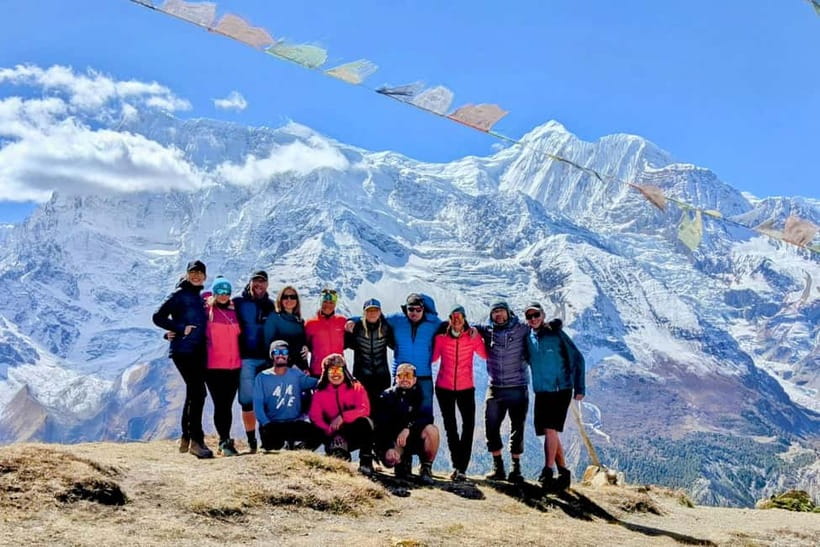
Day seven is Yak Kharka to Thorong Phedi, about 4 to 5 hours, reaching a max altitude around 4,450m. The profile is described as a gradual ascent to a hilltop, then a descent toward the headwaters of the Marsyangdi River.
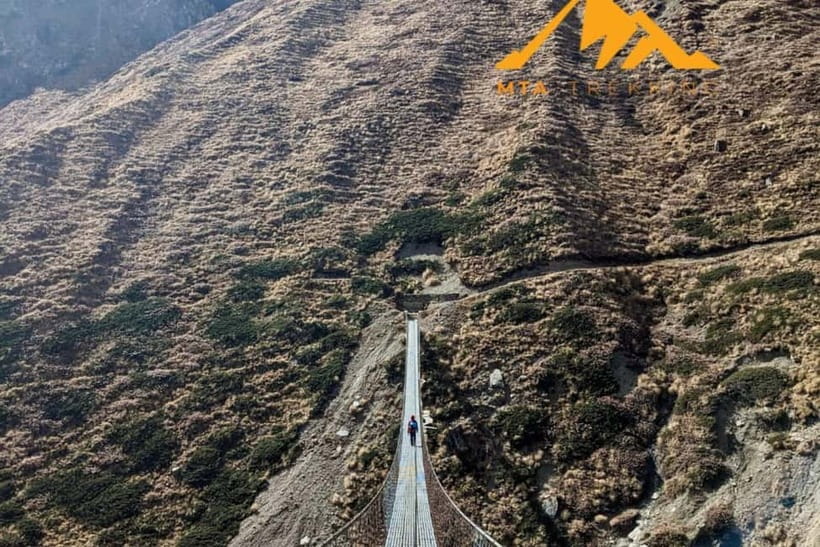
A useful detail: you cross a hidden wooden bridge, then you ascend along the right bank of the Marsyangdi River. When the trail starts to feel more “technical” simply because of thin air, these small navigational moments help you focus on what is in front of you.
Thorong Phedi is your staging area for the pass day. For your planning, this is where you should treat the evening as preparation time. Eat early, layer up, and be ready for a colder night than you might expect.
If you do not like feeling cold, this part of the trek might challenge you. But if you dress for the weather instead of hoping, you will be fine.
Crossing Thorong La (5,416m) to Muktinath: the pass day that changes you
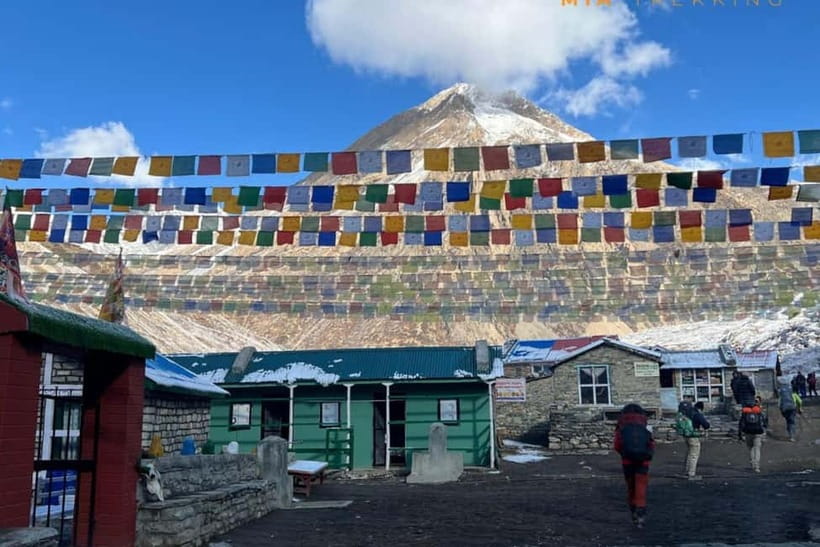
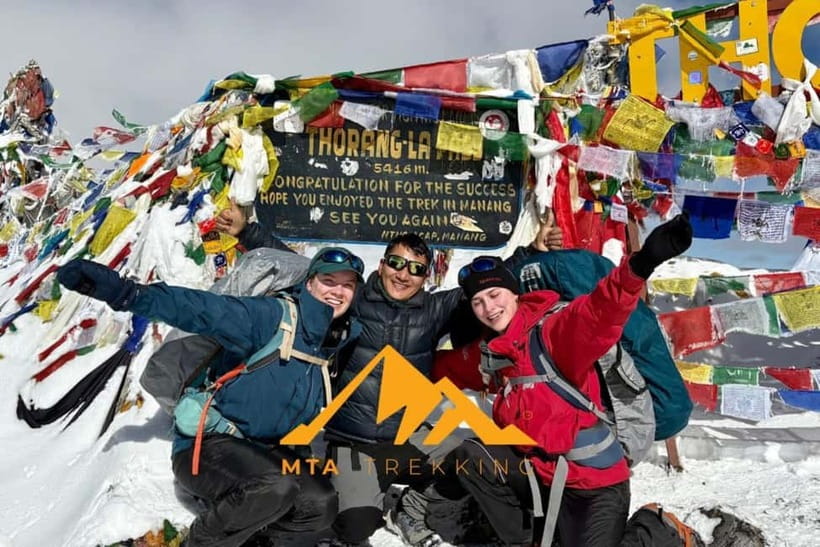
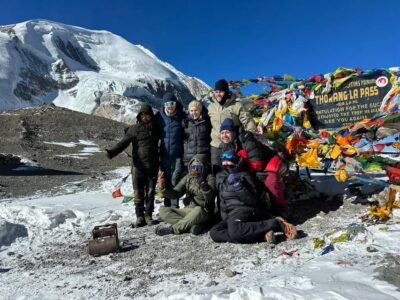
Day eight is the big one. You trek from Thorong Phedi to Muktinath via Thorong La Pass, about 7 to 8 hours, with a maximum altitude of 5,416m. This is one of the highest trekking passes in the world, and the day lives up to the warning.
What you should expect is effort that feels bigger than the distance suggests. Even strong hikers tend to move slowly up the pass. Your job is steady breathing, short steps, and a pace that you can maintain even when your brain wants to sprint.
Once you cross the pass, the reward hits hard. You descend while seeing Mustang Valley and getting wide, high views toward Dhaulagiri. The descent can feel like relief, but you still need careful footwork. High altitude can leave you light-headed, and tired ankles do not forgive.
Then you arrive at Muktinath, a place with strong religious significance and a very different atmosphere from the earlier valleys. This is not only about nature, it is also about culture you can feel when you reach a major stop on the route.
Muktinath to Kagbeni to Jomsom: red-rock village life and a long travel day coming
Day nine is Muktinath to Jomsom via Kagbeni, about 7 to 8 hours. This section shifts your experience again, from the high pass storyline toward village hopping and scenic hiking.
You explore Kagbeni, a town known for its distinct look and traditional feel on the Annapurna circuit. You also start moving toward the final transport connection, since Jomsom is what feeds into your Pokhara plan.
A consideration here is fatigue management. After Thorong La, many people feel both strong and worn out at the same time. That can lead to taking too-big steps on the trail. Keep your pace calm, and if you have knee issues, use trekking poles if you brought them.
By the end of the day you are set up for the ride that brings the trek to its finale.
Jomsom to Pokhara by public bus: the landing phase
Day ten is not a hike day. You take a public bus from Jomsom to Pokhara, about 8 hours. This is a long ride, and it will feel even longer if you sleep poorly in Jomsom.
Pokhara is included in the plan with a 1-night stay at Hotel Orchid after the trek. You also get a farewell dinner in Pokhara, which is a nice way to close the loop. After you have been counting meters all week, it feels good to eat without thinking about the next climb.
If you tend to get stomach issues after heavy trekking, be gentle with food on this transit day. Keep water and warm layers in mind too, because you are moving from high air to more variable conditions.
What $456 gets you, and where the extra money usually goes
At $456 per person, the value comes from what is handled for you. The trip includes permits and TIMS card, all meals (breakfast, lunch, dinner) during the trek, and tea house and lodge accommodations throughout. It also includes the experienced government registered local guide, plus all transport between destinations and hotel pickup and drop-off in the Kathmandu Thamel area and Pokhara Lakeside area.
That is a lot of logistics paid for up front, and that matters if you want a smooth trip without hunting for guides or arranging transfers at the last moment. You also get emergency rescue assistance, which is worth noting when you are dealing with a day at 5,416m.
What is not included is the usual stuff. You are responsible for soft and hard drinks, travel and rescue insurance, Nepal visa fee, and personal costs like phone use and laundry. You also need to budget for water needs and your trekking gear, since trekking gears are not included.
My rule for value here: if you already own solid boots, layers, and a rain cover, this is a strong deal for the amount of guide and meal support you get. If you have nothing and must buy everything last-minute, your true total will rise fast.
Guides, tea houses, and food: why small support changes your whole trek
The biggest “quality boost” in this trek is the way support shows up day to day. In real experiences on this route, guide Ghanshyam adapted pacing to needs and helped hikers reach Thorong La in a comfortable way, which is exactly how you want guidance to work. Another account credited Gansham, a veteran guide, with practical planning and support such as purifier tablets for water.
That practical help is not glamorous, but it matters. When altitude compresses your energy, you cannot waste time guessing. A good guide turns uncertainty into a routine you can follow.
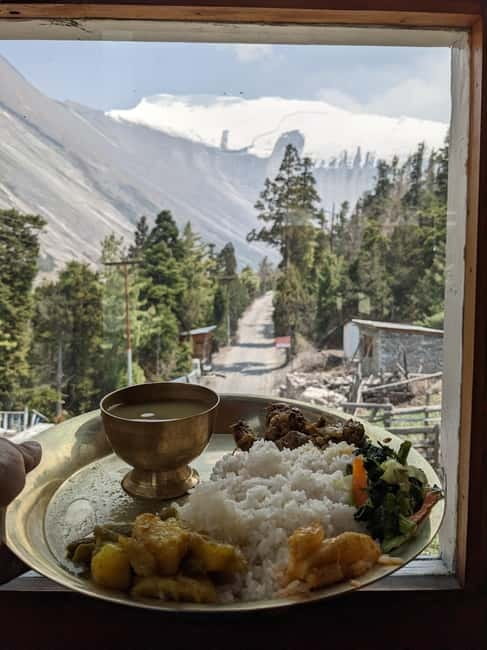
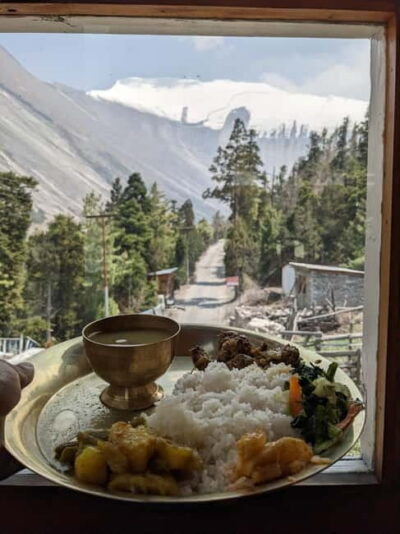
Tea houses and lodges help too, because you do not have to carry shelter. You still need to bring warm layers, but at least you sleep inside and have meals handled. Food quality varies by location, but the schedule keeps you fed and moving without you planning every meal.
Group style also matters. This is a private group, which generally means more control over your pacing than you would get in a huge crowd.
One consideration: this is still a trek where you share space and timing with others in tea houses. If you need total quiet, pick your expectations accordingly.
Packing for altitude and cold nights, based on what you are actually told
You will get the best results if you pack for cold, sun, and comfort, not for a casual hike. Bring warm clothing, a change of clothes, and long pants. You’ll want a waterproof bag and sunscreen, because high altitude sun can bite even when it is not warm.
Don’t skip basic visibility and protection: sunglasses help a lot once the glare ramps up. Bring passport or ID card, since permits and entry requirements depend on documentation.
For footwear, plan on real hiking shoes, not just street sneakers. And pack layers so you can adjust as temperatures swing.
If you are unsure about gear weight or warmth, one experience included renting an extra sleeping bag in Kathmandu before the trek. That is a smart option if you travel light or if you want to avoid buying gear you will not use again.
Who should book this Annapurna Circuit trek, and who should not
This trek fits best if you want a structured route with real altitude planning. It is built for people who can handle several days of hiking at altitude, including the pass day at 5,416m. It is also a good match for adults who want a clear itinerary with meals and accommodations included.
It is not suitable for children under 15, people with altitude sickness, people over 70, people with respiratory issues, and pregnant women. The safety note about Acute Mountain Sickness (AMS) is serious because the trek includes very high altitude exposure.
If you do book, treat the health advice as part of the package. This plan recommends comprehensive travel insurance with medical coverage and helicopter evacuation up to 5,400m. That specific altitude detail matters because Thorong La is slightly above that figure.
Also, alcohol and drugs are not allowed. It is not a rule for fun, it is because altitude + impaired judgment is a bad combo.
Should you book the 10-day Annapurna Circuit via Thorong La Pass?
If you want the famous pass experience with a structured plan, built-in Manang acclimatization, and guided support that shows up in real ways like pacing help and practical water tips, this is a strong candidate. The included meals, tea house and lodge stays, and permits reduce the headaches that can turn a great trek into a stressful one.
Book it if you are physically ready for altitude work and you can follow safety guidance. Skip it if altitude has been a problem for you in the past, if you have respiratory limitations, or if your health situation makes high altitude risky.
One last gut-check: Thorong La is not a checkbox day. If you respect the process, move slowly, and let the itinerary do its job, you end up with something that feels earned, not just completed.
Latest Pokhara write-ups
- Mardi Himal Trek -5 Day Short Trek From Pokhara★ 5.0 · 8 reviews
- Tandem Paragliding in Pokhara★ 4.8 · 8 reviews
- Pokhara: Peace Pagoda Sunset, Annapurna Mountain Views Tour★ 2.9 · 5 reviews
- Short & Scenic: 2-Day Private POON HILL Trek from Pokhara★ 5.0 · 8 reviews
- Seti George and Thrilling Suspension Bridge Tour at Pokhara★ 4.5 · 3 reviews
- Sarangkot Sunrise over the Himalayas★ 4.8 · 83 reviews
- Pokhara: Sarangkot Sunrise and Private Full Day Tour★ 4.8 · 24 reviews
- From Kathmandu/Pokhara: Private 3-Day Chitwan Safari Tour★ 4.7 · 34 reviews
Annapurna Circuit Trek, compared.
10-Day Annapurna Circuit Trek via Thorong La Pass
Read our review →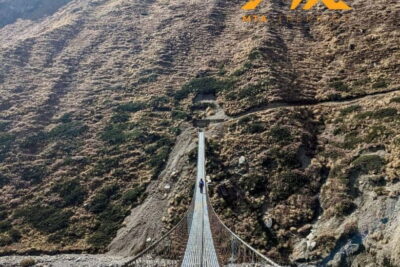
8-Day Annapurna Circuit Trek via Thorong La Pass
Read our review →
Annapurna Circuit Trek With Tilicho Lake :Best Trek in Nepal
Read our review →Browse the lists this tour appears in