
Reviewed · CITY TOURS
Kathmandu City Tour: TOP Highlights of the Kathmandu Valley
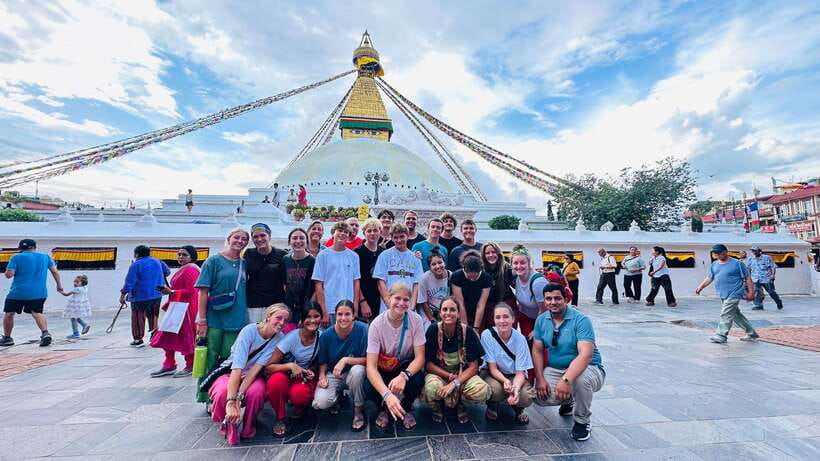
Kathmandu Valley is one of those places where spirituality and everyday life sit side by side. This tour strings together three big, UNESCO-listed stops, and I especially like the calm you get at Boudhanath Stupa and the craftsmanship you see in Bhaktapur Durbar Square.
The main thing to plan around is the practical stuff, mainly the monument entrance fees plus the fact that you will walk and climb some stairs as you move between sites.
Key highlights at a glance
- Boudhanath Stupa: one of the world’s largest Buddhist stupas, with prayer wheels and daily rituals all around it
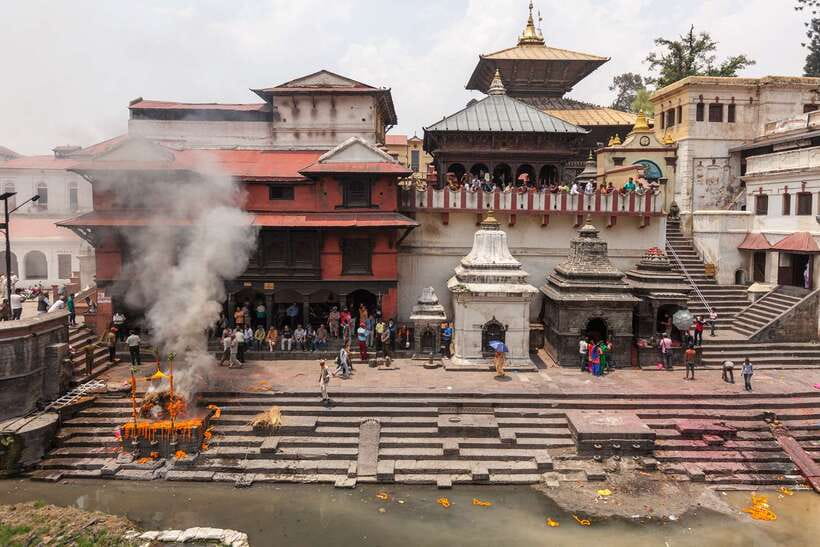
- Pashupatinath Temple: Nepal’s most sacred Shiva temple area on the Bagmati River
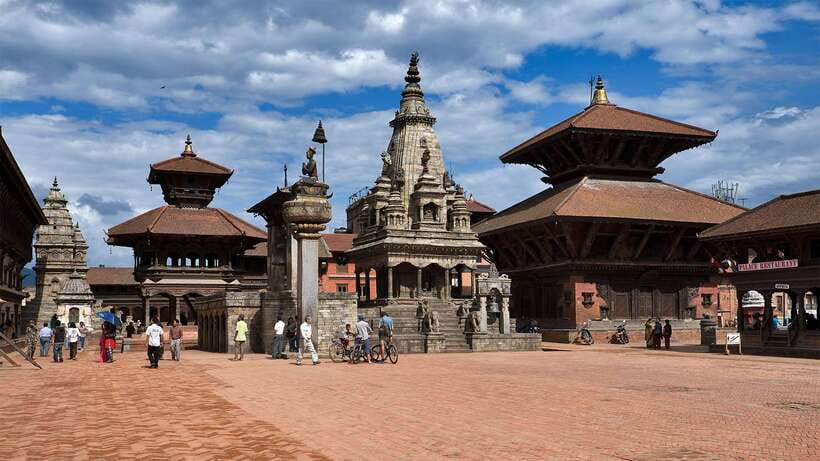
- Bhaktapur Durbar Square: medieval Newari city feel with stops like the 55-Window Palace and Nyatapola Temple
- Hindu cremation ceremonies: you may witness ceremonies and rituals by the river (a powerful, emotional moment)
- Private, English-guided: hotel pickup and drop-off with a guide who keeps the pace comfortable
Three UNESCO stops, one smooth 6-hour circuit
This Kathmandu City Tour is built like a highlight reel, but it still has breathing room. The schedule targets three of the Valley’s most recognizable landmarks: Boudhanath Stupa, Pashupatinath Temple, and Bhaktapur Durbar Square. The whole thing is listed at 6 hours, but in real life it runs about 5 to 7 hours once hotel pickup and traffic are included.
What makes it a good value is that you are not just grabbing photos. You get a professional English guide, private vehicle transport, and hotel pickup and drop-off. That matters in Kathmandu, where getting across town efficiently can be harder than it looks from a map.
One more practical note: this is a religious sites day. Dress modestly at Pashupatinath, and be ready for restricted photography inside temples. If you want a calm pace, the private format helps a lot.
More City Tours in Kathmandu
- Kathmandu: Private City Guided Tour
★ 4.9 · 174 reviews - Kathmandu: Private Patan and Bhaktapur Sightseeing Tour
★ 4.7 · 64 reviews - 1 Day Kathmandu Valley Sightseeing Tour
★ 5.0 · 37 reviews
Pickup, timing, and how to avoid the common stress
Your day starts with hotel pickup in Kathmandu. The pickup is included, using a private car, van, jeep, Hiace, or bus depending on group size. The tour notes that the pickup location should be within the Ring Road in Kathmandu, and if you are outside that area, there may be an additional fee for pickup and drop-off.
Timing can shift a bit. The tour duration is usually 5 to 7 hours starting with pickup, and traffic can affect the schedule. I like this setup because it’s realistic. Kathmandu road conditions can be changeable, so you will enjoy the day more if you do not treat it like a train schedule.
Before you head out, do the simple things:
- Wear comfortable walking shoes
- Bring water
- Pack sunscreen and a hat
- Bring an umbrella and rain gear since weather can turn
You will be on your feet more than you might expect for a “city tour,” and at least some spots include stairs.
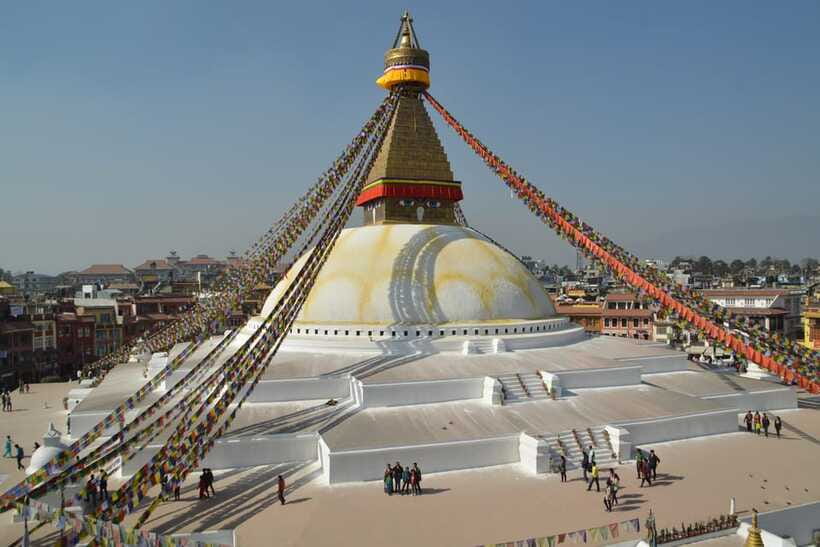
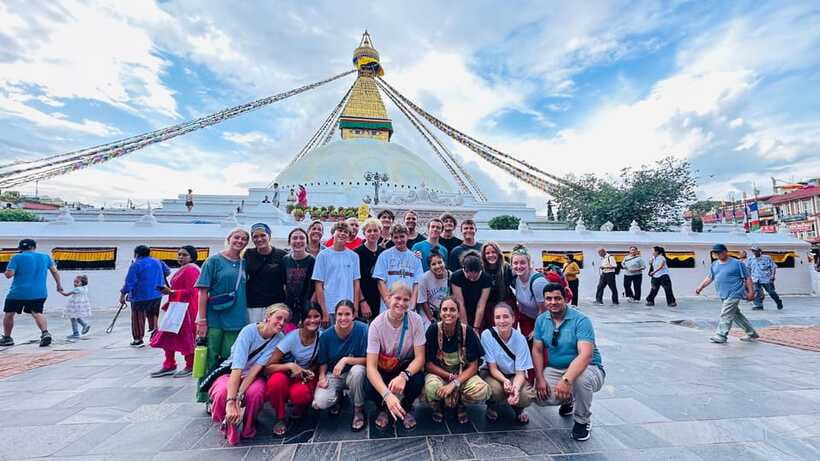
Stop 1: Boudhanath Stupa for peace, prayer wheels, and people-watching
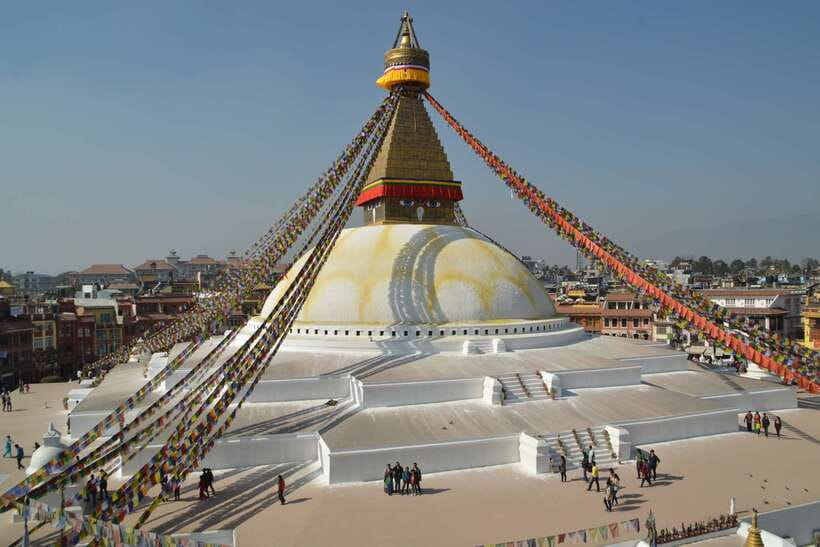
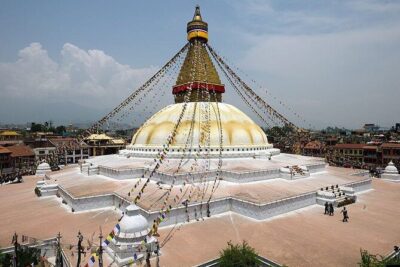
You start at Boudhanath Stupa, one of the world’s largest Buddhist monuments and a UNESCO World Heritage Site. The highlight here is the scale and the atmosphere. The stupa is a massive white dome with a golden spire, and it sits in an area where locals and pilgrims are present for daily practice, not just tourism.
The big thing I like about Boudhanath is how the experience unfolds around you. When you walk around the stupa, you will see the rhythm of daily rituals. Prayer wheels are part of the scene, and the guide can point out how that movement fits into the beliefs around the site. Even if you do not know all the rules, you can still follow the flow with a little patience and respect.
What to watch for:
- People walking in a steady rhythm around the stupa
- The layered temple area and surrounding monasteries
- Subtle details like how visitors behave differently than at Western monuments
Best time tip (practical): since your tour controls the order, you should use the early part of the day for Boudhanath. If the light or crowds change later, you might not get the same sense of calm.
Stop 2: Pashupatinath Temple and the Hindu rituals by the Bagmati River
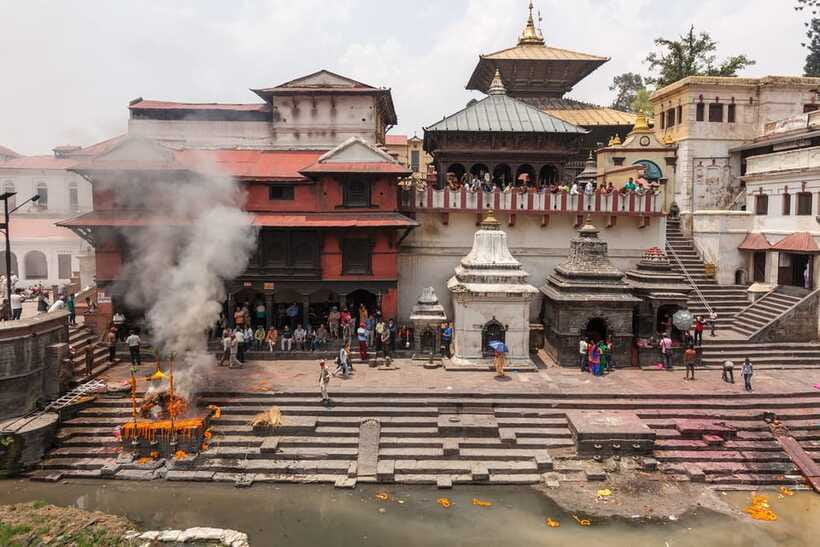
Next comes Pashupatinath Temple, another UNESCO World Heritage Site and one of the most revered temples dedicated to Lord Shiva. It is set on the banks of the Bagmati River, and that riverfront location is part of why the place feels so real. This is not a museum stop. Spiritual life and daily routines share space here.
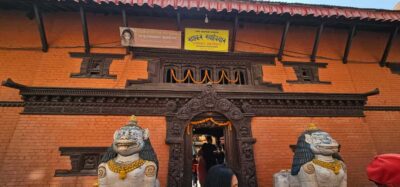
The architecture is part of the draw too. The temple area includes pagoda-style elements with intricate wood carvings and golden roofs. If you like craftsmanship, take your time looking at the details from angles the guide suggests. A good guide helps you see what your eyes might skip.
Then there are the rituals. You may witness daily spiritual rituals and Hindu cremation ceremonies along the riverbanks. This can be moving and intense. Keep your emotions in check and think of it as observing with respect rather than “watching for entertainment.” It’s also one reason the tour is flagged as not suitable for pregnant women, since the day involves walking and exposure to crowded, sensitive areas.
Photography is another consideration. Photos are often restricted inside temples, so ask your guide before taking pictures. If you want to remember the moment, use your camera only when it is allowed and focus on what you can see from outside restricted areas.
A different sort of day out of Kathmandu:
- Kathmandu: 7 UNESCO Sites with Lunch
★ 4.8 · 744 reviews - Everest Base Camp Helicopter Tour landing at Everest View Hotel
★ 5.0 · 668 reviews - Kathmandu: Local Women-Led Nepali Cooking & Momo Class
★ 4.9 · 360 reviews - Manaslu Circuit Trek
★ 5.0 · 292 reviews
Dress code at Pashupatinath
Modest clothing matters here. The tour guidance is clear: cover your shoulders and knees. You’ll feel less rushed and more comfortable if you plan for this before you arrive.
Stop 3: Bhaktapur Durbar Square, Newari craft, and medieval streets
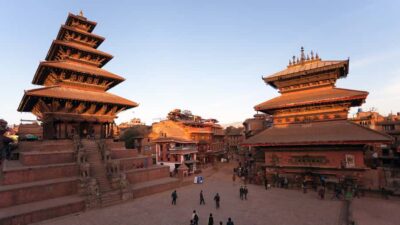
Your final stop is Bhaktapur Durbar Square, a well-preserved medieval city center and UNESCO World Heritage Site. Bhaktapur is often described as a “City of Devotees,” and you can feel that in the layout. The place has that old-world city texture, with tight streets and buildings designed to last.
Bhaktapur is also where you really see the Newari architecture that Nepal is famous for. The square is where the day’s “wow” moves from spiritual sites to buildings and city planning. Highlights mentioned for this stop include:
- 55-Window Palace
- Vatsala Temple
- Nyatapola Temple, described as Nepal’s tallest pagoda
Nyatapola is hard to miss. Its towering pagoda shape makes it a natural reference point, and the guide can help you understand why this kind of multi-tiered temple design matters.
What I like about Bhaktapur is the “small discoveries” factor. The cobblestone streets and preserved buildings make it feel like you are walking inside a living history display. You may also encounter local artisans and traditional markets near the square. That gives the tour a nice balance: earlier stops are about spiritual space, while Bhaktapur lets you see how craft and city life show up in daily visuals.
Walking pace and stairs
Bhaktapur typically means more uneven ground and steps than you expect. One of the best bits from the experience is that the pacing can stay comfortable. A guide named Neeraj was praised for moving at the group’s pace, not rushing, and answering questions as they came up. That kind of pace makes a difference when you want to actually look, not just pass by.
What you pay for, what you don’t, and why the price still makes sense
The tour price is $39 per person. What you get for that money is the heavy-lift logistics:
- hotel pickup and drop-off
- transportation by private vehicle (car, van, jeep, Hiace, or bus depending on group size)
- a professional tour guide
- taxes and service charges
What you do not get is the entrance ticket for monuments. The listed entrance fee is 3,400 Nepali Rupees per person. Meals and drinks are also not included, and tips are not included.
So is it good value? For me, yes, if you want three major sites with minimal hassle. The transportation and guide time are usually what make or break a half-day circuit in Kathmandu. If you tried to do this on your own, you would likely spend time negotiating rides, solving timing, and figuring out temple etiquette on the fly. Here, you outsource that work to someone who can keep the day organized.
Just budget for:
- the monument entrance fee
- any snacks or drinks you want during breaks
- small expenses like bottled water if needed
Who this tour is best for
This works well for you if:
- You want a first-time Kathmandu Valley overview without doing a full multi-day plan
- You care about both Hindu and Buddhist sites in the same day
- You prefer a guided pace with practical context for what you are seeing
- You like architecture and city layout as much as monuments
It may not be the best fit if:
- You are uncomfortable around crowded religious spaces or intense ritual moments
- You do not handle walking and stairs well
- You are looking for a totally relaxed, zero-step experience
The tour also states it is not suitable for pregnant women, which you should take seriously when deciding.
How to make the most of your visit without rushing
A guided tour can sometimes feel like a checklist. The better version is when you slow down and ask questions. You can do that here, because the guide is part of the value. In this experience, guides are described as informative and relaxed, with the flexibility to move at your pace.
Here are a few ways to get more from each stop:
- At Boudhanath, spend extra time just walking the perimeter and watching the prayer-wheel rhythm. Even if you cannot interpret everything, you will feel the atmosphere.
- At Pashupatinath, focus on temple architecture details from where photos are permitted, and wait for the guide to explain what you are seeing before you move on.
- In Bhaktapur, treat the square like a walking route through craftsmanship. Pause at named points like the 55-Window Palace and Nyatapola so you do not just glide past them.
And keep your camera habits respectful. If photos are restricted, let the guide lead and you will avoid awkward moments.
Weather, comfort, and small details that matter
Kathmandu weather can be changeable. The tour specifically recommends bringing:
- umbrella
- rain gear
- camera
- (also recommended in guidance) sunscreen, hat, water
Comfort items can seriously improve the day. If you are dressed for the weather, you will be more willing to take your time at each location.
Also, plan your expectations for photos. Temples may limit interior photography. Ask your guide before shooting, and you’ll get better results with fewer interruptions.
Should you book this Kathmandu Valley tour?
Book it if you want a well-paced, guided introduction to three of Kathmandu Valley’s most important sites, with easy logistics handled for you. The best reasons are the mix of stops, the guide-led explanations, and the private comfort of having pickup and transport ready.
Skip or rethink it if:
- you cannot manage walking and stairs
- you are sensitive to intense ritual scenes by a river
- you need a very light, minimal religious-site experience
If you do book, go in with modest clothing, rain protection, and the right attitude for sacred spaces. You will come away with a clearer sense of how Kathmandu’s Hindu and Buddhist worlds overlap, and why Bhaktapur’s Newari craftsmanship still looks like it belongs in the present.
FAQ
How long is the Kathmandu City Tour?
The tour is about 6 hours, and the operating duration is listed as 5 to 7 hours depending on traffic and timing.
What sites are included in the itinerary?
The tour includes Boudhanath Stupa, Pashupatinath Temple, and Bhaktapur Durbar Square.
Is hotel pickup and drop-off included?
Yes. Your guide or driver picks you up from your hotel in Kathmandu and drops you back off after the tour.
What does the price include?
It includes hotel pickup and drop-off, transportation by car, van, or bus depending on group size, a professional tour guide, and taxes and service charges.
What is not included in the tour price?
Monument entrance fees, meals, drinks, and tips are not included.
How much are the monument entrance fees?
The listed monument entrance fee is 3,400 Nepali Rupees per person.
Is the tour private and in English?
Yes. This is a private group tour, and the live tour guide speaks English.
What should I wear or bring for temple visits?
Bring comfortable walking shoes, and wear modest clothing, especially at Pashupatinath. Bring an umbrella, rain gear, and consider sunscreen and a hat.
Is the tour suitable for pregnant women?
No. The tour is listed as not suitable for pregnant women.
Does the tour run in bad weather?
The tour operates in all weather conditions, and you will be informed of changes if extreme weather occurs.
Latest Kathmandu write-ups
- 16 Days Island Peak Climbing With Everest Base Camp Private Trip★ 5.0 · 3 reviews
- 15 Days Round Annapurna Trek with Poon Hill from Pokhara★ 5.0 · 5 reviews
- Private Nepal round trip including Ghorepani Poonhill trek★ 5.0 · 3 reviews
- Everest Base Camp Trekking 16 Days★ 4.0 · 7 reviews
- 14 Days Luxury Annapurna Base Camp Trek★ 5.0 · 6 reviews
- Everest Base Camp Trek★ 5.0 · 32 reviews
- Everest Base Camp Trek★ 5.0 · 87 reviews
- Everest Base Camp Trek★ 5.0 · 97 reviews
City Tours, compared.
Everest Base Camp: 3 Hour Helicopter Sightseeing Tour
Read our review →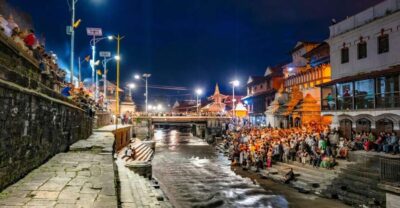
Browse the lists this tour appears in