
Reviewed · SHOPPING TOURS
Kathmandu Food Crawl & Market Tour
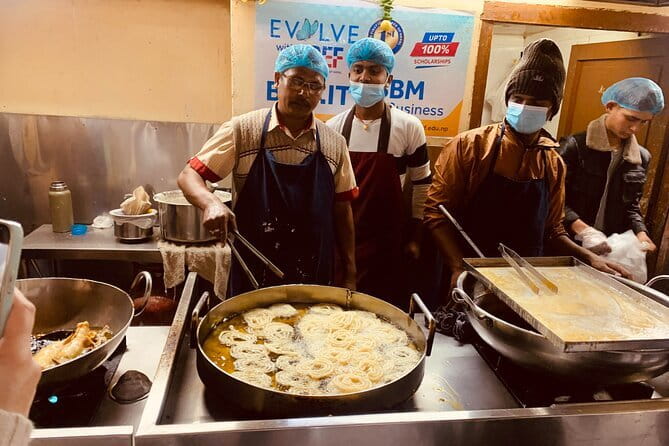
Kathmandu street food is more than snacks, it is a map of who lives where and why they eat what they eat, and this food crawl centers on Ason Bazar plus Newari cuisine. I love the way guide Santosh Pandey links each bite to daily life, ingredients, and local meaning. I also like the tight 2-hour format, where you get a real variety of market foods without turning it into a half-day chore.
One thing to consider: this is a tasting walk, not a full sit-down meal, so if you have a giant appetite you may want a proper dinner after. Comfortable shoes matter too, because you are moving through market lanes.
Key highlights to know before you go
- Ason Bazar as the anchor for a first real look at Kathmandu market culture
- Newari staples like yomari and samay baji that go beyond basic street food
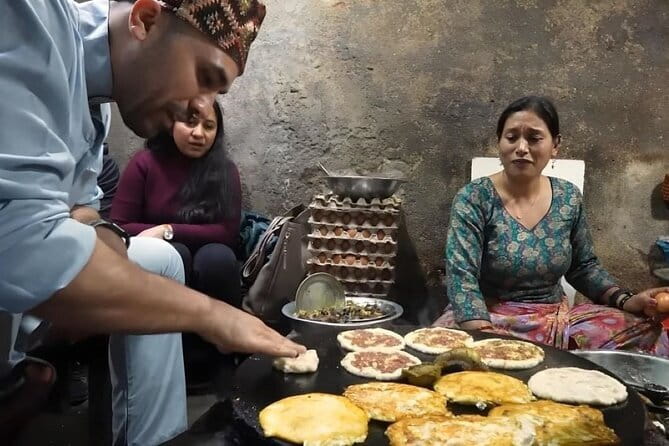
- Street-food favorites such as momo, chatamari, and laphing, depending on what is available
- Crafts and traditions linked to Newar culture and other local groups
- Generous sampling with drinks (minimum 5 items) that can add up fast
Ason Bazar and the smartest way to start eating in Kathmandu
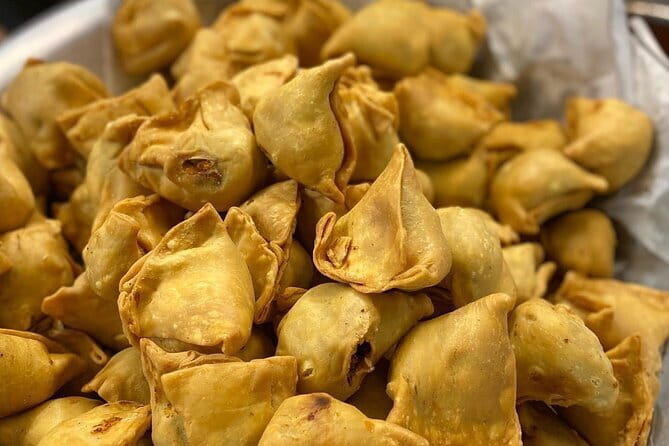
If you have limited time in Kathmandu, you want your first food experience to do two jobs: taste great food and teach you how locals think about it. This tour uses Ason Bazar as the core, because it is the kind of market where you can see old Kathmandu habits at close range, not just a food lineup.
What I like about starting here is the built-in logic. Markets make food make sense. You get a sense of how ingredients move through the city, why certain stalls become famous, and how different communities overlap in everyday eating. Even if you only remember a few dish names, you leave with a clearer idea of what Kathmandu street food actually represents.
You also get a guided route, which matters in a place where the most interesting stalls are often in the most confusing lanes. A guide keeps you moving toward the right spots while also explaining what you are seeing and tasting along the way, so the walk feels intentional, not random.
More Food Tours in Kathmandu:
- Kathmandu Secret Food Crawl & Local Market Tour
★ 4.7 · 54 reviews - Kathmandu: Local Food Tour | Authentic Street Food & Culture
★ 4.0 · 3 reviews - Kathmandu: Guided Delicious Food Tour with 12+ Tastings
★ 5.0 · 3 reviews
Newari cuisine: the dishes that explain Kathmandu’s food DNA
The tour’s strongest angle is its focus on Newari cuisine, which is the signature food tradition of the Newar community. This is where Kathmandu’s culinary identity gets specific. Instead of generic “street food,” you start tasting foods that carry ceremony, seasonality, and local symbolism.
From the foods highlighted for Newari tradition, you are in the orbit of dishes like yomari, a sweet steamed dumpling filled with molasses and sesame seeds. You will often find that sweet and nutty flavors change the way you read the whole meal. It is not just heat and salt, it is also texture and balance.
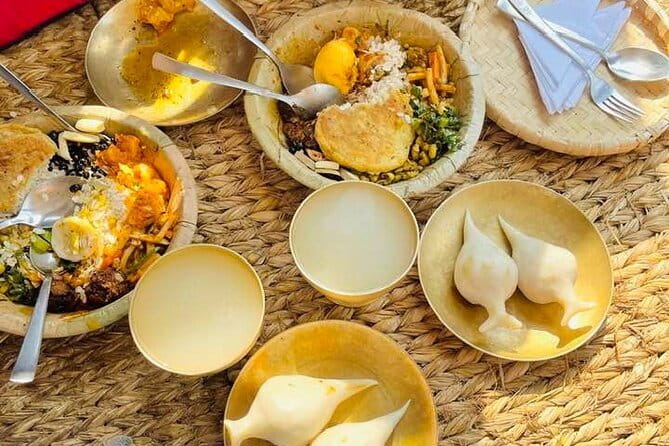
You also should expect to run into samay baji, a ceremonial platter concept that typically includes beaten rice, spiced buffalo meat, and a selection of pickles. Even if you do not eat the entire platter in one go, seeing the structure helps. You start understanding that a Kathmandu meal can be arranged like a set, where pickles and sauces are part of the core, not an add-on.
The best part of this Newari focus is that it gives you names for what you taste. Once you can label the food, you can order it later with confidence, or at least recognize it on menus. That is a real value for a short time visit, because it turns your memory into a tool, not just a photo.
Street-food classics you’ll likely taste on the market walk
Kathmandu street food has a lot of flavors that will feel familiar if you have spent time in South Asia, but it also has plenty of local twists. This crawl is designed to hit that mix, especially around the market areas where locals go when they want quick, flavorful eating.
Here are the standouts mentioned as key foods in the Kathmandu street-food scene, and you should plan for something in this category during the tasting:
- Momo in multiple variations, often steamed or pan-fried, with different fillings and sauces
- Chatamari, sometimes described as a Newari-style pizza, where toppings and batter style matter
- Laphing, a cold, spicy mung bean noodle dish that locals tend to claim as their own kind of comfort food
What makes these choices practical for you is variety. Momo gives you a familiar framework with Nepali seasoning. Chatamari adds texture and a different kind of savory satisfaction. Laphing brings cooling relief plus heat, which is a good combination when you are walking around for 2 hours.
One small caution: street food heat levels can vary, and spicy choices are a big part of the experience. If you are sensitive, tell your guide what you can handle early. A good guide will steer you toward portions and sauces that keep the tour enjoyable.
Crafts, traditions, and how the tour turns food into culture
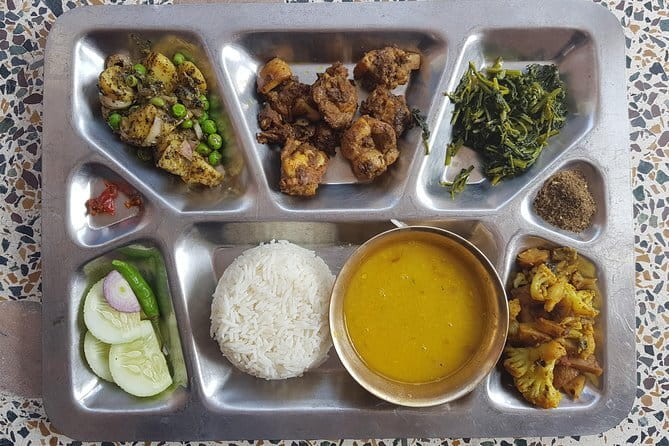
Food tours that only hand you snacks can feel like shopping with a fork. This one aims to do something more useful: connect eating to culture, especially Newar crafts and traditions plus the daily lifestyle of people around the market.
As you move, you are not just watching food being cooked. You are seeing how market life works, what crafts look like in use, and how traditions show up in everyday routines. That context matters because it changes your attitude while eating. When you understand that certain foods and preparation styles have cultural meaning, you taste more carefully and waste less time second-guessing what you are looking at.
From the tour description and the way the experience is framed, you should also expect conversation. The goal is a friendly, human connection, the kind that makes the market feel like a living neighborhood rather than an attraction. Guide Santosh Pandey is specifically highlighted for bringing this context to the walk, including stories about life in Nepal and how food fits into it.
More Markets in Kathmandu:
- Oldest Local Market Walking Tour With Living Goddess Kumari
★ 5.0 · 8 reviews - Half Day Cooking Class in Thamel with Local Market Visit
★ 4.5 · 6 reviews
The 2-hour rhythm: enough time to eat, not enough time to get lost
The tour lasts 2 hours, which is an ideal length if you want a food hit without committing to a long day. It is also a smart duration for Kathmandu, because you are walking through market areas where time can be slippery. Two hours gives you momentum, and it keeps the pace manageable.
You start at the main gate of Chhaya Devi Complex, and the meeting spot is also tied to Chhaya Center. That is helpful because it gives you a clear reference point. At the end, you return back to Chhaya Center, so you are not stuck figuring out a new meeting spot far from where you began.
This format suits people who want structure. You will likely spend most of those two hours moving between tasting stops in local market space, where the guide’s job is to keep you on the right path. You also get the advantage of getting a guided explanation while you eat, which makes the whole walk feel like more than just food.
One practical note: the experience is built around samples. Even with generous portions, you may still want a real meal afterward. That is not a failure of the tour, it is usually how tasting tours work best, you leave curious and ready to keep exploring.
What you actually get for $28: value you can feel
At $28 per person for a 2-hour food crawl, the price makes sense only if the tasting portion is real, and it is. The included setup covers an English-speaking guide, all government taxes and official expenses, and all foods and beverages with a minimum of 5 items, plus drinks.
That minimum food count is important because it prevents the common problem where a “food tour” is mostly walking with a single snack stop. Here, you are budgeting for multiple tastings, and you are not paying extra for each sample.
Then there is the quantity factor. Reviews describe the food as coming in surprisingly large samples, with some people saying the combined tastings added up to close to two full meals. That is a big deal for value, especially in a city where you can easily spend money on multiple casual snacks that still do not add up to much.
You should also think about the guide cost. Market food is not always obvious to first-timers. A guide helps you order and taste without risk, and that saves time and guessing. In practice, you are paying for local judgment, not just food.
As for what is not included, personal expenses are on you, which is standard. If you want extra drinks beyond what is part of the tasting, you will likely pay separately.
Guide Santosh Pandey: why the storytelling matters
A big part of this tour’s reputation is the guide. Santosh Pandey is described as friendly, easy to talk to, and attentive to food preferences, plus able to explain Kathmandu and Nepal in a way that stays relevant to what you are eating.
That matters because food tasting becomes personal only when the guide can connect ingredients to meaning. It is one thing to taste a sweet dumpling. It is another to understand what makes it Newari, why it is prepared a certain way, and how local people think about it.
Santosh also shows up in the details, like helping you find food spots you might not walk into alone. The tour also covers market history and cultural context along the route, so you are not just collecting flavors, you are collecting understanding.
If you want a tour where your guide is part teacher and part friendly conversation, this fits that style.
Who should book this tour, and who might not
This is a great fit if you:
- Want a short, guided Kathmandu food experience rather than building your own snack crawl
- Have interest in Newari cuisine and want to taste named dishes like yomari and samay baji concepts
- Like walking through markets, chatting a bit, and learning how locals eat day to day
- Prefer an English-speaking guide for clarity while you sample foods
It might be less ideal if you:
- Want a sit-down, plated dinner experience rather than tasting portions
- Have very strict dietary limits and need full control over ingredients, since market sampling involves local preparation styles and shared cooking spaces
If you are flexible and come ready to taste, you will get a lot out of the cultural and food variety in just 2 hours.
Should you book this Kathmandu Food Crawl & Market Tour?
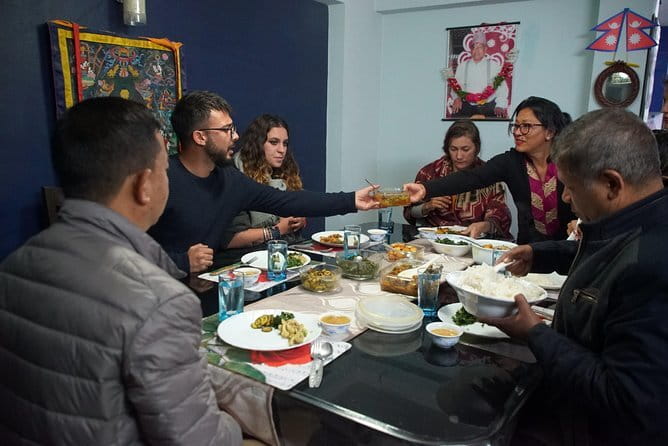
I would book it if you want a structured way to eat authentic Kathmandu market food without spending your trip time hunting for the right stalls. The combination of Ason Bazar focus, Newari dishes, and street-food classics gives you a strong spread, and the inclusion of drinks plus at least 5 tasting items makes the $28 price feel grounded.
If you are the type who likes learning as you eat, this tour has a clear advantage because Santosh Pandey’s explanations are part of the point, not just background noise. My advice: come hungry, wear comfortable shoes, and tell your guide your spice comfort level early.
If you want flexibility, you can also plan with the tour’s free cancellation window up to 24 hours before, which helps if Kathmandu schedule changes.
FAQ
Where is the meeting point for the Kathmandu Food Crawl & Market Tour?
The tour meets at the main gate of Chhaya Devi Complex.
How long is the Kathmandu Food Crawl & Market Tour?
The duration is 2 hours.
What is the price per person?
The price is $28 per person.
Is the tour guide English-speaking?
Yes, the tour includes a live English-speaking tour guide.
What food and drinks are included?
All foods and beverages are included, with a minimum of 5 items with drinks.
What is not included in the tour price?
Personal expenses are not included.
Is there free cancellation?
Yes, you can cancel up to 24 hours in advance for a full refund.
Does it offer reserve now and pay later?
Yes, you can reserve your spot and pay later.
More Shopping Tours in Kathmandu
- Kathmandu Food & Drink and Shopping Rickshaw Tour
★ 5.0 · 48 reviews - Kathmandu: Food, Drink and Shopping Rickshaw Tour
★ 4.9 · 15 reviews - Kathmandu: Food, Drink and Shopping Rickshaw Tour
★ 4.7 · 7 reviews
Latest Kathmandu write-ups
- 16 Days Island Peak Climbing With Everest Base Camp Private Trip★ 5.0 · 3 reviews
- 15 Days Round Annapurna Trek with Poon Hill from Pokhara★ 5.0 · 5 reviews
- Private Nepal round trip including Ghorepani Poonhill trek★ 5.0 · 3 reviews
- Everest Base Camp Trekking 16 Days★ 4.0 · 7 reviews
- 14 Days Luxury Annapurna Base Camp Trek★ 5.0 · 6 reviews
- Everest Base Camp Trek★ 5.0 · 32 reviews
- Everest Base Camp Trek★ 5.0 · 87 reviews
- Everest Base Camp Trek★ 5.0 · 97 reviews
Shopping Tours, compared.
Kathmandu Food & Drink and Shopping Rickshaw Tour
Read our review →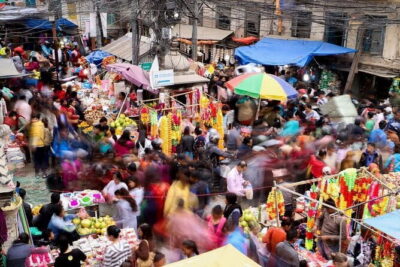
Oldest Local Market Walking Tour With Living Goddess Kumari
Read our review →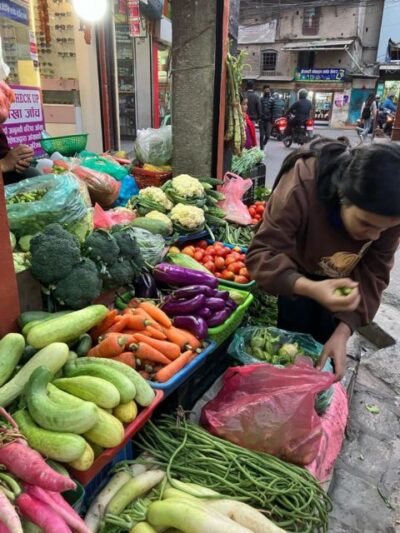
Half Day Cooking Class in Thamel with Local Market Visit
Read our review →Browse the lists this tour appears in